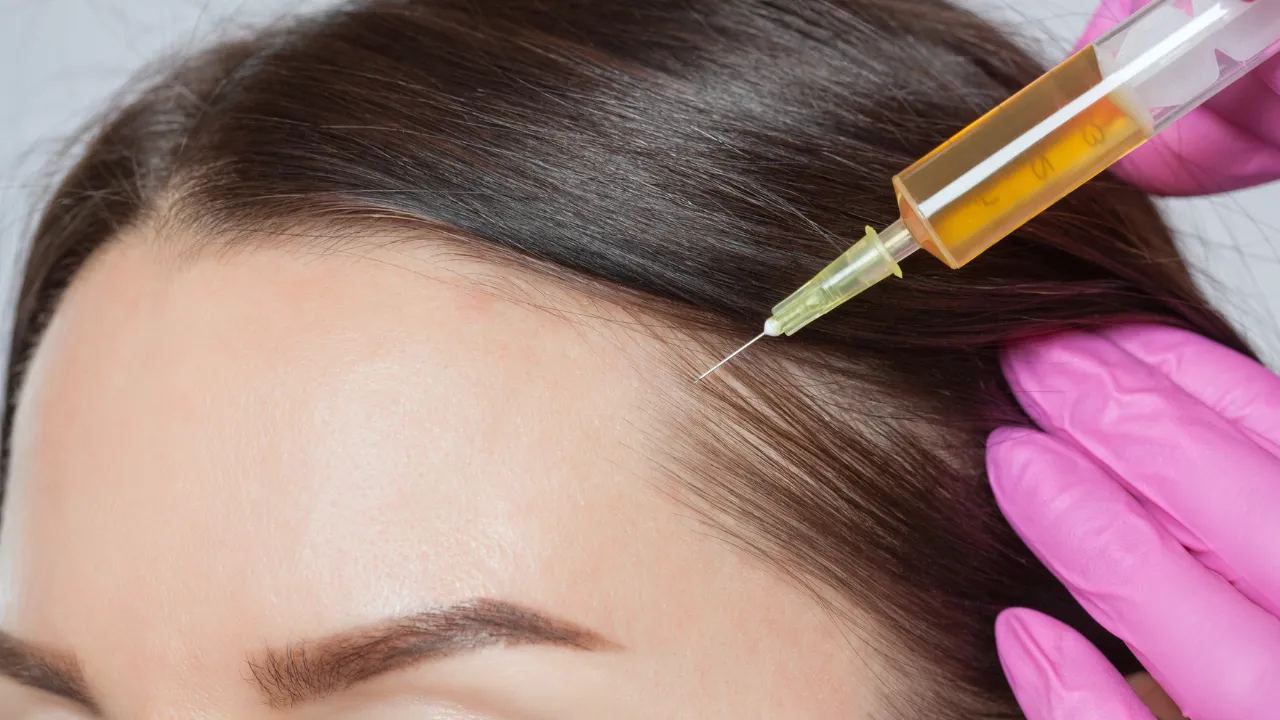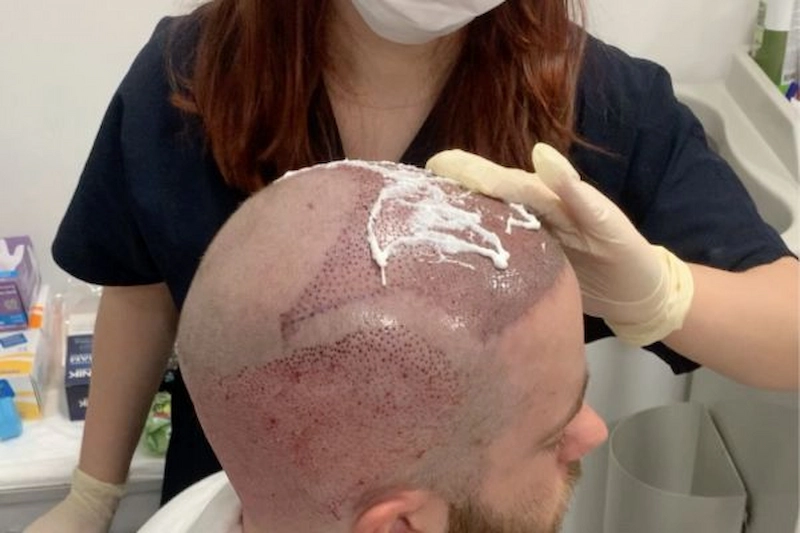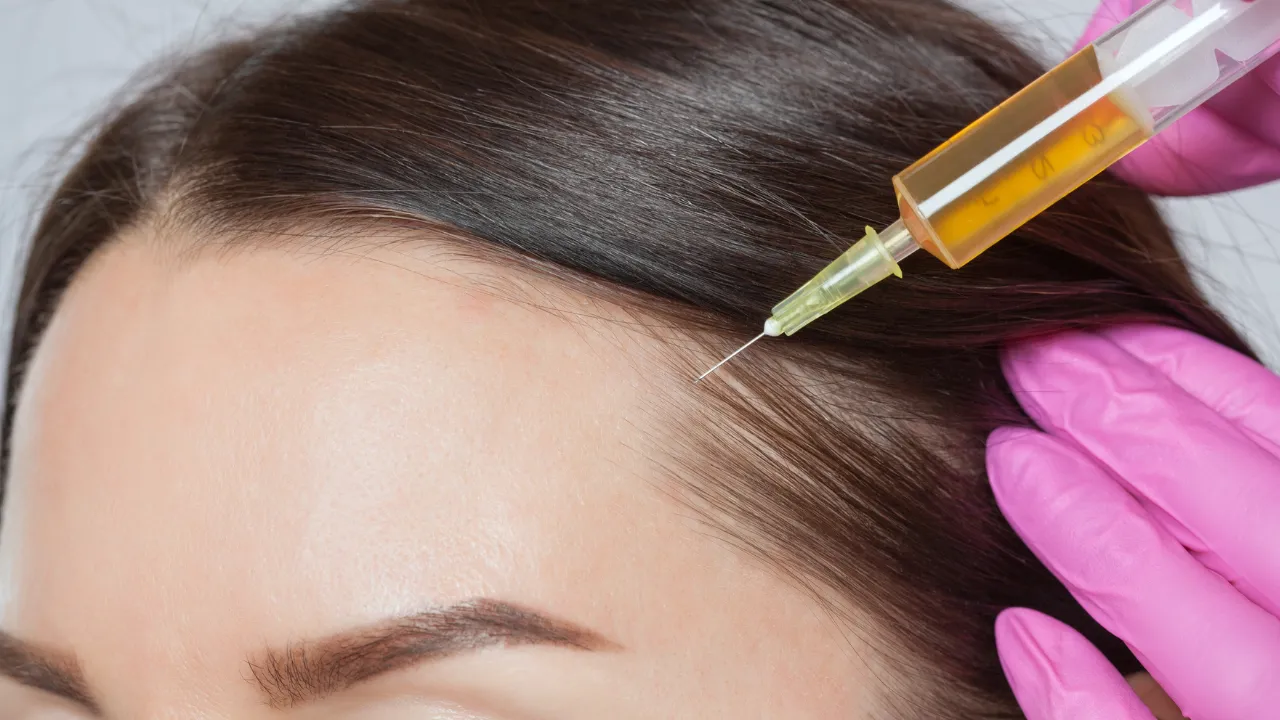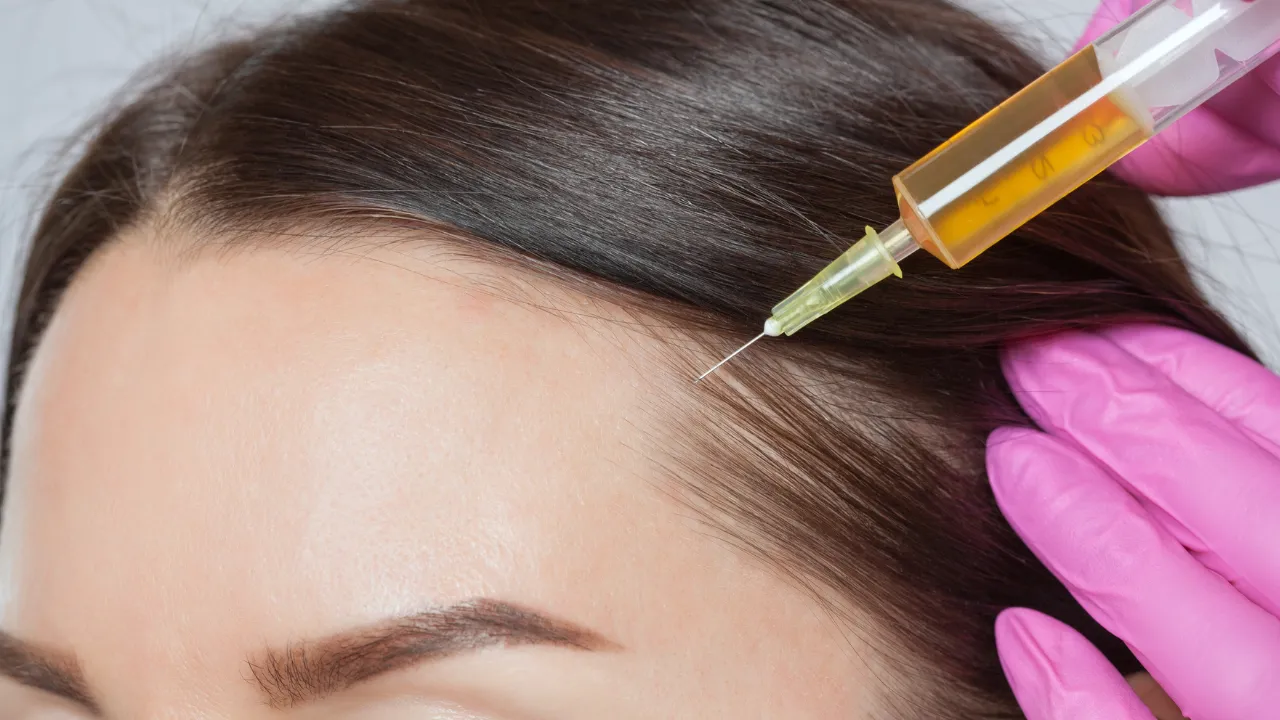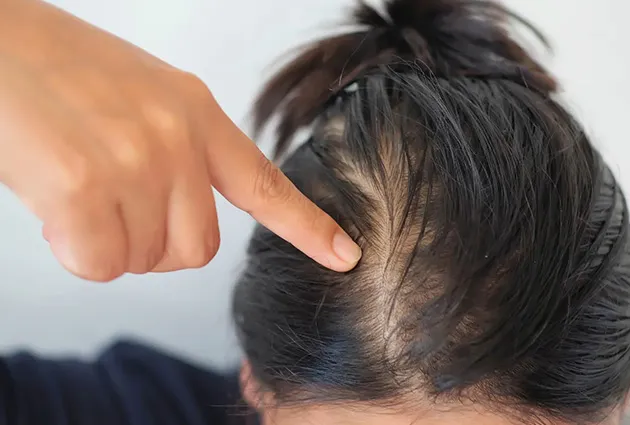
A DHT blocker is any substance, medication, or product that reduces the activity of dihydrotestosterone (DHT) at the scalp level. By limiting how much this hormone can bind to and damage follicles, these treatments help slow or stop the progression of androgenetic alopecia, the most common form of hereditary thinning in both men and women. If you’re dealing with a receding hairline, crown thinning, or a widening part that wasn’t there a year ago, DHT is often the reason.
Search Results: dht (112)
How many men are bald? About half of men have noticeable male pattern baldness by age 50, and roughly 80% of white men are affected by age 70 (StatPearls).
Higher estimates exist: the American Hair Loss Association reports that two-thirds of American men have some noticeable hair loss by 35, and about 85% have significantly thinning hair by 50 (American Hair Loss Association). Figures differ partly because sources define baldness differently and sample different groups of men.
Do all men go bald? No. Even at 70, about one in five white men shows no pattern loss, and the degree ranges from a slight recession to complete loss on top. Onset can also come early: about 25% of men who develop male pattern baldness start losing hair before age 21 (American Hair Loss Association).
Not every man becomes completely bald, but visible recession, crown thinning, or reduced density eventually affects most men. Pattern and severity depend on genetics, hormones, ancestry, and overall health. Early treatment can slow progression, which is why recognizing the first stages matters.
To avoid erectile dysfunction (ED) on dutasteride, use the lowest effective dose, ask your doctor about a less frequent schedule or a topical form, and report any change within the first three months. If ED does appear, it is usually reversible, and treatment can often continue while you manage it.
Medically reviewed by Dr. Hannah Kopelman, dermatology resident
Procapil side effects are usually mild and stay on the scalp: redness, itching, dryness, or the occasional breakout. Serious reactions are rare in the small studies available; one six-month study of 56 patients using a lotion built on Procapil’s three actives (plus other ingredients) reported no adverse events (International Journal of Trichology review).
The limits matter, though. Procapil is a cosmetic ingredient, not an FDA-approved drug, and the research behind it comes mostly from small trials of combination formulas. It is often chosen as a gentler alternative to minoxidil or finasteride, but it has not been shown to match either.
You get your hair genes from both parents. Men inherit their only X chromosome, and the AR gene on it, from their mother; women receive one X from each parent. Most other genes behind thinning, color, and texture sit on non-sex chromosomes and can come from either side, so no single parent decides.
Matthew McConaughey says he regrew his thinning crown with a daily topical product called Regenix, not surgery. He began using it in the late 1990s after noticing a bald spot roughly the size of a baseball, and he has stayed on the routine for more than twenty years.
He has consistently denied having any procedure, including plugs or grafting. There is no confirmed public evidence either way, so anything beyond his own statements remains speculation.
Some products keep showing up on lists of the worst shampoos that cause hair loss, but the bigger issue is usually the formula rather than the brand name alone. Shampoos with harsh sulfates, formaldehyde-releasing preservatives like DMDM hydantoin, heavy silicones, and strong fragrances can strip the scalp, trigger irritation, and leave strands more prone to breakage. This often shows up as faster shedding, especially if your hair is already fragile from coloring, heat styling, hormonal shifts, or a scalp condition.
Shampoo rarely causes permanent balding on its own. In most cases, these formulas worsen scalp inflammation, dryness, or buildup that weakens the strand and disrupts healthy growth over time. Men can experience the same irritation from these ingredients, though hormonal cycles, postpartum shifts, and chemical styling habits make the pattern more pronounced in women, which is the focus of this guide.
TRESemmé and OGX have faced class-action lawsuits tied to DMDM hydantoin, a formaldehyde-releasing preservative, and WEN, DevaCurl, and Mane ‘n Tail have faced similar claims. Other mass-market shampoos, including Pantene, Herbal Essences, and L’Oréal Elvive, commonly use sulfates and silicones that can dry out or coat the hair without being tied to a specific lawsuit. Results depend on your scalp sensitivity, hair texture, and how often you use the product.
Kopelman Hair Restoration is a surgical practice led by Dr. Joel Kopelman, a board-certified surgeon with more than 35 years of experience in hair restoration and an active member of the International Society of Hair Restoration Surgery (ISHRS), with locations in New York, New Jersey, Palm Beach, and Boca Raton.
Hair loss is a symptom, not a diagnosis. It can be caused by genetics, male- or female-pattern baldness, stress, hormonal changes, medical conditions, medications, or nutritional deficiencies. Because the right treatment depends on the cause, evaluation by a doctor or dermatologist is often the best first step.
This educational guide from Kopelman Hair explains what causes hair loss, the main types and their symptoms, how the condition is diagnosed, and which treatment and prevention options exist. By the end, readers will understand the core mechanisms behind thinning and shedding, along with the realistic limits of each approach.
The best beard styles for men in 2026 are the ones that suit your face shape, your natural density, and the upkeep you’re willing to do. Stubble and the short boxed beard are the lowest-maintenance picks. The corporate beard, Van Dyke, and Balbo look sharper, while longer styles like the ducktail, Garibaldi, and Viking beard reward strong, even growth.
Clean necklines, daily oil, and trimming to your growth pattern matter more than following trends. Use the quick list below to scan all 21 styles, or jump to your face shape for a tailored pick.
At Kopelman Hair, hair restoration surgeon Dr. Ross Kopelman treats men whose facial hair growth limits their options. This guide covers 21 named styles with growth times, lengths, and upkeep, plus face-shape matching, grooming routines, and what to do when patchy growth won’t respond to styling.
Eyebrow hair can grow quickly due to genetics, hormone levels, and a naturally short growth cycle that keeps the follicles active. If your eyebrow hair seems to grow fast, it often relates to how your follicles respond to androgens like DHT, which can influence thickness, length, and growth rate over time. These hormonal effects can become more noticeable with age, in both men and women, and may result in brows that grow faster and require more frequent grooming.
Frequent trimming is usually needed to maintain shape when growth is more active. In some cases, medications or overall health changes can also influence growth patterns. If the change feels sudden or excessive, it may help to review any recent hormonal or lifestyle factors.
A medical, evidence-based strategy focuses on preserving existing hair while restoring areas that have already thinned. In a surgeon-led approach, treatment often combines medications like finasteride and minoxidil with procedures such as follicular unit extraction (FUE) or follicular unit transplantation (FUT). This combined approach helps slow ongoing hair loss while restoring density in areas where follicles are no longer active.
The focus is on long-term planning rather than short-term fixes. Factors like hair loss pattern, donor supply, and progression rate guide treatment decisions. Consistent follow-up and personalized care improve outcomes and help maintain natural-looking results over time.
The best products for postpartum hair loss often include options like Minoxidil (such as 5% foam), targeted supplements like Nutrafol Postpartum, and gentle anti-thinning shampoos that help reduce shedding. These products work by improving follicle support, restoring nutrients, and maintaining a healthy scalp environment.
Supportive care also plays a key role in recovery. Oils like Rosemary Oil can help improve circulation, while mild, sulfate-free products reduce stress on fragile hair. It is important to choose treatments carefully, especially during breastfeeding, and follow medical guidance when needed.
Yes, in many cases it’s possible to slow, stop, or even partially reverse hair loss—especially when it’s treated early. The results depend on the underlying cause and how long the hair loss has been progressing, with the best outcomes often seen within the first 3 to 5 years. Treatments like minoxidil and finasteride can help improve density by supporting still-active hair follicles.
While genetic hair loss cannot be permanently cured, it can be effectively managed over time. Additional options such as microneedling or Hair Transplant may be used to improve coverage in more advanced cases. Ongoing treatment is usually required to maintain results and prevent further loss.
M-shaped hair loss is a common pattern where the hairline recedes at the temples while remaining more prominent in the center. This pattern is usually an early sign of Androgenetic Alopecia and can begin in the 20s or 30s. It affects a large percentage of men over time and tends to progress gradually if not treated.
Early signs include temple thinning, a widening “M” shape, and reduced density along the hairline. Treatment options may include Minoxidil, Finasteride, or hair transplantation for more advanced cases. Starting treatment early can help slow progression and preserve the hairline.
Whether you will go bald depends mainly on genetics and how your hair follicles respond to hormones. The question of will i go bald is most often linked to Androgenetic Alopecia, which affects about 50% of men by age 50 and can begin much earlier. Early signs include a receding hairline, thinning at the crown, and gradual loss of density over time.
This process is driven by sensitivity to Dihydrotestosterone (DHT), which causes follicles to shrink and produce finer hair. Identifying these changes early allows for better management with treatments that can slow progression. Monitoring patterns and acting early improves the chances of maintaining hair coverage.
Hair loss in men can begin as early as the late teens or early 20s, though it more commonly becomes noticeable in the 30s. The question of when do guys go bald depends largely on genetics, with about 66% of men experiencing some hair loss by age 35 and up to 85% by age 50. The most common cause is Androgenetic Alopecia, which progresses gradually over time.
Early signs include a receding hairline, thinning at the crown, or increased shedding. Starting treatment early with options like Minoxidil or lifestyle changes can help slow progression. Monitoring changes and acting early improves the chances of maintaining hair density.
Women do experience hair loss, but they rarely develop complete baldness like men. The reason behind why dont women bald is mainly due to lower levels of Dihydrotestosterone (DHT) and genetic factors, including protection from having two X chromosomes. Instead of a receding hairline, women typically develop diffuse thinning along the part line.
Female hair loss patterns are usually less aggressive and more evenly distributed. Conditions like Androgenetic Alopecia still occur, but they progress differently than in men. This is why women often maintain their hairline while noticing reduced overall density.
Hair loss above and behind the ears in women is usually a localized problem, driven by tension, friction, or scalp irritation rather than widespread balding. In females, thinning around the ears is most often tied to traction alopecia from tight hairstyles, or to repeated rubbing from glasses, masks, and headphones. Other triggers include alopecia areata, inflammatory scalp conditions such as seborrheic dermatitis, and hormonal changes.
Diagnosis focuses on pinpointing the exact trigger through a scalp exam and a review of medical history. Treatment then centers on easing tension, improving scalp care, and calming inflammation or any underlying condition. Acting early helps stop the pattern from spreading and supports regrowth in the affected area.
The key difference in androgenetic alopecia vs telogen effluvium is how the hair loss occurs and whether it is temporary or permanent. Telogen Effluvium causes sudden, diffuse shedding triggered by stress, illness, or hormonal changes and usually resolves within 6 to 9 months. In contrast, Androgenetic Alopecia is a gradual, genetic condition that leads to thinning in specific patterns, such as the crown or hairline.
Telogen effluvium does not damage the hair follicle, so regrowth is expected once the trigger is addressed. Androgenetic alopecia involves follicle miniaturization, which progresses over time without treatment. Identifying the pattern and timing of hair loss is essential for choosing the right management approach.
Finasteride side effects are uncommon, affecting roughly 2% to 4% of men in clinical trials, and the symptoms reported most often are sexual, such as reduced libido or trouble with erections. Most men tolerate the medication well, whether they take 1 mg for thinning hair or 5 mg for an enlarged prostate.
The drug works by lowering dihydrotestosterone (DHT), the hormone that drives male pattern baldness, which is also why a small number of users notice hormonal effects elsewhere in the body. When reactions do appear, they are usually mild, tend to ease over time, and often resolve after treatment is stopped.
Thinning at age 16 is usually temporary and treatable, but it should not be ignored if it continues or worsens. If you are asking why your hair is thinning at 16, the answer usually involves normal hormonal shifts during puberty, low iron, zinc, protein, or vitamin D, emotional or physical stress that triggers telogen effluvium, harsh styling habits, or an underlying medical condition. Genetics matters too, and teenagers with a strong family history can develop early androgenetic alopecia.
Increased shedding, a widening part, a receding hairline, small bald patches, scalp redness, or persistent itching all help narrow down the cause. Thyroid disorders, polycystic ovary syndrome (PCOS), alopecia areata, fungal scalp infections, and medication side effects can also contribute. A dermatologist or pediatrician can evaluate these possibilities and recommend treatment before the changes become permanent.
Balding can start as early as the late teens, but most people notice it in their 20s or 30s. The question of when does balding start depends largely on genetics, with about two-thirds of men experiencing some hair loss by age 35 and up to 85% by age 50. The most common cause is Androgenetic Alopecia, which progresses gradually over time.
Early signs include a receding hairline, thinning at the crown, or reduced hair density. Hair loss typically follows recognizable stages, which can be tracked using systems like the Norwood Scale. Starting treatment early with options like Minoxidil can help slow progression and maintain coverage.
If you want to know how to stop hair loss, the most reliable approach is to identify the cause early and begin treatment before the follicles shrink too far. The strongest plans combine a proven medication, consistent scalp care, and small habit changes that reduce daily shedding. Acting early gives you the best chance of keeping the strands you still have and improving thickness over time.
For inherited thinning, treatments such as Minoxidil or a prescription DHT blocker can slow follicle miniaturization and support regrowth. A diet with enough protein, iron, and vitamin D, plus better sleep, stress control, and treatment of any scalp inflammation, all add to the effect. Avoid tight hairstyles, harsh chemicals, and excessive heat, which can weaken the strand. Consistency matters more than quick fixes, since most options take months to show results.
Your guide to treatments and habits when asking, can you prevent hereditary baldness? with tips to protect your scalp and keep hair healthy.
Yes, weight gain can contribute to hair loss, usually through indirect effects on hormones and metabolism. The connection is linked to increased androgen levels, such as dihydrotestosterone (DHT), insulin resistance, and chronic inflammation, all of which can disrupt normal follicle function. Can obesity cause hair loss on its own? Not directly, but the metabolic changes that come with excess body fat can weaken follicles and lead to noticeable thinning over time.
Shedding triggered by these imbalances is often reversible once the underlying cause is addressed. Improving diet, managing body composition, and stabilizing hormones can help restore healthier growth patterns. Identifying and correcting these factors early increases the chances of recovery.
Vitamin E for hair growth shows promise in one clinical trial, but the evidence is limited. In that study, people with hair loss who took tocotrienols, a form of the nutrient, for eight months had a 34.5% average increase in hair count, compared with a 0.1% drop on placebo (Beoy et al., 2010). For standard capsules, oils, and foods, the benefits are more modest. They support the scalp and may reduce dryness and breakage, but they do not reverse genetic balding.
The nutrient works by lowering oxidative stress, supporting blood flow, and keeping the scalp moisturized. Results depend on consistency, diet, and scalp care. Kopelman Hair specializes in hair restoration, so this guide also explains when supplements are not enough.
Can magnesium deficiency cause hair loss? Yes, it may contribute to shedding and thinning, but it is rarely the only cause of significant loss. Low magnesium can affect protein synthesis for keratin, inflammation, scalp circulation, and calcium balance around the follicles. It is more likely to appear alongside other nutritional gaps or medical conditions than on its own.
Correcting a confirmed deficiency may support healthier growth, but it will not reverse thinning caused by genetics, autoimmune disease, or hormonal disorders. Iron deficiency, thyroid disease, stress, and hormonal imbalances are well-established causes of thinning, so a medical evaluation can pinpoint the real reason.
Magnesium glycinate and magnesium citrate are commonly recommended because they are well absorbed, though the best choice depends on individual health needs.
The vertex of the head is the highest point of the skull, sitting toward the back of the top of the scalp. It is the same area most people call the crown, and on a full head of growth it is usually marked by a circular whorl pattern.
Anatomically, the vertex sits where four cranial bones meet: the frontal bone, the two parietal bones, and the occipital bone. These are joined by the coronal, sagittal, and lambdoid sutures, which is why the region reads as the true apex of the skull rather than a vague “top of the head.”
For most people, asking if high testosterone causes hair loss, the short answer is no, not on its own. Elevated male hormone levels rarely trigger baldness by themselves. The real driver is dihydrotestosterone (DHT), a byproduct your body makes from this hormone, paired with an inherited sensitivity in the follicles.
That distinction matters because it changes how thinning is treated. Solutions focus on managing DHT and protecting follicle health, not on lowering the hormone itself. Medications like Finasteride reduce DHT, while Minoxidil improves blood flow and extends the growth phase, so a plan built around your genetics tends to work best.
The relationship between testosterone and hair growth in females is influenced by genetics, hormone levels, and the conversion of testosterone into dihydrotestosterone (DHT), which can shrink susceptible scalp follicles and contribute to female pattern hair loss. At the same time, testosterone can stimulate thicker facial and body hair, leading to unwanted hair growth, or hirsutism, in some women.
Not all women with high testosterone develop scalp hair loss, and not all women with female pattern hair loss have elevated androgen levels. In women with clinically confirmed androgen deficiency, carefully monitored low-dose testosterone therapy may improve hair quality or thickness in some cases, though the evidence is limited and treatment must be individualized. Understanding how hormones, genetics, and follicle sensitivity interact is key to identifying the cause of hair changes and choosing the most appropriate treatment.
The main difference in telogen effluvium vs androgenetic alopecia is that one is temporary and the other is usually progressive. Telogen effluvium causes sudden, diffuse shedding triggered by stress, illness, or hormonal changes, and it often resolves within 6 to 9 months once the trigger is addressed. In contrast, androgenetic alopecia develops gradually due to genetics and hormone sensitivity, leading to long-term thinning and follicle miniaturization.
Telogen effluvium affects the entire scalp evenly, while androgenetic alopecia follows specific patterns like a receding hairline or crown thinning. Recovery is more likely with the temporary form, since hair follicles remain intact and the growth cycle restores itself. Understanding the cause helps guide the right treatment and set realistic expectations for regrowth.
A “bad” hairline usually refers to a receding, uneven, or thinning hairline that changes the natural frame of the face. People with bad hairlines often experience this due to genetics, particularly Androgenetic Alopecia, which affects about 50% of men by age 50 and increases with age. Other causes can include stress, hormonal changes, or traction from certain hairstyles.
Solutions depend on the severity and cause of the hairline change. Early stages may respond to treatments like Minoxidil, while more advanced cases often require procedures such as Hair Transplant to restore a natural-looking hairline. A personalized approach helps achieve balanced and long-lasting results.
Hair loss caused by hormonal changes is one of the most common forms of thinning. Hair loss due to hormones happens when imbalances in androgens, thyroid hormones, or cortisol disrupt the hair growth cycle, leading to shedding or gradual thinning. Common triggers include pregnancy, menopause, thyroid disorders, and conditions like PCOS, often showing as a widening part or overall density loss.
Treatment focuses on correcting the underlying imbalance and supporting hair regrowth. Options may include medications like Minoxidil, hormone therapy when appropriate, and lifestyle adjustments to manage stress and nutrition. Early intervention helps improve outcomes and slow progression over time.
Spironolactone is a prescription anti-androgen that dermatologists commonly prescribe off-label for female pattern hair loss, including androgen-related thinning associated with polycystic ovary syndrome (PCOS). The relationship between spironolactone and hair loss in women centers on its ability to reduce androgen activity and block testosterone and dihydrotestosterone (DHT) from binding to receptors that contribute to follicle miniaturization. Treatment may slow shedding, prevent further thinning, and increase hair thickness, but results vary between patients.
Visible improvement usually requires at least six months of consistent treatment, while fuller results may take 12 months or longer. Spironolactone is FDA-approved for conditions such as heart failure, high blood pressure, and fluid retention, not hair loss, so a clinician must assess whether it is appropriate and monitor treatment. Long-term use is often needed to maintain any benefit.
Early thinning usually starts gradually, so the first changes can be easy to miss. Signs of Hair Thinning often include more hair in the shower, on your pillow, or in your brush, along with slower regrowth and strands that feel finer or weaker than before. Many people also notice less volume, a smaller ponytail, or hair that no longer styles the same way.
Pattern matters too. Women may see a wider part or more scalp visibility near the crown, while men often notice temple recession or thinning at the vertex. Shedding more than roughly 50 to 100 hairs a day can be normal, but a clear increase over your usual baseline may point to early loss. Catching these changes early can make treatment more effective, especially if the cause is genetic, hormonal, nutritional, or related to scalp inflammation.
Explore how vitamin C for hair growth works, from diet to serums, with easy tips for achieving stronger, healthier strands.
Learn how male baldness genetics influence hair loss, inheritance, and treatment options to protect and restore your hairline.
Thinning hair on the top of the scalp in men is most commonly caused by Androgenetic Alopecia, a condition driven by genetics and sensitivity to Dihydrotestosterone (DHT). The issue behind men thinning hair on top involves gradual shrinking of hair follicles in areas like the crown and temples, leading to finer, shorter hair over time. This pattern is one of the most common forms of hair loss in men.
Treatment options focus on slowing progression and improving density. Common approaches include Minoxidil and Finasteride, as well as hair transplant procedures for more advanced cases. Early intervention helps preserve existing hair and improve long-term results.