Search Results: vitamin e (145)

Yes, this nutrient can support healthier growth and help reduce shedding by improving scalp conditions, though it works as a supportive measure rather than a direct treatment for baldness. So when people ask does vitamin E help follicles growth, the honest answer is that it helps the environment your follicles grow in, mainly by lowering oxidative stress, supporting blood flow, and keeping the scalp moisturized.

Some research suggests it may raise hair count over several months, especially in people with an underlying deficiency or scalp imbalance. Its strongest effects show up in reduced breakage, less dryness, and lower fragility rather than in reversing genetic loss. Results depend on consistency and overall health, as this antioxidant performs best alongside a solid diet and consistent scalp care.

The 10 vitamins most relevant to hair health are vitamin D, biotin, vitamin C, vitamin A, vitamin E, folate, vitamin B12, vitamin B2, vitamin B3, and vitamin B6. These nutrients support cell growth, red blood cell production, collagen formation, energy metabolism, and normal follicle activity.

Vitamins for hair growth are most likely to help when a true deficiency is present, while taking extra amounts without a deficiency has limited evidence for improving thickness or regrowth.

Yes, multivitamins can contribute to shedding when they contain excessive amounts of certain nutrients that build up to toxic levels. The concern behind “can multivitamins cause hair loss?” mostly points to over-supplementation of Vitamin A, Vitamin E, Selenium, or Vitamin D, which can disrupt the growth cycle and trigger strand breakage or sudden shedding. While these nutrients are essential in proper amounts, too much can have the opposite effect on scalp and follicle health.

This type of shedding is often reversible once intake is adjusted to safe levels. Multivitamins are most beneficial when used to correct true deficiencies, not to exceed recommended limits. Monitoring dosage and choosing balanced formulations helps support healthy regrowth without unintended side effects.

For most people, the best vitamin D for hair growth is vitamin D3 (cholecalciferol), taken at a dose matched to your blood test results. D3 raises and holds serum levels more reliably than D2, which is why clinicians reach for it first. It supports the follicle cycle and can ease shedding when a true deficiency is part of the picture.

This nutrient influences how follicles progress through their growth phase, so low readings are associated with diffuse thinning and slower regrowth. Correcting a shortfall gives your scalp a healthier baseline. It will not, on its own, fix thinning driven mainly by genetics or hormones, so testing first is key.

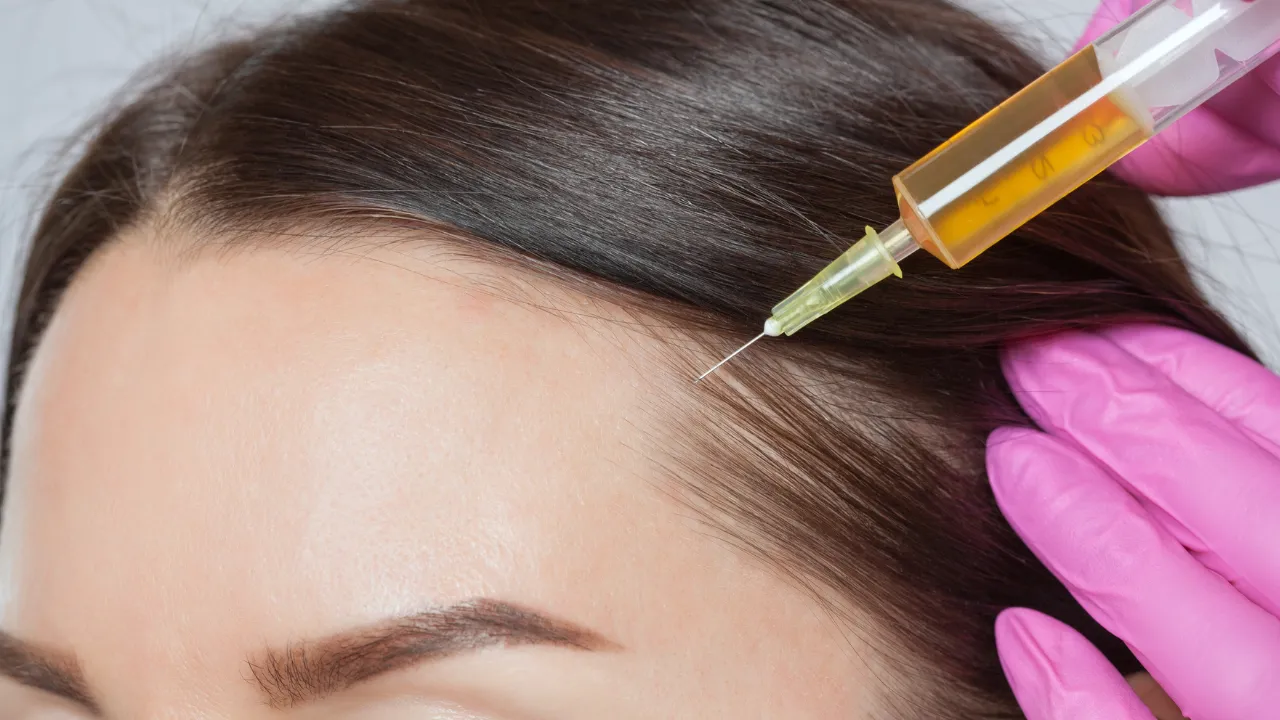
Yes, you can generally take multivitamins and a vitamin B complex after PRP treatment to support healing and hair growth. The answer to can i take multivitamins after prp depends on the specific supplements, as some—like Vitamin A, Vitamin E, fish oil, and certain herbal products—may need to be paused for 3 to 7 days. These can act as mild blood thinners and may increase bruising or interfere with the inflammatory response needed for Platelet-Rich Plasma Therapy to work effectively.

Vitamin B complex is usually safe and may even support cellular repair and hair health during recovery. The key is to avoid anything that could disrupt clotting or healing in the immediate post-treatment period. Following your provider’s guidance helps maximize results and reduce the risk of complications.

The most effective nutrients for facial hair are Biotin, Vitamin D, Vitamin C, Vitamin E, and Zinc. They support follicle function, skin health, and the structure of each strand, which is why they sit at the center of any conversation about vitamins for beard growth and thickness.

These nutrients work mainly by correcting deficiencies. When your body has what it needs, strands grow stronger at the root, patchiness can soften, and overall density tends to improve. Results depend on your baseline health, since no nutrient creates new follicles or overrides genetics.

Some supplements can contribute to hair shedding when taken in high doses or without a clear deficiency. What Supplements Cause Hair Loss is often less about the product itself and more about overuse, nutrient imbalance, or toxicity disrupting the hair growth cycle. Excess amounts of vitamins and minerals can push more follicles into the shedding phase, leading to noticeable thinning over several weeks or months.

The most common risks include too much Vitamin A, selenium, Vitamin E, zinc, or iron when levels are already normal. Excess intake may trigger telogen effluvium, a form of diffuse shedding that often appears after the body experiences stress or imbalance. Some workout or hormone-related supplements can also affect hair by altering testosterone pathways. The safest approach is to test for deficiencies before supplementing and avoid megadoses unless a doctor recommends them.

The best food for facial hair growth comes down to five staples: eggs for protein and biotin, salmon for omega-3 fatty acids, spinach for iron and folate, sweet potatoes for vitamin A, and nuts and seeds for zinc and vitamin E. These foods supply the raw materials follicles use to build keratin, the structural protein your whiskers are made of.

Diet cannot override genetics, but it can change how thick, dark, and healthy your existing growth looks. Nutrient shortfalls are one of the few causes of poor coverage you can actually correct. Pair a nutrient-dense plate with consistent grooming, and you create the best conditions your follicles can work with.

Pumpkin seed oil may support healthier, thicker hair by helping reduce hair thinning, improving scalp health, and encouraging stronger hair growth over time. Research suggests that pumpkin seed oil for hair works in part by helping block the effects of dihydrotestosterone (DHT), a hormone linked to androgenetic alopecia, while providing nutrients such as phytosterols, zinc, vitamin E, and essential fatty acids that support normal follicle function. It is not a cure for hair loss, but it may be a helpful addition to a broader treatment plan for some people.

Clinical studies have reported promising increases in hair count among adults with pattern hair loss who used pumpkin seed oil consistently for several months, though results vary based on the cause and severity of hair loss. It can be applied topically to moisturize the scalp or taken as an oral supplement, with each approach offering different potential benefits. Understanding how it works, who may benefit most, and how to use it correctly can help set realistic expectations and improve results.

Thick eyebrows are most often the result of genetics, which control hair density, growth cycle, and strand thickness. If you’re wondering why are my eyebrows so thick, it usually comes down to inherited traits that influence how many follicles you have and how active they are. Hormones, especially androgens, can also increase hair growth in the brow area, while age may change how coarse or full the hair appears over time. Beyond appearance, eyebrows serve a functional role by helping block sweat, dust, and debris from reaching your eyes.

Other factors can contribute to fuller brows or make them appear thicker than usual. Certain medications, minimal grooming, or natural variations in hair growth patterns can lead to uneven or denser areas. In some cases, underlying conditions that affect hair growth cycles may also play a role, though this is less common. Understanding the cause helps you decide whether to maintain their natural shape or adjust their density through grooming or professional treatments.

Iron supplements can reduce shedding and support regrowth, but only when low iron or low ferritin is contributing to the problem. The right iron pills for hair loss raise your iron stores effectively without causing major digestive side effects, and the choice should be guided by lab results rather than guesswork.
Follicles need adequate iron to stay in their active growth phase, so low ferritin can lead to diffuse thinning, weaker strands, and slower recovery. Restoring those stores helps the scalp return to a healthy cycle.

Highly absorbable forms, such as iron bisglycinate, are often better tolerated than standard iron salts, making them easier to take consistently. Products like Thorne Ferrasorb, NOW Iron Complex, and Xymogen OptiFerin-C are commonly recommended for their bioavailability.
Many specialists aim for ferritin levels of 40-70 ng/mL or higher to support follicles, though the right target varies by person. Iron should be taken only if a deficiency is confirmed, as excess iron can be harmful and may worsen other health issues.

Hair fall can often be reduced by improving scalp health, nutrition, and daily habits. Natural approaches to reducing hair fall include using oils like rosemary or coconut to support circulation, maintaining a protein-rich diet rich in nutrients such as iron, zinc, and vitamin D, and managing stress levels. Gentle hair care—such as avoiding tight hairstyles and limiting heat styling—can also help prevent unnecessary breakage.

Natural remedies such as onion juice, green tea rinses, or fenugreek masks may support healthier hair growth when used consistently. These methods focus on strengthening the hair and creating a better environment for growth. Results depend on the underlying cause, so consistency and proper care are key to seeing improvement.

The best hair vitamins for alopecia are the nutrients tied directly to follicle function: iron, vitamin D, zinc, biotin (only if you are deficient), protein, and omega-3 fatty acids. These work best when they correct a genuine shortfall rather than acting as a cure. They can improve strand quality and reduce shedding over time, yet they are rarely enough on their own for autoimmune or genetic forms of thinning.

Popular formulas like Nutrafol, Viviscal, and Happy Head Hair Growth Supplement combine several of these nutrients with plant extracts. Still, the best supplements for hair loss are those matched to your diagnosis, since conditions like alopecia areata often require medical treatment beyond vitamins. Simple blood work can flag low ferritin, vitamin D, or zinc levels, so your plan is targeted rather than trial-and-error. Consistent use across several months is usually needed before any change is visible.

After PRP, skip washing your hair for at least 24 hours, avoid intense exercise and heavy sweating for 48 to 72 hours, stay out of direct sun for 3 to 5 days, and hold off on alcohol for 72 hours. Don’t take ibuprofen, aspirin, or other NSAIDs for at least 7 days; they blunt the inflammatory signal that PRP relies on to trigger follicle stimulation. Acetaminophen (Tylenol) is the safer pain reliever.

Avoid touching, scratching, or massaging the scalp, and skip hair dyes, chemical treatments, and tight hairstyles for 3 to 5 days. Some mild redness, swelling, or scalp tenderness in the first 48 hours is normal and usually resolves on its own. Following proper aftercare protects the growth factor response that drives results.

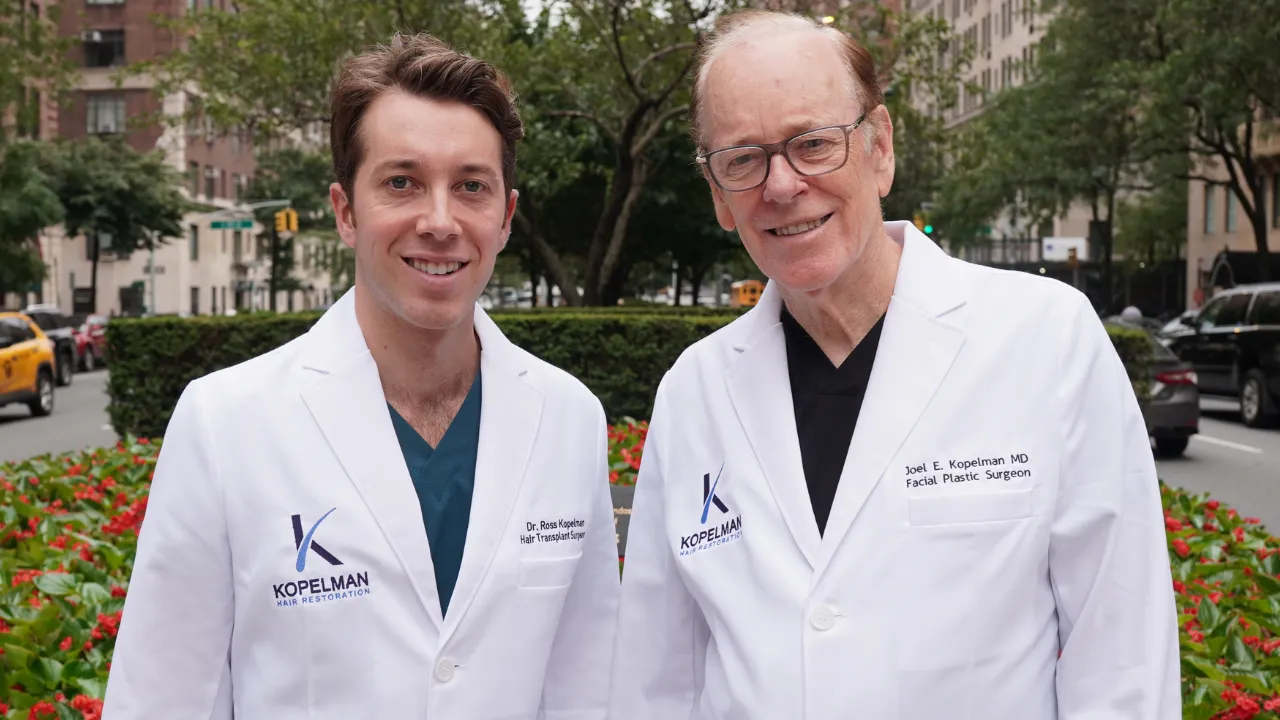
At Kopelman Hair, we guide patients through every stage of their hair restoration journey, including post-treatment care.

The best options focus on hydration, softness, and skin comfort. A best beard conditioner soften nourish routine includes products with ingredients like shea butter, argan oil, and jojoba oil, which help reduce dryness, itch, and coarse texture. These conditioners work by locking in moisture and improving manageability for both the beard and the skin underneath.

Common choices include conditioning balms and butters designed for daily or weekly use. Regular application helps keep the beard soft, reduces frizz, and supports healthier growth over time. Choosing a formula based on your beard length and skin sensitivity improves overall results.

Hair, skin, and nail gummies can help if you have a vitamin deficiency, poor diet, or low nutrient stores, but they are not a proven fix for most types of hair loss. Hair skin and nails gummies usually contain biotin, collagen, zinc, and vitamins C, D, and E, which support normal hair and nail structure. They may improve hair quality or reduce brittleness over time, but they do not directly treat genetic balding or most medical causes of shedding.

Popular options like Nature’s Bounty Hair, Skin & Nails Gummies or Nature Made Hair Skin and Nails Gummies can be useful if your intake is low, but results vary and usually take months. Too much biotin or other vitamins can sometimes interfere with lab tests or cause side effects. The best approach is to identify the cause of hair changes first rather than relying on supplements alone. For true deficiencies, targeted treatment is usually more effective than general beauty gummies.

Batana oil shampoo, whether you buy a batana-infused formula or add a few drops of the oil to your own shampoo, can leave hair softer, shinier, and easier to manage. The catch is that shampoo is built to lift oil off your strands and rinse it away, so most of the batana goes down the drain during a wash.

That is why this oil delivers its full benefit as a standalone treatment: a pre-shampoo mask, a scalp massage, or a leave-in on damp hair. Applied this way, it has time to absorb before it gets rinsed off.

Dandruff does not directly cause permanent hair loss, but it can lead to temporary shedding and thinning. The idea that dandruff cause hair loss is tied to inflammation and itching, which can damage hair follicles through frequent scratching. Conditions like Seborrheic Dermatitis can further weaken hair, increasing breakage and visible thinning.

The hair loss associated with dandruff is usually reversible once the scalp is treated. Using medicated shampoos and maintaining scalp health can reduce inflammation and stop excessive shedding. Addressing the root cause helps restore normal hair growth over time.

Redensyl is generally considered safe for topical use, but there is limited research specifically in pregnant women. The answer to can pregnant women use redensyl is cautious: while it is a non-hormonal, plant-based ingredient designed to support hair growth, medical guidance is recommended before starting. This is because safety during pregnancy has not been extensively studied.

Castor oil is a popular home remedy, but the evidence linking it directly to new hair growth is limited. The appeal comes from its ability to moisturize the scalp, reduce breakage, and make strands look fuller because of its dense, viscous texture. It does not create new follicles or reverse genetic balding on its own.

That said, the ingredient has a meaningful supporting role in scalp care. Regular use can soften dry skin, calm minor irritation, and protect existing strands from damage that contributes to thinning. For people who want measurable regrowth, it is best paired with treatments that address the root cause of shedding.

The best oils for healthier hair include rosemary and peppermint oil for scalp stimulation, plus castor and pumpkin seed oil for strength, moisture, and length retention. A good oil for hair growth can support circulation around the follicles, reduce breakage, and create a healthier scalp environment, although it cannot cure genetic hair loss. Rosemary oil has the strongest human evidence among essential oils, while peppermint oil shows promising effects but has less clinical research.

Castor oil contains ricinoleic acid and helps seal in moisture, which may reduce split ends and help hair retain length. Pumpkin seed oil contains phytosterols and other compounds that may reduce DHT activity linked to pattern hair loss, though evidence remains limited. Apply a diluted oil to the scalp and massage it in two or three times per week, then wash it out to prevent irritation and buildup.

Carrier oils are plant-derived base oils that hydrate, protect, and nourish both the scalp and the strands. The strongest options for most people are coconut for deep moisture, argan for frizz control and shine, jojoba for balancing an oily scalp, castor for supporting growth, sweet almond for everyday softness, and grapeseed for fine strands that heavier oils tend to weigh down. Each one delivers nutrients that improve overall condition.

Choosing the right match depends on your hair type and goals. Lightweight picks like grapeseed and jojoba suit fine strands, while richer choices such as castor and coconut suit thick, dry, or damaged follicles. Pairing the oil to your needs improves results and helps you avoid buildup or heaviness.

Castor oil does not directly stimulate new follicle growth on the face. The current scientific evidence shows it helps existing whiskers look fuller, softer, and shinier by moisturizing the hair shaft and the skin underneath. Used 2 to 3 times per week, it can reduce breakage, calm dryness, and ease itch, but it will not change your genetic growth pattern or fill in patchy areas on its own.

A patchy beard is usually caused by genetics, age, or uneven follicle distribution. Often fills in over time, especially up to the early 30s, as hormone levels stabilize and hair growth improves. Other factors like low testosterone sensitivity, stress, or conditions such as Alopecia Barbae can also contribute to gaps.

Improving beard coverage starts with patience and proper grooming. Letting it grow for 8 to 12 weeks, trimming for a more even look, and brushing daily can help improve appearance. In some cases, treatments like Minoxidil or a beard transplant may be considered for more permanent results.

Non-operative hair restoration refers to medically supervised treatments that aim to slow shedding and improve density without incisions, grafting, or anesthesia. 

This guide from Kopelman Hair explains how the main non-operative methods work, who is a suitable candidate, what results are realistic, and how these approaches compare with surgery.

It also covers typical costs, expected timelines, and the maintenance required to sustain any improvement.

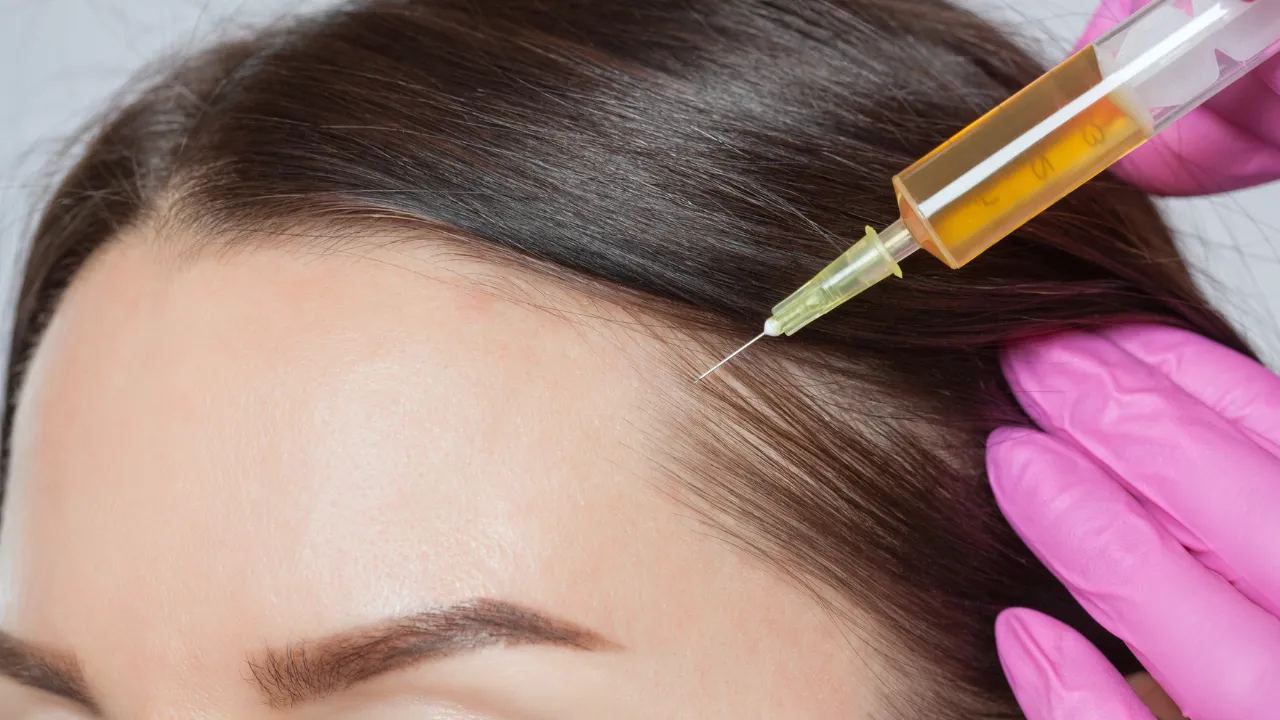
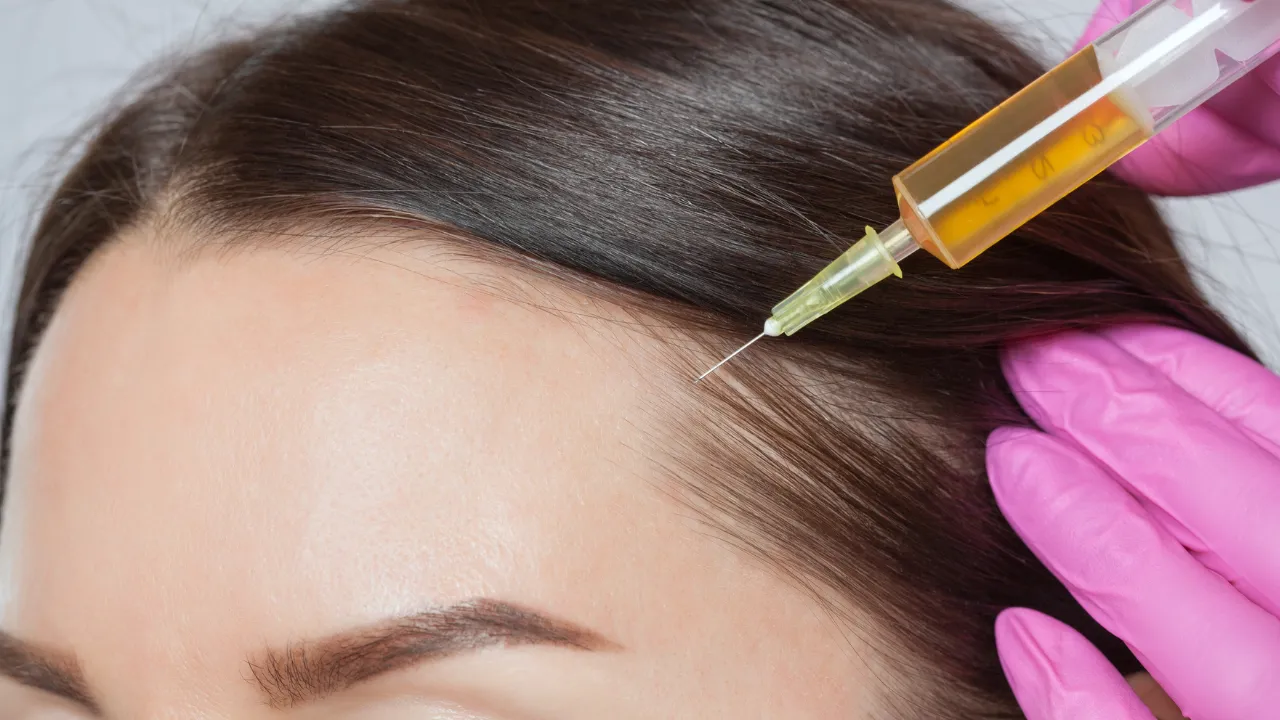
Platelet-rich plasma, commonly abbreviated as PRP, is a procedure that uses a concentrated portion of a person’s own blood to support tissue repair and has become one of the more widely discussed nonsurgical options for thinning hair. This guide from Kopelman Hair explains what PRP is, how a PRP treatment works on the scalp, what it typically costs, and what current evidence indicates about results and limitations. Readers will also learn how the approach compares with other hair loss options and what aftercare generally involves.

Hair loss is a symptom, not a diagnosis. It can be caused by genetics, male- or female-pattern baldness, stress, hormonal changes, medical conditions, medications, or nutritional deficiencies. Because the right treatment depends on the cause, evaluation by a doctor or dermatologist is often the best first step.

This educational guide from Kopelman Hair explains what causes hair loss, the main types and their symptoms, how the condition is diagnosed, and which treatment and prevention options exist. By the end, readers will understand the core mechanisms behind thinning and shedding, along with the realistic limits of each approach.

Some products keep showing up on lists of the worst shampoos that cause hair loss, but the bigger issue is usually the formula rather than the brand name alone. Shampoos with harsh sulfates, formaldehyde-releasing preservatives like DMDM hydantoin, heavy silicones, and strong fragrances can strip the scalp, trigger irritation, and leave strands more prone to breakage. This often shows up as faster shedding, especially if your locks are already fragile from coloring, heat styling, hormonal shifts, or scalp conditions.

Shampoo rarely causes permanent balding by itself. In most cases, these formulas worsen scalp inflammation, dryness, or buildup that weakens the strand and disrupts healthy growth over time. Products from brands like TRESemmé, OGX, Pantene, L’Oréal Elvive, and Herbal Essences have been mentioned in consumer complaints and class-action lawsuits, but results depend on your scalp sensitivity, texture, and how often you use them.

A better approach is to check ingredient labels, choose gentler cleansers, and watch for signs like itching, flaking, or sudden shedding after switching products. Women face this issue more often than men because of hormonal cycles, postpartum shifts, and chemical styling habits that interact with harsh ingredients in unique ways. This guide answers what shampoos cause hair loss, which ingredients to avoid, and how to choose safer alternatives backed by current dermatology research.

Eyebrow thinning during pregnancy is usually temporary and linked to hormonal shifts that affect the hair growth cycle. Eyebrows thinning during pregnancy can occur as rising and fluctuating hormones push some hairs into the shedding phase, even while scalp hair may appear thicker. Nutrient deficiencies, especially low iron levels, along with increased stress, can further contribute to this uneven hair loss. In many cases, the thinning becomes more noticeable after delivery, during the postpartum shedding phase.

Treatment focuses on supporting the body while these changes stabilize. Maintaining a balanced diet with adequate iron and essential nutrients helps support hair regrowth, while gentle brow care prevents additional stress on the follicles. Most cases improve naturally within a few months as hormone levels return to normal. If thinning persists or worsens, a medical evaluation can help rule out underlying deficiencies or conditions affecting hair growth.

Eyebrow hair loss on one side is usually linked to uneven habits or underlying conditions that affect one brow more than the other. Eyebrow hair loss one side can result from overplucking, aging, hormonal shifts, or repeated facial movements that create tension on specific follicles. In some cases, it may also point to skin conditions, nutrient deficiencies, or localized hair loss disorders. Identifying the cause matters because treatment depends on whether the issue is cosmetic, behavioral, or medical.

Treatment ranges from simple daily fixes to longer-term solutions based on the root cause. You can use pencils or powders for quick coverage, adjust grooming habits to prevent further thinning, or consider professional shaping for balance. For longer results, options like microblading or medical treatments that support hair regrowth may help restore density. If the loss appears sudden, patchy, or progressive, a clinical evaluation helps rule out underlying conditions and guides the right approach.

Thyroid eyebrows refer to thinning or loss of the outer third of the eyebrows, known as the Hertoghe sign, often linked to thyroid dysfunction. Thyroid eyebrows commonly occur in hypothyroidism, where reduced hormone levels slow metabolism and weaken hair follicles, causing them to shed or stop growing. This pattern is usually gradual and may be accompanied by other symptoms like dry skin or fatigue. Identifying the underlying thyroid issue is key to addressing the hair loss.

Regrowth depends on restoring normal thyroid hormone levels through proper medical treatment. Once the condition is controlled, eyebrow hair may gradually return, though the timeline can vary. Gentle care and avoiding over-plucking can help support recovery during this process.

Gray eyebrow hair is usually a natural sign of aging caused by a decrease in melanin production within the hair follicles. In gray eyebrow hair, strands often appear coarser and lighter than surrounding hairs, and this change can sometimes happen earlier due to factors like stress or genetics. While generally harmless, it reflects changes in pigment production rather than hair health.

Management options are mostly cosmetic and depend on personal preference. Many people use brow pencils, mascaras, or tints to blend the color, while others trim or tweeze individual hairs. In cases of premature graying, addressing underlying stress or nutritional factors may help slow progression.

Eyebrow hair pulling is often linked to an impulse-control condition where individuals feel a strong urge to remove hair, typically as a response to stress, anxiety, or boredom. In cases of eyebrow hair pulling, this behavior is commonly associated with Trichotillomania, which affects roughly 1 in 50 people. It may provide temporary relief but can lead to noticeable thinning or patchy loss over time.

Symptoms include repeated pulling, difficulty stopping, and visible gaps in the brows. Treatment usually focuses on addressing the underlying trigger, often through cognitive-behavioral therapy (CBT) and stress management strategies. Early intervention helps prevent long-term follicle damage and supports regrowth.

An effective eyebrow hair loss home remedy focuses on improving follicle health and supporting natural regrowth. Common options include applying oils like Castor Oil, Coconut Oil, or aloe vera to nourish the skin and reduce dryness. Gentle massage of the brow area can also help stimulate blood flow and support healthier hair growth.

Nutritional support plays a key role in recovery. A diet rich in Biotin, iron, and zinc helps strengthen hair and reduce shedding. While these methods can improve hair quality and support regrowth, results depend on the underlying cause and consistency of use.