Hair Loss Treatment: Options, Medications, and Results
Hair loss treatment should address the cause of thinning, not only the visible loss of density. At Kopelman Hair, the father-son physician team has more than 40 years of experience in hair restoration. Treatment may include medication, supportive products, procedures, or surgery based on each patient’s needs.
What Is the Best Hair Loss Treatment?
No single option works best for every patient. Different types of hair loss respond to different treatments, so the right hair treatment depends on the diagnosis. Doctors also consider follicle health, medical history, the pattern of loss, and treatment goals.
A hair loss treatment plan may combine medication with a procedure. Temporary shedding may improve once the trigger is corrected. No therapy can cure hair loss in every person, but treatment may slow loss, support regrowth, or restore coverage.
Dr. Kopelman evaluates these factors before recommending treatment for balding hair. The goal is to choose an approach that matches both the cause of hair loss and the patient’s long-term needs.
How Hair Loss Is Diagnosed
Diagnosis usually starts with a medical history and scalp exam. A doctor may also review medications, family history, and shedding patterns.
Blood tests can help detect nutritional problems or medical conditions that may affect hair growth.
A pull test or scalp biopsy may be useful in selected cases. Common causes of hair loss include genetics, hormonal changes, stress, autoimmune disorders, medications, and nutrient deficiencies.
Finding the cause helps the doctor choose a treatment that fits the condition.
| Treatment | Common Use | Type | Main Goal | Key Limitation |
|---|---|---|---|---|
| Minoxidil | Several non-scarring forms of hair loss | Topical or oral medication | Slow thinning and support regrowth | Continued treatment may be needed to maintain results |
| Finasteride | Male pattern hair loss | Prescription medication | Reduce DHT-related follicle miniaturization | Not appropriate for every patient |
| Low-Level Light Therapy | Male or female pattern hair loss | Light-based device | Support follicle activity | Results vary and regular use is usually required |
| PRP | Selected patients with active follicles | Clinical procedure | Support existing follicle activity | Results vary and are not guaranteed |
| Hair Transplant | Established thinning or bald areas | Surgical procedure | Restore coverage using donor follicles | Does not stop future loss in untreated native hair |
Treatment for Balding Hair by Cause
Male and Female Pattern Hair Loss
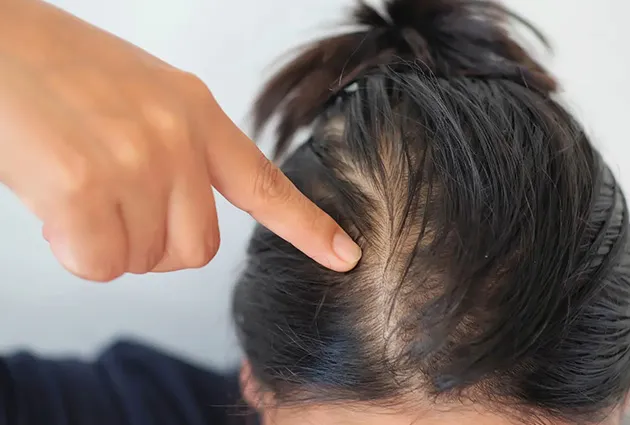
Androgenetic alopecia causes hair follicles to become smaller over time. This can affect both men and women. Male pattern loss often affects the hairline and crown, while female pattern baldness often causes a widening part or diffuse thinning.
Treatment may include minoxidil, finasteride for appropriate male patients, low-level light therapy, or hair transplant surgery. The best choice depends on the amount of active hair, the donor area, and how quickly the condition is progressing.
Telogen Effluvium
Telogen effluvium causes increased shedding after illness, stress, surgery, hormonal changes, or nutritional problems. Treatment focuses on finding and correcting the trigger.
Starting long-term drugs for hair fall without a diagnosis may not address the real cause.
Hair often begins to recover after the trigger is resolved. Regrowth can still take several months because hair grows in cycles.
Alopecia Areata
Alopecia areata is an autoimmune disease in which the immune system attacks hair follicles. Corticosteroids may help reduce inflammation. JAK inhibitors may also be considered for moderate or severe cases under medical supervision.
Several JAK inhibitors are FDA-approved for severe alopecia areata in certain age groups. Treatment choice depends on the amount of hair loss, age, medical history, and response to earlier therapy.
Scarring Hair Loss
Scarring alopecia can permanently damage or destroy hair follicles. Early diagnosis matters because lost follicles may not regrow hair. Treatment usually focuses on controlling inflammation and protecting the remaining follicles.
A scalp exam and biopsy may help identify the exact condition. Once the disease is stable, some patients may also be evaluated for surgical restoration.
Hair Loss Medication
Minoxidil
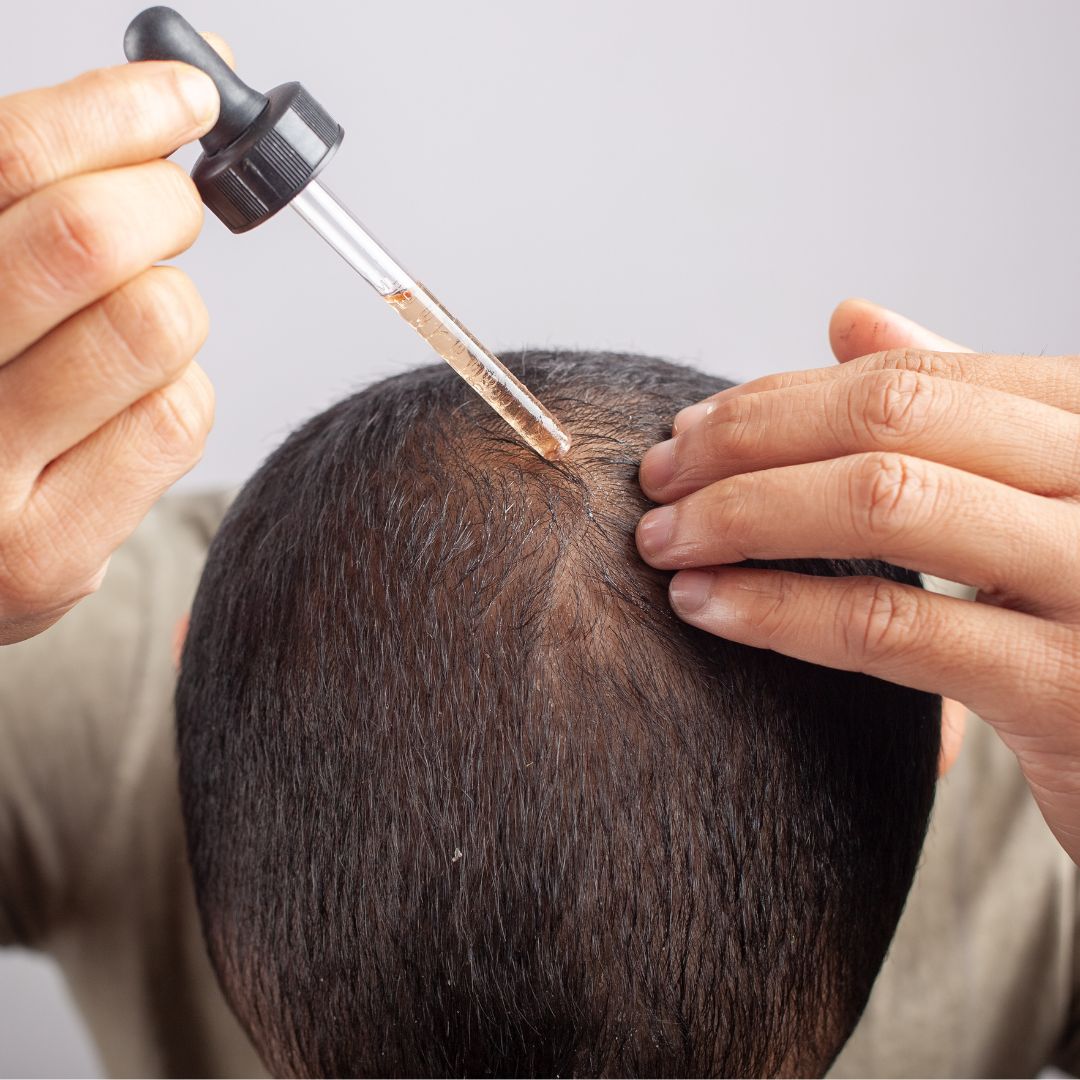
Topical minoxidil is available without a prescription and may help slow thinning or support regrowth.
People often search for minoxidil Rogaine when comparing common hair loss medication options.
Regular use is usually needed to maintain results.
Scalp irritation and temporary early shedding can occur. Oral medication with minoxidil is also used off-label for selected patients, but it requires medical supervision.
Finasteride

Finasteride is a prescription pill used for male pattern hair loss. Searches for finasteride Propecia refer to the same active medication and its well-known brand name.
It works by lowering dihydrotestosterone, or DHT, which contributes to follicle miniaturization.
The U.S. Food and Drug Administration has approved finasteride for male pattern hair loss. Patients should review possible side effects and pregnancy precautions with a doctor before treatment.
Other Hair Loss Treatment Pills
Other prescription options depend on the diagnosis. Doctors may use spironolactone, dutasteride, corticosteroids, and JAK inhibitors in selected patients. Their approval status and medical uses differ.
A hair loss treatment pill should target the cause of shedding, not just the symptom. A doctor should review benefits, risks, and other medications before recommending treatment.
Hair Loss Treatment Products
Do Hair Loss Treatment Shampoos Work?
A hair loss treatment shampoo may improve scalp cleanliness or make thinning hair appear fuller. Shampoo alone does not usually reverse genetic follicle miniaturization. Volumizing formulas can improve appearance by reducing oil or changing hair texture.
These products can support a broader care plan. They should not replace proven medical treatment when an underlying condition is causing the loss.
Low-Level Light Therapy
Low-level light devices use red or near-infrared light to stimulate activity around the follicle. Some devices have FDA clearance for hair-growth uses. Research suggests they may help some patients with male- or female-pattern loss.
Results vary, and regular use is usually needed. Evidence is still less extensive than it is for established treatments such as topical minoxidil.
Hair Restoration Procedures
Hair Transplant Surgery
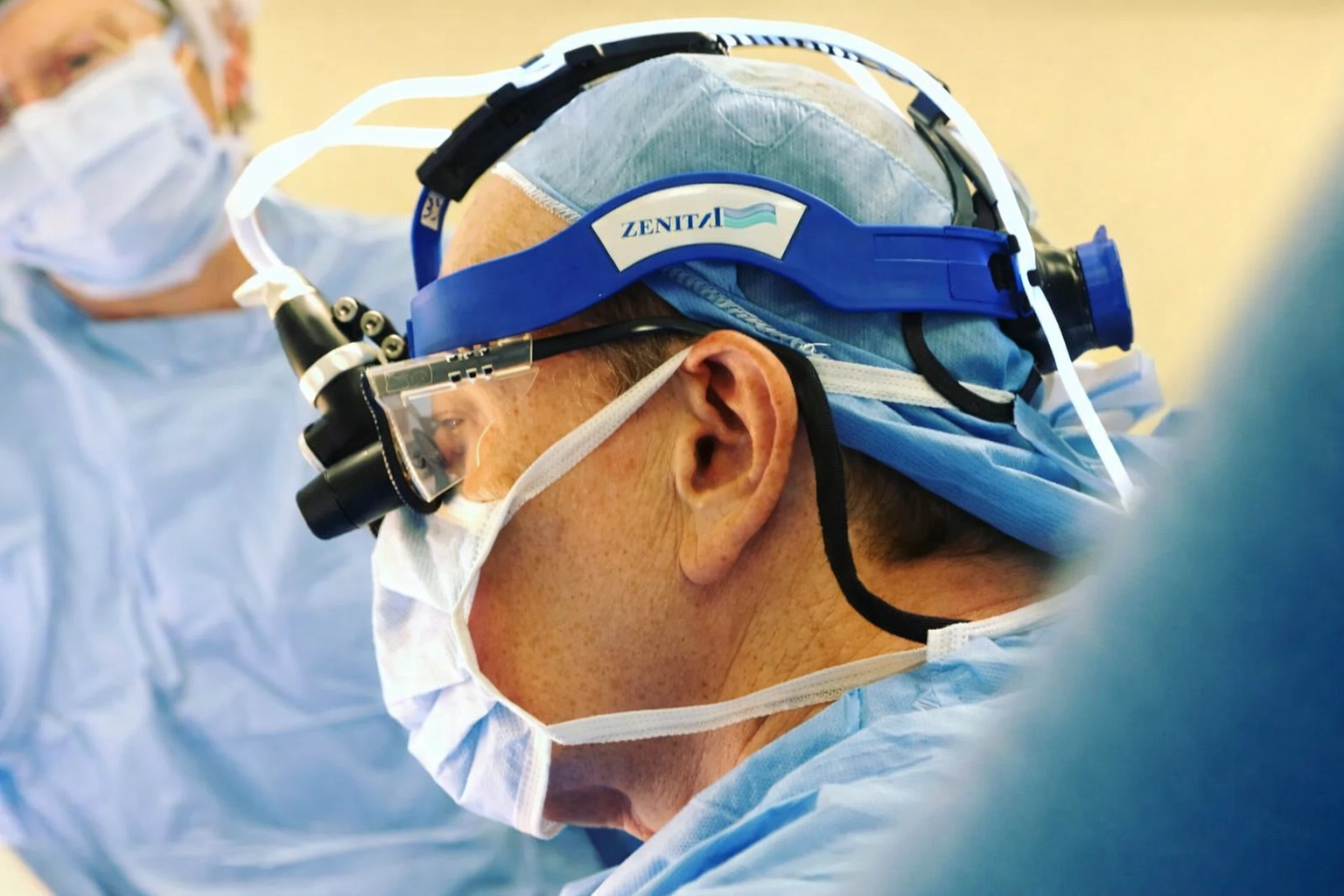
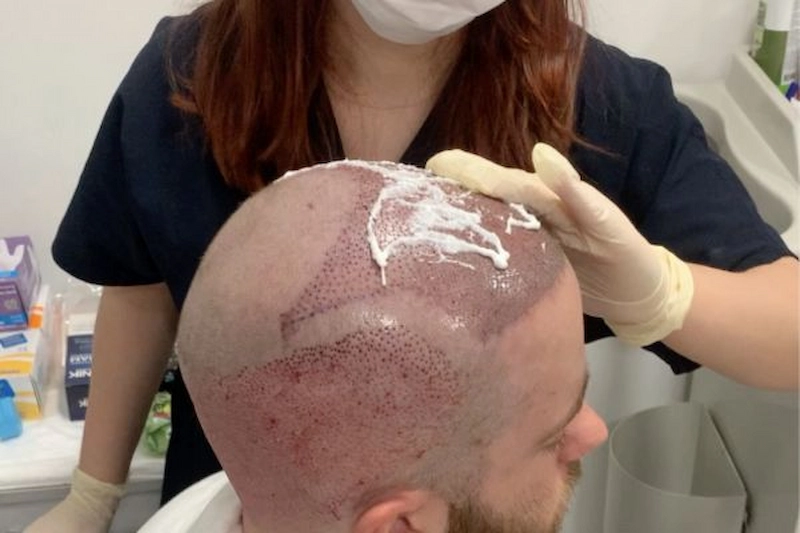
Hair transplant surgery moves healthy follicles from a stable donor area to thinning or bald areas. The transplanted follicles can continue to grow in their new location.
Surgery can restore coverage when native follicles no longer produce enough visible hair.
A transplant does not stop future thinning in untreated native hair. Candidacy depends on donor density, loss pattern, scalp health, age, and long-term planning.
PRP Hair Treatment
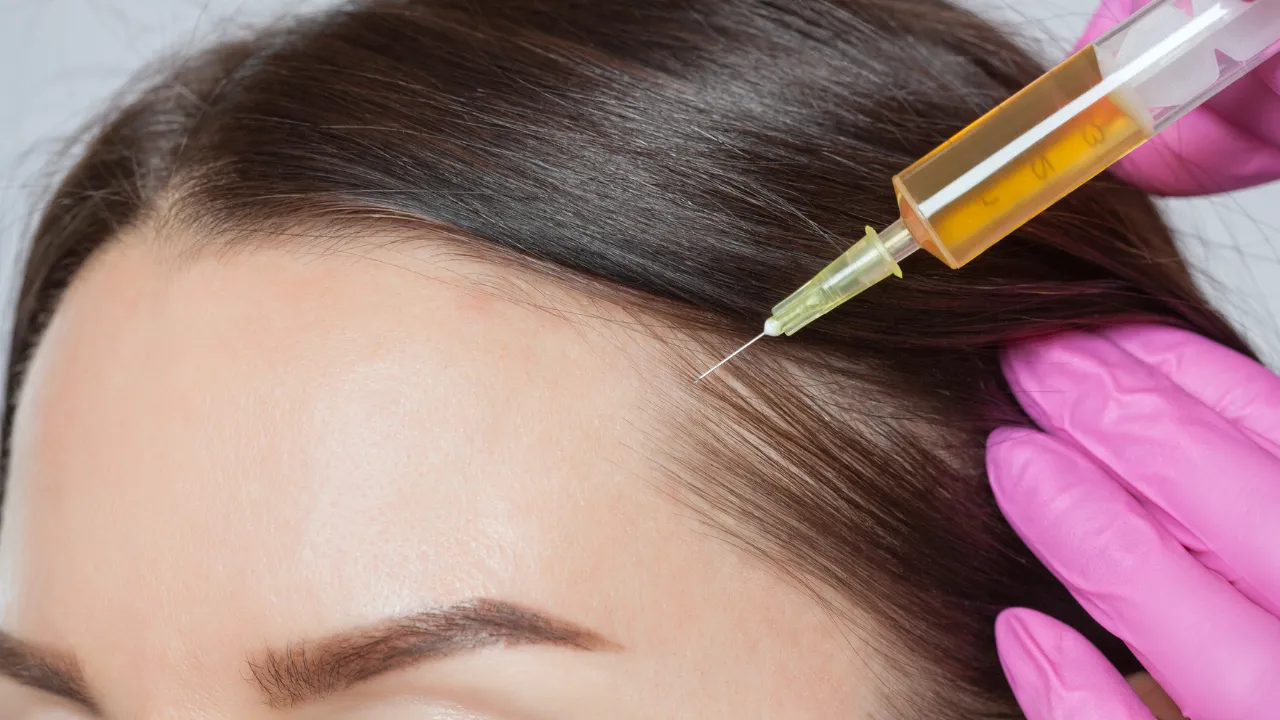
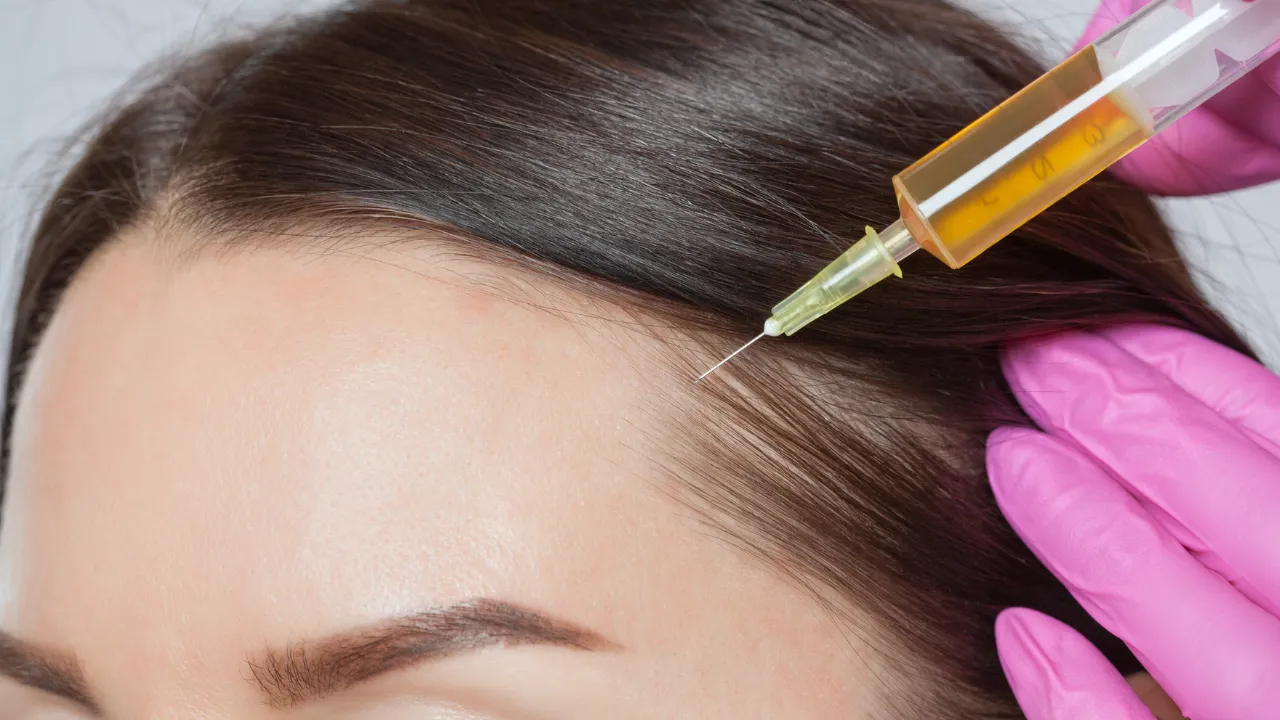
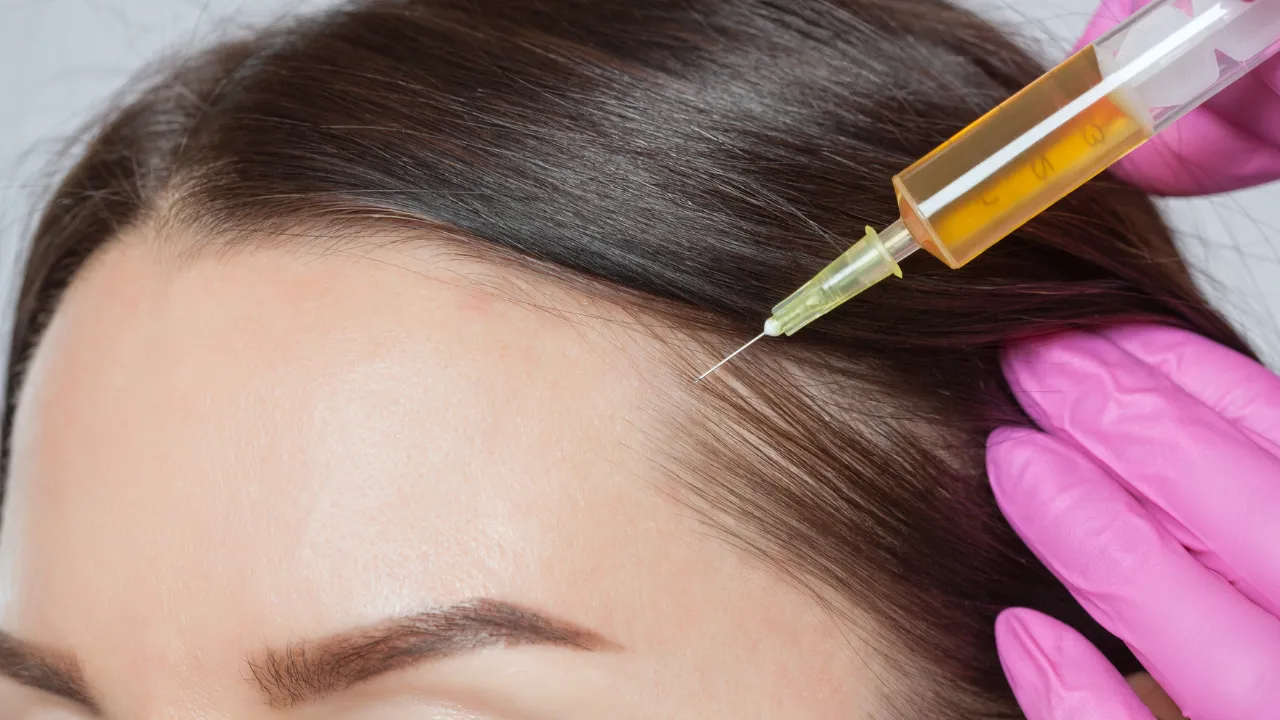
Platelet-rich plasma, or PRP, uses a concentrated part of the patient’s own blood. A clinician injects it into the scalp to deliver platelets and growth factors to the follicles. PRP may support active follicles in selected patients.
Results vary, and treatment does not work for every form of hair loss. The decision should consider the diagnosis, available evidence, and any other treatments the patient is using.
Can Hair Loss Be Reversed?
Some non-scarring forms of hair loss can improve. Treatment often works best while follicles are still active and before permanent damage occurs. Pattern hair loss may stabilize or partly regrow, while telogen effluvium may recover after the trigger ends.
Scarring conditions are different because damaged follicles may no longer produce hair. This is why early diagnosis can affect the range of treatment options available.
How to Stimulate Hair Growth
The best way to stimulate hair growth is to treat hair loss according to its cause. This may mean using topical or oral therapy, correcting a deficiency, or controlling scalp inflammation. Protecting follicles from further miniaturization may also help preserve density.
Adequate protein, balanced nutrition, and gentle hair care can support normal growth. These steps should support medical care, not replace it.
What Vitamin Deficiencies Cause Hair Loss?
Nutritional deficiencies can contribute to shedding in some patients. Testing may be useful when symptoms or medical history suggest a problem. Clinically, you may check iron, vitamin D, vitamin B12, and other nutrients.
Supplements are most useful when a true deficiency exists. Taking extra biotin, collagen, or vitamins for hair growth without a confirmed deficiency has not been shown to improve hair growth in most people.
Results, Timeline, and Side Effects
Results depend on the diagnosis, treatment, and stage of hair loss. Many treatments require several months before visible changes appear. Continued use may also be needed to maintain improvement.
Possible side effects include scalp irritation, unwanted hair growth, sexual effects, blood pressure changes, swelling, or infection. Patients should review risks, expected results, and treatment duration before starting therapy.

| Treatment | When Results May Appear | Continued Use | Possible Side Effects or Limits |
|---|---|---|---|
| Topical Minoxidil | Visible change may take several months | Usually needed to maintain benefits | Scalp irritation, early shedding, unwanted hair growth |
| Oral Minoxidil | Results develop gradually | Depends on the treatment plan | Blood pressure effects and unwanted hair growth may occur |
| Finasteride | Meaningful change may take several months | Ongoing use may be needed | Possible sexual side effects and pregnancy precautions |
| Low-Level Light Therapy | Results vary by patient | Regular use is usually required | Evidence is less extensive than for established medications |
| PRP | Response varies | May involve multiple treatment sessions | Results are not guaranteed |
| Hair Transplant Surgery | Hair growth develops gradually after surgery | Transplanted follicles do not require ongoing medication to survive | Swelling, infection, and continued loss of native hair are possible |
When to See a Hair Specialist
See a specialist for rapid shedding, patchy loss, scalp pain, itching, redness, scarring, or ongoing thinning. Early evaluation may help protect follicles and identify conditions that need medical care.
Kopelman Hair can assess whether medication, observation, supportive care, or surgical restoration fits the pattern of loss.
Hair Loss Treatment Clinical Trials
Clinical trials continue to test new ways to treat hair loss and improve existing therapies. A broader overview of hair loss treatment approaches is available for patients exploring their options.
Experimental treatments should remain separate from established medical options until enough evidence supports their use.