FUT Hair Transplant Before and After Results
The strip is then dissected into individual follicular units for precise placement.
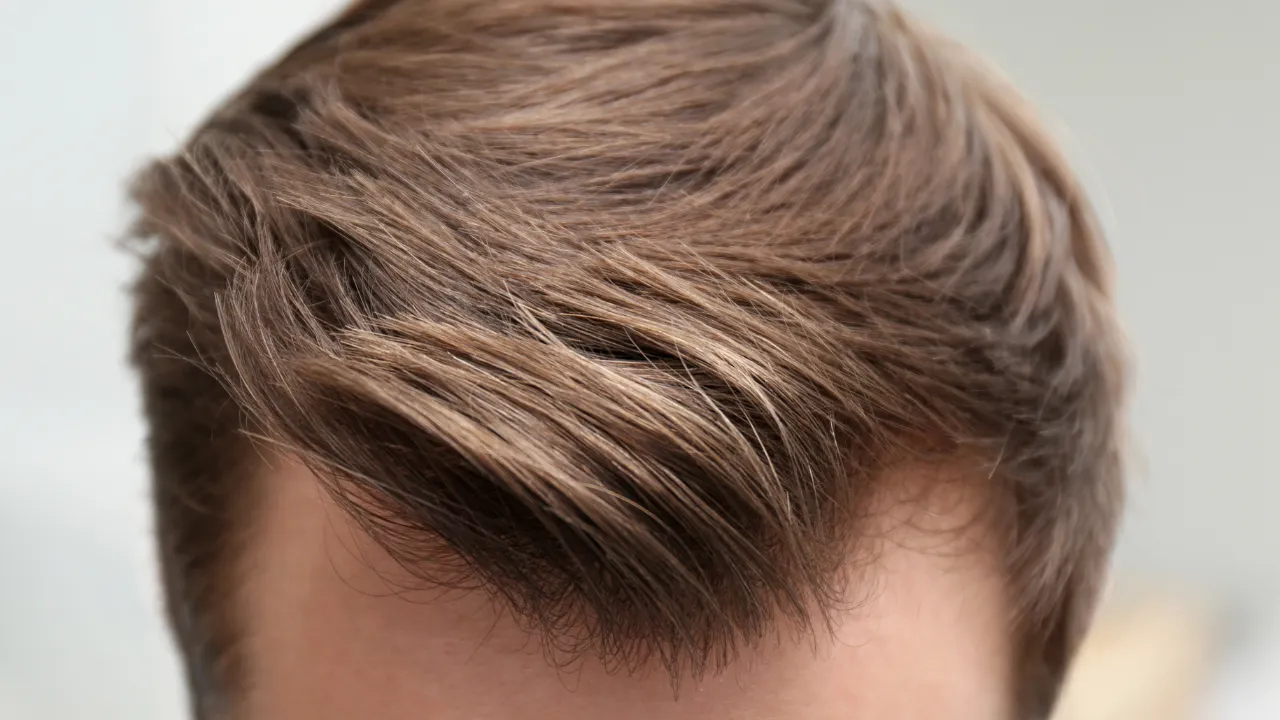
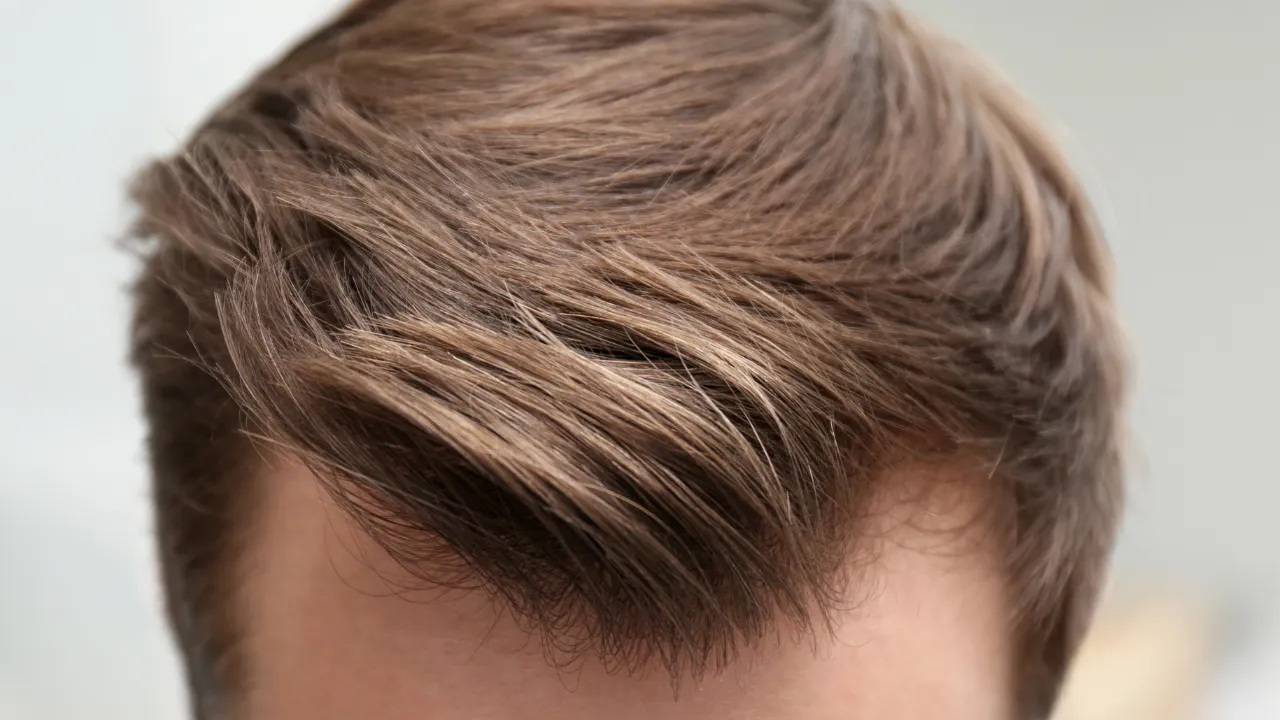
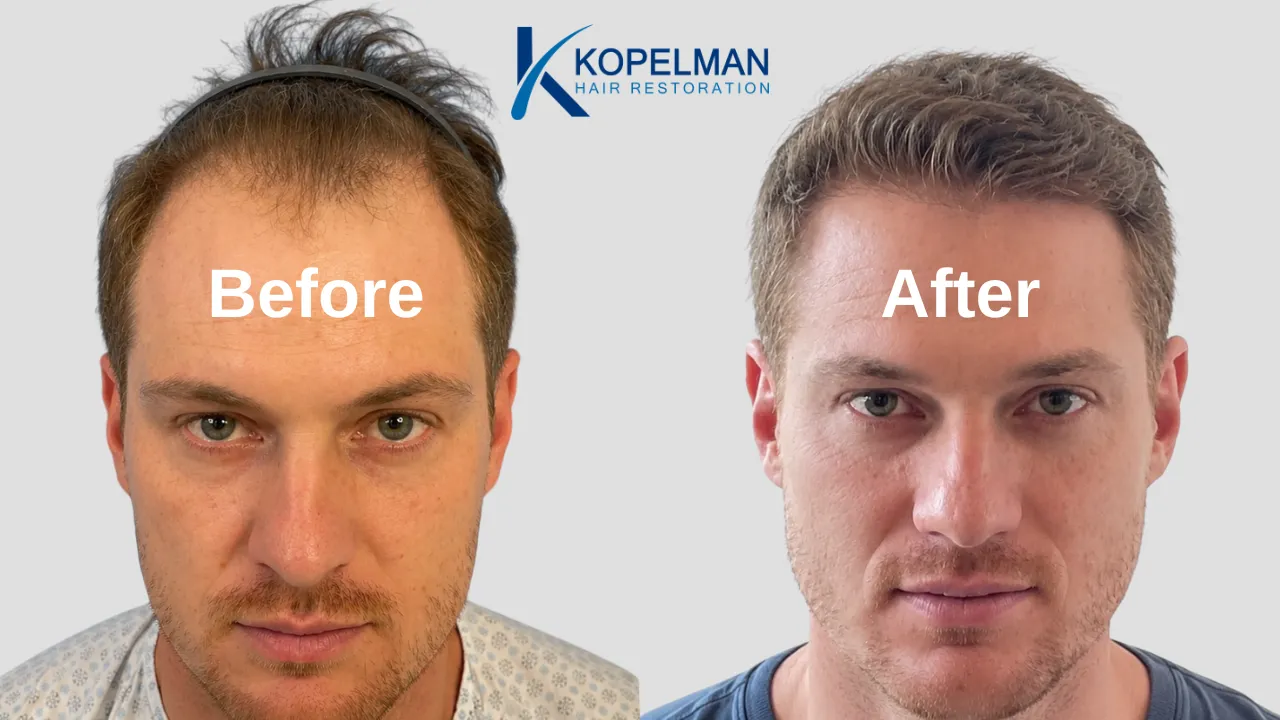
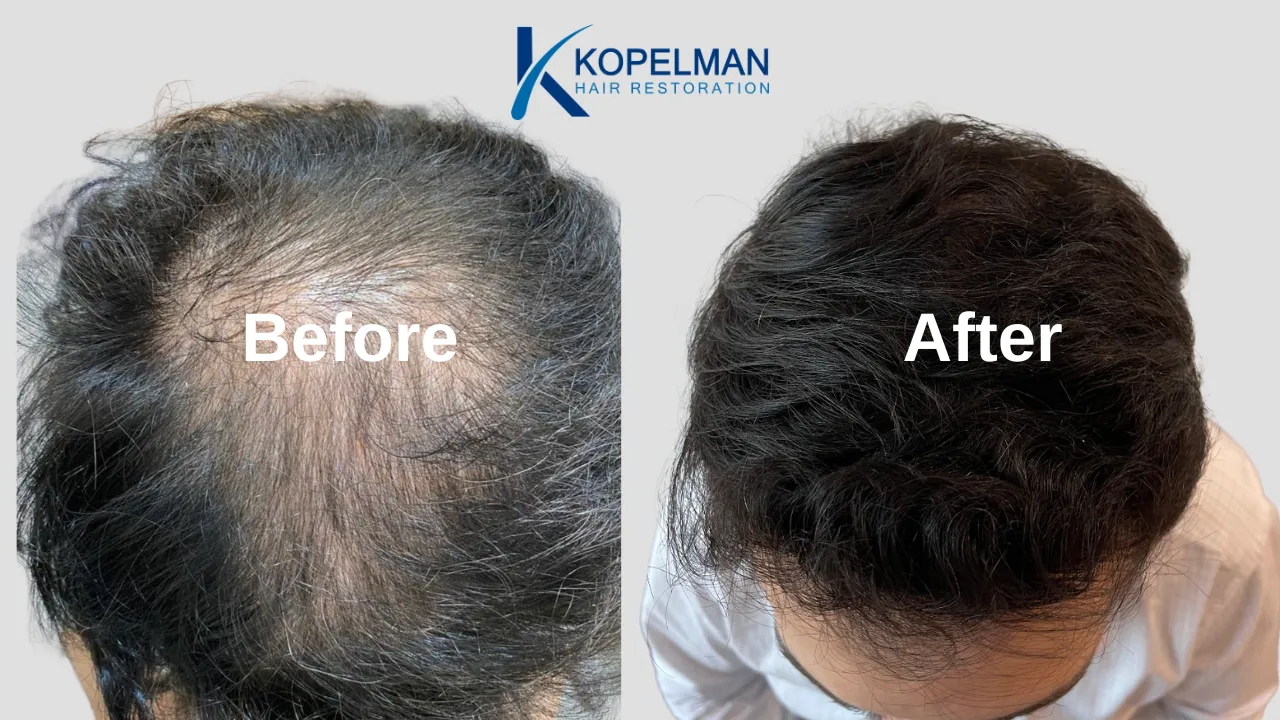
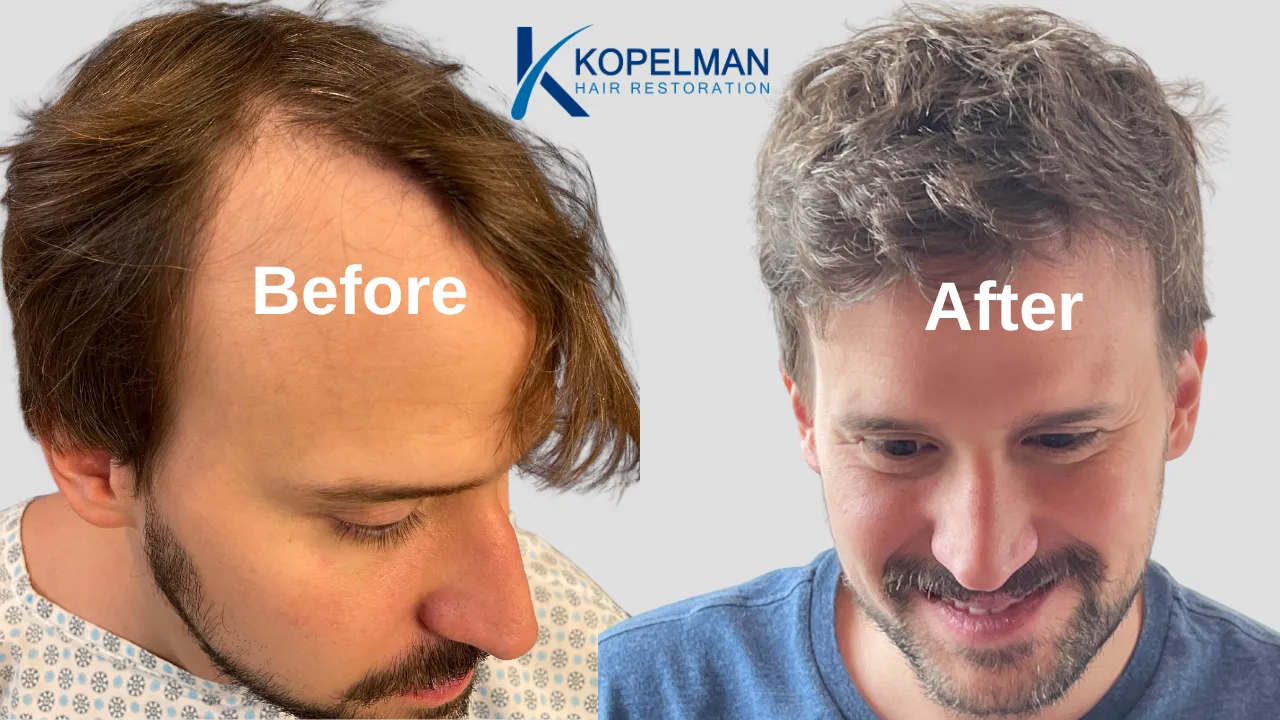
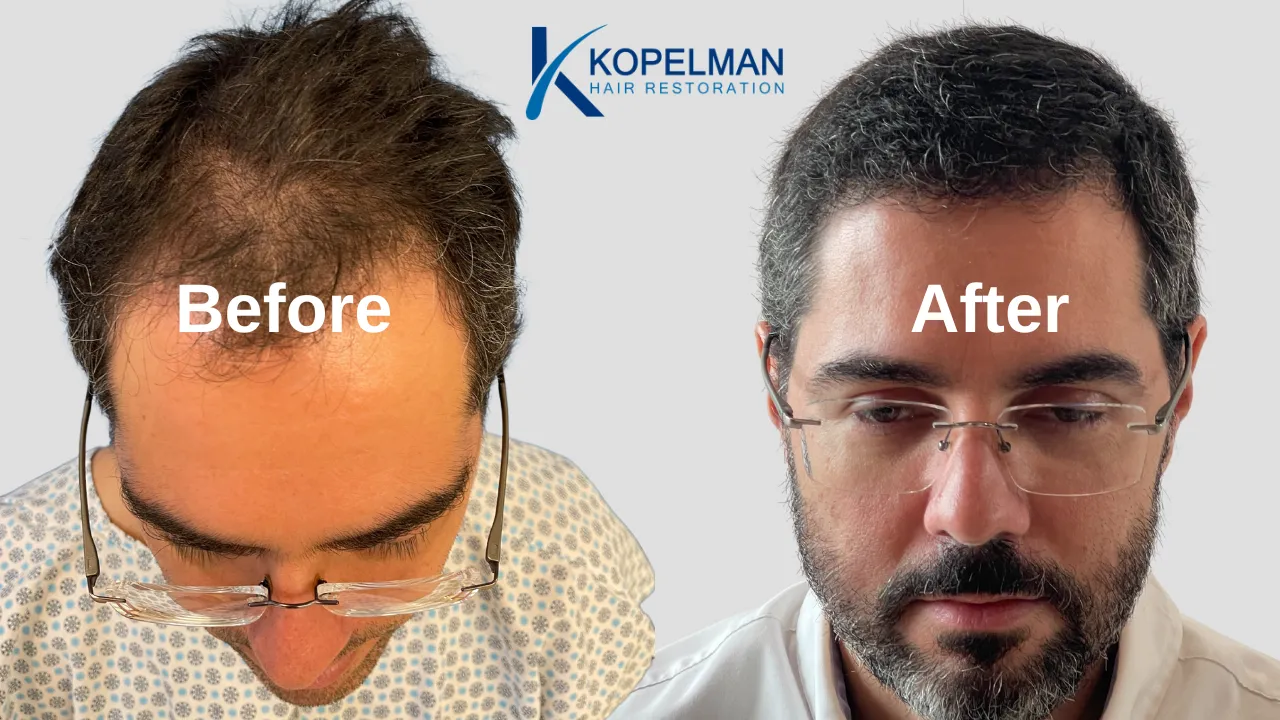
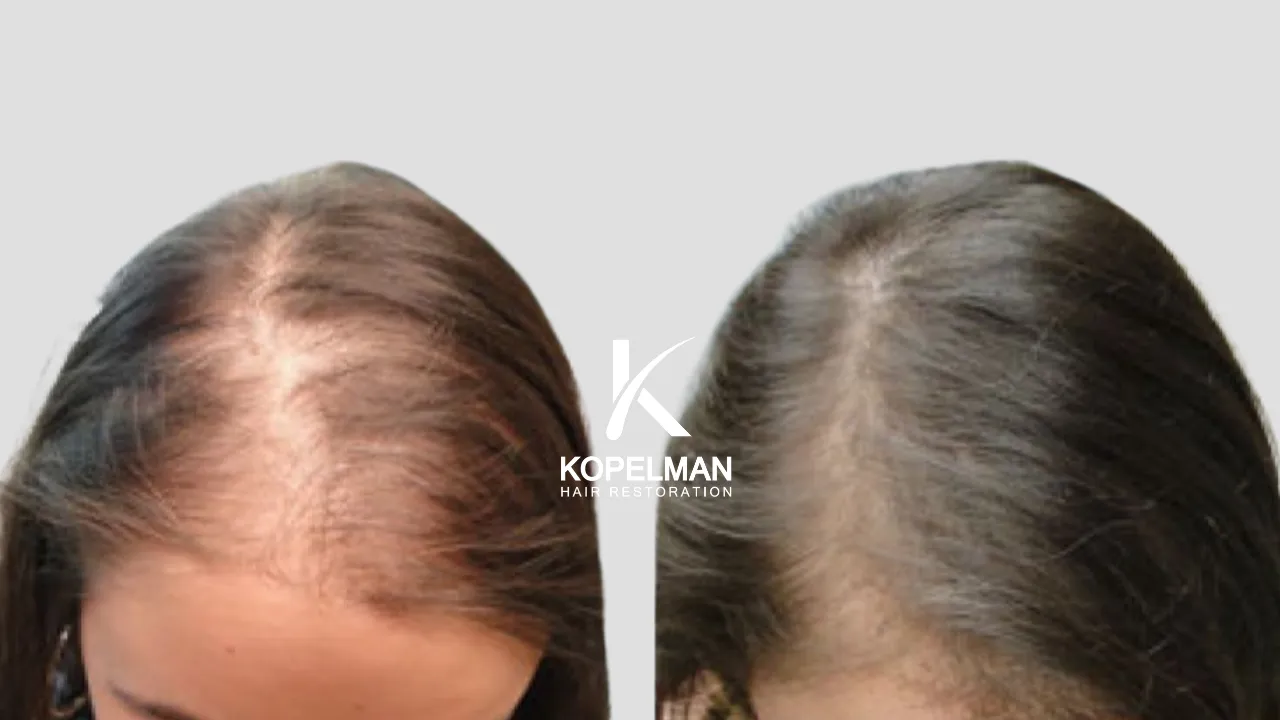
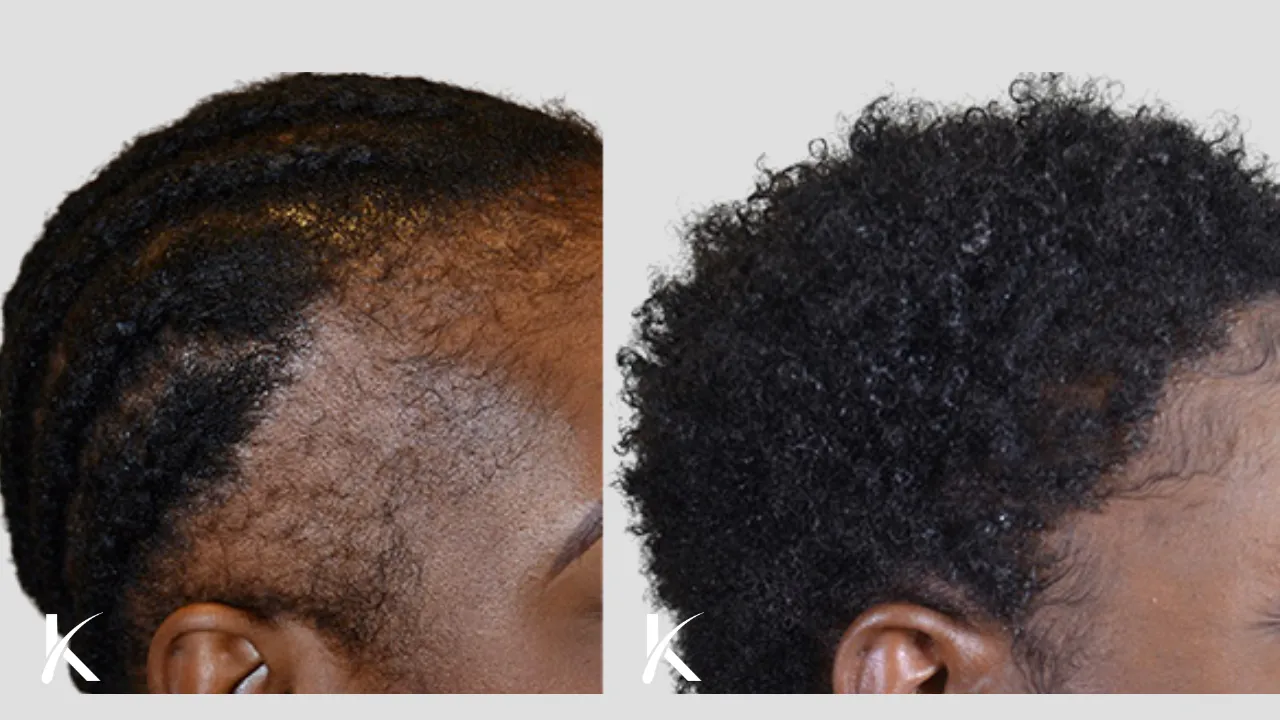
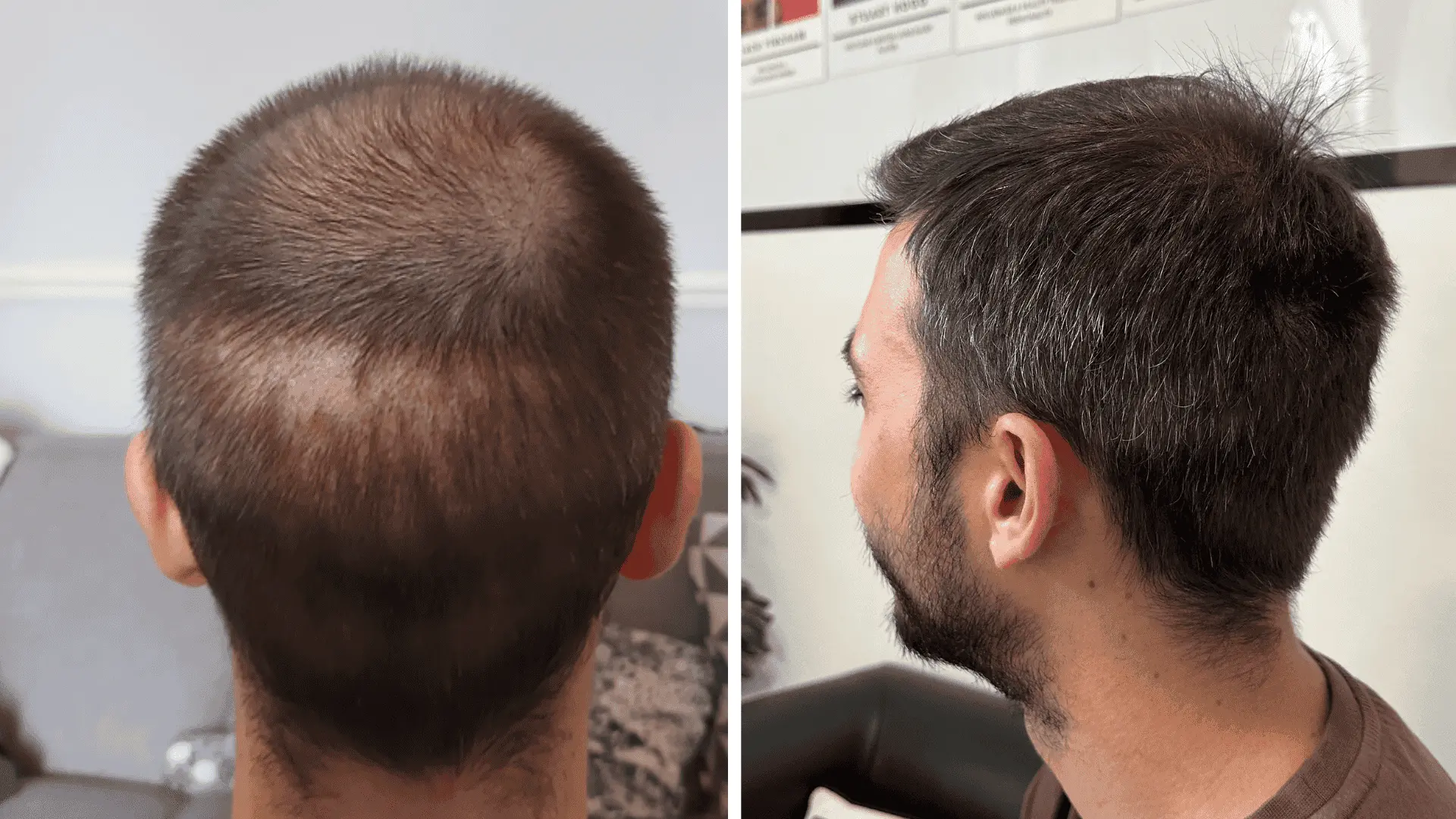
In FUT before-and-after results, patients often see a restored hairline. They also see more density in bald areas. The new coverage blends well with existing hair.
Visible growth begins around month 6, with full results appearing by month 12 as transplanted follicles mature and thicken.
Because the transplanted hair retains its original resistance to shedding, these results remain permanent, distinguishing FUT from temporary treatments that require ongoing maintenance.
FUT Hair Transplant Before and After Pictures
| Real Patient Cases and Graft Count Examples | 3,000 Hair Grafts: Before-and-After Outcomes | How to Evaluate Natural-Looking Results |
|---|---|---|
| Patient cases demonstrate the range of FUT hair transplant before-and-after outcomes. One patient received 2,500 individual follicular units in a single session and saw a naturally fuller frontal hairline within 12 months. Another received 3,000 hair grafts to address mid-scalp thinning, resulting in visibly improved density. These cases show how the FUT procedure works across different hair loss patterns and how many grafts you may need for your specific goals. |
A 3,000-hair-graft transplant is a common graft count for significant hair restoration. Patients receiving this number of grafts typically see substantial changes in coverage and appearance. After 6 months, early growth becomes visible. By 12 months, the final result is clear, with natural-looking density restored to bald areas. |
Natural-looking results depend on proper graft placement and technique. A skilled surgeon positions individual hair follicles at the correct angle and depth to match your existing hair. Look for results where the hairline appears gradual, not obviously transplanted. Good before-and-after pictures reveal healing without visible scars and hair that blends seamlessly with your native hair. |
FUT Hair Transplant
Before and After Photos
FUT Hair Transplant Results and Timeline
What to Expect After 6 Months
After 6 months, transplanted hair begins to grow noticeably. Most patients see 20 to 40 percent of their final growth at this stage. Shock loss, temporary shedding of native hair after surgery, typically resolves by month 6.
At this point, many people feel encouraged by the changes, though the best results still lie ahead.
Full Results: Months 1–12 and Beyond
By 12 months, you see your complete FUT hair transplant results. New hair grows to full length and thickness, creating the fuller appearance you sought.
These results are permanent because transplanted hair comes from your donor hair, which is genetically resistant to hair loss. This permanence is one reason FUT hair transplant results outperform temporary treatments.
Understanding FUT Hair Transplant Surgery
FUT hair transplant surgery uses a specific technique to restore hair. Knowing how the procedure works helps you understand why it delivers natural results and why surgeon skill matters.
What Is Follicular Unit Transplant (FUT)?
Follicular unit transplantation is a surgical hair restoration method. The FUT procedure removes a thin strip of scalp from the back of your head, where hair is resistant to loss because of genetic factors.
Dr. Kopelman and his team then dissect this strip under magnification into individual follicular units, small groups of 1 to 4 hair follicles that grow together naturally.
These units are then transplanted into recipient sites in balding areas – whether from male pattern baldness, alopecia areata, or other hair loss conditions – allowing a large number of grafts to be placed in a single session.FUT vs. FUE: Which Technique Is Best?
FUT and FUE are the two main hair transplant techniques. FUT uses a strip method, while FUE (follicular unit extraction) removes individual hair follicles one at a time using advanced technology.
FUT allows more grafts per session and costs less, but it leaves a linear donor-site scar that heals well with proper technique. Your best choice depends on the extent of your hair loss, your budget, and your preference for scarring.
Is FUT More Painful Than FUE?
Pain levels vary between people, but FUT generally causes mild discomfort during surgery, managed with local anesthesia. Post op pain is usually mild to moderate and controlled with prescribed medication for several days.
Many patients report that FUT recovery is slightly more comfortable than FUE in the immediate post-op period because the donor area is not shaved.
The FUT Procedure: Harvesting to Placement
The FUT procedure happens in a surgical center under local anesthesia. Your surgeon numbs the donor area and recipient sites, then carefully removes a strip of scalp.
Your surgical team then dissects the strip into individual follicular units under a microscope and places each graft with precision. The entire FUT hair transplant procedure typically takes 4 to 8 hours, depending on graft count.
Recovery After FUT Hair Transplant Surgery
| First Week Healing and Post-Surgery Care | |
|---|---|
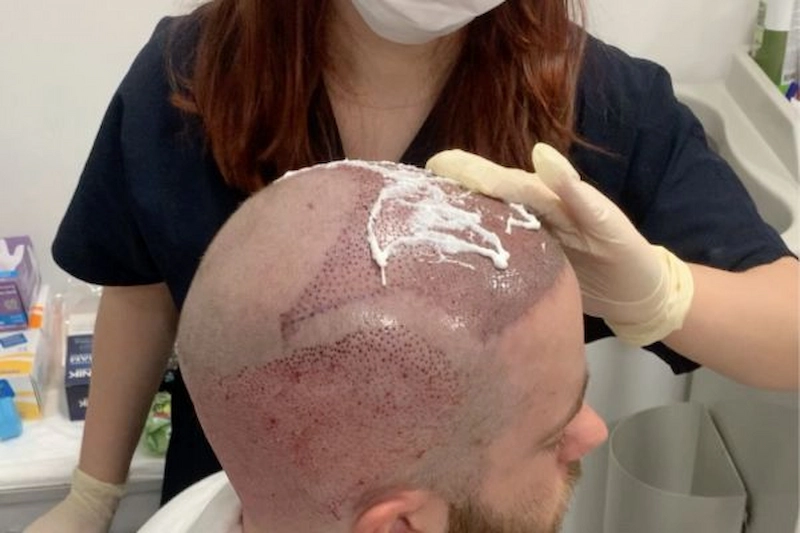
| During the first week post op, swelling and redness are normal. Small scabs form around transplanted grafts. Sleep with your head elevated to reduce swelling, and avoid strenuous exercise, heat, and direct sunlight. Most pain resolves within 3 to 5 days with prescribed medication. |
| Shock Loss and Hair Regrowth Phases | |
|---|---|
| Shock loss is temporary shedding of native hair around the transplant area, occurring 2 to 8 weeks post op. This is a normal part of the FUT procedure and doesn't mean grafts failed. Transplanted hair enters a resting phase before growth begins around month 3 or 4, with noticeable hair growth appearing by month 6. |
| Managing Pain, Discomfort, and Scarring Risk | |
|---|---|
| Pain management post op involves prescribed medication for the first week. The FUT donor site scar is linear and typically heals into a thin line well concealed by surrounding hair, though some patients explore hair transplantation into scar tissue for additional coverage if needed. Avoid smoking and blood-thinning medications during recovery, as these slow healing. Contact your surgeon if you experience unusual swelling, pain, or signs of infection. |
How Long Does FUT Hair Transplant Last?
Does FUT Hair Transplant Last Forever?
FUT hair transplant results are permanent. Transplanted hair comes from your donor site, the back of your scalp, where hair is genetically programmed to grow throughout life.
While FUT results themselves don’t fade, you may choose to use medications like finasteride or minoxidil to slow thinning of your native hair and preserve overall density over decades.
Long-Term Durability and Maintenance
After 12 months, your transplanted hair requires no special maintenance beyond normal hair care. Some patients choose to use hair loss medications to slow thinning of native hair and maximize overall density.
Most patients enjoy their FUT results for decades without revision.
Is FUT Hair Transplant Worth It?
Cost vs. Long-Term Value
FUT hair transplant costs typically range from $25,000 to $40,000, depending on graft count. While this is a significant investment, results are permanent, unlike temporary treatments that cost hundreds monthly.
Many patients find the cost justified by permanent results and renewed confidence.
Who Are Ideal Candidates for FUT?
You’re a good candidate for FUT if you have stable hair loss, realistic expectations, and sufficient donor hair. Men and women seeking permanent solutions, and patients with longer hair that conceals the donor scar, are ideal candidates.
Your surgeon evaluates your individual situation during consultation.
Choosing a Board-Certified FUT Surgeon
Surgeon skill directly impacts your results. Dr. Kopelman brings over 40 years of family expertise in hair restoration, with a proven track record of natural-looking results.
A skilled surgeon positions each follicular unit correctly, resulting in natural density and a hairline appearance that transforms your look for life.

What Our
Patients Are Saying


Request a
Consultation
Call our New York office at (212) 470-4076 or complete the form. Virtual consultations are also available for patients to make it convenient to access Dr. Kopelman.
You will leave feeling confident about how to best address your hair restoration journey.