Female Hair Transplant:
Before and After Photos
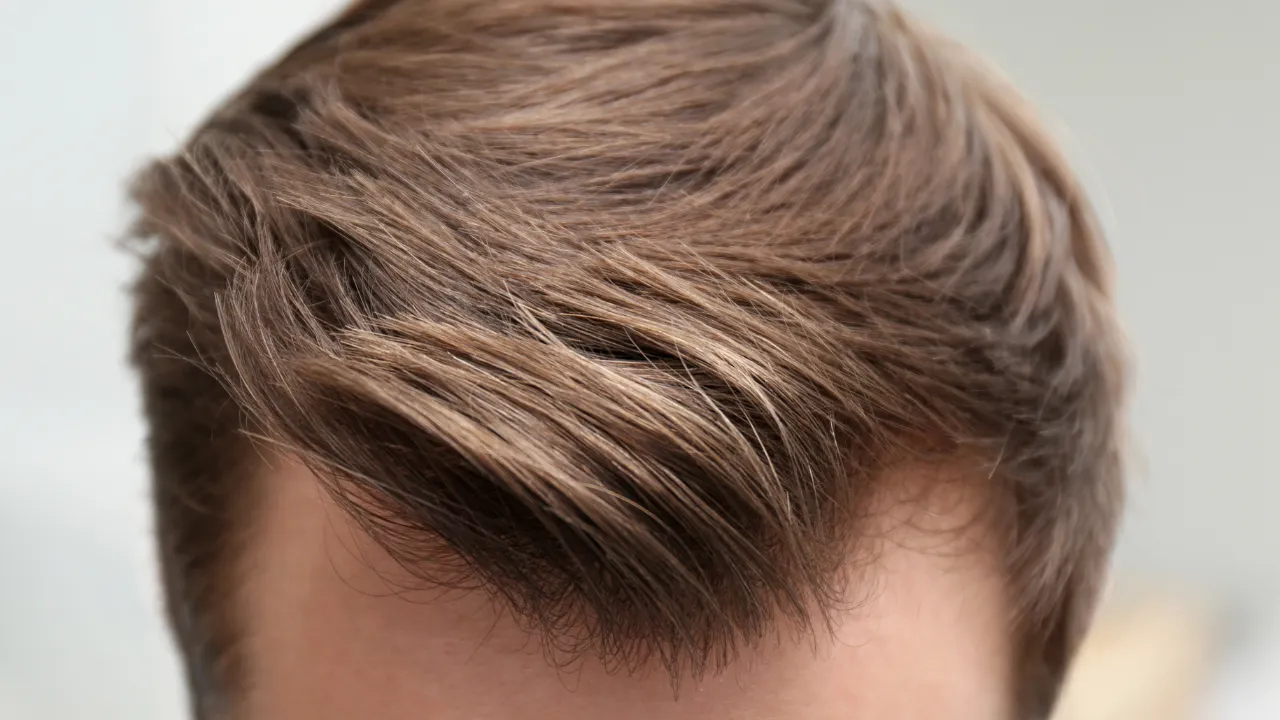
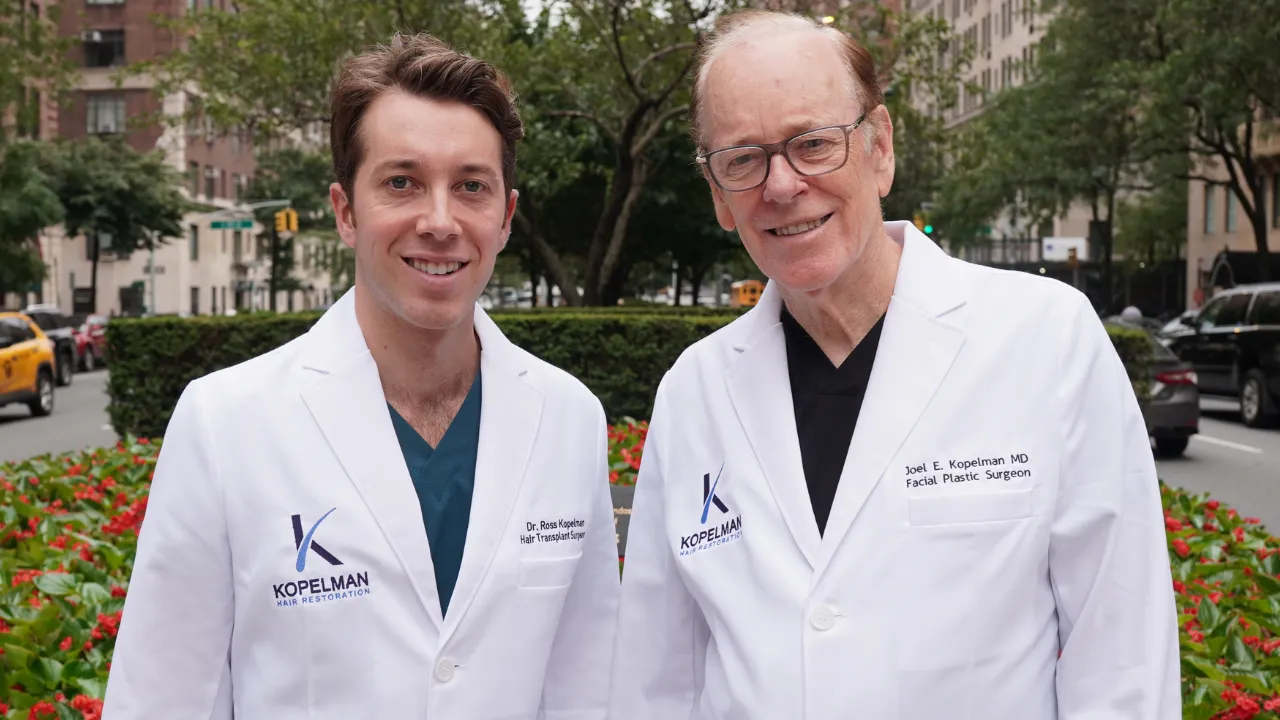
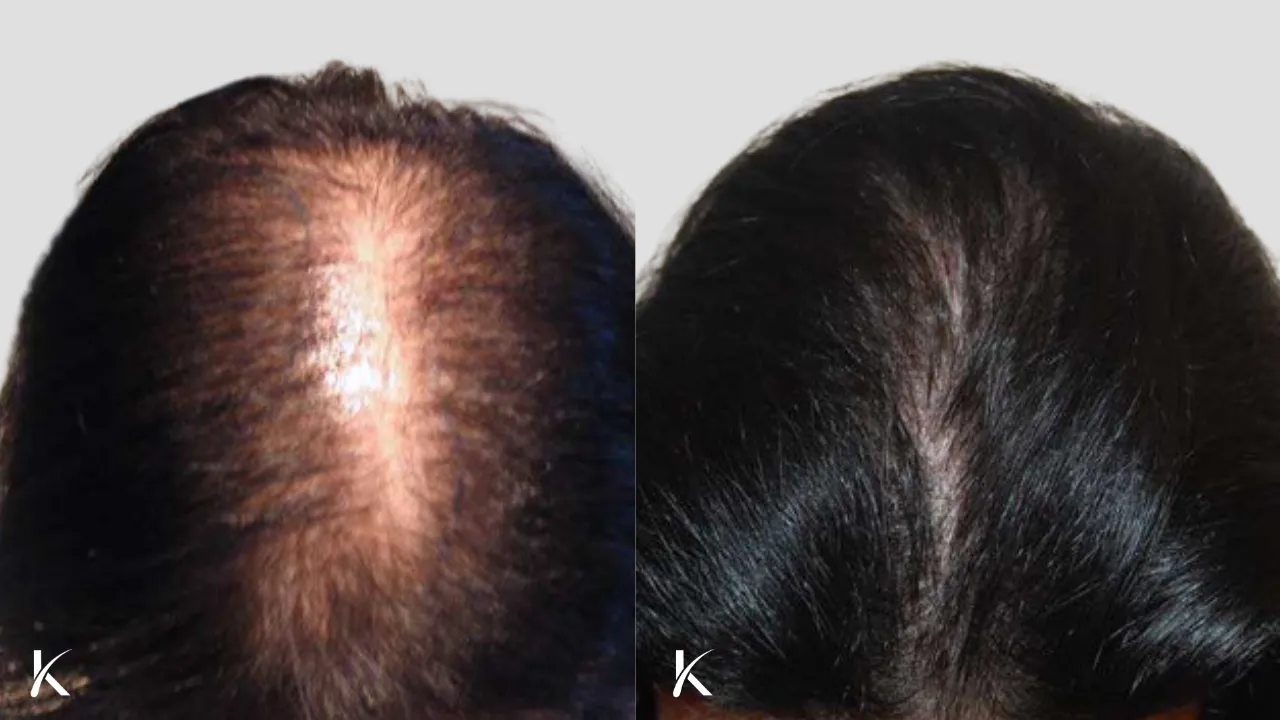
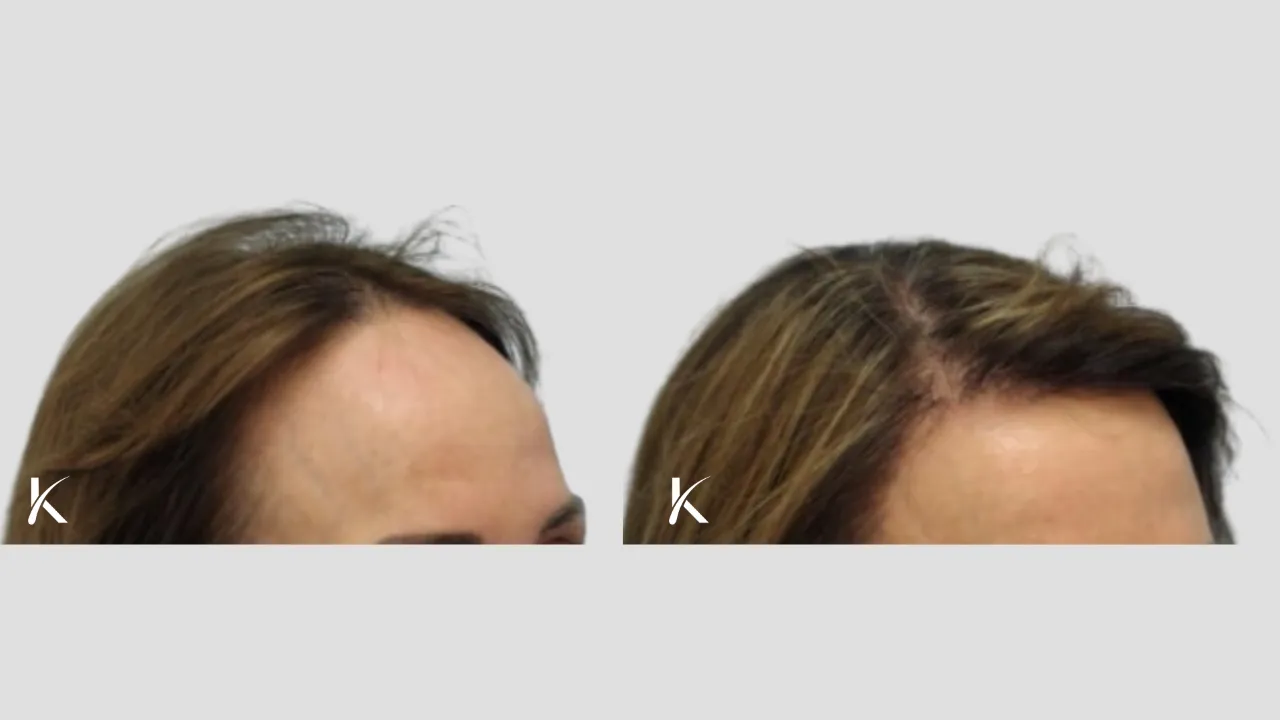
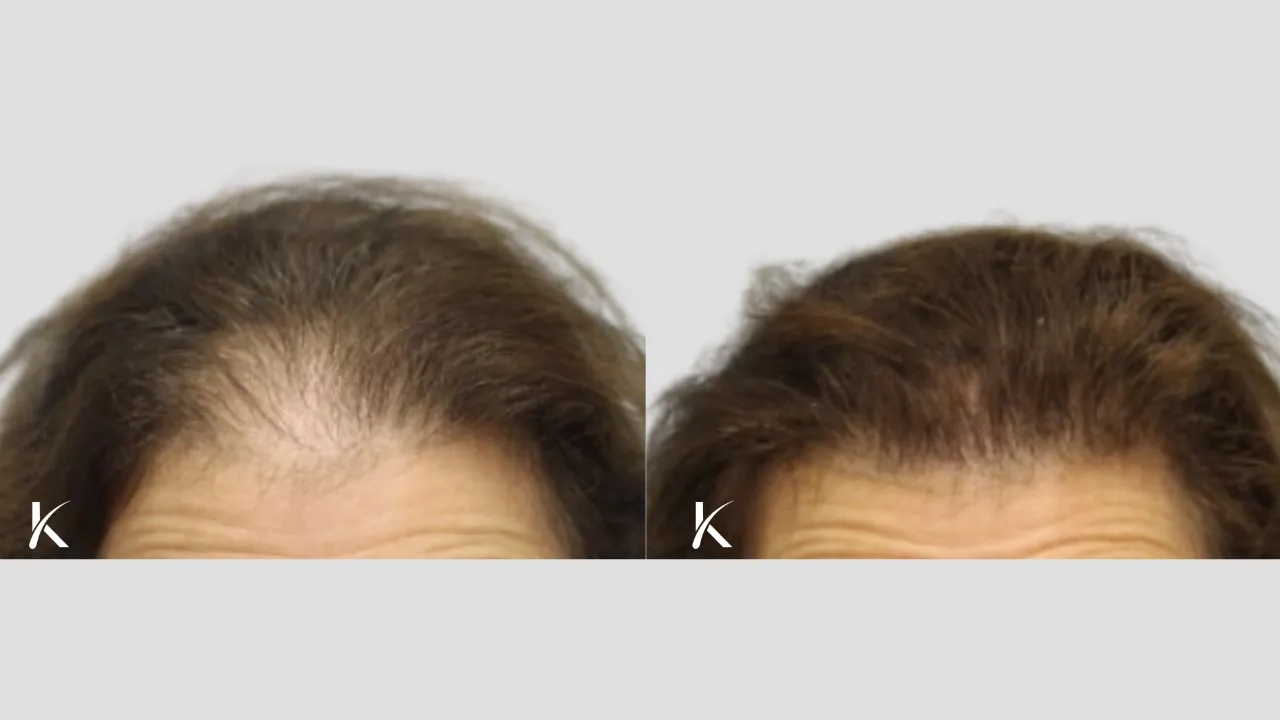
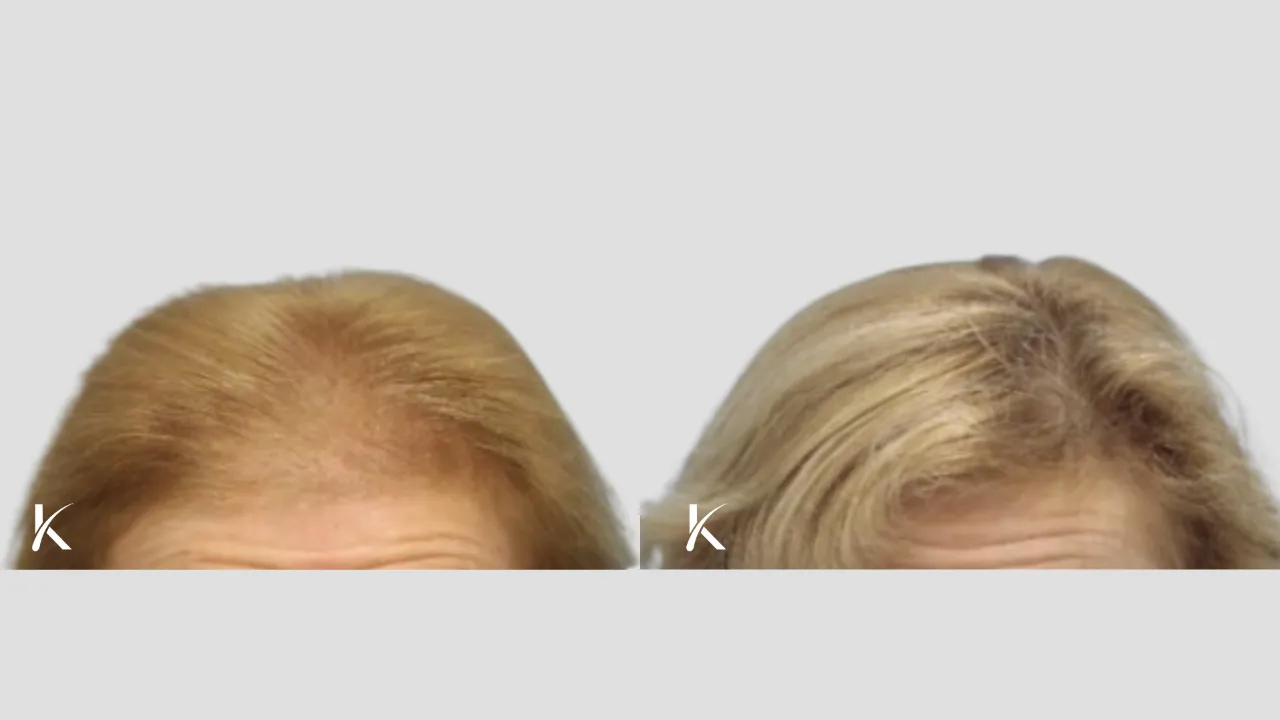
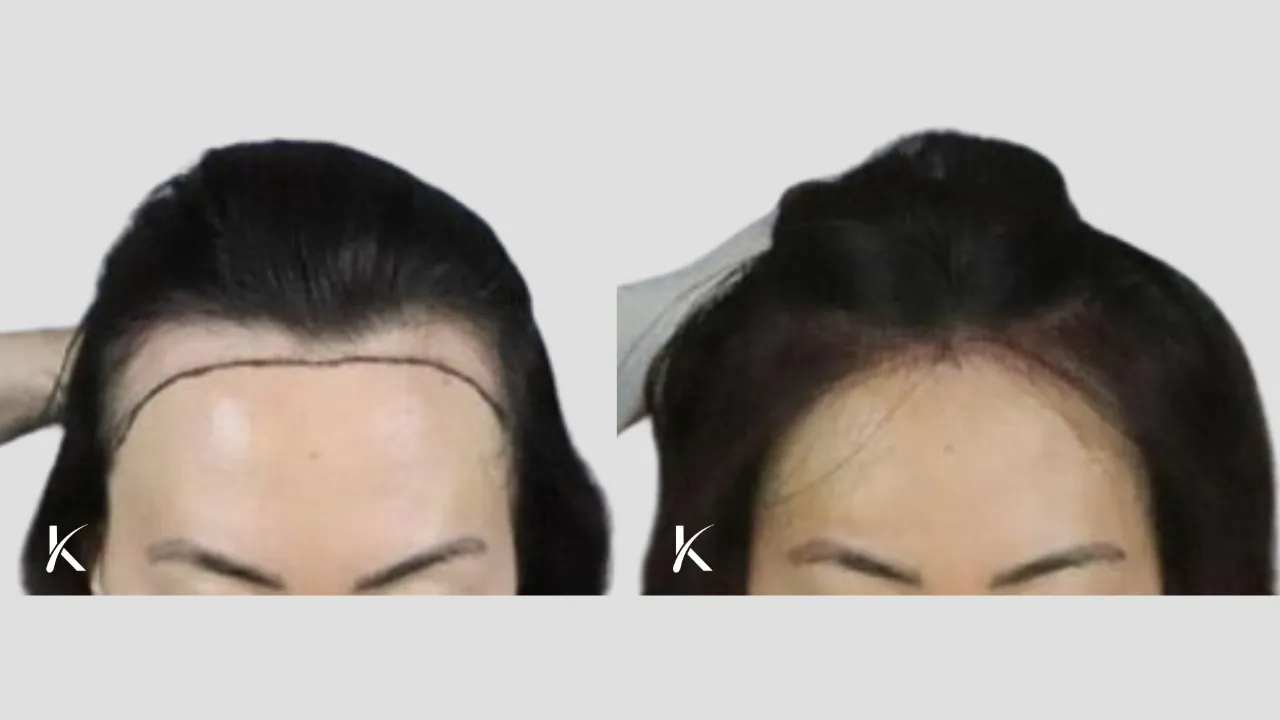
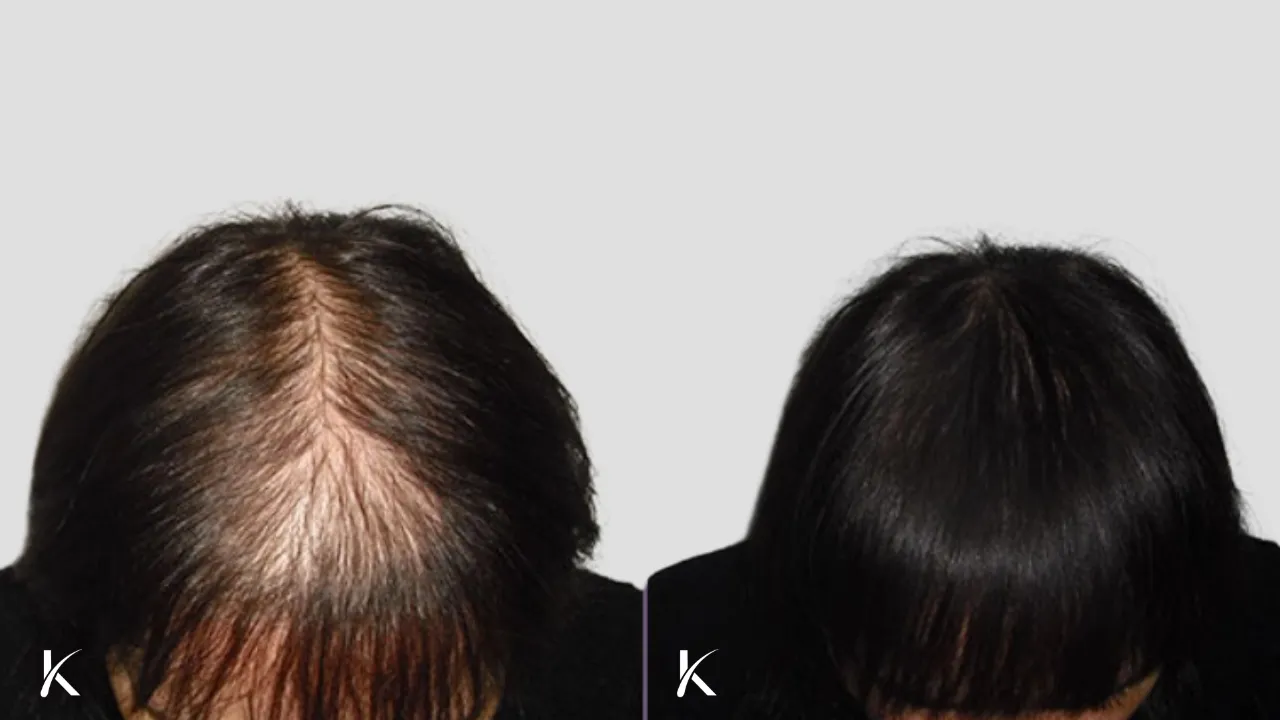
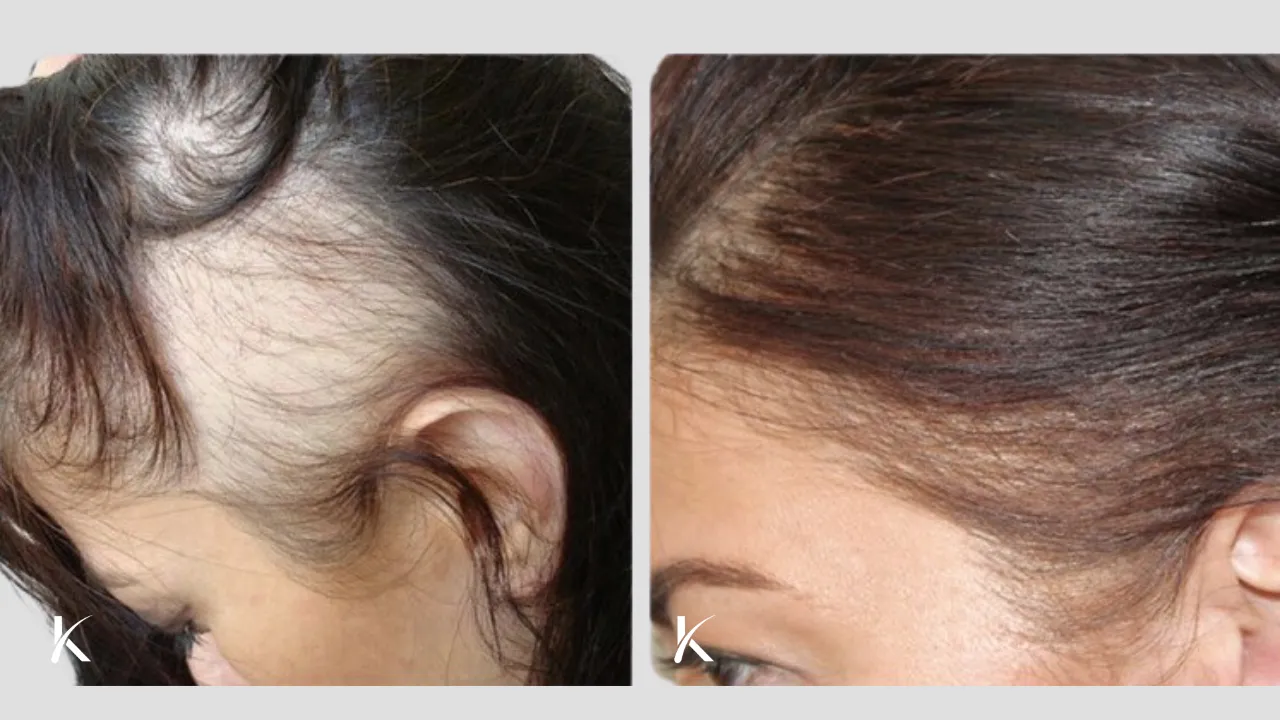
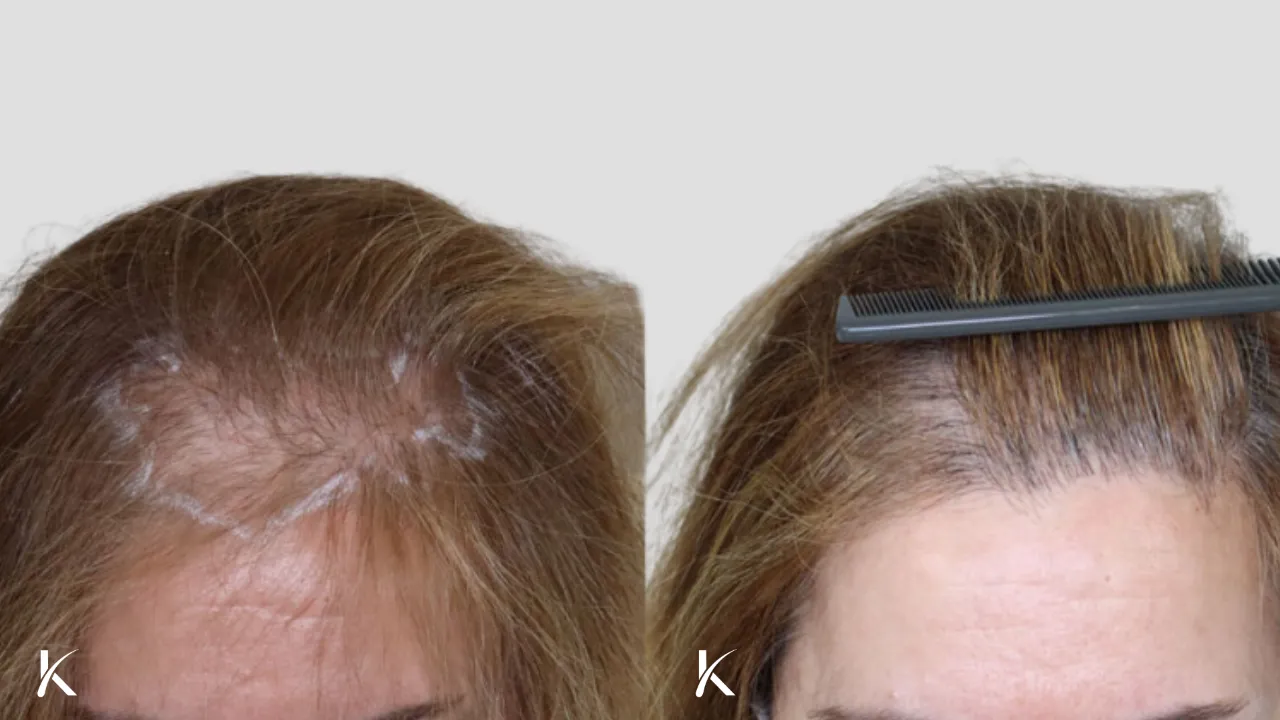
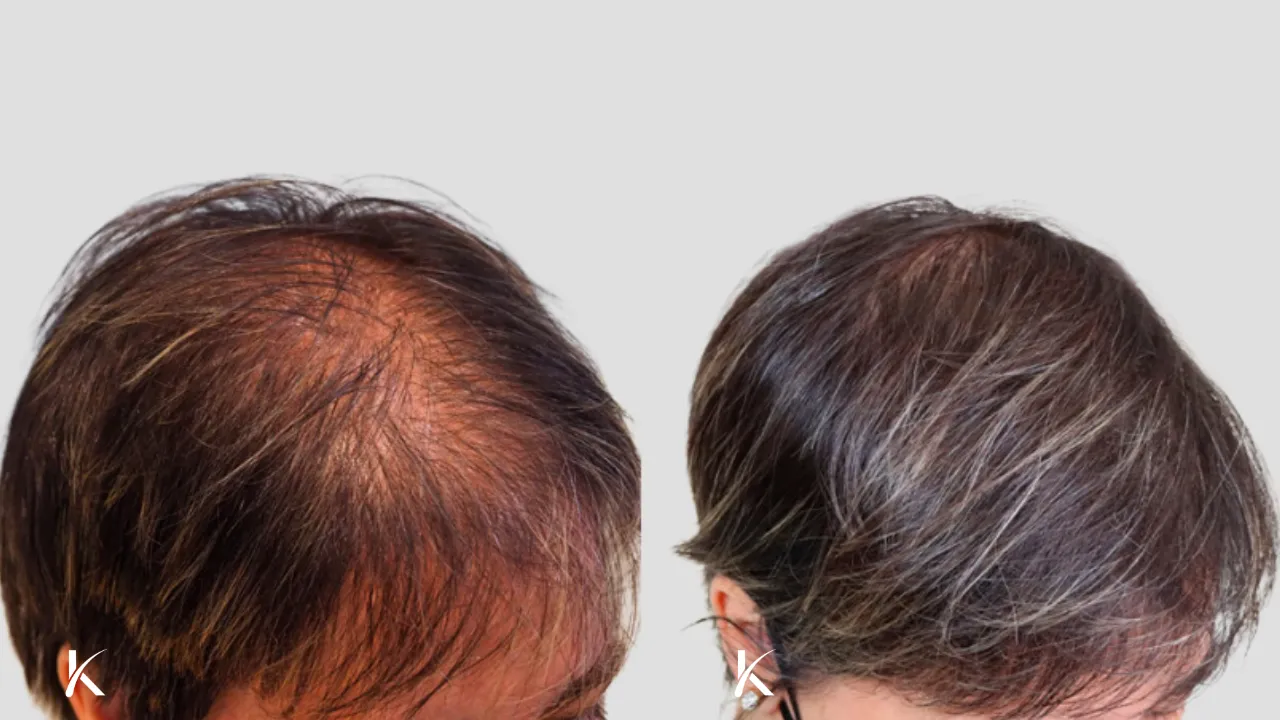
Our female hair transplant before-and-after gallery features real patient transformations performed by Dr. Ross Kopelman and Dr. Joel Kopelman at Kopelman Hair Restoration. Each case below shows the progression from thinning or recession to restored density, so you can see what surgical hair restoration looks like on women with a range of ages, loss patterns, and hair types.
Browse the results below, then keep reading for a closer look at what causes female hair loss, who qualifies for the procedure, and what to realistically expect from your own outcome.
Understanding Female Hair Loss
Common Causes
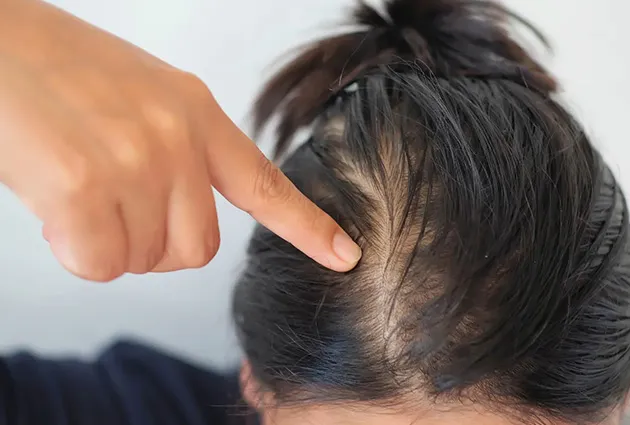
Hormonal shifts are one of the most frequent triggers. Pregnancy, menopause, thyroid imbalances, and polycystic ovary syndrome (PCOS) can all accelerate thinning by altering the hair growth cycle. Genetics also play a significant role; women with a family history of thinning are more likely to experience it themselves.
Medical conditions such as alopecia areata, lupus, and iron-deficiency anemia can contribute to noticeable shedding. Traction alopecia, caused by years of tight braids, ponytails, or extensions, is another common cause, particularly along the hairline and temples. Chronic stress, crash dieting, and nutritional gaps in iron or vitamin D can worsen existing thinning or trigger temporary shedding known as telogen effluvium.
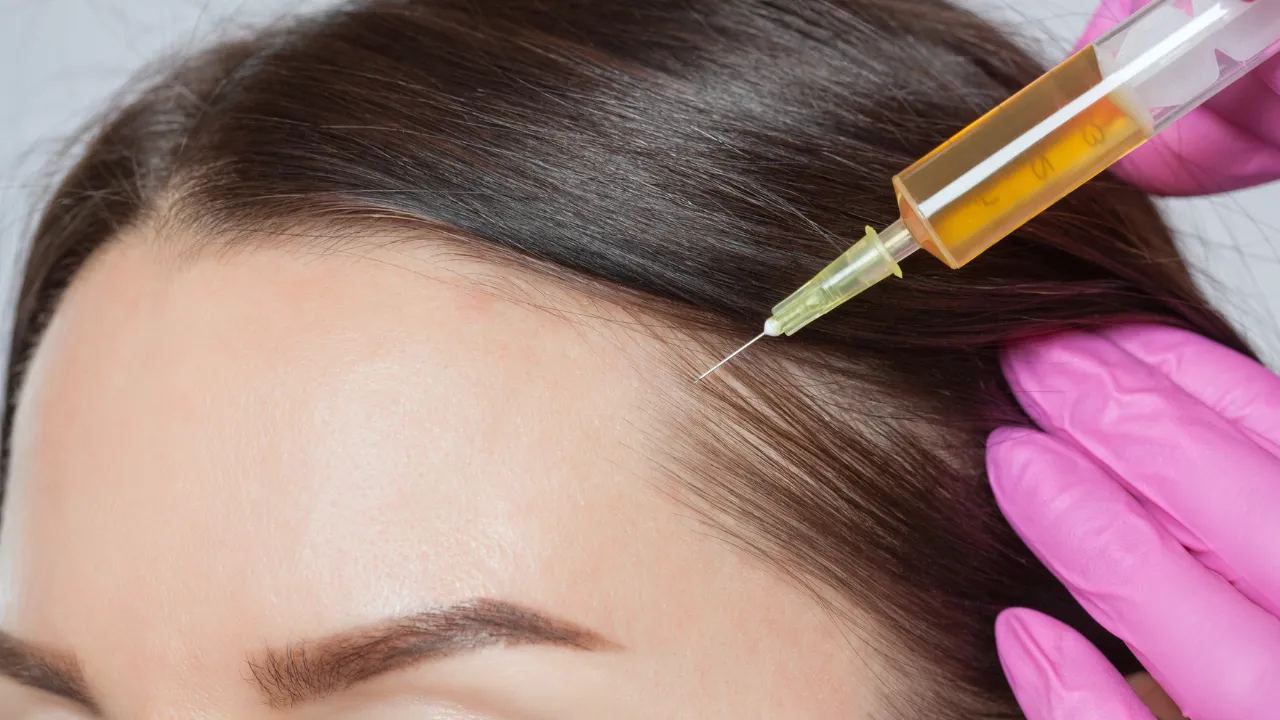
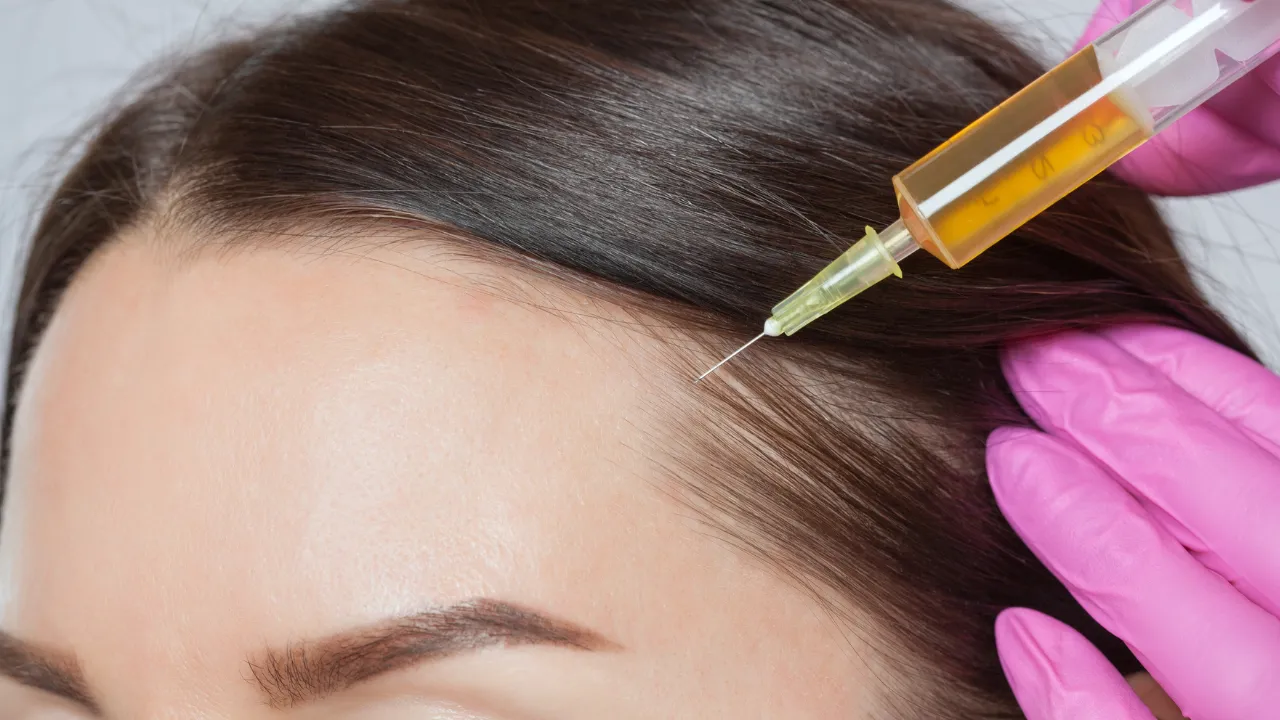
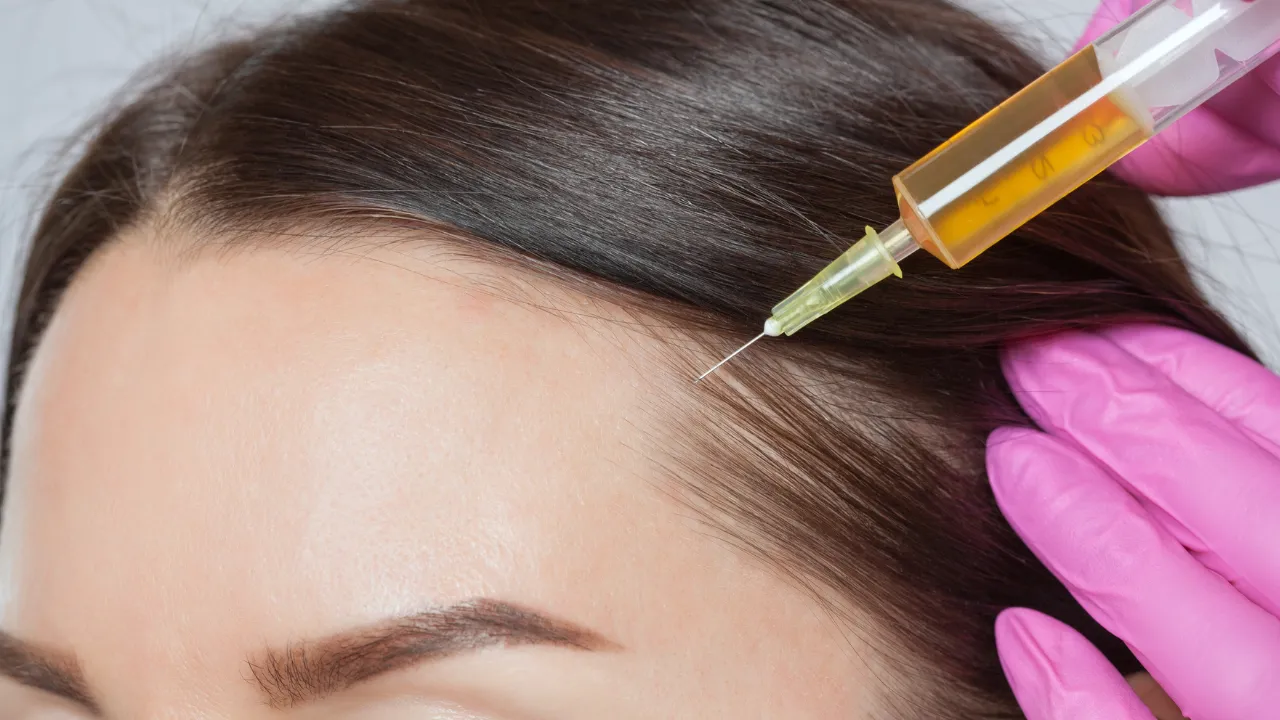
Understanding the root cause is essential before pursuing surgical restoration. A thorough evaluation helps determine whether a woman’s thinning will respond best to a surgical approach, a non-surgical option like PRP therapy or mesotherapy, or a combination of both.
Surgical Techniques for Women
Follicular Unit Excision (FUE)
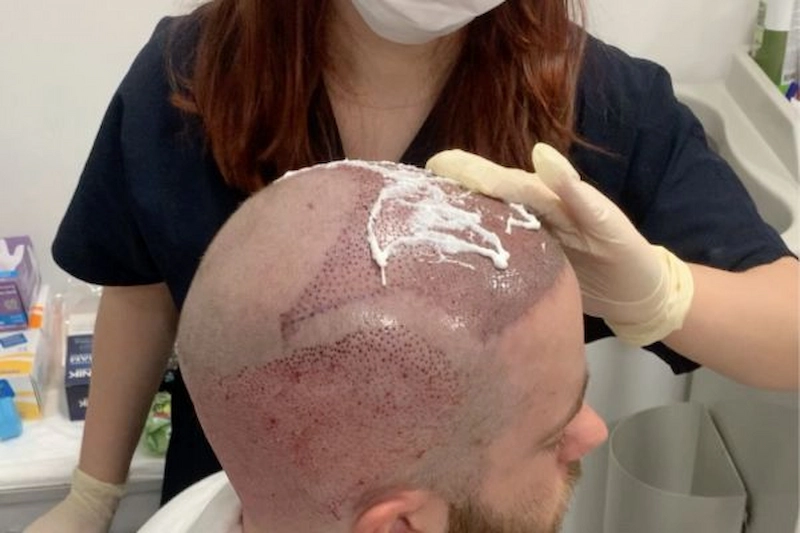
FUE involves extracting individual follicular units directly from the donor area using a small punch tool. Each unit is then placed into tiny recipient sites in the thinning zone. The technique leaves no linear scar, only small dot-sized marks that heal quickly and are virtually undetectable.
For women, a major benefit of FUE is the option for a no-shave approach. The surrounding donor hair remains at its existing length, making it easier to conceal the procedure during the healing period. FUE is well suited for patients who need targeted density work along the hairline, temples, or part line.
Follicular Unit Transplantation (FUT)
FUT removes a narrow strip of tissue from the donor area, which is then dissected under magnification into individual follicular units. The donor site is closed with sutures, leaving a thin linear scar that is typically hidden beneath surrounding hair.
FUT can yield a higher number of grafts in a single session, which makes it a strong choice for women with more advanced thinning who need broader coverage. Because the strip is removed from a concentrated donor zone, it also avoids the scattered extraction pattern of FUE, preserving overall donor density more evenly.
Hairline Lowering and Feminization
Some women seek restoration not because of thinning but because they were born with a naturally high or asymmetric hairline. Hairline lowering surgery uses transplanted grafts to bring the frontal hairline forward or reshape the temples, creating a softer, more feminine frame around the face. Several patients in the gallery above underwent this type of procedure.
Who Is a Good Candidate for Female Hair Restoration
How Much Does Female Hair Restoration Cost in NYC?
Ready to Start Your Journey?
Call our New York office at (212) 470-4076 or request a consultation online. Virtual consultations are available for patients across the US and internationally. You leave with a written plan, a graft estimate, and a scheduled procedure date.
What Our
Patients Are Saying


What to Expect from Your Results
Recovery Timeline
When Results Become Visible
Female Hair Transplant
FAQs
How many grafts does a typical female procedure require?
Is the procedure painful?
Can women with curly or textured hair get a transplant?
How long do results last?
Will people be able to tell I had work done?
Ready to take the first step?
Request a
Consultation
Call our New York office at (212) 470-4076 or complete the form. Virtual consultations are also available for patients to make it convenient to access Dr. Kopelman.
You will leave feeling confident about how to best address your hair restoration journey.