Best FUT Hair Transplant in Florida:
Trusted Strip Method Surgery in Miami, Palm Beach & South Florida
FUT continues to be a very popular technique we use to achieve natural-looking outcomes for patients across Florida.
If you are considering a FUT procedure in Florida, here is what you need to know: the strip method allows surgeons to transplant a high volume of grafts in a single session, typically between 2,000 and 4,000 follicular units. It is best suited for patients with moderate to advanced thinning who want dense, lasting coverage.
Recovery takes roughly 10 to 14 days, and most patients see noticeable new growth within three to four months. The procedure is performed under local anesthesia at our offices in Miami and West Palm Beach, with patients from Boca Raton, Fort Lauderdale, and across South Florida regularly visiting for consultations.
What is FUT Hair Surgery in Florida?
Follicular Unit Transplantation (FUT) involves removing a narrow strip of scalp with healthy follicles from the back of the head, then dissecting it into individual follicular units under high-powered magnification. These units are transplanted to areas experiencing thinning or baldness. Because the strip method yields a large number of grafts per session, it is often the preferred approach for patients who need extensive coverage.
While FUT leaves a linear scar on the donor area, advances in closure techniques have greatly reduced its visibility. For patients who typically wear their hair at a medium length or longer, the scar is well concealed beneath surrounding growth. This makes FUT a reliable option for anyone seeking hair replacement in Florida who prioritizes maximum density over a no-shave donor approach.
The precision involved in graft preparation ensures that each follicular unit remains intact and robust, leading to high survival rates once transplanted. This careful dissection contributes to a natural-looking hairline and improved overall density. Our team helps determine the best method based on your type, goals, and medical history, reviewing all types of hair transplants for men Miami offers.
FUT’s effectiveness in treating various patterns of loss, combined with its adaptability to different textures and ethnicities, makes it a preferred method for patients seeking comprehensive, long-lasting restoration. Many patients choose follicular unit transplantation because Florida clinics recommend it for its ability to deliver substantial coverage in a single visit. This approach remains a popular choice in cosmetic and restorative treatments, especially across South Florida, where demand for high-quality restoration services continues to grow.
How Much Does FUT Cost in Florida?
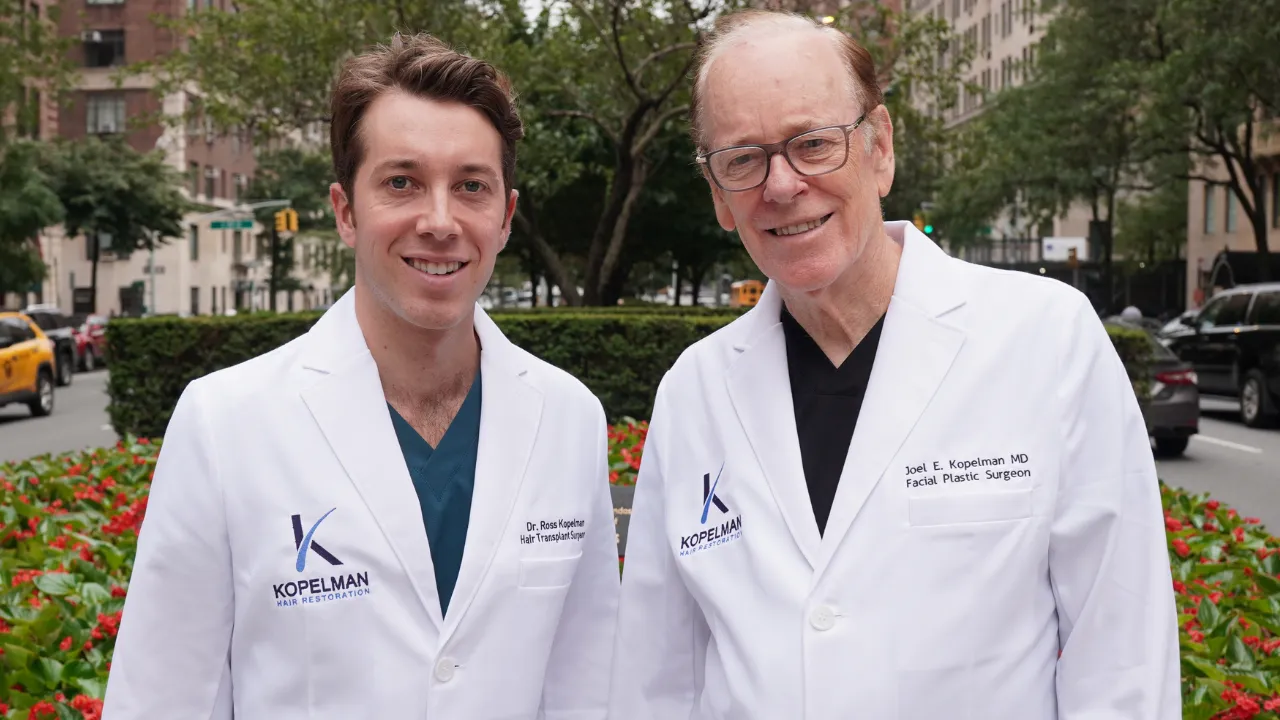
FUT hair transplant at Kopelman Hair Restoration is priced between $25,000 and $40,000. The final cost depends on the extent of thinning, the number of grafts required, and the complexity of the individual case. This reflects the level of surgical expertise, personalized planning, and hands-on involvement from both Dr. Joel and Dr. Ross Kopelman throughout every procedure.
FUT Consultation Process
Private Consultation with the Surgical Team
To begin exploring your options for FUT restoration in Florida, scheduling a private consultation is the essential first step. During this meeting, you will engage in a one-on-one conversation with the surgeon. This is your opportunity to articulate your goals and have any questions addressed. This consultation is an ideal moment to express your expectations and wishes regarding your results. Feel free to bring along pictures of hairlines or styles that you find appealing. Additionally, our office provides an array of before-and-after images, featuring cases with patterns and challenges similar to yours, to help you visualize possible outcomes.
Review of Medical History and General Health
A comprehensive review of your medical history is a critical component of your FUT consultation. Discussions will focus on your family’s history of thinning, any genetic factors that may affect your follicles, and personal histories of conditions like thyroid or iron deficiencies that can markedly influence growth. The surgeon will emphasize the importance of understanding your overall health. He may recommend analyzing recent blood work or conducting genetic tests on your follicles. Such assessments are designed to uncover any nutritional deficiencies or genetic factors that might affect your scalp health, enabling the creation of a more effective and individualized restoration plan.
Tailored Recommendations for Your Restoration
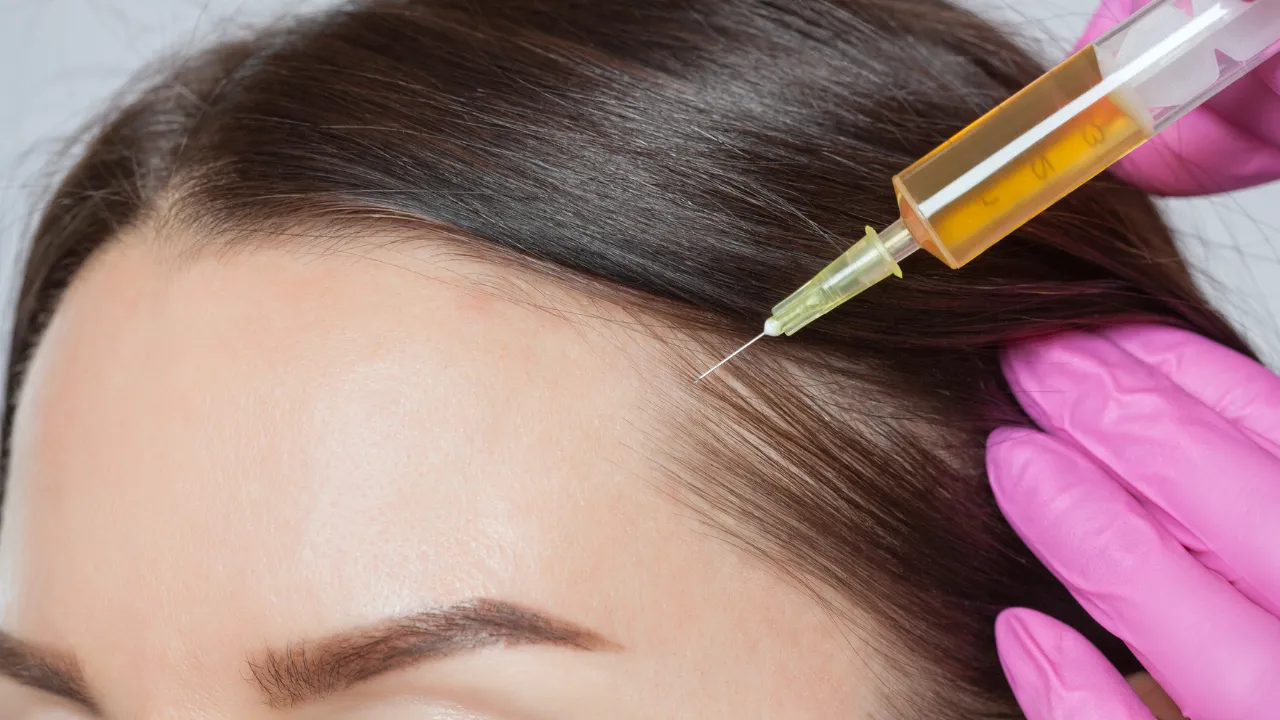
The surgical team will develop a personalized plan based on your specific goals. Each individual’s pattern of thinning is distinct, and the approach to restoration can vary from straightforward to more intricate depending on your unique needs. The surgeon will also explore additional treatments that might enhance your restoration process, such as PRP (Platelet-Rich Plasma) therapy or other scalp treatments. After determining the most suitable strategy for your FUT procedure, the team will capture photographs of your scalp to assist in the planning process.
Am I a Candidate for FUT in Miami or Palm Beach?
- Both Men and Women: FUT can be effective for both male and female pattern baldness.
- Moderate to Advanced Thinning: Ideal for individuals with extensive loss requiring a high volume of grafts in a single session.
- Flexible Hairstyle Preferences: Suitable for those who do not necessarily prefer very short cuts, as the procedure leaves a minimal linear scar.
- Adequate Donor Density: Requires a good density of follicles at the donor site for strip extraction. Older Patients with Stabilized Loss Patterns: Often preferred by individuals whose thinning has plateaued over time.
- Previous Restoration Patients: Those who have undergone a prior procedure, including FUE, may also benefit from FUT for additional coverage.
- Non-Smokers or Those Willing to Quit: Smoking can affect healing and graft survival, so non-smokers or those who can quit are preferred candidates.
What Are the Benefits of FUT?
- High Volume of Grafts: FUT allows for the transplantation of a large number of follicular units in a single session, making it ideal for extensive restoration.
- Efficiency in Coverage: It is particularly beneficial for covering large areas of the scalp in fewer sessions.
- Suitable for Different Loss Patterns: FUT is adaptable to various thinning patterns, making it a versatile option for many patients.
Male FUE Transplant
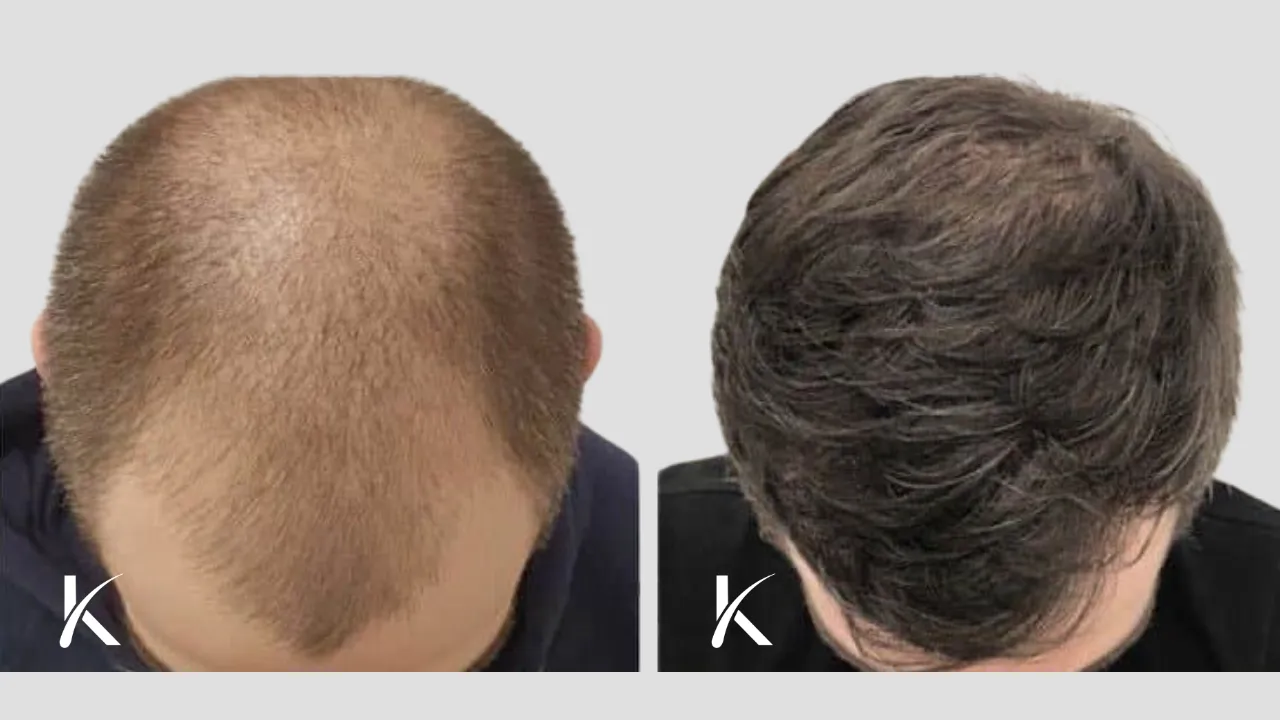
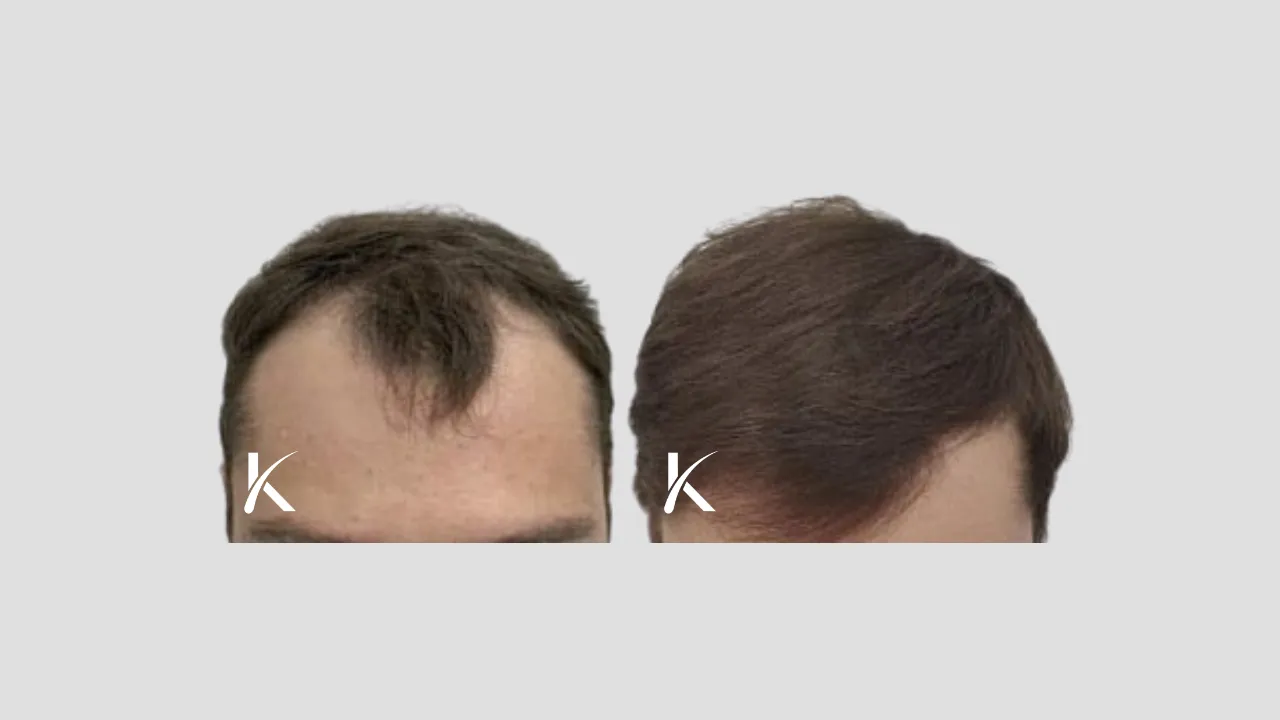
Before and After Photos
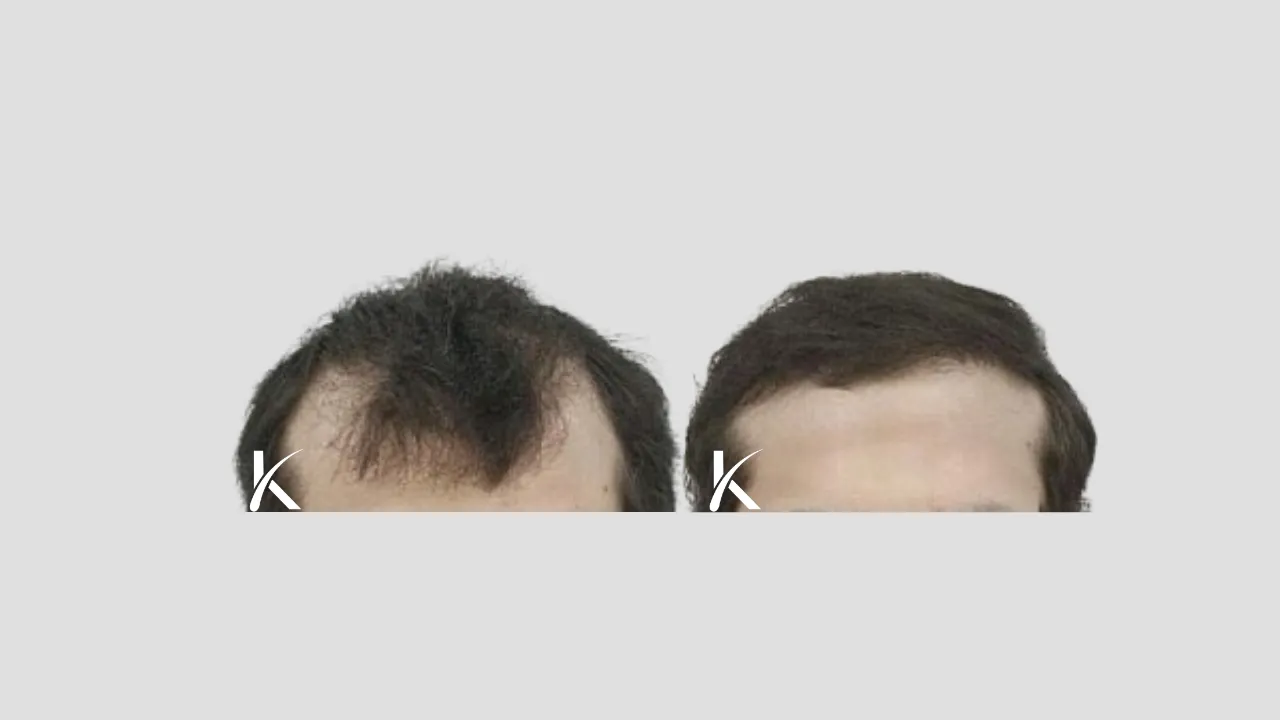
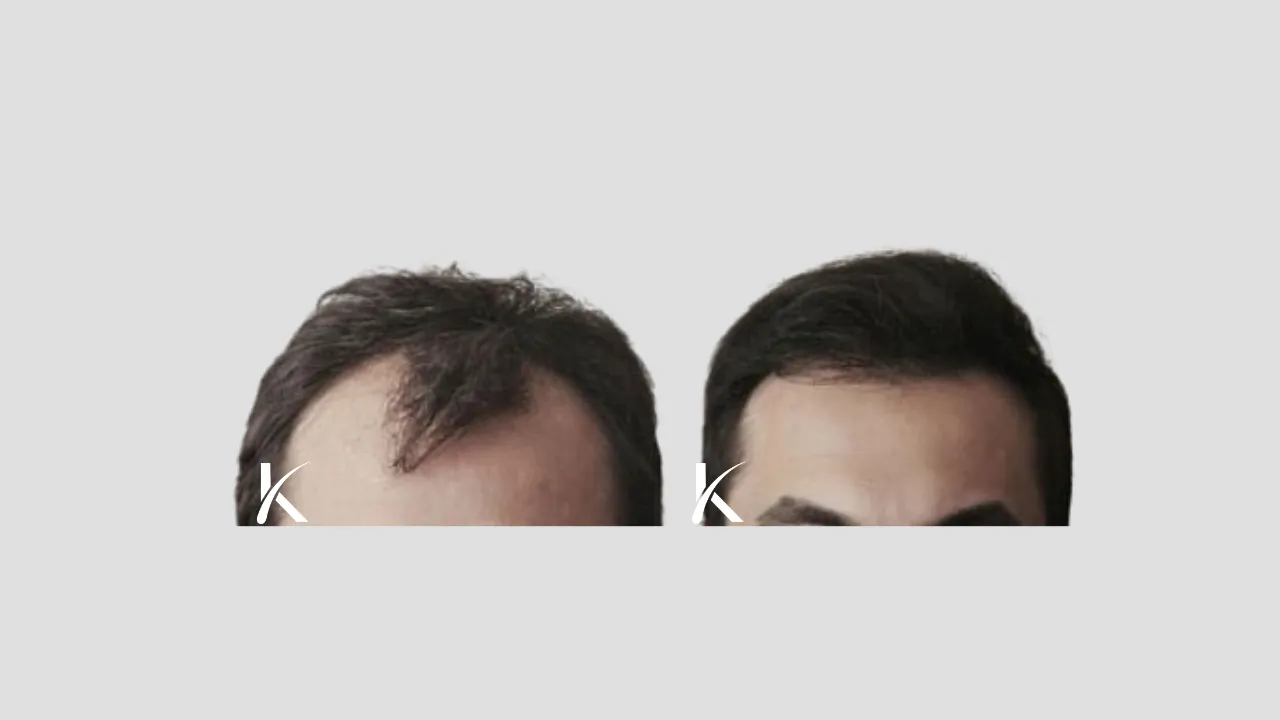
FUT Procedure Step by Step
On the day of your FUT procedure, specific steps are taken to prepare for a successful surgery. Unlike FUE, FUT requires only partial trimming at the back of the scalp. A narrow band in the donor area is trimmed to facilitate the removal of a scalp strip. This preparation is essential for effective donor access and the overall success of the technique.
During the procedure, local anesthesia is administered to numb the donor area, ensuring you are comfortable and pain-free while awake. The surgery starts with the careful removal of a scalp strip from this numbed area. The surgeon’s precision in this process minimizes discomfort and optimizes follicular unit extraction. After the strip is removed and sutured, a break is taken before the next phase.
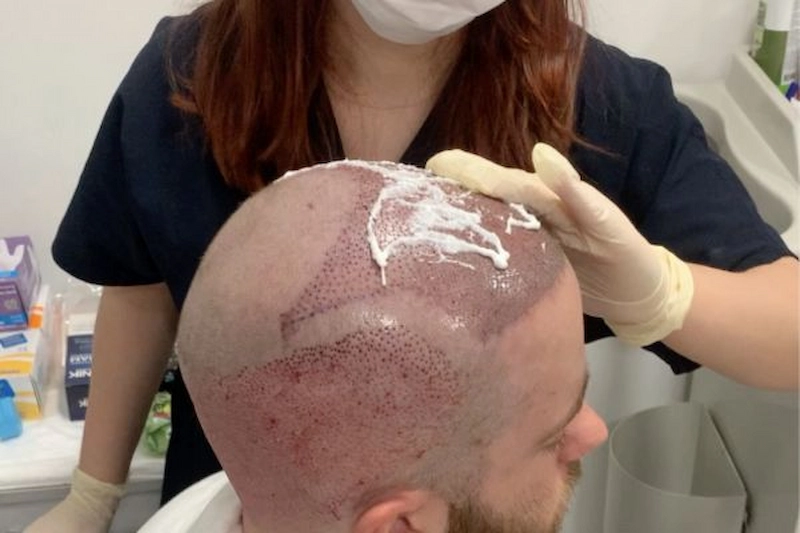
Following the break, the surgeon prepares the recipient sites on the scalp areas experiencing thinning. The harvested follicular units are then expertly transplanted to these sites, focusing on achieving a natural hairline and improved density. Each graft is placed at a specific angle and direction to match existing growth patterns, ensuring results that look and feel authentic.
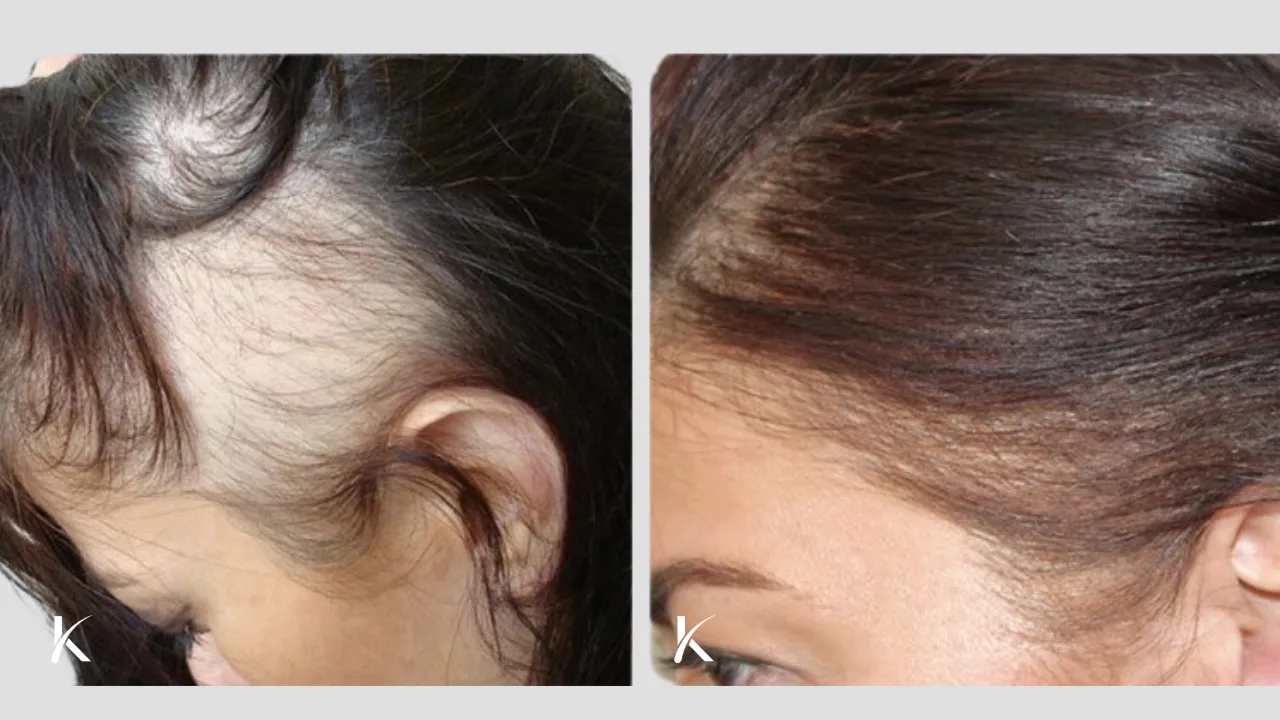
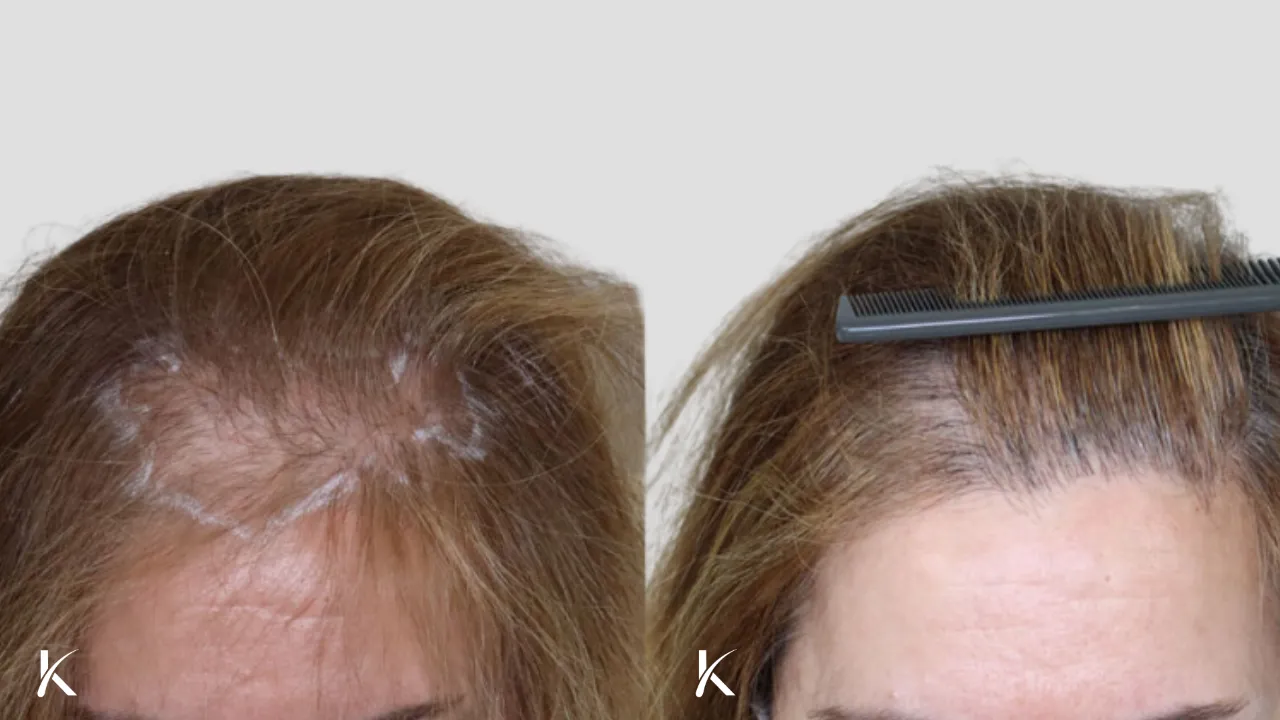
Female FUE Transplant
Before and After Photos
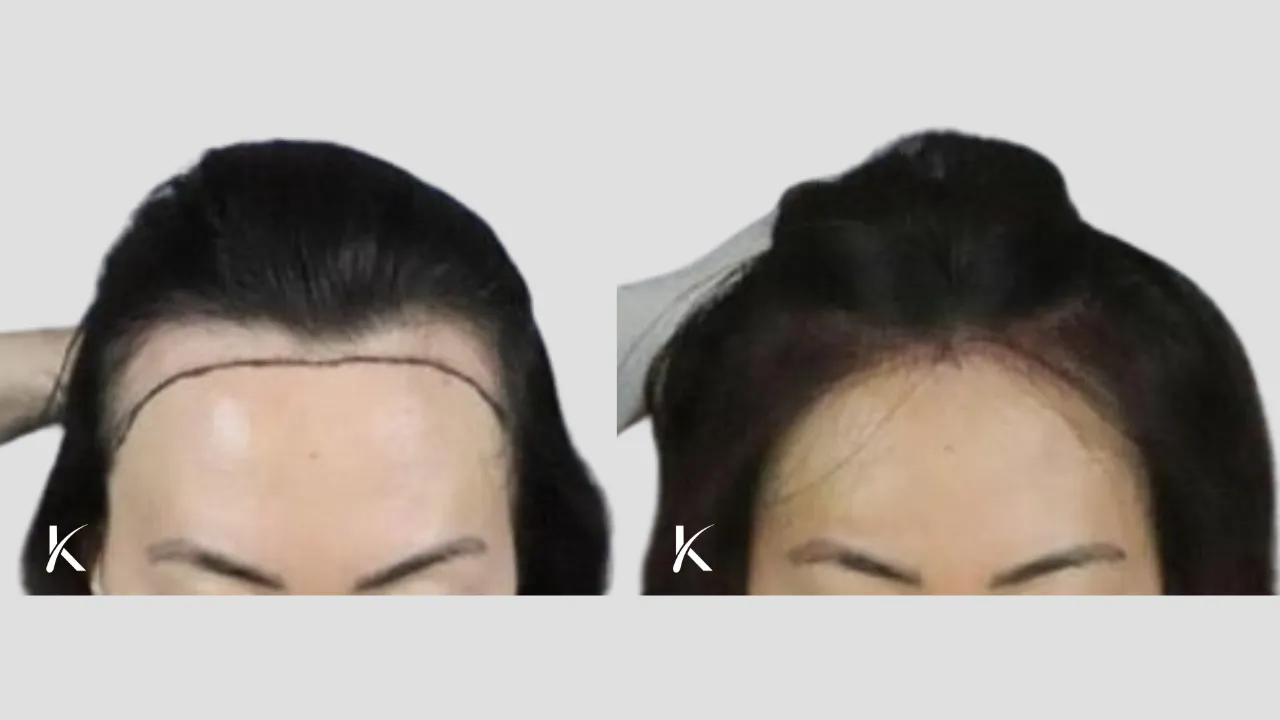
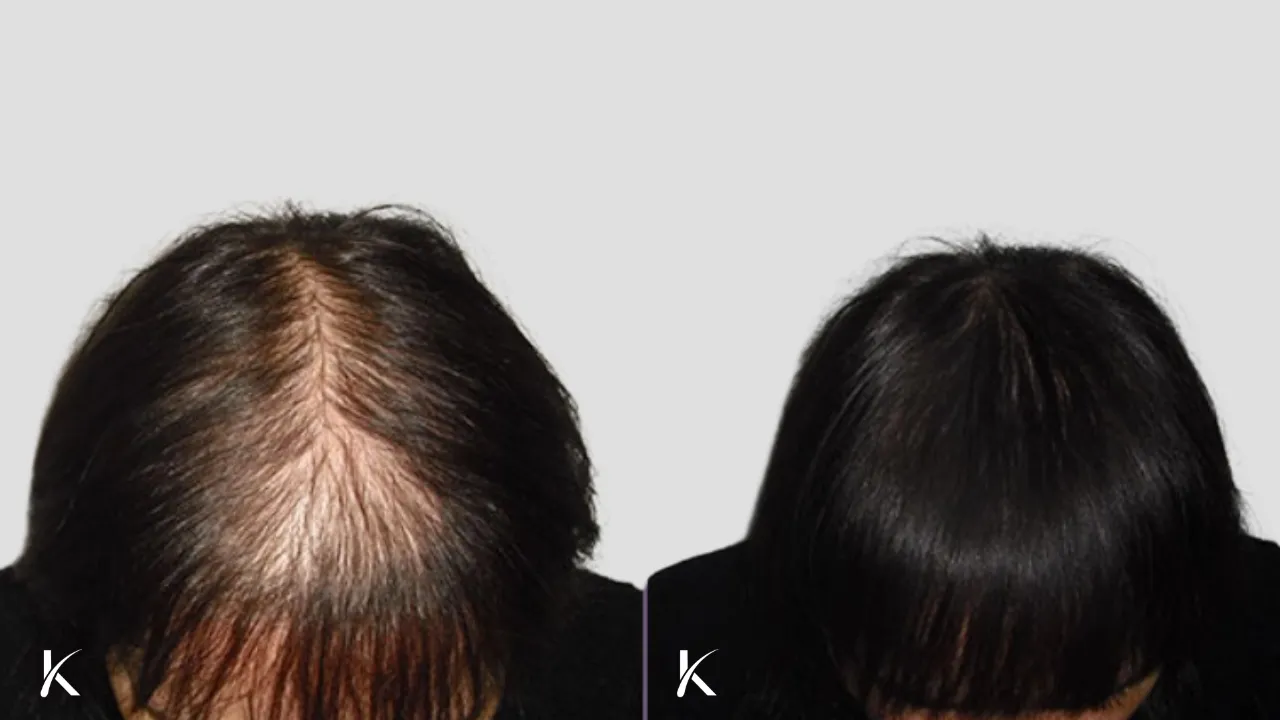
Best FUT Procedure with Drs. Kopelman in Miami
FUT Recovery Process
STEP 01
Immediate Post-Procedure Care
STEP 02
First Few Days
STEP 03
First Week
STEP 04
Two to Three Weeks
STEP 05
One to Three Months
Long-Term Care
Request a
Consultation
Call our Palm Beach office at (561) 803-0140 or complete the form. Virtual consultations are also available for patients to make it convenient to access Dr. Kopelman.
You will leave feeling confident about how to best address your hair restoration journey.
Schedule a Consultation
FAQ's
Follicular Unit Transplantation
What Makes FUT Different from FUE?
Is the Linear Scar from FUT Noticeable?
How Long Does FUT Surgery Take?
Can FUT and FUE Be Combined in a Single Treatment Plan?
What Should I Expect in Terms of Density from FUT?
Does FUT Hurt?
Are FUT Results Permanent?
What Are the Side Effects of FUT?
Ready to take the first step?
Book a Consultation
or anywhere via video call
What Our
Patients Are Saying
Posted on Google
 barret abramow
 I recently had a FUE hair transplant with Dr. Kopelman in New York City, and I couldn’t be more pleased with the results. I had 2,800 grafts focused on restoring my hairline, which had become more recessed than I was comfortable with. The change has been subtle yet transformative — my hairline looks completely natural, and it frames my face in a way that feels more like me. It’s not overly dramatic, just exactly what I hoped for. What really stood out about working with Dr. Kopelman and his team was their expertise and attention to detail. From the initial consultation, it was clear they understood how to approach my specific situation to achieve the best outcome. The procedure itself went smoothly, and the aftercare instructions were thorough and easy to follow. I felt confident every step of the way because of how knowledgeable and professional they were. Finding their practice in NYC was a relief — it’s not easy to trust just anyone with something as personal as your hairline. I’m really glad I chose them because they delivered excellent results without any of the typical hype. If you’re considering a hair transplant, this is definitely the team to go to.Posted on Google
 Beth ZimmermanI am very happy with my experience with Dr. Kopelman. They are an amazing team. I had been looking for physician who could address my hair loss that had been bothering me for years. I am now doing mesotherapy treatments and I am so happy that my hair loss has reverted over the past 4 months. I really appreciated that a hair transplant was not forced upon me but is instead a last resort. I really appreciate the honesty. Thank you!Posted on Google
 Yoel OhayonI can’t say enough great things about my experience with Dr. Kopelman and the entire team at Kopelman Hair Restoration! I had my hair transplant last year, and the results are simply fantastic. I am fully recovered and thrilled with the transformation—my hair looks natural, and I feel like myself again. Every step of the process was handled with such expertise and care. Dr. Kopelman took the time to explain everything thoroughly, and his team was kind, professional, and supportive from start to finish. I’m beyond grateful for their exceptional work and highly recommend Kopelman Hair Restoration to anyone considering a hair restoration procedure.Posted on Google
 RickDr. Kopelman is extremely knowledgeable and was willing to talk through my concerns and needs to develop an optimal treatment plan. He helped me evaluate a variety of options and decide on a protocol I was comfortable with. I am happy I found him!Posted on Google
 David CohenMy experience with Dr. Kopelman has been nothing short of incredible. From the moment I stepped into his office, I could tell I was in the hands of a true expert. I came to him for both an eyebrow hair transplant and an FUE hair transplant, and I am very happy with the results. My eyebrows look so natural, and the precision and artistry he brought to my FUE procedure completely transformed my hairline. What really stood out was how comfortable and confident he made me feel throughout the process—he explained everything in detail and answered all my questions with such patience and care. I actually discovered him on YouTube, where his videos about hair loss and transplants are so informative, and I’m so glad I did. I’ve never felt more confident in my appearance, and it’s all thanks to Dr. Kopelman’s expertise and attention to detail. If you’re looking for the best hair surgeon in NYC, he’s the one to trust.Posted on Google
 Yedidyah Leo SamuelsDr. Ross is incredible! So much knowledge and expertise in the field. Best hair surgeon in New York City!!Posted on Google
 Juan FraustroI paid for a consultation with one Dr. Kopelman and I actually got both Dr’s Kopelmam. They spent over an hour with me carefully studying my scalp, explaining my options, and providing the necessary prescriptions. I cannot recommend this practice or these doctors more highly.Posted on Google
 Odellya SohnisRoss is a top hair transplant surgeon in NYC. He was so kind when I came in. I wanted to understand why my hair was thinning after using a shampoo a dermatologist had sent my way to stop my bad dandruff problem. He was so patient through my 10 million questions, I felt he really cared about what I need instead of feeding into a consumerist magic pill. He also was able to find that I could be balding and give me tips and a prescription and I felt like he saved me from tripping over a ledge I didn't see. Thank you so much!Posted on Google
 K SalalahI've been to many hair specialists, and I can confidently say that Dr. Kopelman and his team stand out for their incredible care and attention. The hair industry is unfortunately filled with people who are simply looking to make a sale, and think little about your longterm goals or happiness. I'm fortunate to have found Dr. Kopelman, who is incredibly attentive, knowledgable, puts my goals and comfort first, and is willing to think outside the box. Six stars!Posted on Google
 Andres DelgadoI had a consultation with Dr. Joel Kopelman. It was worth my time and money. The doctor answered all my questions and provided valuable insights.