African American Hair Transplant
Before & After Photos
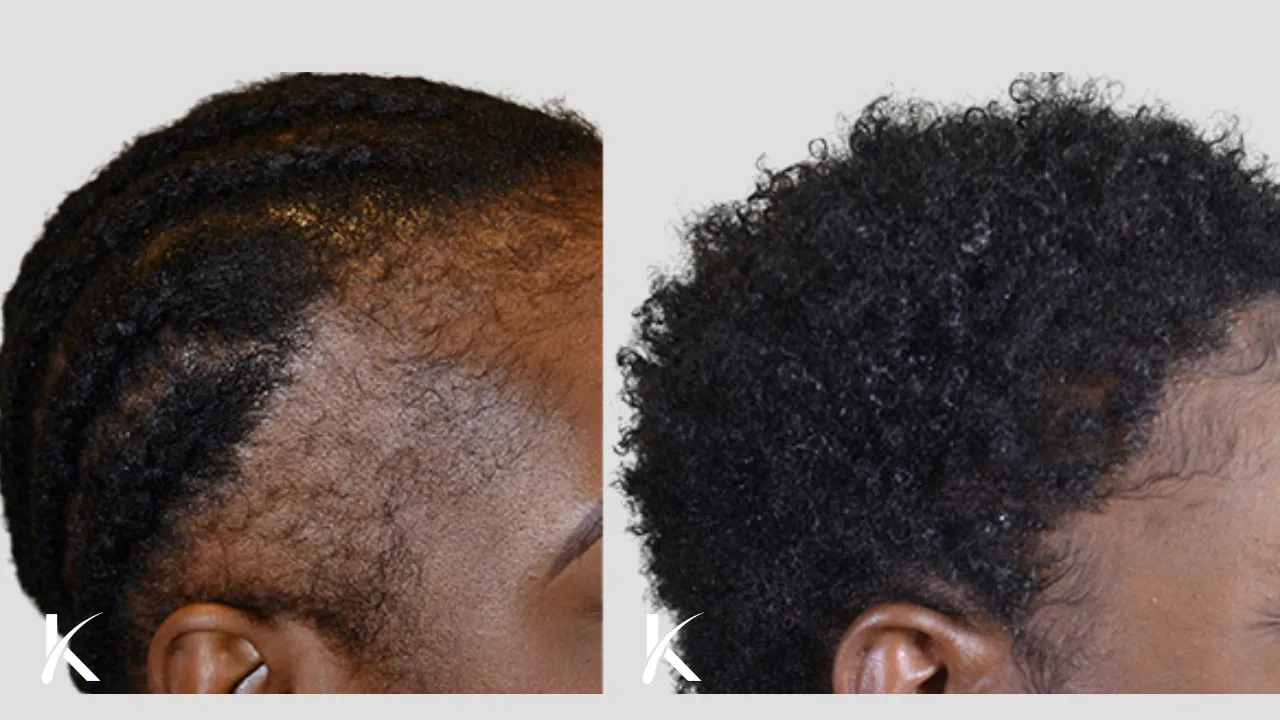
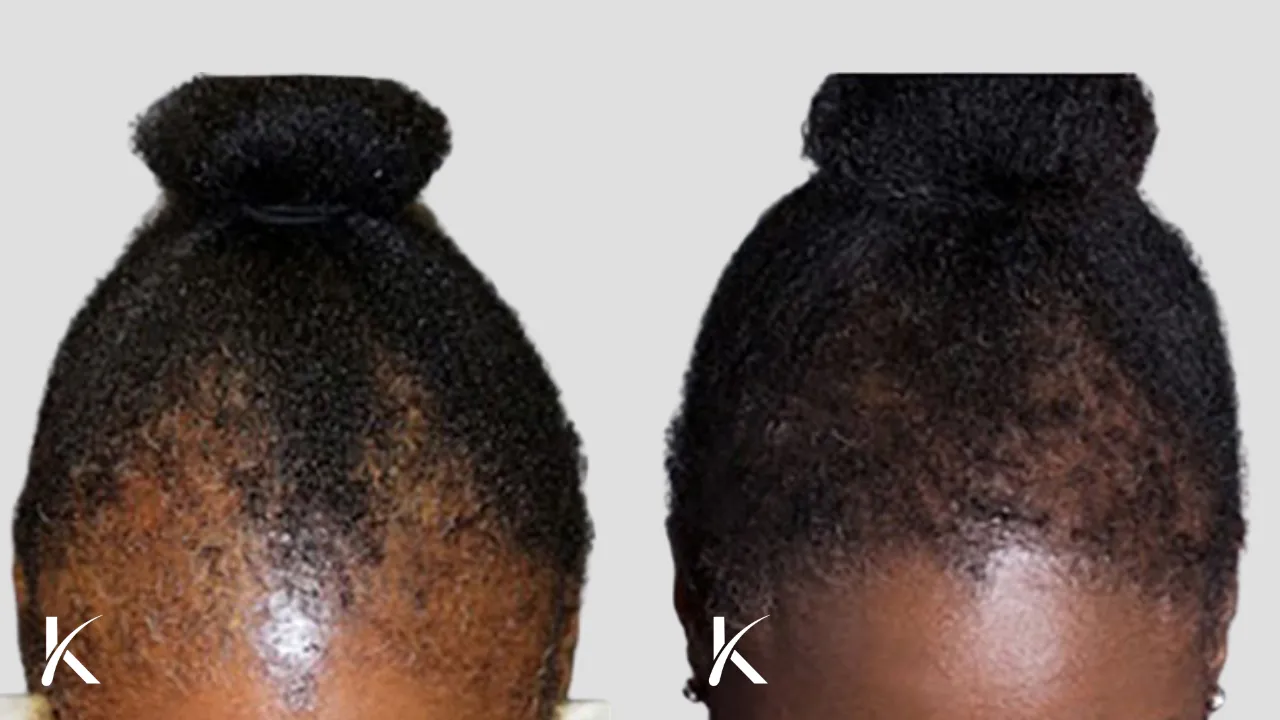
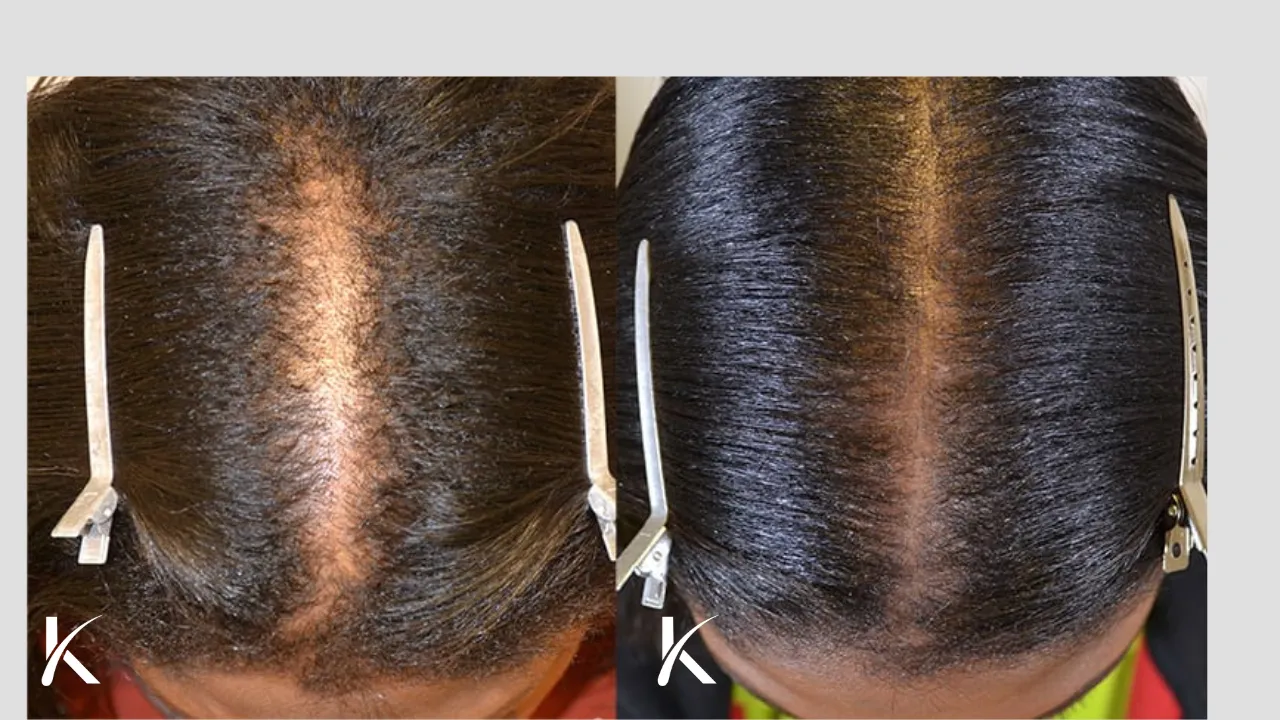
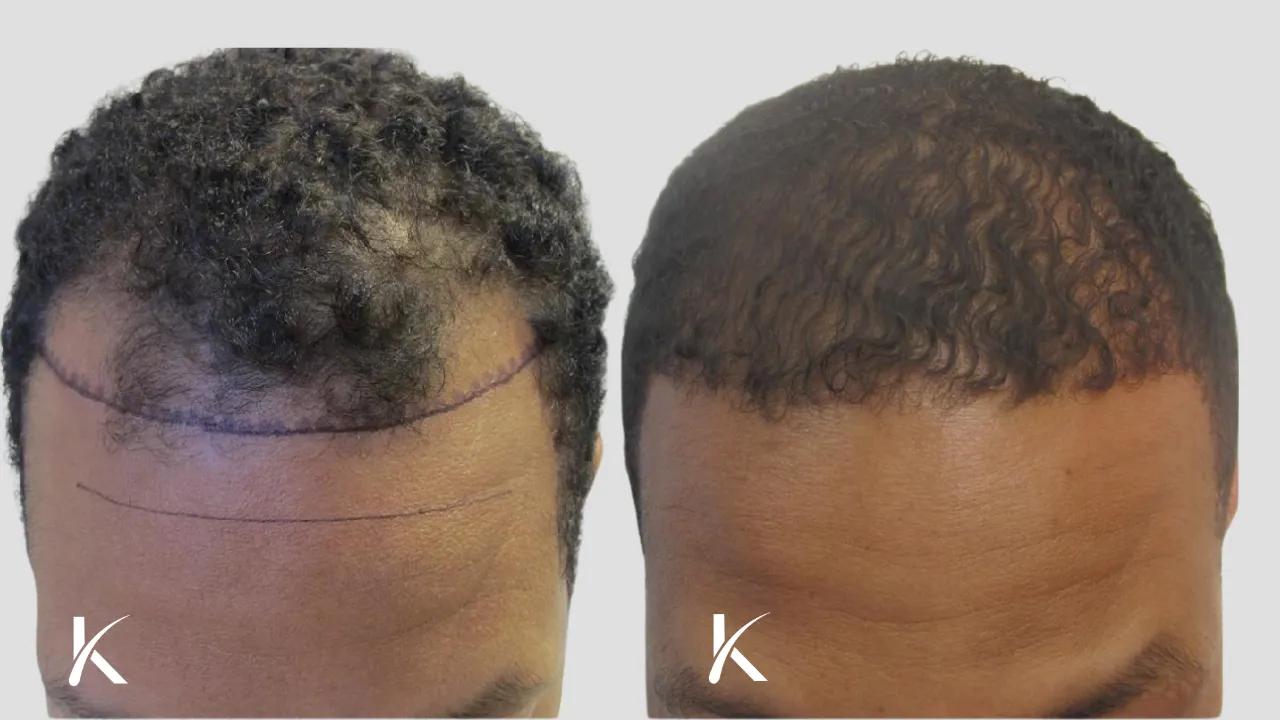
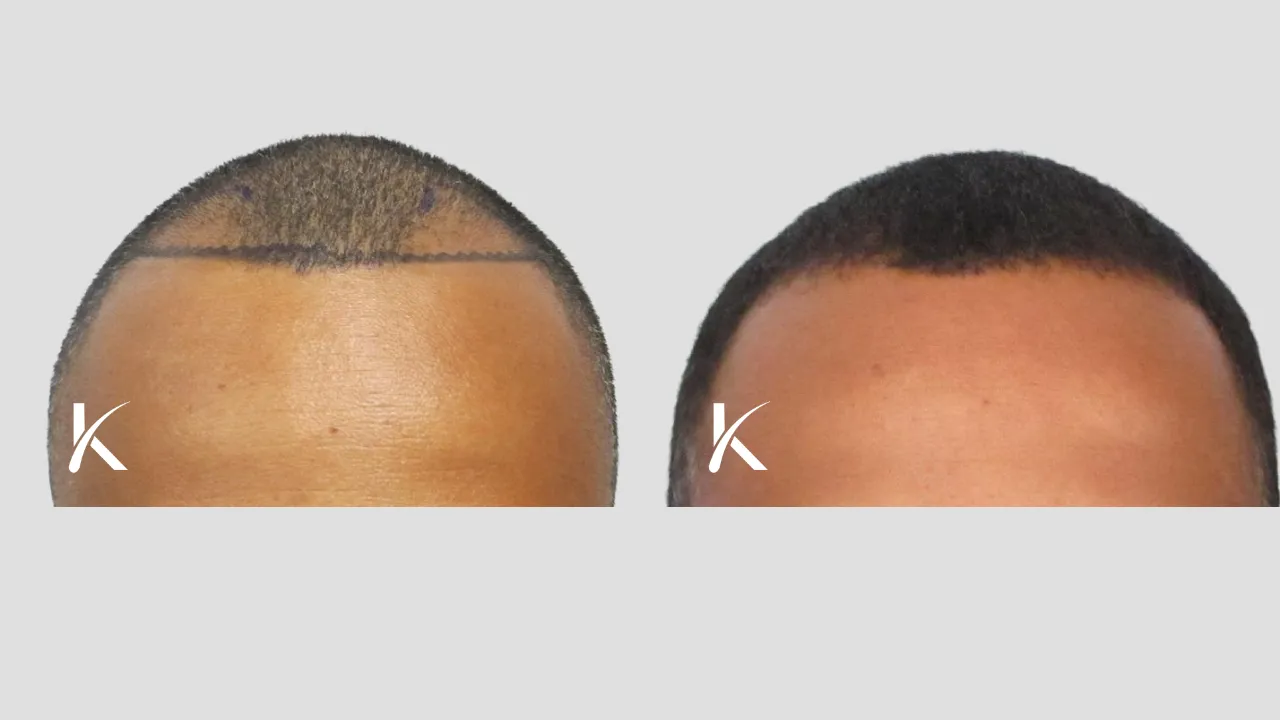
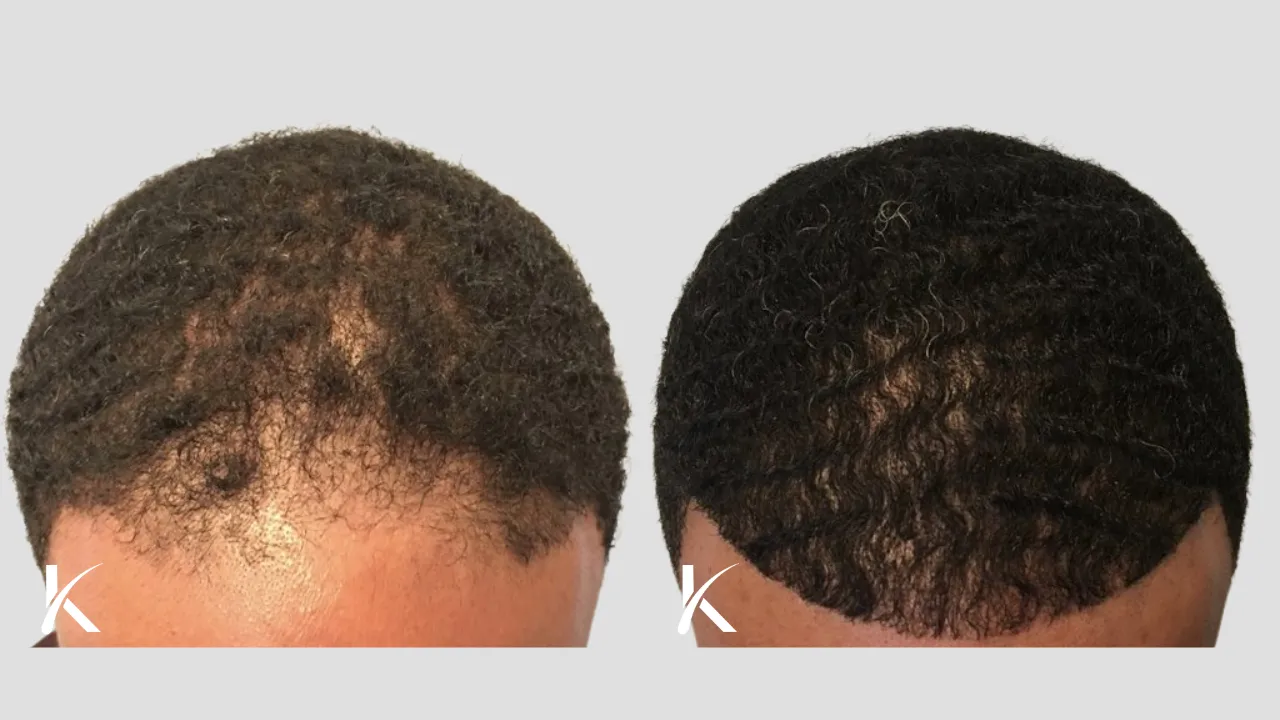
See what real results look like. The gallery below shows African American transplant before-and-after outcomes across men and women treated at Kopelman Hair, including cases involving traction alopecia, pattern baldness, and hairline recession.
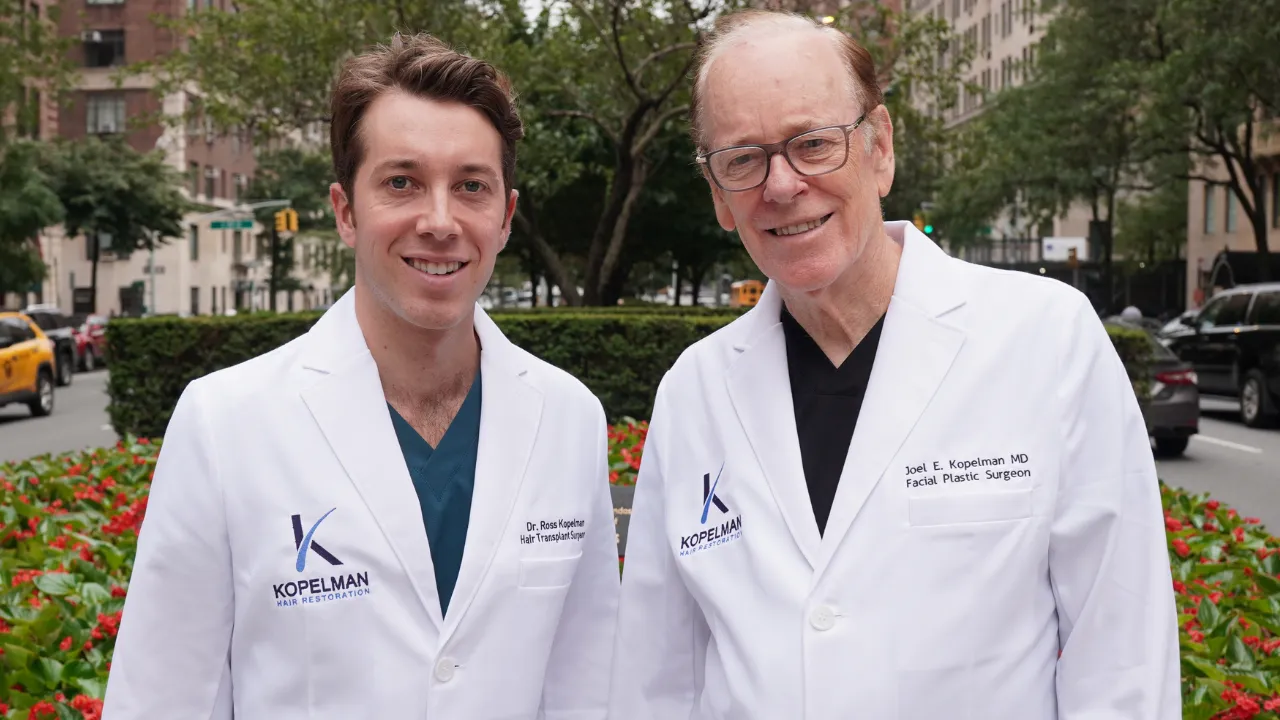
The natural curl of Black hair begins below the surface of the scalp, making extraction and placement more complex than with straight or wavy textures. Curved follicles require precise angle control during both harvesting and grafting to avoid transection and ensure healthy regrowth. At Kopelman Hair, Dr. Ross Kopelman and Dr. Joel Kopelman specialize in treating Afro-textured hair with techniques refined over thousands of procedures.
Every black hair transplant before-and-after case in this gallery reflects a personalized surgical plan. In our clinical experience, because coily strands cover more surface area per graft than straight ones, patients with textured hair often achieve fuller-looking density with fewer follicular units. On average, African American scalp density runs around 60 follicles per square centimeter, compared to roughly 80 in Caucasian patients, which means fewer grafts are needed for comparable visual coverage.
Many prospective patients, especially women, ask to see hair transplant before-and-after results of black women before committing to a consultation. The images below include both male and female cases so you can evaluate outcomes that match your specific pattern of thinning or loss.
Common Conditions Treated in These Results
Traction Alopecia
Traction alopecia is one of the most common reasons Black women seek restoration. Years of tight braids, weaves, extensions, or ponytails can permanently damage follicles along the hairline and temples. When caught early, the damage may respond to non-surgical treatments. When the follicles are gone, surgical grafting is the only way to restore what was lost. Several of the female cases in this gallery involved traction-related thinning.
Androgenetic Alopecia (Pattern Baldness)
Pattern baldness affects Black men and women at rates comparable to other ethnic groups, though it sometimes presents differently. In men, it often begins with frontal recession or crown thinning. In women, it may appear as diffuse thinning across the midline rather than a receding frontal edge. Both FUE and FUT techniques can address these patterns effectively in patients with sufficient donor supply.
Central Centrifugal Cicatricial Alopecia (CCCA)
CCCA is a form of scarring alopecia that disproportionately affects Black women, starting at the crown and spreading outward. Because it involves inflammation and scarring, CCCA requires medical stabilization before any surgical intervention can be considered. If you’ve been diagnosed with CCCA, bring your dermatologist’s records to your consultation so the surgical team can determine whether grafting is appropriate for your stage.
Am I a Good Candidate?
FUE vs. FUT for Black Hair
Why Afro-Textured Hair Requires a Specialized Approach
What Our
Patients Are Saying
Posted on Google
 barret abramow
 I recently had a FUE hair transplant with Dr. Kopelman in New York City, and I couldn’t be more pleased with the results. I had 2,800 grafts focused on restoring my hairline, which had become more recessed than I was comfortable with. The change has been subtle yet transformative — my hairline looks completely natural, and it frames my face in a way that feels more like me. It’s not overly dramatic, just exactly what I hoped for. What really stood out about working with Dr. Kopelman and his team was their expertise and attention to detail. From the initial consultation, it was clear they understood how to approach my specific situation to achieve the best outcome. The procedure itself went smoothly, and the aftercare instructions were thorough and easy to follow. I felt confident every step of the way because of how knowledgeable and professional they were. Finding their practice in NYC was a relief — it’s not easy to trust just anyone with something as personal as your hairline. I’m really glad I chose them because they delivered excellent results without any of the typical hype. If you’re considering a hair transplant, this is definitely the team to go to.Posted on Google
 Beth ZimmermanI am very happy with my experience with Dr. Kopelman. They are an amazing team. I had been looking for physician who could address my hair loss that had been bothering me for years. I am now doing mesotherapy treatments and I am so happy that my hair loss has reverted over the past 4 months. I really appreciated that a hair transplant was not forced upon me but is instead a last resort. I really appreciate the honesty. Thank you!Posted on Google
 Yoel OhayonI can’t say enough great things about my experience with Dr. Kopelman and the entire team at Kopelman Hair Restoration! I had my hair transplant last year, and the results are simply fantastic. I am fully recovered and thrilled with the transformation—my hair looks natural, and I feel like myself again. Every step of the process was handled with such expertise and care. Dr. Kopelman took the time to explain everything thoroughly, and his team was kind, professional, and supportive from start to finish. I’m beyond grateful for their exceptional work and highly recommend Kopelman Hair Restoration to anyone considering a hair restoration procedure.Posted on Google
 RickDr. Kopelman is extremely knowledgeable and was willing to talk through my concerns and needs to develop an optimal treatment plan. He helped me evaluate a variety of options and decide on a protocol I was comfortable with. I am happy I found him!Posted on Google
 David CohenMy experience with Dr. Kopelman has been nothing short of incredible. From the moment I stepped into his office, I could tell I was in the hands of a true expert. I came to him for both an eyebrow hair transplant and an FUE hair transplant, and I am very happy with the results. My eyebrows look so natural, and the precision and artistry he brought to my FUE procedure completely transformed my hairline. What really stood out was how comfortable and confident he made me feel throughout the process—he explained everything in detail and answered all my questions with such patience and care. I actually discovered him on YouTube, where his videos about hair loss and transplants are so informative, and I’m so glad I did. I’ve never felt more confident in my appearance, and it’s all thanks to Dr. Kopelman’s expertise and attention to detail. If you’re looking for the best hair surgeon in NYC, he’s the one to trust.Posted on Google
 Yedidyah Leo SamuelsDr. Ross is incredible! So much knowledge and expertise in the field. Best hair surgeon in New York City!!Posted on Google
 Juan FraustroI paid for a consultation with one Dr. Kopelman and I actually got both Dr’s Kopelmam. They spent over an hour with me carefully studying my scalp, explaining my options, and providing the necessary prescriptions. I cannot recommend this practice or these doctors more highly.Posted on Google
 Odellya SohnisRoss is a top hair transplant surgeon in NYC. He was so kind when I came in. I wanted to understand why my hair was thinning after using a shampoo a dermatologist had sent my way to stop my bad dandruff problem. He was so patient through my 10 million questions, I felt he really cared about what I need instead of feeding into a consumerist magic pill. He also was able to find that I could be balding and give me tips and a prescription and I felt like he saved me from tripping over a ledge I didn't see. Thank you so much!Posted on Google
 K SalalahI've been to many hair specialists, and I can confidently say that Dr. Kopelman and his team stand out for their incredible care and attention. The hair industry is unfortunately filled with people who are simply looking to make a sale, and think little about your longterm goals or happiness. I'm fortunate to have found Dr. Kopelman, who is incredibly attentive, knowledgable, puts my goals and comfort first, and is willing to think outside the box. Six stars!Posted on Google
 Andres DelgadoI had a consultation with Dr. Joel Kopelman. It was worth my time and money. The doctor answered all my questions and provided valuable insights.
What to Expect After the Procedure
| Days 1 through 5: | The recipient area will show small crusts around each graft site. Mild swelling or tightness is normal. Avoid touching, scratching, or washing the treated area unless your surgeon provides specific post-op washing instructions. |
|---|---|
| Weeks 2 through 4: | The transplanted strands will begin to shed. This is expected and does not mean the procedure failed. The follicles are entering a resting phase before new growth begins. |
| Months 3 through 6: | New growth starts to emerge. Because Afro-textured strands curl as they grow, early results may look tighter and shorter than the final outcome. Patience during this phase is important. |
| Months 9 through 12: | Most patients see their full result by the one-year mark, though some cases continue to improve through month 18. The curly nature of the new growth creates the appearance of thicker density compared to what the same graft count would produce on straight-haired patients. |
Explore Other Hair Restoration Options
Request a
Consultation
Call our New York office at (212) 470-4076 or complete the form. Virtual consultations are also available for patients to make it convenient to access Dr. Kopelman.
You will leave feeling confident about how to best address your hair restoration journey.