
Beard Transplant in New Jersey at Our Paramus Office
A beard transplant in New Jersey moves your own permanent hair follicles from the back of the scalp into sparse or bare areas of the face. Most patients need between 1,500 and 3,000 grafts; the session runs four to eight hours under local anesthesia, and final density appears around 12 months.
At Kopelman Hair, facial hair grafting is performed at our accredited Paramus facility using Follicular Unit Excision (FUE) and the strip method. Both approaches place follicles one at a time, at the correct angle and direction, so growth blends with what you already have.
Pricing at our practice runs $25,000 to $30,000 depending on graft volume and the number of zones treated. A full cost breakdown appears further down this page.
What are FUE and the Strip Method for a Beard Transplant in NJ?
Both techniques relocate follicles into the facial area. FUE is less invasive, extracting individual units so scarring stays minimal and recovery is quick. The strip method removes a band of scalp skin containing follicles, which leaves a linear scar that existing hair typically conceals.
The strip approach is efficient when a large graft count is needed in a single session. FUE suits men who keep their hair short at the back or who want the fastest return to normal activity.
| Factor | FUE (Follicular Unit Excision) | Strip Method (FUT) |
|---|---|---|
| Harvesting | Individual follicular units removed one at a time with a punch | A band of donor tissue removed, then dissected into units |
| Donor marks | Small dot-like marks spread across the donor zone | One fine linear mark, normally covered by surrounding hair |
| Donor prep | Area usually trimmed short for visibility | No short trim of the wider donor zone required |
| Graft volume per session | Well suited to moderate counts; larger counts extend session time | Efficient when a high graft volume is needed in one sitting |
| Donor recovery | Generally quicker with less donor-site discomfort | Somewhat longer, with more initial donor tenderness |
| Best suited to | Patients who wear their hair short or want minimal visible marking | Patients needing extensive coverage who keep longer donor hair |
Either way, precise placement is what produces a natural line and a defined shape. Both are especially useful for patchy or thin growth where the goal is fuller, more even coverage.
Am I a Candidate for Facial Hair Transplant with FUE or the Strip Method?
To determine suitability:
- Ideal for those with patchy, sparse, or uneven facial hair
- Effective for men seeking density, definition, or scar coverage
- Requires sufficient donor supply, usually from the back of the scalp
- Suitable for those whose growth pattern has stabilized, generally late 20s onward
- Choice between FUE and the strip method depends on individual needs and the extent of restoration required
- Non-smokers may have better healing and outcomes
Facial scarring from acne, injury, or prior surgery is a common reason men pursue this work. Follicles can be placed directly into scar tissue when the skin has adequate blood supply.
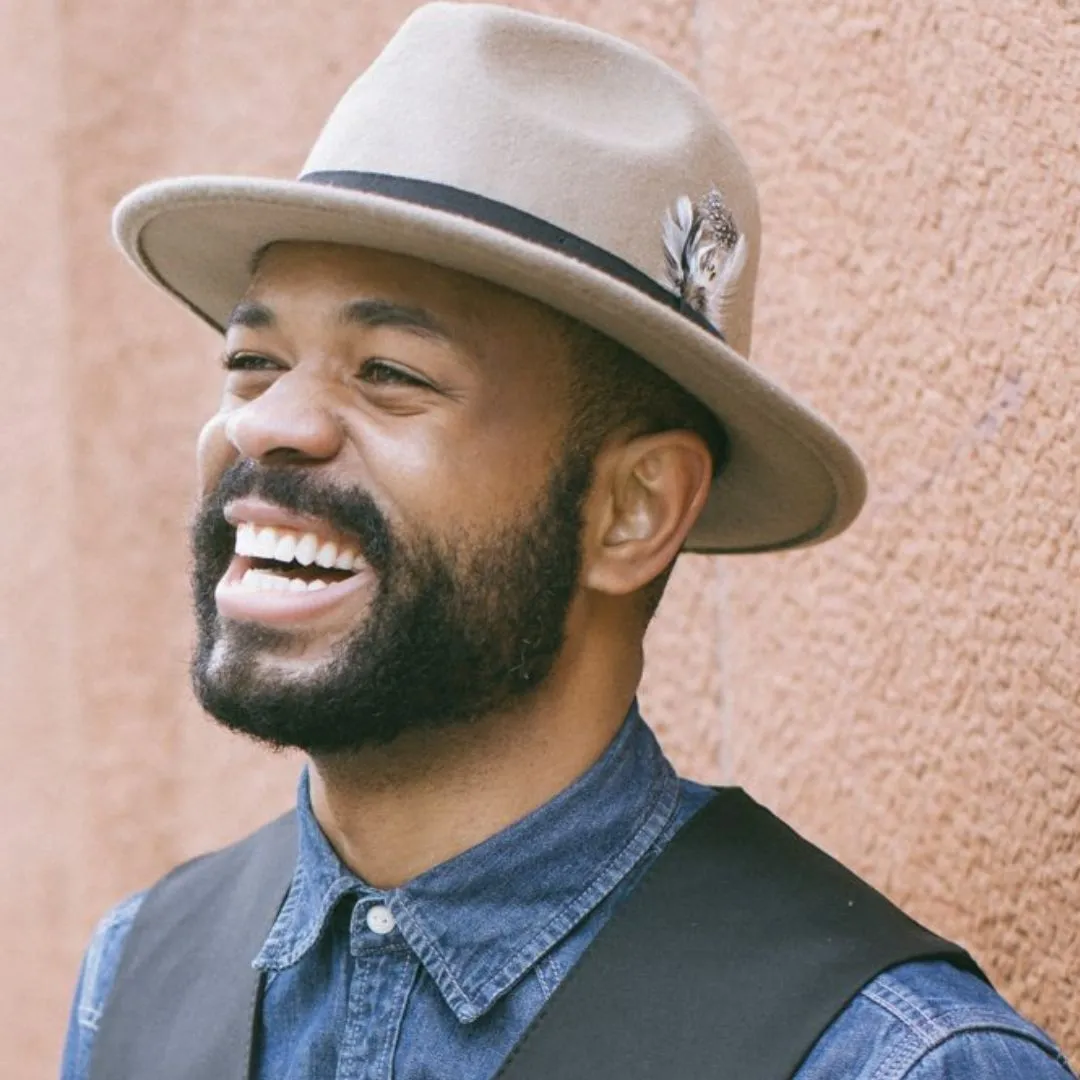
Beard Hair Transplant: Before and After Photos
Cases shown were treated by our surgeons.
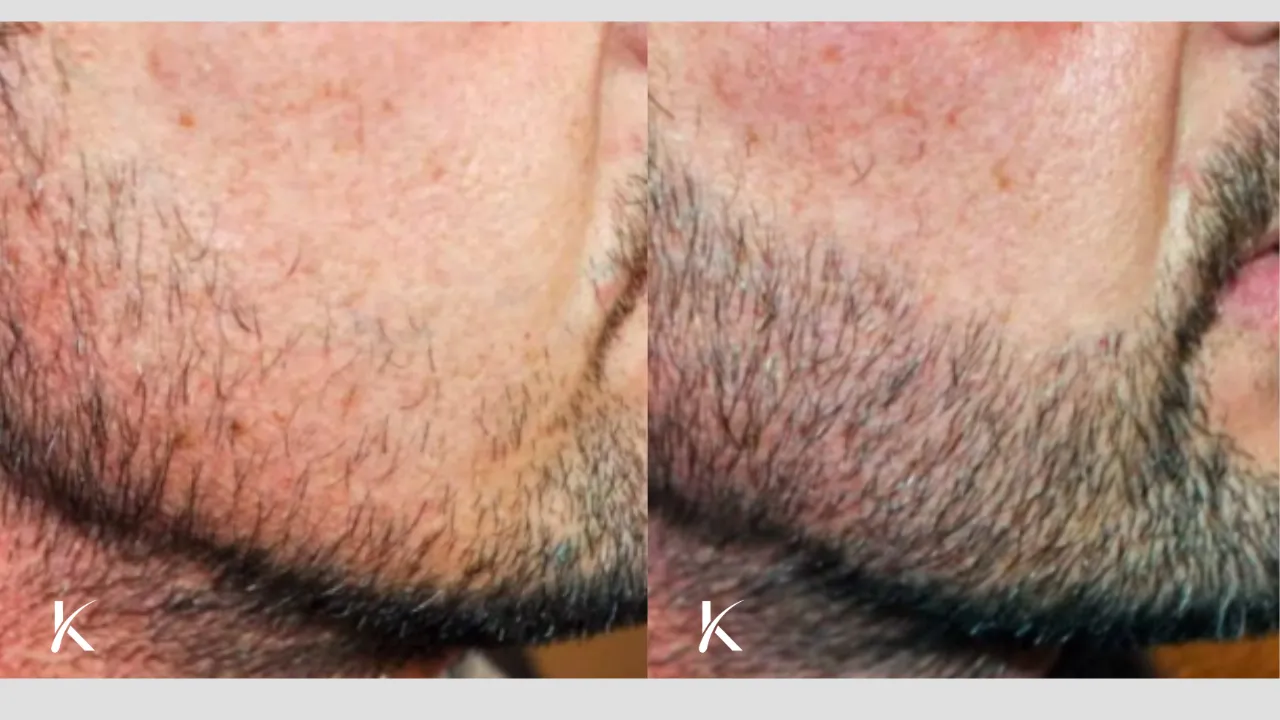
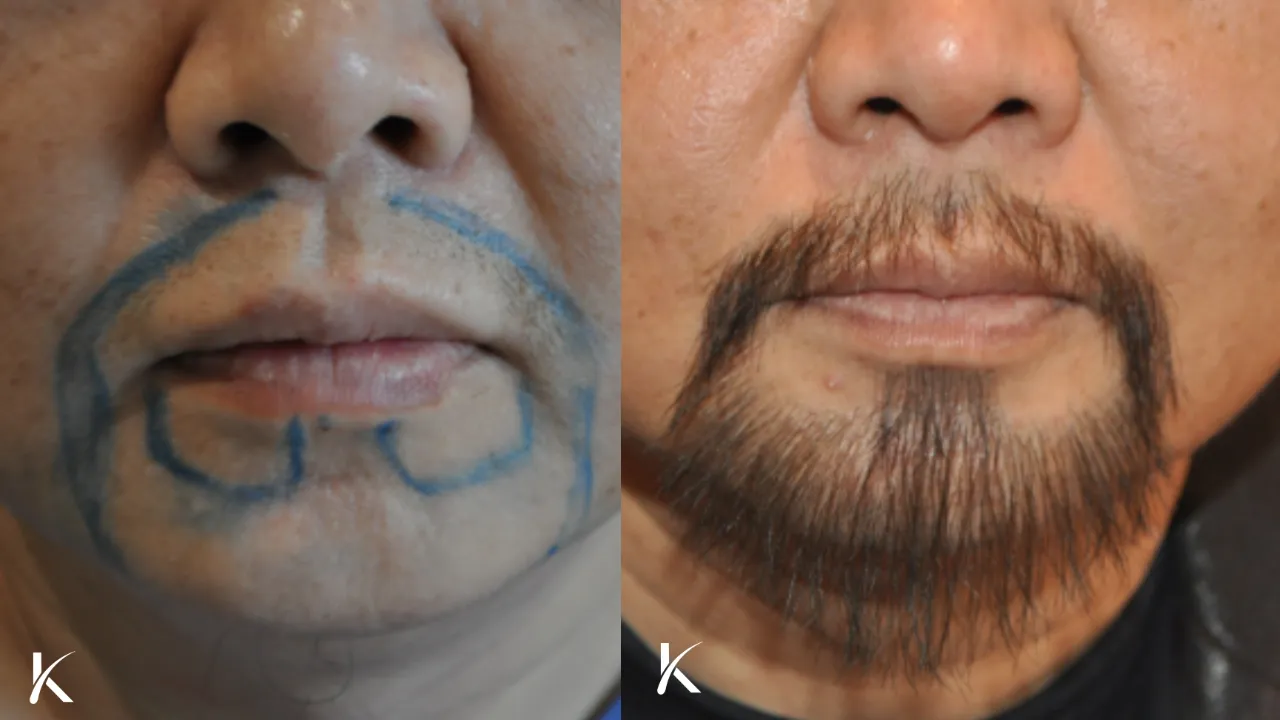
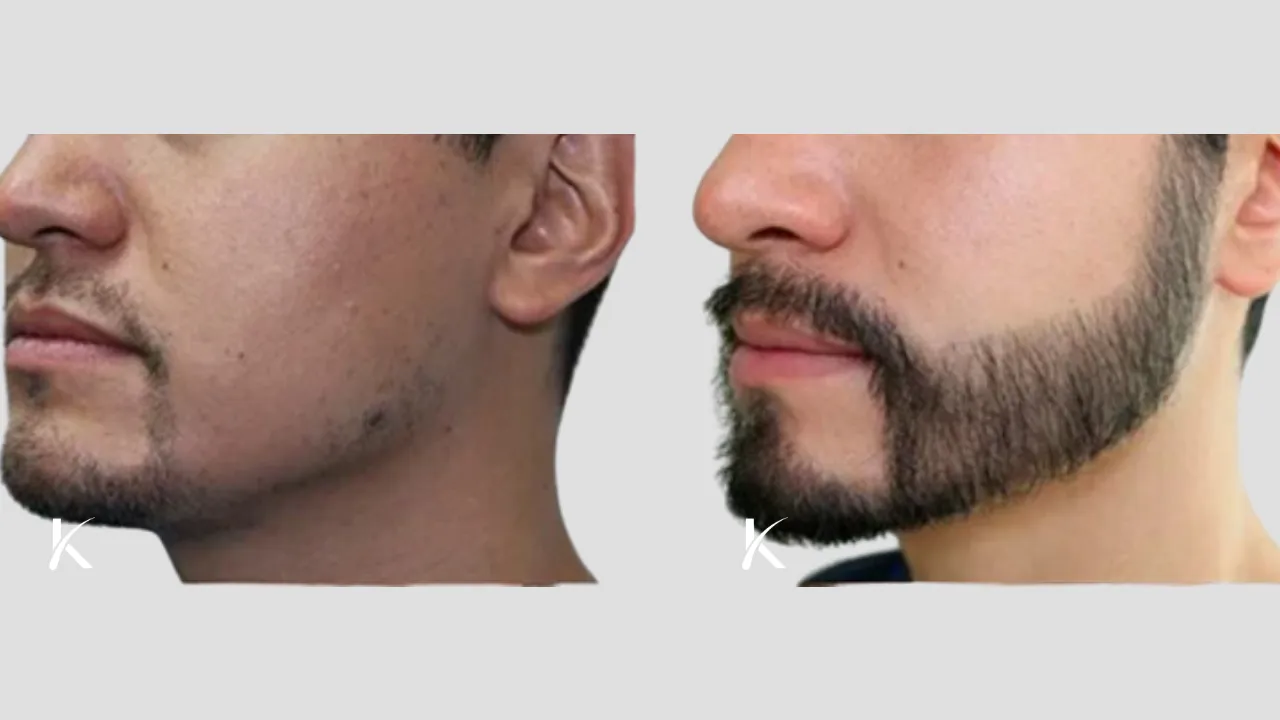
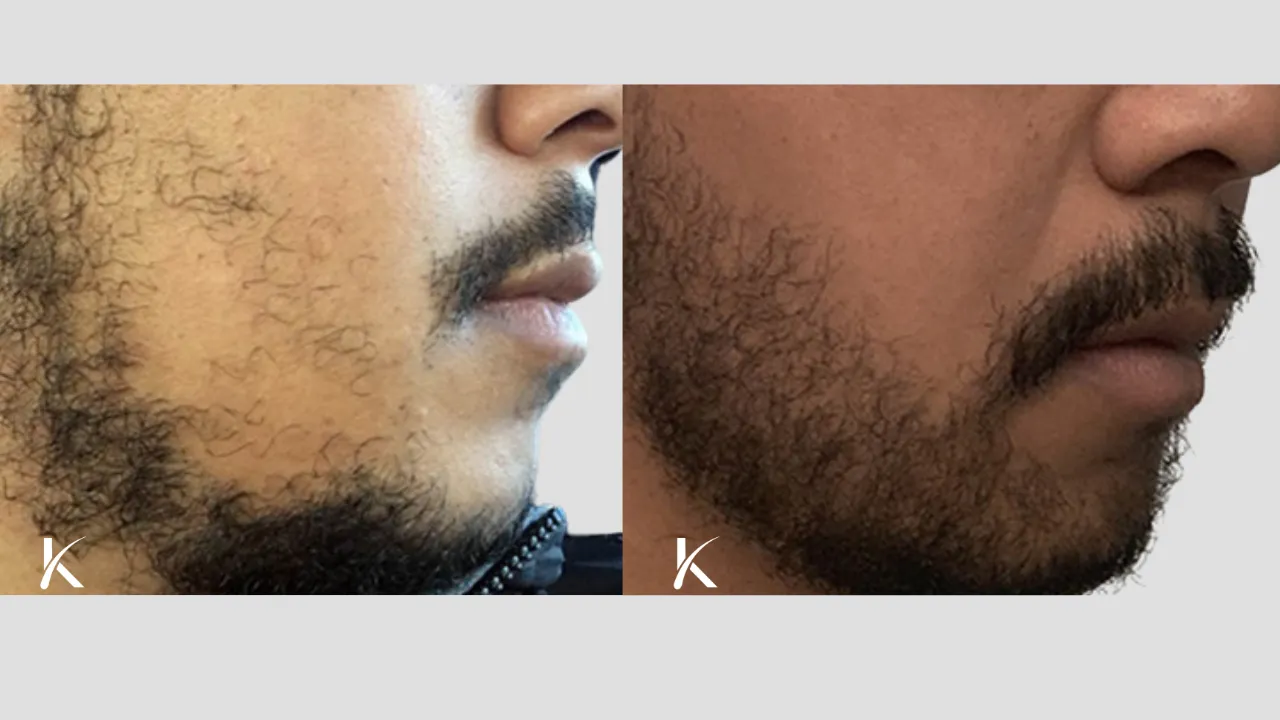
Grafts: 2000
Gender: Male
Age: 38
Procedure Description: Full beard to enhance facial symmetry. Photos taken before and nine months after the procedure.
Grafts: 2200
Gender: Male
Age: 41
Procedure Description: Aimed to add volume to cheeks and jawline. Photos taken before and one year after the procedure.
Grafts: 2500
Gender: Male
Age: 45
Procedure Description: Sought to achieve a more robust beard for a youthful appearance. Photos taken before and six months after the procedure.
Grafts: 2700
Gender: Male
Age: 31
Procedure Description: Wanted to enhance the density of the entire beard. Photos taken before and nine months after the procedure.
How Many Grafts Will You Need?
Graft count is planned zone by zone, not as a single lump figure. Your donor supply and the density you want determine the final number, which is why two men seeking the same style can need very different totals.
Our published cases range from 2,000 grafts for full-face symmetry work up to 2,700 grafts for maximum density across the entire area. The table below shows typical planning ranges by design goal.
| Design goal | Grafts | Notes |
|---|---|---|
| Full beard, improved facial symmetry | 2,000 | Published patient case, age 38, photographed nine months after |
| Added volume along the cheeks and jawline | 2,200 | Published patient case, age 41, photographed one year after |
| Fuller overall beard | 2,500 | Published patient case, age 45, photographed six months after |
| Greater density across the entire beard | 2,700 | Published patient case, age 31, photographed nine months after |
| Maximum density full beard | Higher counts possible | Limited by donor supply and hair caliber, confirmed at consultation |
| Area Treated | Typical Graft Range | What It Addresses |
|---|---|---|
| Mustache | 350 to 600 | Thin or uneven upper lip coverage |
| Full goatee | 600 to 1,200 | Chin and surrounding definition |
| Sideburns (per side) | 200 to 400 | Connecting scalp hair to the jawline |
| Cheeks (per side) | 300 to 800 | Patchy or absent cheek growth |
| Full face | 1,500 to 3,000 | Complete density and symmetry |
| Scar coverage | Varies by scar size | Acne, injury, or surgical scarring |
| Donor supply, not age, is the main limit on what can be achieved in a single session. | ||
Some men choose a second session a year later to add density once the first round has fully matured. This is planned rather than corrective, and it depends on the remaining donor supply.
Risks and Side Effects
Any surgical procedure carries risk, and facial restoration is no exception. Choosing an experienced surgeon and following pre- and post-operative instructions closely are the two strongest ways to reduce it.
Swelling, tightness, tenderness, and temporary numbness in the donor or recipient zones are the most commonly reported short-term effects. A cold, dry compress and approved pain relief usually manage these comfortably.
Less common issues include infection, folliculitis around new follicles, ingrown hairs, and visible scarring at the donor site. Grafts can also fail to take, in which case a touch-up session may be discussed.
Some patients simply decide they want less coverage than they received, or none at all. Because the relocated follicles behave like natural facial hair, trimming or shaving is still fully available at any time.
Beard Transplant Cost in New Jersey
Facial hair grafting at our New Jersey practice ranges from $25,000 to $30,000. The figure reflects graft volume, the number of zones treated, and the complexity of the design rather than location alone.
Consultations are $350 and include a donor assessment and a written plan. The table below outlines current pricing for facial hair procedures and related treatments.
| Procedure | Cost Range | Notes |
|---|---|---|
| Facial hair grafting (beard) | $25,000 to $30,000 | Varies with graft count and zones treated |
| Mustache restoration | $20,000 to $25,000 | Upper lip area only |
| Facial hair to scalp grafting | $25,000 to $30,000 | Uses facial hair as a donor source for the scalp |
| Consultation or medical management | $350 | Includes donor assessment and written plan |
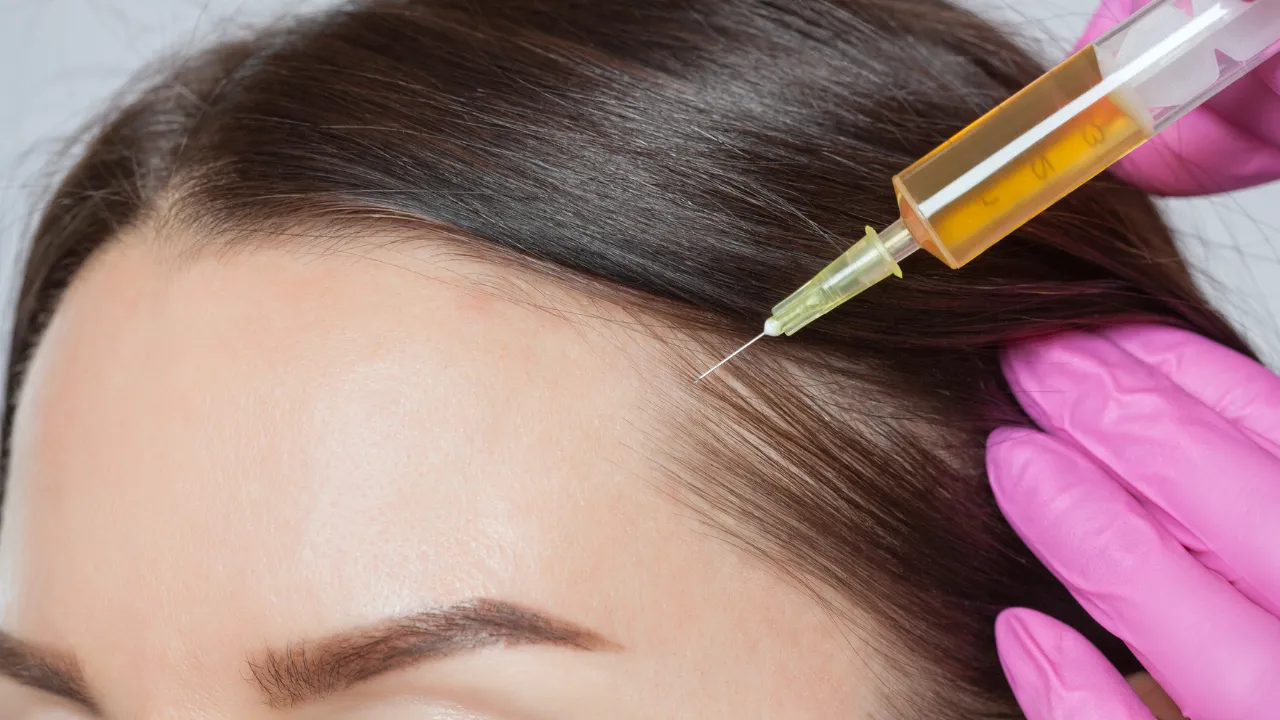
| PRP therapy | $1,500 per session | Non-surgical, often used alongside grafting |
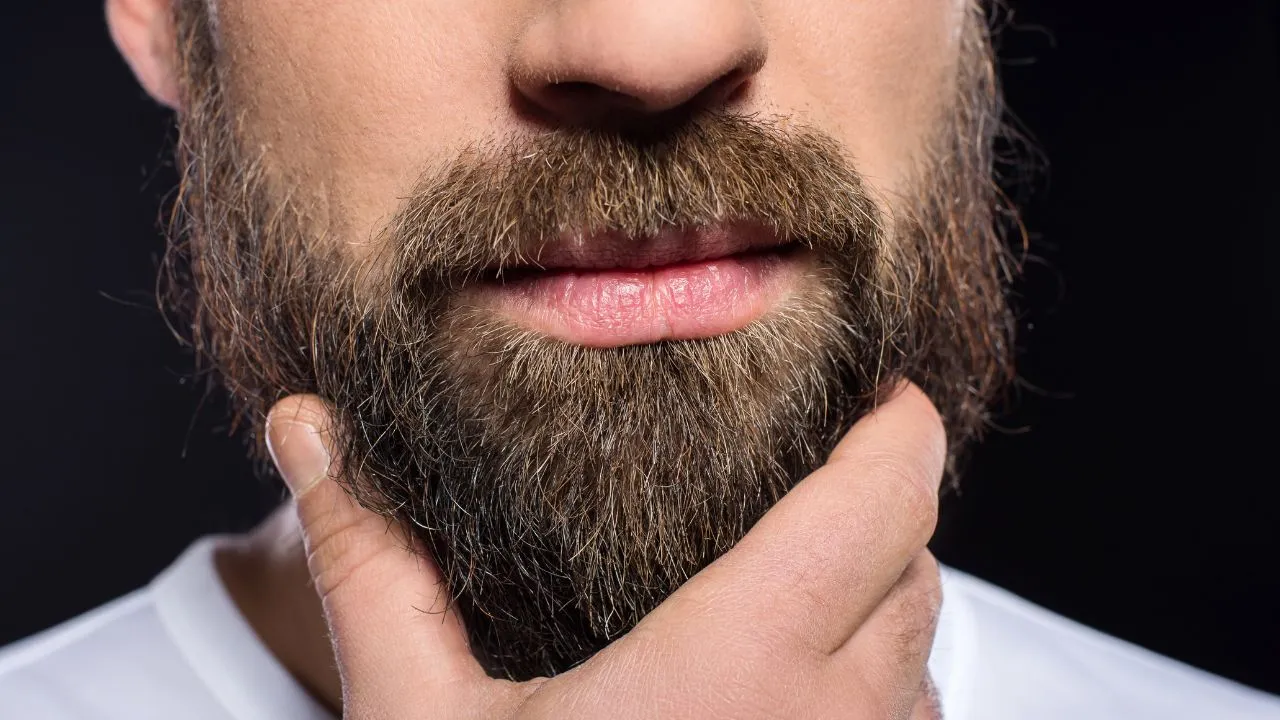
| Timeframe | What to expect |
|---|---|
| Days 1 to 5 | Redness, mild swelling, small crusts. Keep the transplanted area dry as instructed. |
| 1 to 2 weeks | Crusting resolves and visible signs of the procedure fade. |
| Around 10 to 14 days | Shaving or trimming is typically permitted once grafts have set. |
| 2 to 6 weeks | Transplanted hairs shed. This is expected and temporary. |
| 3 to 4 months | New permanent growth begins. |
| 6 to 9 months | Noticeable density and improved coverage. |
| 12 to 18 months | Final result, fully blended with existing facial hair. |
Alternatives to Facial Hair Surgery
Not everyone is ready for surgery, and some patients want to try conservative options first.
- Topical minoxidil. Can thicken existing facial hair with consistent use (Journal of Dermatology), but the effect stops when you stop applying it, and it is not FDA-approved for use on the face.
- Microneedling. Sometimes used alongside topicals to support growth in thin areas.
- Hair growth supplements. Biotin-based products may support hair quality, though evidence for meaningful beard density gains is limited.
- Hormone therapy. Relevant only for men with clinically low testosterone, and only under medical supervision.
- Grooming and cosmetic products. Beard fillers, dyes, and shaping can create the appearance of fullness without any procedure.
Surgery remains the only permanent option. Non-surgical approaches are best understood as maintenance or enhancement rather than replacement.
What Our New Jersey Patients Are Saying.

Megan Mufson
2 years ago


I had an eyebrow hair transplant with Dr. Ross Kopelman, and I am absolutely thrilled with the results. After years of over-plucking and sparse brows, I decided to trust Dr. Kopelman for this delicate procedure, and I’m so glad I did. From the consultation to the actual transplant, Dr. Kopelman was thorough and reassuring. He carefully explained the process, how the hairs would be taken from the donor area, and how the results would gradually appear. His calm, professional demeanor really put me at ease, and I felt confident I was in expert hands.
The procedure was seamless, and Dr. Kopelman’s precision made all the difference. It’s been a few months now, and my eyebrows are fuller, more defined, and completely natural-looking. I finally have the shape and fullness I’ve always wanted, and it has boosted my confidence in ways I didn’t expect. Dr. Kopelman is truly an artist when it comes to eyebrow transplants, and I can’t recommend him enough. If you’re considering restoring your brows, he is the best hair surgeon around.
2 years ago
Love the eyebrow hair transplant I had with Dr. Kopelman. I had an FUT strip to get 500 hair follicles to help increase the density of my eyebrows. After 7 months I now really appreciate the results. I’m so happy I decided to have this procedure. Thank you Dr. Kopelman.
a year ago
After years of watching my hairline recede further and further back, I finally decided to take the plunge with Dr. Kopelman—and I couldn’t be more satisfied. From my first consultation in New Jersey to my final post-op follow-up, everything was handled with professionalism and genuine care. Dr. Kopelman clearly explained the FUE process and designed a hairline that fit my face and age perfectly. The results are incredibly natural—people just say I look younger, but no one suspects a transplant. The procedure itself was easier than expected, and recovery was smooth. If you’re on the fence, don’t wait. Dr. Kopelman knows exactly what he’s doing.
Frequently asked questions about Beard Transplant
Schedule a Beard Transplant Consultation in NJ
We welcome your visit.

- New York
- Florida
- New Jersey
- Conditions & Specialized
- About
- Before & Afters
- Hair Transplant Reviews
- Blog
Hair Restoration
Office Procedures
Hair Restoration
Surgical
Office Procedures
Hair Restoration
Office Procedures
Hair Loss Conditions
Specialized
About

Media