Transgender and Gender-Neutral Hair Transplants
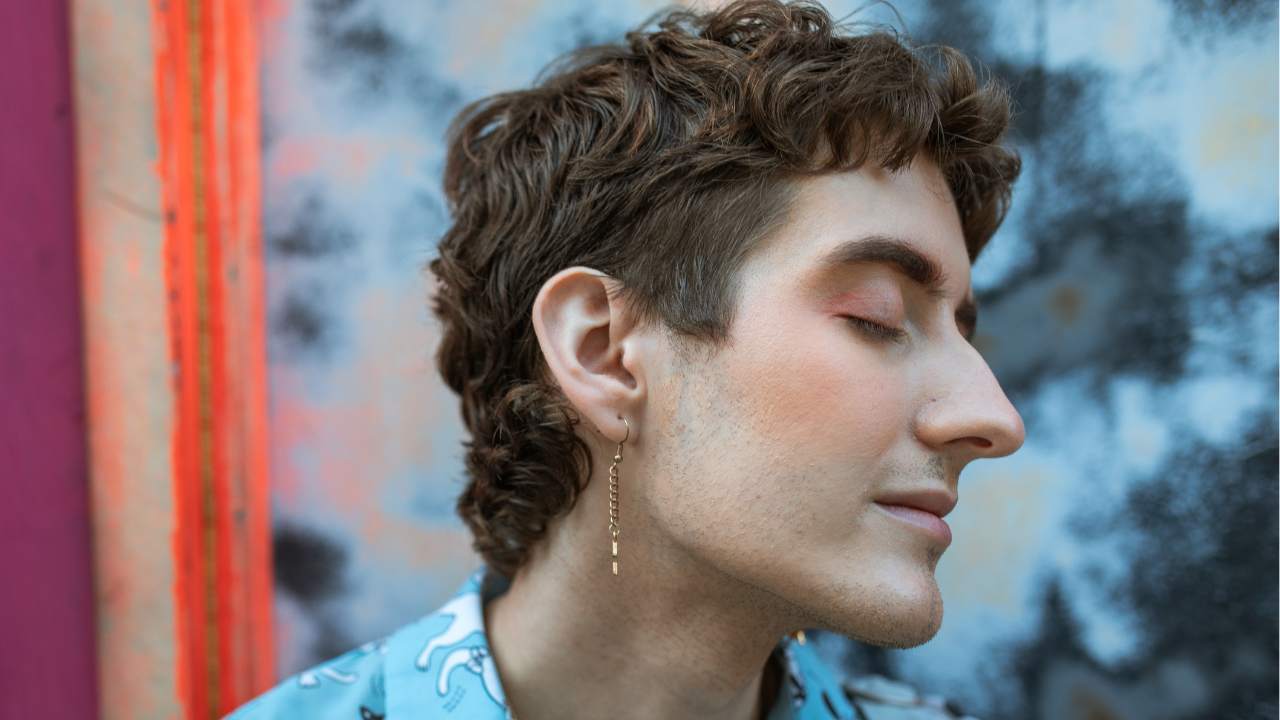
Transgender hair transplants move permanent follicles from the back and sides of the scalp to the hairline, temples, eyebrows, beard, or body, so that your appearance reflects your gender identity. For trans women, the goal is usually a rounder, lower, softer hairline. For trans men, the focus is usually facial and body density.
The procedure is permanent, performed under local anesthesia, and takes roughly 4 to 8 hours. Most patients see new growth at 4 to 5 months and final results between 10 and 12 months. At Kopelman Hair Restoration, pricing depends on the technique and graft count, and a consultation is $350.
At Kopelman Hair, we have witnessed the profound impact that hair can have on a patient’s life. Appearance is one of the key ways we express our identities to the world. For our transgender and gender-neutral patients, follicular grafting can help align physical appearance with gender identity.
What Are Transgender Hair Transplants?
Transgender hair transplant surgery uses the same follicular unit techniques as any other restoration procedure, either FUE or FUT. What changes is the design. Hairline shape, density gradient, and the angle each follicle is placed at are planned around gender-affirming goals rather than simply replacing what was lost.
That design work is the difference between a result that reads as natural and one that does not. Placement angle, single-follicle grafts along the leading edge, and an irregular rather than straight border are what create a soft, believable transition.
Transgender hair replacement is also frequently combined with other procedures. Many patients pair scalp work with an eyebrow transplant, a beard transplant, or chest and body grafting depending on their goals.
Male-to-Female Hair Transplantation
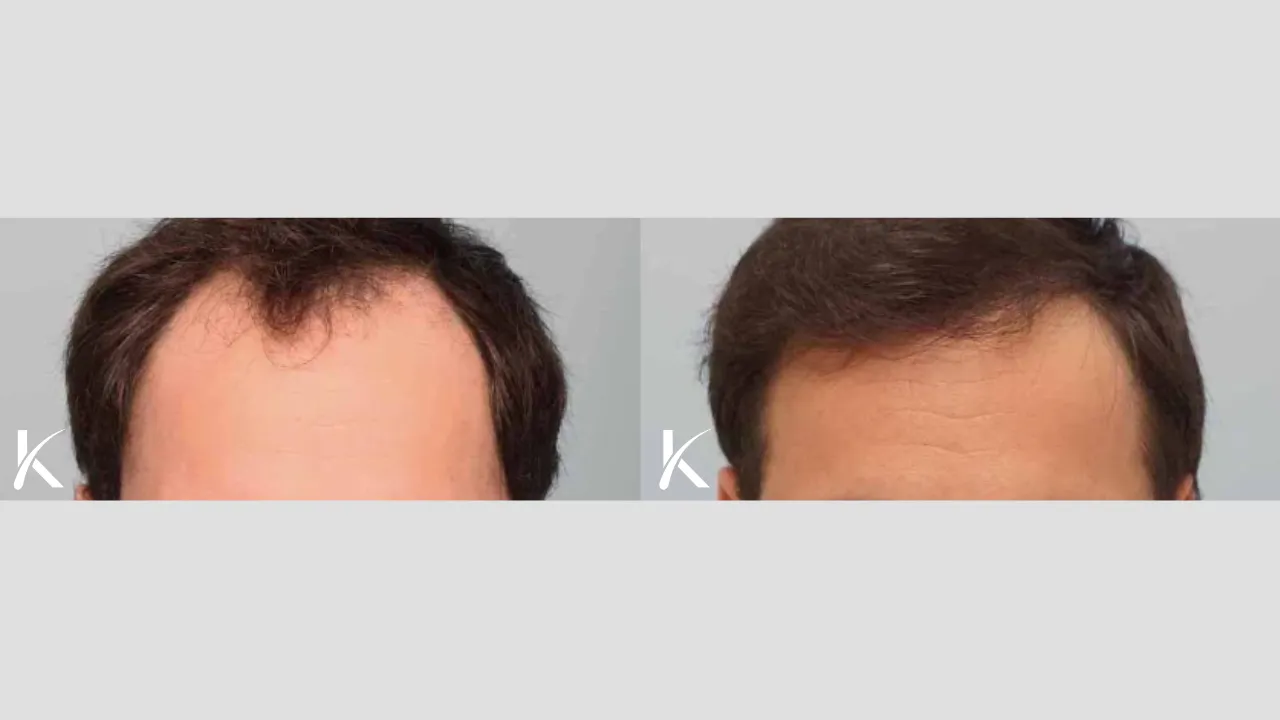
The main goal for patients transitioning from male to female is a hairline that is more feminine in shape and placement. This typically involves designing a rounder hairline positioned closer to the front of the skull than a masculine one. Growth direction is key to achieving a soft, natural appearance.
Hair transplants for trans women often address more than the frontal edge. Temple points that have receded, thinning at the mid-scalp, and a hairline that sits too high can all be corrected in the same session or across a phased plan.
Before transitioning, some transgender women may have experienced male pattern baldness. For those who have started female hormone therapy, loss may slow as estrogen levels rise. However, hormone therapy cannot reverse thinning that has already occurred.
The only permanent correction is surgical restoration that rebuilds density and lowers the frontal edge. In cases where the forehead is disproportionately tall, hairline lowering surgery may be recommended on its own or alongside grafting.
What Our Patients are Saying
Posted on Google
 barret abramow
 I recently had a FUE hair transplant with Dr. Kopelman in New York City, and I couldn’t be more pleased with the results. I had 2,800 grafts focused on restoring my hairline, which had become more recessed than I was comfortable with. The change has been subtle yet transformative — my hairline looks completely natural, and it frames my face in a way that feels more like me. It’s not overly dramatic, just exactly what I hoped for. What really stood out about working with Dr. Kopelman and his team was their expertise and attention to detail. From the initial consultation, it was clear they understood how to approach my specific situation to achieve the best outcome. The procedure itself went smoothly, and the aftercare instructions were thorough and easy to follow. I felt confident every step of the way because of how knowledgeable and professional they were. Finding their practice in NYC was a relief — it’s not easy to trust just anyone with something as personal as your hairline. I’m really glad I chose them because they delivered excellent results without any of the typical hype. If you’re considering a hair transplant, this is definitely the team to go to.Posted on Google
 Beth ZimmermanI am very happy with my experience with Dr. Kopelman. They are an amazing team. I had been looking for physician who could address my hair loss that had been bothering me for years. I am now doing mesotherapy treatments and I am so happy that my hair loss has reverted over the past 4 months. I really appreciated that a hair transplant was not forced upon me but is instead a last resort. I really appreciate the honesty. Thank you!Posted on Google
 Yoel OhayonI can’t say enough great things about my experience with Dr. Kopelman and the entire team at Kopelman Hair Restoration! I had my hair transplant last year, and the results are simply fantastic. I am fully recovered and thrilled with the transformation—my hair looks natural, and I feel like myself again. Every step of the process was handled with such expertise and care. Dr. Kopelman took the time to explain everything thoroughly, and his team was kind, professional, and supportive from start to finish. I’m beyond grateful for their exceptional work and highly recommend Kopelman Hair Restoration to anyone considering a hair restoration procedure.Posted on Google
 RickDr. Kopelman is extremely knowledgeable and was willing to talk through my concerns and needs to develop an optimal treatment plan. He helped me evaluate a variety of options and decide on a protocol I was comfortable with. I am happy I found him!Posted on Google
 David CohenMy experience with Dr. Kopelman has been nothing short of incredible. From the moment I stepped into his office, I could tell I was in the hands of a true expert. I came to him for both an eyebrow hair transplant and an FUE hair transplant, and I am very happy with the results. My eyebrows look so natural, and the precision and artistry he brought to my FUE procedure completely transformed my hairline. What really stood out was how comfortable and confident he made me feel throughout the process—he explained everything in detail and answered all my questions with such patience and care. I actually discovered him on YouTube, where his videos about hair loss and transplants are so informative, and I’m so glad I did. I’ve never felt more confident in my appearance, and it’s all thanks to Dr. Kopelman’s expertise and attention to detail. If you’re looking for the best hair surgeon in NYC, he’s the one to trust.Posted on Google
 Yedidyah Leo SamuelsDr. Ross is incredible! So much knowledge and expertise in the field. Best hair surgeon in New York City!!Posted on Google
 Juan FraustroI paid for a consultation with one Dr. Kopelman and I actually got both Dr’s Kopelmam. They spent over an hour with me carefully studying my scalp, explaining my options, and providing the necessary prescriptions. I cannot recommend this practice or these doctors more highly.Posted on Google
 Odellya SohnisRoss is a top hair transplant surgeon in NYC. He was so kind when I came in. I wanted to understand why my hair was thinning after using a shampoo a dermatologist had sent my way to stop my bad dandruff problem. He was so patient through my 10 million questions, I felt he really cared about what I need instead of feeding into a consumerist magic pill. He also was able to find that I could be balding and give me tips and a prescription and I felt like he saved me from tripping over a ledge I didn't see. Thank you so much!Posted on Google
 K SalalahI've been to many hair specialists, and I can confidently say that Dr. Kopelman and his team stand out for their incredible care and attention. The hair industry is unfortunately filled with people who are simply looking to make a sale, and think little about your longterm goals or happiness. I'm fortunate to have found Dr. Kopelman, who is incredibly attentive, knowledgable, puts my goals and comfort first, and is willing to think outside the box. Six stars!Posted on Google
 Andres DelgadoI had a consultation with Dr. Joel Kopelman. It was worth my time and money. The doctor answered all my questions and provided valuable insights.
Who is a Candidate for
MTF Hair Transplants?
Generally, an MTF hair transplant is an effective solution for addressing male pattern loss, a condition commonly associated with androgens. For transwomen who have undergone gender reassignment surgery or are currently on hormone therapy, that pattern usually stops progressing, which helps maintain long-term results.
By using techniques such as follicular unit extraction, grafting, and hairline lowering, our surgeon can potentially improve the appearance of:
- Thinning areas on the scalp
- Bald patches
- Bald spots on the crown
- Receding hairlines
- Hairlines with a “masculine” shape
- Excessively high hairlines
While the procedure can be very effective, only some people with thinning are ideal candidates. Dr. Kopelman will examine your scalp and review your medical history to determine whether you are suitable for surgery. Donor supply, scalp laxity, and the stability of your loss all factor into that assessment.

If you are a transwoman at any stage of your transition, we encourage you to schedule a consultation to discuss your concerns and restoration goals. If you are a good candidate, your surgeon will develop a customized treatment plan tailored to your needs, which may include techniques to reduce visible scarring.
Dr. Kopelman is also skilled in performing corrective procedures for patients dissatisfied with outcomes from other surgeons. This includes repairing a hairline that was designed too straight, too high, or with grafts placed at the wrong angle.
Feminization of Hairline Progression
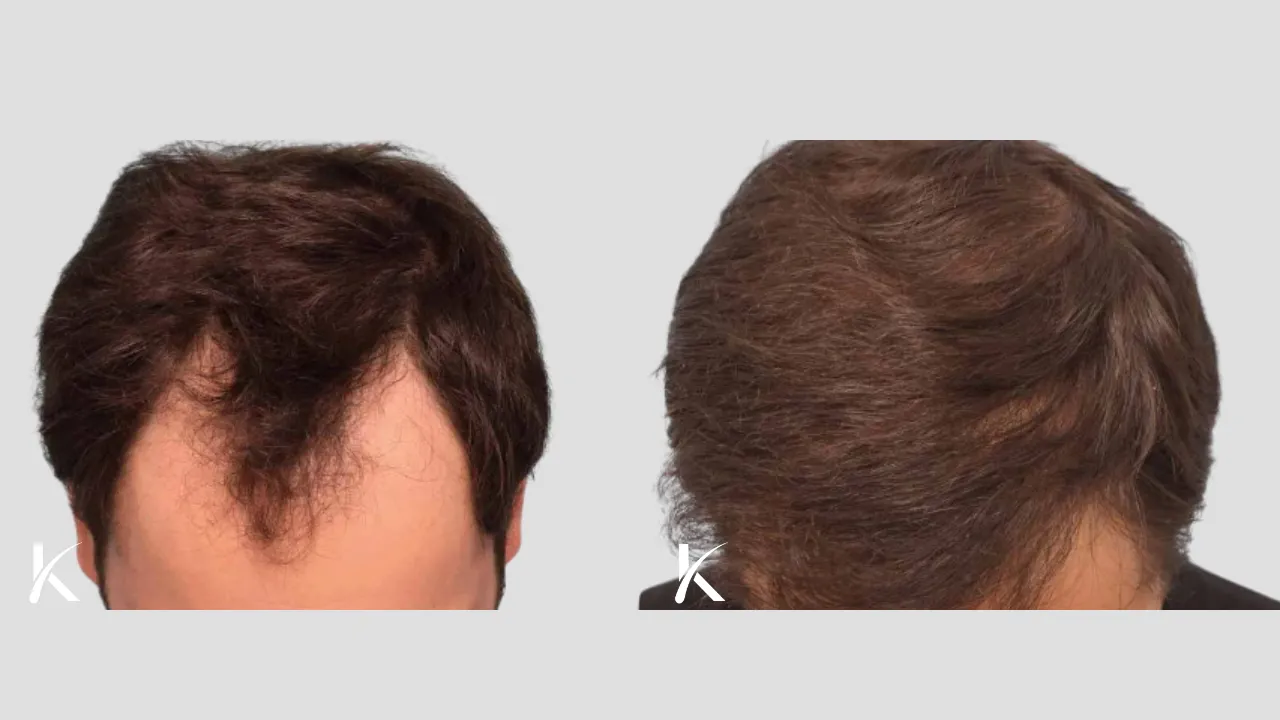
Procedure Description:
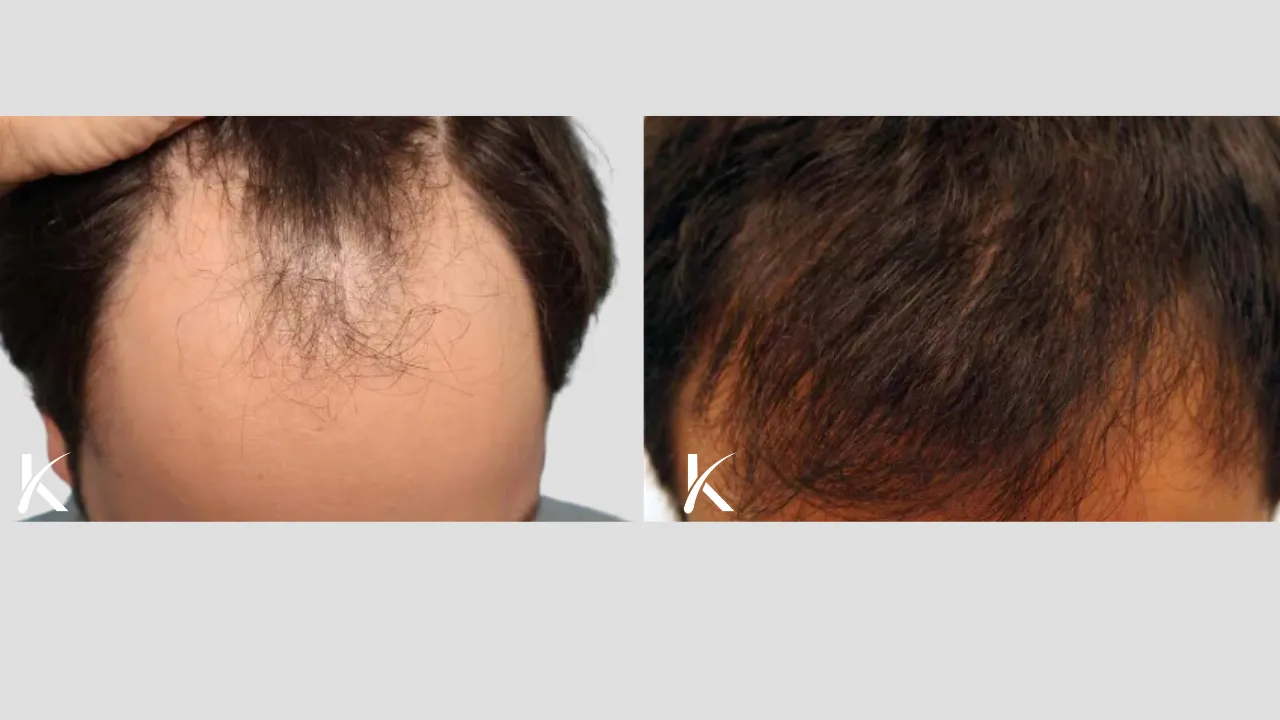
Patient aimed to increase hair density on the crown. Photos taken before and nine months after.
Female-to-Male Hair Transplantation
Testosterone therapy typically increases facial and body growth, but it can also accelerate scalp loss along the temples and crown. Kopelman Hair Restoration offers a range of treatments to address both effects, and the right approach depends on how far the pattern has progressed.
Patterned loss, whether already present or genetically predisposed, can be treated surgically depending on the extent, and may be combined with medical therapy to slow further recession. Starting maintenance early often preserves more native density than waiting.
Although hairlines play a significant role in achieving a masculine appearance, many female-to-male patients focus on facial and body work. A beard transplant can build a full beard, mustache, goatee, or sideburns using follicles taken from the back of the scalp.
Chest and body grafting is also common for FTM patients seeking a more masculine torso. Some patients pursue hairline masculinization, which reshapes a rounded frontal edge into a squarer one with more defined temporal recession, the opposite of the design goal in MTF cases.
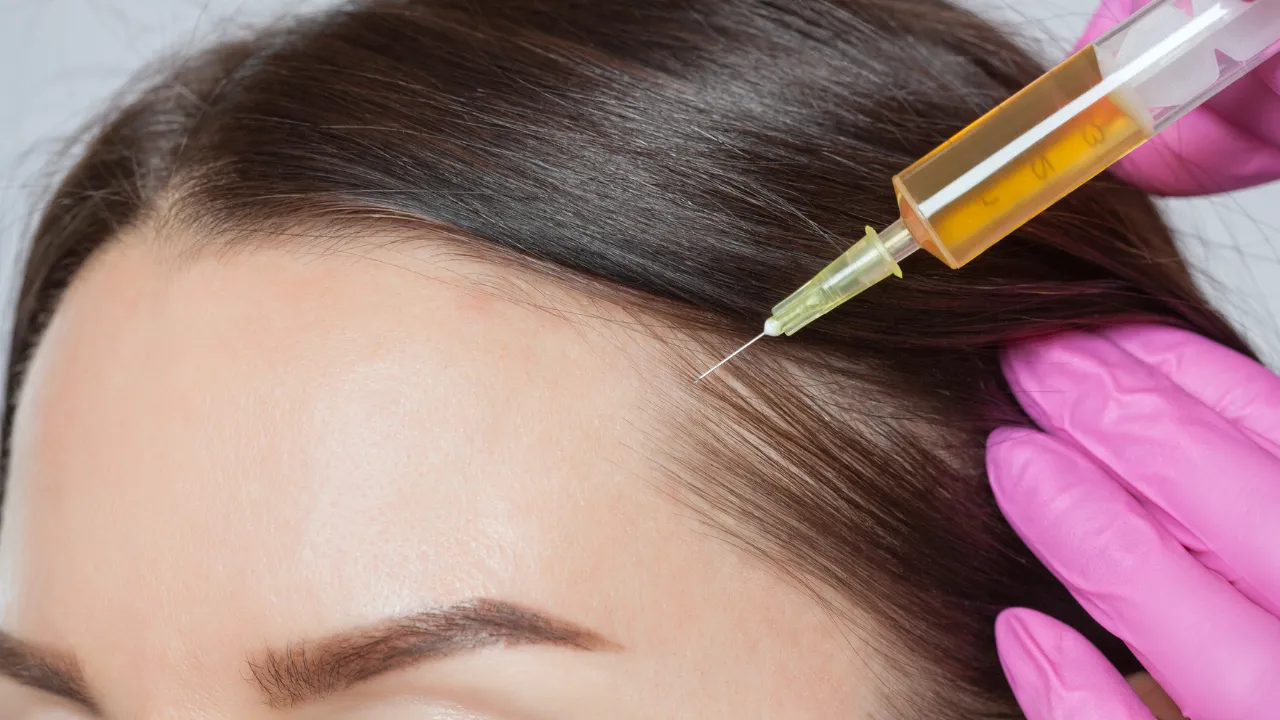
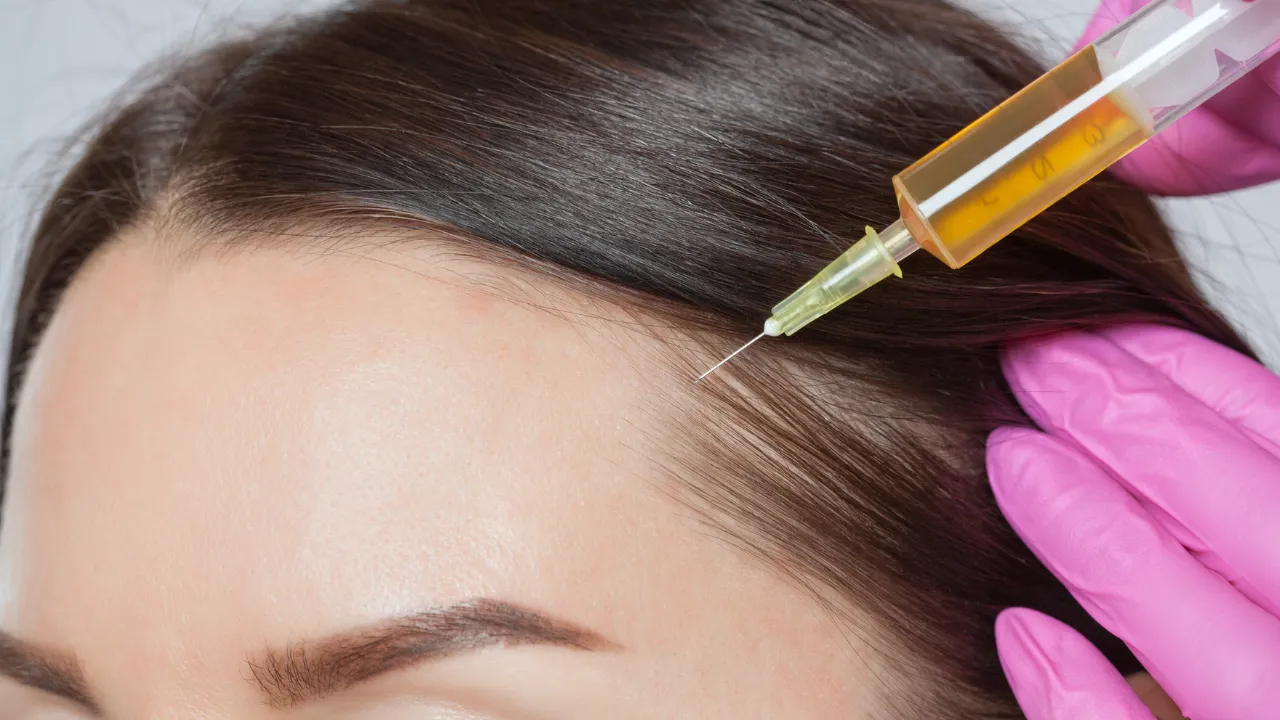
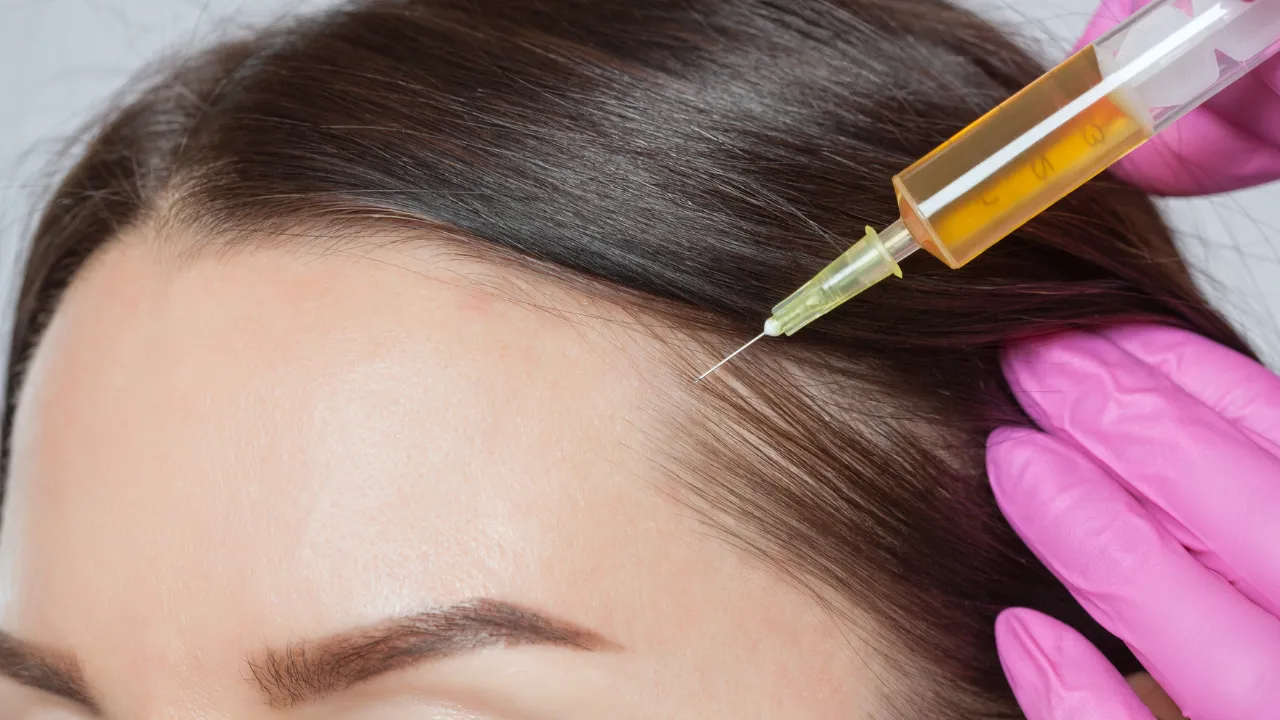
For patients who want to support density without surgery, PRP therapy can be used alongside a surgical plan or on its own during earlier stages of loss.
How It Works, and What to Expect
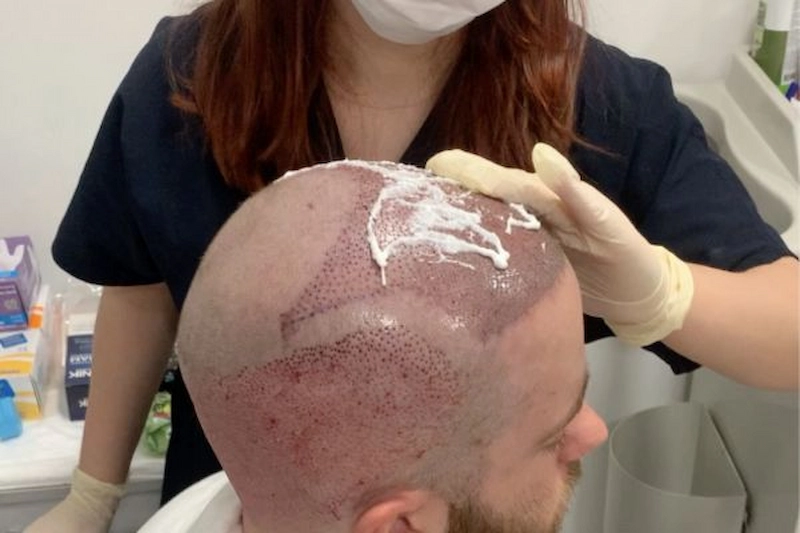
Before the procedure, Dr. Kopelman will outline the area where new follicles will be implanted. The donor site is trimmed to make the follicles easier to access, then the area is anesthetized. Nothing is placed until the design has been reviewed and approved with you.
Dr. Kopelman will then harvest the follicles from the donor area and implant them into the recipient site. Each unit is placed individually, at a specific angle and depth, which is what allows the finished hairline to grow in the direction it should.
Depending on the technique used and the number of units being moved, the session can take between 4 and 8 hours. After surgery, patients may experience mild soreness and swelling for 1 to 2 days.
Between 2 and 4 weeks after surgery, the implanted shafts will shed. This is a normal part of healing and does not mean the graft failed. The follicle stays in place and re-enters its growth cycle. Regrowth generally begins around 4 to 5 months, with full results visible between 10 and 12 months.
Most patients return to desk work within a few days. Larger sessions and strip harvesting may require a slightly longer recovery than a smaller FUE case.
| Timeframe | What Happens | What You Can Do |
|---|---|---|
| Day of surgery | Session lasts 4 to 8 hours under local anesthesia, depending on technique and graft count. | Arrange a ride home; plan to rest for the remainder of the day. |
| Days 1 to 2 | Mild soreness and swelling at the donor and recipient sites. | Sleep elevated and follow post-op instructions closely. |
| Days 3 to 7 | Swelling subsides; scabbing forms and begins to clear. | Most patients return to desk work. |
| Weeks 2 to 4 | Implanted shafts shed. This is expected and does not indicate graft failure. | Resume normal routine; avoid direct trauma to the recipient area. |
| Months 4 to 5 | New growth begins emerging from the transplanted follicles. | First follow-up assessment of early density. |
| Months 10 to 12 | Full results become visible, including final density and hairline shape. | Review whether a second session is indicated for additional coverage. |
Transgender Hair Transplant Cost
Pricing varies based on the specific procedure performed. Sessions that require extracting and implanting more units across a larger area take more time and cost more. Technique, graft count, and whether more than one area is treated are the primary drivers.
Kopelman Hair Restoration does not offer financing. A consultation, including medical management, is $350, and you will receive a firm quote after your scalp and donor supply have been assessed in person.
You can review full pricing across every procedure on our hair loss clinic prices page, or use the hair graft estimator to get a sense of how many units your goals may require.
Let’s Talk About Your Goals
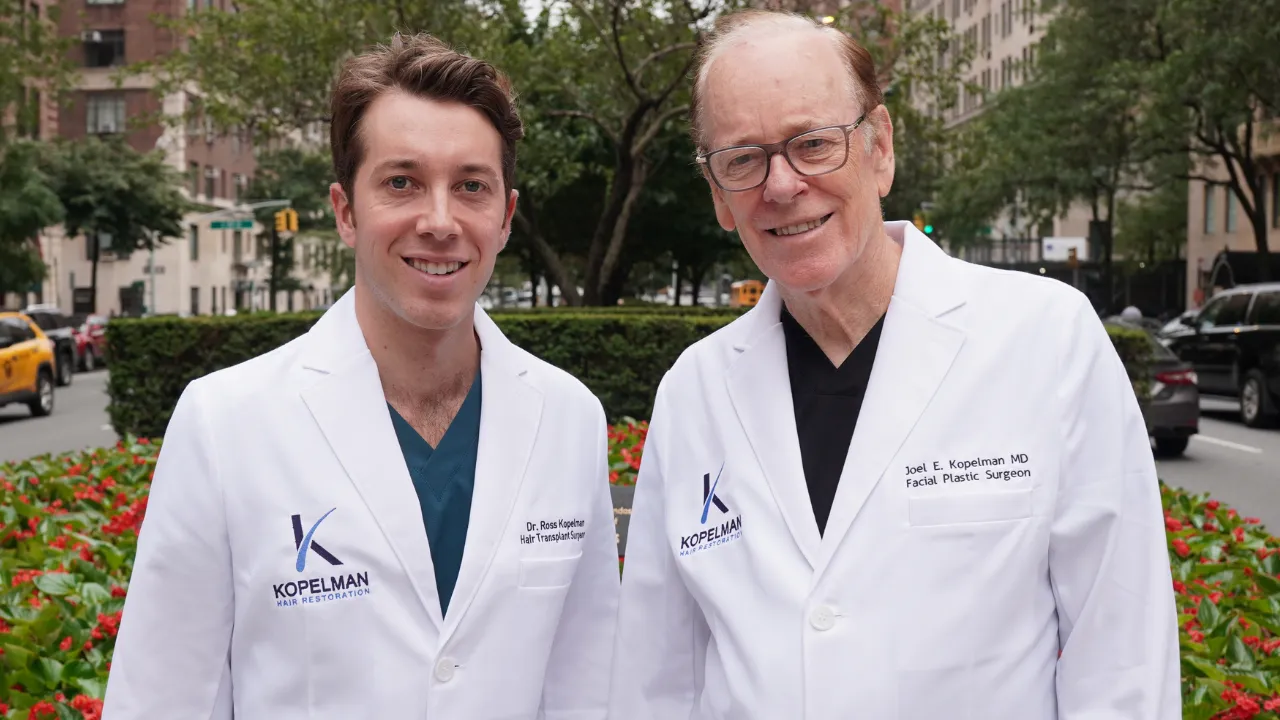
Achieving natural-looking results is essential when addressing thinning, especially in gender-affirming restoration. With Dr. Kopelman and his team of expert surgeons, you can trust that your journey will be handled with the utmost care and precision. Schedule a consultation today to explore your options and take the next step toward the results you desire.
| Procedure | Cost Range | Commonly Requested By |
|---|---|---|
| Consultation and medical management | $350 | All patients |
| FUE hair transplant | $25,000 to $40,000 | MTF hairline feminization; FTM density restoration |
| FUT hair transplant | $25,000 to $40,000 | Larger sessions requiring higher graft yield |
| Eyebrow transplant | $20,000 to $25,000 | MTF patients seeking fuller, reshaped brows |
| Beard transplant | $20,000 to $30,000 | FTM patients building beard density |
| Moustache transplant | $20,000 to $25,000 | FTM patients targeting the upper lip specifically |
| Chest and body transplant | $25,000 to $30,000 | FTM patients seeking a more masculine torso |
| Beard to scalp transplant | $25,000 to $30,000 | Patients with limited scalp donor supply |
| Scar repair | $15,000 to $18,000 | Correcting donor scarring from prior surgery |
| PRP therapy | $1,500 per session | Non-surgical support for existing density |