The Complete Guide: FUE Hair Transplant
What is FUE?
FUE’s targeted approach also allows for a more controlled and uniform hair distribution, contributing to a more natural-looking hairline and overall appearance. This level of natural results was hard to achieve with previous hair transplant methods, making FUE a breakthrough in cosmetic and restorative hair treatments.
The Best Hair Transplants in the USA: What Our Patients are Saying
Posted on Google
 barret abramow
 I recently had a FUE hair transplant with Dr. Kopelman in New York City, and I couldn’t be more pleased with the results. I had 2,800 grafts focused on restoring my hairline, which had become more recessed than I was comfortable with. The change has been subtle yet transformative — my hairline looks completely natural, and it frames my face in a way that feels more like me. It’s not overly dramatic, just exactly what I hoped for. What really stood out about working with Dr. Kopelman and his team was their expertise and attention to detail. From the initial consultation, it was clear they understood how to approach my specific situation to achieve the best outcome. The procedure itself went smoothly, and the aftercare instructions were thorough and easy to follow. I felt confident every step of the way because of how knowledgeable and professional they were. Finding their practice in NYC was a relief — it’s not easy to trust just anyone with something as personal as your hairline. I’m really glad I chose them because they delivered excellent results without any of the typical hype. If you’re considering a hair transplant, this is definitely the team to go to.Posted on Google
 Beth ZimmermanI am very happy with my experience with Dr. Kopelman. They are an amazing team. I had been looking for physician who could address my hair loss that had been bothering me for years. I am now doing mesotherapy treatments and I am so happy that my hair loss has reverted over the past 4 months. I really appreciated that a hair transplant was not forced upon me but is instead a last resort. I really appreciate the honesty. Thank you!Posted on Google
 Yoel OhayonI can’t say enough great things about my experience with Dr. Kopelman and the entire team at Kopelman Hair Restoration! I had my hair transplant last year, and the results are simply fantastic. I am fully recovered and thrilled with the transformation—my hair looks natural, and I feel like myself again. Every step of the process was handled with such expertise and care. Dr. Kopelman took the time to explain everything thoroughly, and his team was kind, professional, and supportive from start to finish. I’m beyond grateful for their exceptional work and highly recommend Kopelman Hair Restoration to anyone considering a hair restoration procedure.Posted on Google
 RickDr. Kopelman is extremely knowledgeable and was willing to talk through my concerns and needs to develop an optimal treatment plan. He helped me evaluate a variety of options and decide on a protocol I was comfortable with. I am happy I found him!Posted on Google
 David CohenMy experience with Dr. Kopelman has been nothing short of incredible. From the moment I stepped into his office, I could tell I was in the hands of a true expert. I came to him for both an eyebrow hair transplant and an FUE hair transplant, and I am very happy with the results. My eyebrows look so natural, and the precision and artistry he brought to my FUE procedure completely transformed my hairline. What really stood out was how comfortable and confident he made me feel throughout the process—he explained everything in detail and answered all my questions with such patience and care. I actually discovered him on YouTube, where his videos about hair loss and transplants are so informative, and I’m so glad I did. I’ve never felt more confident in my appearance, and it’s all thanks to Dr. Kopelman’s expertise and attention to detail. If you’re looking for the best hair surgeon in NYC, he’s the one to trust.Posted on Google
 Yedidyah Leo SamuelsDr. Ross is incredible! So much knowledge and expertise in the field. Best hair surgeon in New York City!!Posted on Google
 Juan FraustroI paid for a consultation with one Dr. Kopelman and I actually got both Dr’s Kopelmam. They spent over an hour with me carefully studying my scalp, explaining my options, and providing the necessary prescriptions. I cannot recommend this practice or these doctors more highly.Posted on Google
 Odellya SohnisRoss is a top hair transplant surgeon in NYC. He was so kind when I came in. I wanted to understand why my hair was thinning after using a shampoo a dermatologist had sent my way to stop my bad dandruff problem. He was so patient through my 10 million questions, I felt he really cared about what I need instead of feeding into a consumerist magic pill. He also was able to find that I could be balding and give me tips and a prescription and I felt like he saved me from tripping over a ledge I didn't see. Thank you so much!Posted on Google
 K SalalahI've been to many hair specialists, and I can confidently say that Dr. Kopelman and his team stand out for their incredible care and attention. The hair industry is unfortunately filled with people who are simply looking to make a sale, and think little about your longterm goals or happiness. I'm fortunate to have found Dr. Kopelman, who is incredibly attentive, knowledgable, puts my goals and comfort first, and is willing to think outside the box. Six stars!Posted on Google
 Andres DelgadoI had a consultation with Dr. Joel Kopelman. It was worth my time and money. The doctor answered all my questions and provided valuable insights.
Ideal Candidates for a FUE Hair Transplant?
What are the benefits of a FUE Hair Transplant Surgery?
Follicular Unit Extraction (FUE) offers numerous advantages:
- Minimal scarring
- Quick recovery time
- Freedom to wear hair short without worrying about scars
- Less Invasive
- Generally less discomfort compared to FUT
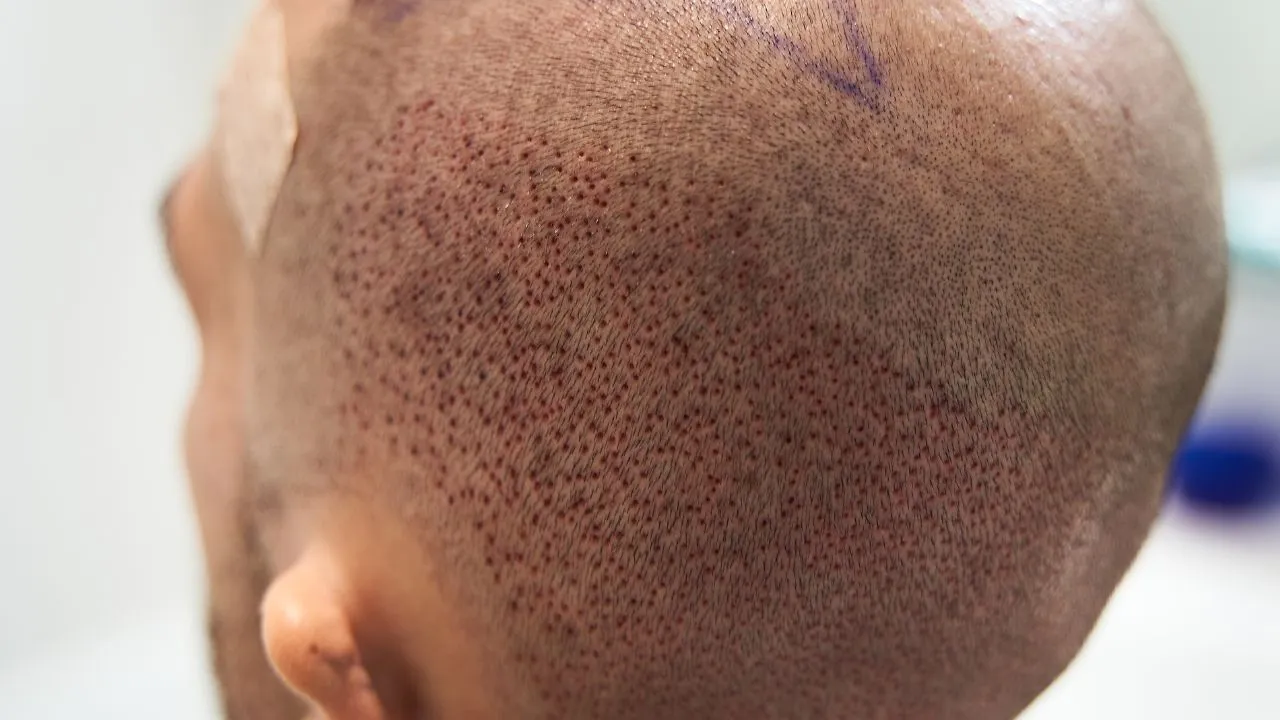
FUE Hair Transplant with Dr. Kopelman
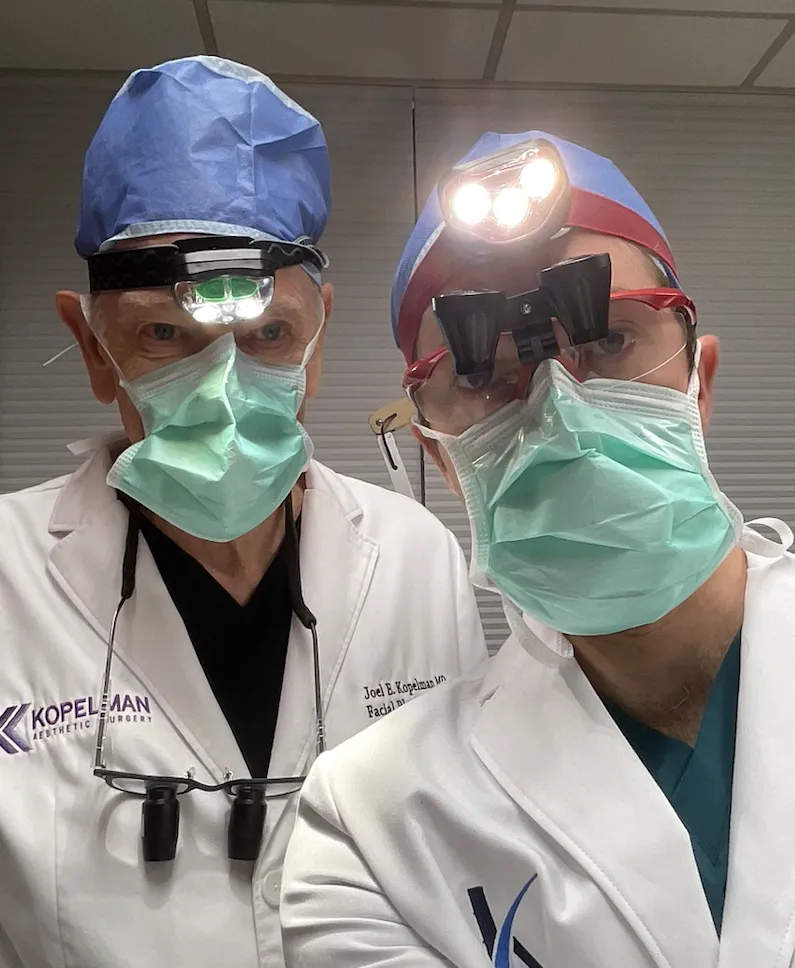
Dr. Kopelman is a hair restoration surgeon who specializes in the advanced technique of Follicular Unit Extraction (FUE), available to patients in New York as well as through our hair restoration in Miami office. Under Dr. Kopelman’s skilled hands, patients can expect a personalized approach to FUE. Each procedure is tailored to suit the unique hair restoration needs of the individual, ensuring that the results not only enhance their appearance but also boost their confidence.
FUE Hair Transplant Surgery Consultation
Private Consultation with Dr. Kopelman
The first step in exploring your options for FUE hair restoration in NYC is to arrange a private consultation with Dr. Kopelman. During this meeting, you’ll have a one-on-one discussion with Dr. Kopelman, allowing you to express your hair restoration goals and ask any questions.
This is the perfect opportunity for you to convey your expectations and desires for your hair. You’re welcome to bring images of hairlines or styles that you admire. At our office, we also have a variety of before-and-after photos, including cases with similar hair patterns and challenges, to help you visualize potential outcomes — you can also review our full FUE before-and-after gallery online before your visit.
Tailored Recommendations for Your Hair Restoration
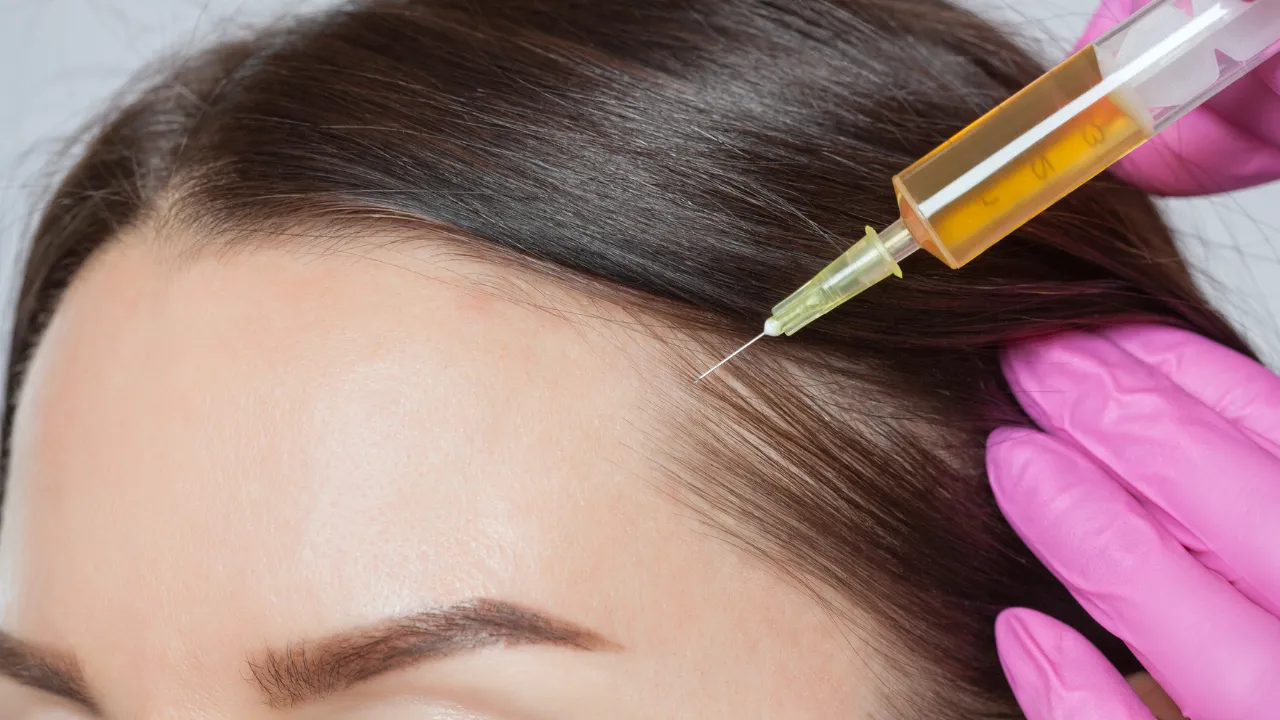
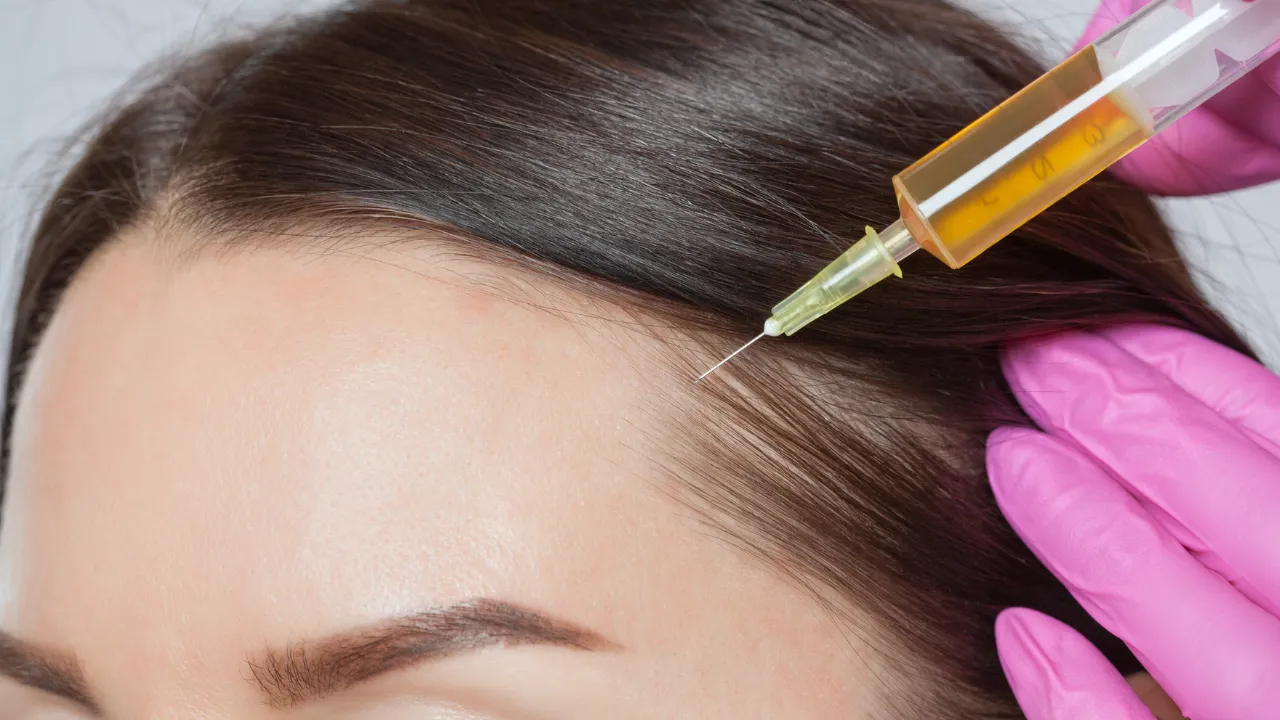
They will also discuss additional treatments or procedures that could complement your hair restoration, such as PRP therapy for hair loss or other scalp treatments. After deciding on the approach for your FUE hair restoration, Dr. Kopelman and the team will take photographs of your scalp and hair for planning.
Male Follicular Unit Extraction Before and After Photos
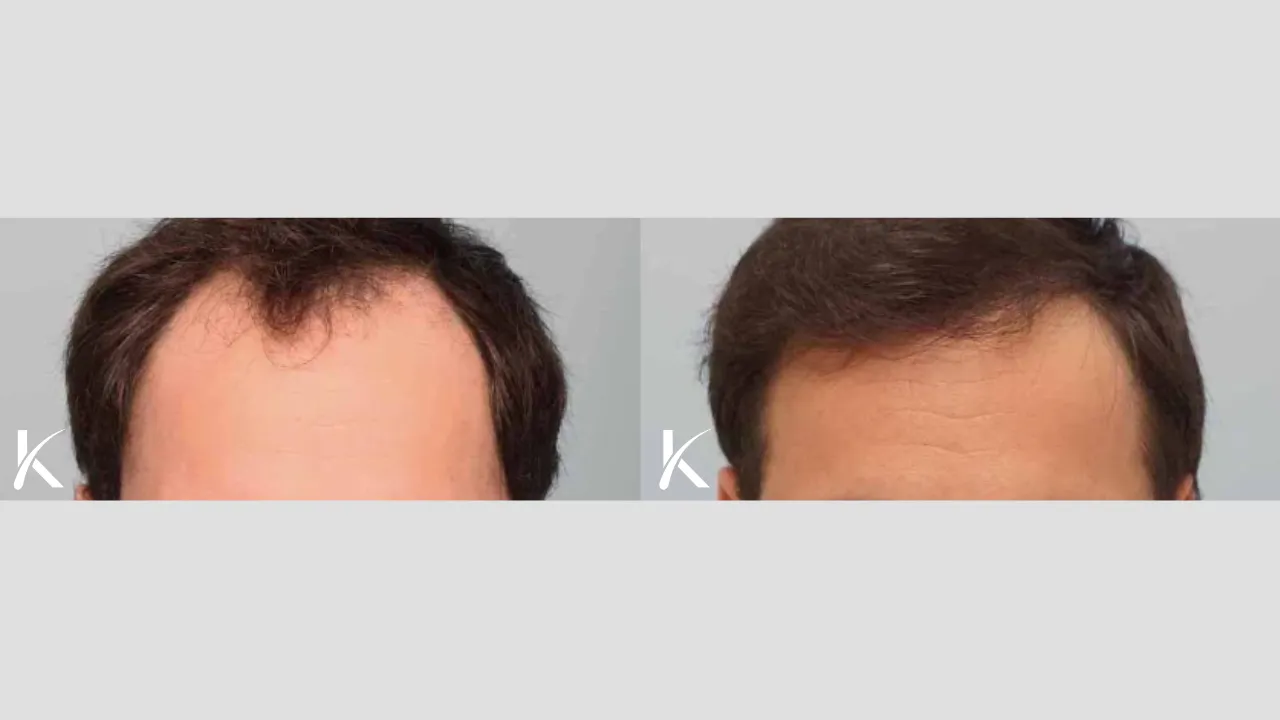
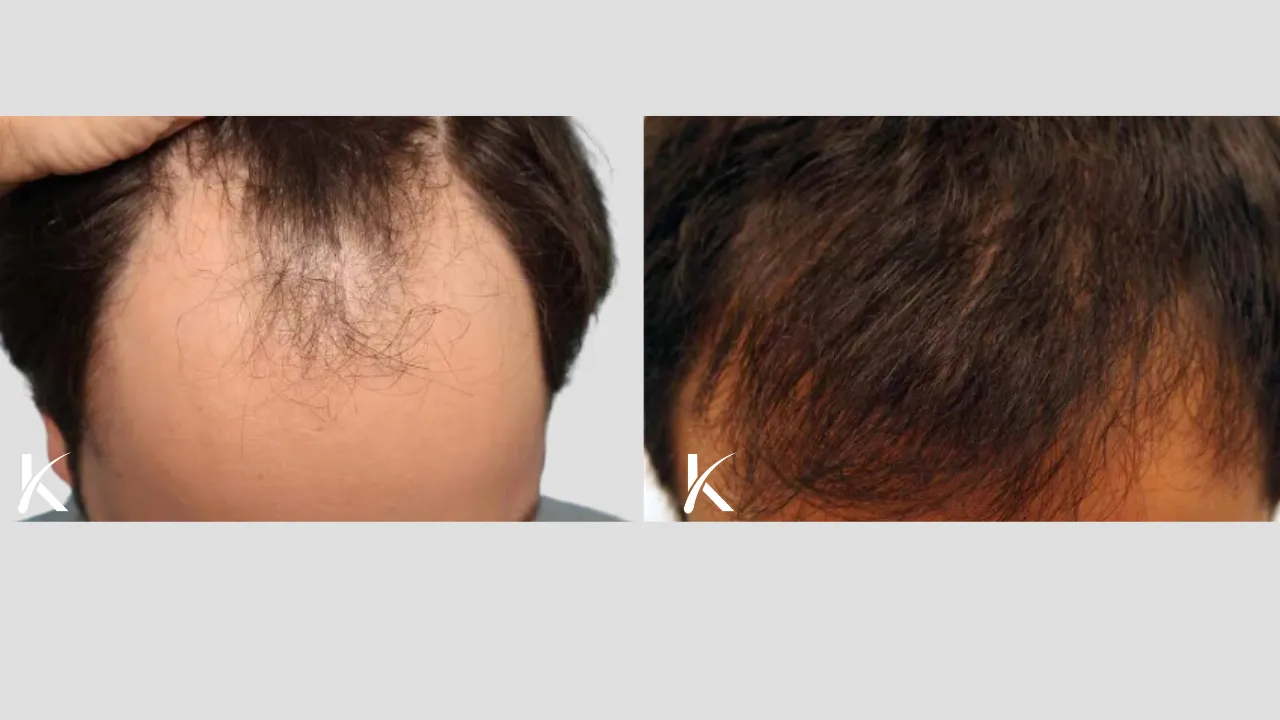
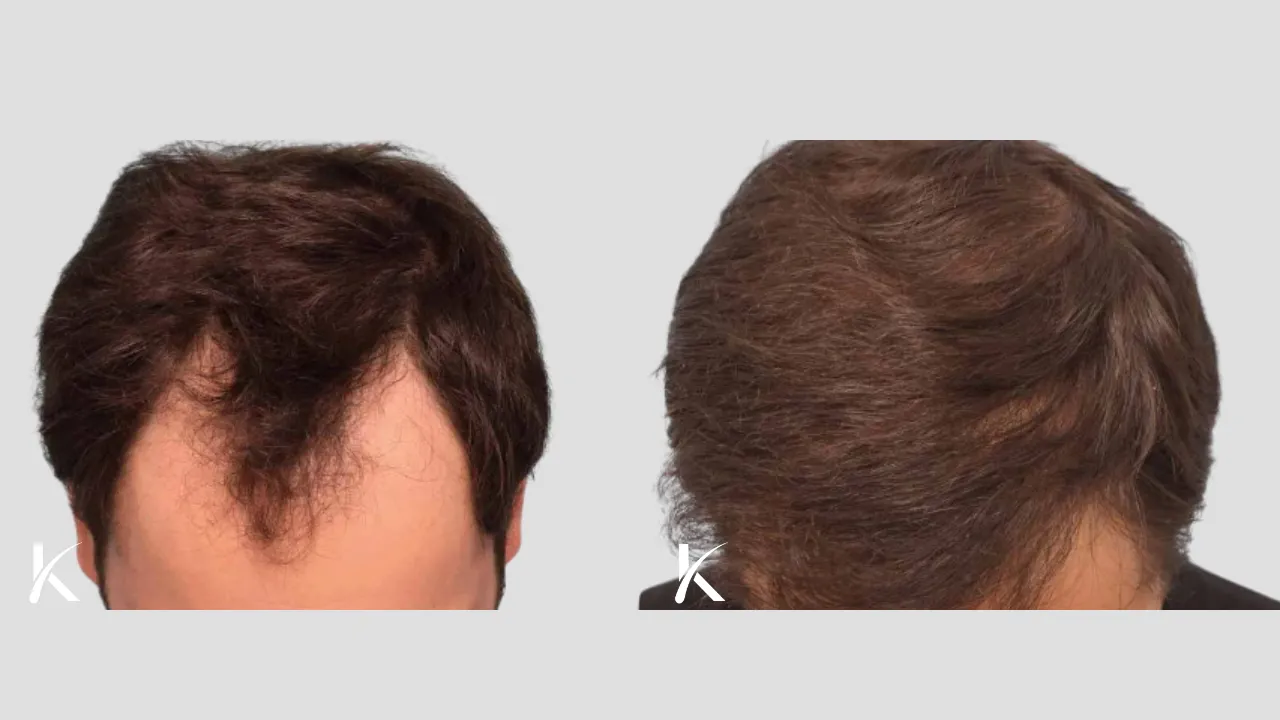
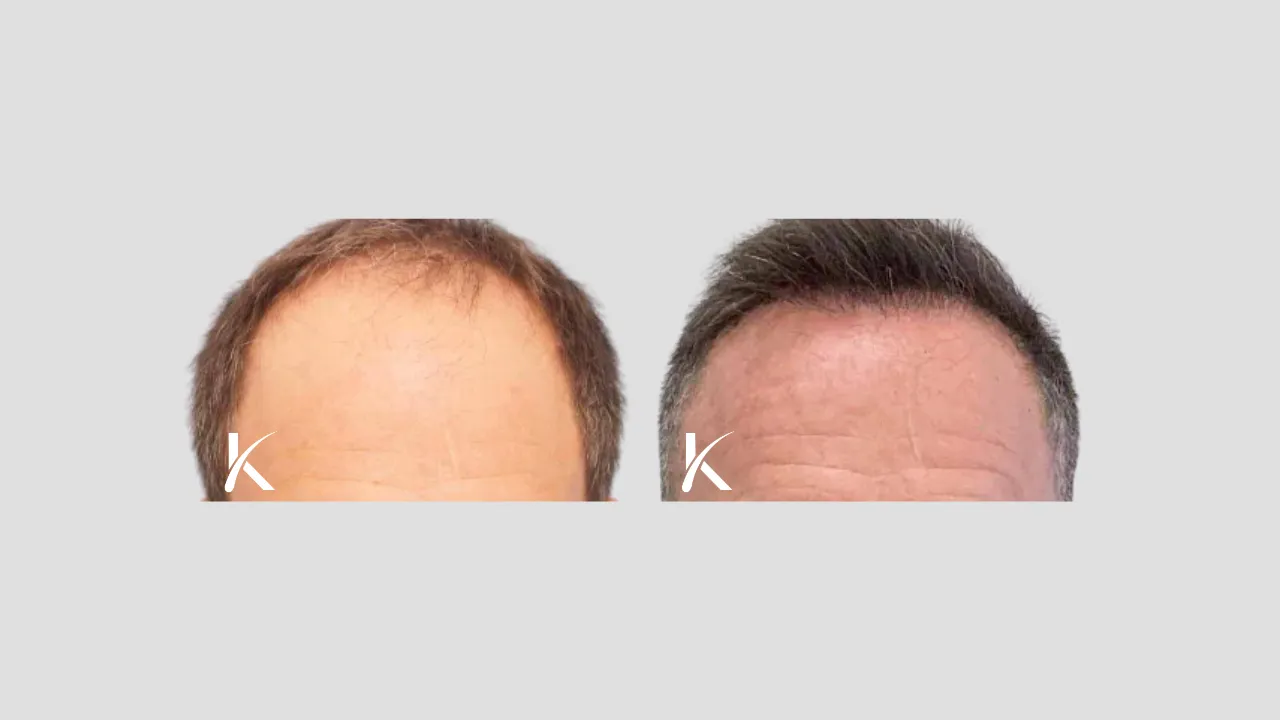
Grafts: 2000
Gender: Male
Age: 45
Procedure Description: Patient wanted to restore a receding hairline. Photos taken before and after one year 2,000 grafts.
Grafts: 2200
Gender: Male
Age: 52
Procedure Description: Patient had increased hair density to the crown after 9 months with 2,200 grafts.
Grafts: 2500
Gender: Male
Age: 39
Procedure Description: Desired a fuller hairline and crown. Photos taken before and six months after 2,500 grafts.
Grafts: 2800
Gender: Male
Age: 64
Procedure Description: Wanted thicker hair on top. Photos taken before and one year after 2,800 grafts.
How Does a Hair Transplant Work?
Preparation and Anesthesia
FUE Process and Creation of Recipient Sites
Placement of Follicles and Final Outcome
Are there any risks or side effects?
See your doctor if you notice any of the following rare side effects:
- Infection symptoms
- Drainage or crust where the surgery was done
- Pain or swelling around the surgery site
- Follicle swelling (folliculitis)
- Bleeding from the surgery site
- Numbness or tingling near the surgery site
- Transplanted hair that doesn’t look like the hair around it
- Balding or thinning continues even after the transplant
Recovery from FUE Hair Transplant Procedure Process
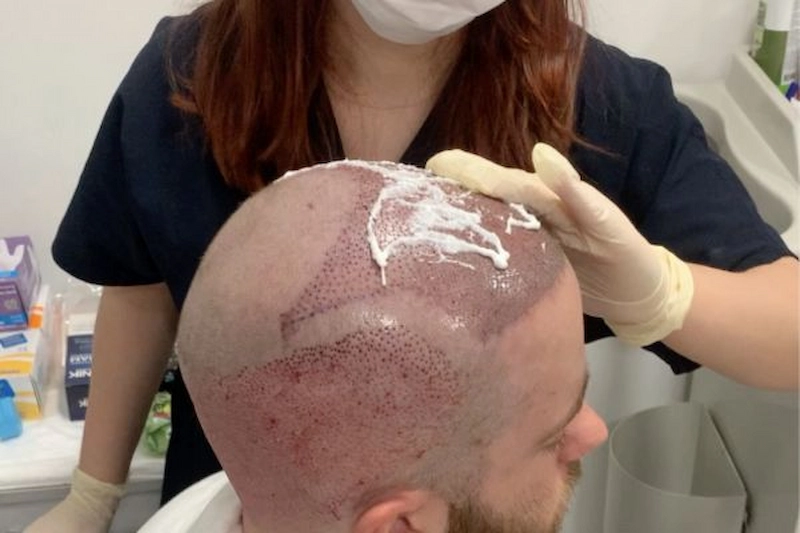
Immediately following the procedure, it’s normal for your scalp to feel tender. Dr. Kopelman may provide a bandage to cover the treated areas for a day or two. To manage any discomfort and prevent infection, you might be prescribed pain medication, anti-inflammatory drugs, and antibiotics.
In the first few days post-surgery, experiencing some swelling and slight discomfort is typical. However, these symptoms should subside relatively quickly. Dr. Kopelman advises against washing your hair or taking showers during this initial period to facilitate proper healing of the scalp. Sleeping with your head elevated is also recommended to help reduce swelling.
Most patients can expect to return to work and resume most of their regular activities within a few days after the surgery. You can start washing your hair gently after a few days, but it’s crucial to adhere to the specific care instructions provided by Dr. Kopelman. To aid in the healing process, strenuous activities and exercise should be avoided for at least a week to prevent unnecessary swelling and increased blood flow to the scalp.
During this period, it’s common for the transplanted hair to shed, which is a normal and expected part of the hair transplant process. Continued care is important during this phase to avoid any activities that could potentially harm the new hair follicles.
Around three months post-procedure, you should start to notice new hair growth. This new hair may initially appear thin and fine but is expected to thicken over time, leading to the desired fuller appearance.
The full results of your FUE hair transplant should become evident between six to twelve months after the procedure. Regular follow-up appointments with Dr. Kopelman are essential during this time to monitor your progress and address any questions or concerns you may have. Throughout the recovery process, it’s vital to follow all post-operative instructions provided by Dr. Kopelman to ensure optimal healing and the best possible results from your FUE hair transplant.
FUE Hair Transplant Cost
The price of a hair transplant depends mainly on the amount of hair being transplanted, but it generally ranges from $15,000 to $25,000. Hair transplants are not covered by insurance as they are considered cosmetic surgery.
Frequently asked questions about Follicular Unit Extraction
The length also varies if a no-shave FUE method is used, which can be more time-consuming.
- Follicular Unit Transplantation (Traditional FUT): A strip of scalp is removed, and hair follicles are transplanted to balding areas. It provides more grafts in one session but leaves a linear scar.
- Follicular Unit Extraction (FUE): Individual follicles are extracted and implanted, leaving minimal scarring and allowing faster recovery but can be time-consuming.
- Direct Hair Implantation (DHI): Hair follicles are extracted and immediately implanted using a Choi Pen, offering precise placement but at a higher cost.
- Robotic Hair Transplant (ARTAS): A robot assists with FUE, improving precision and consistency, though it’s more expensive and less widely available.
- Body Hair Transplant (BHT): Hair is taken from other parts of the body when scalp donor hair is limited, though texture may differ.
- Scalp Reduction: A section of bald scalp is removed, and the remaining skin is stretched to cover the area, but this invasive method is rarely used today.
FUE hair transplantation provides benefits like minimal scarring, faster recovery, and precise graft placement. On the other hand, FUT Hair Transplant (follicular unit transplantation) can yield a higher number of grafts in a single session and may be more cost-effective for extensive hair restoration, but it does result in a linear scar.
- Follicular Unit Transplantation (Traditional FUT): A strip of scalp is removed, and hair follicles are transplanted to balding areas. It provides more grafts in one session but leaves a linear scar.
- Follicular Unit Extraction (FUE): Individual follicles are extracted and implanted, leaving minimal scarring and allowing faster recovery but can be time-consuming.
- Direct Hair Implantation (DHI): Hair follicles are extracted and immediately implanted using a Choi Pen, offering precise placement but at a higher cost.
- Robotic Hair Transplant (ARTAS): A robot assists with FUE, improving precision and consistency, though it’s more expensive and less widely available.
- Body Hair Transplant (BHT): Hair is taken from other parts of the body when scalp donor hair is limited, though texture may differ.
- Scalp Reduction: A section of bald scalp is removed, and the remaining skin is stretched to cover the area, but this invasive method is rarely used today.