FUE Hair Transplant Miami:
Advanced Follicular Unit Extraction in South Florida
What is a FUE Hair Transplant?
Follicular Unit Extraction (FUE), also known as Follicular Unit Excision, involves transferring individual hair follicles from denser areas of your scalp to spots experiencing thinning or baldness. Unlike older strip methods that left a visible linear scar, FUE is minimally invasive. The micro-incisions left by the extraction process are tiny and typically unnoticeable, blending seamlessly with your natural growth pattern.
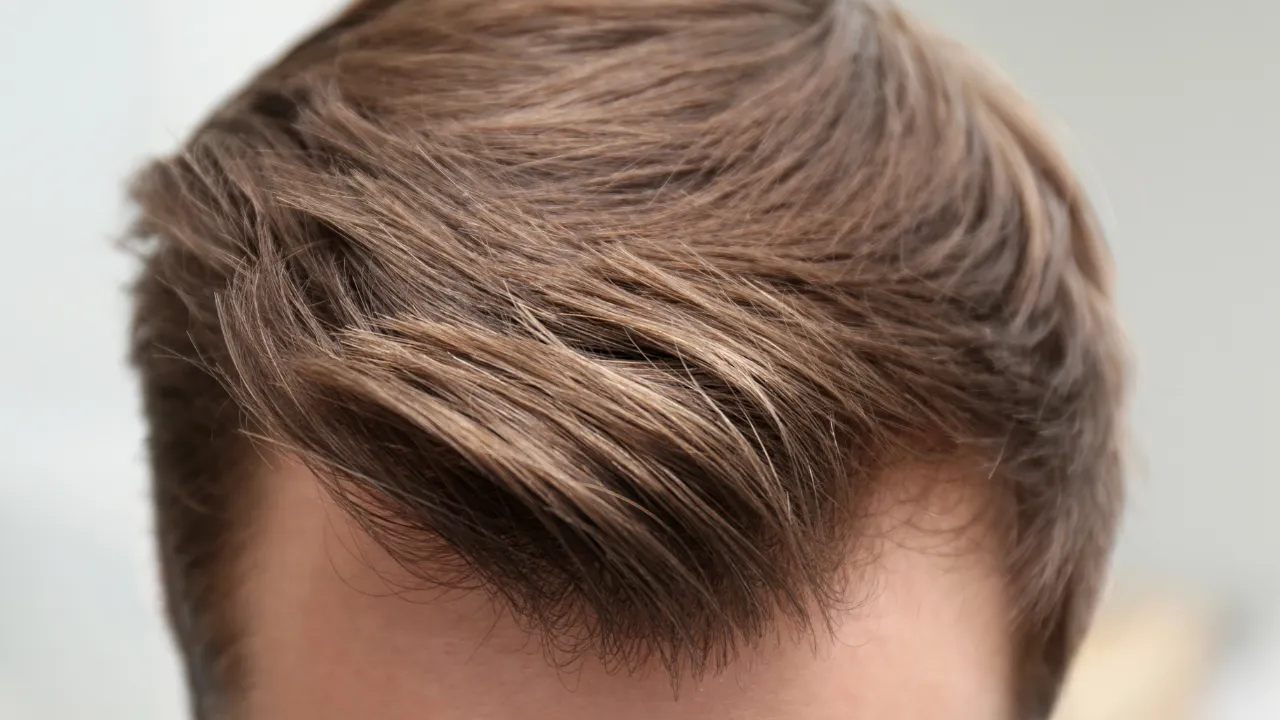
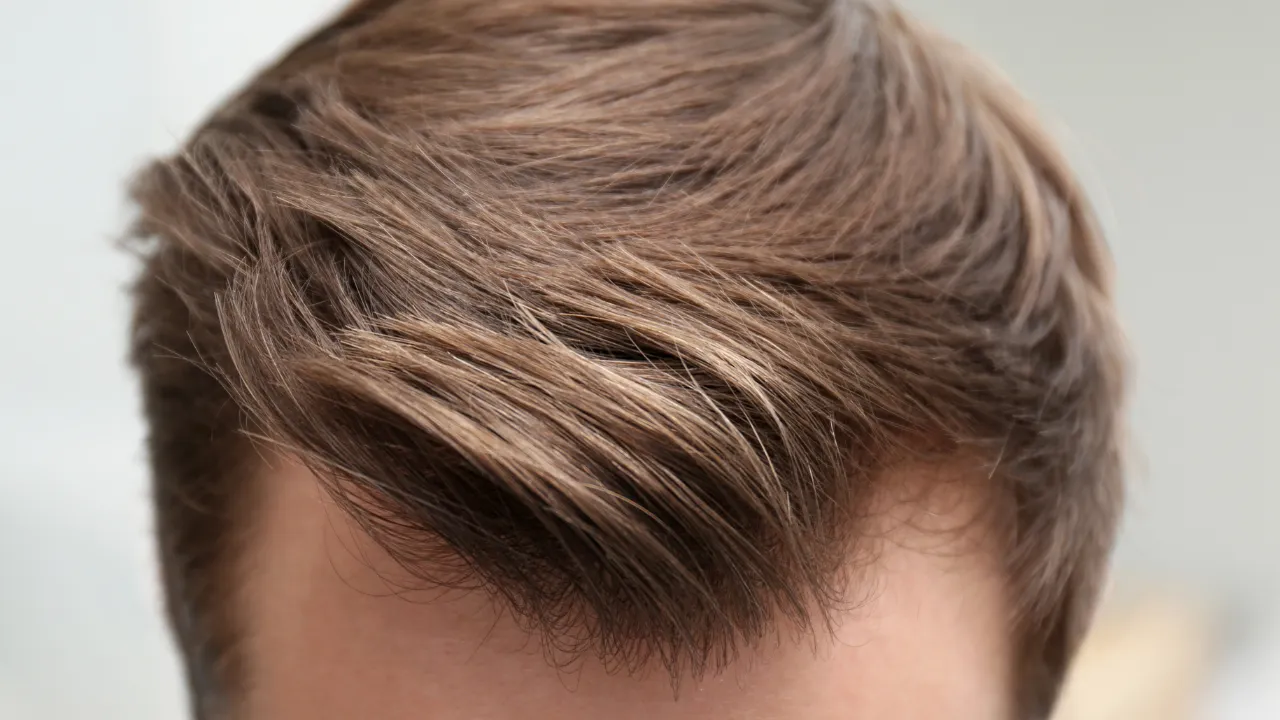
FUE’s precision allows for controlled, uniform distribution of grafts, producing a natural-looking hairline and overall appearance. This level of refinement was difficult to achieve with earlier techniques, which is why follicular unit extraction has become the preferred approach for both patients and surgeons.
The procedure is also adaptable across a diverse range of hair types and loss patterns. It offers a tailored solution that addresses specific areas of concern, maximizing aesthetic impact. This individualized approach positions FUE as a leading choice for patients seeking effective, discreet restoration.
Where Miami Patients Are Treated
Kopelman Hair Restoration does not have an office in Miami. Miami-area patients are treated at our South Florida offices in Boca Raton (17410 Vía Capri E, Boca Raton, FL 33496) and West Palm Beach (1411 N Flagler Dr # 8700, West Palm Beach, FL 33401), both reachable at (561) 803-0140. Our Boca Raton office is open Monday through Friday, 9 a.m. to 6 p.m.
Your first consultation can be scheduled in person at either office or by video call.
Why Miami Patients Choose Kopelman for FUE
Every FUE procedure is surgeon-led from consultation through follow-up, with individualized graft placement designed to match your natural growth pattern. Whether you are dealing with a receding hairline, thinning at the crown, or prior results from another clinic that need correction, our approach tailors each plan to your specific pattern of loss.
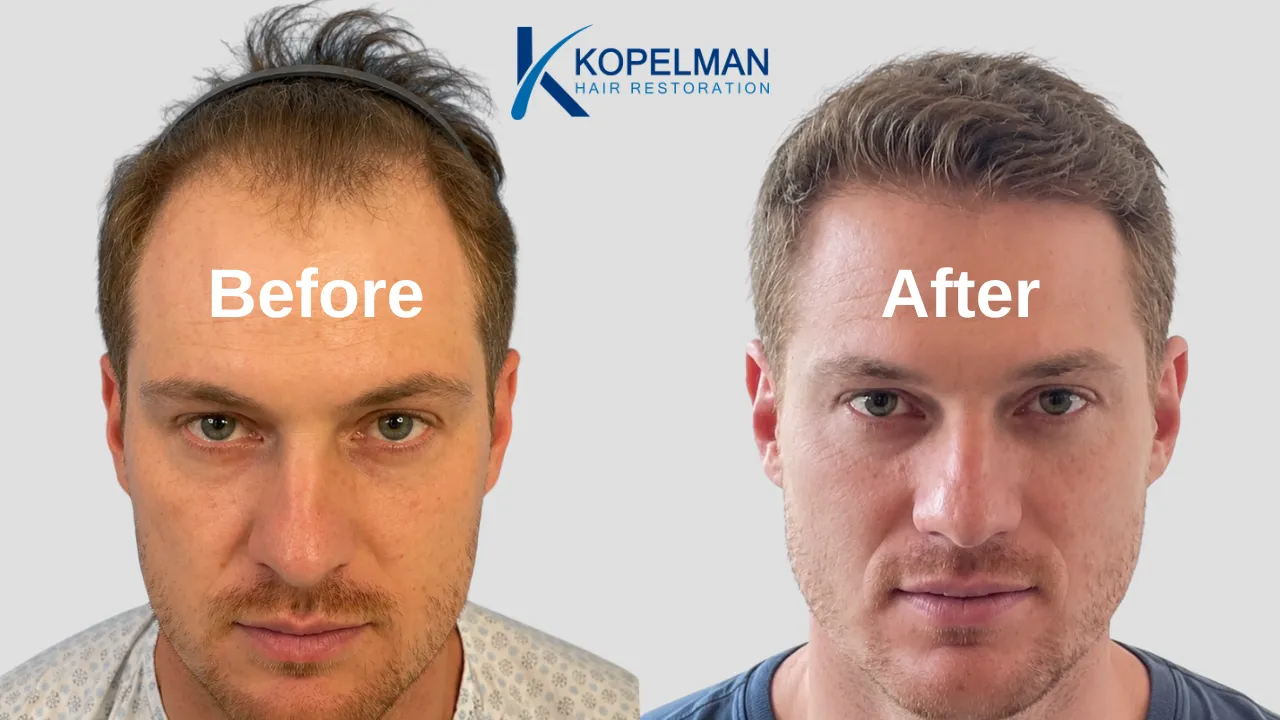
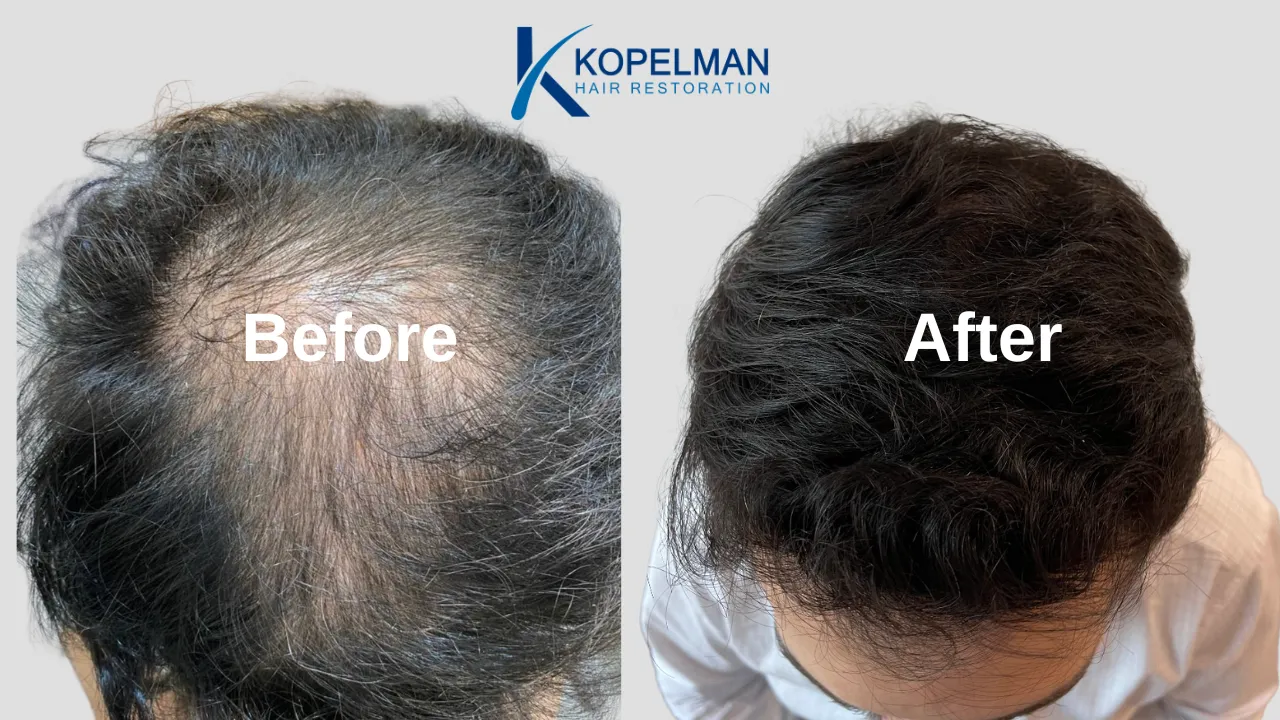
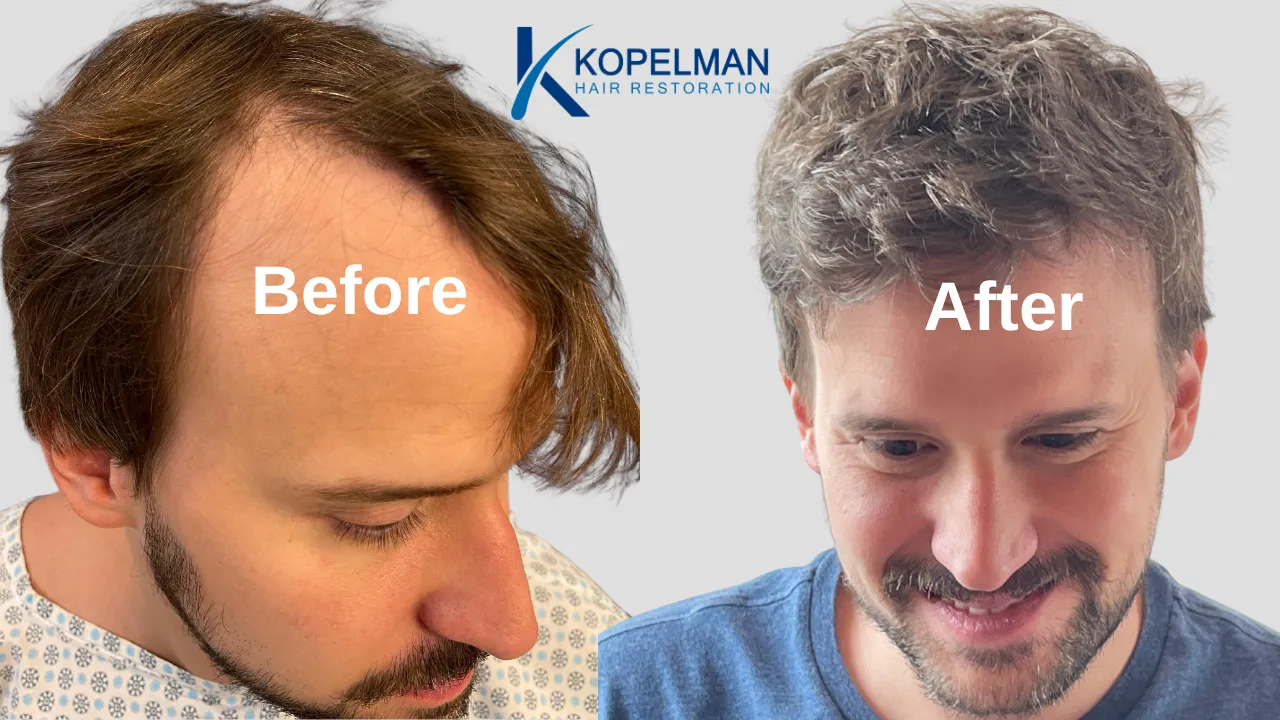
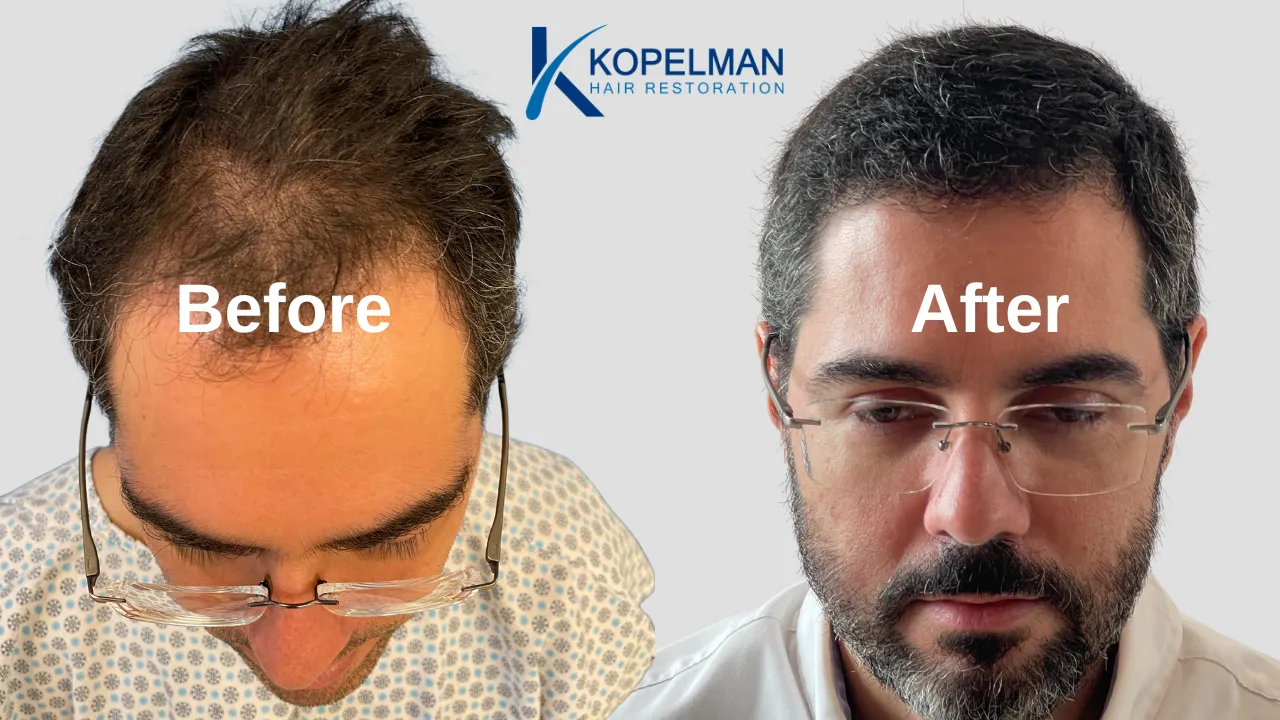
Explore our gallery to see FUE before-and-after photos from real patient cases.
FUE Consultation Process in Florida
Private Consultation with Dr. Kopelman
To explore your options for FUE in Florida, the first step is to arrange a private consultation. During this meeting, you will have a one-on-one discussion to express your restoration goals and ask any questions you have.
This is the opportunity to convey your expectations and preferences for your results. You are welcome to bring images of hairlines or styles that you admire. At our office, we also have a variety of before-and-after photos, including cases with similar loss patterns and challenges, to help you visualize potential outcomes.
Review of Medical History and General Health
In your consultation, a detailed review of your medical history will be central to the evaluation. Discussions will cover the history of hair loss in your family, any genetic factors influencing your follicle health, and any personal history of thyroid or iron deficiencies that can impact growth.
Understanding your overall health is important, so Dr. Kopelman may suggest examining recent blood work or conducting genetic tests on your follicles. These tests help identify nutrient deficiencies or hereditary factors that could affect your results. This thorough approach supports a more effective and personalized restoration plan.
Tailored Recommendations for Your Restoration
Based on your goals, your surgeon will propose the most effective approach. Everyone's loss pattern is unique, and the strategy may range from a straightforward single session to a more complex multi-session plan depending on your specific needs.
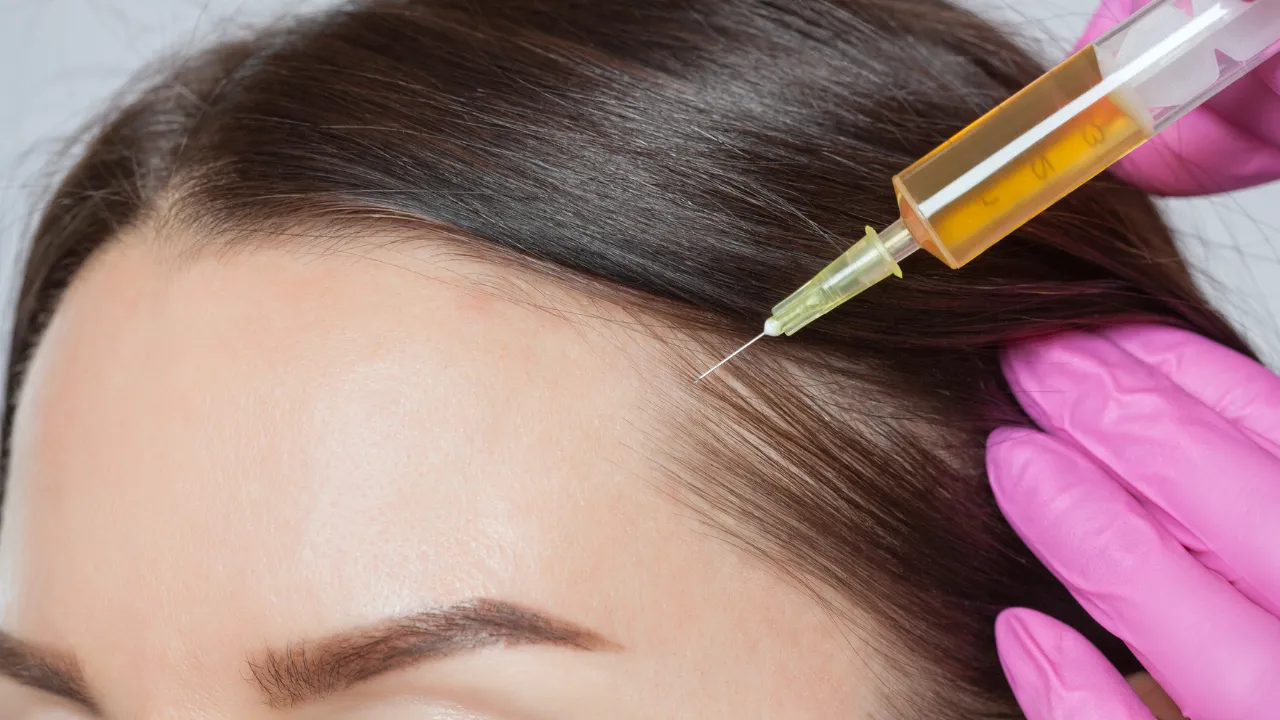
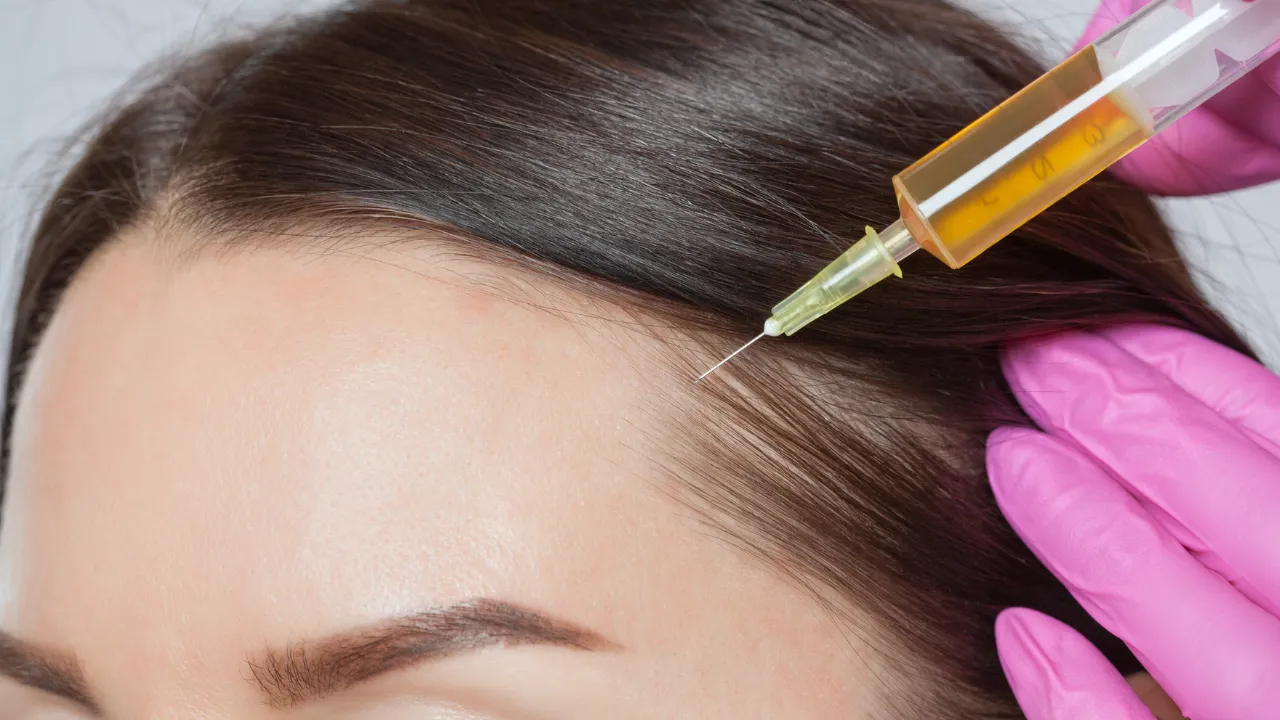
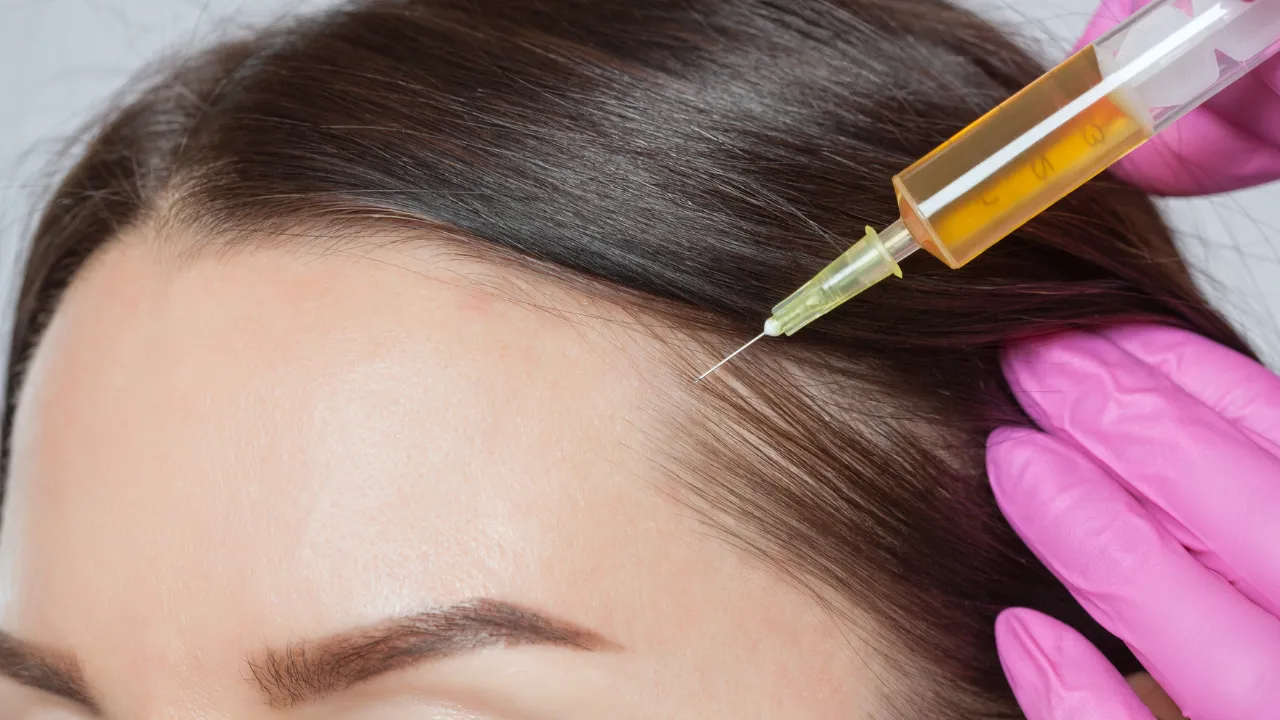
They will also discuss complementary treatments that could enhance your results, such as PRP (Platelet-Rich Plasma) therapy or other scalp treatments. After deciding on the approach for your FUE procedure, the team will take photographs of your scalp for surgical planning.
FUE Hair Transplant Procedure Process in Miami Patients
Preparation and Anesthesia
Extraction and Creation of Recipient Sites
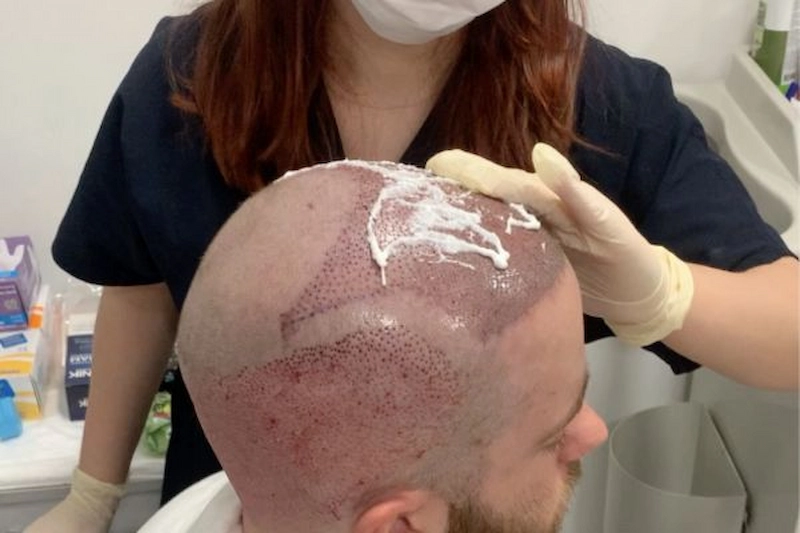
The procedure begins with the careful extraction of individual follicles from the donor area at the back of your scalp using a micro-punch instrument sized to your treatment goals. Following this, your surgeon creates the recipient sites, meticulously designing each one to ensure a natural-looking hairline and fuller coverage. The angle, depth, and direction of each site are planned to replicate your natural growth pattern.
Placement of Follicles and Final Outcome
Benefits of FUE for Miami Patients
FUE offers significant advantages over traditional strip surgery due to its precision, minimal scarring, and faster recovery. Patients who choose this approach at Kopelman Hair Restoration benefit from a surgeon-led process that prioritizes natural results over speed.
Why patients prefer FUE:
- Minimal scarring: Micro-incisions heal as tiny dots rather than a linear scar, making them virtually invisible even with short haircuts.
- Faster recovery: Most patients return to normal activities within a few days, compared to the longer downtime associated with strip procedures.
- Less discomfort: The minimally invasive extraction process generally produces less post-operative pain than FUT.
- Natural graft placement: Individual follicles are positioned at precise angles and depths, creating results that mirror your existing growth pattern.
- Versatile application: FUE can restore the hairline, crown, temples, and even facial hair areas like the beard and eyebrows.
Recovery from FUE Procedure
The recovery process after undergoing follicular unit extraction is generally smooth and involves less discomfort compared to traditional strip methods. Here is a detailed breakdown of what to expect during each phase:
STEP 01
Immediate Post-Procedure Care
STEP 02
First Few Days
STEP 03
First Week
STEP 04
Two to Three Weeks
Healing after follicular unit extraction is predictable, and knowing the sequence in advance removes most of the anxiety. During this period, it is common for the transplanted follicles to shed, which is a normal and expected part of the process known as “shock loss.” This shedding phase around week three surprises patients who were not warned about it, so it is worth understanding before your procedure date. Continued care is important during this phase to avoid any activities that could potentially disturb the newly placed grafts.
STEP 05
One to Three Months
Am I a Candidate for FUE Hair Transplant in Miami?
Before pursuing follicular unit extraction in Miami with Dr. Kopelman, consider what makes a strong candidate for the procedure:
- Male pattern baldness (Norwood stages 2–6): FUE is most effective for progressive, stable loss with clearly defined thinning zones.
- Adequate donor hair density: The back and sides of the scalp need sufficient follicle density to supply the grafts required for your treatment area.
- Short hairstyle preference: Because FUE leaves no linear scar, patients who wear their hair closely cropped can do so without visible signs of surgery.
- African American and textured hair types: FUE performed by an experienced surgeon can achieve excellent results on curly and coiled hair, which requires specialized extraction technique.
- Younger patients with stable loss: Candidates whose loss pattern has stabilized are better suited for long-term planning and graft conservation.
- Previous FUT patients: If you had a prior strip procedure and want to avoid additional linear scarring, FUE offers a minimally invasive alternative for a second session.
- Non-smokers: Smoking restricts blood flow to the scalp and can impair graft survival. Non-smokers generally experience better healing and stronger growth.
- Not typically advised for most women: Female loss often presents as diffuse thinning rather than patterned baldness, which can make donor selection more complex. Dr. Kopelman evaluates each case individually.
FUE Hair Transplant
Before and After Photos
FUE vs. FUT: Which Procedure Is Right for You?
Patients exploring restoration options often compare FUE (Follicular Unit Extraction) with FUT (Follicular Unit Transplantation, also known as the strip method).
- FUE extracts individual follicles one at a time using a micro-punch instrument. This leaves no linear scar and allows patients to wear their hair short. Recovery is generally faster, with most patients returning to daily activities within a few days. FUE is ideal for patients who want a discreet procedure, need a smaller number of grafts, or have had a previous strip surgery.
- FUT removes a thin strip of tissue from the donor area, which is then divided into individual grafts under a microscope. This approach can yield a higher graft count in a single session and is often preferred for patients who need maximum coverage. However, it does leave a linear scar along the back of the scalp, and recovery typically takes longer.
Our surgeons perform both procedures and will recommend the approach best suited to your loss pattern, donor supply, and goals during your consultation. In some cases, a combined approach using both FUE and FUT can maximize coverage across multiple sessions.
FUE in Florida with Kopelman Hair Restoration
Patients can expect a personalized approach to FUE. Each procedure is minimally invasive and designed to leave no linear scar, making it ideal for patients seeking discreet results. Treatment plans are tailored to the individual’s unique restoration needs.
Request a
Consultation
Request a Consultation. Call our Palm Beach or Boca Raton office at (561) 803-0140 or complete the form. Virtual consultations are also available for patients who prefer not to travel.
You will leave feeling confident about how to best address your hair restoration journey.
Schedule a Consultation
What Our
Patients Are Saying
Posted on Google
 barret abramow
 I recently had a FUE hair transplant with Dr. Kopelman in New York City, and I couldn’t be more pleased with the results. I had 2,800 grafts focused on restoring my hairline, which had become more recessed than I was comfortable with. The change has been subtle yet transformative — my hairline looks completely natural, and it frames my face in a way that feels more like me. It’s not overly dramatic, just exactly what I hoped for. What really stood out about working with Dr. Kopelman and his team was their expertise and attention to detail. From the initial consultation, it was clear they understood how to approach my specific situation to achieve the best outcome. The procedure itself went smoothly, and the aftercare instructions were thorough and easy to follow. I felt confident every step of the way because of how knowledgeable and professional they were. Finding their practice in NYC was a relief — it’s not easy to trust just anyone with something as personal as your hairline. I’m really glad I chose them because they delivered excellent results without any of the typical hype. If you’re considering a hair transplant, this is definitely the team to go to.Posted on Google
 Beth ZimmermanI am very happy with my experience with Dr. Kopelman. They are an amazing team. I had been looking for physician who could address my hair loss that had been bothering me for years. I am now doing mesotherapy treatments and I am so happy that my hair loss has reverted over the past 4 months. I really appreciated that a hair transplant was not forced upon me but is instead a last resort. I really appreciate the honesty. Thank you!Posted on Google
 Yoel OhayonI can’t say enough great things about my experience with Dr. Kopelman and the entire team at Kopelman Hair Restoration! I had my hair transplant last year, and the results are simply fantastic. I am fully recovered and thrilled with the transformation—my hair looks natural, and I feel like myself again. Every step of the process was handled with such expertise and care. Dr. Kopelman took the time to explain everything thoroughly, and his team was kind, professional, and supportive from start to finish. I’m beyond grateful for their exceptional work and highly recommend Kopelman Hair Restoration to anyone considering a hair restoration procedure.Posted on Google
 RickDr. Kopelman is extremely knowledgeable and was willing to talk through my concerns and needs to develop an optimal treatment plan. He helped me evaluate a variety of options and decide on a protocol I was comfortable with. I am happy I found him!Posted on Google
 David CohenMy experience with Dr. Kopelman has been nothing short of incredible. From the moment I stepped into his office, I could tell I was in the hands of a true expert. I came to him for both an eyebrow hair transplant and an FUE hair transplant, and I am very happy with the results. My eyebrows look so natural, and the precision and artistry he brought to my FUE procedure completely transformed my hairline. What really stood out was how comfortable and confident he made me feel throughout the process—he explained everything in detail and answered all my questions with such patience and care. I actually discovered him on YouTube, where his videos about hair loss and transplants are so informative, and I’m so glad I did. I’ve never felt more confident in my appearance, and it’s all thanks to Dr. Kopelman’s expertise and attention to detail. If you’re looking for the best hair surgeon in NYC, he’s the one to trust.Posted on Google
 Yedidyah Leo SamuelsDr. Ross is incredible! So much knowledge and expertise in the field. Best hair surgeon in New York City!!Posted on Google
 Juan FraustroI paid for a consultation with one Dr. Kopelman and I actually got both Dr’s Kopelmam. They spent over an hour with me carefully studying my scalp, explaining my options, and providing the necessary prescriptions. I cannot recommend this practice or these doctors more highly.Posted on Google
 Odellya SohnisRoss is a top hair transplant surgeon in NYC. He was so kind when I came in. I wanted to understand why my hair was thinning after using a shampoo a dermatologist had sent my way to stop my bad dandruff problem. He was so patient through my 10 million questions, I felt he really cared about what I need instead of feeding into a consumerist magic pill. He also was able to find that I could be balding and give me tips and a prescription and I felt like he saved me from tripping over a ledge I didn't see. Thank you so much!Posted on Google
 K SalalahI've been to many hair specialists, and I can confidently say that Dr. Kopelman and his team stand out for their incredible care and attention. The hair industry is unfortunately filled with people who are simply looking to make a sale, and think little about your longterm goals or happiness. I'm fortunate to have found Dr. Kopelman, who is incredibly attentive, knowledgable, puts my goals and comfort first, and is willing to think outside the box. Six stars!Posted on Google
 Andres DelgadoI had a consultation with Dr. Joel Kopelman. It was worth my time and money. The doctor answered all my questions and provided valuable insights.
FUE Hair Transplant Cost for Miami Patients
FUE cost depends mainly on graft count. At our Boca Raton and West Palm Beach offices, a 2,000-graft session typically ranges from $25,000 to $40,000, a 3,000-graft session ranges from $25,000 to $40,000, and a 5,000-graft session ranges from $40,000 to $50,000.
What influences your cost:
- Graft count is the primary factor. Hairline refinement typically requires fewer grafts, while full crown and frontal restoration can require more. Your surgeon will estimate your graft needs after evaluating your donor density and treatment goals.
- Surgeon-led care is reflected in the investment. Every procedure at Kopelman Hair Restoration is performed by a board-certified surgeon, not delegated to technicians, whether patients come through our South Florida office or our FUE hair transplant in NYC. This hands-on approach ensures precise graft placement and natural results, which is why patients choose a specialized practice over high-volume clinics.
For a detailed estimate tailored to your situation, schedule a private consultation with Dr. Kopelman.
FAQ's
Follicular Unit Extraction
How Long Does the Procedure Take?
What Are the Risks and Complications of FUE?
Will the New Hair Grow Right Away?
When Will the Final Results Be Visible?
What Should I Know About Post-Procedure Care?
How Many Grafts Will I Need?
Ready to take the first step?
Book a Consultation
Boca Raton or Palm Beach, Florida
or anywhere via video call
Schedule a FUE Hair Transplant Consultation
West Palm Beach: 1411 N Flagler Dr # 8700, West Palm Beach, FL 33401 Boca Raton: 17410 Vía Capri E, Boca Raton, FL 33496 Both offices: (561) 803-0140