Eyebrow Transplant Miami:
Restore Fuller, Natural Brows
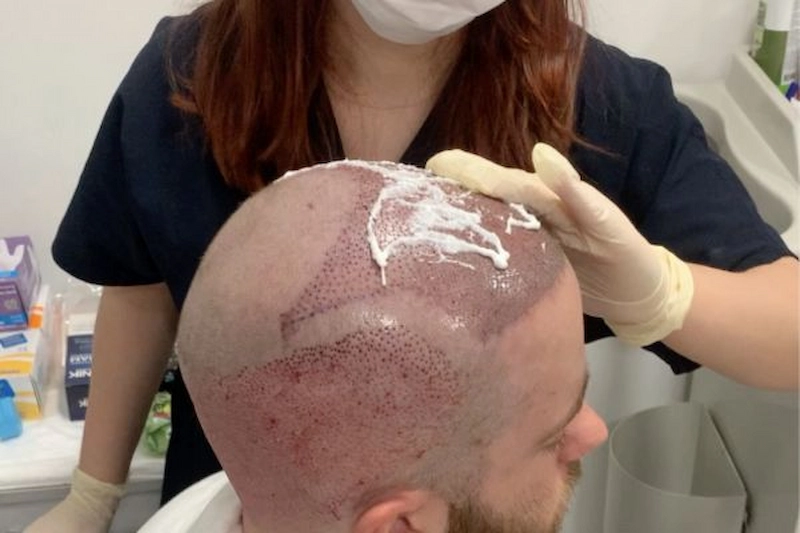
An eyebrow transplant is an outpatient procedure that moves your own living follicles from a donor site, usually the back of the scalp, into the brow area to rebuild density, shape, and symmetry. Results are permanent because the relocated follicles continue to grow for life.
Most patients return to routine activities within a few days, see new growth at three to four months, and reach full results between six and twelve months. If you have been searching for an eyebrow transplant near me, this page covers the technique, candidacy, recovery, and realistic outcomes.
Drs. Kopelman perform brow restoration for patients across Florida, New York, and New Jersey, with treatment planned around your facial proportions rather than a template shape.
What are FUE and the Strip Method for Eyebrow Restoration in Florida?
Both approaches relocate living follicles into the brow. Follicular Unit Excision, or FUE, harvests individual grafts one at a time using a small punch, leaving tiny dot marks that are difficult to detect and requiring minimal downtime.
The strip method, also called Follicular Unit Transplantation, removes a narrow band of donor skin from which follicles are dissected under magnification. It leaves a fine linear mark at the donor site that is typically concealed by surrounding growth, and it can yield more grafts in a single session.
Both techniques allow precise control over brow shape, angle, and direction. They suit sparse, patchy, or thinning brows where the goal is a defined, fuller contour through eyebrow hair restoration Miami patients frequently request.
One technical detail matters more here than it does on the scalp. Because natural brow hairs lie flat and follow a tight directional pattern, the curl and caliber of each graft affect how natural the finished brow looks, which is why donor selection is done graft by graft rather than in bulk.
What Are FUE and the Strip Method for Brow Restoration?
| Factor | FUE | Strip Method (FUT) |
|---|---|---|
| How grafts are taken | Individual follicles removed one at a time | Narrow band of donor skin removed, then dissected into grafts |
| Donor site marking | Tiny dot marks, difficult to detect | Fine linear mark, typically hidden by surrounding growth |
| Invasiveness | Minimally invasive | More involved donor closure |
| Graft yield per session | Steady, session-dependent | Efficient for larger graft numbers at once |
| Recovery | Shorter downtime | Slightly longer donor-site healing |
| Often suited to | Moderate refinement and shaping | More extensive brow rebuilding |
| Anesthesia | Local | Local |
What Our
Patients Are Saying
Posted on Google
 barret abramow
 I recently had a FUE hair transplant with Dr. Kopelman in New York City, and I couldn’t be more pleased with the results. I had 2,800 grafts focused on restoring my hairline, which had become more recessed than I was comfortable with. The change has been subtle yet transformative — my hairline looks completely natural, and it frames my face in a way that feels more like me. It’s not overly dramatic, just exactly what I hoped for. What really stood out about working with Dr. Kopelman and his team was their expertise and attention to detail. From the initial consultation, it was clear they understood how to approach my specific situation to achieve the best outcome. The procedure itself went smoothly, and the aftercare instructions were thorough and easy to follow. I felt confident every step of the way because of how knowledgeable and professional they were. Finding their practice in NYC was a relief — it’s not easy to trust just anyone with something as personal as your hairline. I’m really glad I chose them because they delivered excellent results without any of the typical hype. If you’re considering a hair transplant, this is definitely the team to go to.Posted on Google
 Beth ZimmermanI am very happy with my experience with Dr. Kopelman. They are an amazing team. I had been looking for physician who could address my hair loss that had been bothering me for years. I am now doing mesotherapy treatments and I am so happy that my hair loss has reverted over the past 4 months. I really appreciated that a hair transplant was not forced upon me but is instead a last resort. I really appreciate the honesty. Thank you!Posted on Google
 Yoel OhayonI can’t say enough great things about my experience with Dr. Kopelman and the entire team at Kopelman Hair Restoration! I had my hair transplant last year, and the results are simply fantastic. I am fully recovered and thrilled with the transformation—my hair looks natural, and I feel like myself again. Every step of the process was handled with such expertise and care. Dr. Kopelman took the time to explain everything thoroughly, and his team was kind, professional, and supportive from start to finish. I’m beyond grateful for their exceptional work and highly recommend Kopelman Hair Restoration to anyone considering a hair restoration procedure.Posted on Google
 RickDr. Kopelman is extremely knowledgeable and was willing to talk through my concerns and needs to develop an optimal treatment plan. He helped me evaluate a variety of options and decide on a protocol I was comfortable with. I am happy I found him!Posted on Google
 David CohenMy experience with Dr. Kopelman has been nothing short of incredible. From the moment I stepped into his office, I could tell I was in the hands of a true expert. I came to him for both an eyebrow hair transplant and an FUE hair transplant, and I am very happy with the results. My eyebrows look so natural, and the precision and artistry he brought to my FUE procedure completely transformed my hairline. What really stood out was how comfortable and confident he made me feel throughout the process—he explained everything in detail and answered all my questions with such patience and care. I actually discovered him on YouTube, where his videos about hair loss and transplants are so informative, and I’m so glad I did. I’ve never felt more confident in my appearance, and it’s all thanks to Dr. Kopelman’s expertise and attention to detail. If you’re looking for the best hair surgeon in NYC, he’s the one to trust.Posted on Google
 Yedidyah Leo SamuelsDr. Ross is incredible! So much knowledge and expertise in the field. Best hair surgeon in New York City!!Posted on Google
 Juan FraustroI paid for a consultation with one Dr. Kopelman and I actually got both Dr’s Kopelmam. They spent over an hour with me carefully studying my scalp, explaining my options, and providing the necessary prescriptions. I cannot recommend this practice or these doctors more highly.Posted on Google
 Odellya SohnisRoss is a top hair transplant surgeon in NYC. He was so kind when I came in. I wanted to understand why my hair was thinning after using a shampoo a dermatologist had sent my way to stop my bad dandruff problem. He was so patient through my 10 million questions, I felt he really cared about what I need instead of feeding into a consumerist magic pill. He also was able to find that I could be balding and give me tips and a prescription and I felt like he saved me from tripping over a ledge I didn't see. Thank you so much!Posted on Google
 K SalalahI've been to many hair specialists, and I can confidently say that Dr. Kopelman and his team stand out for their incredible care and attention. The hair industry is unfortunately filled with people who are simply looking to make a sale, and think little about your longterm goals or happiness. I'm fortunate to have found Dr. Kopelman, who is incredibly attentive, knowledgable, puts my goals and comfort first, and is willing to think outside the box. Six stars!Posted on Google
 Andres DelgadoI had a consultation with Dr. Joel Kopelman. It was worth my time and money. The doctor answered all my questions and provided valuable insights.
What Are the Benefits of Brow Restoration?
Relocating your own follicles produces results that resemble natural brow growth rather than sitting on the skin’s surface. The main advantages include:
- FUE: minimal marking, faster recovery, and a less invasive donor harvest
- Strip method: efficient graft harvesting, well suited to more extensive rebuilding
- Permanent results, since transplanted follicles continue growing for life
- Precise control over arch, thickness, and symmetry
- Reduced reliance on daily pencils, powders, and cosmetic tinting
- Improved facial balance and confidence
Am I a Candidate for Brow Restoration?
- Thinning, sparse, or patchy brows from over-shaping, aging, or genetics
- Both techniques work well for men and women
- Sufficient donor density is required, preferably from the scalp
- The right method depends on your goals and how much rebuilding is needed
- Non-smokers generally experience better healing and graft survival
Scar tissue from burns, trauma, or prior surgery may limit blood supply to the area, and reconstructive treatment sometimes needs to come first. These considerations are consistent with guidance published by the International Society of Hair Restoration Surgery
A consultation with a specialist for eyebrow hair transplant Miami patients trust remains the only reliable way to confirm the best approach for your case.Eyebrow Transplant Consultation in Miami
Discussing your goals
Your visit begins privately with Dr. Kopelman, who will review both FUE and strip options for your case. This step allows you to:
- Discuss aesthetic goals
- Review concerns
- Share desired brow styles
- View before-and-after photos of comparable cases
Reviewing your medical history
Your health background shapes the treatment plan. The consultation covers family history of hair loss, genetic factors, and any conditions affecting growth, including thyroid disorders and autoimmune causes.
Depending on findings, Dr. Kopelman may recommend blood work or follicular analysis to tailor your plan before scheduling surgery.
Tailored Recommendations
Based on your goals and donor supply, Dr. Kopelman will recommend either FUE or the strip technique. The choice depends on:
- Your desired brow shape
- Volume of grafts required
- Condition and character of donor hair
Detailed photographs of the brow area are taken during planning to precisely guide placement. These techniques are widely used across hair restoration practices in Miami, FL, and the difference in outcomes usually comes down to design judgment rather than equipment.
Brow Restoration in Florida with Drs. Kopelman
Drs. Kopelman, recognized as skilled hair restoration surgeons in New York City, focus on Eyebrow Transplantation. They apply their extensive knowledge and technical skills to every brow restoration procedure, customizing it to meet each patient’s specific requirements.
How Transplanted Brow Hairs Behave Over Time
This is the detail most patients are not told in advance, and it shapes long-term satisfaction. Grafts keep the growth characteristics of the area they came from, a principle known as donor dominance.
Scalp-derived follicles placed into the brow therefore continue to grow at scalp pace, meaning they grow longer than native brow hairs and require periodic trimming. Native brow hair reaches a fixed length and stops; relocated scalp hair does not.
Texture and curl also carry over, which is why graft selection matters so much in this specific procedure. Choosing donor hair with the right caliber and natural curve is what separates a brow that reads as genuine from one that looks placed.
Practically, this means budgeting a few seconds every week or two for grooming, and occasional shaping with a brow brush. It is routine maintenance rather than an ongoing treatment commitment.
Eyebrow Transplant
Before and After Photos
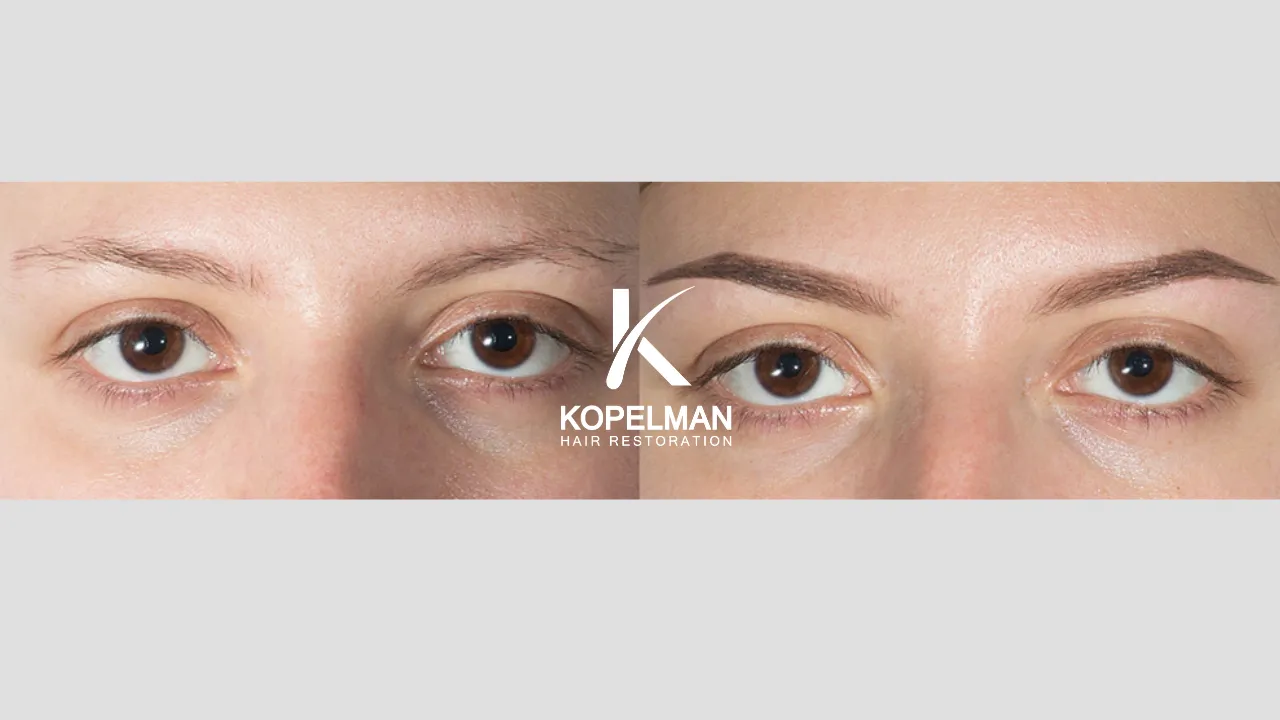
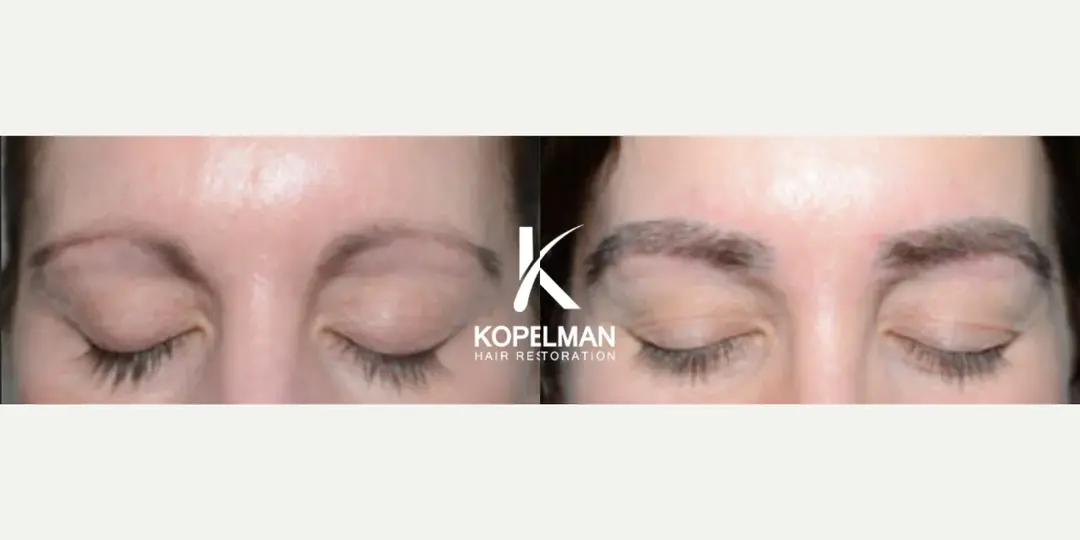
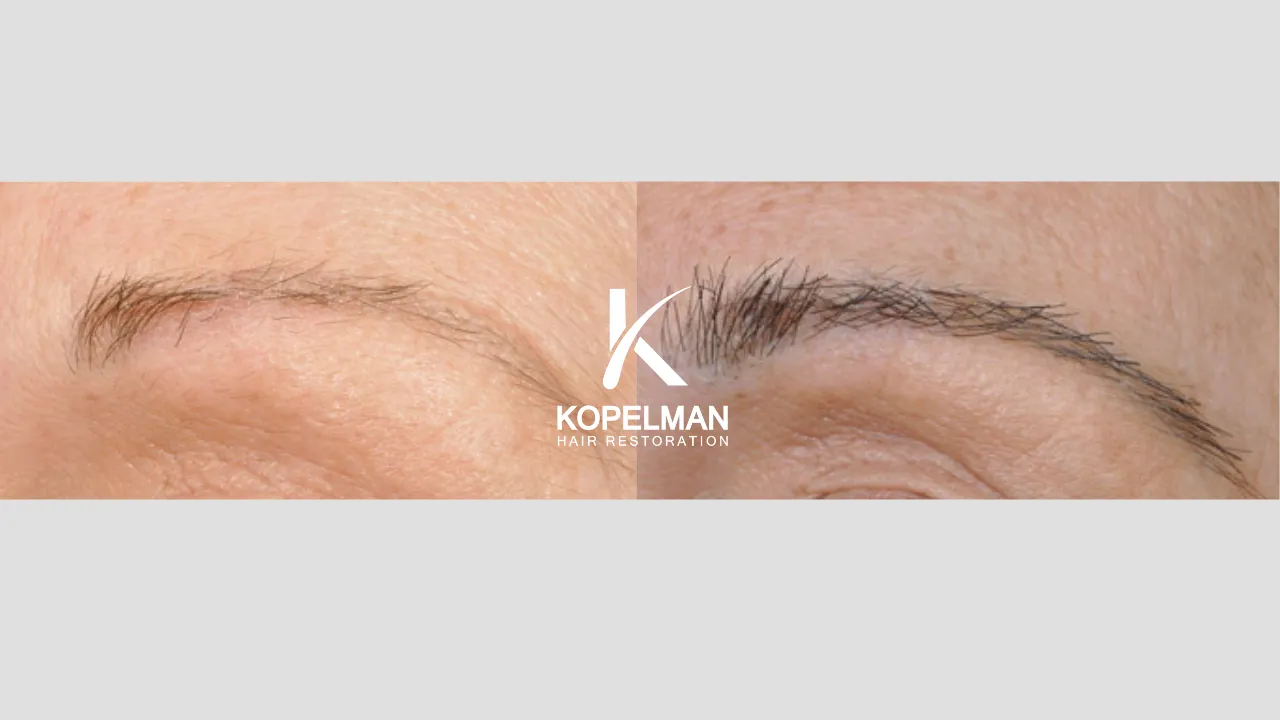
| Patient Age | Grafts | Primary Goal | Photos Taken After |
|---|---|---|---|
| 27 | 670 | Overall brow density | 1 year |
| 33 | 720 | Correcting asymmetry | 9 months |
| 58 | 590 | Creating a more arched shape | 6 months |
| 66 | 510 | Rebuilding after over-plucking | 1 year |
Preparing for Brow Surgery
Less common risks include infection, visible scarring, uneven early growth, and results that look unnatural if follicles are placed at the wrong angle. Choosing an experienced surgeon meaningfully reduces these risks but does not eliminate them.
Recovery and Healing Timeline
Small crusts form around each placed graft and typically flake away within a week. Avoid rubbing or scratching the area during this window, since disturbing grafts early can affect survival.
The placed hairs then shed, which is a normal and expected phase rather than a failure. Permanent growth begins around three to four months, with full results visible between six and twelve months.Patients undergoing eyebrow hair transplant procedures in Miami are guided through each stage by Dr. Kopelman’s team, with follow-up appointments scheduled to track progress.
| Timeframe | What Happens | What to Do |
|---|---|---|
| Days 1 to 3 | Mild swelling and tenderness around the brows and eyes | Follow post-op care instructions; most patients resume normal activity |
| Week 1 | Small crusts form around each graft, then flake away | Do not rub or scratch the area |
| Weeks 2 to 4 | Placed hairs shed; this is expected | Continue gentle care; avoid plucking or waxing |
| Months 3 to 4 | Permanent growth begins | Attend scheduled follow-up appointments |
| Months 6 to 12 | Full density and shape become visible | Begin routine trimming as growth lengthens |
FAQ's
Brow Restoration
How long does an eyebrow transplant last?
Can the procedure replicate the natural direction of brow growth?
What is the difference between FUE and the strip method?
Are there any risks or side effects?
How long is recovery, and what should I expect?
Recovery is relatively quick, with most patients resuming normal activities within a couple of days. Mild swelling and bruising typically resolve within a few days to a week, and small crusts flake off within a week.
Avoid rubbing the treated area during healing. Planted hairs shed initially before permanent growth begins at roughly three to four months, with full results typically visible within six to twelve months.
Will I need to trim the transplanted hairs?
How many grafts will I need?
Can I have the procedure after microblading or brow tattooing?
Ready to take the first step?
Book a Consultation
or anywhere via video call
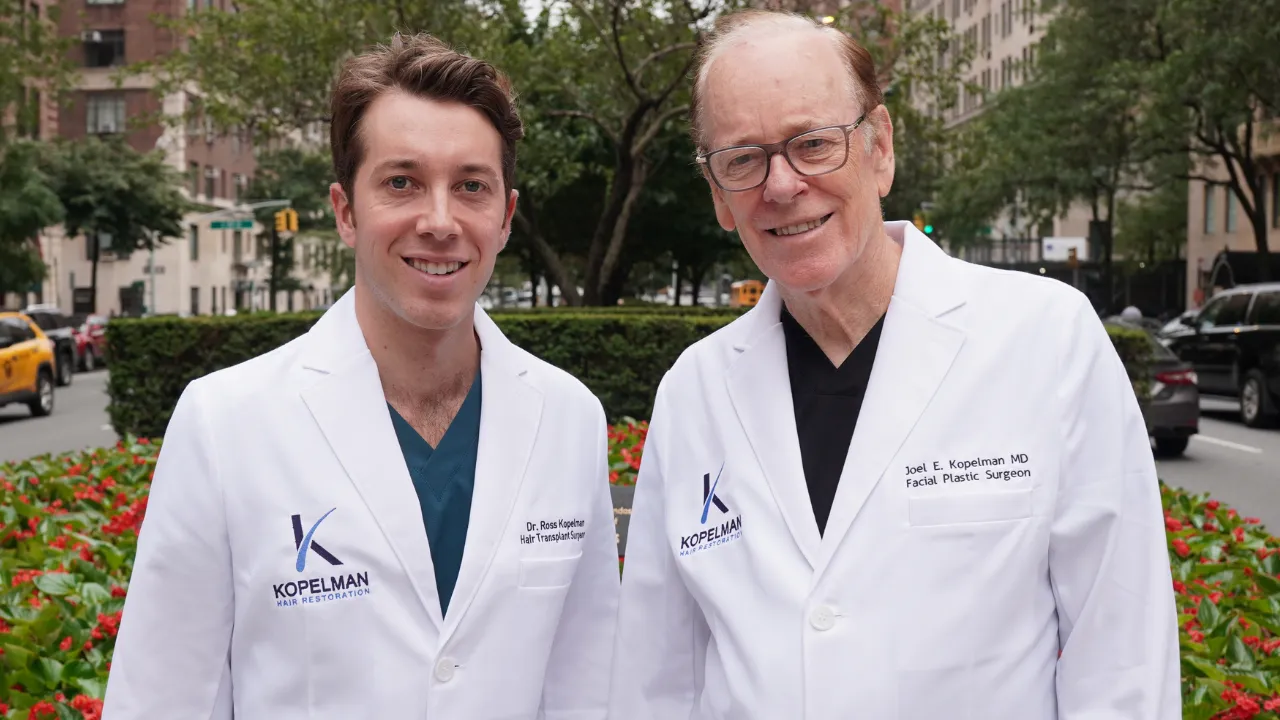
Dr. Joel Kopelman and Dr. Ross Kopelman are experienced facial plastic and restorative surgeons with more than forty years of combined practice. Dr. Joel Kopelman brings decades of experience delivering natural, transformative outcomes.
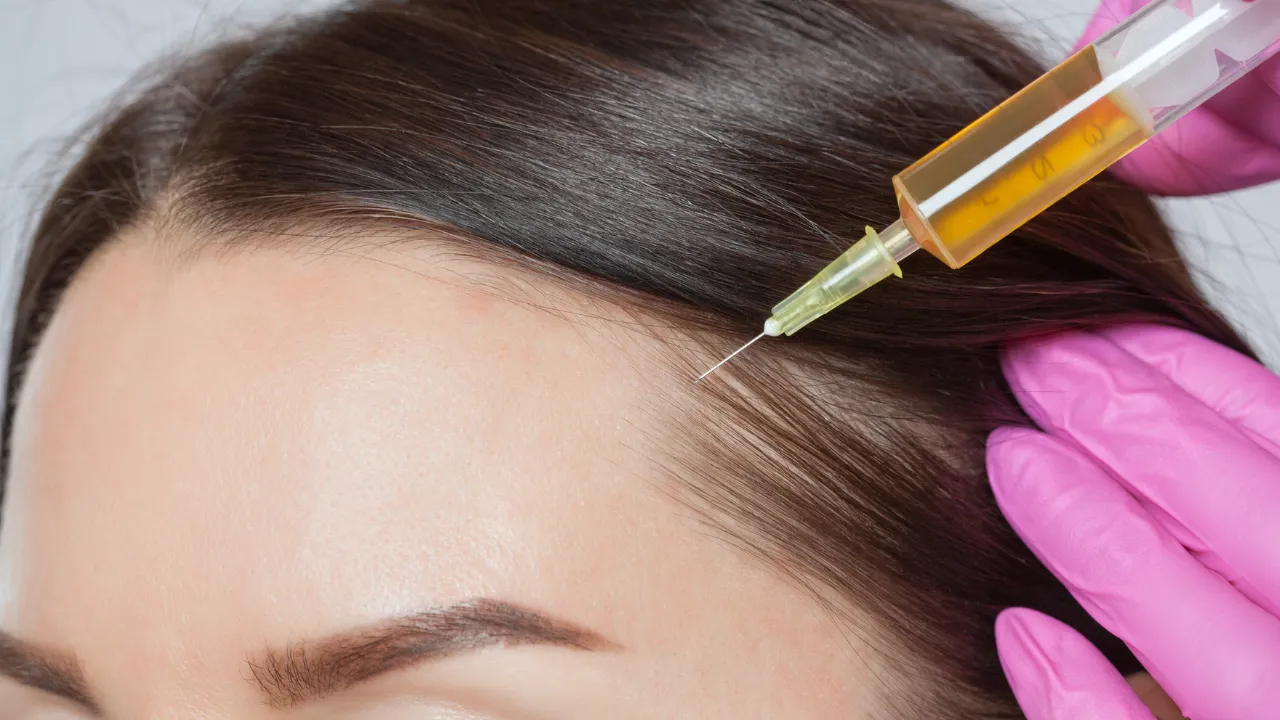
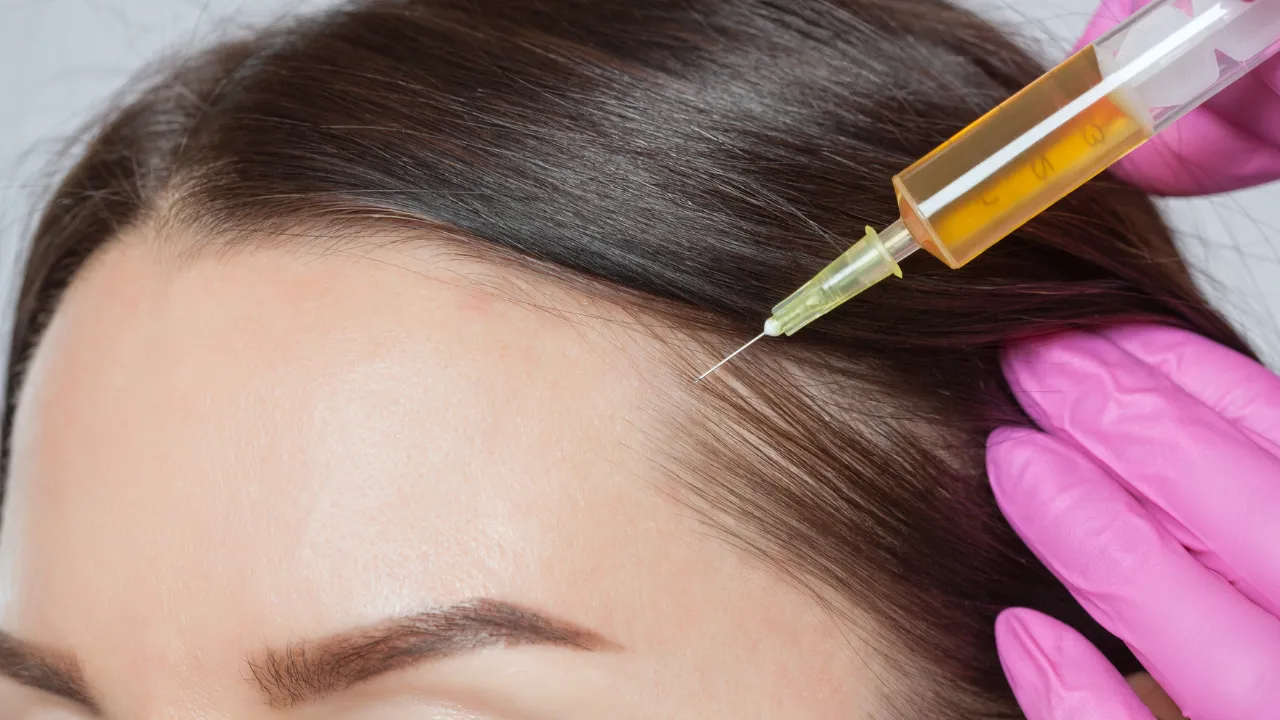
Dr. Ross Kopelman complements this expertise with advanced restorative techniques, including FUE, the strip method, and non-surgical treatments such as PRP therapy and mesotherapy. Together they provide comprehensive, personalized care.
Schedule an Eyebrow Transplant Consultation in Florida
1411 N Flagler Dr # 8700, West Palm Beach, FL 33401