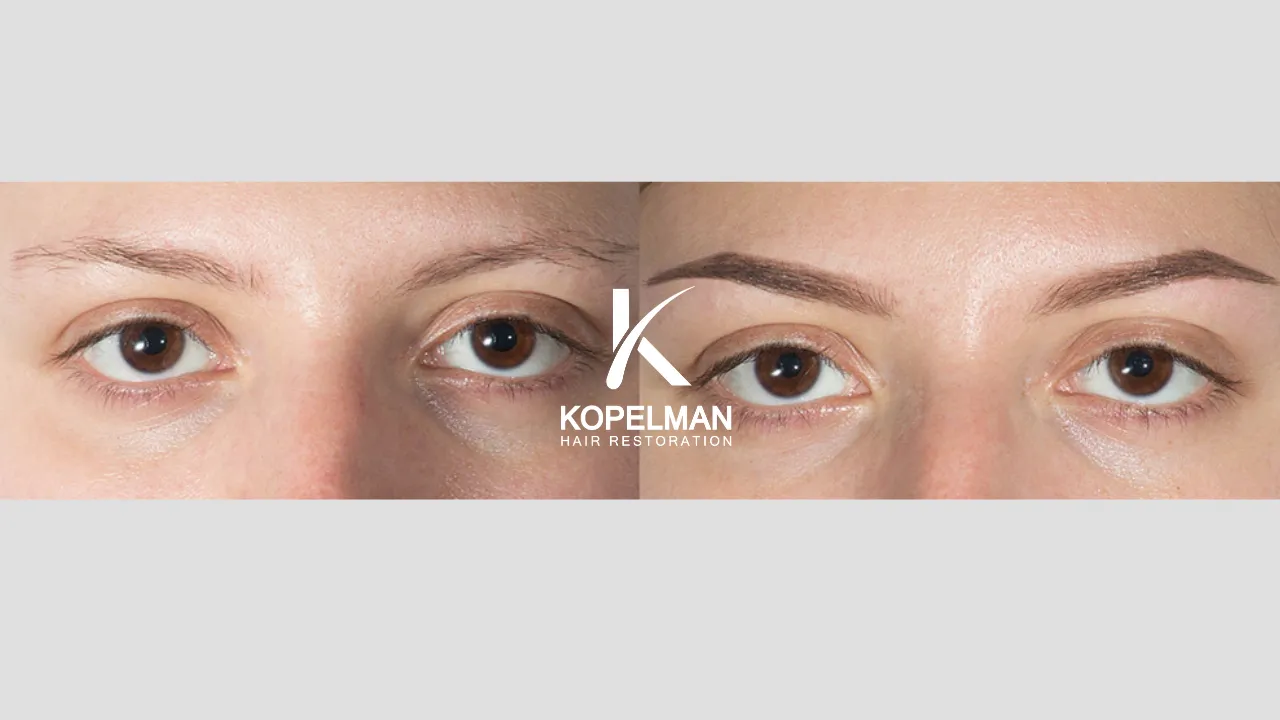
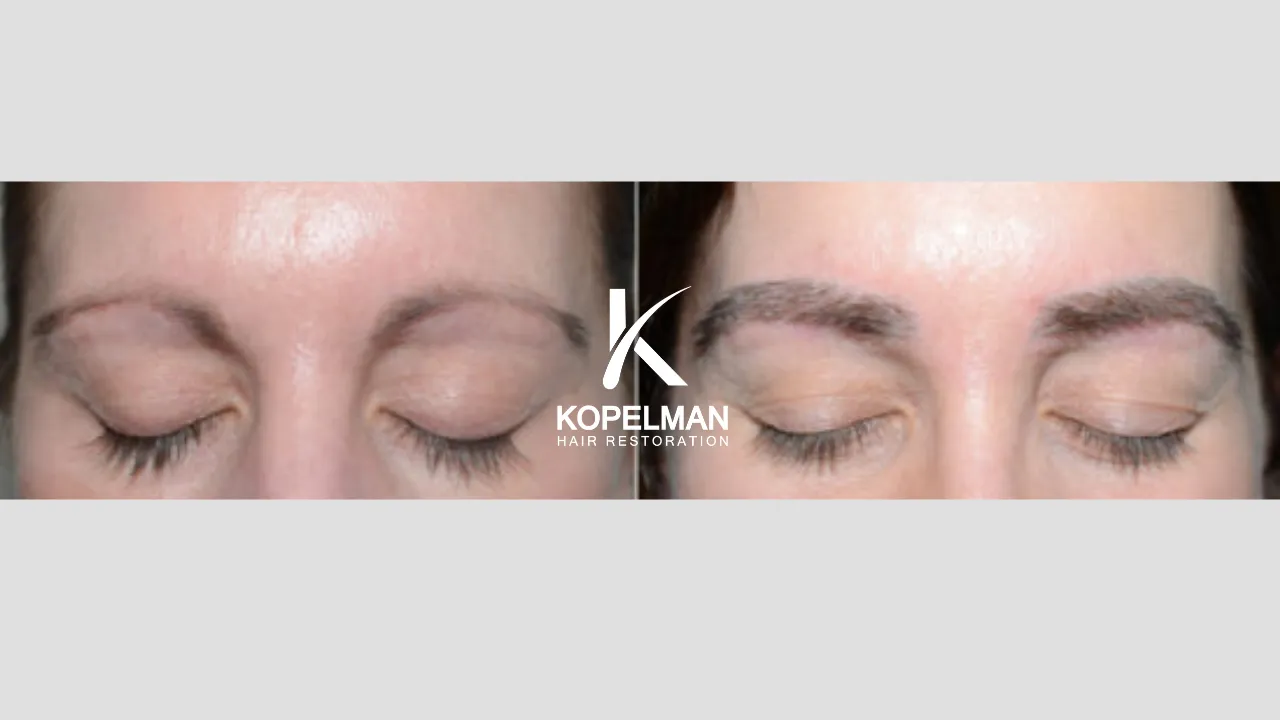
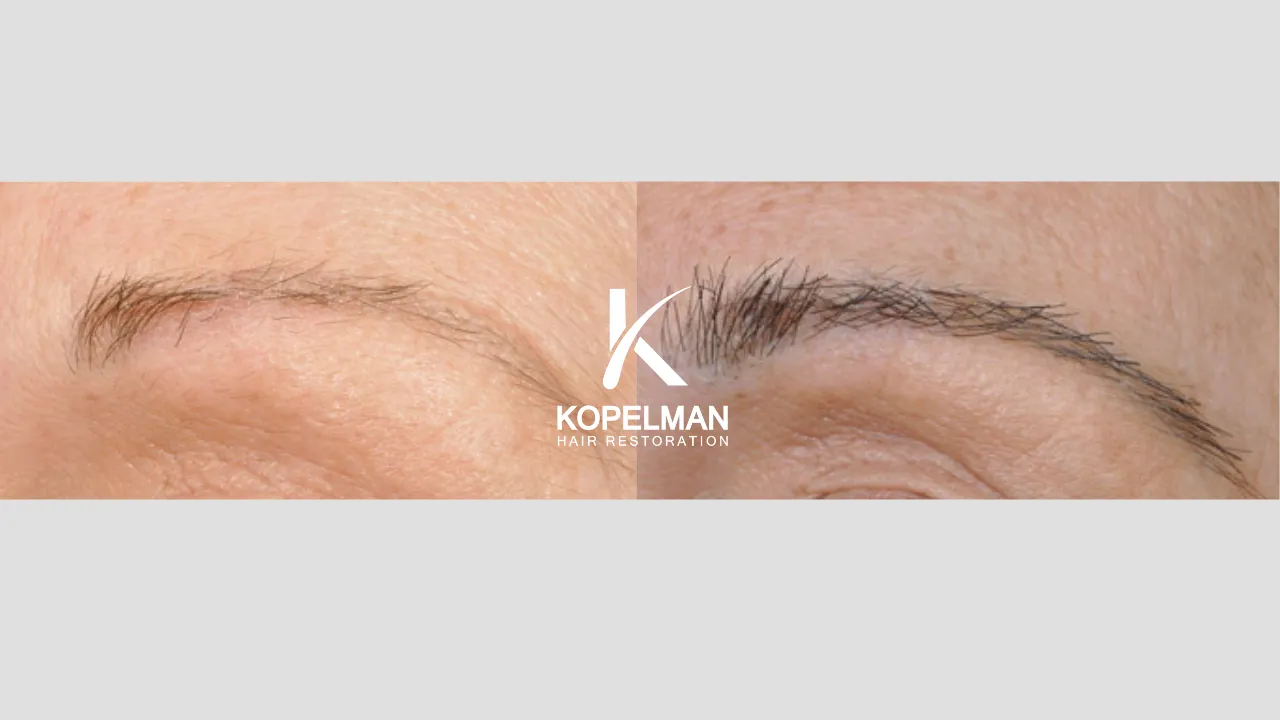
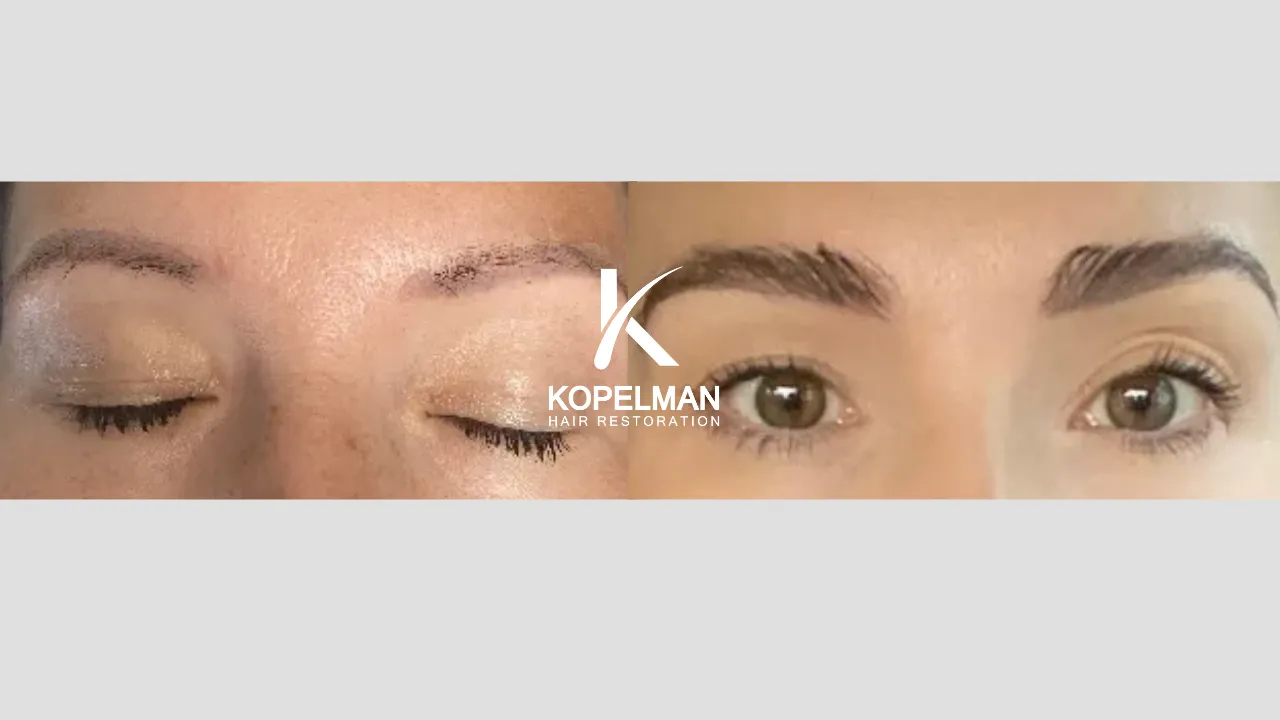
Eyelash Transplant Before & After Photos (Picture Gallery)
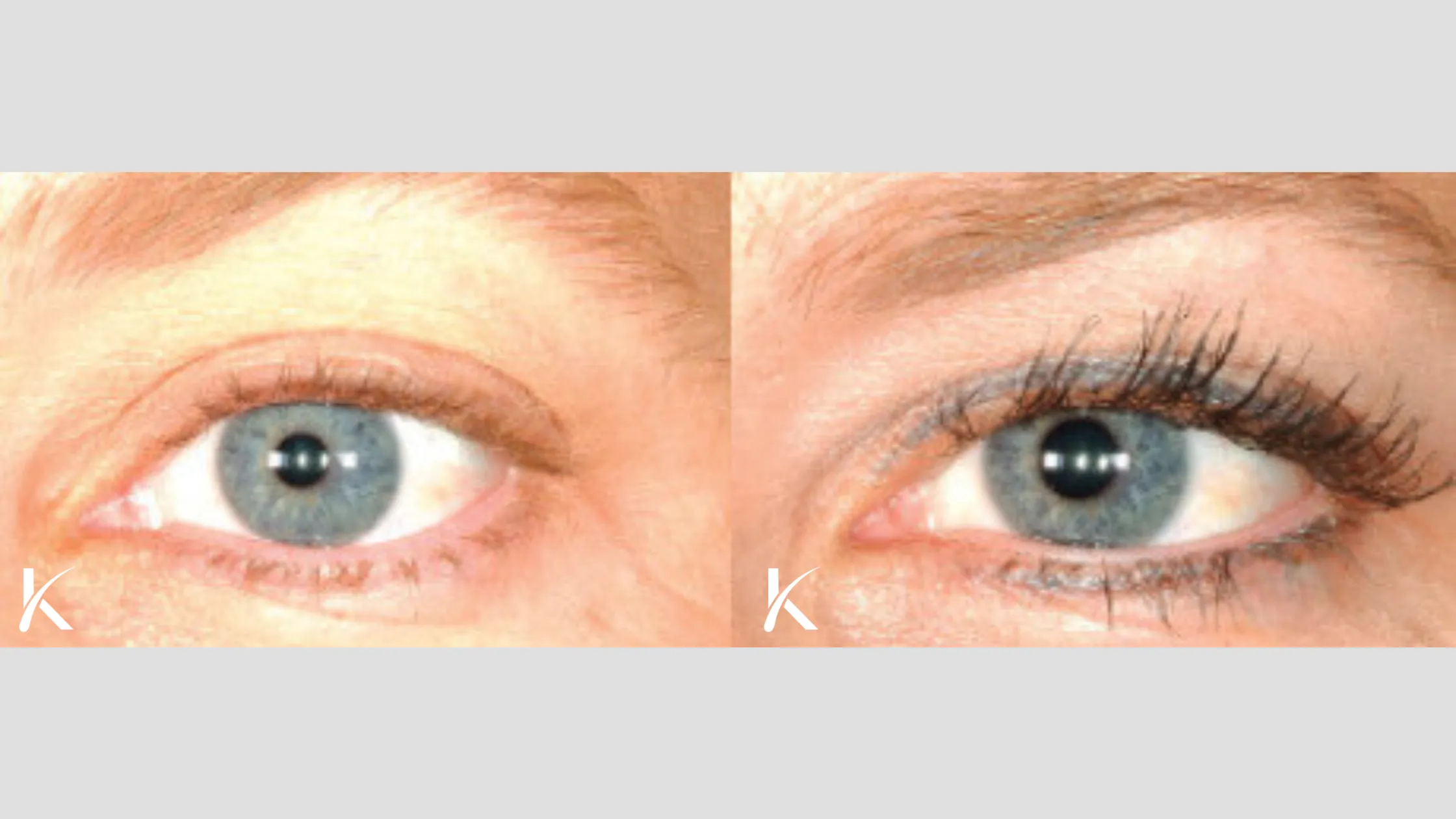
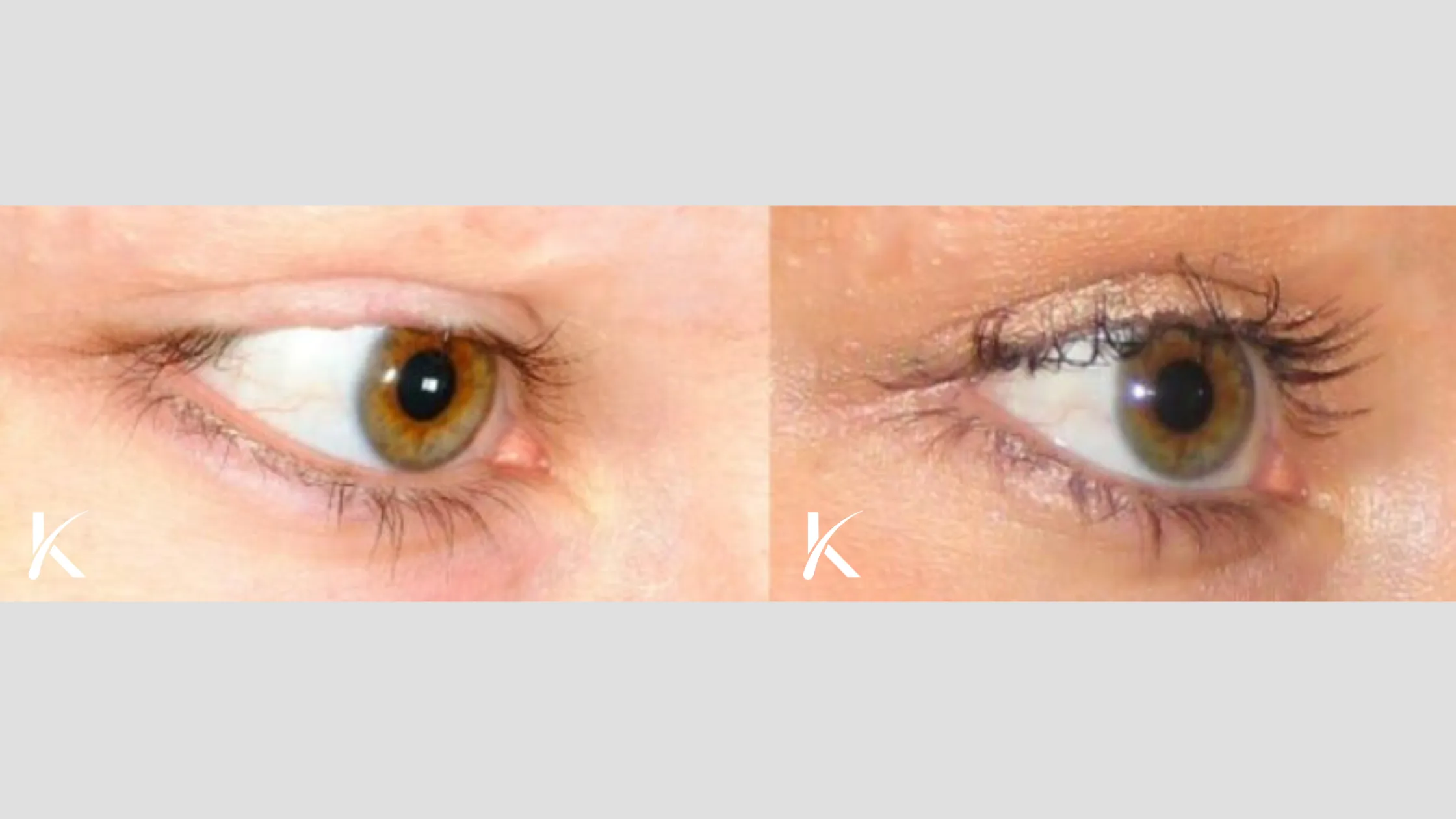
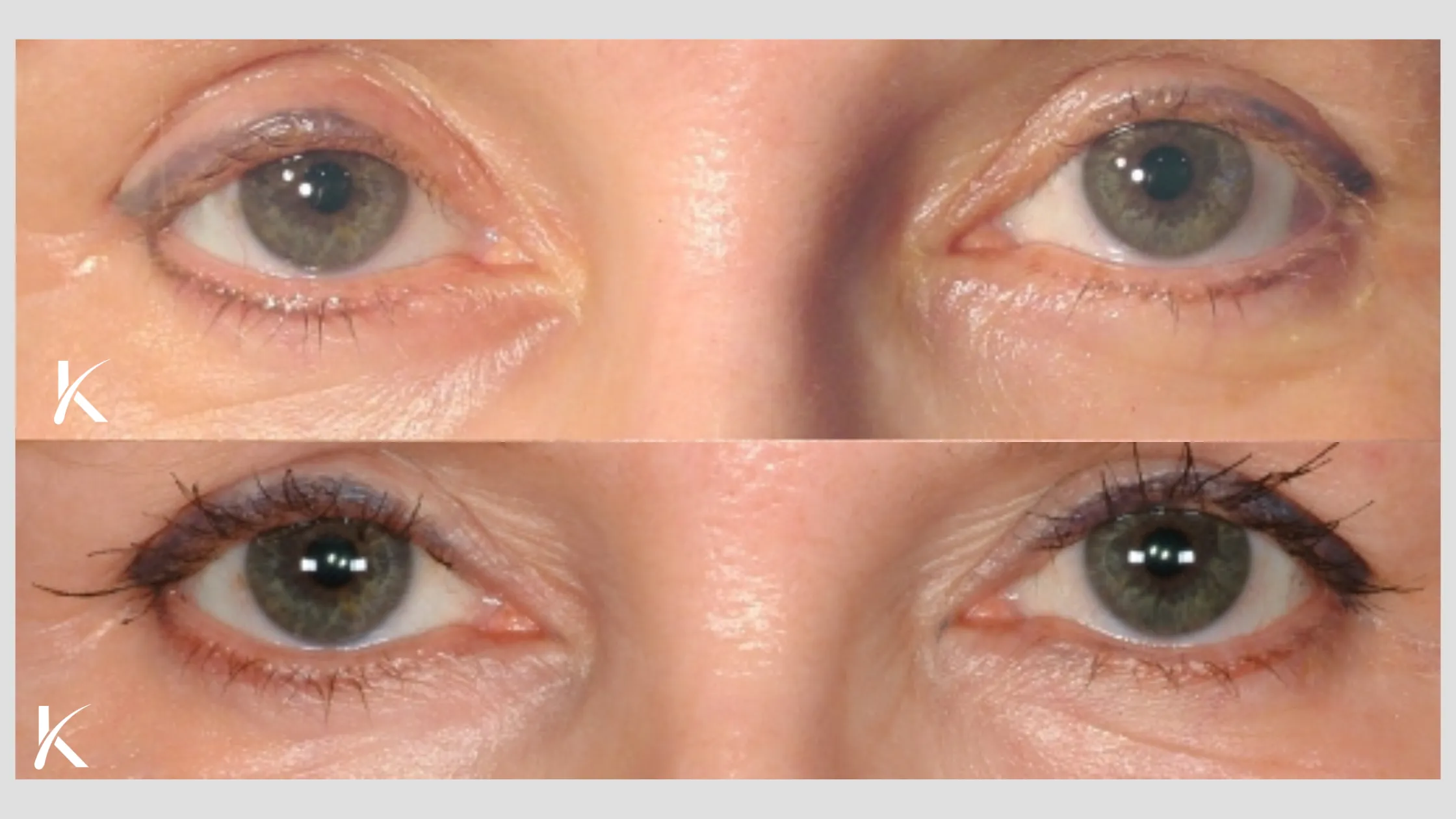
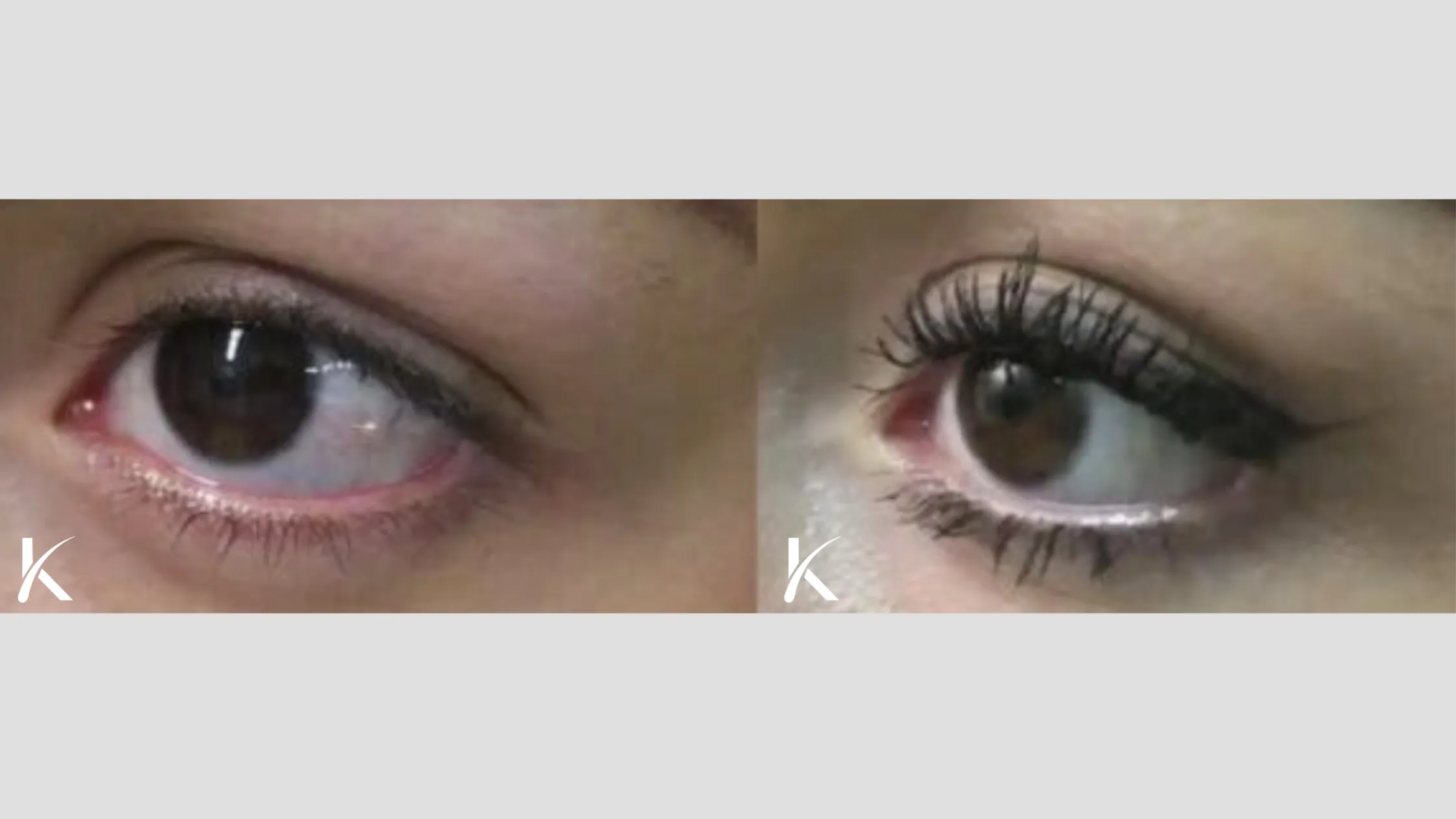
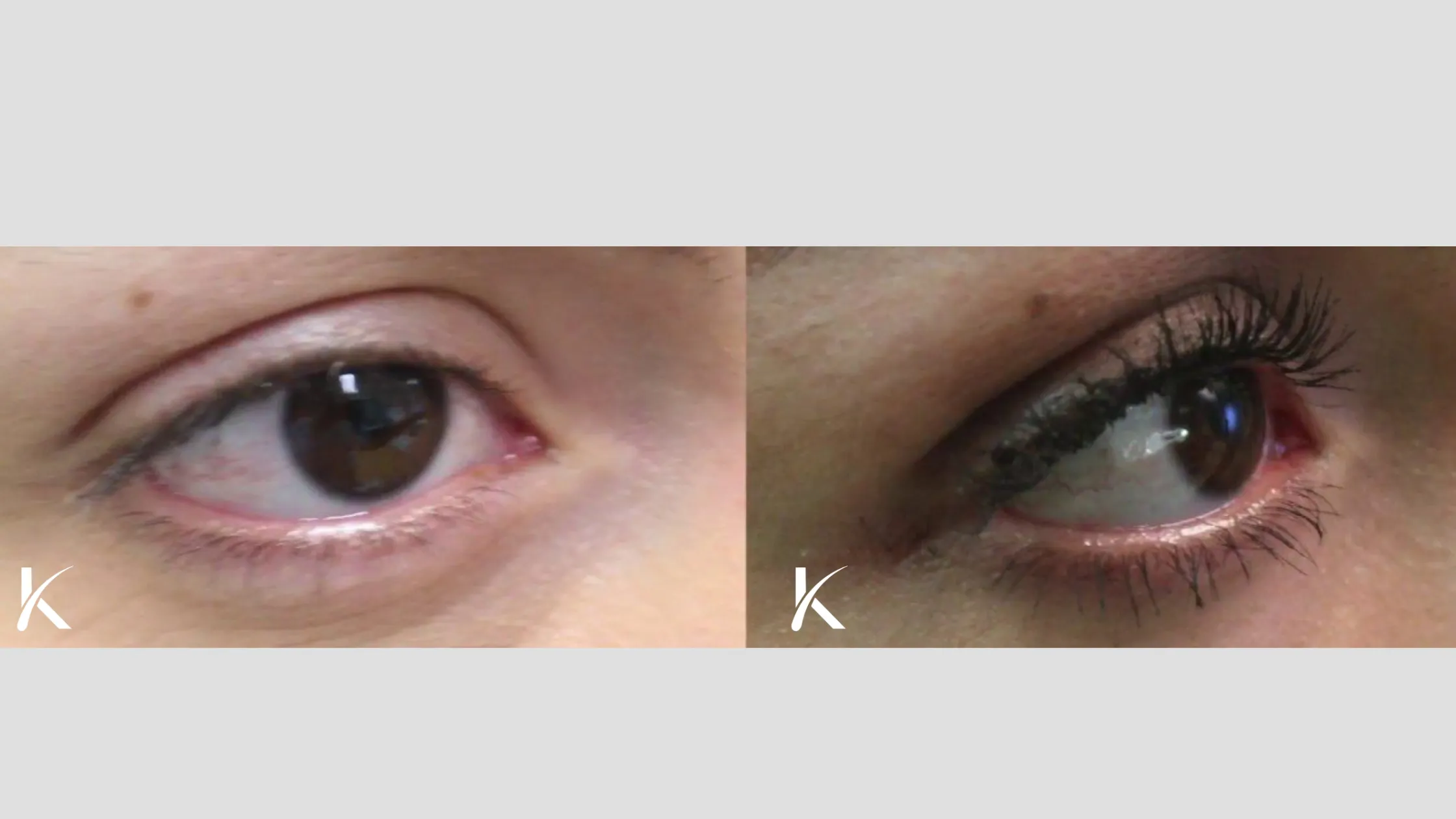
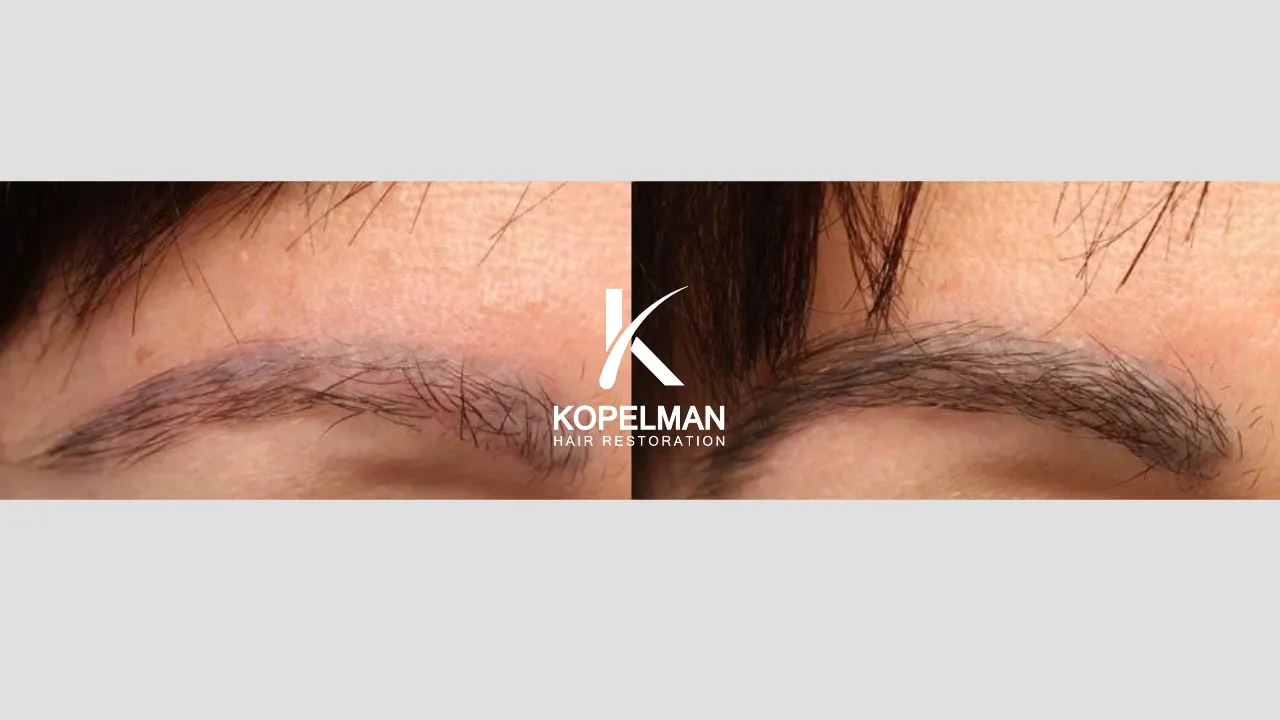
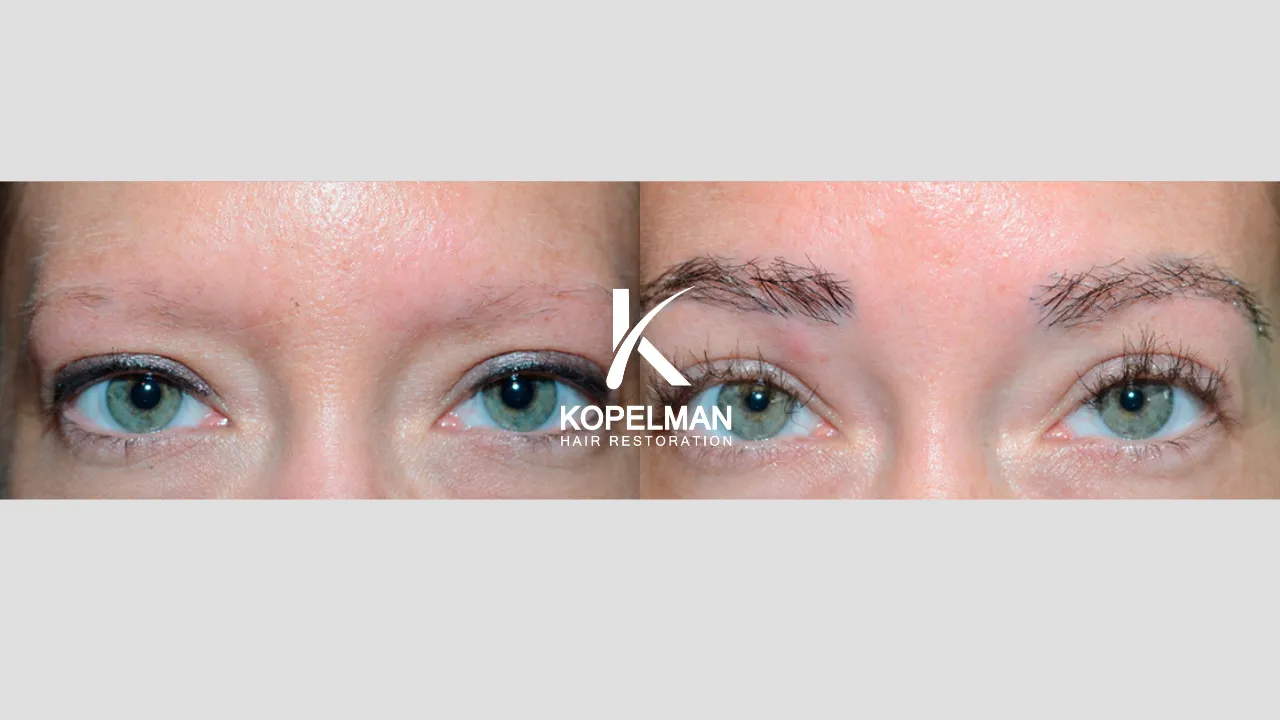
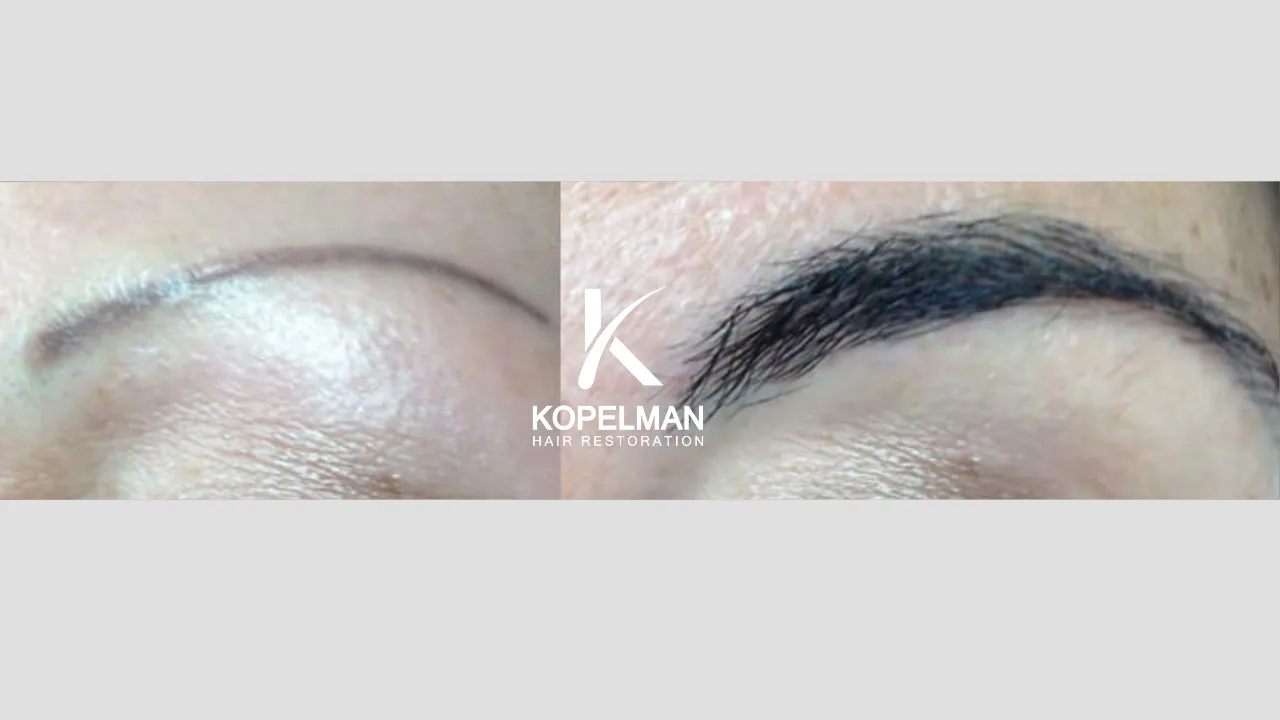
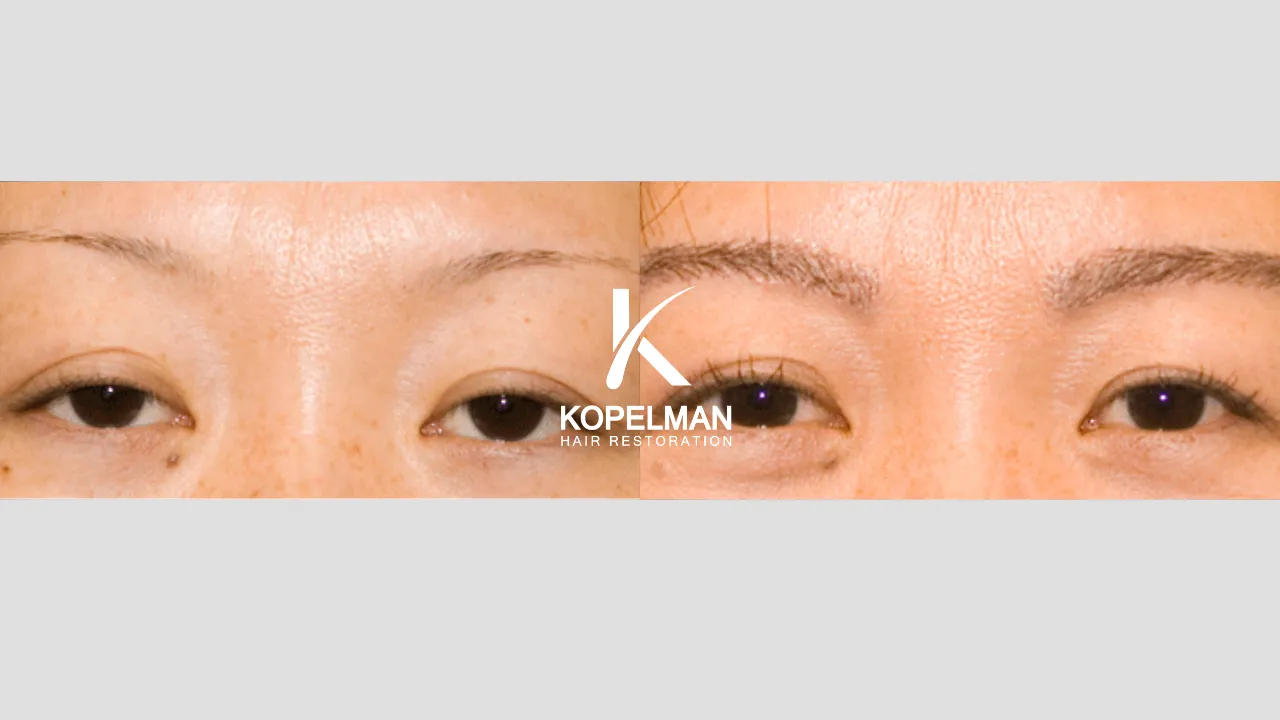
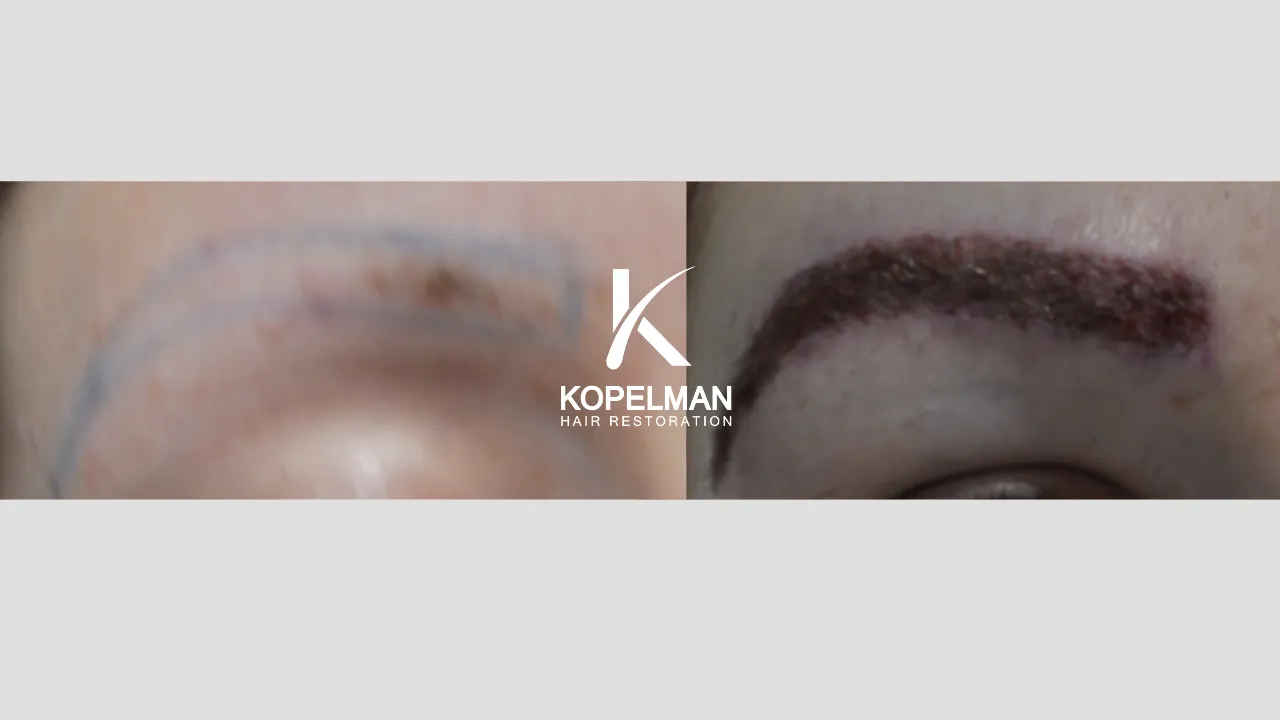
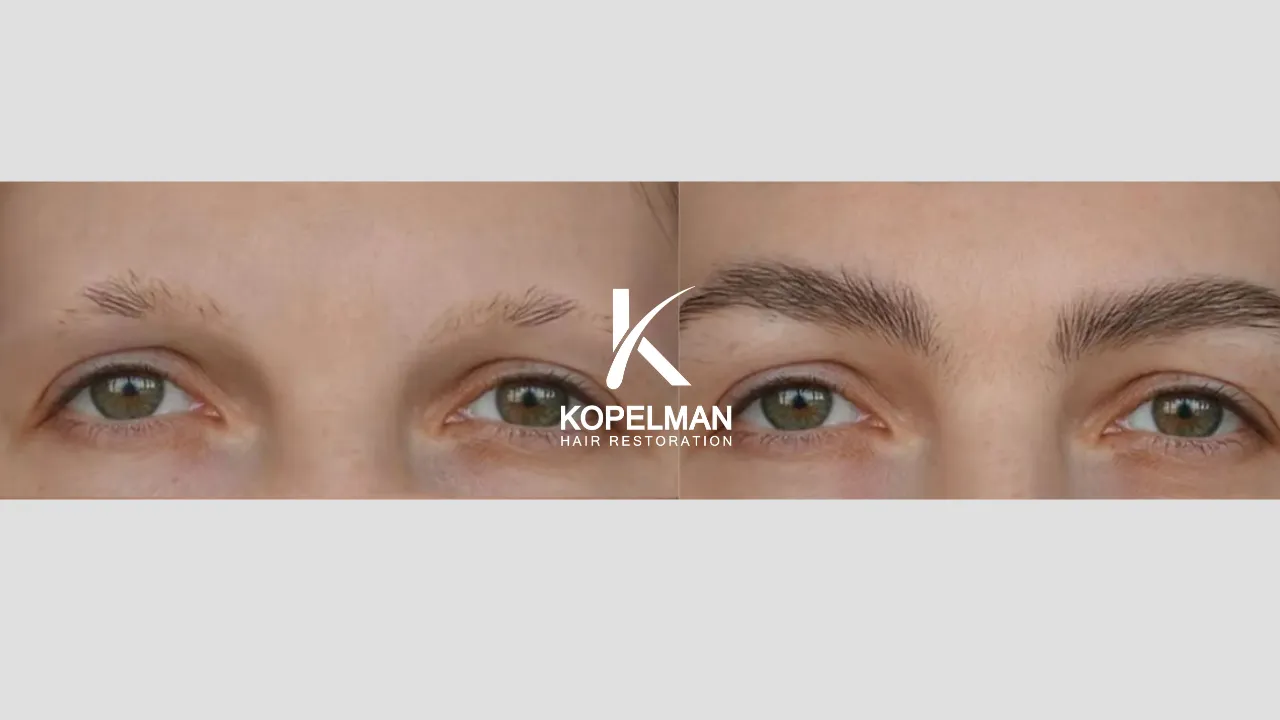
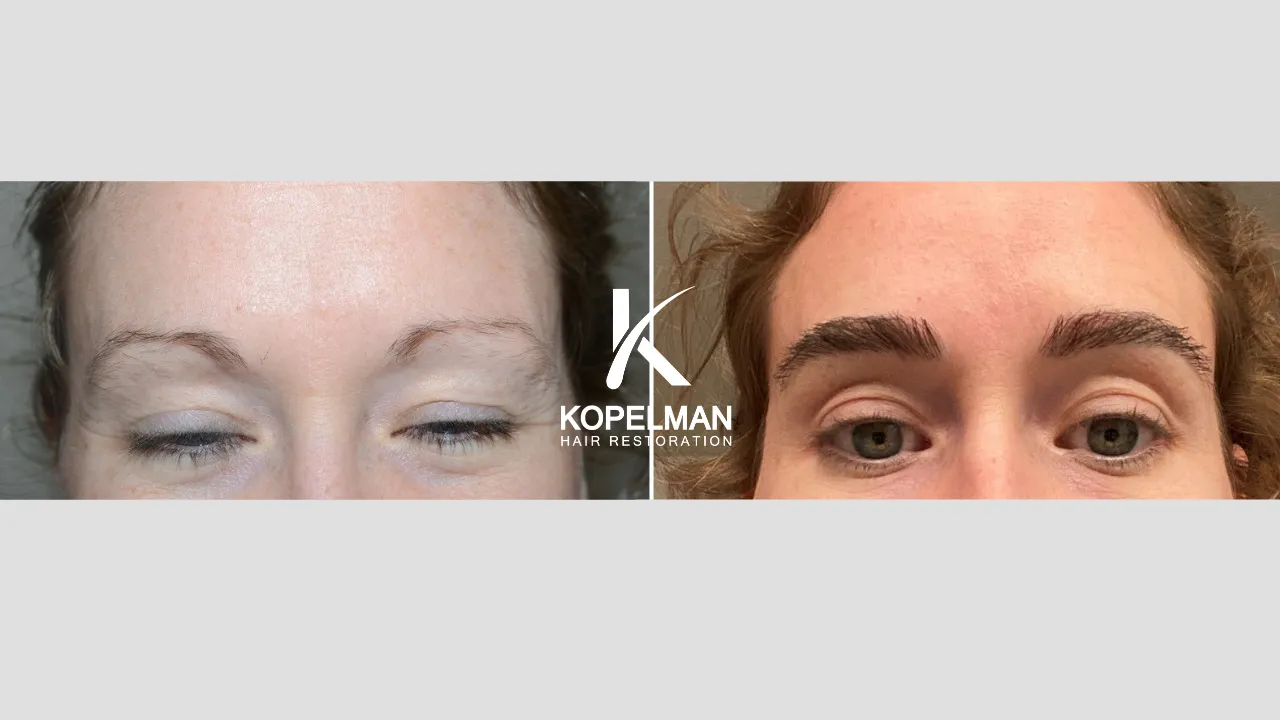
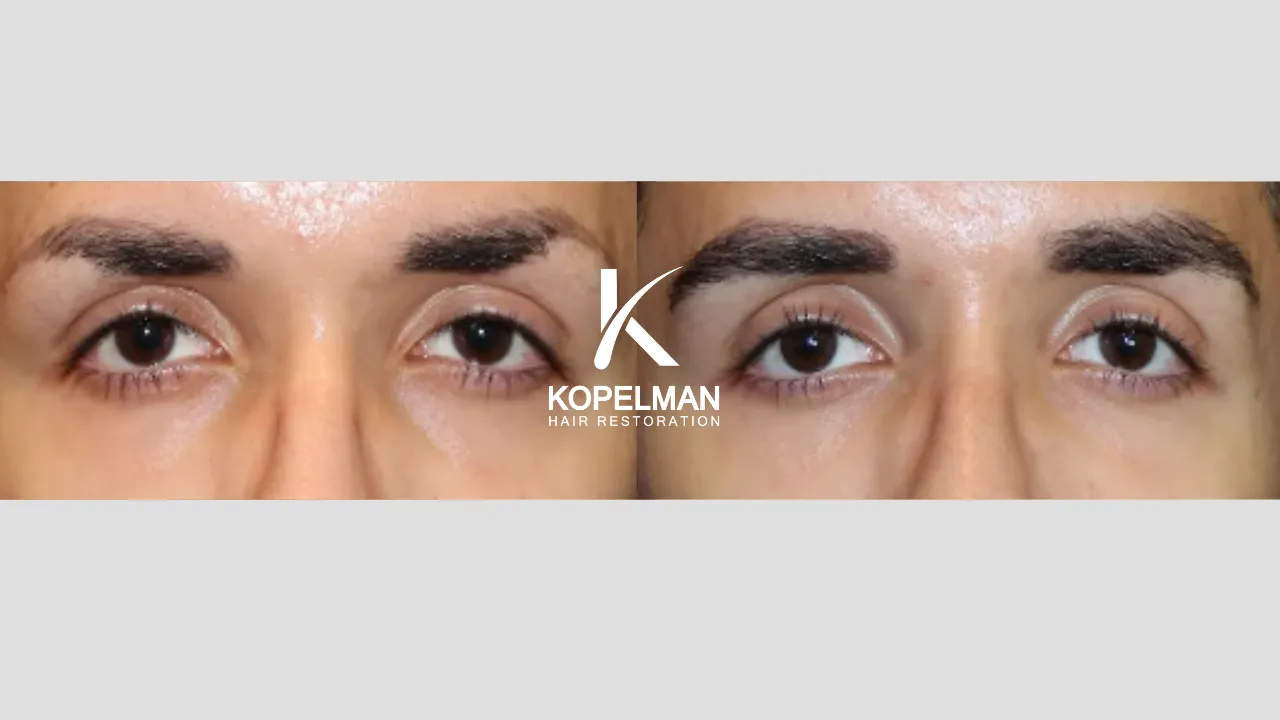
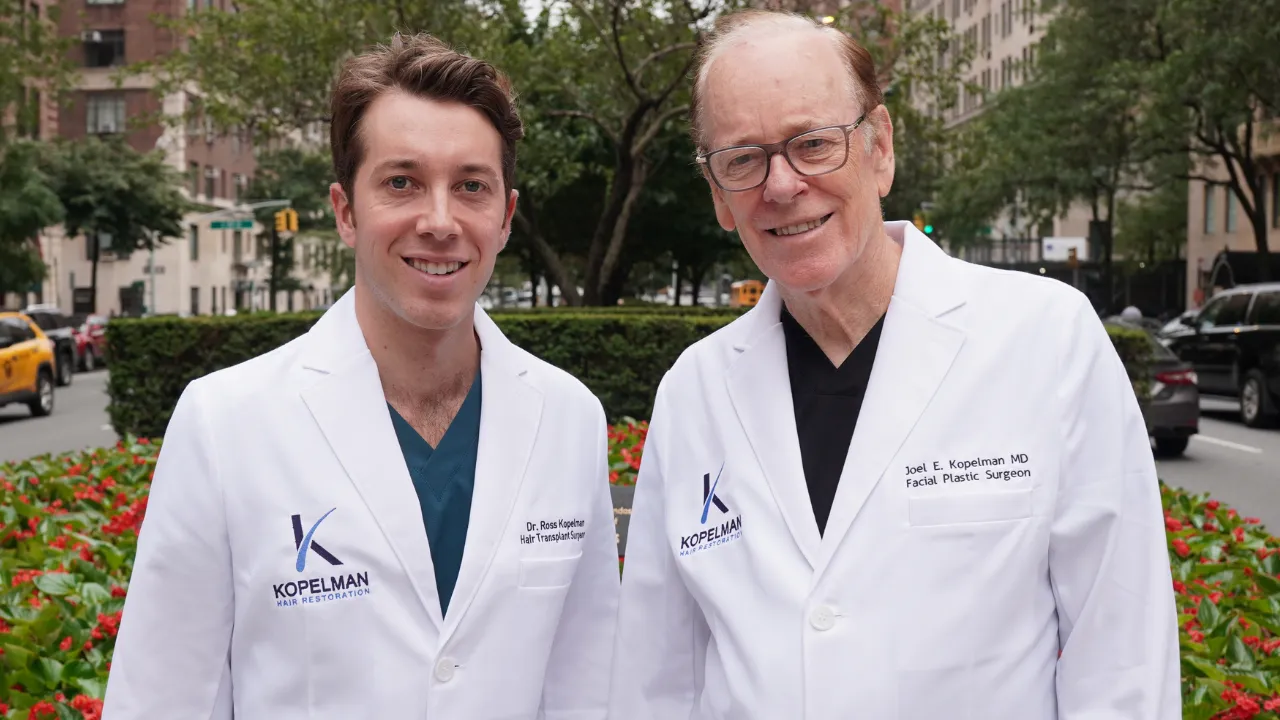
These eyelash transplant before-and-after photos show real patient results from procedures performed by Dr. Ross Kopelman. Each set of images captures the lash line prior to surgery alongside the final outcome, giving prospective patients a clear picture of what eyelash transplantation can achieve.
Results vary based on the number of grafts placed, the donor hair characteristics, and the patient’s natural lash condition. Browse the gallery below, then continue reading for a full overview of how the procedure works, what the recovery timeline looks like, and who makes a strong candidate.
How the Eyelash Transplant Procedure Works
The eyelash transplant procedure begins with harvesting donor follicles, typically from the back of the scalp where the hair is fine and grows consistently. Individual follicular units are separated under a microscope, then inserted one by one into the eyelid margin using a curved needle. The technique shares core principles with eyebrow and eyelash transplant surgery, though the placement angle and graft count differ between the two procedures.
Placement requires extreme precision. Each graft must be angled to match the natural curve and direction of existing lashes so the results blend seamlessly. Depending on the extent of lash loss and the desired fullness, most patients receive between 30 and 60 grafts per eyelid.
The surgery is performed under local anesthesia with mild oral sedation, and most sessions take approximately one hour per eyelid. Patients remain awake and comfortable throughout. Because the grafts come from scalp hair, the transplanted lashes will continue to grow and will need to be trimmed and curled periodically to maintain a natural appearance.
Common Causes of Eyelash Loss
Eyelash thinning or loss can result from a range of conditions. Understanding the underlying cause helps determine whether eyelash transplantation is the right solution or whether a medical issue needs to be addressed first.
Repeated application and removal of eyelash extensions can damage the follicle over time. The adhesive and weight of the extensions place ongoing tension on the natural lash, and prolonged use may lead to permanent loss.
This compulsive pulling disorder can target the eyelashes specifically. Patients with active trichotillomania typically need to manage the condition before pursuing surgical lash restoration, since continued pulling would compromise the grafts.
Whether eyelashes grow back after being pulled out from the root depends on the extent of follicle damage and how long the pulling has continued.
Chemotherapy and radiation therapy frequently cause temporary or permanent lash loss. Certain topical and systemic medications can also contribute to thinning.
Physical injury, chemical burns, or surgical scarring along the eyelid can destroy follicles permanently. These cases are among the strongest clinical indications for the procedure.
Whether eyelashes grow back after being pulled out from the root depends on the extent of follicle damage and how long the pulling has continued.Some individuals are born with naturally sparse lashes, while others experience gradual thinning with age as follicle activity slows.
Results Timeline: What to Expect After Surgery
The eyelash transplant before-and-after photos in the gallery above represent final or near-final outcomes. Here is what the recovery process typically looks like between the day of surgery and that end result.
Mild swelling and slight pinkness around the eyelids is normal. Small scabs form at each graft site where the new follicles were placed. Most patients find recovery comfortable and return to normal activities within a few days.
The transplanted lashes will shed. This is expected and does not mean the grafts have failed. The follicles remain intact beneath the skin and enter a resting phase before new growth begins.
New lash growth becomes visible. At this stage, the lashes are still short and may appear uneven as individual grafts grow at slightly different rates.
The final aesthetic result takes shape. Lashes reach their full length and density, and the overall appearance stabilizes. Since the transplanted follicles originated from scalp hair, they will continue to grow indefinitely. Routine trimming every few weeks and occasional curling with a lash curler keeps them looking natural.
Eyelash Transplantation vs. Other Options
Patients considering lash enhancement typically weigh several alternatives before choosing surgery.
- Mascara and false lash strips offer the simplest solution, but they are purely cosmetic. Mascara coats existing lashes to create the appearance of volume; it cannot add length where follicles are absent. False strips require daily application and removal, and they do not address underlying lash loss.
- Eyelash extensions are professionally bonded to individual natural lashes and can last several weeks per application. However, ongoing salon visits typically cost $150 to $300 or more each session, adding up to $1,500 to $2,000+ per year. As noted above, long-term extension use can also cause traction alopecia, worsening the original problem.
- Latisse (bimatoprost) is an FDA-approved prescription solution that extends the growth phase of existing lash follicles. It can produce noticeable lengthening and darkening within 8 to 16 weeks of daily application. However, Latisse only works on active follicles. If the lashes are missing entirely due to scarring or follicle destruction, the medication has nothing to stimulate. Results also fade if the patient stops applying it, making it an ongoing expense.
- Eyelash transplantation is the only permanent option for patients whose follicles are absent or severely damaged. It is a one-time procedure with results that last a lifetime, though it does require periodic maintenance as described in the procedure overview above
Cost of an Eyelash Transplant
Eyelash transplant pricing varies based on the number of grafts required, whether one or both eyelids are treated, and the complexity of the case. At Kopelman Hair Restoration, eyelash transplantation starts at $20,000.
While the upfront cost is higher than alternatives like extensions or Latisse, the long-term economics often favor a permanent solution. A patient spending $200 per month on extension refills would spend over $7,000 across three years for results that are temporary. Over a decade, that figure exceeds $24,000 with nothing permanent to show for it. By comparison, the one-time investment in eyelash transplantation produces results that last a lifetime.
Frequently Asked Questions
Yes. Once the transplanted follicles establish a blood supply and begin growing, the results are permanent. In most cases, approximately 80 to 90 percent of transplanted follicles survive and produce new lashes. They will continue to grow naturally because they originate from scalp donor follicles. Patients should expect to trim them regularly, just as they would trim the hair on their head.
Ideal candidates have healthy donor hair on the back of the scalp and realistic expectations about the outcome. Patients with lash loss caused by traction alopecia, trauma, burns, or medical treatments tend to see strong results. Those with extremely curly donor hair may not be ideal candidates, as the tight curl can be difficult to train into a natural lash shape and may cause irritation. Active skin conditions or untreated trichotillomania should be managed before surgery.

The surgery is performed under local anesthesia with mild sedation, so patients feel little to no discomfort during the procedure itself. Post-operative soreness is typically minimal and resolves within a few days.
The number varies by patient. Those with complete lash loss may require 30 to 60 grafts per lid, while patients seeking added fullness alongside existing lashes may need fewer. The exact count is determined during the consultation.
When performed by an experienced surgeon, the results blend with the patient’s natural lash line. The key factors are correct graft angle, appropriate spacing, and matching the donor hair caliber to the existing lashes. The before-and-after photos on this page show the type of outcomes patients at Kopelman Hair Restoration have achieved.
Schedule a Consultation
Patients researching facial restoration options often compare eyelash results with procedures like an eyebrow transplant in NYC to understand how follicular grafting techniques translate across different areas of the face.