Mesotherapy for Hair Loss: What to Know
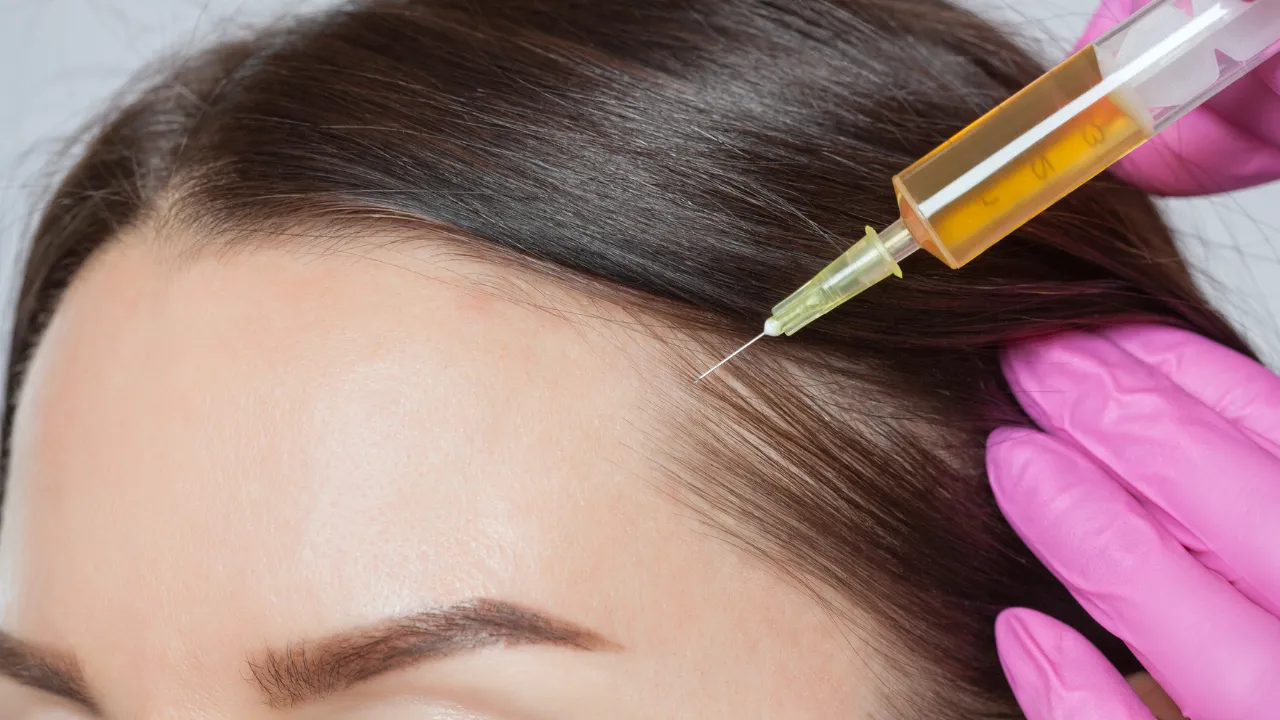
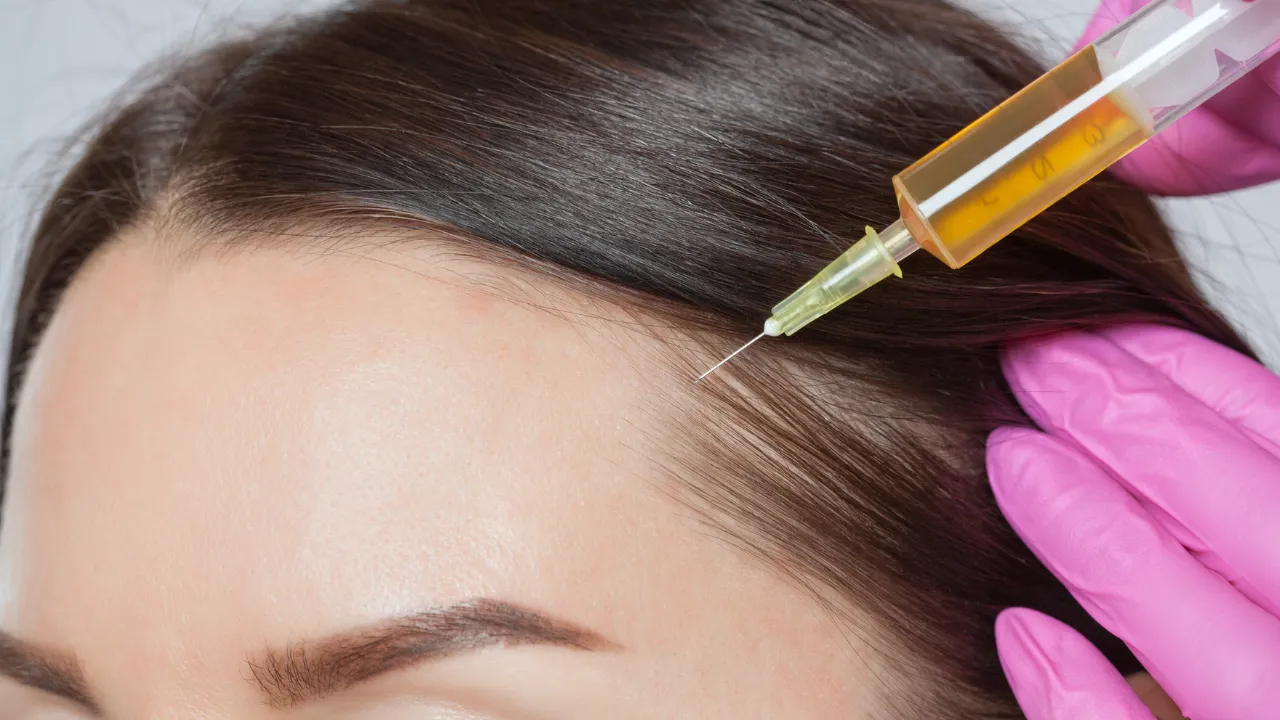
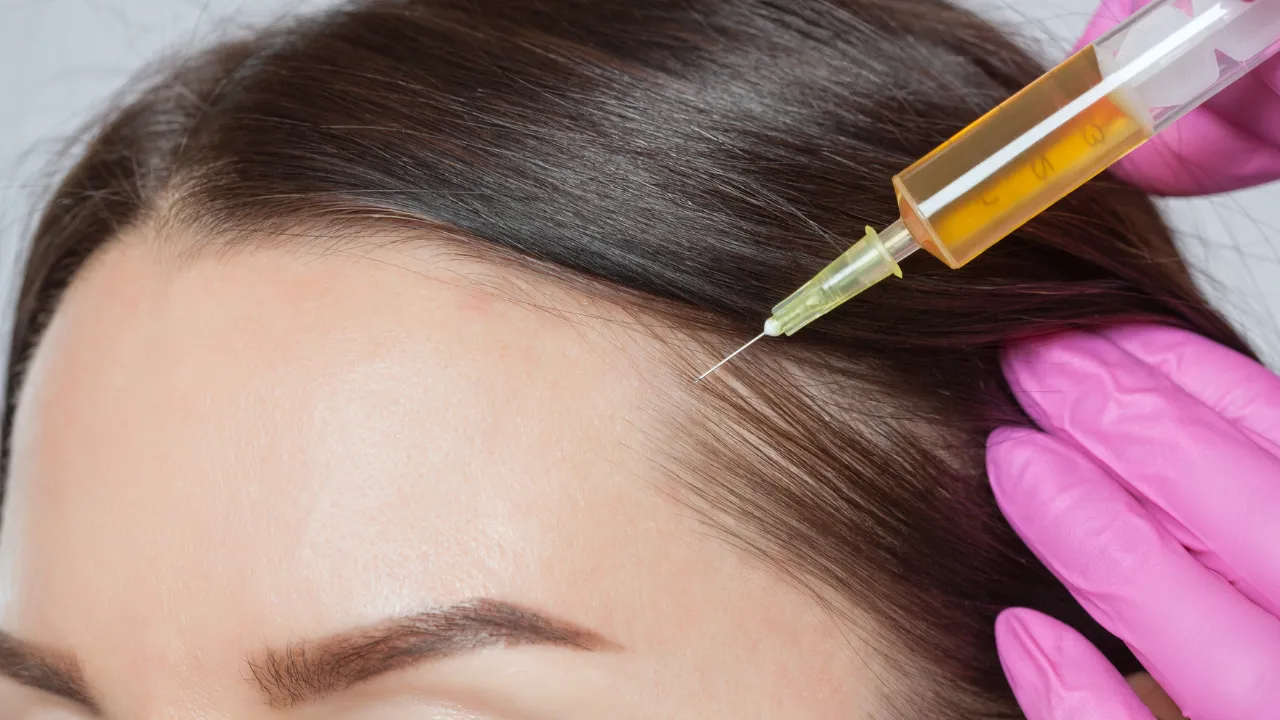
Mesotherapy for hair loss uses fine needles to deliver a custom blend into the scalp. The blend may include vitamins, minerals, amino acids, and growth factors. It may also include medicines like minoxidil.
The injections go into the scalp’s middle layer. The injections aim to boost local blood flow, help weak hair follicles, and support a better environment for regrowth.
A typical session takes about 30 minutes, and most treatment plans call for multiple sessions over several months rather than a single visit. Pricing depends on the provider, location, and number of sessions included, so total cost varies by treatment plan. This guide covers how the treatment works, what the evidence shows, and what to expect before and after.
Is Mesotherapy Effective for Hair Loss?
Mesotherapy involves injecting a solution of vitamins, minerals, amino acids, and growth factors into the scalp and hair follicles. The goal is simple: deliver active ingredients directly where they may help most. This is why some patients pursue mesotherapy hair regrowth to support thinning areas, rather than to reverse hair loss completely. Results vary from person to person. No treatment works exactly the same way for everyone.
What Clinical Research Shows
Studies show mixed results for mesotherapy used alone. Some research points to better hair density when solutions include minoxidil and finasteride, not just vitamins. Other studies note a lack of standard formulas across clinics. This makes outcomes harder to compare directly. Because of this, patients should view mesotherapy as a complement to proven therapies, not a replacement.
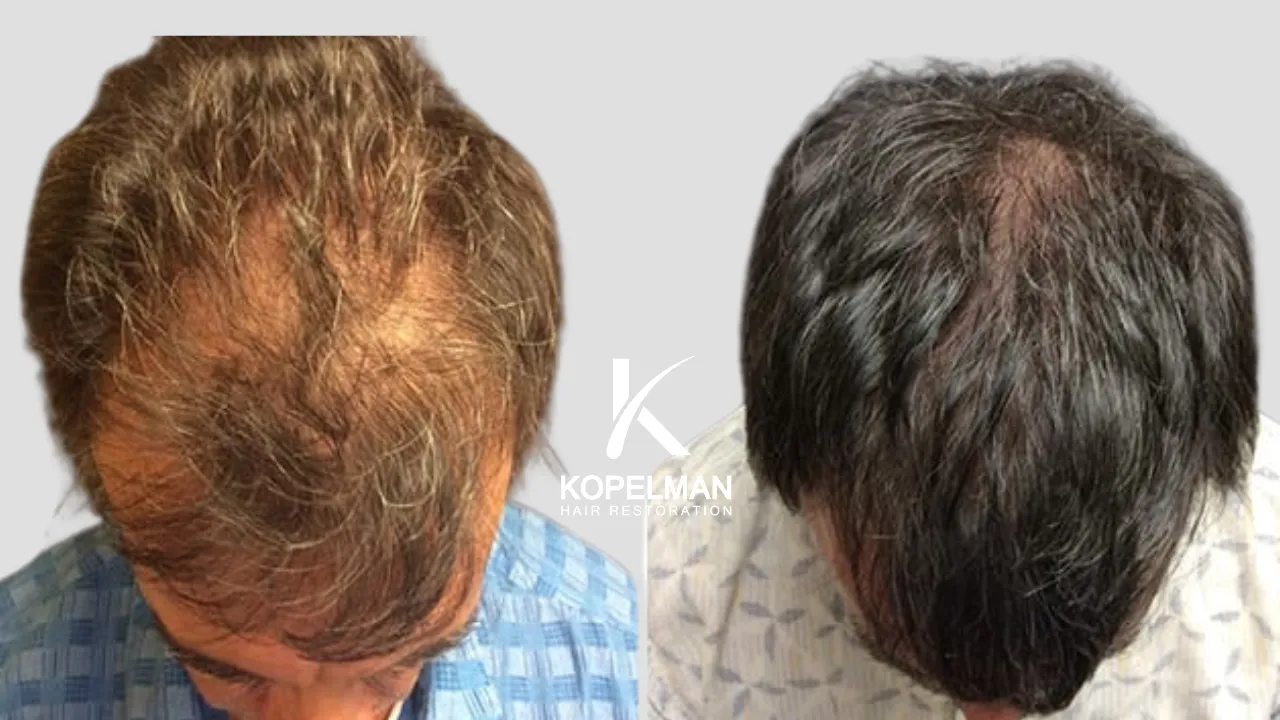
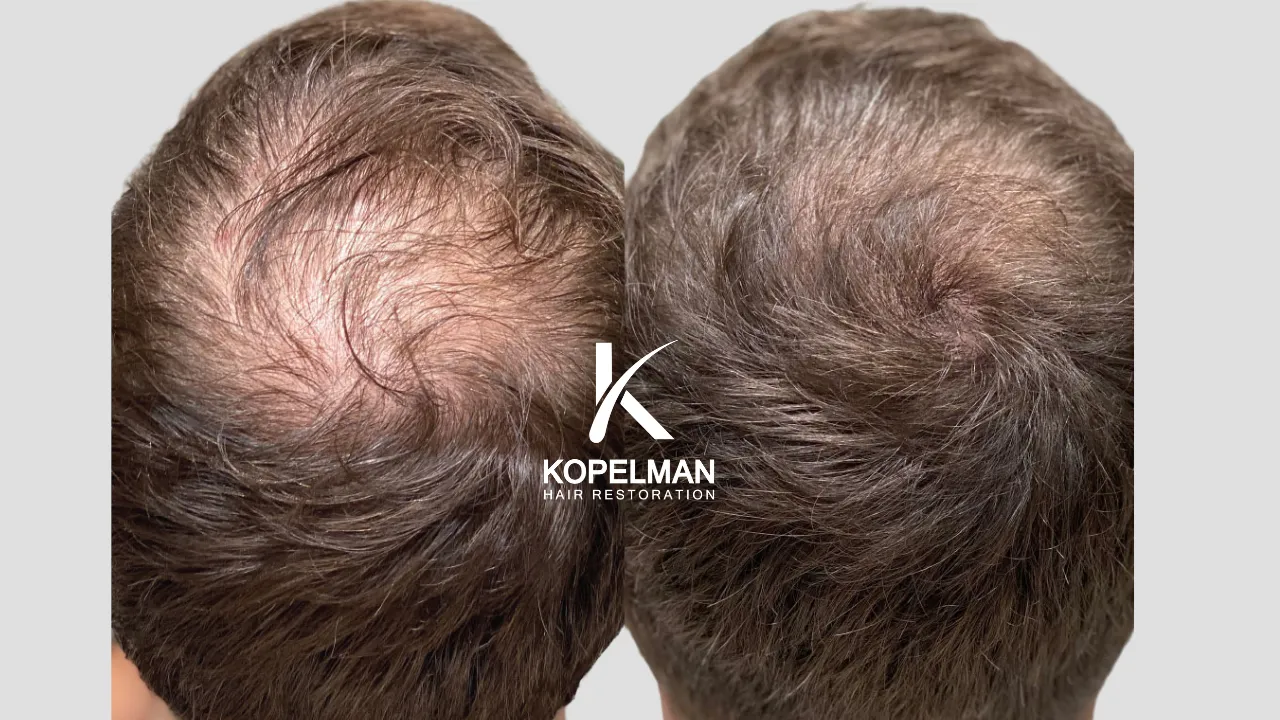
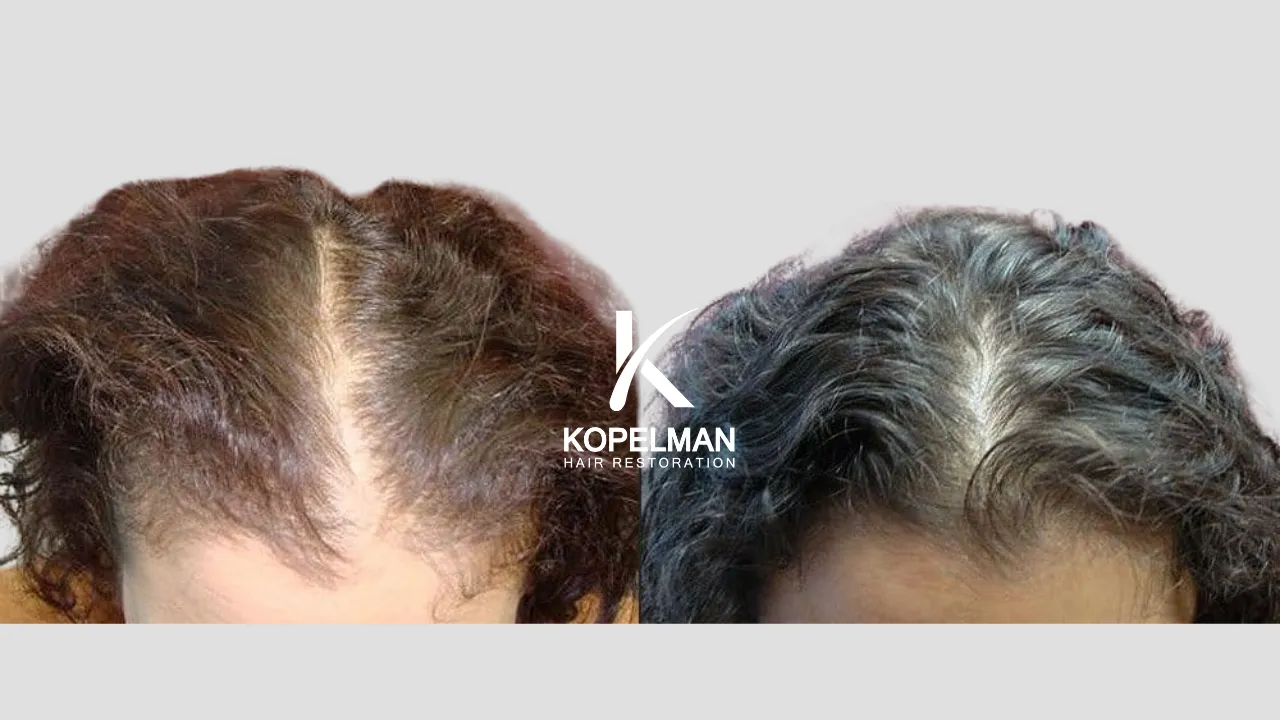
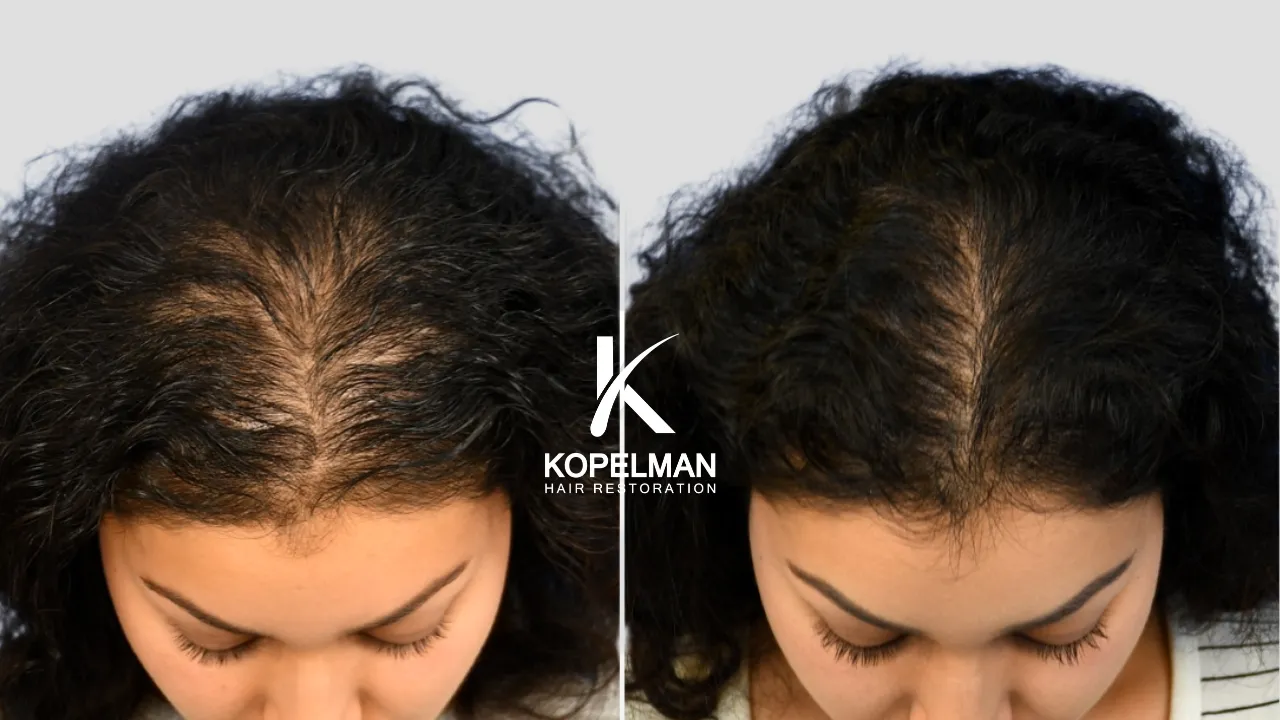
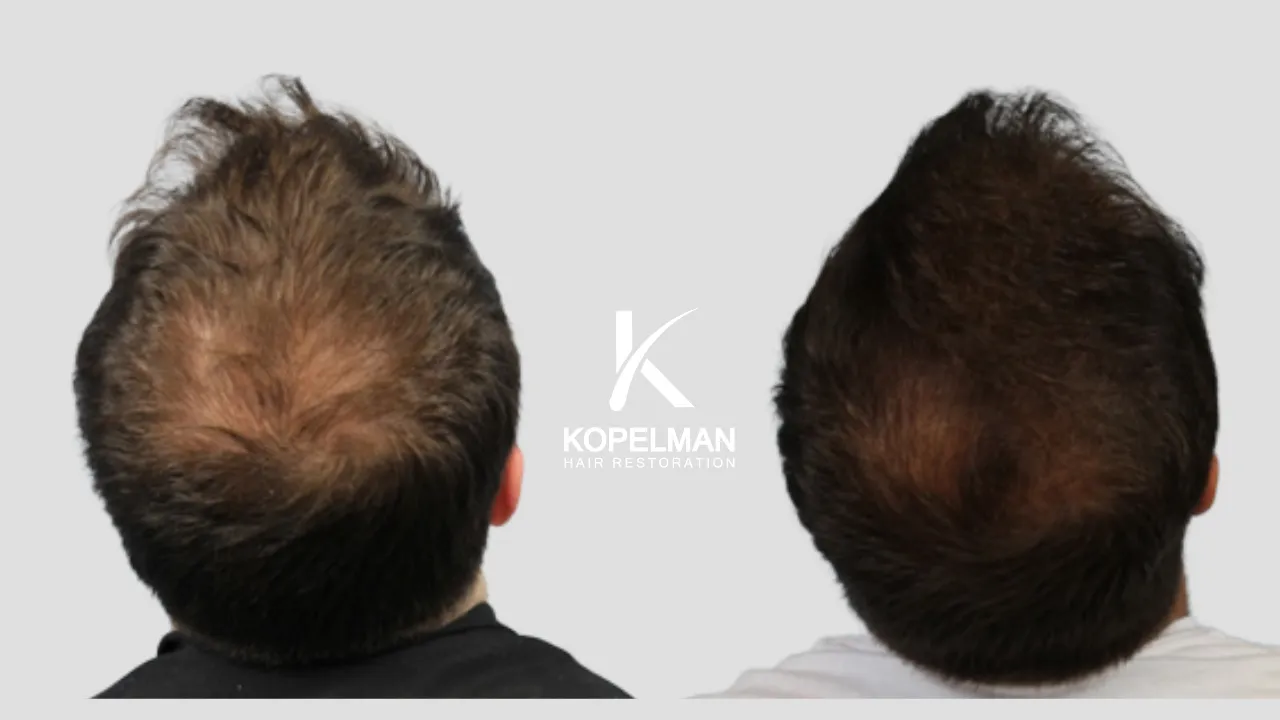
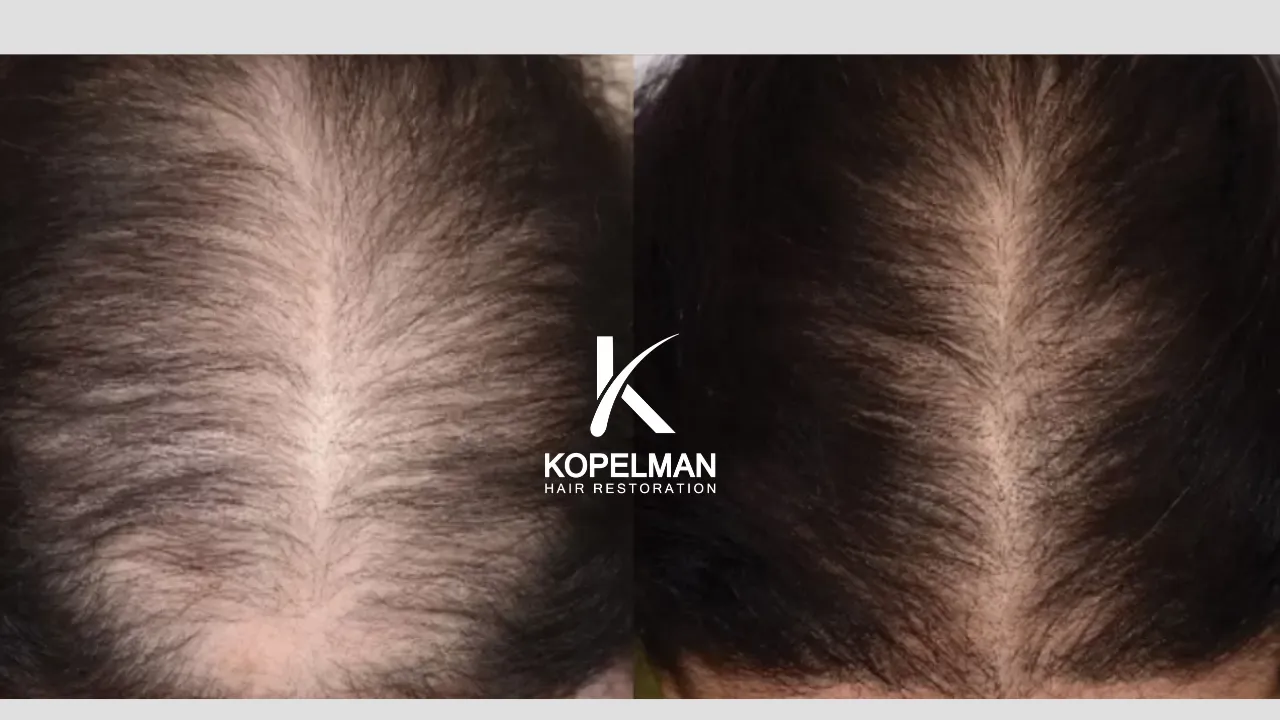
Before and After: Real Results
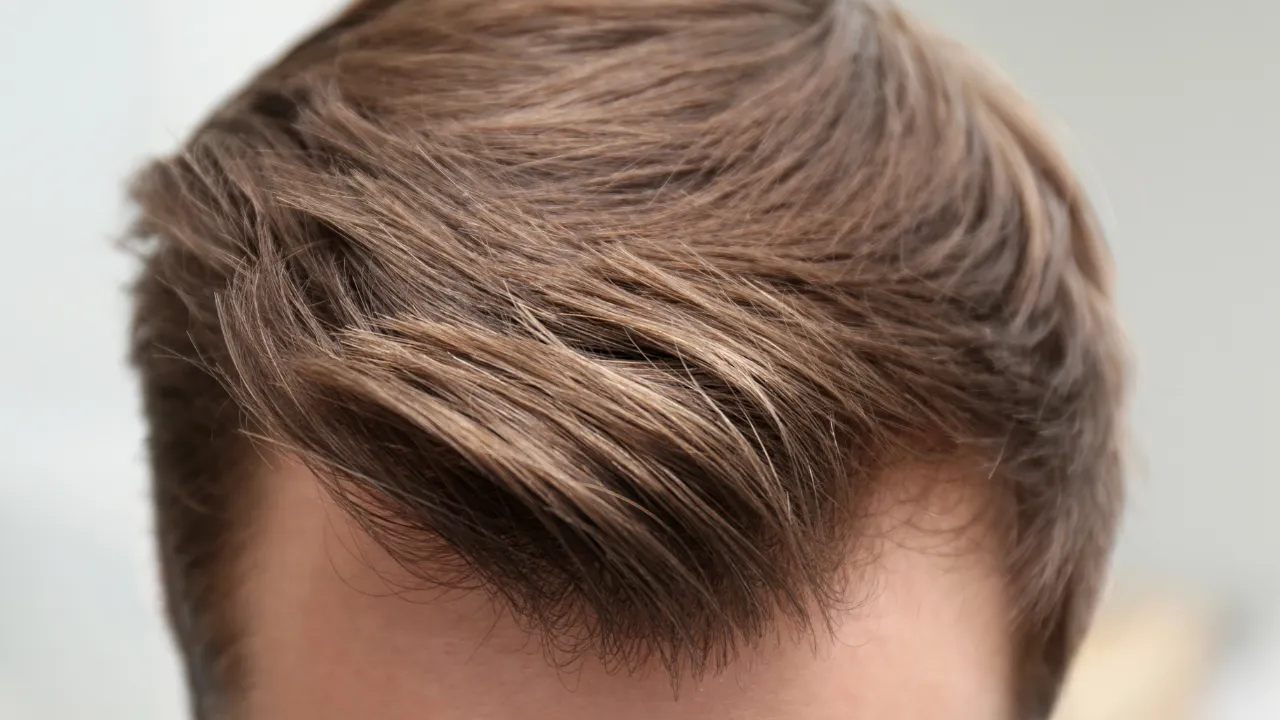
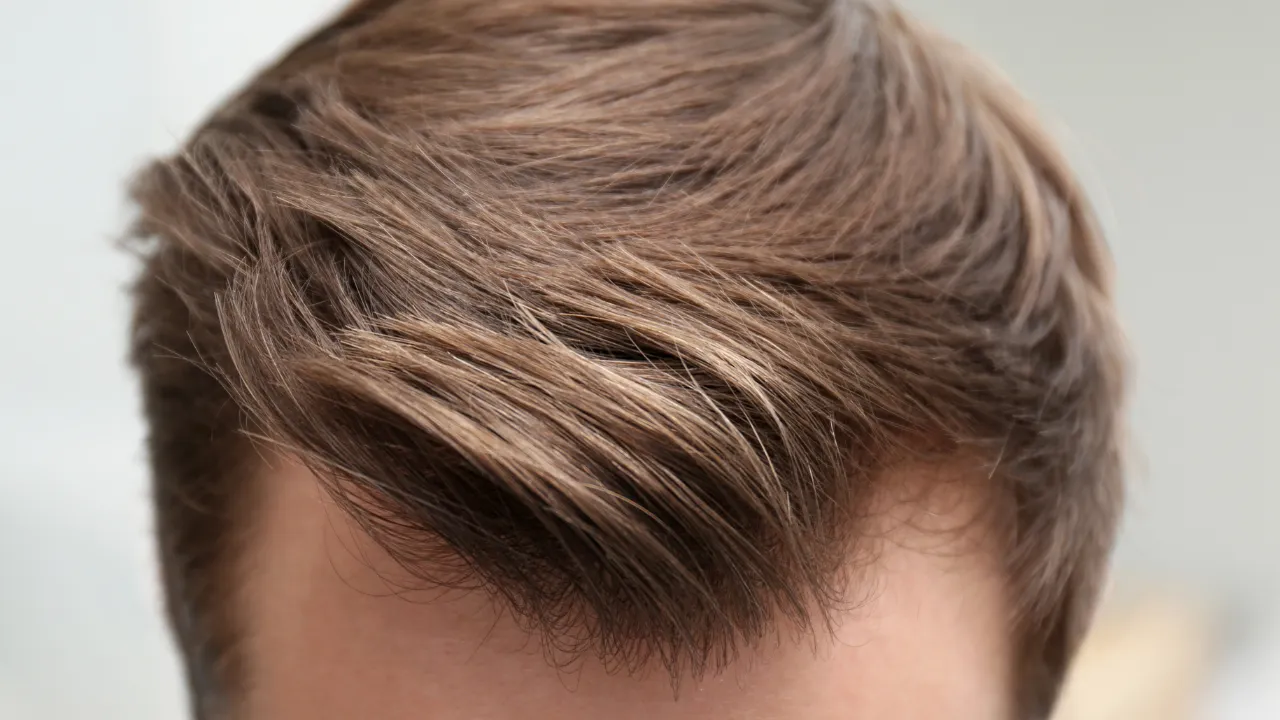
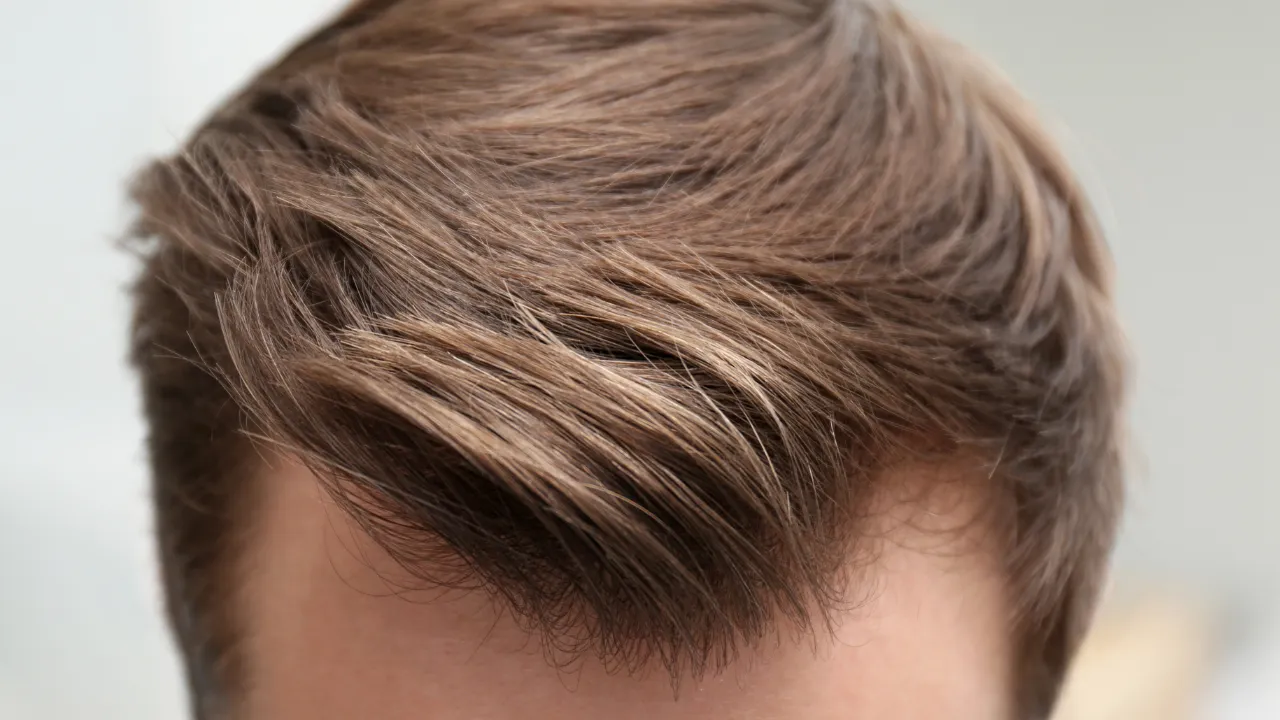
Visible hair regrowth usually takes several months and multiple sessions. Most patients notice thicker-feeling hair and less shedding, rather than dramatic new growth overnight. Dr. Kopelman stresses the value of realistic expectations. Setting them during an in-person consultation leads to better satisfaction with any hair restoration plan.
Mesotherapy for Androgenetic Alopecia and DHT
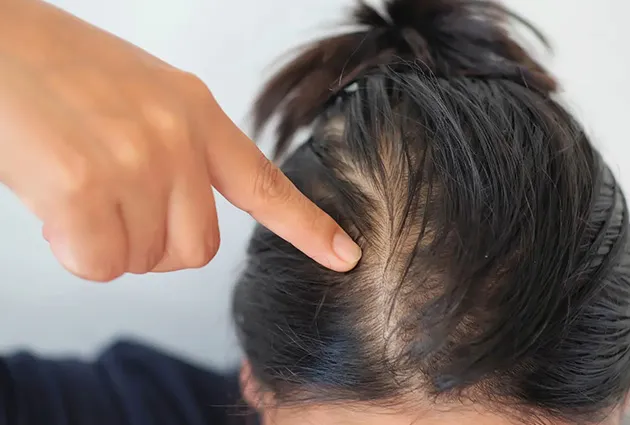
Androgenetic alopecia, also called pattern hair loss, is the most common cause of thinning hair in men and women. DHT, a hormone that shrinks hair follicles over time, drives much of this process.
Female pattern hair loss often looks different. It often shows up as diffuse thinning across the crown rather than a receding hairline. Mesotherapy for alopecia may help support follicle health.
However, it does not block DHT production the way finasteride does. For pattern hair loss, many providers pair mesotherapy with a DHT-blocking medication for a more complete approach.
Who Is a Good Candidate
Good candidates for mesotherapy usually have early-stage thinning, not advanced baldness. Active hair follicles need to be present for treatment to have something to work with.
A consultation with Dr. Kopelman or a member of the clinical team helps confirm whether mesotherapy fits a patient’s hair loss pattern and goals.
How Mesotherapy for Hair Loss Works
Mesotherapy uses fine needles to place a solution into the skin’s middle layer, just below the surface. This placement lets ingredients reach hair follicles more directly than topical products applied to the scalp’s surface.
The technique aims to improve blood flow to the area and create a better environment for hair growth. Mesotherapy is also used more broadly for skin rejuvenation.
This is part of why the technique feels familiar to patients outside of hair restoration.
What Goes Into a Mesotherapy Solution
A typical mesotherapy solution combines vitamins, minerals, amino acids, and growth factors. Some formulas also include topical minoxidil or other hair growth medications mixed into the injection.
The exact blend depends on the provider and the patient’s specific type of hair loss. Because of this, formulas are rarely one-size-fits-all.
What to Expect: Treatment, Recovery, and Side Effects
A typical mesotherapy session takes about 30 minutes. Before injections begin, the provider may apply a numbing cream to reduce discomfort at the injection site. Because the needles are so fine, most patients describe the feeling as mild rather than painful.
The Mesotherapy Procedure
During treatment, the provider gives a series of small injections across the thinning areas. Sessions are usually spaced several weeks apart. Most plans require multiple visits over several months.
Consistency matters more than any single session for seeing results.
Recovery Time and Aftercare
Downtime after mesotherapy is minimal. Most patients return to normal activities within a day. Mild redness or tenderness at the injection site is common and usually fades quickly.
Patients are typically advised to avoid harsh hair products and excessive sun exposure for a short period after treatment.
Common Side Effects and Safety Concerns
Side effects are generally mild. They may include redness, swelling, or slight tenderness at the injection sites. Less common reactions include headache or a temporary tight feeling in the scalp.
Anyone considering mesotherapy should discuss their full medical history with a qualified provider first, since not everyone is a good candidate.
Mesotherapy vs. Minoxidil, Finasteride, and PRP
Mesotherapy is one of several options patients weigh when addressing thinning hair. It’s rarely used alone.
Comparison With Other Hair Loss Treatments
Topical minoxidil is FDA-approved. It’s widely used to improve blood flow to follicles and extend the hair growth cycle. Finasteride works differently: it reduces DHT levels to slow pattern hair loss at its hormonal source.
PRP, or platelet-rich plasma therapy, uses a patient’s own blood to stimulate hair follicles and increase hair density. Mesotherapy can complement any of these approaches, though it’s generally seen as less established on its own.
Natural and Medical Alternatives
Some patients look for extra support alongside mesotherapy. Common choices include scalp massage, dietary changes, or hair growth supplements.
These approaches may support overall scalp health, but they’re unlikely to reverse significant hair loss on their own.
Medical options like minoxidil and finasteride remain the most studied paths to promote hair growth for pattern hair loss; an overview of all available hair loss treatment options can help readers compare approaches.
Mesotherapy Hair Cost: Pricing and Considerations
Mesotherapy pricing varies by provider, location, and the number of sessions in a treatment plan. Because results depend on a consistent series of visits, not one appointment, total cost should account for the full course of treatment.
Kopelman Hair does not offer financing. Patients are encouraged to discuss pricing directly during a consultation.
Frequently Asked Questions
Does mesotherapy hurt?
Most patients feel only mild discomfort. Fine needles and an optional numbing cream help keep it comfortable.
How many sessions are needed?
Plans vary, but multiple sessions spaced weeks apart are standard for meaningful results.
Can mesotherapy work for androgenetic alopecia?
It may help support follicle health. It’s typically paired with proven treatments like minoxidil and finasteride for pattern hair loss.
Is mesotherapy right for everyone?
No. Candidates need active hair follicles. A consultation with Dr. Kopelman helps confirm whether it’s a good fit.