Celebrity Hair Transplants: Before and After
Celebrities with hair transplants have become one of the most searched topics in cosmetic medicine, and celebrity hair transplants before and after comparisons are the most requested format for understanding what these procedures actually produce
This guide from Kopelman Hair is an educational explainer that reviews which public figures have addressed hair loss, how the underlying procedures work, and what celebrity hair transplants before and after comparisons can and cannot tell you. Readers will learn to separate confirmed disclosures from speculation, understand the techniques involved, and set realistic expectations around hair restoration procedures.
Which Celebrities Have Had Hair Transplant?
The short answer is that a wide range of public figures across acting, sport, music, and business have addressed thinning hair, though the level of confirmation varies greatly. Some celebrities have openly discussed their procedures, while others are the subject of speculation based only on visible changes in appearance over time.
Terms like celebrity hair implants and stars with hair plugs are often used loosely in media coverage, even though modern methods differ substantially from the older “plug” techniques of past decades.
Because this guide covers many names, the table of contents lets readers jump directly to the category or figure most relevant to them. Interest in this subject spans both confirmed and rumored cases, and the best celebrity hair transplants are usually the ones that are hardest to detect.
Searches for celebrity baldness, male celebrity hair transplant, and even celebs with good hair show how closely audiences track these changes.
That distinction between public acknowledgment and visual guesswork is central to how a medical professional such as Dr. Kopelman would evaluate any before-and-after comparison.
The lists below group frequently discussed public figures by field. An entry on this page does not confirm that a person underwent surgery; each case is presented as either publicly acknowledged or widely speculated, based on available information.
Athletes and Sports Stars With Hair Transplants
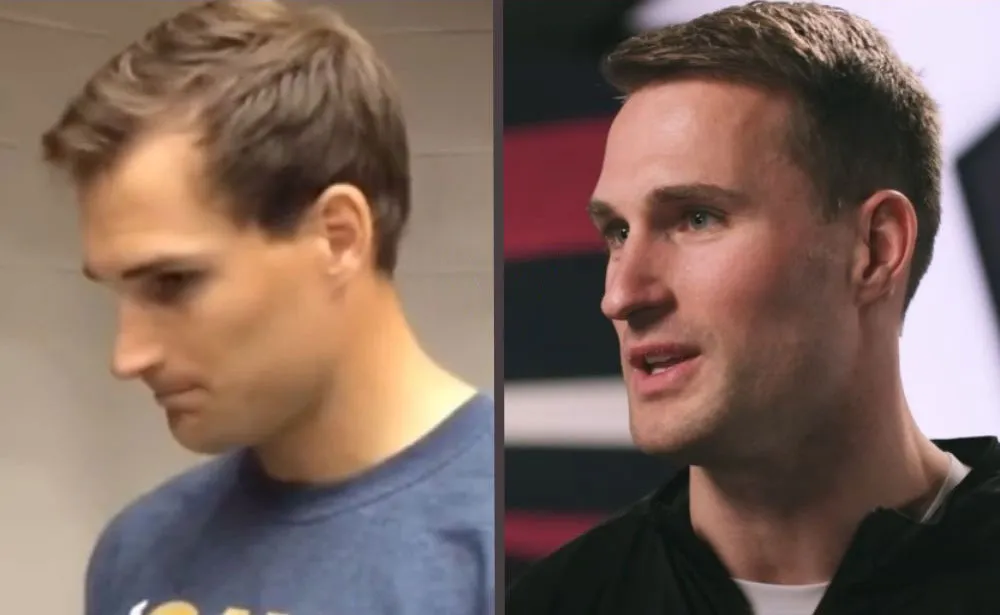
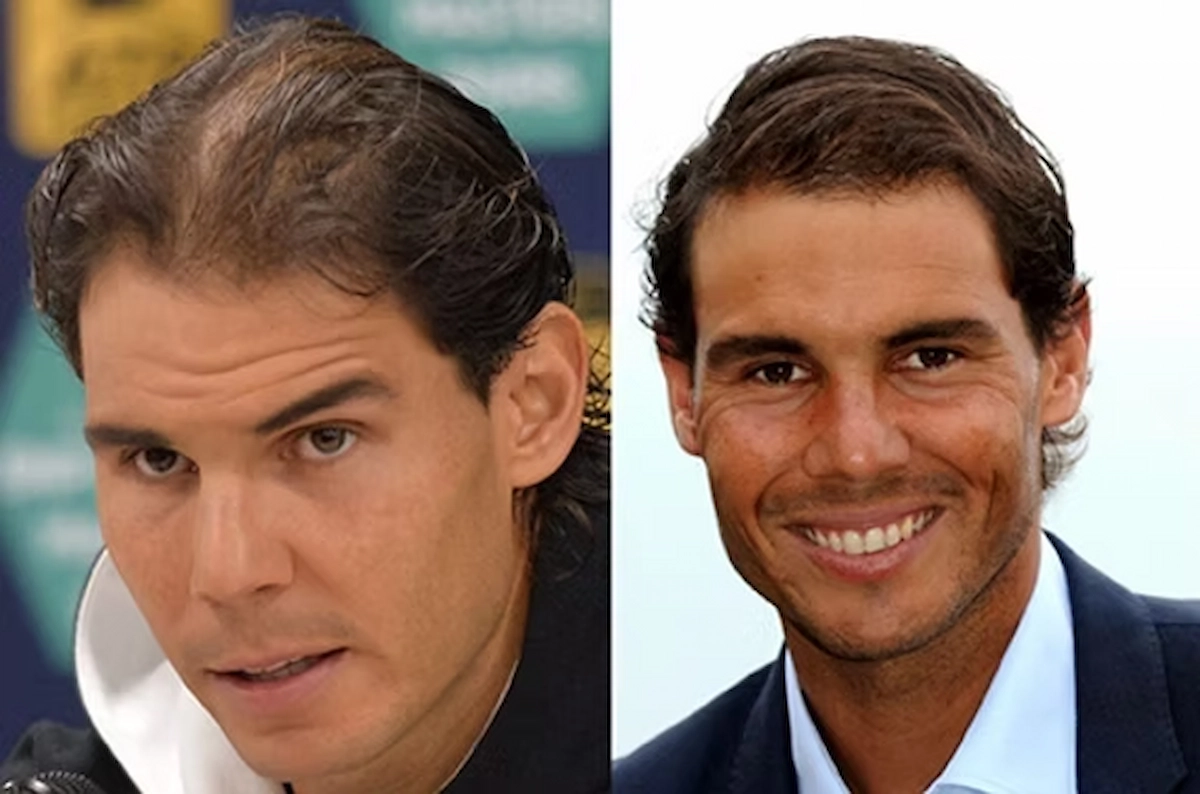
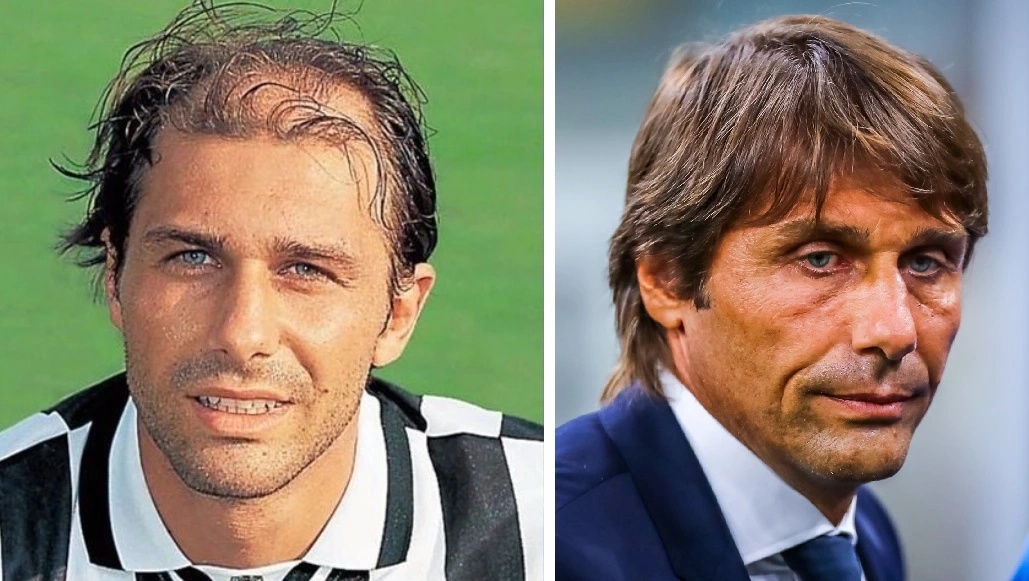
Male celebrities with hair transplants are especially well represented in professional sports, where a receding hairline can surface during peak competitive years.
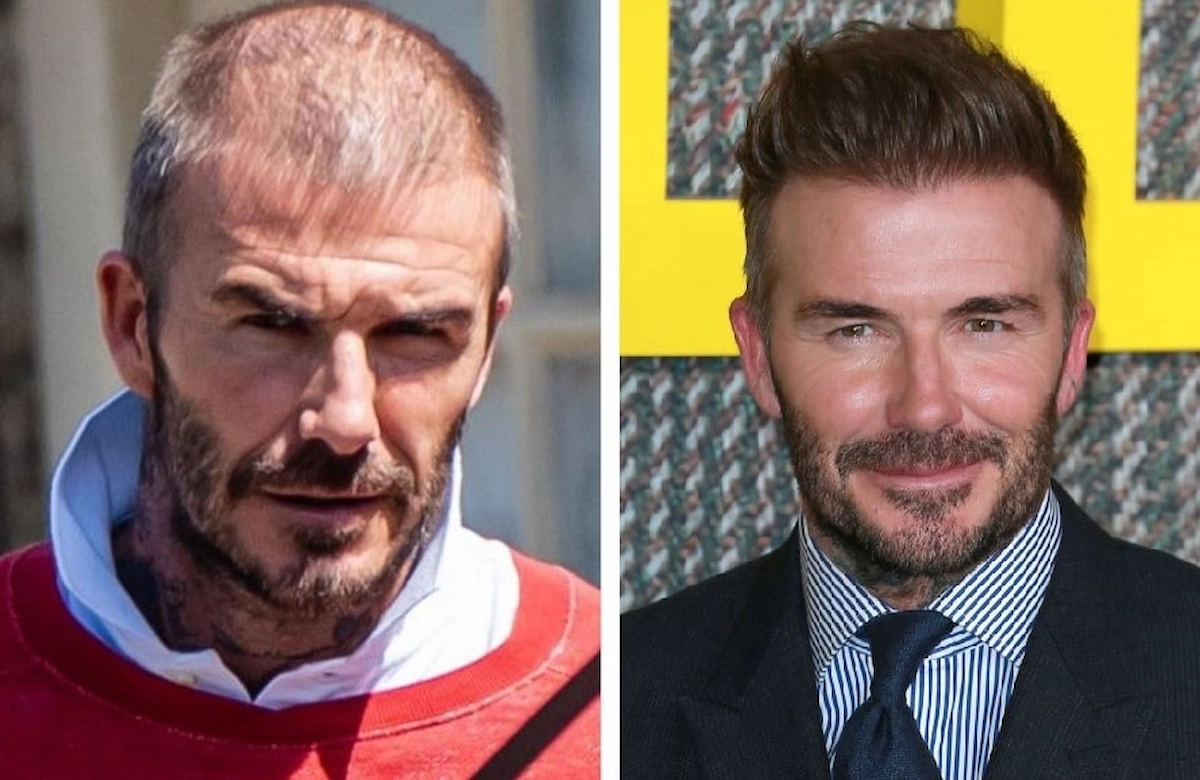
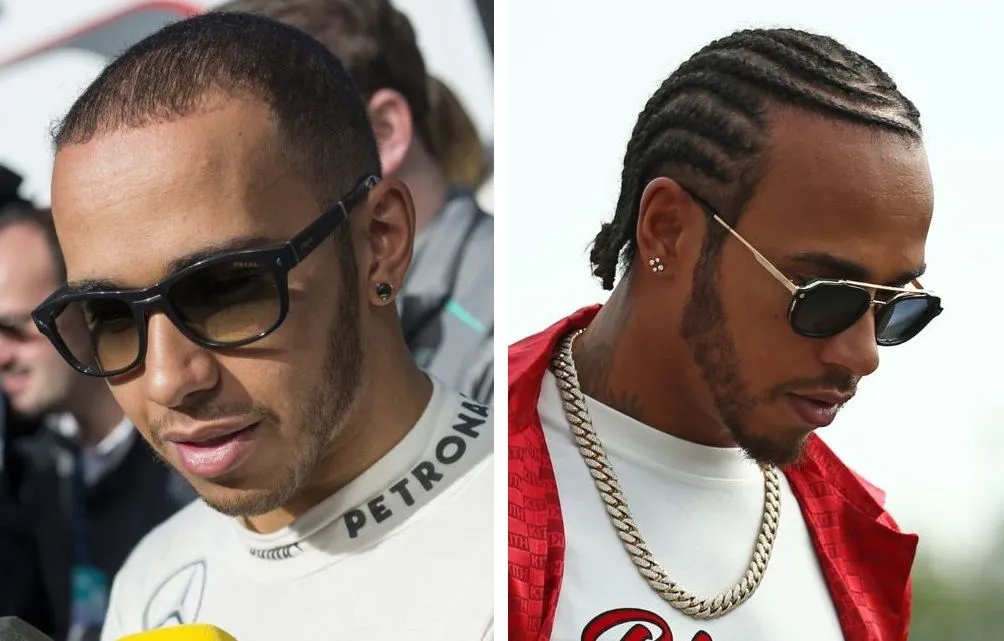
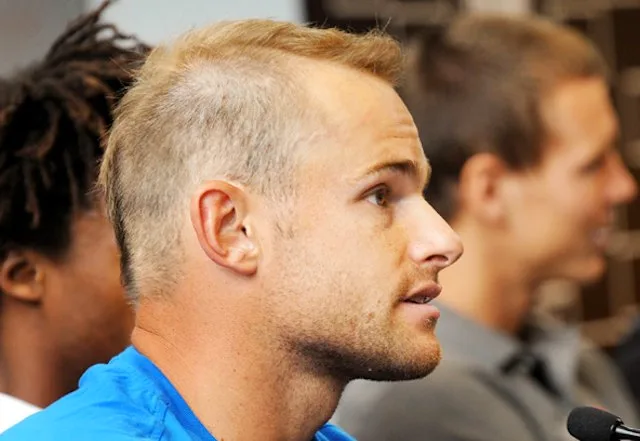
Professional athletes are frequently discussed here because their appearance is documented across long careers, making changes in density easier to notice. Football, motorsport, and combat sports have produced many of the most analyzed cases, and modern fue hair transplantation allows transplanted hairs to be placed individually, which is one reason results on closely watched athletes can appear seamless.
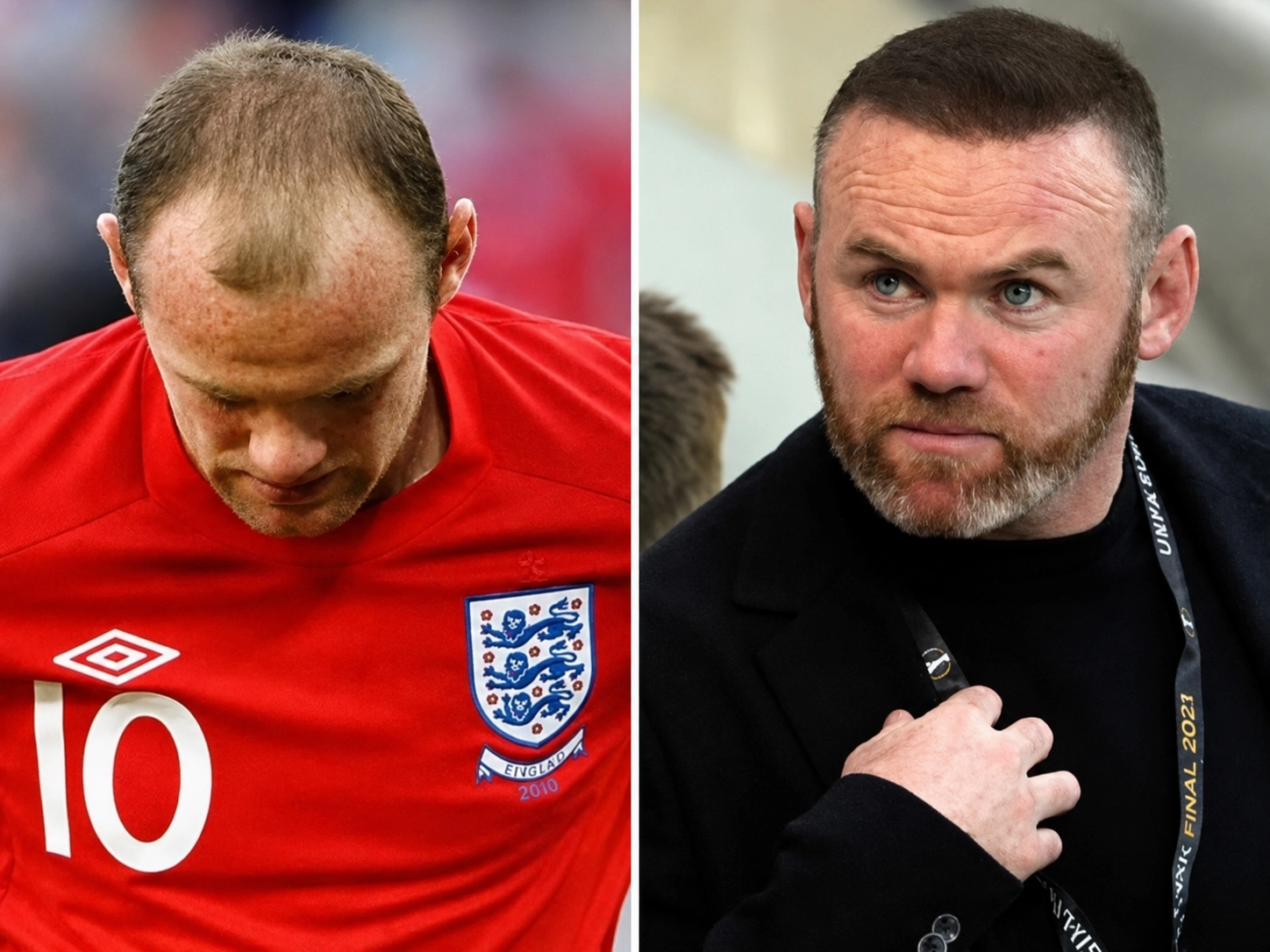
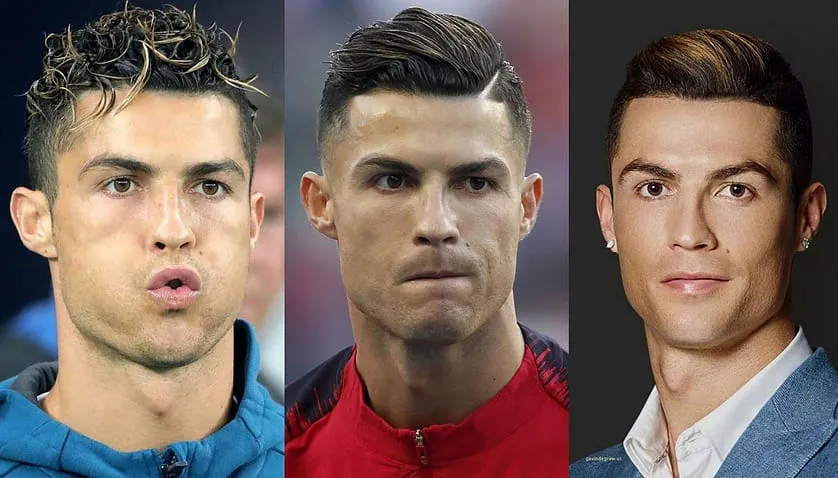
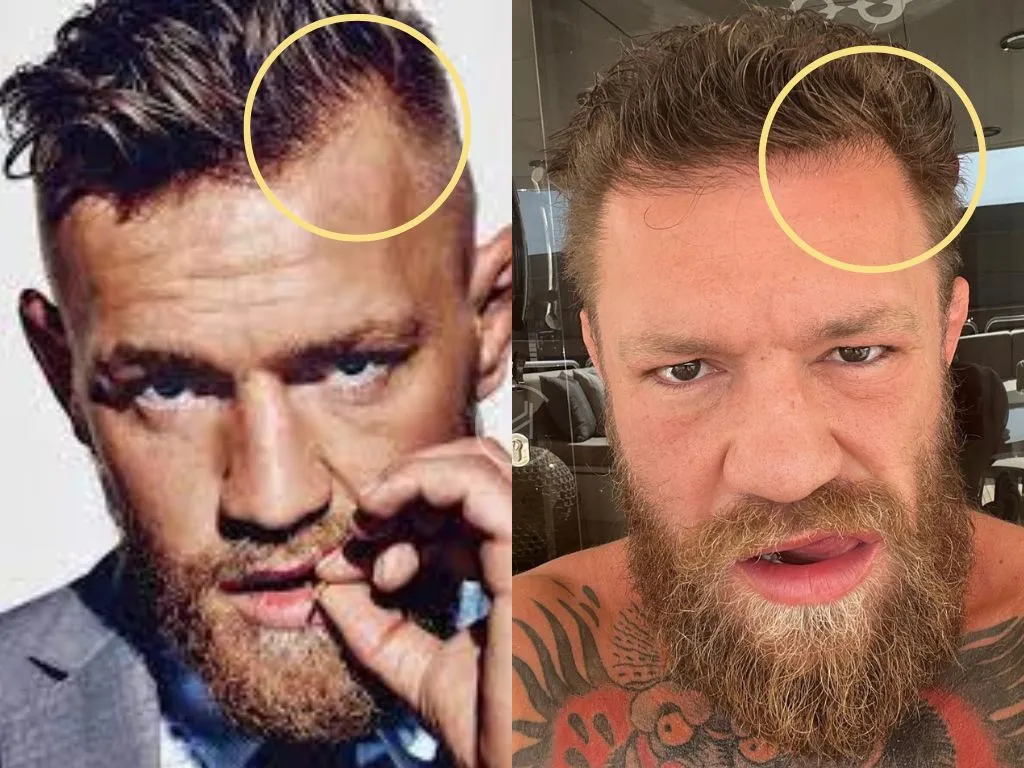
As with most athletes, media analysis outpaces any formal confirmation.
Understanding Hair Loss Stages and Graft Counts
Hair restoration surgeons commonly describe male pattern loss using the Norwood scale, a seven-stage classification that ranges from a fully preserved hairline (Norwood I) to advanced loss across the front and crown (Norwood VI and VII). Most of the celebrities discussed in this guide are believed to have been between Norwood III and Norwood V at the point any restoration would have occurred, meaning moderate to significant recession rather than complete baldness.
Graft counts scale with loss severity and the density a patient wants. A hairline-focused procedure typically uses 1,500 to 2,500 grafts, while broader coverage across the front and crown often requires 3,500 to 5,000 grafts. Advanced cases, or those built up across multiple sessions, can reach 7,000 grafts or more.
Donor supply is finite, so graft counts and hairline design are planned together rather than treated as separate decisions. A conservative first session that preserves donor hair for the future is often a better long-term strategy than maximizing density in a single procedure.
Actors With
Hair Transplants
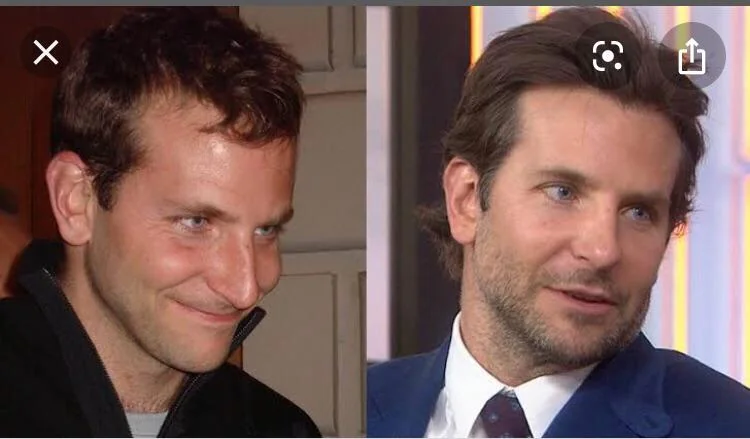
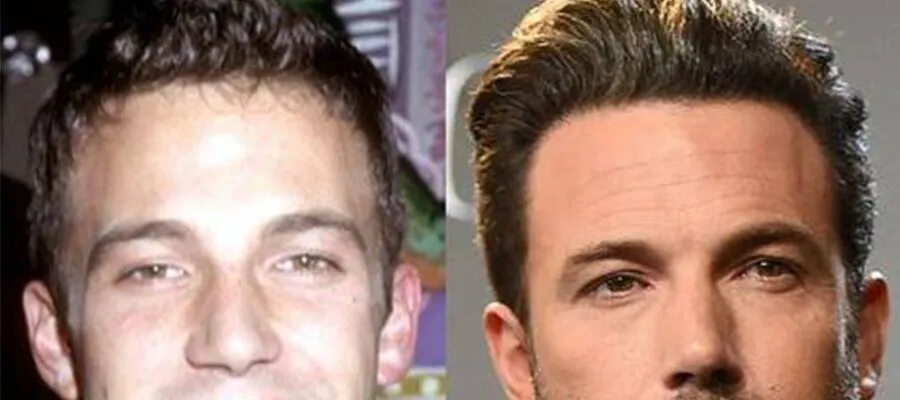
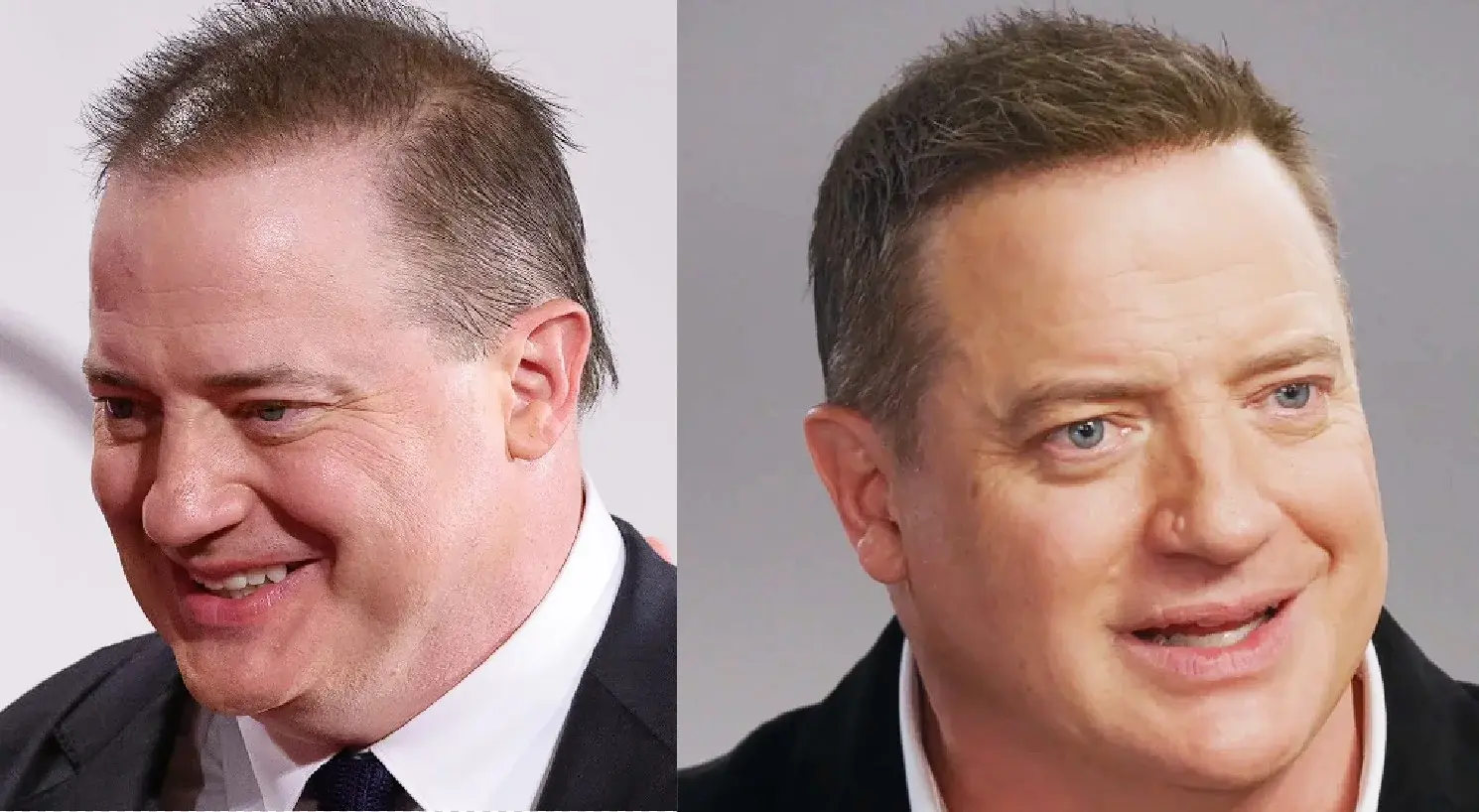
As always, on-screen transformation is not confirmation of surgery.
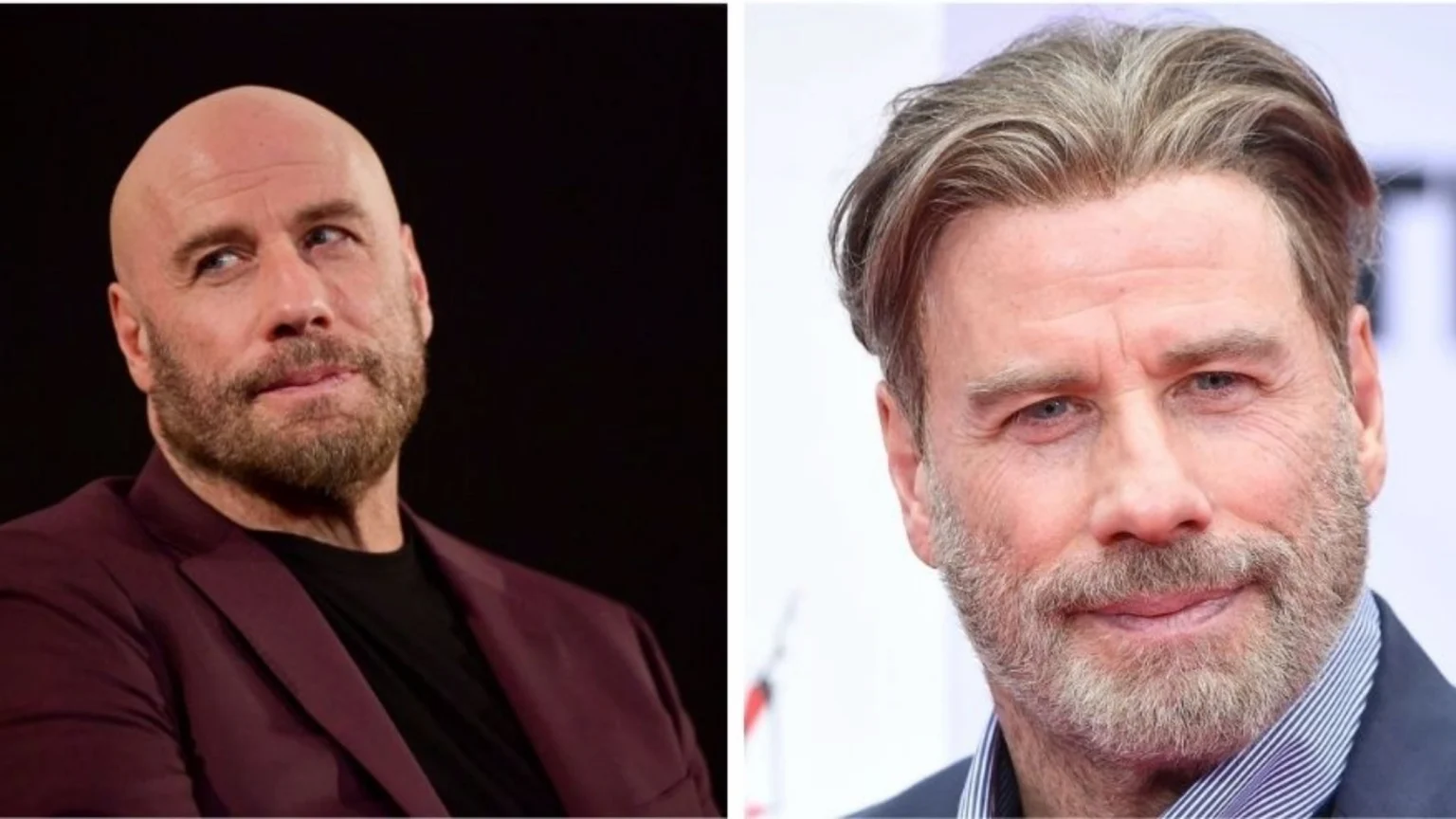
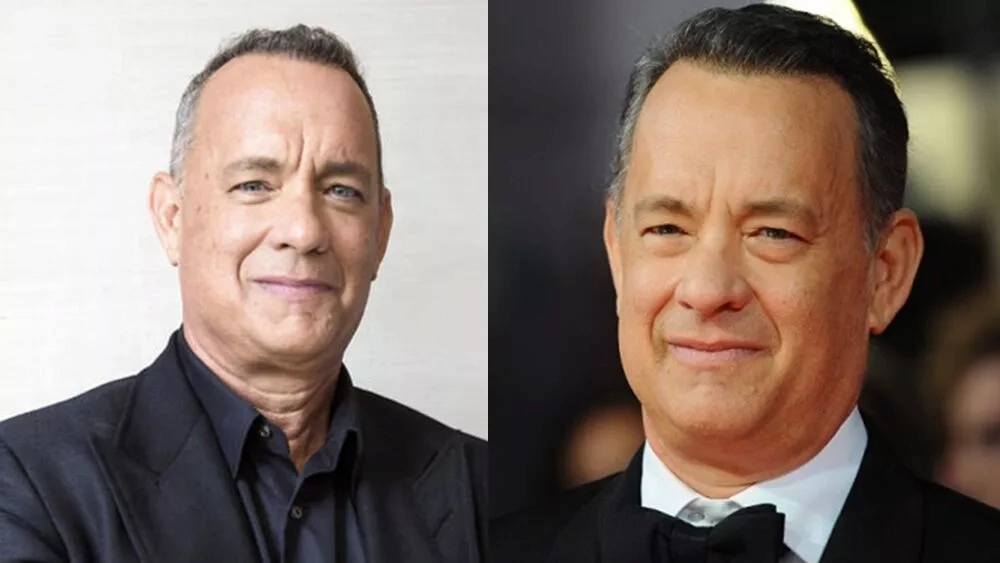
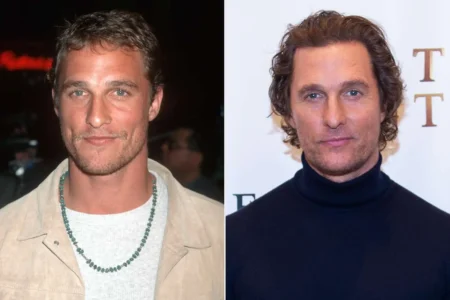
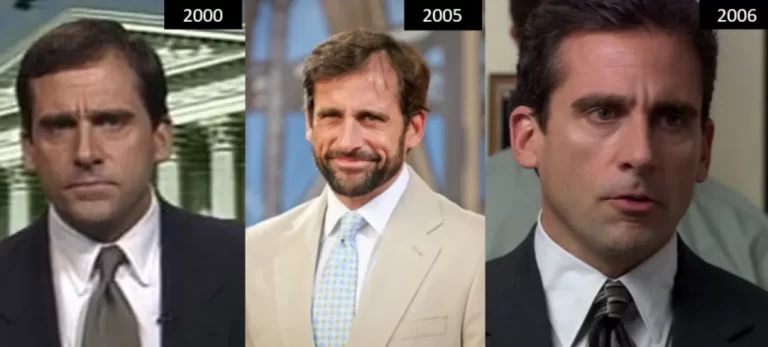
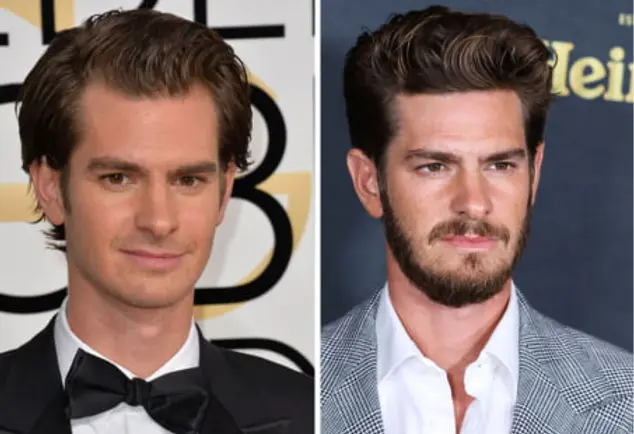
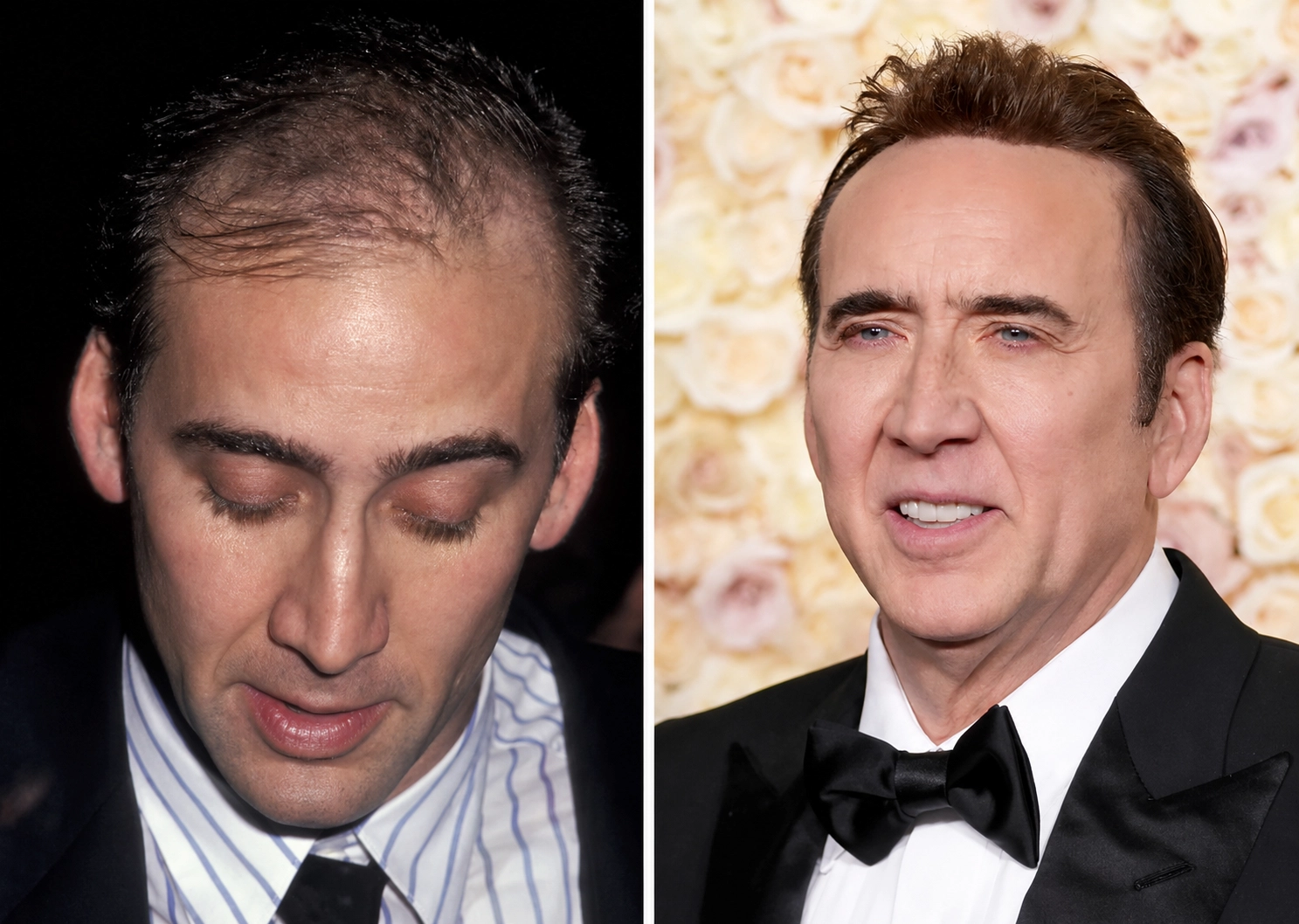
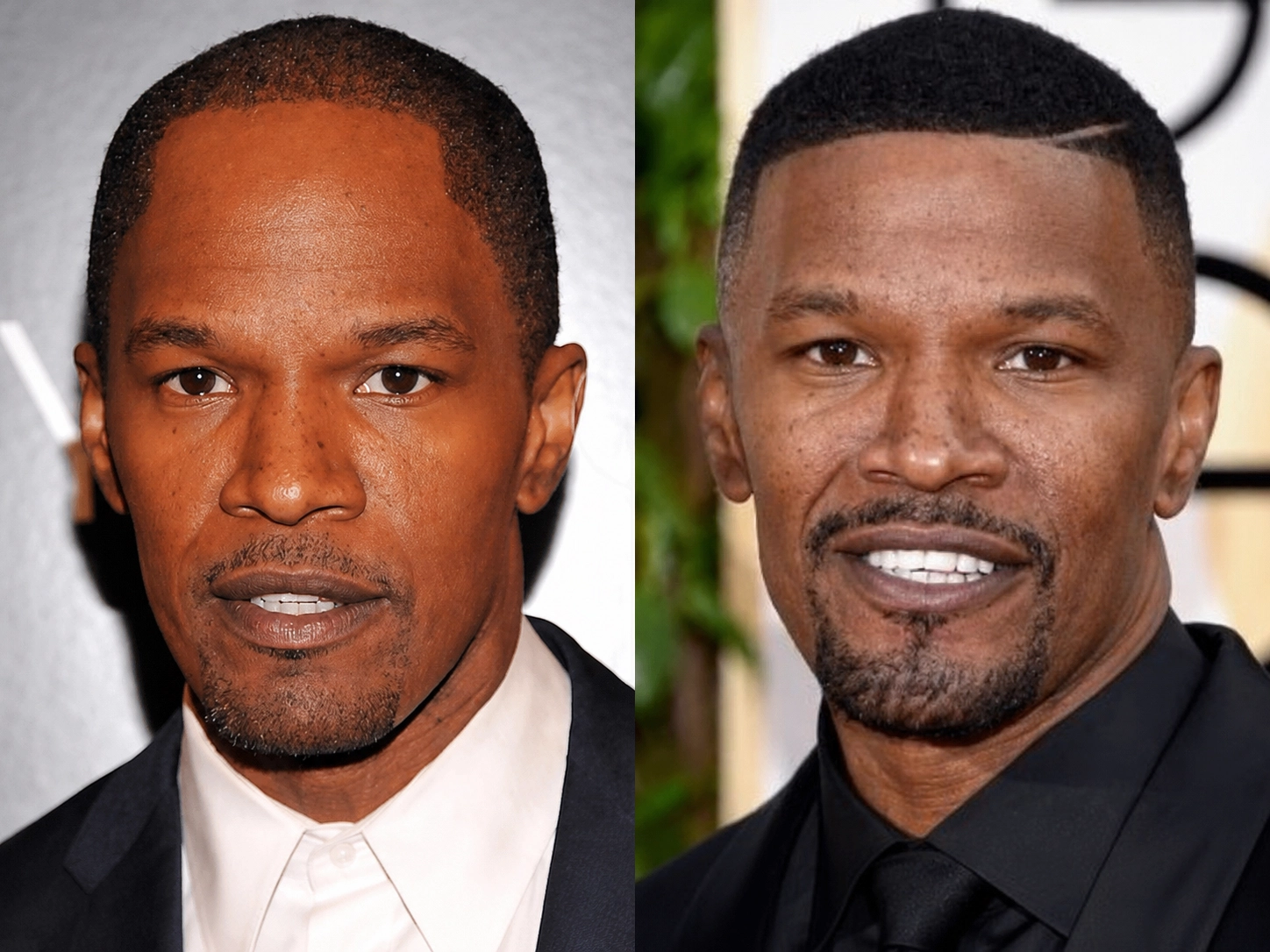
Male celebrity hair loss is a normal part of aging, and a maintained hairline can result from genetics, grooming, or non-surgical hair loss treatments rather than surgery. Distinguishing these possibilities is exactly the kind of assessment that requires professional evaluation rather than online guesswork.
How to Read Celebrity Before-and-After Photos
Musicians and Singers With Hair Transplants
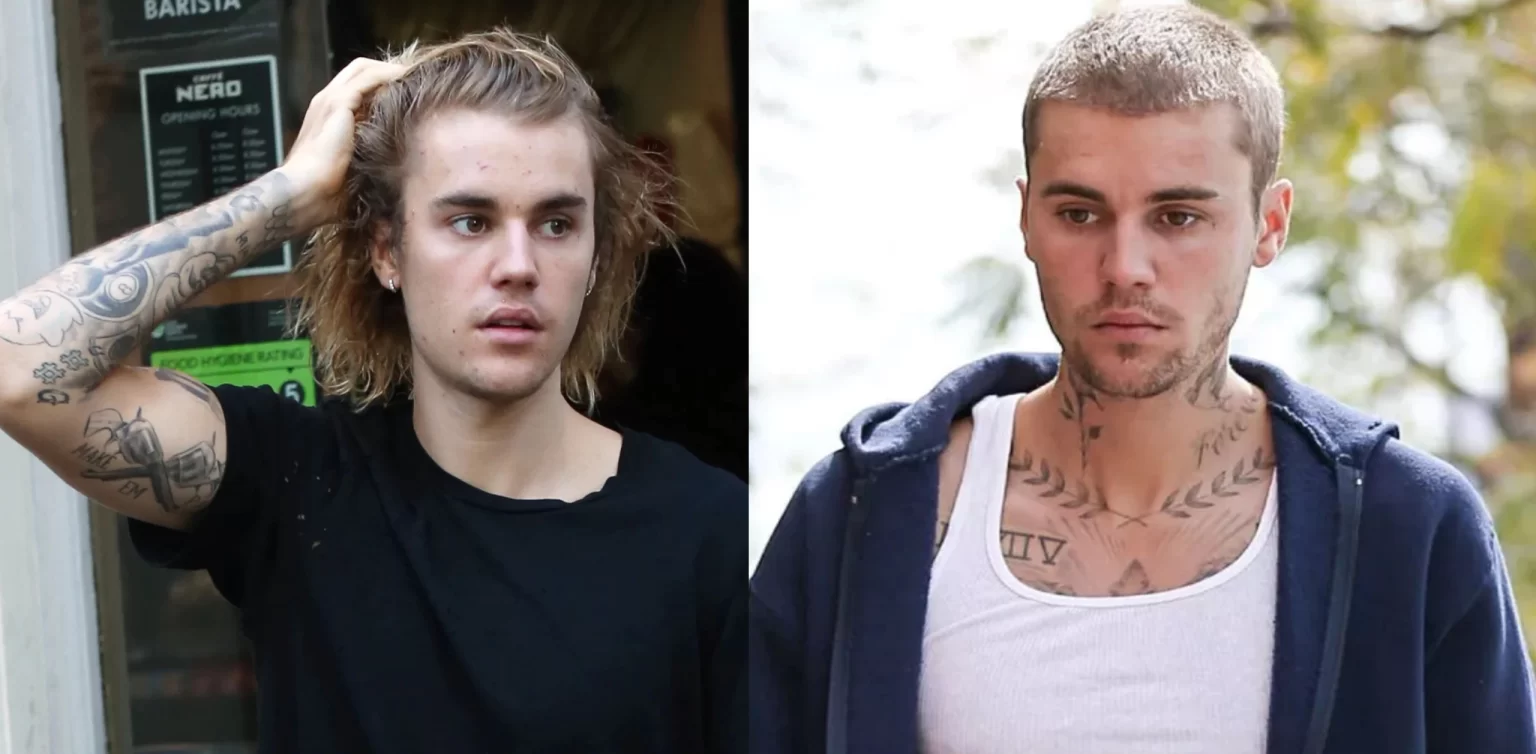
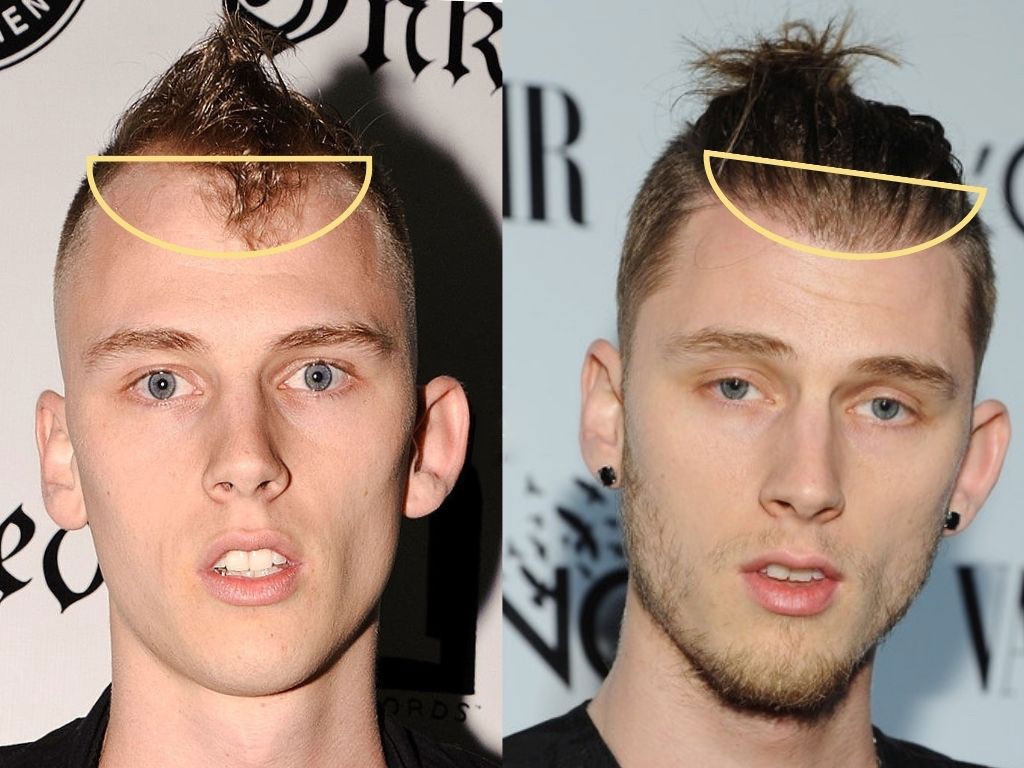
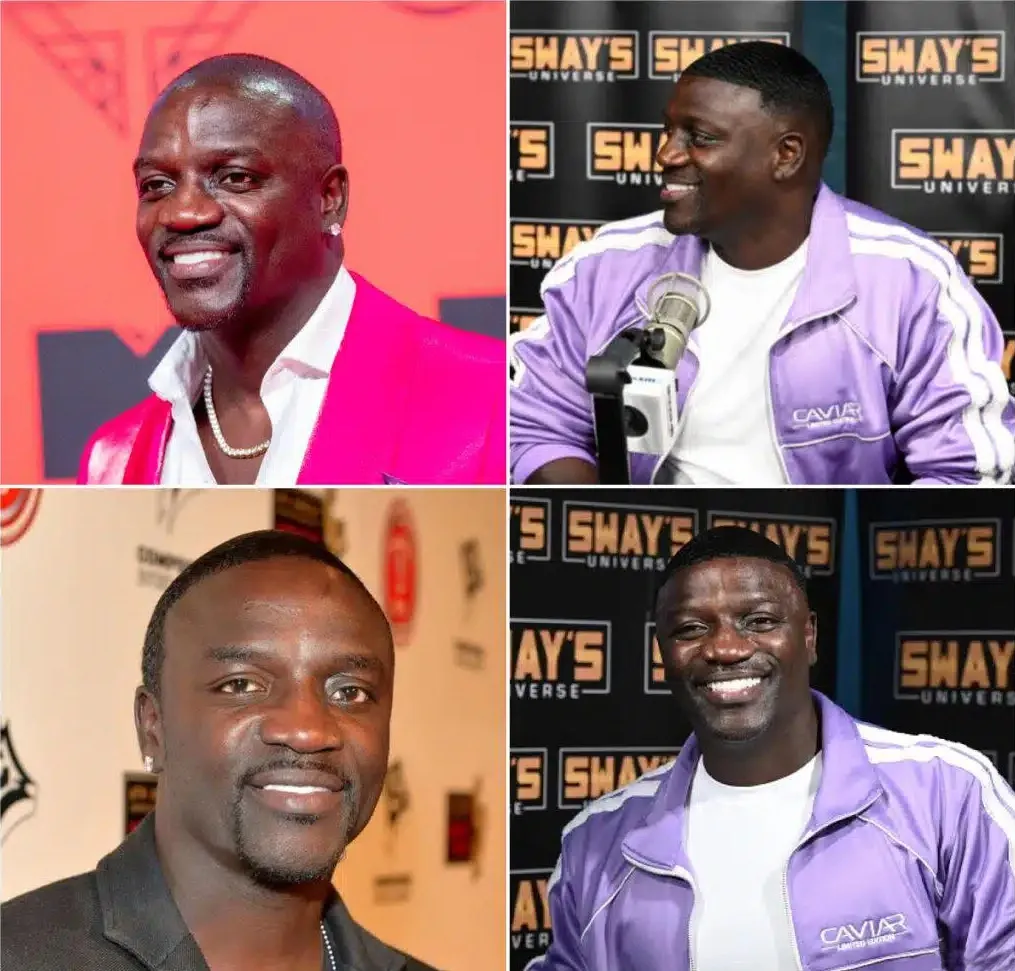
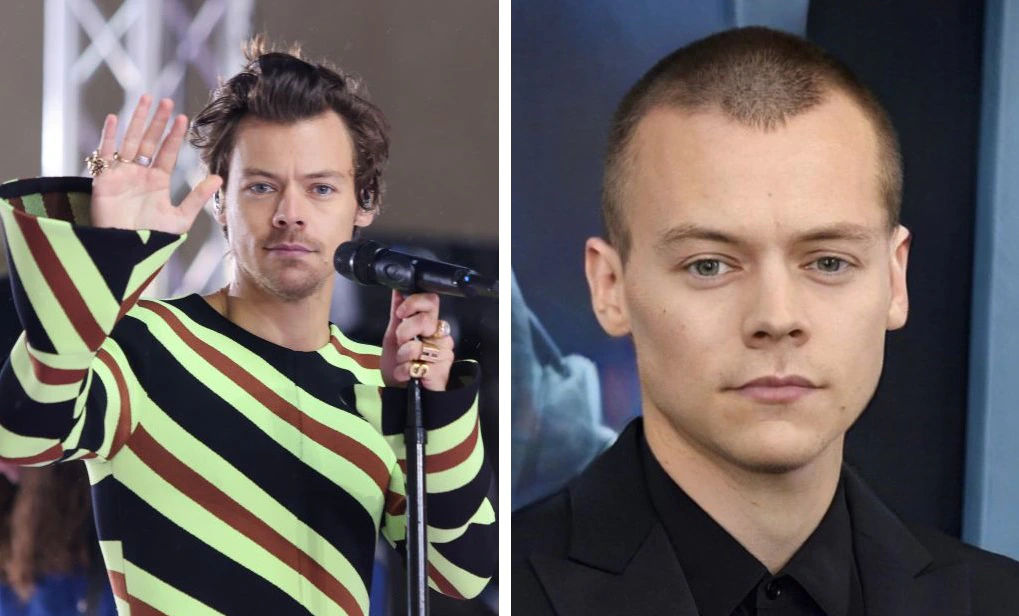
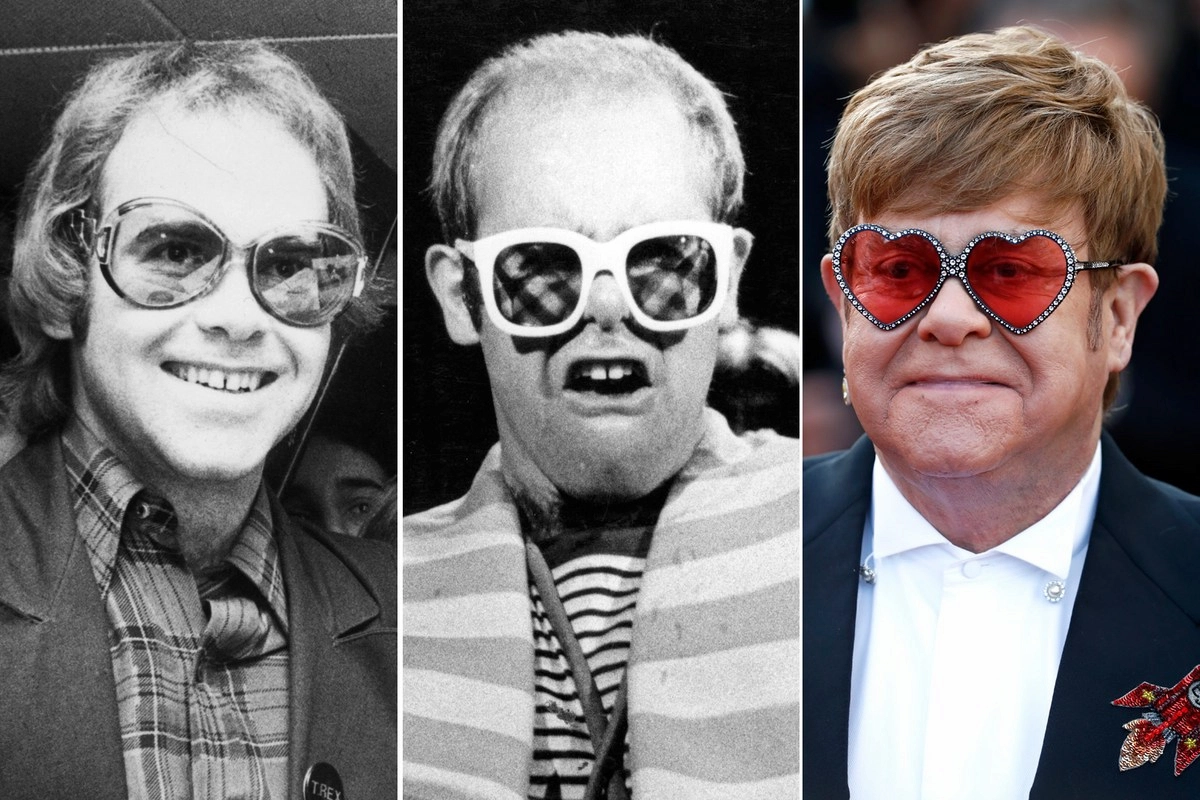
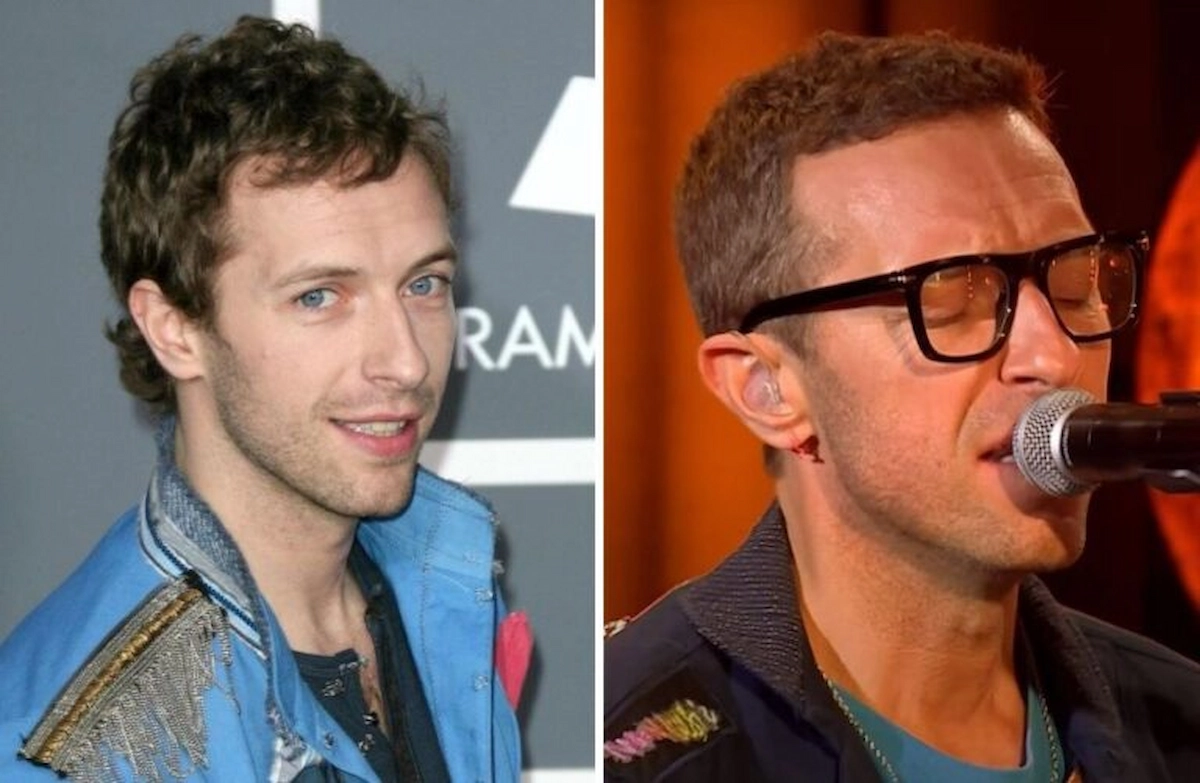
Chris Martin’s frontal hairline has developed a distinct M-shaped pattern over time, and photographic comparison suggests restoration aimed at preserving his on-stage appearance during Coldplay’s long touring cycles. He has not commented publicly.
Celebrity Hair Transplants That Went Wrong
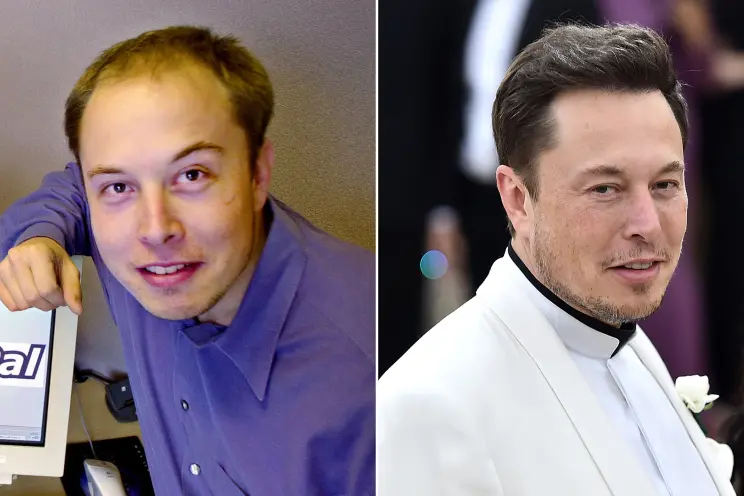
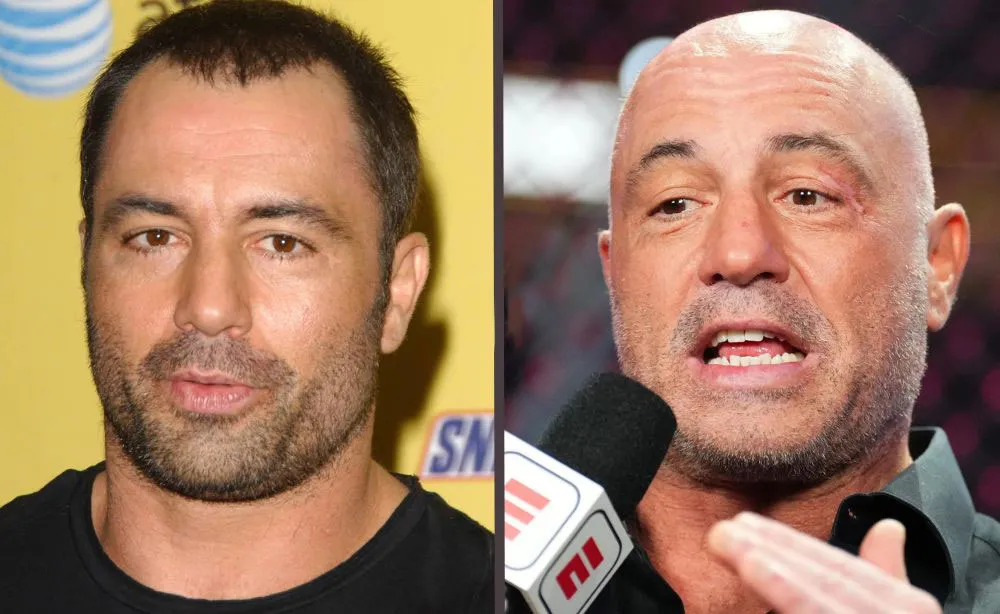
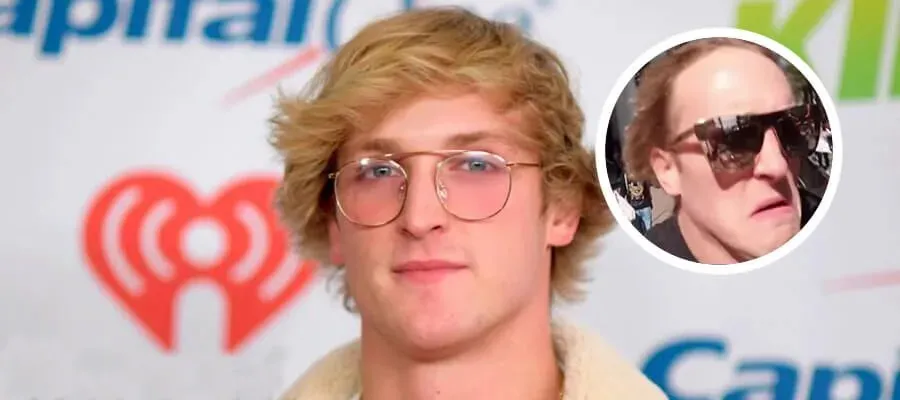
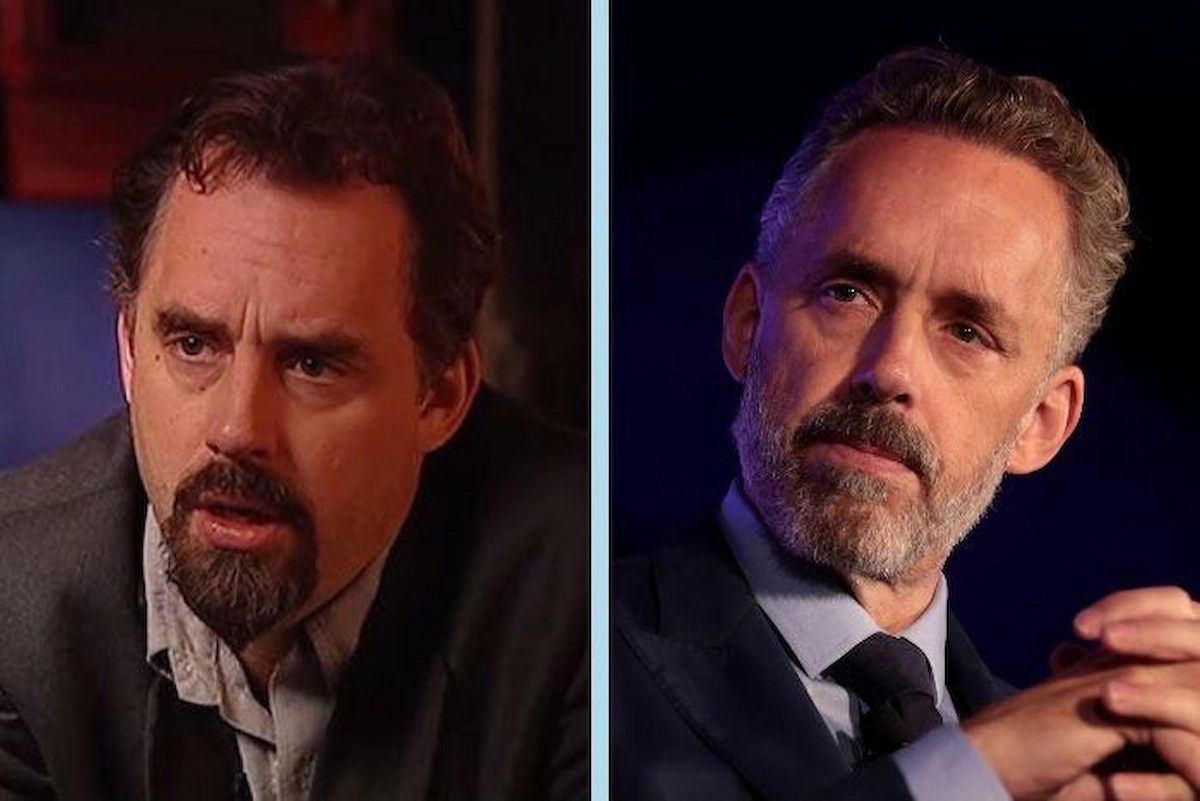
Internet Stars and Public Figures
How Much Does a Celebrity Hair Transplant Cost?
Female Celebrities and Hair Loss
How Celebrities Get Undetectable Results
What Our
Patients Are Saying
Posted on Google
 barret abramow
 I recently had a FUE hair transplant with Dr. Kopelman in New York City, and I couldn’t be more pleased with the results. I had 2,800 grafts focused on restoring my hairline, which had become more recessed than I was comfortable with. The change has been subtle yet transformative — my hairline looks completely natural, and it frames my face in a way that feels more like me. It’s not overly dramatic, just exactly what I hoped for. What really stood out about working with Dr. Kopelman and his team was their expertise and attention to detail. From the initial consultation, it was clear they understood how to approach my specific situation to achieve the best outcome. The procedure itself went smoothly, and the aftercare instructions were thorough and easy to follow. I felt confident every step of the way because of how knowledgeable and professional they were. Finding their practice in NYC was a relief — it’s not easy to trust just anyone with something as personal as your hairline. I’m really glad I chose them because they delivered excellent results without any of the typical hype. If you’re considering a hair transplant, this is definitely the team to go to.Posted on Google
 Beth ZimmermanI am very happy with my experience with Dr. Kopelman. They are an amazing team. I had been looking for physician who could address my hair loss that had been bothering me for years. I am now doing mesotherapy treatments and I am so happy that my hair loss has reverted over the past 4 months. I really appreciated that a hair transplant was not forced upon me but is instead a last resort. I really appreciate the honesty. Thank you!Posted on Google
 Yoel OhayonI can’t say enough great things about my experience with Dr. Kopelman and the entire team at Kopelman Hair Restoration! I had my hair transplant last year, and the results are simply fantastic. I am fully recovered and thrilled with the transformation—my hair looks natural, and I feel like myself again. Every step of the process was handled with such expertise and care. Dr. Kopelman took the time to explain everything thoroughly, and his team was kind, professional, and supportive from start to finish. I’m beyond grateful for their exceptional work and highly recommend Kopelman Hair Restoration to anyone considering a hair restoration procedure.Posted on Google
 RickDr. Kopelman is extremely knowledgeable and was willing to talk through my concerns and needs to develop an optimal treatment plan. He helped me evaluate a variety of options and decide on a protocol I was comfortable with. I am happy I found him!Posted on Google
 David CohenMy experience with Dr. Kopelman has been nothing short of incredible. From the moment I stepped into his office, I could tell I was in the hands of a true expert. I came to him for both an eyebrow hair transplant and an FUE hair transplant, and I am very happy with the results. My eyebrows look so natural, and the precision and artistry he brought to my FUE procedure completely transformed my hairline. What really stood out was how comfortable and confident he made me feel throughout the process—he explained everything in detail and answered all my questions with such patience and care. I actually discovered him on YouTube, where his videos about hair loss and transplants are so informative, and I’m so glad I did. I’ve never felt more confident in my appearance, and it’s all thanks to Dr. Kopelman’s expertise and attention to detail. If you’re looking for the best hair surgeon in NYC, he’s the one to trust.Posted on Google
 Yedidyah Leo SamuelsDr. Ross is incredible! So much knowledge and expertise in the field. Best hair surgeon in New York City!!Posted on Google
 Juan FraustroI paid for a consultation with one Dr. Kopelman and I actually got both Dr’s Kopelmam. They spent over an hour with me carefully studying my scalp, explaining my options, and providing the necessary prescriptions. I cannot recommend this practice or these doctors more highly.Posted on Google
 Odellya SohnisRoss is a top hair transplant surgeon in NYC. He was so kind when I came in. I wanted to understand why my hair was thinning after using a shampoo a dermatologist had sent my way to stop my bad dandruff problem. He was so patient through my 10 million questions, I felt he really cared about what I need instead of feeding into a consumerist magic pill. He also was able to find that I could be balding and give me tips and a prescription and I felt like he saved me from tripping over a ledge I didn't see. Thank you so much!Posted on Google
 K SalalahI've been to many hair specialists, and I can confidently say that Dr. Kopelman and his team stand out for their incredible care and attention. The hair industry is unfortunately filled with people who are simply looking to make a sale, and think little about your longterm goals or happiness. I'm fortunate to have found Dr. Kopelman, who is incredibly attentive, knowledgable, puts my goals and comfort first, and is willing to think outside the box. Six stars!Posted on Google
 Andres DelgadoI had a consultation with Dr. Joel Kopelman. It was worth my time and money. The doctor answered all my questions and provided valuable insights.
Ready to Start Your Journey?
Call our New York office at (212) 470-4076 or request a consultation online. Virtual consultations are available for patients across the US and internationally. You leave with a written plan, a graft estimate, and a scheduled procedure date.
Where Celebrities Get Hair Transplants in NYC Dr. Ross Kopelman
Celebrity Hair Restoration
FAQs
Do most actors get hair transplants?
Are hair transplants the same as hair implants or hair plugs?
Which age is best for a procedure?
How long do results last?
Pricing ranges between $30,000 and $50,000 depending on graft count, technique, and case complexity. A full pricing breakdown by procedure type will be discussed with you during your consultation with Dr. Kopelman.
Is 45 too old for a procedure?
Do celebrity hair transplant scars show?
Can Black celebrities get successful transplants?
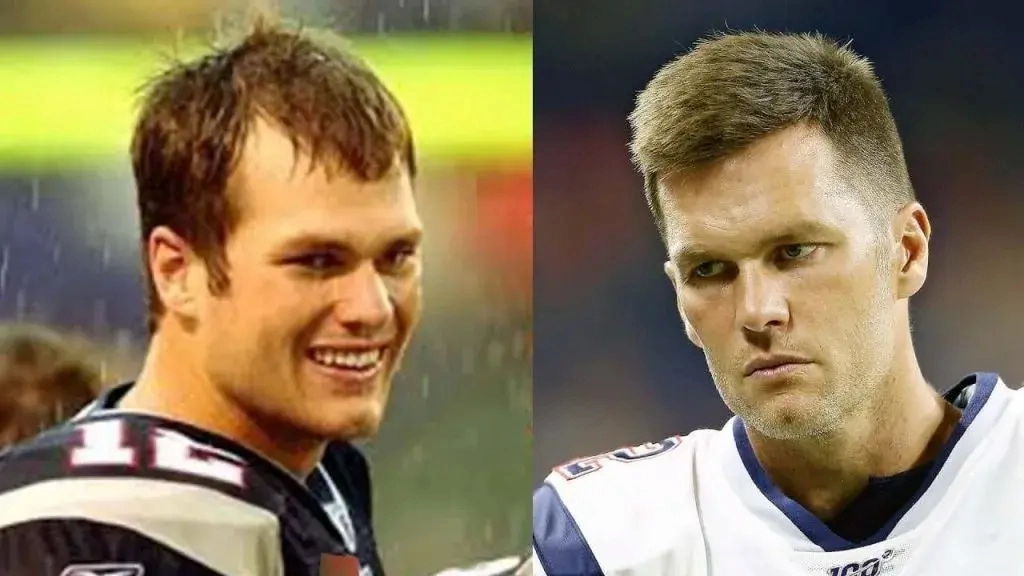
What does Tom Brady's hair really look like now?
Ready to take the first step?
Medically reviewed by Dr. Ross Kopelman, board-certified hair restoration surgeon. Last updated August 2026.
Male celebrities with hair transplants are especially well represented in professional sports, where a receding hairline can surface during peak competitive years.
Tom Brady shows visibly fuller frontal coverage in his post-retirement public appearances than during his final playing years. Whether the change reflects surgery, PRP therapy, medication, or some combination has never been confirmed, and the absence of any visible scar points toward FUE if a procedure was involved.
Schedule a Consultation
Call our New York office at (212) 470-4076, our New Jersey office at (201) 444-4499, our Florida office at (561) 803-0140, or request a consultation online. Virtual consultations are available for out-of-town patients.
NEW YORK CITY