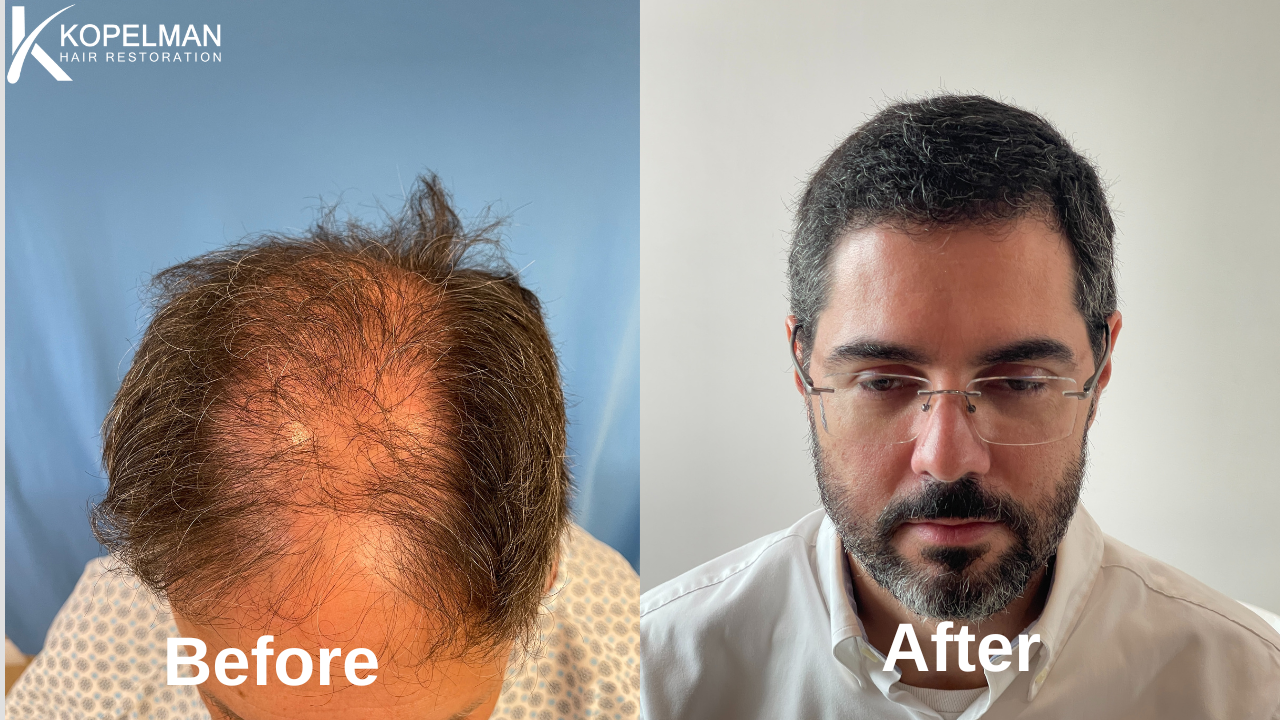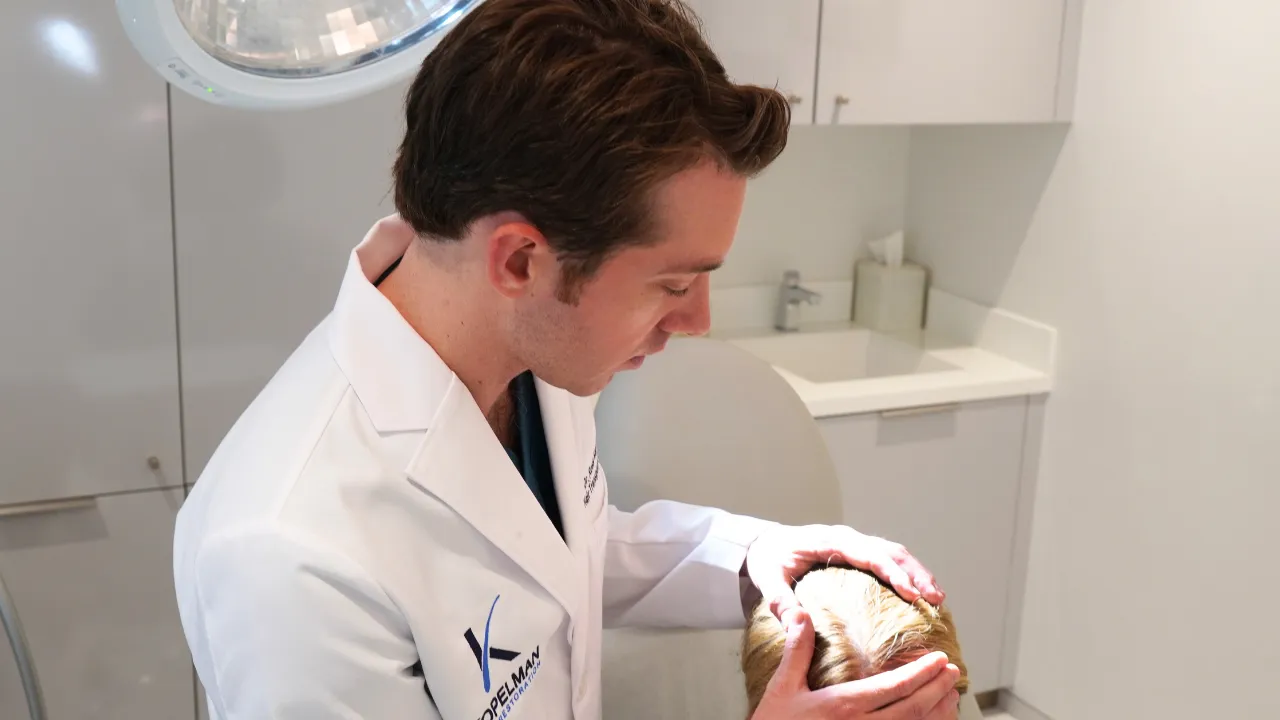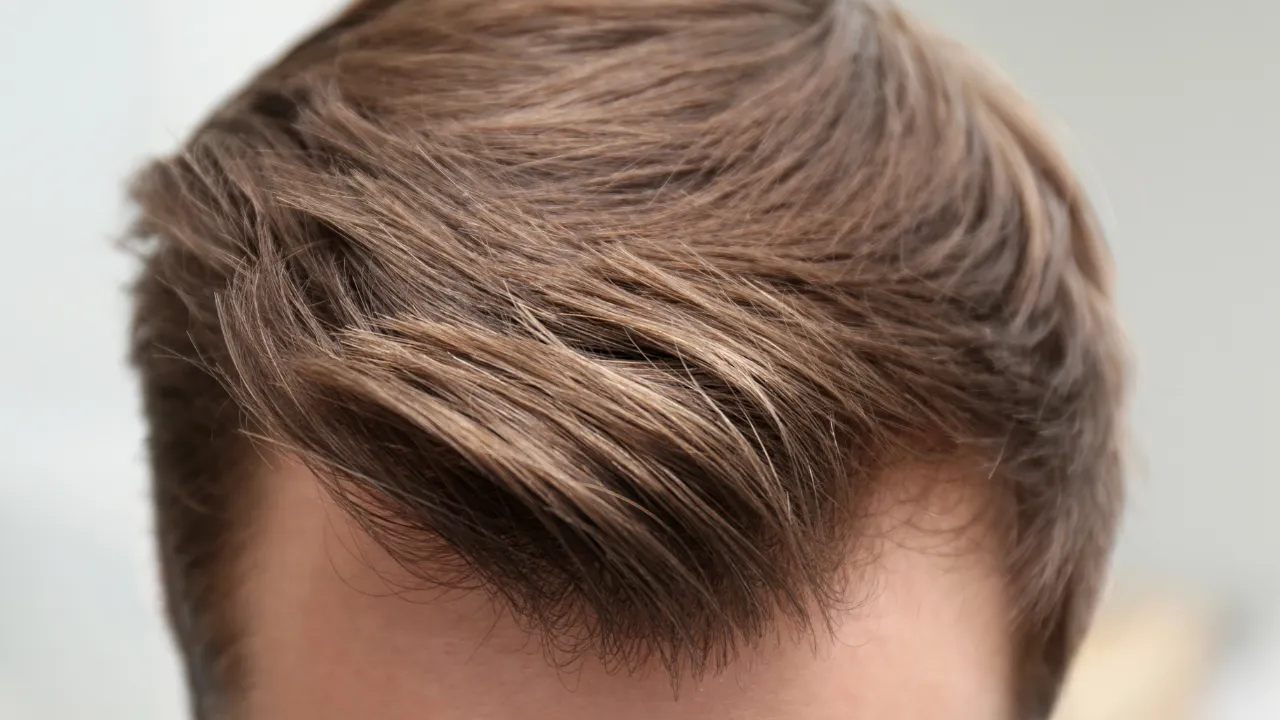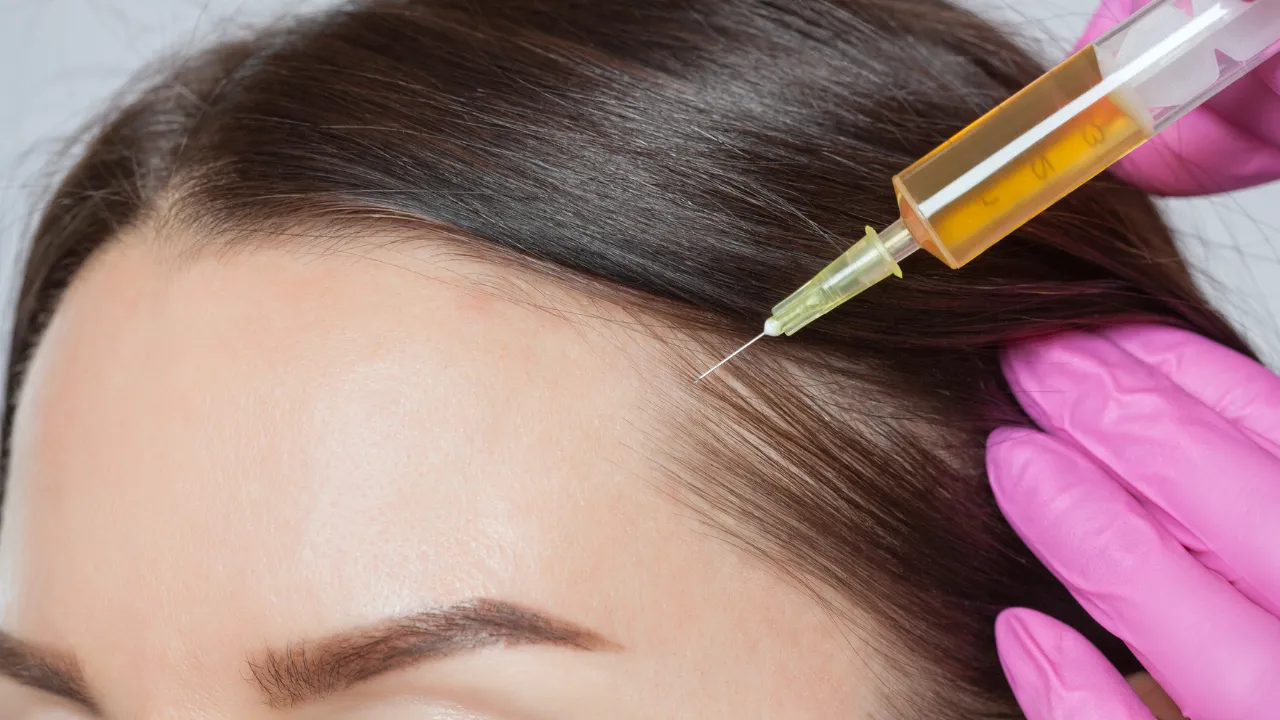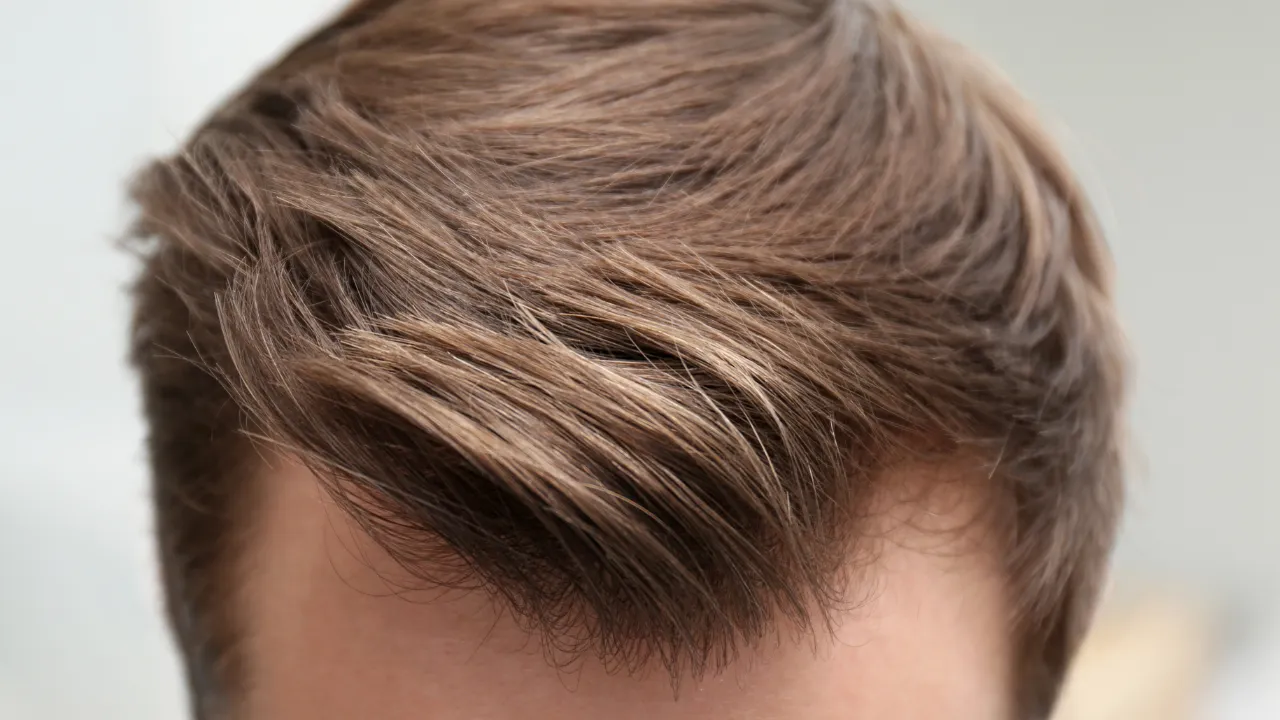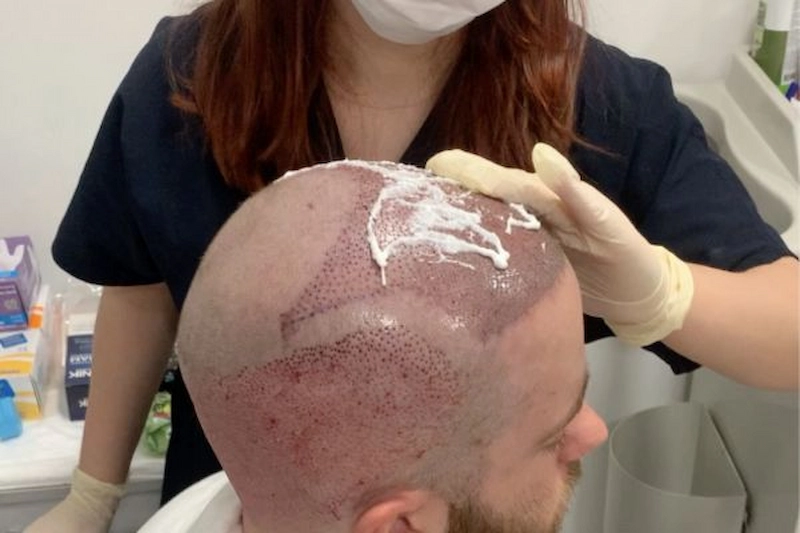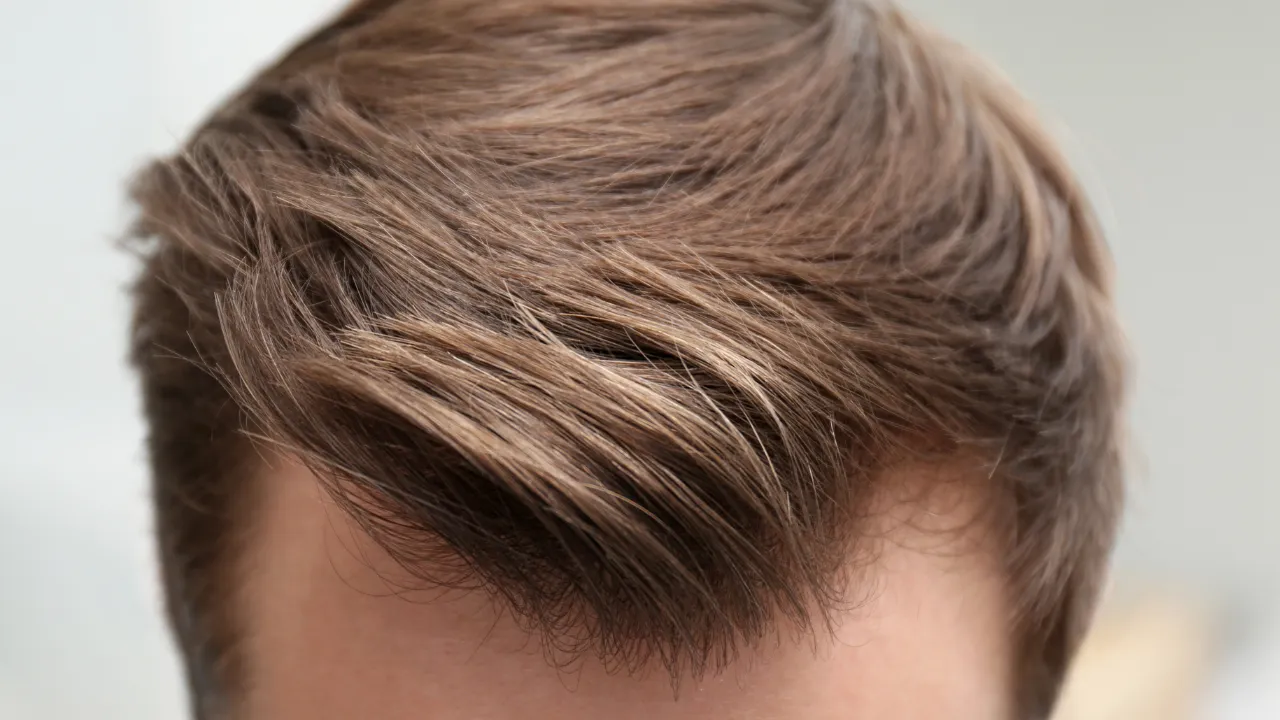

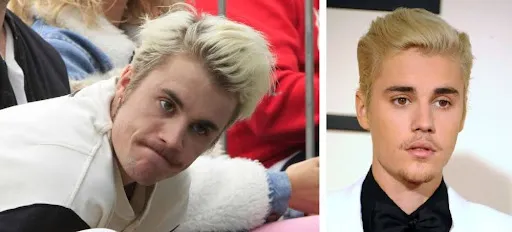
Current images show a denser yet still-maturing frontal edge, which supports a conservative approach rather than a dramatic overhaul. Most experts also note that any surgical work would likely be paired with ongoing medical therapy to maintain the result long term.
Read along as we trace the singer’s thinning over the years and weigh the evidence on both sides.
A timeline of the changes: 2018 to 2026
The first hints of recession appeared in 2018, when the singer was around 24. Photos from that period show mild thinning at the temples, often disguised by styling shorter frontal strands forward over the corners.
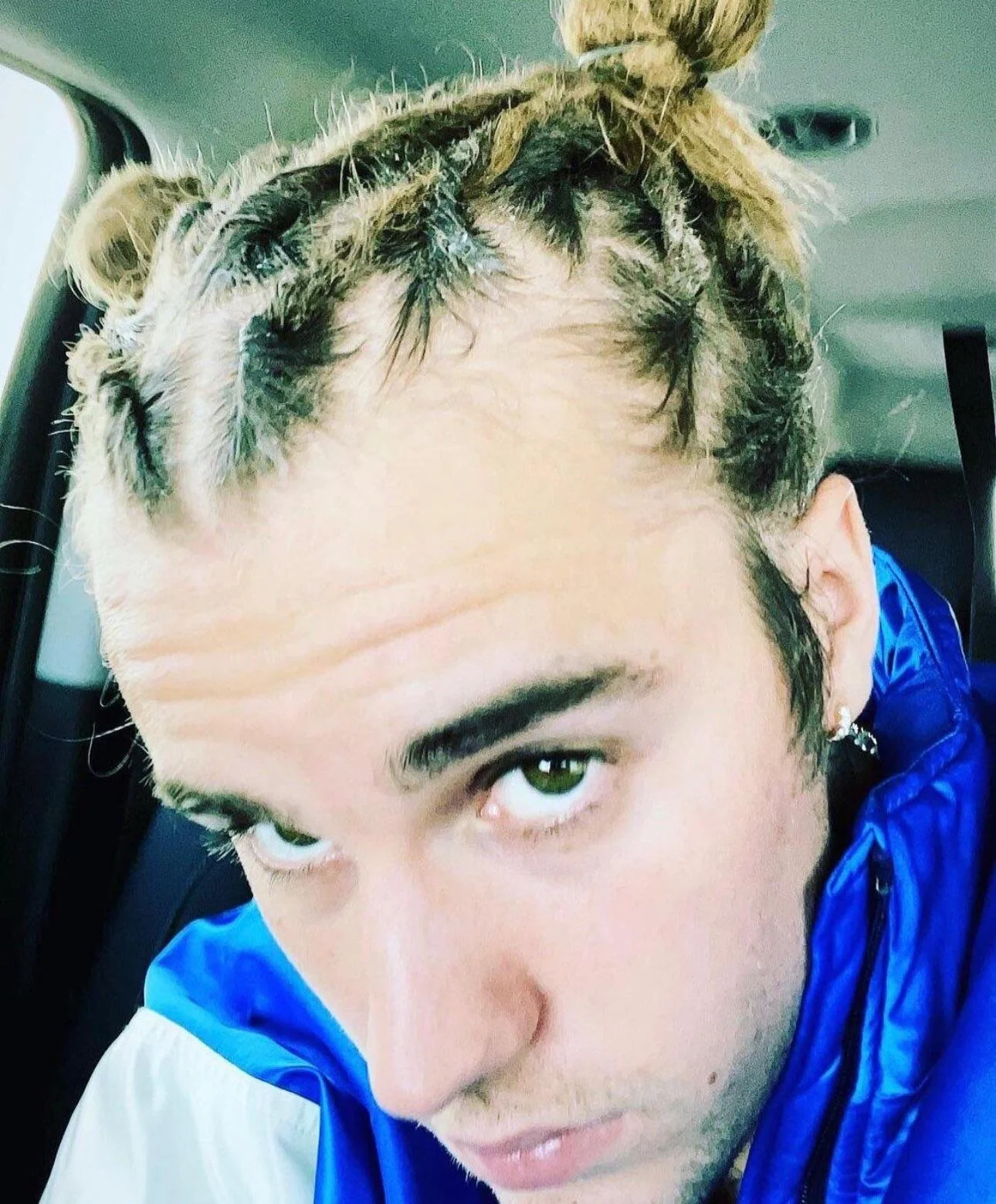
By 2021, shorter cuts and a stint with dreadlocks exposed more pronounced thinning at the temples, a pattern common among men in their late twenties. Frequent hat-wearing through 2022 and 2023 fueled further speculation, and rarer hatless photos from that stretch showed deeper temple recession.
From 2023 onward, the frontal edge looked straighter and more filled in, with the earlier asymmetry largely gone. By his 2026 awards-season appearances, the refreshed hairline was being openly debated online, including a widely shared social media exchange in which a budget airline joked that he “should’ve gone to Turkey.” (See the visual timeline table below this section.)
| Period | What the photos show | Likely factor |
|---|---|---|
| 2018 (age ~24) | Mild temple recession, often hidden by forward styling | Early maturation / genetics |
| 2021 | More visible temple thinning during short cuts and dreadlocks | Pattern thinning, possible traction strain |
| 2022 to 2023 | Near-constant hats; rare hatless photos show deeper corners | Concealment of ongoing change |
| 2023 onward | Straighter, fuller frontal edge; earlier asymmetry gone | Possible procedure plus maintenance |
| 2026 | Refreshed hairline openly debated after awards-season appearances | Stabilized result |
Who Performed Justin Bieber’s Hair Restoration?
This is the question driving much of the current online chatter, with fan forums openly asking which surgeon did the work. The honest answer is that no physician or clinic has been publicly identified or confirmed.
No before-and-after release, no clinic disclosure, and no statement from the singer’s team exists. Any name attached to the rumor online is unverified. If a procedure did happen, the discretion is consistent with how high-profile patients usually handle restoration work: quietly, with no public credit given.
What Technique Would Explain the Change?
If the visible difference does come from surgery, the look most closely matches modern follicular extraction rather than older methods. Two related techniques dominate the conversation, and they are compared directly in the table further down this section.
FUE (Follicular Unit Extraction) removes individual follicles from a donor zone at the back of the scalp and places them into thinning areas like the temples. It leaves tiny dot scars that are easy to conceal with short styles, which is why it is the usual choice for public figures.
DHI (Direct Hair Implantation) is a variation that uses a pen-style implanter for placement, offering tighter control over the angle and direction at the front edge. The right choice depends on donor supply and hair caliber, not on celebrity trends.
Justin Bieber Hair Plugs: Did He Get Any?
A common question is whether the singer opted for hair plugs, an older approach. Plugs tend to produce an obvious, tufted look, which makes that method very unlikely here. The smooth, blended frontal edge seen in recent photos is far more consistent with individual follicle placement than with the dated plug technique.
What About the Beard Transplant Rumors?
Beyond the frontal hairline, some observers have noted that the singer’s facial hair has appeared fuller in recent years, prompting speculation about a beard procedure. Nothing has been confirmed, and fuller coverage can result from age, hormonal shifts, or grooming changes rather than surgery.
If a beard procedure were to take place, the most likely technique would be the same FUE method discussed above, in which individual follicles are harvested from a donor area and placed into sparse zones. The approach produces natural-looking density when performed by an experienced surgeon and leaves no visible linear scarring.
How many grafts would it take?
Any graft figure online is an estimate, since real planning requires an in-person donor assessment. That said, based on the extent of thinning visible around 2021, a conservative range of roughly 1,000 to 2,000 grafts across the frontal and temple zones would be a reasonable working estimate for a change of this scale.
At the point those photos were taken, the singer appeared to sit around Norwood Stage 2 to early Stage 3, where the temples receded into a soft M-shape. That stage is mild to moderate and responds well to early intervention.
International Society of Hair Restoration Surgery recommends a full in-person consultation, including donor density mapping, before any surgical plan is finalized.
Is Justin Bieber Going Bald? Reading the Bald Spot Rumors
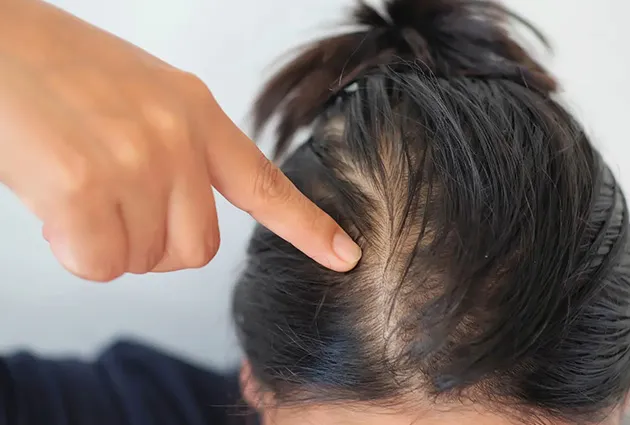
Searches for a Justin Bieber bald spot and questions like “is Justin Bieber going bald” usually trace back to temple thinning rather than crown loss. His thinning has been concentrated at the front corners, not the vertex, so the “bald spot” label overstates what the photos actually show.
It is also worth noting that much of the visible change may be due to styling and grooming. Wet hair, harsh overhead lighting, bleaching, and tight styles can all make an edge look thinner than it is, while a forward fringe can hide recession entirely.
His habit of constantly wearing hats raised an additional possibility: traction alopecia, a temporary thinning of the hair caused by prolonged tension on the follicles from tight headgear. So the broader thinning story is real, but “going bald” overstates the pattern, which still looks early and manageable.
What Could Maintain a Result: Non-Surgical Options
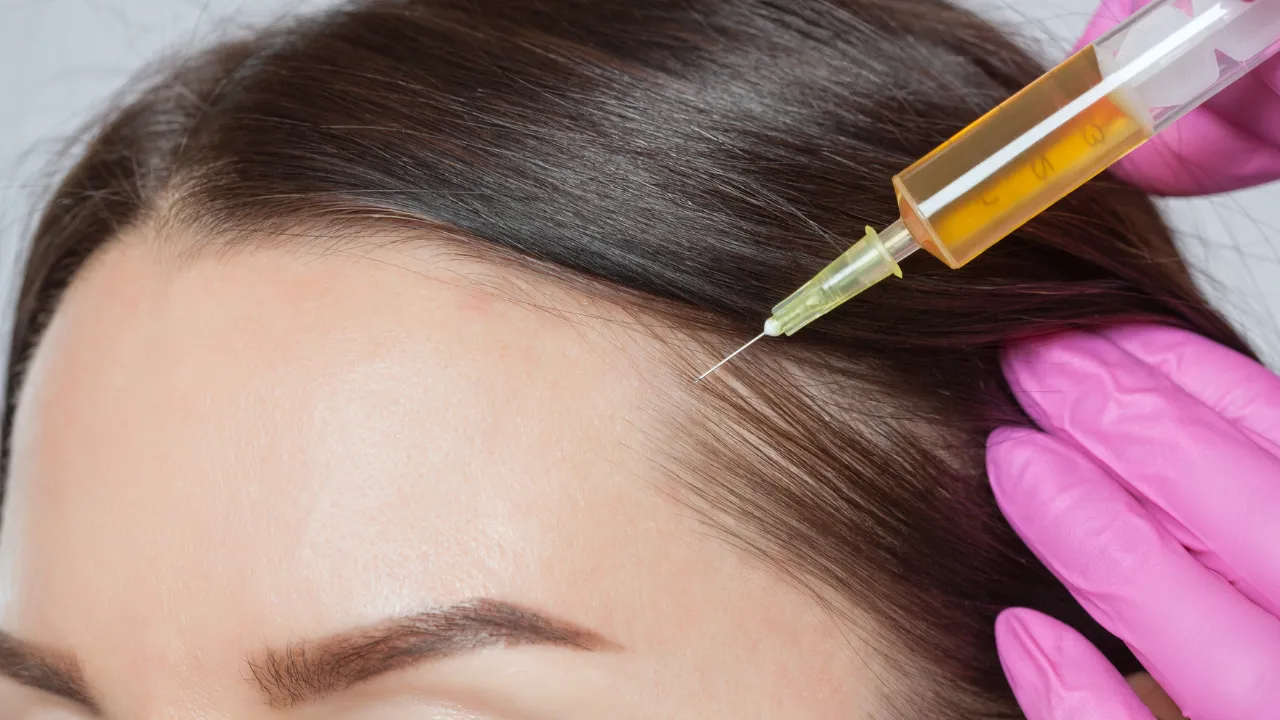
Surgery is rarely the whole picture. To hold a refreshed hairline, most patients stay on ongoing medical therapy, and several of those treatments can independently make the frontal edge look denser, which is easy to misread as new grafts in a photo.
According to the American Academy of Dermatology, finasteride reduces the hormone (DHT) linked to male-pattern thinning, while minoxidil can thicken miniaturized strands over time. Neither lowers a hairline nor creates new follicles, but both can stabilize and improve existing density.
That distinction matters when reading any celebrity before-and-after. A fuller front can come from medication, supportive treatments, or simple styling, not only from a scalpel.
There is an irony worth noting here. Around 2012, the singer publicly told a British interviewer he could not understand why a prominent balding royal refused to simply take Propecia, arguing that the medication helps grow the follicles back.
A decade later, he found himself navigating the same pattern he once commented on so confidently. That shift does not confirm any treatment decision, but it adds context to why medication is now part of any credible conversation about his current appearance.
What Recovery Actually Looks Like
One reason instant “before and after” claims rarely hold up is that real growth follows a predictable, months-long arc. Transplanted strands shed within the first weeks, then regrow gradually, so genuine results cannot appear overnight.
In the first month, small scabs form and mild redness fades. Around months one to three, the placed strands shed, which is a normal “shock loss” phase. New growth begins in months four to six, density builds through months seven to nine, and most patients see the final shape by ten to twelve months.
A photo that shows sudden density without that timeline rarely reflects a surgical result. This is the clearest tell that separates real growth from a styling or lighting illusion.
Causes Behind the Thinning
The exact reasons behind the singer’s thinning are not public, but the usual suspects apply. Genetics, stress, and hormonal shifts are the most common drivers of early male-pattern recession, and many performers turn to a mix of medication and surgery to manage it.
A career spent under harsh chemicals, frequent bleaching, and tight styles can add strain on top of any genetic predisposition. Together, those factors offer a plausible explanation for the changes seen over the past several years.
Restoring the Hairline
For someone constantly in the public eye, a confident frontal edge carries real weight. The gradual improvement in the singer’s hairline and the freedom to appear without a hat point to some form of intervention.
Whatever the method, the result underscores the value of expert hairline design for hair transplant, where every follicle is angled to follow the natural direction of growth so the front ages well over time.
Check out these other celebrity hair loss stories
- Andrew Garfield Hair Transplant
- Bradley Cooper Hair Transplant
- Brendan Fraser
- Joe Rogan Hair Transplant
- Kirk Cousins Hair Loss
- Floyd Mayweather Beard Transplant & Hair Transplant
- Conor McGregor Hair Transplant
- Steve Carell Hair transplant
- Justin Bieber Hair Transplant
- Matthew McConaughey Hair Restoration
- Donald Trump
- Logan Paul Hairline
A Transformation Worth Watching
From the Super Bowl stage to high-profile award shows, the singer has kept fans guessing. The clear improvement at his frontal edge suggests he took deliberate steps to address thinning.
For more transformations, explore our full guide to celebrity hair transplants here. See how figures like Steve Carell, Bradley Cooper, and David Beckham restored their hairlines with modern technology.
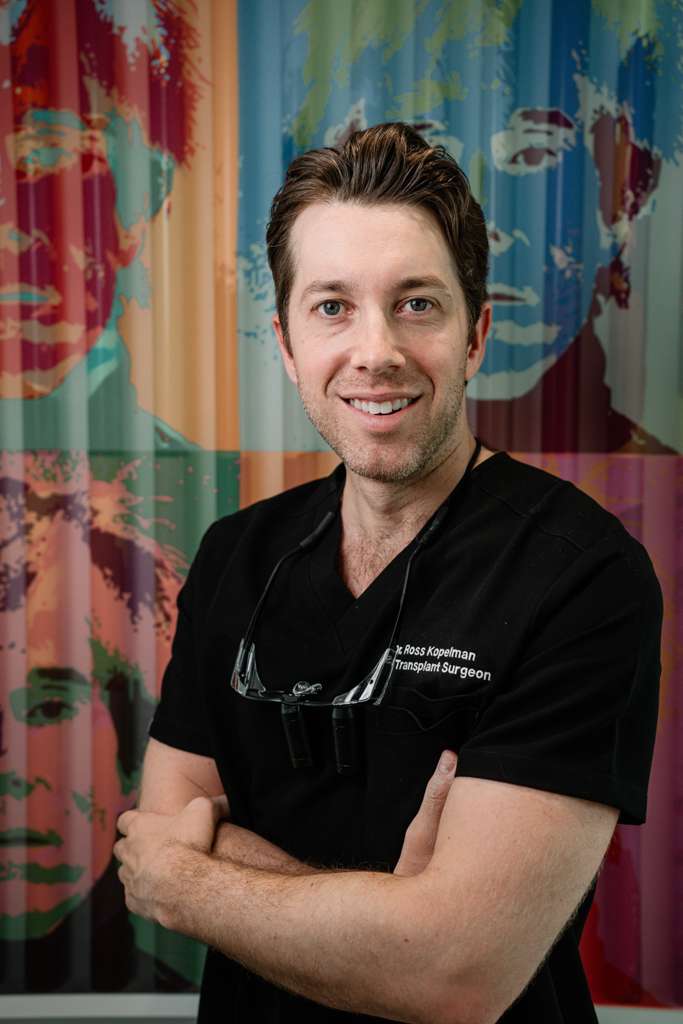
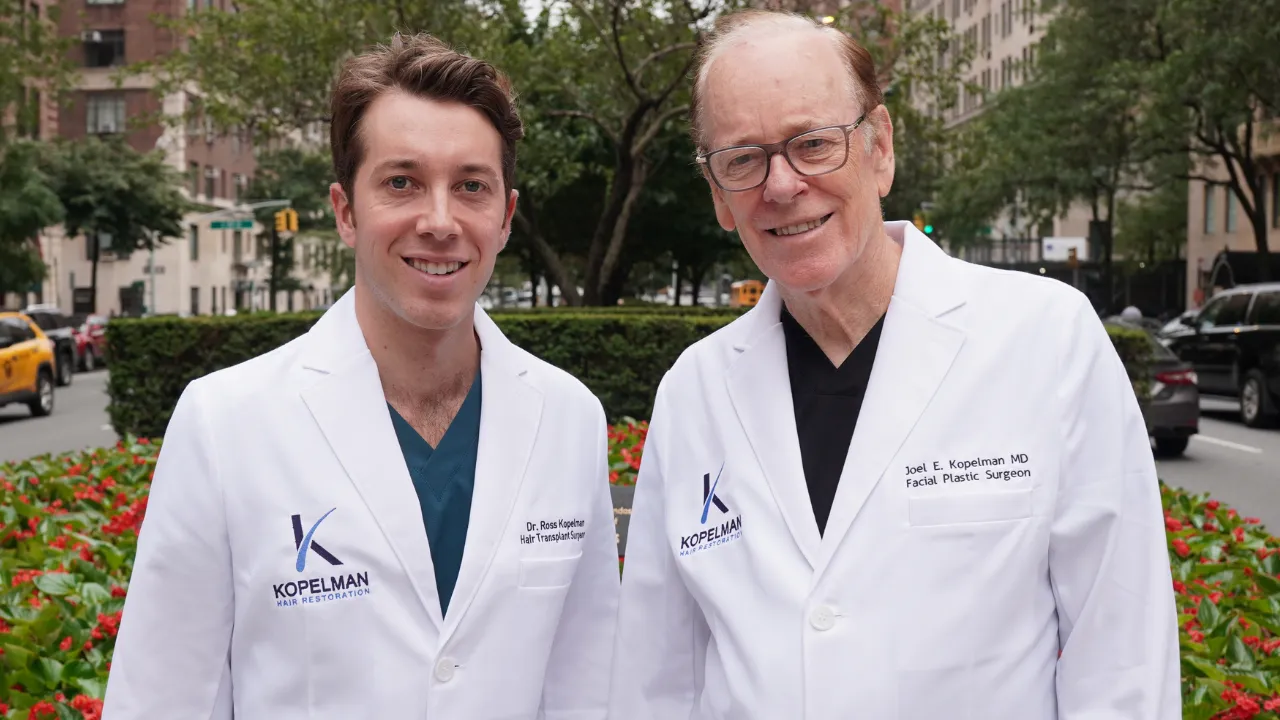
For anyone weighing their own options, Dr. Joel and Ross Kopelman, a father-and-son surgical team with a combined 35+ years of experience, offer expert consultations and tailored solutions. Schedule a consultation today to begin your transformation journey.
Frequently Asked Questions
Did Justin Bieber confirm a hair transplant?
No. There is no verified statement from the singer, a surgeon, or a clinic. The discussion rests entirely on photo comparisons and expert opinion, so the accurate position remains unconfirmed.
Which clinic or doctor did the work?
None has been publicly named or confirmed. Any specific surgeon attached to the rumor online is unverified speculation.
How many grafts would a change like this take?
Likely somewhere around 1,000 to 2,000 grafts across the frontal and temple zones, based on the visible thinning around 2021. Without an in-person donor assessment, any number is only an estimate.
Is Justin Bieber actually going bald?
The visible thinning has centered on the temples, not the crown, and sits in the early-to-moderate range. That is very different from advanced balding, and it responds well to early treatment.
Could medication alone explain the fuller look?
In some cases, yes. Treatments like finasteride and minoxidil can thicken existing hair strands and stabilize hair loss, which can appear as a denser front in photos without any surgery involved.