Table of Contents
ToggleKey Takeaways
- Most shampoos do not cause permanent alopecia, but harsh ingredients can lead to temporary shedding or breakage.
- Sulfates, DMDM hydantoin, parabens, phthalates, and selenium sulfide can irritate the scalp and weaken strands.
- Lawsuits involving TRESemmé, OGX, WEN, and DevaCurl have raised awareness about specific formulations linked to scalp damage.
- Women face a higher risk due to hormonal sensitivity, postpartum shedding, and frequent chemical styling.
- Choosing gentle, sulfate-free shampoos with proven actives like ketoconazole, caffeine, or rosemary oil supports healthier growth.
Does Shampoo Cause Hair Loss in Women?
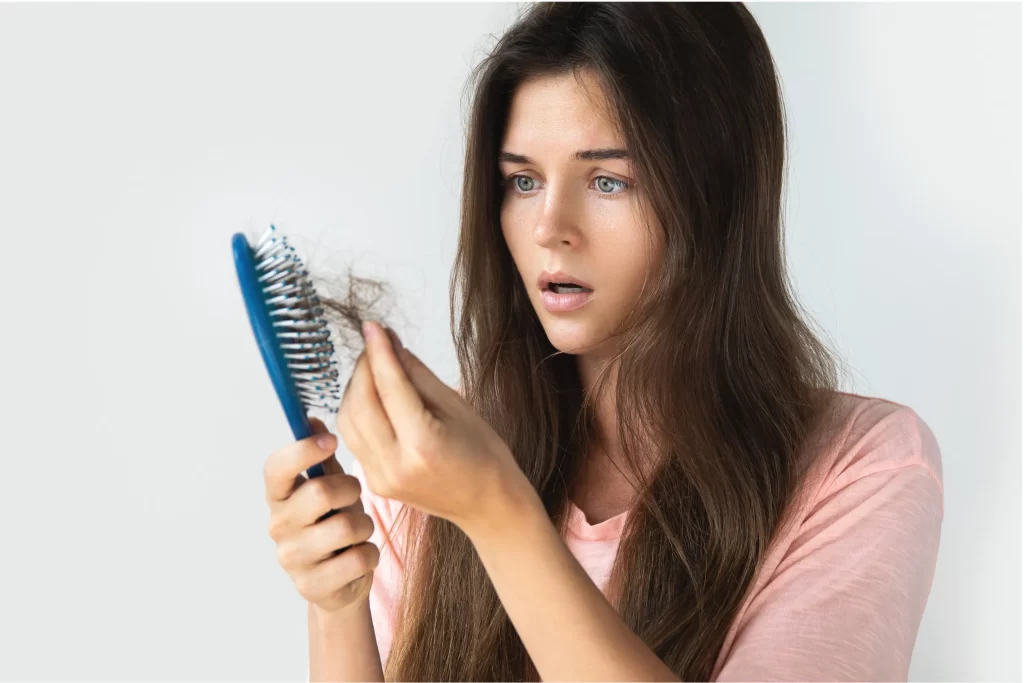
Shampoo rarely pulls strands out at the root, but it can cause shedding, breakage, or scalp irritation that makes your locks look thinner. The link between shampoo and shedding is debated in dermatology circles, but certain formulations can harm the scalp and lead to dryness, irritation, and brittle strands over time.
Three main mechanisms explain how shampoos contribute to thinning:
- Temporary shedding: Stress on the scalp pushes strands into the resting phase, leading to faster fall.
- Strand breakage: Dryness or chemical damage causes the shaft to snap mid-length, which can mimic loss.
- Scalp inflammation: Chronic irritation weakens follicles and disrupts the natural growth cycle.
For women, hormonal sensitivity adds another layer. Research published in the International Journal of Women’s Dermatology suggests that endocrine-disrupting compounds in personal care products may worsen androgen-driven thinning in genetically susceptible women. That puts ingredients like parabens and phthalates squarely on the watch list.
What Shampoos Cause Hair Loss? Brands Linked to Lawsuits and Complaints
I’ve consulted with many female patients who first noticed shedding after switching to a popular drugstore product, and the same brand names tend to come up again and again. Reviewing legal filings, FDA reports, and consumer complaints helps identify which formulas are worth a second look.
TRESemmé Keratin Smooth (Unilever)
Multiple class-action suits have been filed against Unilever after users reported scalp burns, irritation, and shedding from TRESemmé Keratin Smooth shampoo and conditioner. The complaints centered on DMDM hydantoin, a formaldehyde-releasing preservative. Unilever recalled the affected products and settled a related case.
OGX Shampoo (Johnson & Johnson)
A class-action lawsuit was filed against Johnson & Johnson alleging OGX shampoos caused shedding and scalp irritation due to DMDM hydantoin. The brand reformulated in 2021 and removed the preservative, but litigation tied to older bottles remains ongoing.
WEN Hair Care
WEN cleansing conditioners drew thousands of complaints to the FDA, with users reporting clumps of strands falling out after use. A class-action settlement was reached, and the FDA continues to investigate which specific component caused the reactions.
DevaCurl
Several lawsuits alleged DevaCurl products caused shedding, scalp irritation, and breakage in users with curly textures. The cases were consolidated, and a settlement was reached in 2024.
Mane ‘n Tail
Users reported scalp irritation and bald patches linked to Mane ‘n Tail formulations containing formaldehyde-releasing preservatives. A class-action suit against Straight Arrow Products was filed and later dismissed.
Native Shampoo
Native has gone viral on TikTok with users reporting shedding after extended use. Independent studies have not confirmed a direct link, but a separate 2024 lawsuit alleges Native products contain PFAS or “forever chemicals” despite marketing claims of natural ingredients.
Brazilian Blowouts and Keratin Smoothing Treatments
Salon-based smoothing treatments often release formaldehyde during application, and many women report shedding and scalp burns afterward. The FDA has issued consumer warnings, though these treatments remain legal in the U.S.
Ingredients to Avoid in Shampoos
Brand reputation matters less than what’s printed on the back of the bottle. The following ingredients are tied to scalp irritation, breakage, or hormonal disruption in clinical literature.
1. Sodium Lauryl Sulfate (SLS)
A harsh detergent that strips natural oils, leaving strands dry and brittle. People with sensitive or color-treated locks tend to react worst.
2. DMDM Hydantoin
A preservative that slowly releases formaldehyde into the product. It’s been linked to scalp irritation, allergic contact dermatitis, and the lawsuits described above.
3. Formaldehyde
A known human carcinogen per the National Toxicology Program. In hair products, it weakens cuticles, reduces moisture retention, and triggers inflammation.
4. Parabens
Synthetic preservatives that mimic estrogen in the body. Research published in the Journal of Applied Toxicology connects long-term exposure to hormonal imbalance, which matters for women already managing thinning tied to estrogen fluctuations.
5. Phthalates
Often used in fragrance formulations, phthalates are endocrine-disrupting chemicals that have been associated with reproductive and developmental health concerns. Harvard T.H. Chan School of Public Health has highlighted concerns about phthalates and other chemicals in hair products marketed to Black women and girls.
6. Selenium Sulfide
Found in some anti-dandruff shampoos, selenium sulfide has been linked to hair shedding in rare case reports. A JAMA article documented six cases of hair loss after repeated use of selenium sulfide shampoo, with shedding stopping after patients discontinued the product.
7. Dimethicone and Heavy Silicones
Silicones coat the strand and seal in moisture, but they’re not water-soluble. Buildup can clog follicles and leave locks lank, dry, or coated. Use silicone-heavy products no more than once or twice a week.
8. Drying Alcohols
Not all alcohols are bad. Fatty alcohols like cetyl, stearyl, and lauryl alcohol help retain moisture. The ones to avoid are isopropyl alcohol, propanol, ethanol, and propyl alcohol, which strip the cuticle and cause brittleness.has highlighted concerns about phthalates and other chemicals in hair products marketed to Black women and girls.phthalates are endocrine-disrupting chemicals that have been associated with reproductive and developmental health concerns.article documented six cases of hair loss after repeated use of selenium sulfide shampoo, with shedding stopping after patients discontinued the product.
| Shampoo Name | Quality | Risk Level | Potential Side Effects |
|---|---|---|---|
| TRESemmé Keratin Smooth | Low to Medium | High | Scalp irritation, shedding, dryness |
| OGX Biotin & Collagen | Medium | High | Thinning complaints, buildup, irritation |
| Mane 'n Tail Original | Low to Medium | Medium to High | Dryness, breakage, scalp sensitivity |
| Head & Shoulders Classic Clean | Medium | Medium | Dry scalp, irritation in sensitive users |
| Pantene Pro-V Daily Moisture | Medium | Medium | Product buildup, limp strands |
| Suave Essentials Daily Clarifying | Low | High | Extreme dryness, brittle strands |
| Herbal Essences BioRenew | Medium | Medium | Fragrance irritation, mild dryness |
| Dove Daily Moisture Shampoo | Medium | Medium | Residue buildup, scalp imbalance |
| Garnier Fructis Sleek & Shine | Medium | Medium to High | Silicone buildup, heaviness |
| L'Oréal Elvive Total Repair 5 | Medium | Medium | Coating buildup, dullness over time |
Why Female Users Are More Affected
Women experience hair loss from shampoo more often than men, and the reasons go beyond the products themselves. Hormonal cycles, chemical styling, and frequent washing all interact with harsh ingredients in ways that magnify their impact.
Hormonal Disruption from Parabens and Phthalates
Endocrine-disrupting chemicals can interfere with estrogen and androgen signaling, which influences the growth cycle of the follicle. Women with female pattern thinning, polycystic ovary syndrome, or perimenopausal shifts may notice faster shedding when these ingredients show up in a daily routine.
Female Pattern Hair Loss
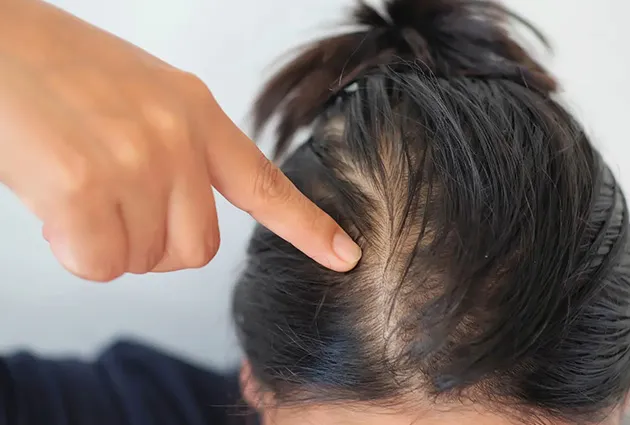
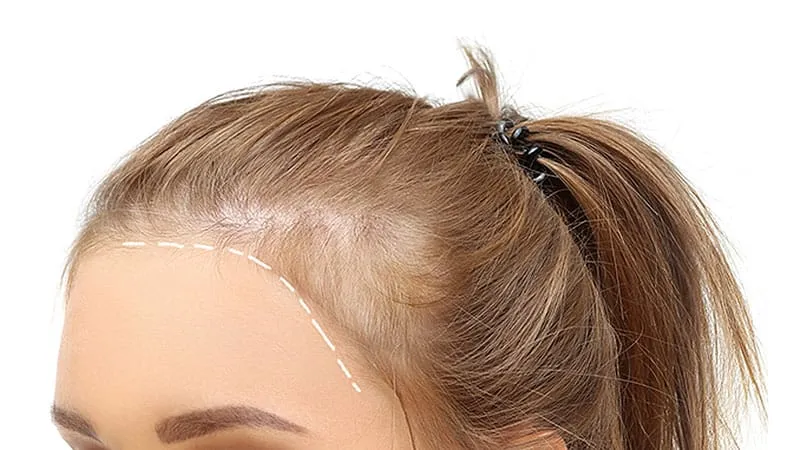
Female pattern baldness affects roughly 40% of women by age 50 according to the American Academy of Dermatology. Harsh shampoos can speed up visible thinning by inflaming follicles already producing finer strands. DHT, the same hormone driving male pattern loss, plays a role here too.
Postpartum Telogen Effluvium
Many new mothers see heavy shedding 3 to 5 months after delivery as estrogen levels drop. Switching to a sulfate-laden or formaldehyde-releasing shampoo during this window can worsen what would otherwise be a temporary phase.
Traction Alopecia from Styling
Tight ponytails, braids, weaves, and extensions pull on the follicle, and repeated tension can cause permanent loss along the hairline. When chemical relaxers or formaldehyde-based smoothing treatments are added, the damage compounds. This pattern is especially common among women who wear protective styles long-term.
Signs Your Shampoo May Be Contributing to Hair Loss From Shampoo
If something feels off after a product switch, these are the clearest warning signs:
- Excessive shedding: More strands falling out than usual after washing or brushing.
- Dry or brittle texture: A sign that the formula is stripping too much moisture.
- Irritated scalp: Redness, itching, or flaking after use.
- Thinning that tracks with a specific product: Gradual loss of volume that started after introducing a new bottle.
If you notice two or more of these together, stop the product and watch for changes over 4 to 6 weeks.
How to Choose Safer Shampoo Products
The best alternatives are gentle on the scalp, free of formaldehyde-releasers, and ideally include actives with clinical evidence behind them.
Look for Sulfate-Free Formulas
Sulfate-free shampoos clean without stripping natural oils, which keeps the scalp barrier intact and reduces inflammation.
Match the Product to Your Texture
Color-treated, curly, fine, or chemically processed strands all need different formulations. A clarifying shampoo every day will dehydrate fine or color-treated locks; a heavy moisturizing formula will weigh down thin strands.
Read Labels Carefully
Avoid synthetic fragrances, parabens, phthalates, and formaldehyde-releasing preservatives like DMDM hydantoin, quaternium-15, and imidazolidinyl urea.
Choose Actives with Clinical Backing
Several active ingredients have peer-reviewed evidence supporting healthier scalp and follicle function:
- Ketoconazole: A 2025 review in the Journal of Cosmetic Dermatology found topical ketoconazole reduced shedding linked to dandruff and pattern baldness.
- Pyrithione Zinc: Found in Head & Shoulders, this active combats dandruff and supports a healthier scalp environment.
- Caffeine: A clinical study on women with female androgenetic alopecia found that 6 months of phyto-caffeine shampoo improved hair pull test results PubMed.
- Rosemary Oil: A 2015 randomized trial showed rosemary oil performed comparably to 2% minoxidil after 6 months PubMed.
- Tea Tree Oil: Reduces dandruff symptoms by 41% after 4 weeks of daily use PubMed.
- Aloe Vera: Soothes itchiness, removes greasiness, and works as an adjunct to medical treatments.
Hair-Loss Shampoos That May Support Hair Regrowth
Most shampoos marketed for regrowth have limited evidence. The exceptions are medicated formulas targeting specific scalp issues. Ketoconazole shampoo and 1% pyrithione zinc shampoo both show measurable improvement in scalp health, which indirectly supports the growth cycle.
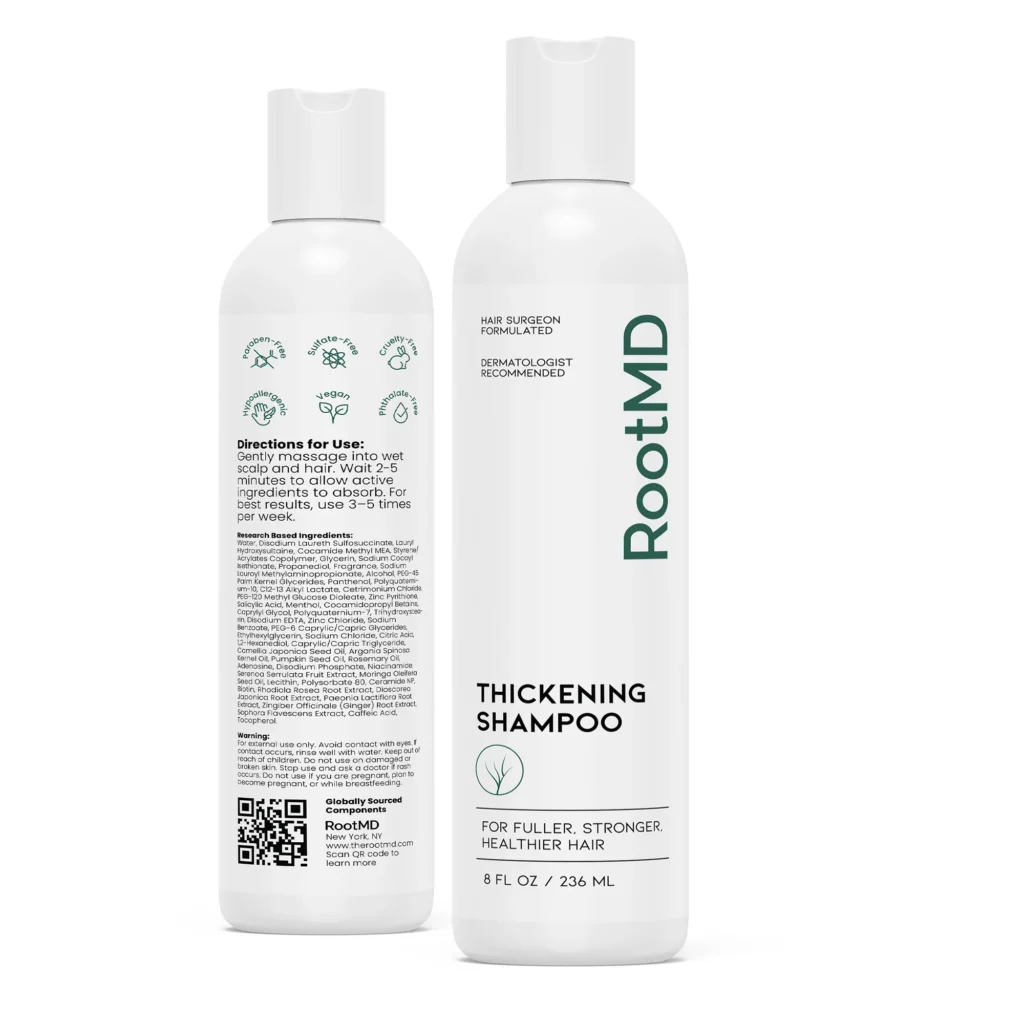
Newer formulations combining caffeine, adenosine, and saw palmetto are showing early promise in clinical trials. One example worth noting is RootMD’s DHT Blocking Shampoo, which combines three naturally derived DHT blockers in a single formula:
- Saw Palmetto: Clinically recognized for protecting follicles from miniaturization and supporting thicker strands over time.
- Pumpkin Seed Oil: Delivers phytosterols and essential fatty acids to nourish the scalp and promote density while acting as a natural DHT blocker.
- Rosemary Oil: Supports circulation to the scalp, fortifies follicles, and encourages stronger growth. A 2015 randomized trial showed rosemary oil performed comparably to 2% minoxidil after 6 months.
This type of multi-active approach targets the hormonal pathway driving female pattern thinning, rather than just cleaning the scalp. If you’re noticing thinning, consult a dermatologist before relying on a shampoo alone, since most cases need a combination approach.
Healthy Washing Habits That Protect Your Strands
How often and how aggressively you wash matters as much as the product itself. A few practical adjustments:
- Wash frequency depends on scalp oil production. Oily scalps may need daily cleansing; drier types do better with 2 to 3 washes per week.
- Focus shampoo on the scalp, not the lengths. The mid-shaft and ends benefit more from conditioner.
- Use lukewarm water, since hot water dries the cuticle and worsens breakage.
- Pat dry with a soft towel rather than rubbing, and limit heat styling, tight pulled-back styles, and chemical relaxers to reduce cumulative trauma.
Other Factors That Contribute to Female Hair Loss
Several lifestyle factors can worsen thinning regardless of which shampoo you use:
- Repeated mechanical trauma: Excessive brushing, tight ponytails, or aggressive towel-drying causes acquired trichorrhexis nodosa, where the shaft snaps mid-length.
- Stress-driven shedding: Emotional or physical stress, illness, surgery, or childbirth can trigger telogen effluvium 3 to 5 months later. Most cases resolve on their own.
- Nutritional deficiencies: Low iron, vitamin D, or protein intake all reduce growth capacity.
- Medications: Beta-blockers, retinoids, antidepressants, and hormonal contraceptives can list shedding as a side effect.
Can You Regain Lost Hair?
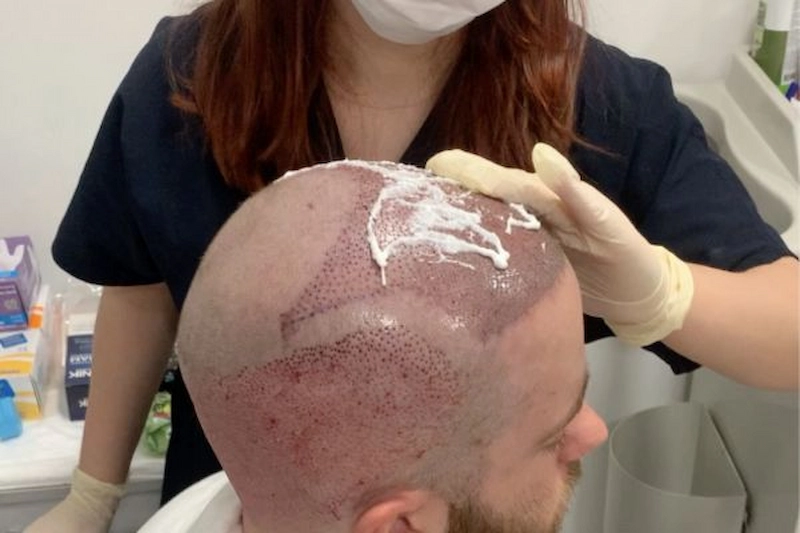
It depends on the type of alopecia. Scarring alopecia, where the follicle is permanently damaged, generally cannot be reversed without a hair transplant to relocate healthy follicles to the affected zones.
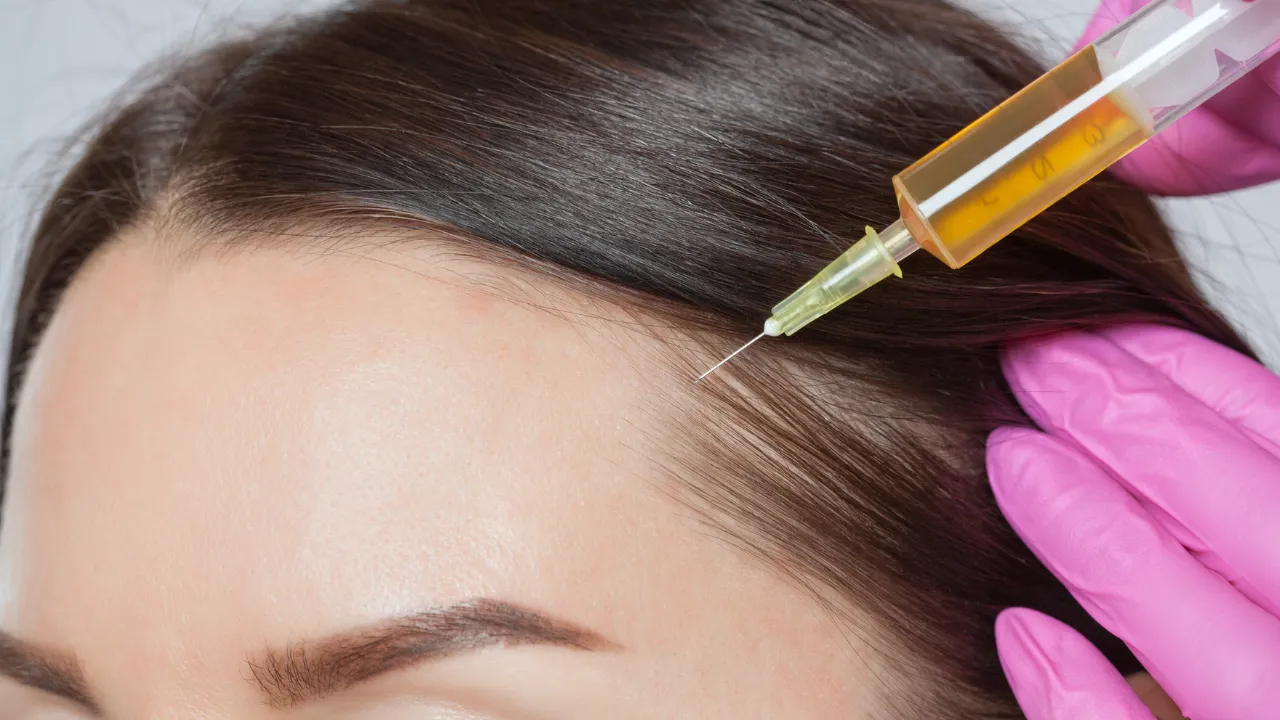
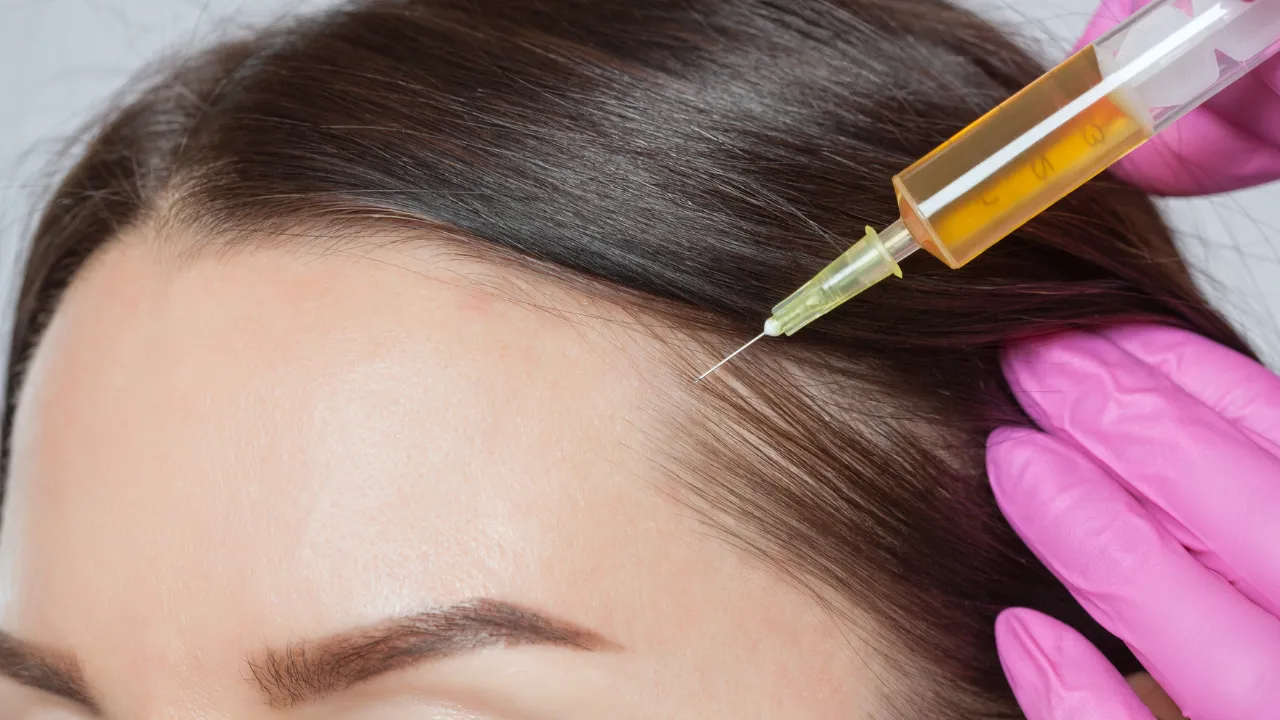
Non-scarring alopecia, including telogen effluvium and most cases of female pattern thinning, often responds to treatment. Topical minoxidil, oral minoxidil, spironolactone, and PRP therapy all have evidence supporting use in women. In advanced female pattern cases, transplant remains a viable option for restoring density along the part line and crown.
If you suspect your routine is contributing to thinning, see a dermatologist or hair transplant surgeon for a proper diagnosis.
When to Consult a Hair Transplant Specialist
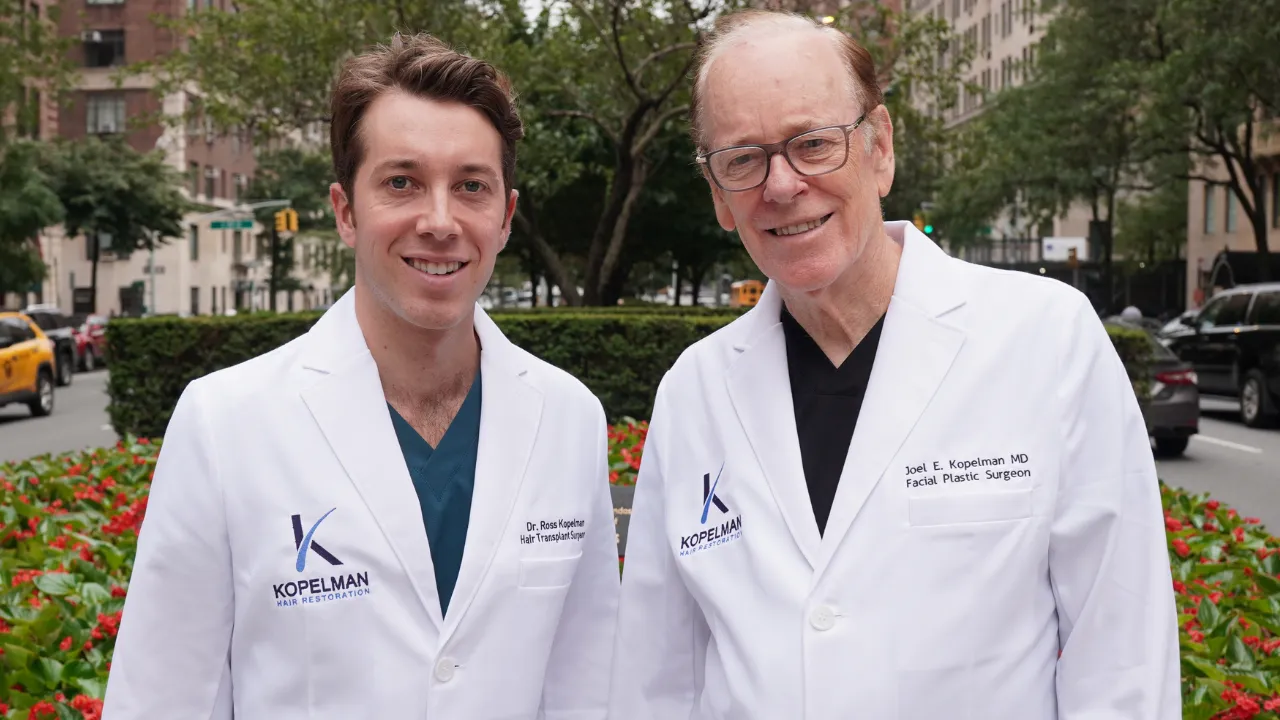
If you’ve ruled out shampoo as the cause and shedding continues, professional evaluation matters. A specialist can distinguish between telogen effluvium (reversible), female pattern thinning (treatable with medication), and scarring alopecia (which needs surgical planning).
In my own practice, women often wait too long before seeking help. Earlier intervention preserves more existing density and gives medical therapies time to work before transplant becomes the only option
Shampoo and Hair Loss FAQs
In most cases, no. Shampoo can trigger temporary shedding, breakage, or scalp irritation, but permanent alopecia almost always involves genetics, autoimmune conditions, hormones, or scarring damage to the follicle.
Shampoos containing DMDM hydantoin, formaldehyde-releasers, harsh sulfates, and heavy silicones generate the most consumer complaints. Brands like TRESemmé, OGX, WEN, and DevaCurl have all faced legal action over these ingredients.
Generally, yes, especially for sensitive scalps and color-treated strands. Some sulfate-free formulas still contain other irritants, so always read the full ingredient list.
If the cause was breakage or temporary shedding, regrowth usually returns within 3 to 6 months. If follicles were already in pattern thinning, you’ll need additional medical treatment alongside switching products.
Parabens have not been proven to cause loss directly, but their estrogen-mimicking activity can influence the hormonal balance involved in female pattern thinning. Paraben-free products are a safer default for women managing thinning.
Final Thoughts on Choosing the Right Shampoo to Avoid Weak Strands
Choosing the right shampoo matters more for women than the marketing usually suggests. The worst products often combine harsh sulfates, formaldehyde-releasing preservatives, and endocrine disruptors that interact with female hormonal cycles in ways men don’t experience as strongly.
If you’ve noticed shedding after a product switch, start by reviewing the label for DMDM hydantoin, parabens, phthalates, and selenium sulfide. Move toward gentler alternatives with clinically supported actives like ketoconazole, caffeine, or rosemary oil. And if shedding continues past 6 weeks of changing products, get a professional evaluation rather than guessing your way through it.