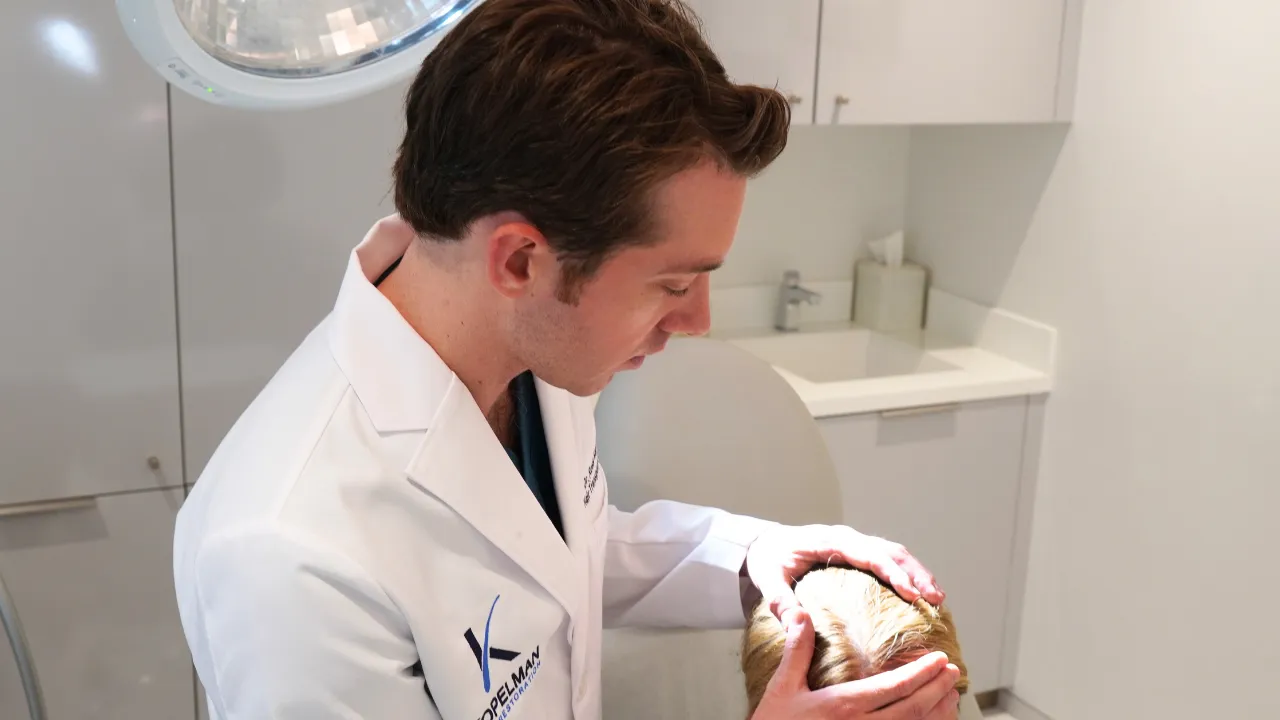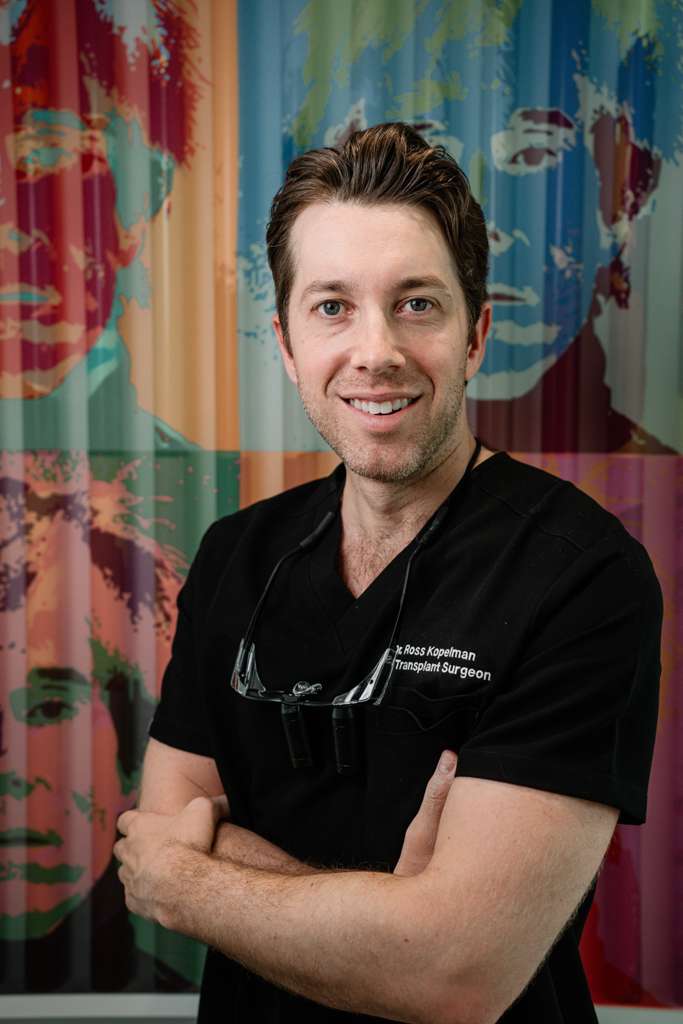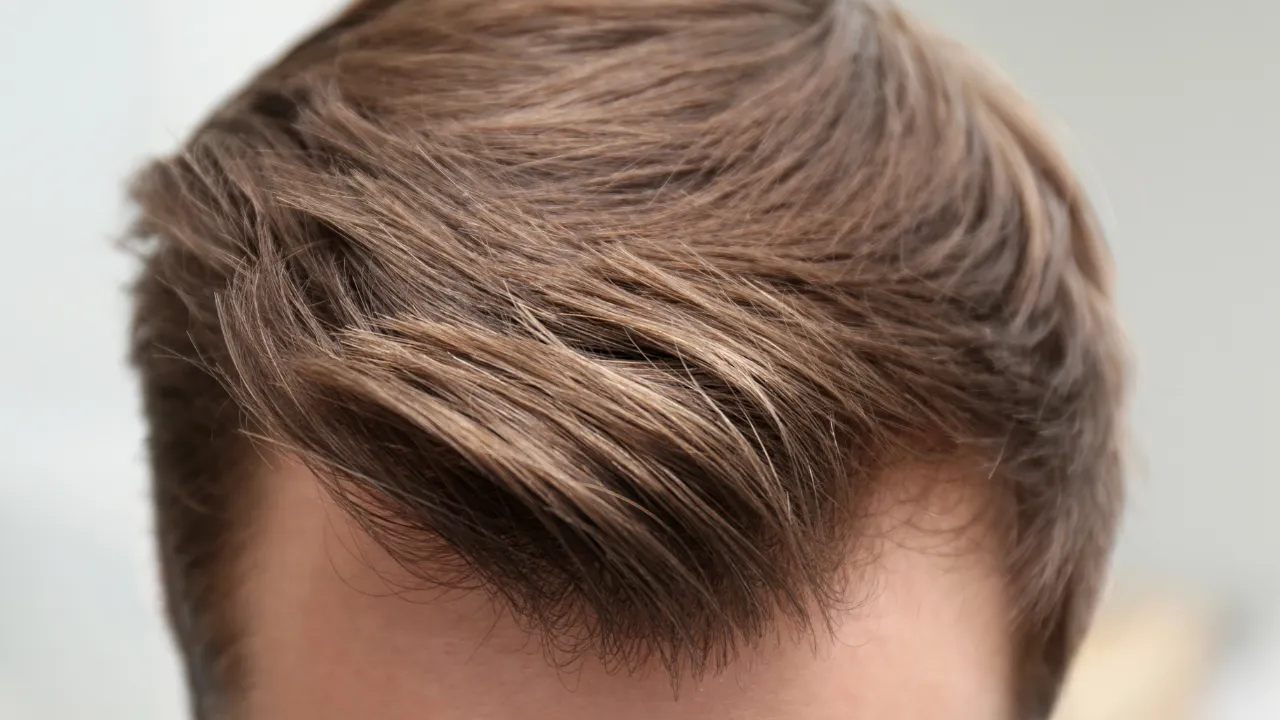

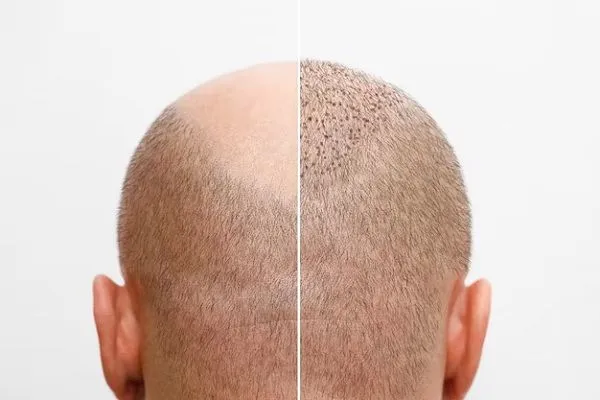
The decision to restore your hair comes with many questions; how much does a hair transplant cost is usually the first.
At Kopelman Hair, patients often ask what they should expect to pay and what procedures offer lasting results.
This guide breaks down the full cost of hair transplant options, from individual grafts to full hairline restoration.
What Affects Hair Transplant Cost?
Graft Count and Treatment Area
The number of grafts needed directly affects the total cost. Each graft typically contains 1 to 4 hair follicles. A small area of thinning may only need 1,000 to 1,500 grafts, while full restoration of the crown or hairline can require 3,000 to 5,000 grafts or more.
Cost also varies by treatment area. For example:
- Filling in temples or a receding hairline requires fewer grafts. In these cases, the hairline transplant cost is often lower since fewer grafts are needed compared to full crown restoration.
- The crown often needs more density and coverage.
- Beard and eyebrow transplants usually involve fewer grafts but more precise placement.
- For patients researching an eyebrow transplant in NYC, pricing is often influenced by the level of precision required and the surgeon’s experience with facial hair restoration. Eyebrow hair transplant procedures typically range from $20,000 to $25,000.
Each additional graft adds to the final hair graft cost, making the size of the area a major price driver.
FUE vs. FUT Procedures
Two main techniques affect price and recovery:
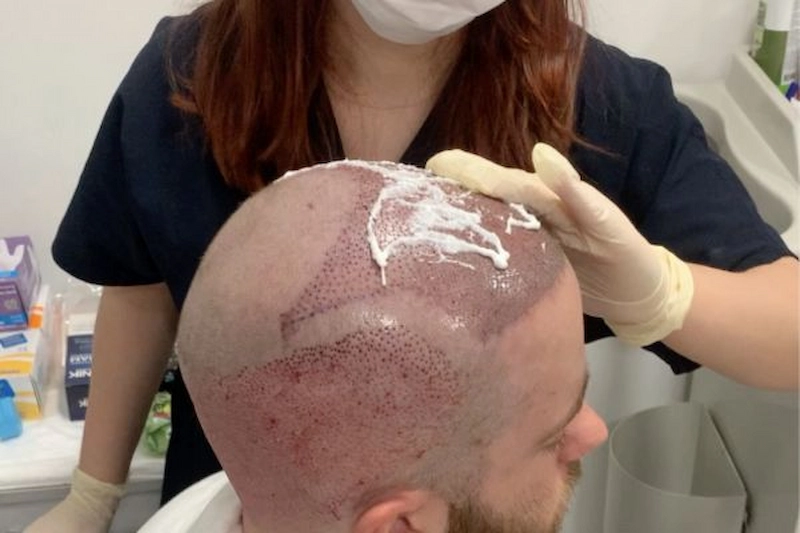
- FUE (Follicular Unit Extraction): Extracts grafts individually. It’s less invasive and leaves minimal scarring, but takes longer, making it more expensive.
- FUT (Follicular Unit Transplantation): Removes a strip of skin to extract follicles. This technique is faster but may leave a linear scar.
The two main types of hair transplant are follicular unit extraction (FUE) and follicular unit transplantation (FUT). FUE involves extracting individual grafts, while FUT removes a strip of scalp to harvest follicles. Both are effective, and your doctor will help determine which transplantation procedure suits your goals.
FUE hair transplant procedures typically range from $25,000 to $40,000. FUT hair transplant procedures also typically range from $25,000 to $40,000. No-shave FUE hair transplant procedures often range from $30,000 to $40,000 because they require more planning, time, and precision.
Who Is a Good Candidate for a Hair Transplant?
Not everyone with hair loss is a suitable candidate for surgery. Success depends on several factors:
- You have stable hair loss, such as male-pattern baldness.
- You have a healthy donor area with sufficient density.
- Your overall health supports safe surgery and healing.
- You have realistic expectations about coverage and density.
Hair transplants work best for patients with permanent hair loss patterns rather than temporary shedding or autoimmune conditions like alopecia areata.
Surgeon Experience and Clinic Location
If you’re searching for hair transplant Miami cost or NYC prices, keep in mind that clinic location affects pricing. Miami and New York both offer experienced surgeons, but overhead and demand can drive up the final hair transplant price. Not all providers are equal. Surgeons with decades of experience and a high success rate may charge more, but the results often justify the price.
Location also plays a role:
- Clinics in large cities like New York tend to have higher overhead costs.
- Traveling for treatment may reduce costs, but could affect follow-up care.
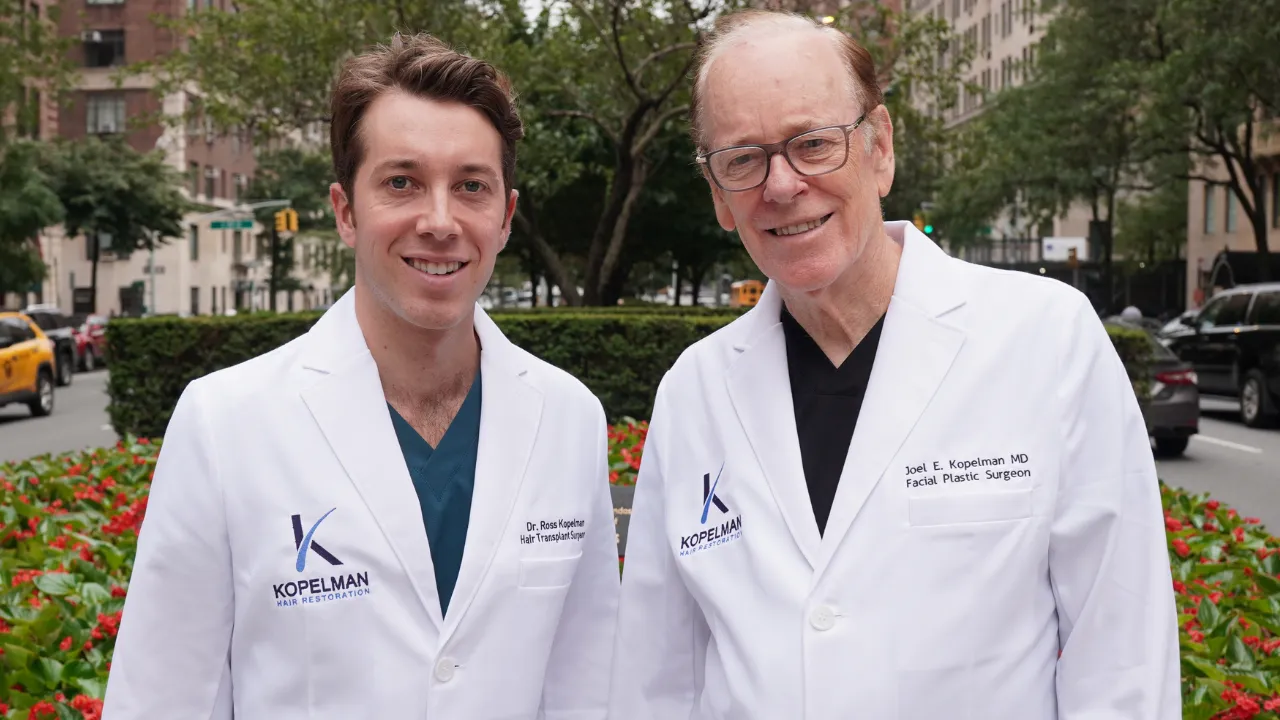
At Kopelman Hair, Dr. Joel Kopelman brings over 35 years of surgical expertise, providing precise and natural-looking results that prioritize patient safety and comfort.
Hair Transplant Pricing: Ranges and Examples
The hair transplant price varies depending on technique and graft count. Some patients ask, “How much does hair transplant cost if I only need the hairline restored?” Others seek full crown coverage, which increases the total number of grafts and final hair transplant costs.
National Averages and Package-Based Costs
In the U.S., the hair implants cost typically falls between $25,000 and $40,000. This depends on the number of grafts, technique, treatment area, and provider.
General breakdown:
- FUE hair transplant: $25,000 to $40,000
- FUT hair transplant: $25,000 to $40,000
- No-shave FUE hair transplant: $30,000 to $40,000
- Female hair transplant: $25,000 to $40,000
- Cost of 2,000 hair grafts: $25,000 to $40,000
- Cost of 3,000 hair grafts in NYC: $25,000 to $35,000
- Cost of 5,000 hair grafts in NYC: $30,000 to $40,000
Some clinics offer per-session pricing, while others charge by package, graft count, technique, or treatment area. Always confirm what’s included. Some quotes cover only the surgery, while others include follow-ups, medications, or PRP therapy.
5,000 Grafts: What to Expect
For extensive restoration, large sessions may be necessary.
Here’s what you might pay:
- 5,000 grafts in NYC: $30,000 to $40,000
Most patients do not require very large graft counts in a single session. If they do, surgeons may split the procedure into phases to reduce risk and improve survival rate. If you’re unsure how many grafts you might need, use our hair graft calculator to get a personalized estimate based on your level of hair loss and restoration goals.
Specialty Hair Restoration Procedure Costs
Some patients need facial hair, body hair, or scar repair procedures instead of a standard scalp transplant. These procedures often require more detailed planning because the angle, direction, and density of each graft affect the final appearance.
Typical pricing includes:
- Eyebrow hair transplant: $20,000 to $25,000
- Eyelash hair transplant: $20,000
- Beard hair transplant: $20,000 to $30,000
- Moustache transplant: $20,000 to $25,000
- Body or chest hair transplant: $25,000 to $30,000
- Beard to scalp transplant: $25,000 to $30,000
- Scar repair: $15,000 to $18,000
- Consultation or medical management: $350
Hair Treatment Cost Without Insurance
Hair restoration is considered a cosmetic procedure, so insurance usually doesn’t cover it. This includes both surgical and non-surgical options.
What’s not covered:
- Surgeon’s fee
- Facility or anesthesia fees
- Follow-up appointments or revisions
Some clinics offer payment plans or financing through medical lending services. Ask your provider what options are available if you’re concerned about upfront costs.
Comparing Hair Transplants to Other Options
Patients with extensive hair loss may need more than one session to reach full coverage. Choosing between FUE procedure or FUT depends on how much donor hair is available and the size of the area to be restored. Many people wonder how public figures maintain their look. Cristiano Ronaldo’s hair transplant is a clear example of how celebrity procedures can influence treatment demand and pricing.
Hair Plugs, Implants, and Modern Methods
The term hair plugs refers to an outdated method from the 1980s. Large round grafts were used, often producing unnatural results. Today, modern hair implants use micrografts with 1 to 4 hairs, placed to mimic natural growth patterns.
Modern methods such as FUE and FUT deliver more seamless and personalized outcomes. If you’re wondering how much do hair plugs cost, you won’t find many clinics offering them anymore because modern hair restoration methods provide better cosmetic results.
Non-Surgical Treatments: PRP, Minoxidil, and More
Not ready for surgery? Here are some alternatives:
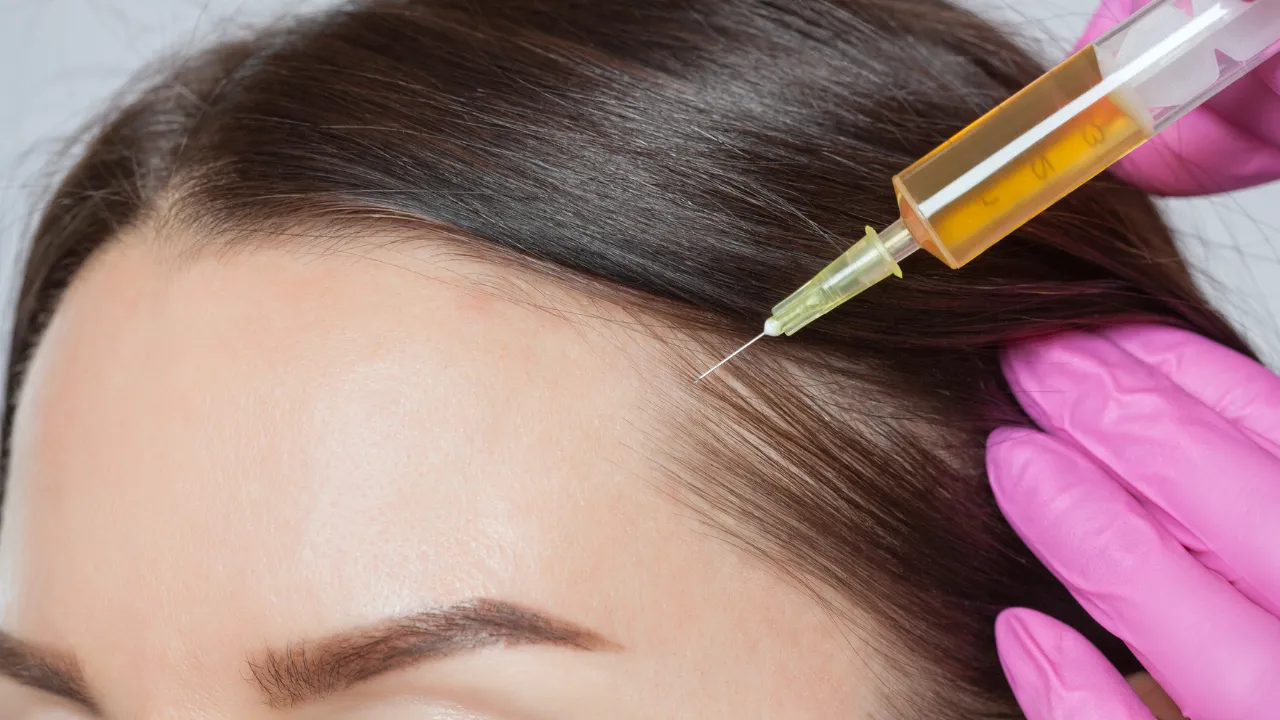
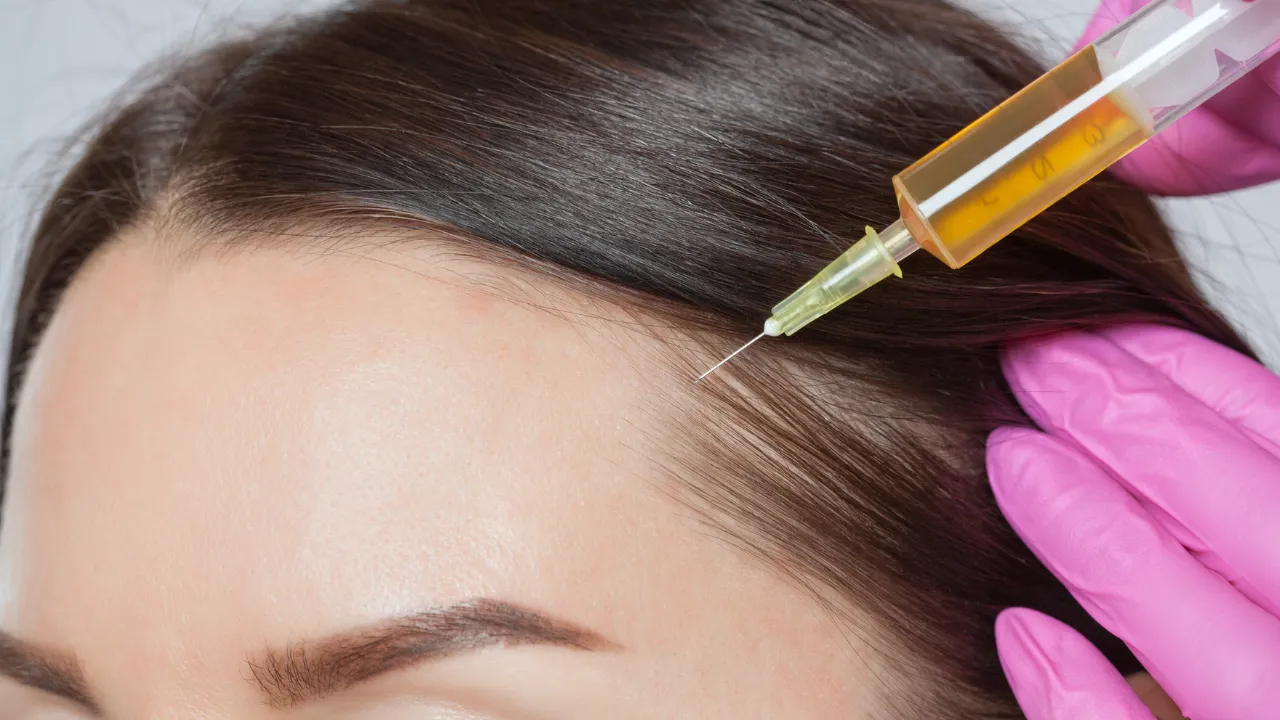
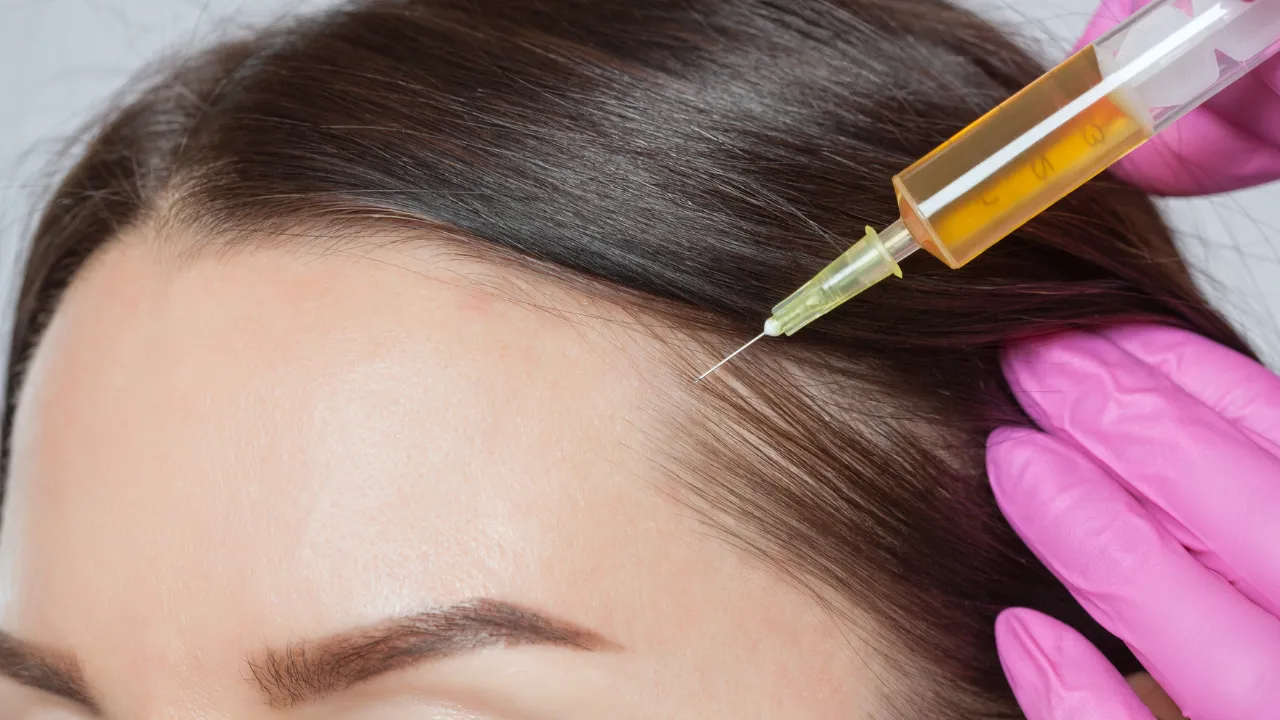
- PRP (Platelet-Rich Plasma): Injections using your own blood to stimulate hair growth. Costs $1,500 per session.
- Minoxidil (Rogaine): Over-the-counter topical treatment for hair thinning. Costs about $30/month.
- Finasteride (Propecia): Prescription oral medication to slow hair loss. Costs around $50/month.
These can help slow shedding or support transplant results but usually don’t match the density achieved by surgery. Some of these options, such as minoxidil, also work for beard growth.
Permanent Hair Treatment Cost vs. Short-Term Fixes
Surgical transplants offer permanent results. Once transplanted hairs take root, they behave like native hair and don’t fall out easily. The upfront hair replacement cost may be higher, but in the long term, it can be more cost-effective than years of non-surgical upkeep.
Compare:
- Hair transplant: $25,000 to $40,000
- PRP therapy: $1,500 per session
- Minoxidil: about $30/month
Surgery may initially be more expensive, but the outcome is often more reliable and noticeable.
Local Hair Treatment Cost Near Me
If you’re searching for “hair treatment cost near me”, expect wide variation. Local prices depend on:
- Local demand and competition
- Clinic reputation
- Included services
Always evaluate:
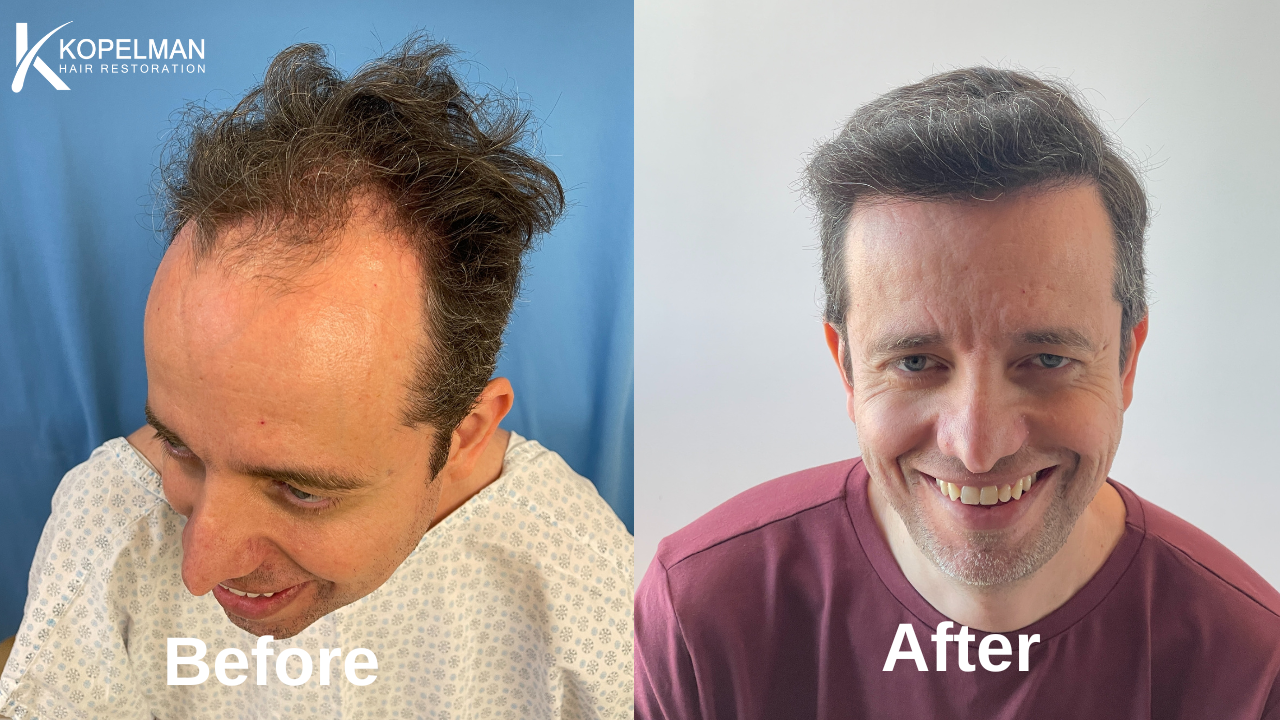
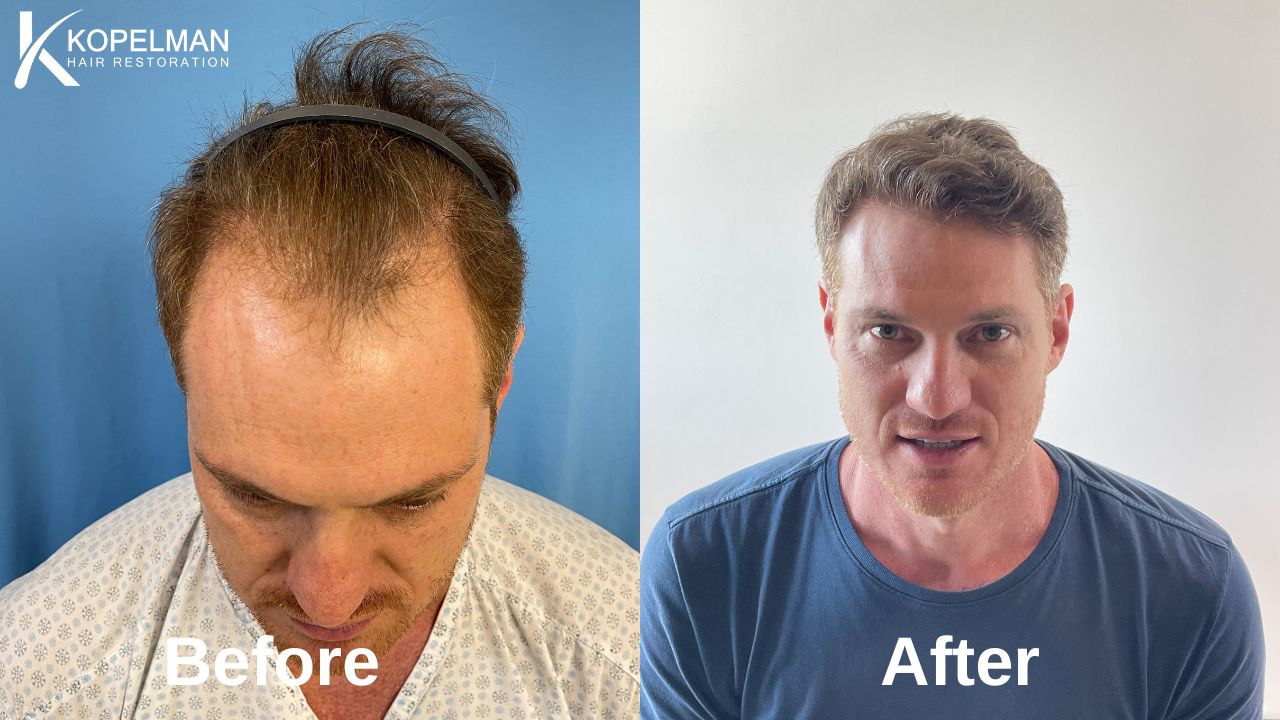
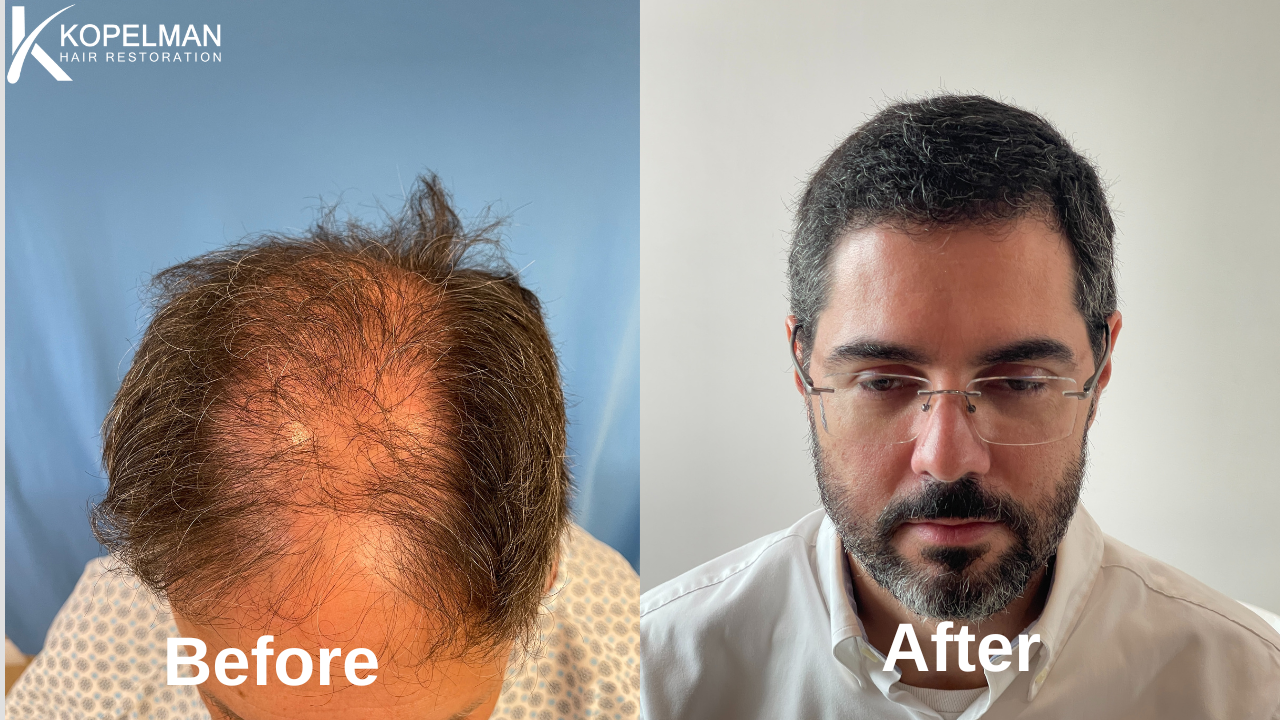
- Before-and-after photos
- Patient reviews
- Whether the consultation is free or paid
At Kopelman Hair, a consultation or medical management visit costs $350. This visit helps determine whether surgery, PRP, medication, or another treatment path makes sense for your goals.
Is It Worth It? Results, Risks, and Recovery
A hair transplant procedure can restore both hair and confidence. It’s a long-term solution for thinning or receding hairlines, especially when other treatments haven’t worked. While it’s a personal investment, many find it’s worth the cost of a hair restoration that looks natural and lasts.
What Results to Expect
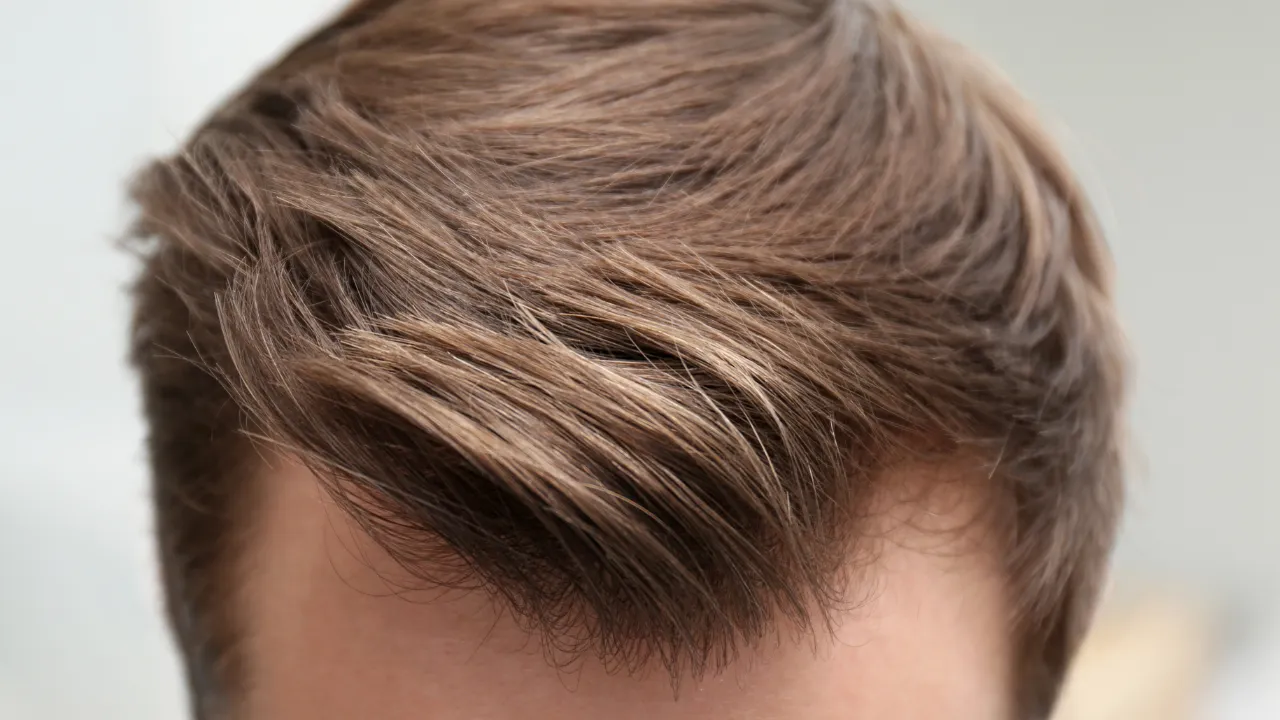
A successful transplant creates fuller, natural-looking hairlines or crowns. Results develop gradually over 6 to 12 months. With expert planning, the outcome blends well with your existing hair.
Patients typically see:
- New hair growth in 3 to 4 months
- Peak density around 12 months
- Long-term retention if donor hair is stable
Hair Transplant Side Effects
Side effects are usually minor but worth understanding. Common ones include:
- Swelling or redness
- Temporary shock loss, which means shedding of surrounding hair
- Scabbing or itchiness
- Mild discomfort
While rare, complications can happen with hair transplant surgeries, including minor infection or uneven growth. Choosing a reputable provider helps reduce these risks and ensures your hair restoration surgery is done safely and effectively.
Long-Term Maintenance and Follow-Ups
Transplanted hair is permanent, but native hair may still thin. Maintenance options include:
- PRP injections to support growth
- Finasteride or Minoxidil for surrounding areas
- Follow-up evaluations every 6 to 12 months
In some cases, a second procedure may be needed years later to maintain density or expand coverage.
Questions to Ask During Your Consultation
Before committing to a procedure, prepare the right questions. This helps you set clear expectations and make confident decisions:
- How many grafts will I need based on my goals?
- Do you recommend FUE or FUT for my hair type?
- What will recovery involve, and how long will it take?
- Are there additional fees for follow-ups or medications?
- Can I see before-and-after photos of patients like me?
A quality consultation should be educational, not rushed. At Kopelman Hair, consultations are designed to answer these questions in detail, helping patients make informed, pressure-free choices.
Common Questions About Hair Transplant Cost
How Much Do Hair Plugs Cost Today?
Traditional hair plugs are outdated and are rarely used by modern clinics. Most modern clinics now perform FUE or FUT, which offer better, more natural-looking results. FUE and FUT hair transplant procedures typically range from $25,000 to $40,000.
What Is the Typical Hair Graft Cost?
Hair graft cost depends on the number of grafts, method, treatment area, and clinic. Rather than focusing only on a per-graft rate, patients should ask for a complete package estimate.
Common examples include:
- 2,000 hair grafts: $25,000 to $40,000
- 3,000 hair grafts in NYC: $25,000 to $35,000
- 5,000 hair grafts in NYC: $30,000 to $40,000
Always clarify what’s included in the quoted price.
Is Hair Transplant Covered by Insurance?
In nearly all cases, hair transplant surgeries are not covered by health insurance, since they are considered cosmetic. Exceptions are rare and typically apply to reconstructive cases, such as injury or burn recovery.
Is Hair Loss Treatment Expensive?
It depends on the method. Topical treatments are affordable month to month, but can add up. Surgery has a higher upfront cost but may offer better long-term value. PRP costs $1,500 per session, while surgical hair restoration usually ranges from $25,000 to $40,000. The real cost is not treating it. Delaying treatment can reduce the donor area quality over time.
Ready to Take the Next Step?
Understanding the full picture of hair treatment cost helps you make an informed decision. Whether you’re comparing procedures, exploring alternatives, or planning a full restoration, the key is choosing a skilled, trusted expert.
At Kopelman Hair, Dr. Joel Kopelman combines decades of surgical experience with advanced techniques to deliver results that look natural and last. If you’re ready to restore your hair and confidence, a personalized consultation is the best place to start, schedule now.