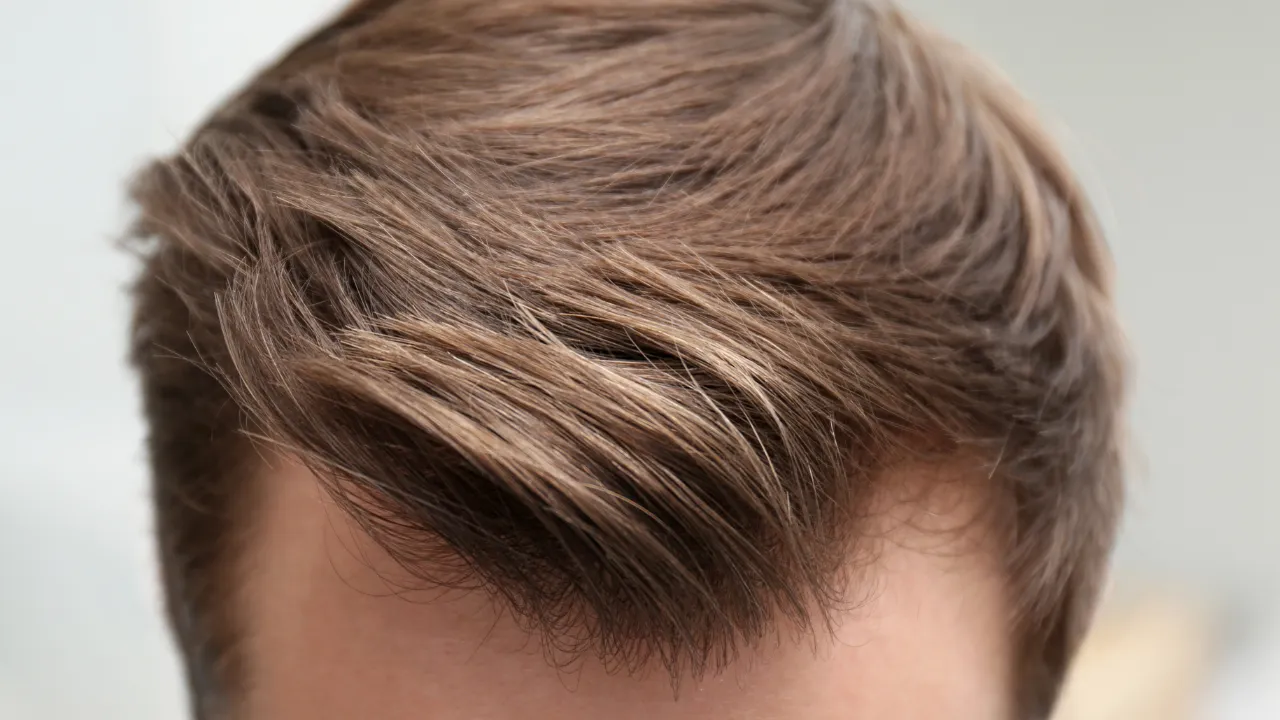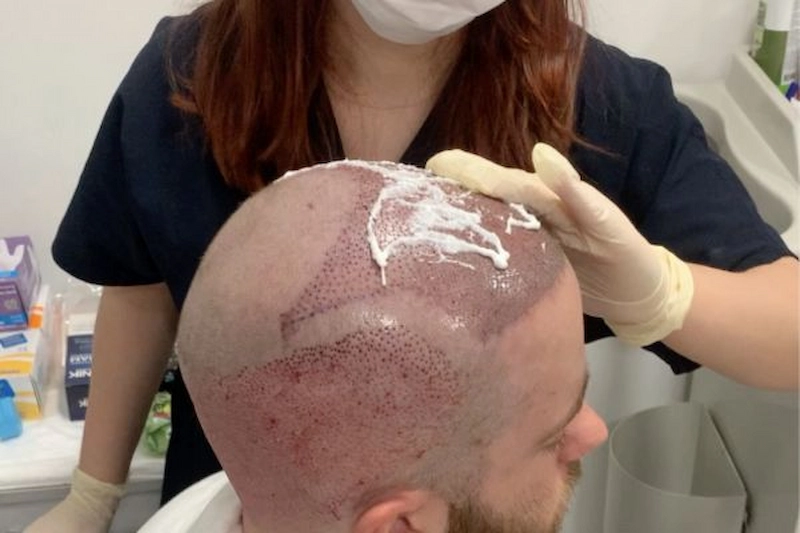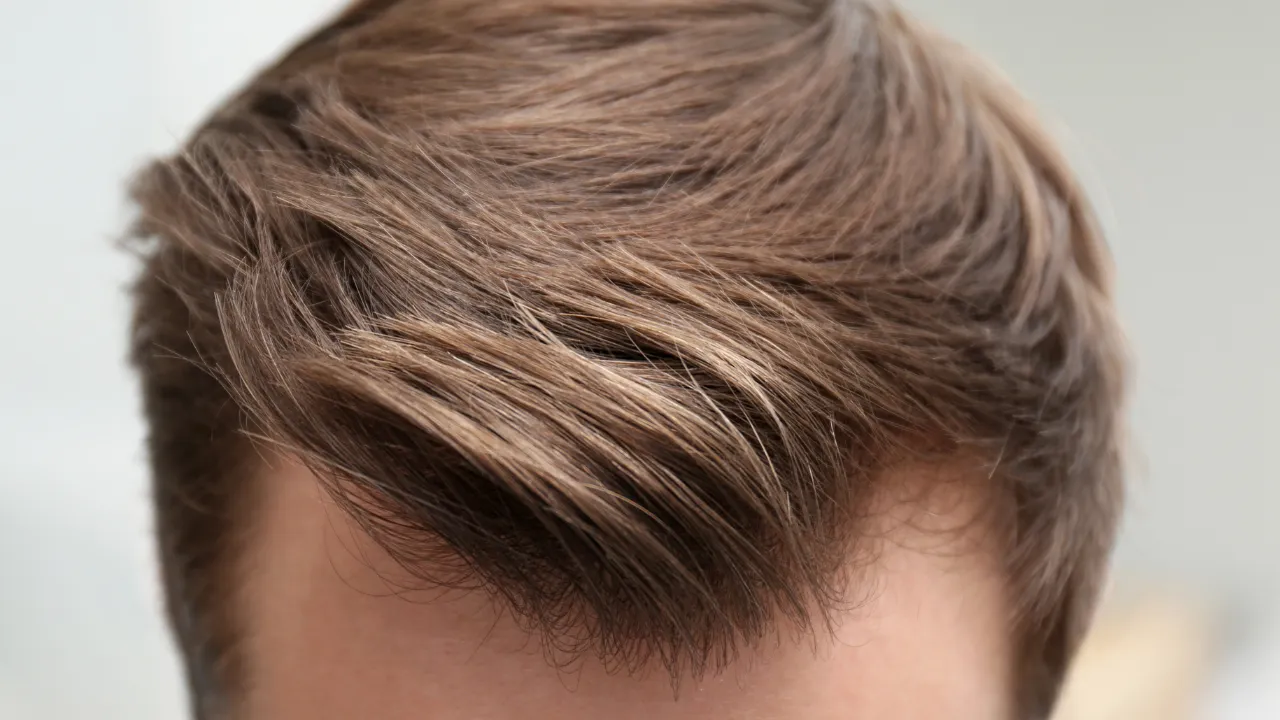

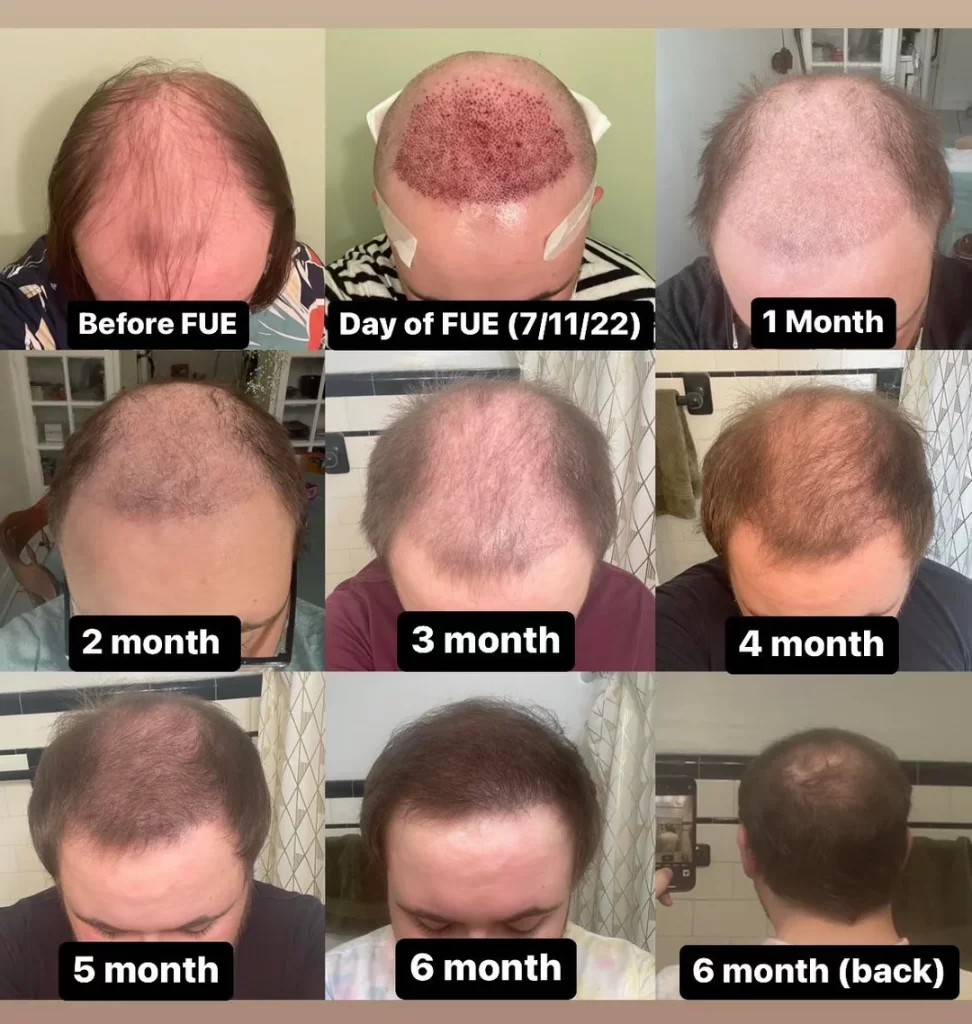
Knowing these stages helps you judge progress at the right time instead of comparing yourself with someone else’s photos. Celebrity cases often discussed online, such as Cristiano Ronaldo, usually show only the finished result, not the shedding and quiet months that come first.
Hair Transplant Recovery Timeline: Month-by-Month Summary
| Stage | Timeframe | What Happens |
|---|---|---|
| Initial healing | Day 1 to 7 | Scabbing, redness, and swelling that peaks around days 2 to 3; grafts are fragile and need protection. |
| Shedding (shock loss) | Weeks 2 to 4 | Placed strands fall out while follicles stay in place and rest. |
| Resting phase | Months 1 to 3 | Little visible change; follicles reset beneath the skin before regrowing. |
| Early regrowth | Months 3 to 4 | Fine new strands begin to emerge, often unevenly. |
| Density building | Months 4 to 6 | Strands thicken and coverage becomes clearly visible. |
| Significant growth | Months 7 to 9 | Fuller, more natural appearance; refinements continue. |
| Final results | Months 10 to 12 | Hairline reaches mature density and a natural blend; donor area fully healed. |
| Full maturation | Months 12 to 18 | Crown and remaining areas reach final thickness and texture. |
These windows vary with hair type, graft count, the area treated, and overall health, so treat them as guides rather than deadlines.
The Hair Transplant Process: What Happens on Surgery Day
The procedure is performed as an outpatient visit under local anesthesia. Follicles are harvested from the back and sides of the scalp, where hair is resistant to pattern hair loss, and placed into tiny recipient sites in the thinning areas. Most sessions take several hours, depending on the number of grafts.
Once placed, grafts survive on surrounding tissue fluid until new blood vessels connect, a process that begins roughly three days after surgery (Journal of Cutaneous and Aesthetic Surgery). That is why protecting the scalp during the first week matters so much.
What to Expect After Your Procedure
Once grafting is complete, the scalp enters a critical phase of healing. In the first few days, you will notice swelling, redness, and tenderness in both the donor area, where the follicles are harvested, and the recipient area, where they are placed.
This is normal and can be managed with prescribed medication and careful scalp care.
Protecting the grafts during this window is vital to their survival. You will receive specific instructions on how and when to wash, so you avoid disturbing the newly placed follicles.
Day 1 to Day 7: The Critical First Week of Healing
The first week is essential to the entire healing process. If you compare hair transplant pictures day by day across this week, you will see scabbing and redness gradually fade, marking the earliest signs of recovery.
Small scabs form around each follicle within two to three days and usually loosen by days seven to 10, so take care not to disturb the area. Gentle washing begins on the schedule your surgeon gives you, but avoid scratching or vigorous contact with the scalp. Mild discomfort and itching are common and will ease as healing progresses.
Forehead swelling, if it develops, tends to peak around days two to three and settle within about a week (Frontiers in Medicine). For patients who also had beard grafts, the facial transplant recovery timeline includes its own swelling phase.
During this stage, keep your head elevated while sleeping to reduce swelling, and avoid strenuous activity that could jeopardize the grafts.
Returning to Work and Daily Activity
Most people who work a desk job feel comfortable returning within a few days, once visible redness and swelling begin to settle. Roles that involve heavy lifting, sweating, or sun exposure usually call for a longer pause, often one to two weeks.
Hold off on intense exercise, swimming, saunas, and direct sun until your surgeon clears you, as elevated blood pressure and friction can disrupt early healing.
Light walking is generally fine after the first few days. A loose head covering can help once cleared, but tight hats and rubbing should be avoided early on.
Weeks 2 to 4: The Shedding Phase and Shock Loss
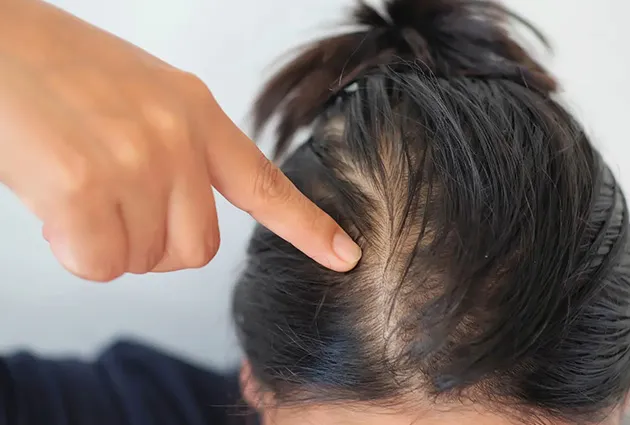
After the first healing phase, the newly placed strands begin to fall out, which can feel alarming. This is known as shock loss and typically occurs between weeks two and four, as the follicles enter a resting phase after surgery.
It may look like the procedure is not working, but this shedding is temporary and is actually a sign that new growth will soon follow. The visible shaft drops while the follicle itself stays in place, preparing for the next growth cycle. It is the same resting-and-release process behind everyday hair shedding, triggered all at once by surgery.
In some cases, a few fragile native hairs near the recipient area may briefly thin out as well. This can show up anywhere from two to eight weeks after surgery, and those hairs usually begin regrowing around the three-month mark.
Months 1 to 3: The Resting Phase and First New Growth
This is the stretch that tests patience most. Follicles that have shed their strands enter a resting phase that normally lasts two to three months before a new growth cycle starts (StatPearls). The scalp may look much as it did before surgery, or even thinner, during this time.
1 Month After Hair Transplant: What to Expect
By the four-week point, redness has usually faded and most transplanted strands have shed, leaving short stubble or smooth skin in the recipient area. The donor area typically looks close to normal, especially after FUE.
Aftercare now shifts from protection to routine. Most patients return to regular washing, exercise, and swimming once cleared, though many surgeons advise waiting about a month before cutting or coloring your hair and continuing to shield the scalp from direct sun.
2 Months After Hair Transplant: The Quiet Phase
Two months in, little seems to happen on the surface, and the recipient area may look patchy or thinner than before surgery. The follicles are still resting and preparing to grow, and shock loss in nearby native hair can make the area look sparser for a while.
This is the most common point for patients to worry, and the least useful time to judge results. Styling longer surrounding hair over the area, or a loose cap once your surgeon approves it, can make this phase easier without affecting the grafts.
3 Months After Hair Transplant: First New Growth
Around the three-month mark, many patients notice the first signs of regrowth. New strands start emerging from the treated follicles, though they may look thin and fragile at this stage.
Some follicles wake up sooner than others, so density and texture often vary across the scalp. New hairs typically appear anywhere between three and six months (StatPearls), so a sparse look at this point is too early to judge.
Small pimple-like bumps can also appear as new hairs push through the skin, often around week 10. They usually settle with gentle washing and warm compresses (Frontiers in Medicine).
Months 4 to 6: Thickening and Density
At this point, the change becomes far more noticeable. The fine, wispy hairs from earlier months grow thicker and start filling in the treated areas.
4 Months After Hair Transplant: Visible Thickening
By the fourth month, more follicles have entered active growth, and new strands are long enough to see without close inspection. The hair may still feel fine or look slightly uneven in texture, which is temporary as the shafts mature.
Scalp hair grows roughly half an inch per month once it surfaces, so added length now starts helping coverage. Frontal areas often look ahead of the crown at this stage.
6 Month Hair Transplant Results: A Useful Checkpoint
Coverage becomes clearly visible between months five and six. Many patients’ 5 month hair transplant results show the first real change in how the hair styles and falls. By month six, many patients see a clear improvement in density, and comparing photos from one month after surgery to the six-month point highlights a dramatic shift in thickness and coverage.
Results at six months are still partial, since strands keep thickening, darkening, and lengthening for many months.
Months 7 to 9: Significant Growth
By months seven to nine, the restored area takes on a far more natural appearance. The strands are thicker, overall density improves, the restored area takes on a far more natural appearance.
Gains are more substantial now, though minor refinements in texture and density continue as the follicles mature. Hair also blends more naturally with your native hair, making the result easier to style.
Months 10 to 12: Final Results
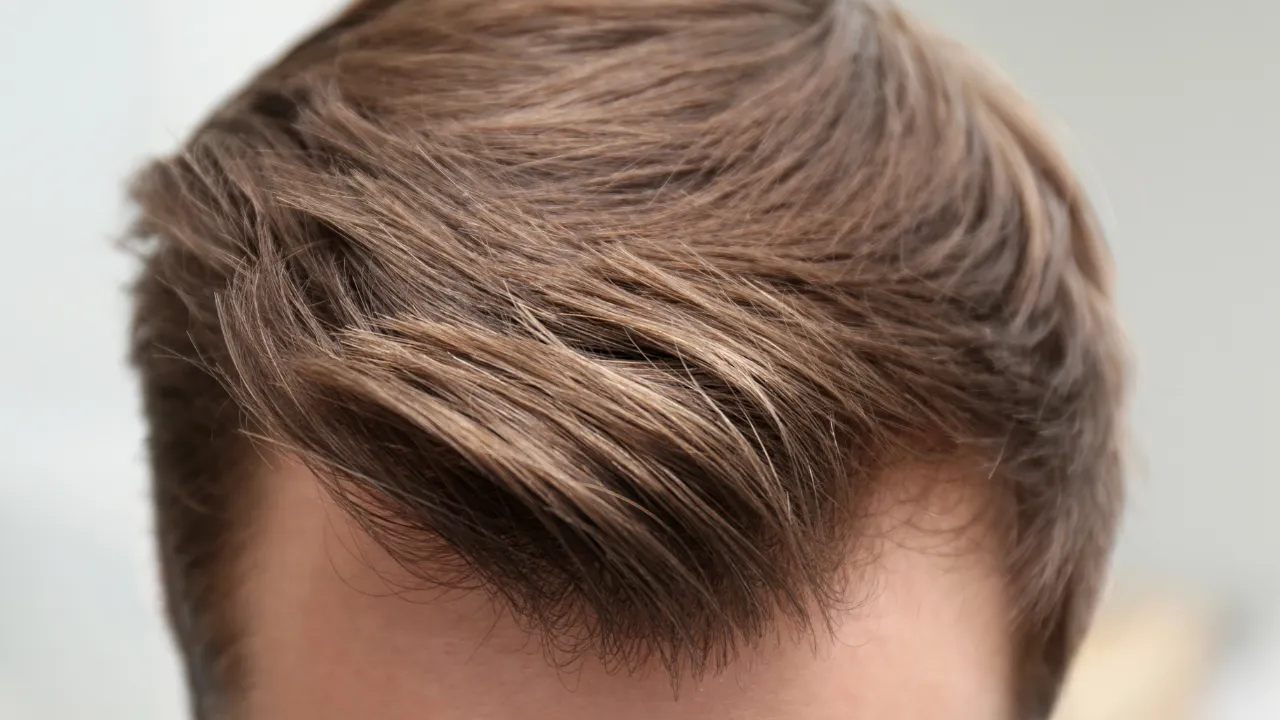
The recovery timeline culminates around the 12-month mark. By this point, most patients can enjoy their final hairline result: a fuller, natural-looking head of hair. The new strands have thickened, and any remaining gaps should be filled in, although crown work may still be maturing.
For some individuals, a minor touch-up may help optimize density or symmetry, and surgeons usually wait until growth has fully matured, around 12 months or later, before deciding. For most, the one-year mark represents the completion of their restoration journey. The donor area should have fully healed by now, leaving minimal scarring.
To learn what happens 10 years after a procedure, read our guide on hair transplant 10 years later.
Crown Hair Transplant Month by Month
The crown, or vertex, moves through the same stages as the hairline but usually shows visible growth later and takes longer to look full. Its swirl pattern spreads hairs in several directions across a larger area, so the same number of grafts creates less apparent density than at the front.
| Timeframe | Hairline | Crown |
|---|---|---|
| Weeks 2 to 4 | Placed strands shed | Shedding often looks more dramatic over a larger area |
| Months 1 to 3 | Follicles rest | Follicles rest |
| Months 3 to 5 | First fine hairs appear | First hairs, often a few weeks behind the front |
| Months 6 to 9 | Clear density gains | Visible growth, but coverage may still look see-through |
| Months 10 to 12 | Near-final result | Still filling in and thickening |
| Months 12 to 18 | Final | Final density and texture |
Judging crown density at 12 months often causes unnecessary worry, so most surgeons assess it closer to 18 months. Because pattern hair loss frequently continues around the crown, protecting the surrounding native hair is often part of the long-term plan.
Hair Transplant Month by Month Pictures: How to Track Your Progress
Progress photos are the most reliable way to see change, because slow growth is hard to notice in a mirror day to day. Consistency matters more than camera quality:
- Use the same spot and lighting each time, ideally overhead light plus daylight
- Capture the same angles: front hairline, top, crown, both temples, and the donor area
- Photograph dry, unstyled hair from the same distance
- Take a set once a month and before each follow-up visit
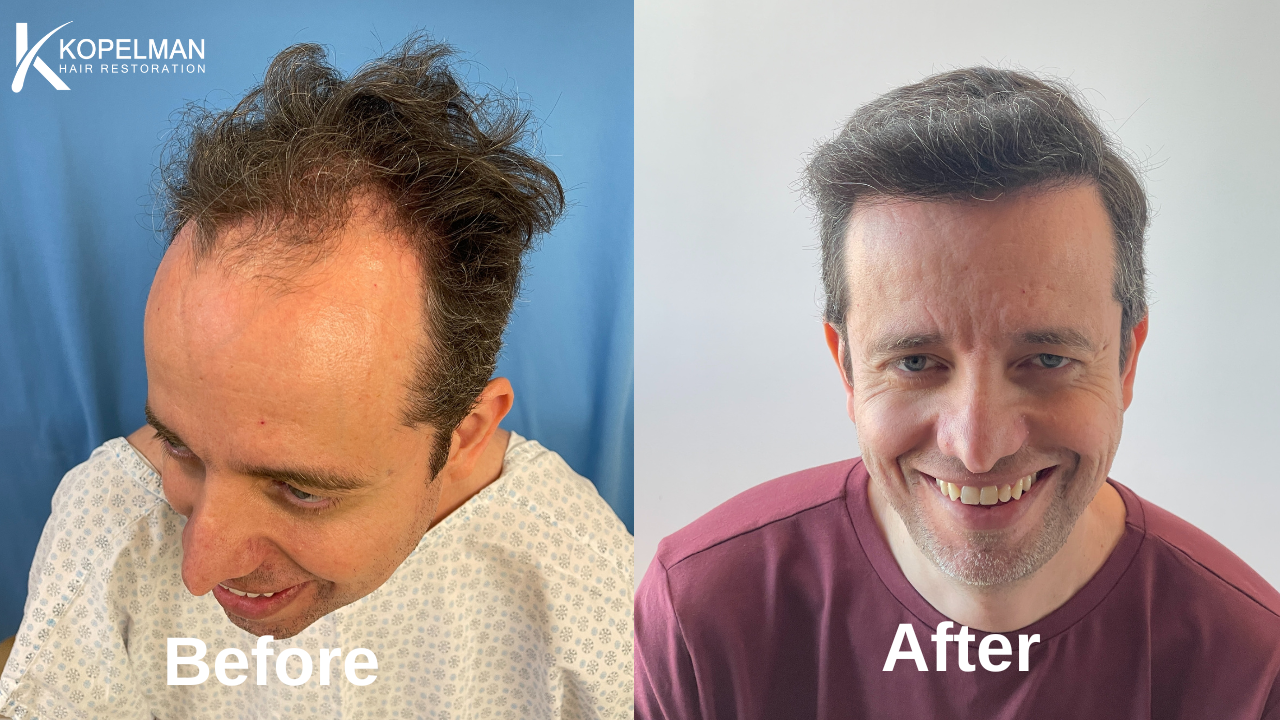
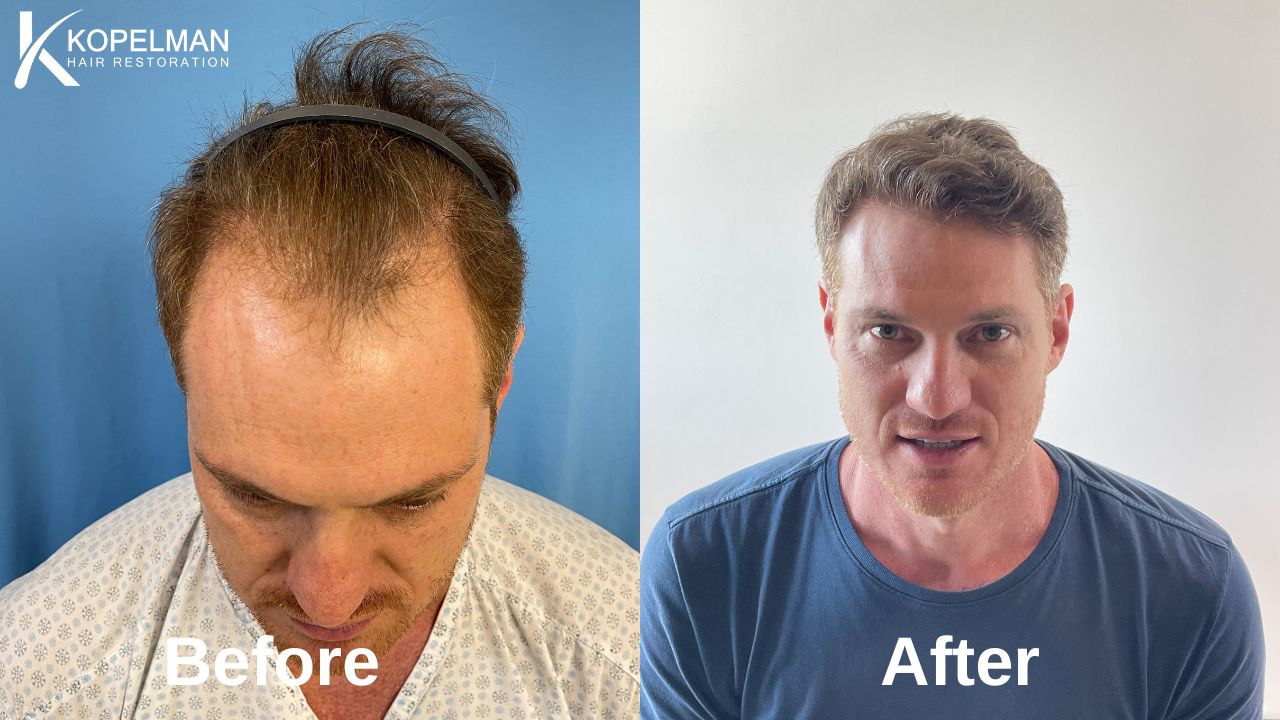
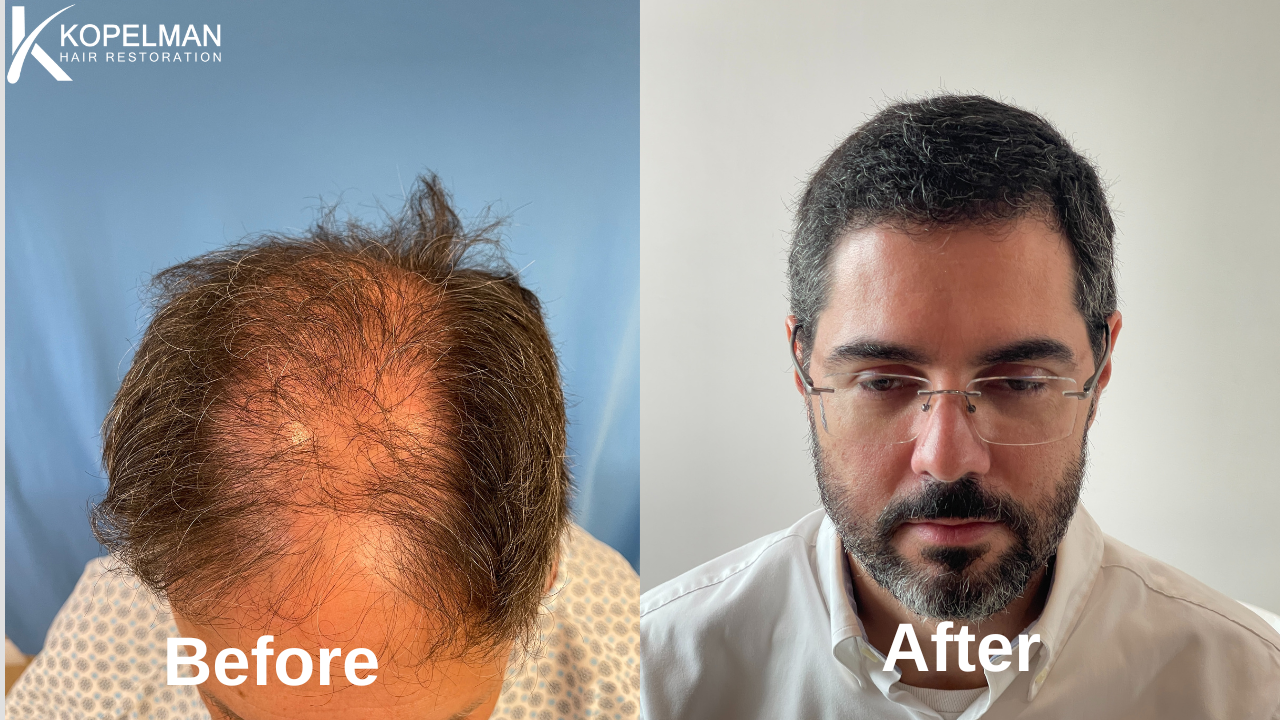
Expect early photos to look worse before they look better, since weeks two through 12 often show less hair than day one. Comparing month one with month six, then with month 12, usually tells the real story. To see how finished results look, browse our male before-and-after results and female before-and-after results.
When to Contact Your Surgeon
Most of what happens in the first months is normal, even when it looks alarming. Expected changes include shedding of placed strands, temporary thinning of nearby native hair, itching in the first weeks, scattered small bumps as new hairs surface, patches of numbness that fade over weeks to months, and uneven early growth.
Contact your surgeon promptly if you notice:
- Increasing pain, warmth, spreading redness, pus, or fever, which can signal infection
- Scabs that are still firmly attached after about two weeks
- Bumps that keep multiplying, become painful, or don’t improve with gentle care
- Numbness, pain, or burning that is getting worse rather than better
- Little or no new growth by around six months
Infection after modern procedures is uncommon, reported in fewer than 1% of cases, but early treatment protects the grafts (Frontiers in Medicine).
Supporting Your Results During Recovery
No treatment can skip the resting phase, but a few choices support healthy growth. Avoiding smoking matters most, since it reduces scalp blood flow; guidelines advise stopping several weeks before and after surgery. Many surgeons also recommend topical minoxidil starting about a week after surgery, plus finasteride or low-level laser therapy to protect native hair (StatPearls).
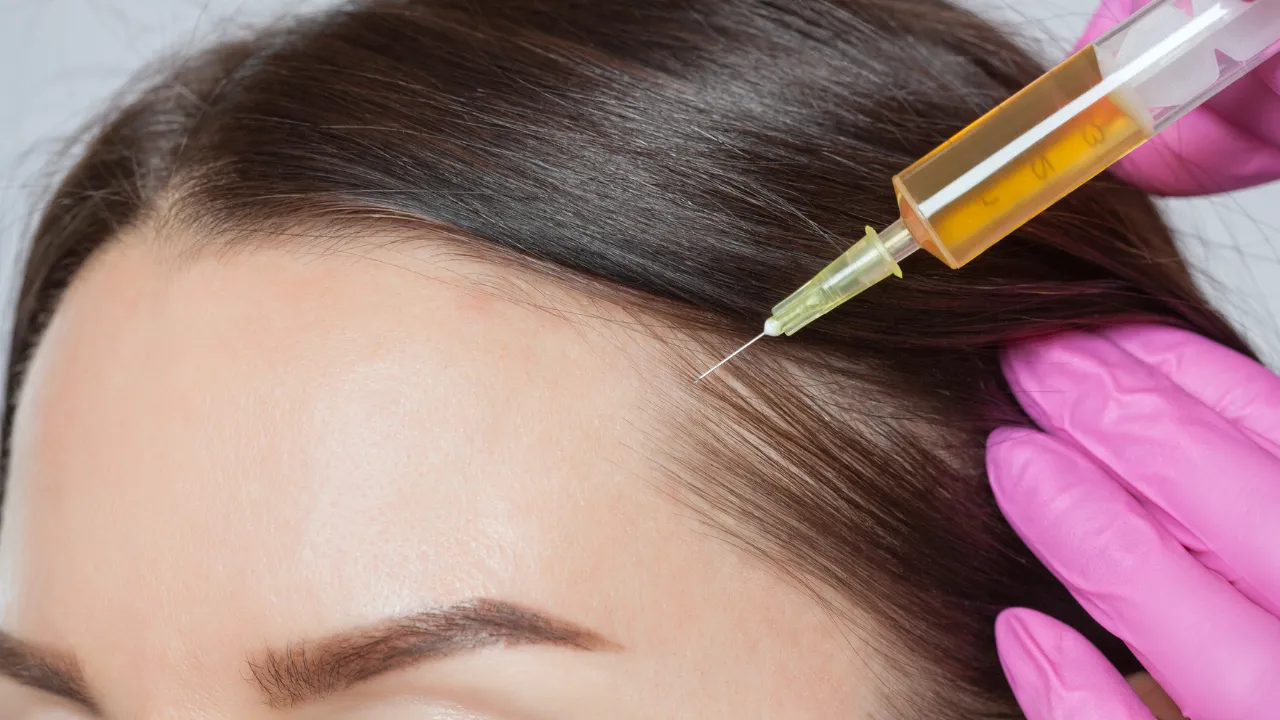
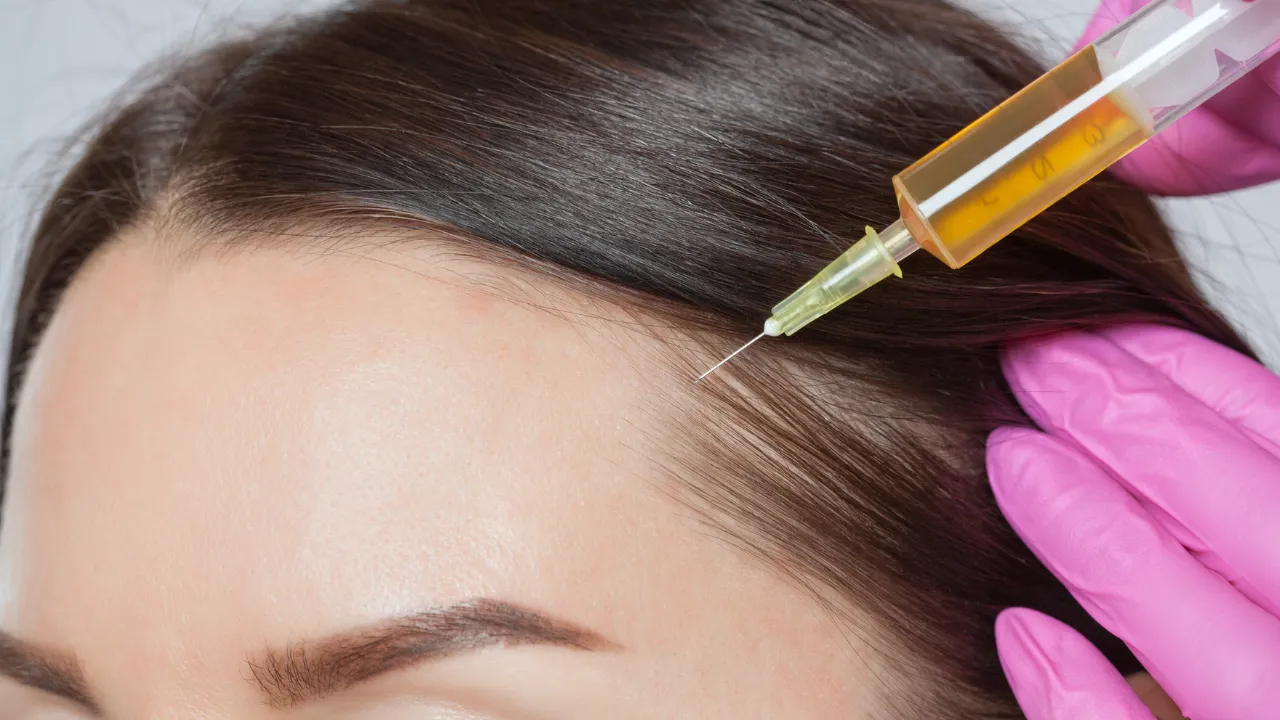
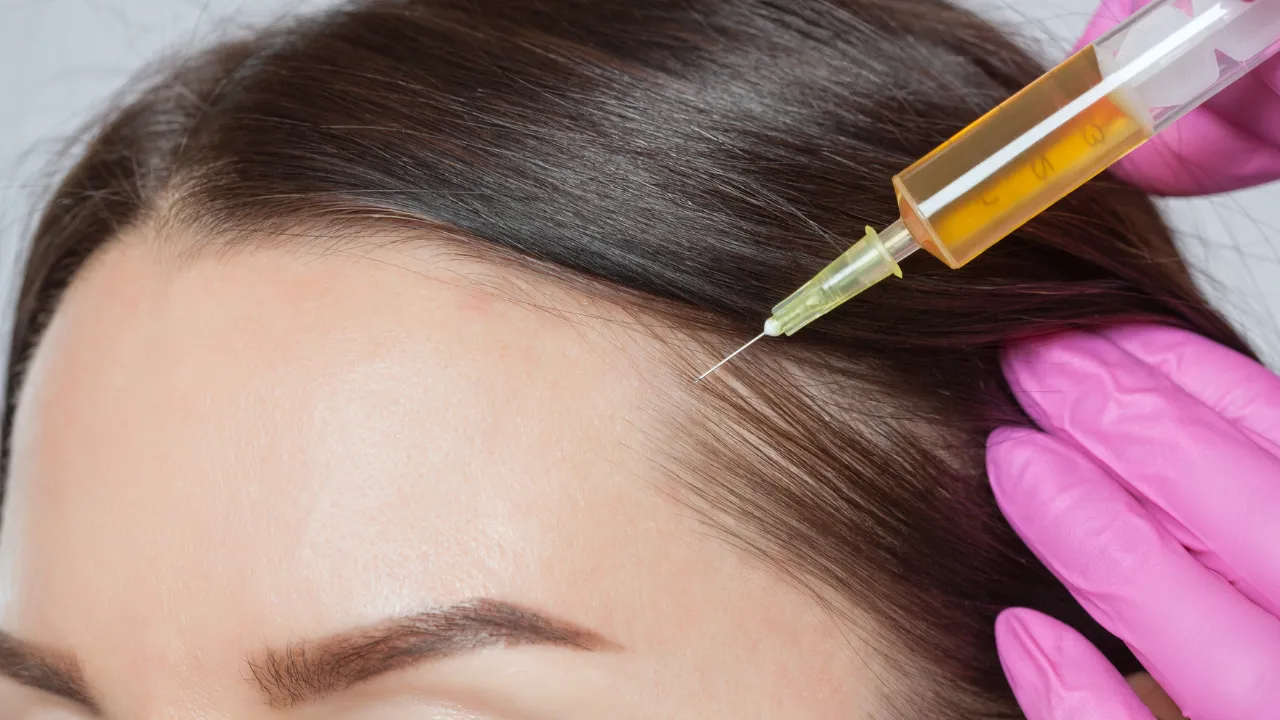
PRP is sometimes added to support healing and growth, although evidence specific to transplants is still limited. Your surgeon will tailor any added treatment to your hair loss pattern and health history.
>> Check out our related articles
Reduce Skin Redness After Hair Transplant
Can You Change Your Hair Texture with a Hair Transplant?
FUE vs FUT: How Recovery Differs
The two main techniques heal a little differently. With follicular unit extraction (FUE), follicles are removed individually, leaving tiny dot-like sites that fade quickly and no linear scar. Donor soreness can feel spread out, but surface healing is usually fast.
With follicular unit transplantation (FUT), a thin strip is removed from the back of the scalp, leaving a fine linear scar that can feel tighter early on; sutures or staples are typically removed within 10 to 14 days. The FUE hair transplant timeline for growth matches FUT, so the main differences are donor-area healing and scarring, not how fast new hair appears.
The International Society of Hair Restoration Surgery notes that hundreds of thousands of these procedures are performed worldwide each year, with high reported satisfaction at the one-year mark.
How Much Does a Hair Restoration Procedure Cost?
Cost depends mainly on the number of grafts needed and the technique used. Smaller, focused sessions cost less, while extensive coverage of the crown and front raises the total. Many US clinics price per graft, roughly $3 to $8, and FUE often costs more than FUT because it is more labor-intensive.
| Graft Range | Typical Use | Estimated US Range |
|---|---|---|
| 500 to 1,000 | Limited hairline or temple refinement | $4,000 to $8,000 |
| 1,500 to 2,500 | Hairline plus mid-scalp coverage | $8,000 to $12,000 |
| 3,000 to 4,000+ | Extensive front and crown restoration | $12,000 to $15,000+ |
Because restoration is considered cosmetic, insurance generally does not cover it, per AAD guidance. The ranges above reflect typical US estimates and vary by clinic, region, and individual goals. For a rough idea of your own graft needs, try our hair graft estimator.
Patience is Key in Your Hair Transplant Journey
Shedding comes first, the quiet months follow, and visible growth starts around month three. The hairline is usually mature by 12 months and the crown closer to 18, so judge progress against the stage you’re in rather than the calendar.
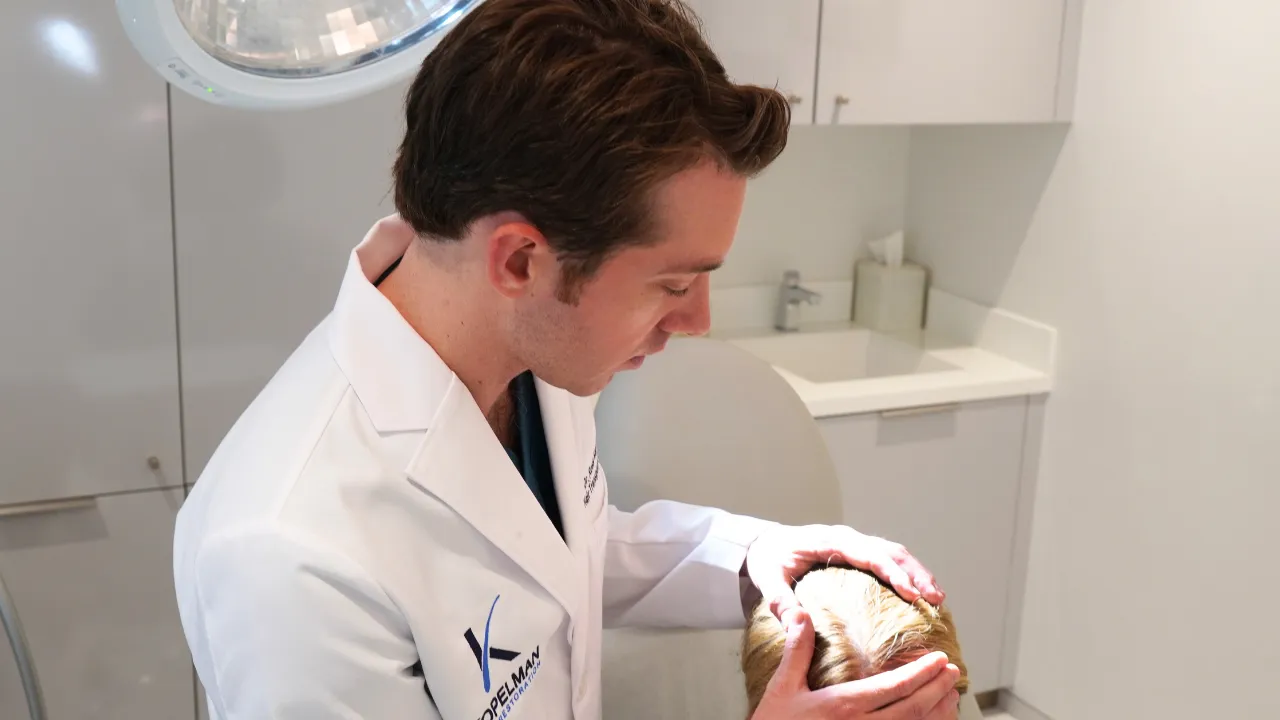
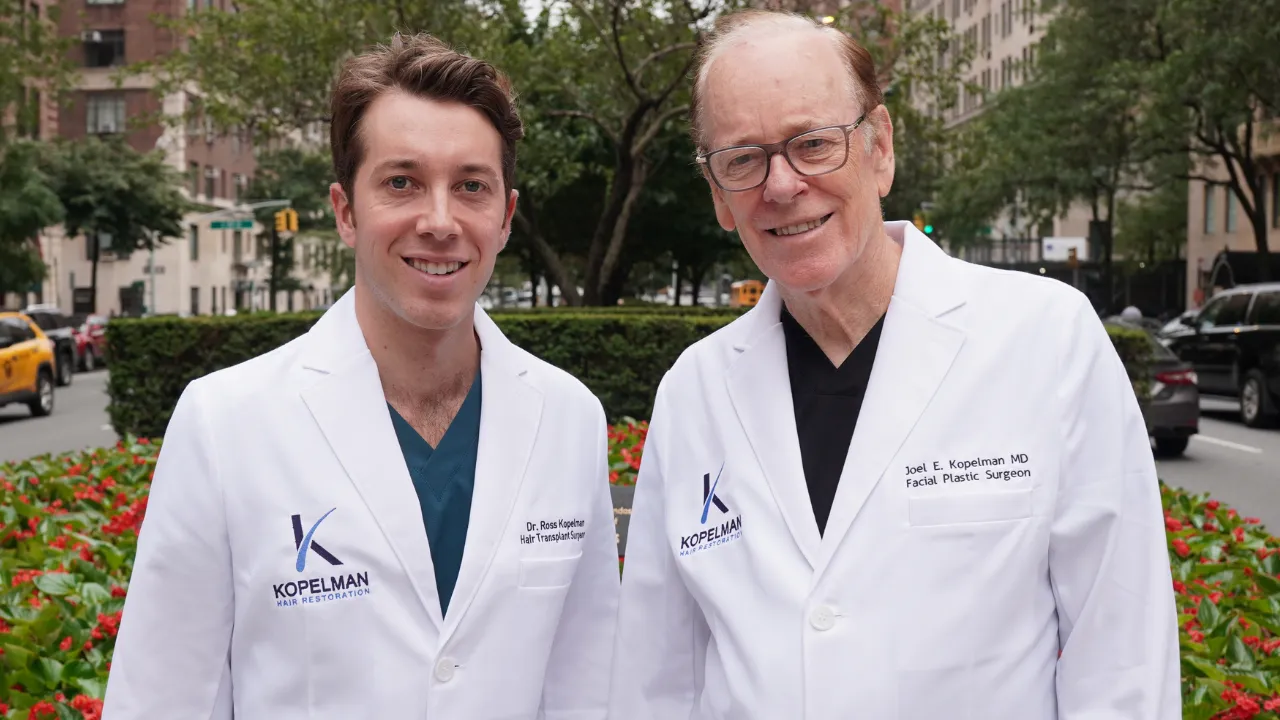
Your journey to hair restoration begins with a detailed consultation with Dr. Ross Kopelman and Dr. Joel Kopelman, who will jointly assess your hair loss concerns and provide personalized recommendations. Don’t wait; schedule your appointment today to take the first step towards achieving the hair you’ve always wanted.
Frequently Asked Questions
Is it normal to lose the transplanted hairs after surgery?
Yes. Most patients shed the placed strands between weeks two and four, a phase called shock loss. The follicle stays anchored in the scalp; only the visible shaft falls out before new growth begins. The American Academy of Dermatology confirms this shedding is expected and temporary.
When will I see my final results?
Most people reach their final look between 12 and 18 months. Noticeable density usually appears by months six to nine, then continues to refine.
Why does the crown take longer than the hairline?
The crown’s swirl pattern and blood supply differences can slow visible growth, so it often matures later than the front. Hairline work tends to show first, while the crown can take closer to 18 months to settle. Judging crown density too early usually causes unnecessary worry.
When can I return to work and exercise?
Many desk workers head back within a few days, once early redness and swelling ease. Physically demanding roles often need one to two weeks. Hold off on intense exercise, swimming, and saunas until your surgeon clears you, typically after the first couple of weeks.
How long does a hair transplant take to heal?
Surface healing is fairly quick: scabs usually clear within seven to 10 days, recipient-area redness fades over the next few weeks, and FUE donor sites typically heal within one to two weeks. Full recovery, meaning the grafts are producing mature hair, takes 12 to 18 months.
Will I need a second session or touch-up?
Some patients choose a touch-up if they want higher density or if a section lags behind. A second session is more common with advanced hair loss or when goals extend beyond what a single procedure can safely deliver. Surgeons usually wait at least 12 months, until growth has matured, and evaluate donor capacity and how the areas blend before recommending more.