African American Hair Transplant NYC: Afro-Textured Hair Restoration
Can Afro-Textured Hair Be Transplanted Successfully?
It can, and outcomes are strong when the surgical team has direct experience with coiled follicles. The main variable is not whether the procedure works but who performs it, since curved roots are easy to damage during extraction if the punch angle does not follow the curve.
Candidates need a healthy donor region at the back and sides of the scalp with enough permanent follicles to redistribute. Patients with pattern loss and those with traction alopecia along the hairline and temples are both commonly treated. A scalp evaluation determines eligibility, because some scarring conditions need to be stabilized medically first.
Causes of Hair Loss in African-American Individuals
Thinning in African-American patients usually comes from a mix of genetic predisposition and long-term styling pressure. Tight braids, weaves, and cornrows create sustained tension on the follicle, which leads to traction alopecia, one of the most frequent causes of hairline recession in this group.
Genetic factors, particularly androgenetic alopecia, also play a significant role in both male and female pattern loss. Central centrifugal cicatricial alopecia (CCCA) and compromised scalp health contribute as well, and because CCCA is a scarring condition, it needs medical evaluation before any surgical plan is made.
Many patients dealing with African American male thinning hair want options that protect curl integrity and density rather than flattening the natural texture.
What Our
Patients Are Saying
Posted on Google
 barret abramow
 I recently had a FUE hair transplant with Dr. Kopelman in New York City, and I couldn’t be more pleased with the results. I had 2,800 grafts focused on restoring my hairline, which had become more recessed than I was comfortable with. The change has been subtle yet transformative — my hairline looks completely natural, and it frames my face in a way that feels more like me. It’s not overly dramatic, just exactly what I hoped for. What really stood out about working with Dr. Kopelman and his team was their expertise and attention to detail. From the initial consultation, it was clear they understood how to approach my specific situation to achieve the best outcome. The procedure itself went smoothly, and the aftercare instructions were thorough and easy to follow. I felt confident every step of the way because of how knowledgeable and professional they were. Finding their practice in NYC was a relief — it’s not easy to trust just anyone with something as personal as your hairline. I’m really glad I chose them because they delivered excellent results without any of the typical hype. If you’re considering a hair transplant, this is definitely the team to go to.Posted on Google
 Beth ZimmermanI am very happy with my experience with Dr. Kopelman. They are an amazing team. I had been looking for physician who could address my hair loss that had been bothering me for years. I am now doing mesotherapy treatments and I am so happy that my hair loss has reverted over the past 4 months. I really appreciated that a hair transplant was not forced upon me but is instead a last resort. I really appreciate the honesty. Thank you!Posted on Google
 Yoel OhayonI can’t say enough great things about my experience with Dr. Kopelman and the entire team at Kopelman Hair Restoration! I had my hair transplant last year, and the results are simply fantastic. I am fully recovered and thrilled with the transformation—my hair looks natural, and I feel like myself again. Every step of the process was handled with such expertise and care. Dr. Kopelman took the time to explain everything thoroughly, and his team was kind, professional, and supportive from start to finish. I’m beyond grateful for their exceptional work and highly recommend Kopelman Hair Restoration to anyone considering a hair restoration procedure.Posted on Google
 RickDr. Kopelman is extremely knowledgeable and was willing to talk through my concerns and needs to develop an optimal treatment plan. He helped me evaluate a variety of options and decide on a protocol I was comfortable with. I am happy I found him!Posted on Google
 David CohenMy experience with Dr. Kopelman has been nothing short of incredible. From the moment I stepped into his office, I could tell I was in the hands of a true expert. I came to him for both an eyebrow hair transplant and an FUE hair transplant, and I am very happy with the results. My eyebrows look so natural, and the precision and artistry he brought to my FUE procedure completely transformed my hairline. What really stood out was how comfortable and confident he made me feel throughout the process—he explained everything in detail and answered all my questions with such patience and care. I actually discovered him on YouTube, where his videos about hair loss and transplants are so informative, and I’m so glad I did. I’ve never felt more confident in my appearance, and it’s all thanks to Dr. Kopelman’s expertise and attention to detail. If you’re looking for the best hair surgeon in NYC, he’s the one to trust.Posted on Google
 Yedidyah Leo SamuelsDr. Ross is incredible! So much knowledge and expertise in the field. Best hair surgeon in New York City!!Posted on Google
 Juan FraustroI paid for a consultation with one Dr. Kopelman and I actually got both Dr’s Kopelmam. They spent over an hour with me carefully studying my scalp, explaining my options, and providing the necessary prescriptions. I cannot recommend this practice or these doctors more highly.Posted on Google
 Odellya SohnisRoss is a top hair transplant surgeon in NYC. He was so kind when I came in. I wanted to understand why my hair was thinning after using a shampoo a dermatologist had sent my way to stop my bad dandruff problem. He was so patient through my 10 million questions, I felt he really cared about what I need instead of feeding into a consumerist magic pill. He also was able to find that I could be balding and give me tips and a prescription and I felt like he saved me from tripping over a ledge I didn't see. Thank you so much!Posted on Google
 K SalalahI've been to many hair specialists, and I can confidently say that Dr. Kopelman and his team stand out for their incredible care and attention. The hair industry is unfortunately filled with people who are simply looking to make a sale, and think little about your longterm goals or happiness. I'm fortunate to have found Dr. Kopelman, who is incredibly attentive, knowledgable, puts my goals and comfort first, and is willing to think outside the box. Six stars!Posted on Google
 Andres DelgadoI had a consultation with Dr. Joel Kopelman. It was worth my time and money. The doctor answered all my questions and provided valuable insights.
FUE vs FUT for African American Hair for Transplantation
Two surgical approaches are used for African American hair for transplantation, and the right one depends on how much coverage you need and how short you wear your hair. Follicular Unit Extraction removes individual follicular units through small circular punches, leaving no linear mark.
Follicular Unit Transplantation removes a strip of donor tissue, which is then dissected into individual units. FUT yields a high graft count in a single session but leaves a linear donor scar, a meaningful drawback for patients who wear fades or very short cuts.
FUE is generally preferred for coiled textures because the punch size and angle can be adjusted follicle by follicle. Dr. Kopelman determines the approach during your evaluation based on donor density, scalp laxity, and the coverage you want.
| Factor | FUE | FUT |
|---|---|---|
| Harvesting method | Individual follicular units removed via small circular punches | Strip of donor tissue removed, then dissected into units |
| Donor scarring | No linear scar; small dot-pattern marks | Single linear scar across the donor region |
| Suitability for short cuts and fades | Well suited | Less suitable; scar may be visible |
| Handling of curved follicles | Punch size and angle adjustable per follicle | Curvature managed during strip dissection |
| Graft volume per session | Moderate to high | High volume in a single session |
| Typical preference for coiled texture | Most commonly selected | Reserved for extensive coverage needs |
Challenges for Afro Textured Hair Restoration in NYC
- Tightly Curled Follicles: The natural coil of Afro-textured strands makes both extraction and implantation more complex.
- Follicle Curvature: Curved roots require precise handling to avoid transection and to ensure natural growth after the procedure.
- Density and Thickness: The dense, thick character of Black hair means fewer grafts may be needed for visible fullness, though it complicates harvesting.
Understanding Hair Types Based on Ethnicity
Texture varies significantly across ethnicities, and those differences shape how loss appears and how it is treated. African-American hair, characterized by tight curls or coils, tends to be more fragile and prone to breakage because of its structural shape.
That same curl pattern makes it more susceptible to traction alopecia when subjected to high-tension styles worn repeatedly. Density and thickness also affect how thinning presents and progresses, which is why texture has to be factored into diagnosis rather than treated as a cosmetic detail.
Understanding these characteristics is key to building an effective, personalized plan. Restoration is not limited to the scalp. Discover how an eyebrow transplant for Black women can help you achieve fuller, natural-looking brows.
Timeline for African American Hair Transplant NY
STEP 01
Consultation
STEP 02
Pre-Procedure Preparation (1-2 Weeks Before)
STEP 03
Procedure Day
STEP 04
Immediate Post-Procedure (1-2 Days)
STEP 05
Initial Healing Phase (1-2 Weeks)
Shedding (2-4 Weeks)
Regrowth (3-6 Months)
Full Results (9-12 Months)
| Stage | Timeframe | What Happens |
|---|---|---|
| Consultation | Before scheduling | Scalp assessment, donor evaluation, and treatment planning |
| Pre-procedure prep | 1-2 weeks before | Medication adjustments and smoking cessation guidance |
| Procedure day | 4-8 hours | FUE or FUT performed under local anesthesia |
| Immediate post-op | 1-2 days | Mild swelling and discomfort; aftercare begins |
| Initial healing | 1-2 weeks | Scabbing forms and resolves in the recipient area |
| Shedding phase | 2-4 weeks | Placed follicles shed; new growth starts below the surface |
| Regrowth | 3-6 months | Fine new strands emerge and gradually thicken |
| Full results | 9-12 months | Final density and coverage visible |
Eyebrow Transplant
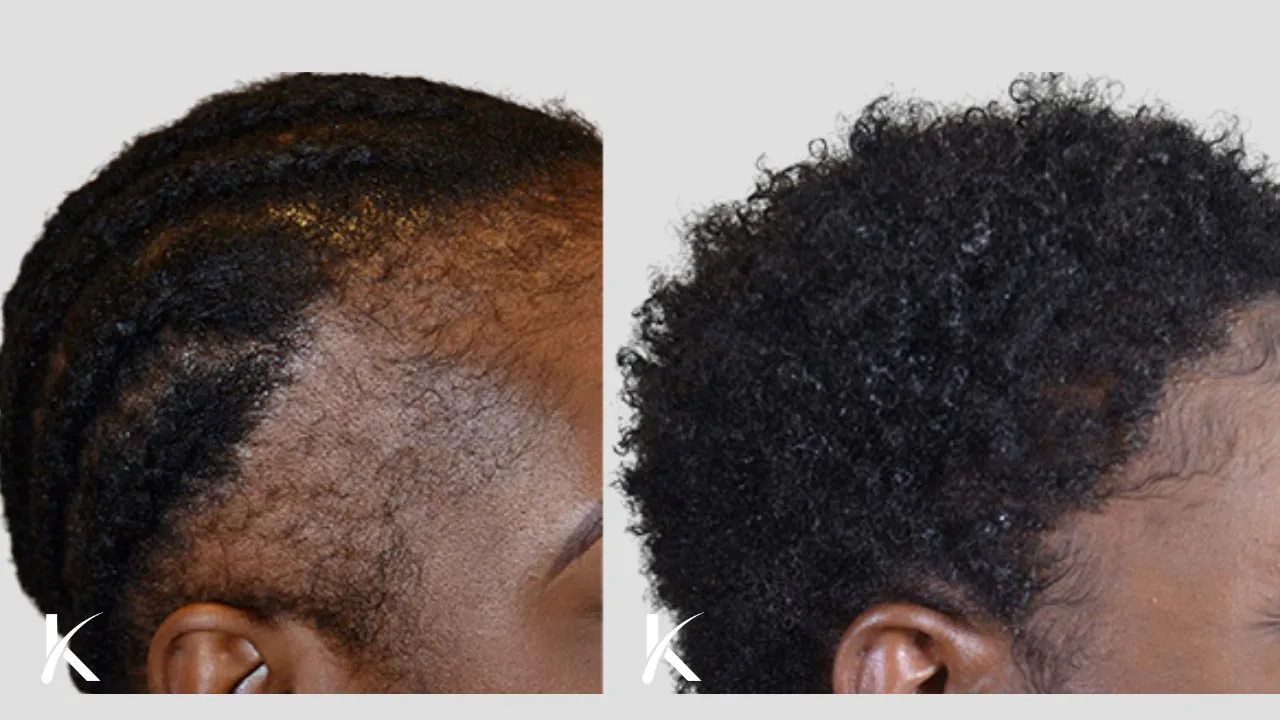
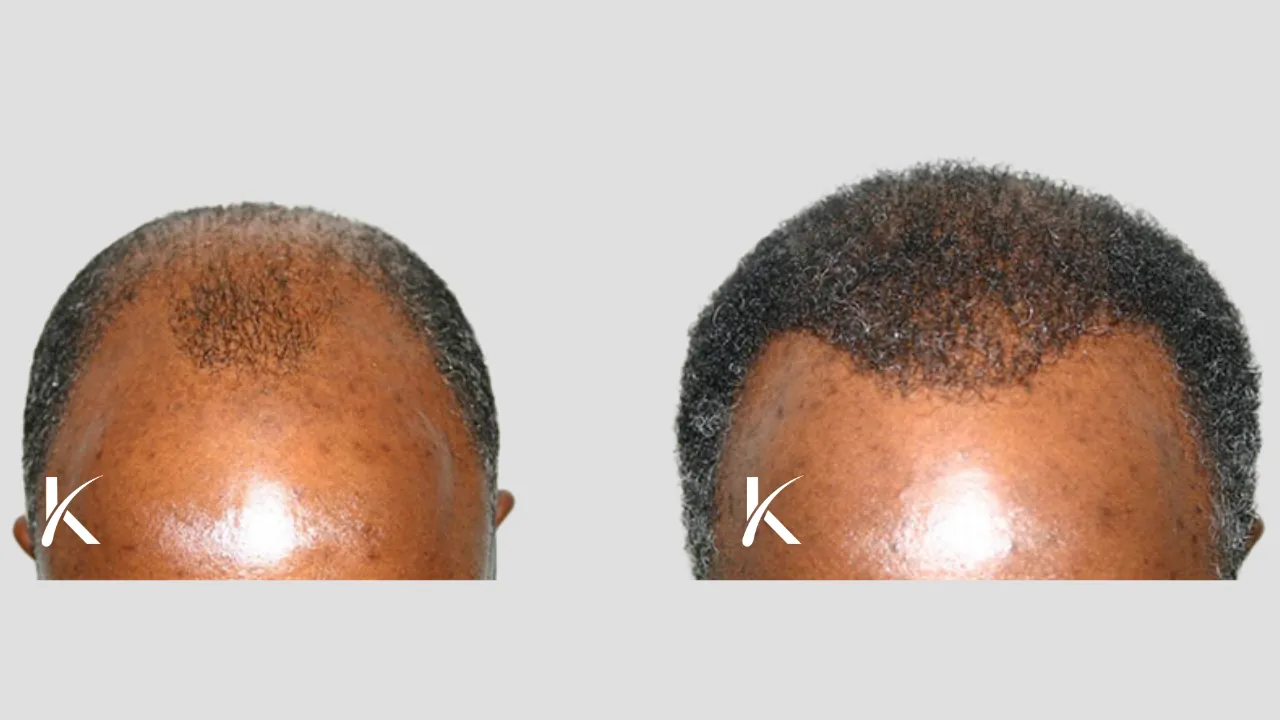
Before and After Photos
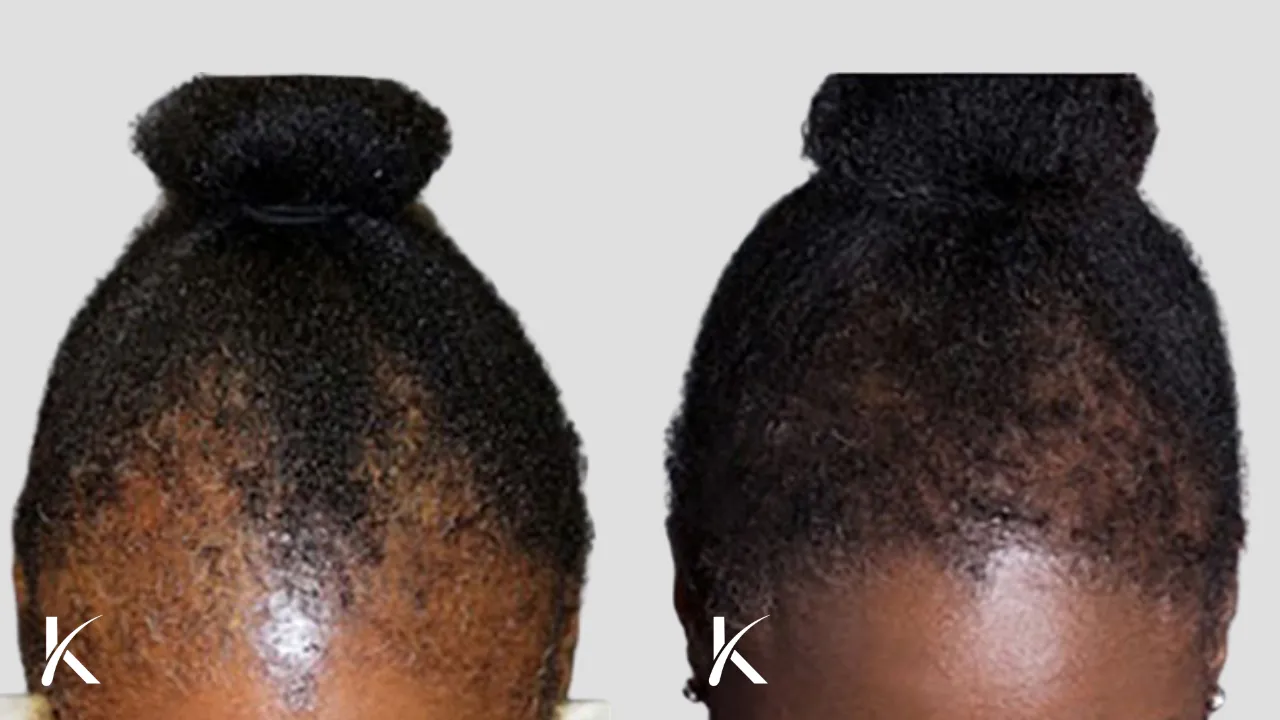
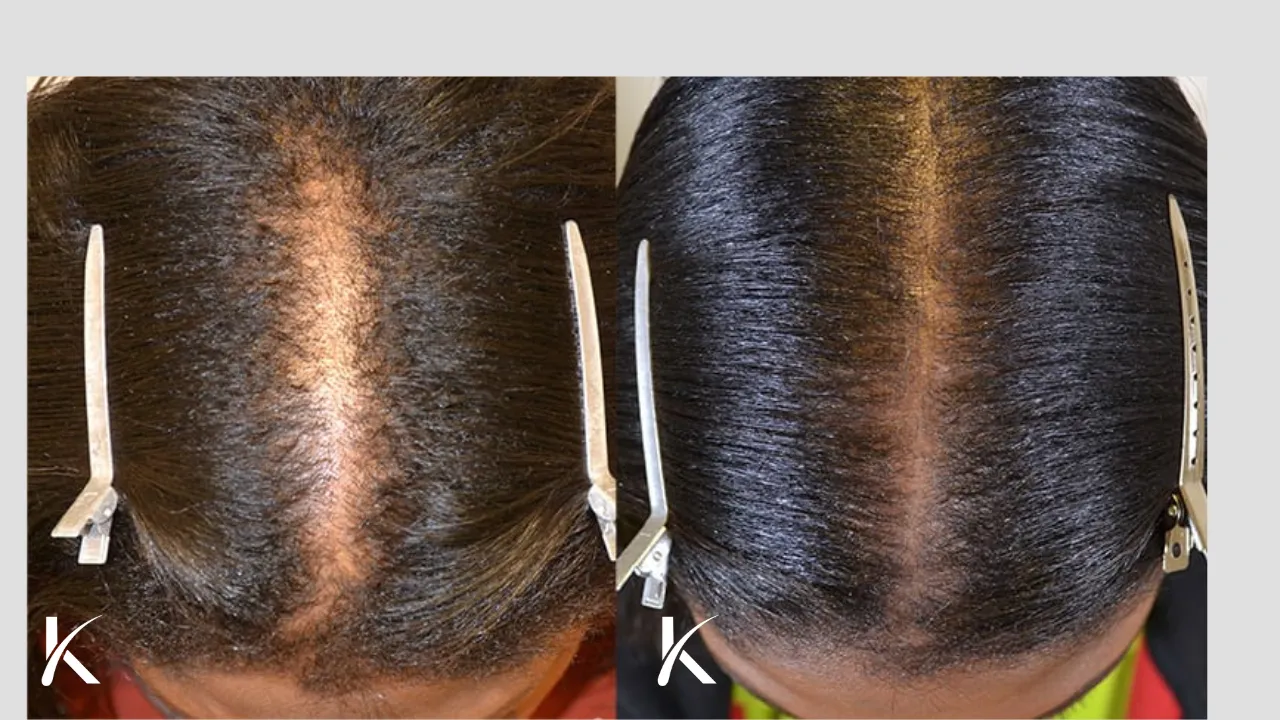
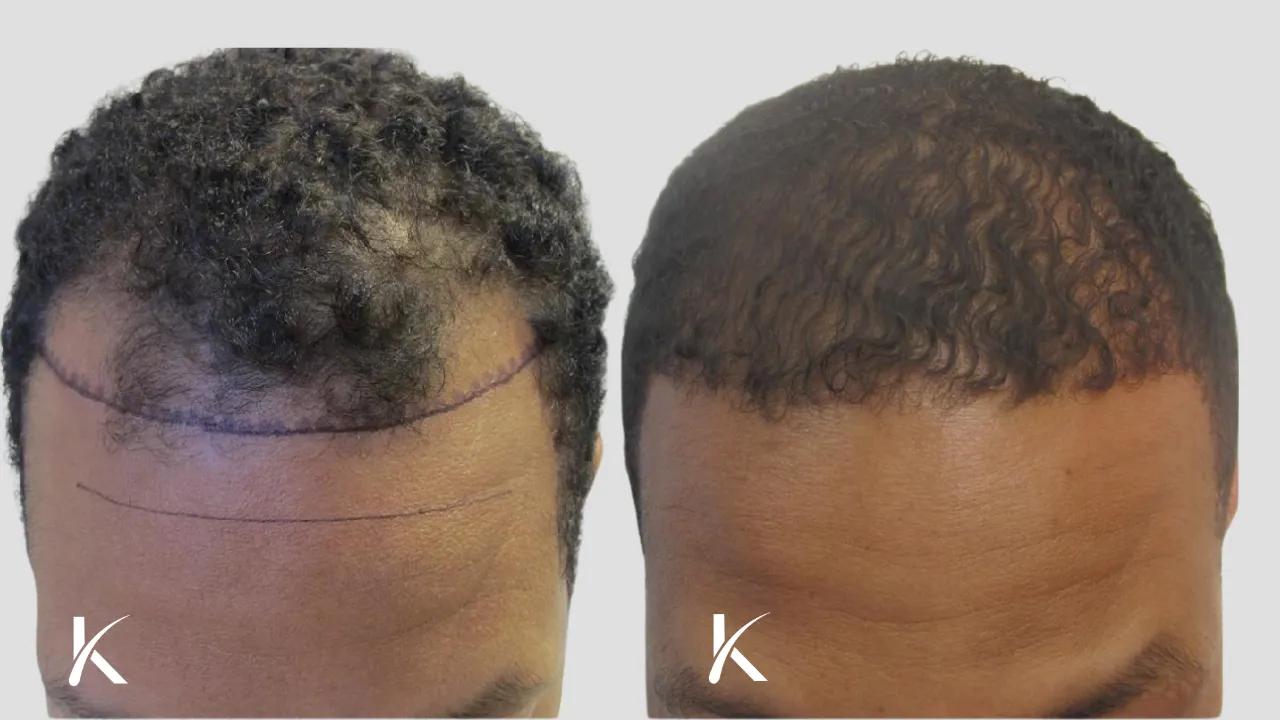
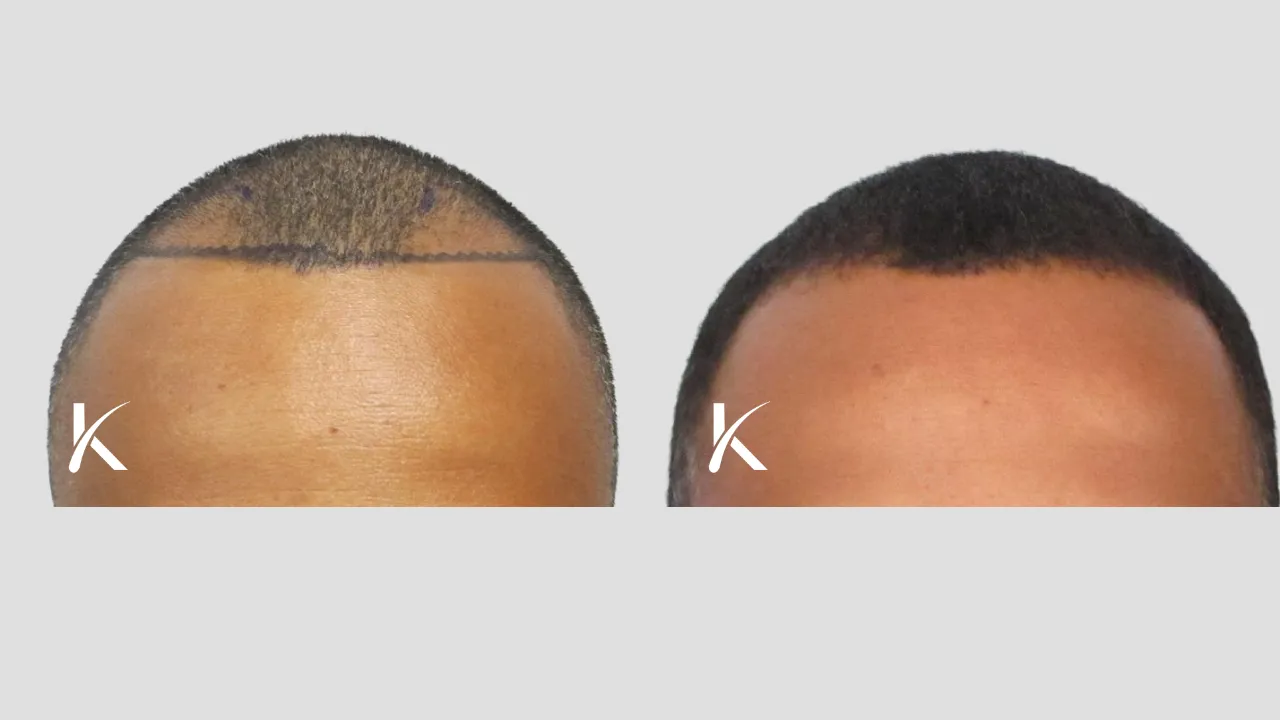
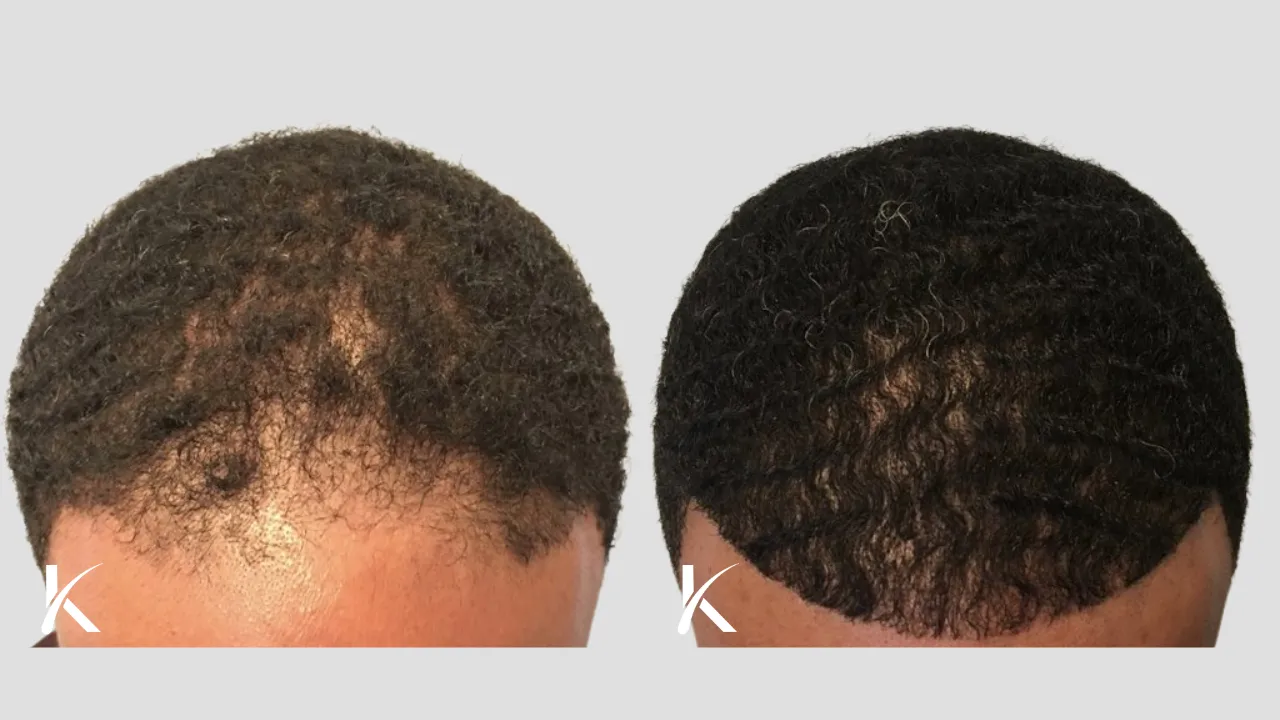
| Patient | Age | Grafts | Concern Treated | Photos Taken |
|---|---|---|---|---|
| Female | 38 | 2,100 | Traction alopecia at hairline and temples | 8 months post-op |
| Male | 41 | 2,600 | Crown thinning | 10 months post-op |
| Female | 45 | 2,500 | Hairline loss from traction alopecia | 12 months post-op |
| Female | 52 | 1,800 | Density loss along natural part | 9 months post-op |
| Male | 47 | 3,000 | Receding hairline | 11 months post-op |
| Male | 50 | 2,400 | Diffuse thinning across upper scalp | 9 months post-op |
| Male | 36 | 1,900 | Receding hairline | 10 months post-op |
FAQ's
African American Hair Restoration
Is Afro-Textured Hair Harder to Transplant?
Afro hair transplant procedures carry unique demands because of the natural curl and coil of the follicle. Curved roots require precise handling to maintain the natural pattern during placement.
The dense character of this texture can also complicate graft extraction. Despite these factors, restoration for Black patients achieves excellent results with the right expertise and instrumentation.
Is FUE or FUT Better for African-American Hair?
- Follicular Unit Extraction (FUE): FUE removes individual follicular units and places them into thinning zones. It is often preferred for African American patients because it minimizes visible scarring, which matters on darker skin tones. FUE also allows better handling of naturally curved roots.
- Follicular Unit Transplantation (FUT): FUT removes a strip of scalp to harvest units. While effective, it may leave a linear mark that can be more noticeable on African-American skin. It remains useful when a large graft count is needed in one session.
What is the Best Method for African-American Hair Restoration?
Follicular Unit Extraction is generally regarded as the strongest option for African American hair restoration because of its precision in handling curl and density. FUE extracts individual units while preserving the natural coil and minimizing damage risk.
It also produces minimal scarring, which is ideal for darker skin tones where marks may be more visible. FUT can be effective for large graft needs, but the potential for a visible linear scar makes FUE the preferred choice for most patients. The right method ultimately depends on the extent of loss and personal preference.
How Much Does a Hair Transplant Cost for an African-American Male?
For a full breakdown of current pricing, see our detailed guide on Afro hair transplant cost, and confirm your specific estimate during consultation, since every plan is priced to the individual case.
Looking for “African-American hair transplant near me”? Dr. Kopelman can provide the expert care you need. Schedule a consultation with Dr. Kopelman to explore your options and take the first step toward restoring your hair and confidence.Ready to take the first step?
Benefits of Afro Hair Transplants in NYC
African-American hair offers distinct advantages in transplantation, including its natural density and thickness, which can create fuller coverage with fewer grafts. The unique curl pattern also enhances scalp coverage, resulting in a more voluminous and natural-looking outcome.
These characteristics make African-American hair particularly well-suited for achieving successful and aesthetically pleasing transplant results.
| Procedure | Cost Range | Notes |
|---|---|---|
| FUE Hair Transplant | $25,000 - $40,000 | Most common approach for coiled and curly textures |
| FUT Hair Transplant | $25,000 - $40,000 | Used when a high graft count is needed in one session |
| Female Hair Transplant | $25,000 - $40,000 | Includes hairline restoration for traction alopecia |
| No-Shave FUE | $30,000 - $40,000 | For patients who prefer not to trim the donor area |
| 2,000 Grafts | $25,000 - $40,000 | Typical for a defined hairline or limited zone |
| 3,000 Grafts (NYC) | $25,000 - $35,000 | Suits moderate coverage across hairline and crown |
| 5,000 Grafts (NYC) | $30,000 - $40,000 | For extensive coverage needs |
| Scar Repair | $15,000 - $18,000 | Addresses prior surgical or traction-related scarring |
| PRP | $1,500 per session | Non-surgical option, often used alongside surgery |
| Consultation or Medical Management | $350 | Scalp assessment and treatment planning |
Schedule a Consultation
Understanding the financial aspects is crucial when considering restoration.
For a comprehensive overview of expenses, explore our detailed guide on Afro hair transplant cost
To schedule a private consultation with Kopelman Hair Restoration, please call the office or request an appointment online.
1411 N Flagler Dr # 8700, West Palm Beach, FL 33401