Body and Chest Hair Transplant: Everything You Need to Know
A body and chest hair transplant is a cosmetic procedure that adds fullness and density to the chest, abdomen, or other areas where growth is naturally thin or patchy. Using Follicular Unit Extraction (FUE), a surgeon harvests individual follicles from a donor site, typically the back of the scalp, and implants them into the chest in patterns that mimic natural distribution. The procedure is also performed in reverse: follicles from the chest can serve as donor grafts for scalp restoration when traditional donor supply is limited.
Dr. Kopelman, a leading expert in follicular restoration, specializes in both directions of this procedure, helping patients achieve natural, long-lasting results. In this guide, we cover candidacy, preparation, the step-by-step process, recovery timelines, costs, and the pros and cons you should weigh before booking a consultation.
What Our Patients are Saying
Posted on Google
 barret abramow
 I recently had a FUE hair transplant with Dr. Kopelman in New York City, and I couldn’t be more pleased with the results. I had 2,800 grafts focused on restoring my hairline, which had become more recessed than I was comfortable with. The change has been subtle yet transformative — my hairline looks completely natural, and it frames my face in a way that feels more like me. It’s not overly dramatic, just exactly what I hoped for. What really stood out about working with Dr. Kopelman and his team was their expertise and attention to detail. From the initial consultation, it was clear they understood how to approach my specific situation to achieve the best outcome. The procedure itself went smoothly, and the aftercare instructions were thorough and easy to follow. I felt confident every step of the way because of how knowledgeable and professional they were. Finding their practice in NYC was a relief — it’s not easy to trust just anyone with something as personal as your hairline. I’m really glad I chose them because they delivered excellent results without any of the typical hype. If you’re considering a hair transplant, this is definitely the team to go to.Posted on Google
 Beth ZimmermanI am very happy with my experience with Dr. Kopelman. They are an amazing team. I had been looking for physician who could address my hair loss that had been bothering me for years. I am now doing mesotherapy treatments and I am so happy that my hair loss has reverted over the past 4 months. I really appreciated that a hair transplant was not forced upon me but is instead a last resort. I really appreciate the honesty. Thank you!Posted on Google
 Yoel OhayonI can’t say enough great things about my experience with Dr. Kopelman and the entire team at Kopelman Hair Restoration! I had my hair transplant last year, and the results are simply fantastic. I am fully recovered and thrilled with the transformation—my hair looks natural, and I feel like myself again. Every step of the process was handled with such expertise and care. Dr. Kopelman took the time to explain everything thoroughly, and his team was kind, professional, and supportive from start to finish. I’m beyond grateful for their exceptional work and highly recommend Kopelman Hair Restoration to anyone considering a hair restoration procedure.Posted on Google
 RickDr. Kopelman is extremely knowledgeable and was willing to talk through my concerns and needs to develop an optimal treatment plan. He helped me evaluate a variety of options and decide on a protocol I was comfortable with. I am happy I found him!Posted on Google
 David CohenMy experience with Dr. Kopelman has been nothing short of incredible. From the moment I stepped into his office, I could tell I was in the hands of a true expert. I came to him for both an eyebrow hair transplant and an FUE hair transplant, and I am very happy with the results. My eyebrows look so natural, and the precision and artistry he brought to my FUE procedure completely transformed my hairline. What really stood out was how comfortable and confident he made me feel throughout the process—he explained everything in detail and answered all my questions with such patience and care. I actually discovered him on YouTube, where his videos about hair loss and transplants are so informative, and I’m so glad I did. I’ve never felt more confident in my appearance, and it’s all thanks to Dr. Kopelman’s expertise and attention to detail. If you’re looking for the best hair surgeon in NYC, he’s the one to trust.Posted on Google
 Yedidyah Leo SamuelsDr. Ross is incredible! So much knowledge and expertise in the field. Best hair surgeon in New York City!!Posted on Google
 Juan FraustroI paid for a consultation with one Dr. Kopelman and I actually got both Dr’s Kopelmam. They spent over an hour with me carefully studying my scalp, explaining my options, and providing the necessary prescriptions. I cannot recommend this practice or these doctors more highly.Posted on Google
 Odellya SohnisRoss is a top hair transplant surgeon in NYC. He was so kind when I came in. I wanted to understand why my hair was thinning after using a shampoo a dermatologist had sent my way to stop my bad dandruff problem. He was so patient through my 10 million questions, I felt he really cared about what I need instead of feeding into a consumerist magic pill. He also was able to find that I could be balding and give me tips and a prescription and I felt like he saved me from tripping over a ledge I didn't see. Thank you so much!Posted on Google
 K SalalahI've been to many hair specialists, and I can confidently say that Dr. Kopelman and his team stand out for their incredible care and attention. The hair industry is unfortunately filled with people who are simply looking to make a sale, and think little about your longterm goals or happiness. I'm fortunate to have found Dr. Kopelman, who is incredibly attentive, knowledgable, puts my goals and comfort first, and is willing to think outside the box. Six stars!Posted on Google
 Andres DelgadoI had a consultation with Dr. Joel Kopelman. It was worth my time and money. The doctor answered all my questions and provided valuable insights.
Chest Hair Transplant: Before and After Photos
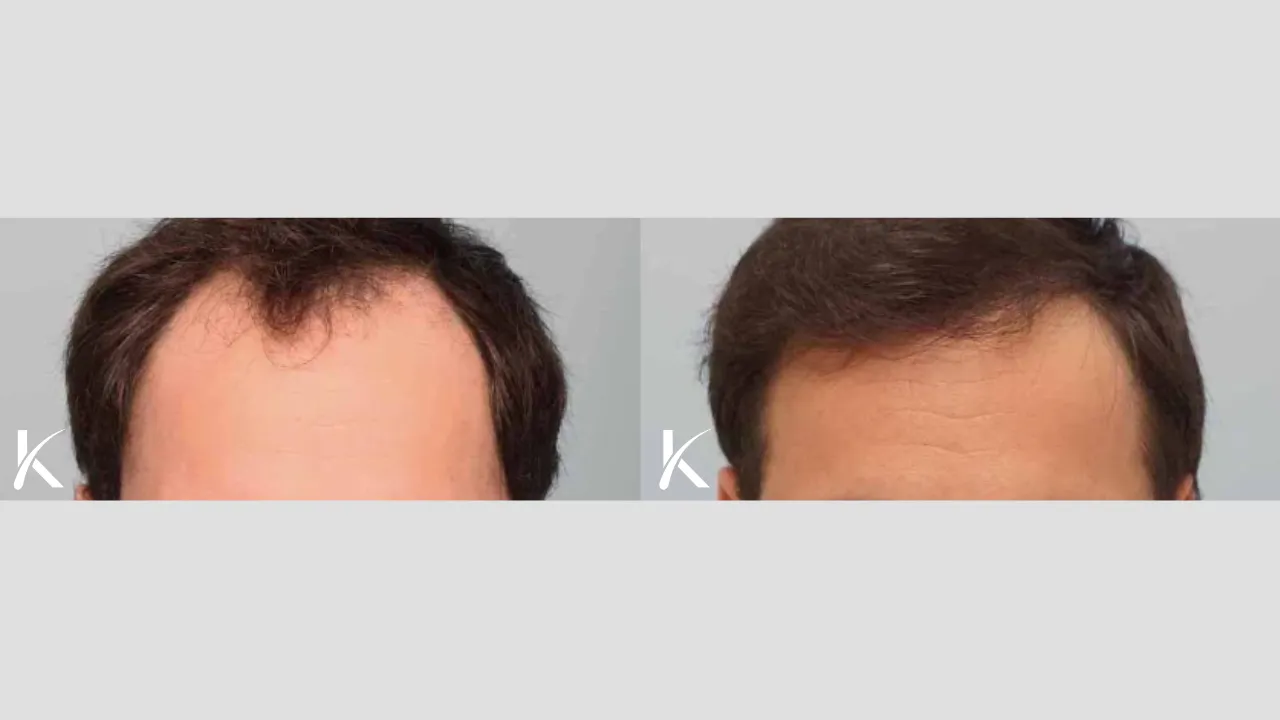
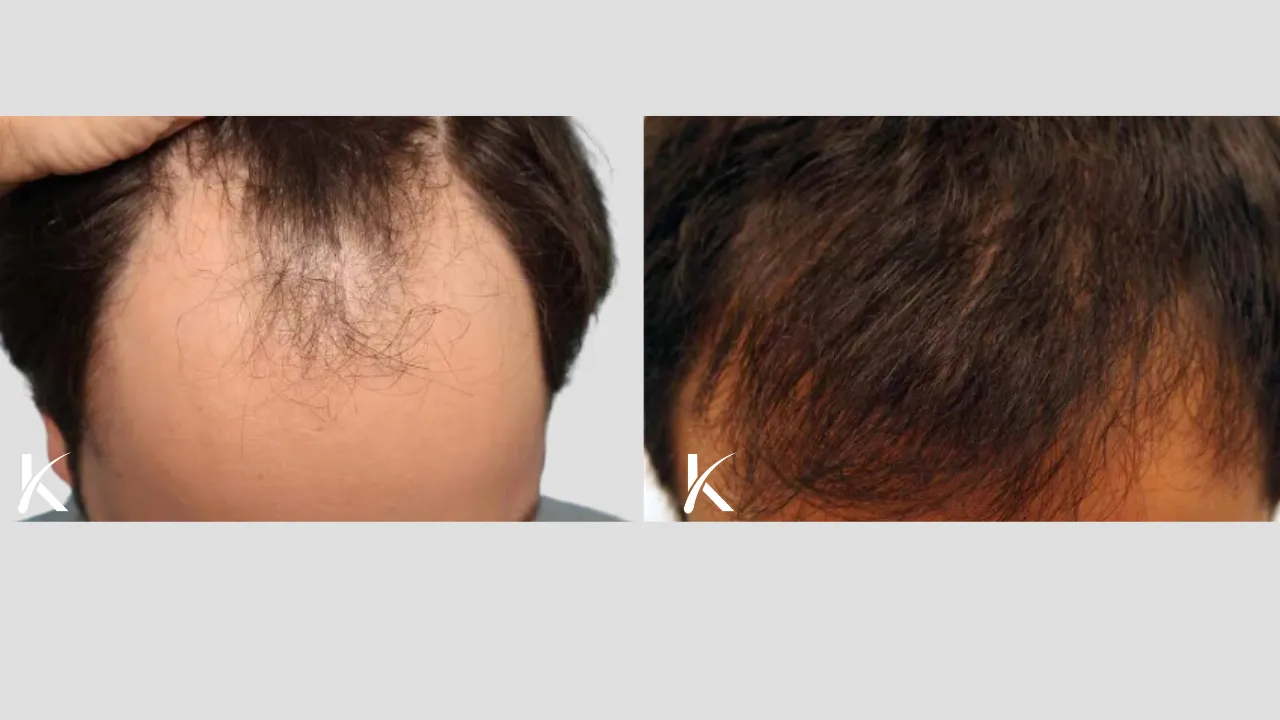
If you’re researching chest hair implants or want to see real patient results, the photos below show what to expect. Each case varies based on graft count, donor quality, and the patient’s aesthetic goals.
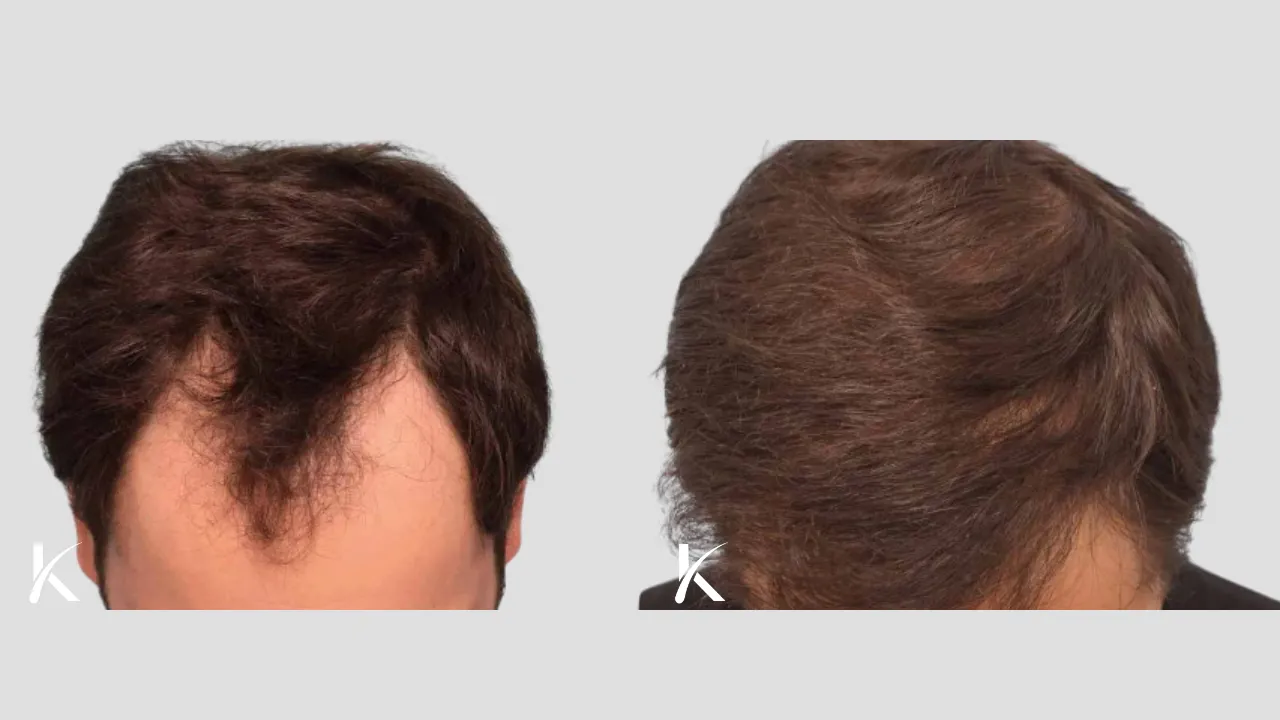
Procedure: Follicular Unit Extraction
Procedure Description:
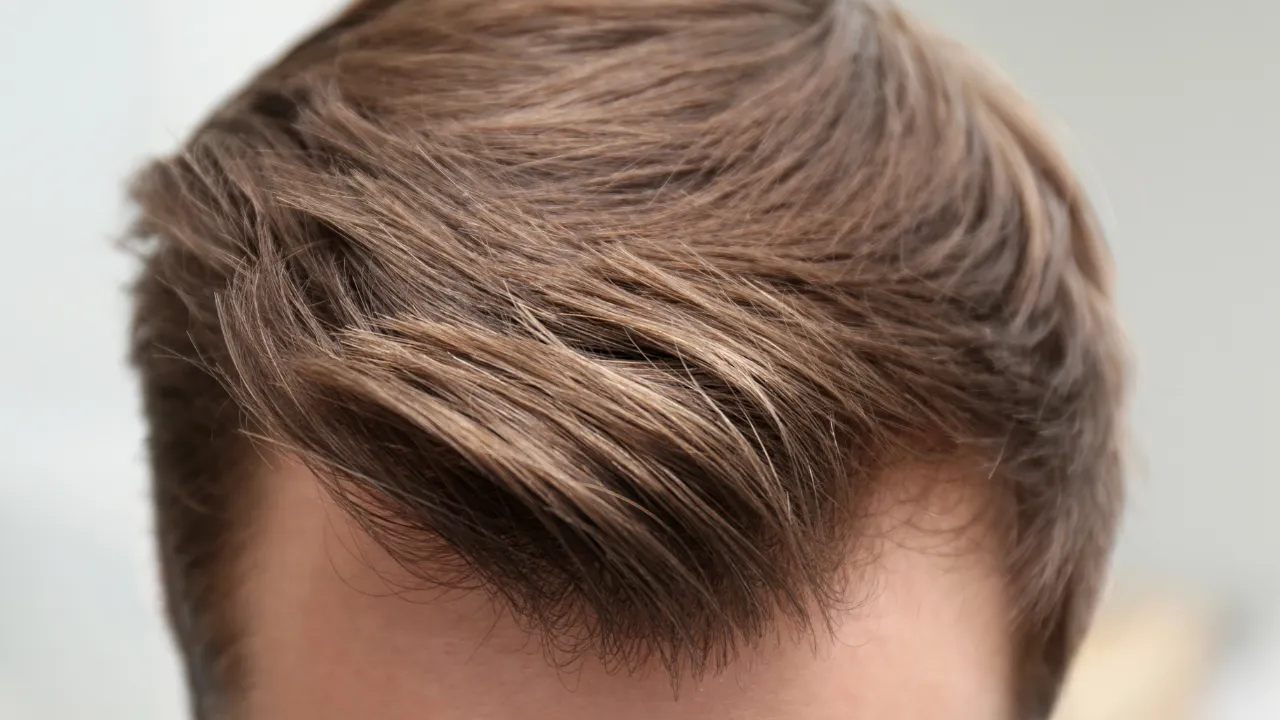
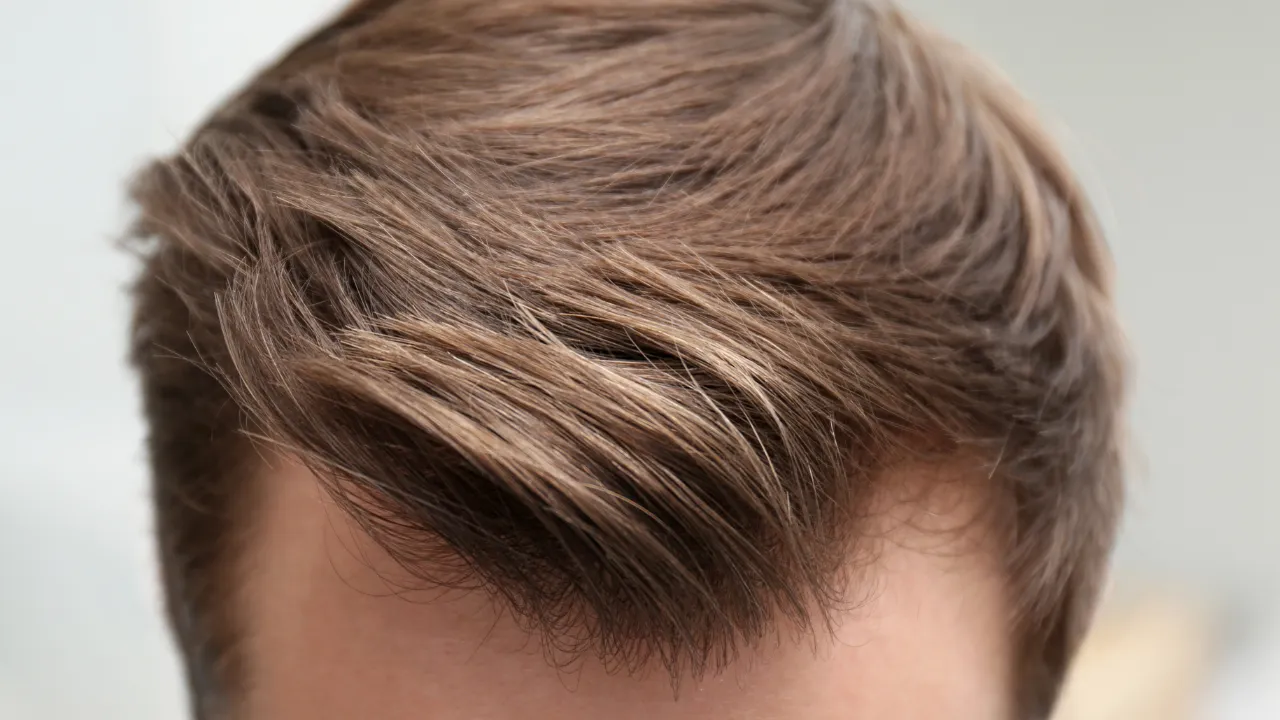
The patient aimed to increase the density of the crown. Photos taken before and nine months after.
Who Is a Good Candidate?
Not everyone is an ideal candidate for a body or chest hair transplant. The best outcomes depend on overall health, realistic expectations, and sufficient donor supply. The following factors help determine eligibility:
- Good general health with no uncontrolled conditions that could slow healing
- Adequate donor density on the scalp, chest, back, or beard area
- Realistic expectations about coverage, texture matching, and growth timelines
- Thinning or absent chest growth that causes self-consciousness
- Limited scalp donor supply, making chest follicles a valuable alternative for scalp restoration
- No active skin infections or conditions in the donor or recipient area
During a consultation, Dr. Kopelman evaluates each patient’s follicle quality, skin laxity, and goals to confirm whether the procedure is the right fit.
Preparing for Your Procedure
Preparation begins with a detailed consultation where Dr. Kopelman reviews your medical history, evaluates donor and recipient areas, and discusses realistic outcomes. This assessment determines graft count, technique, and placement strategy.
In the weeks before surgery, patients are typically advised to stop blood-thinning medications (aspirin, ibuprofen), avoid alcohol for at least 48 hours, and refrain from smoking, as nicotine restricts blood flow and slows graft survival. Lab work may be ordered to confirm you are in good health for the procedure.
On the day of surgery, the donor area is cleaned and trimmed. Pre-procedure photographs are taken to document the baseline for future comparison.
How the Chest Hair Transplant Procedure Works
The chest hair transplant procedure is a specialized form of Body Hair Transplantation (BHT). Follicles from the chest can be harvested and relocated to the scalp, beard, or other thinning areas; conversely, scalp follicles can be placed into the chest to build fullness. Here is how the process generally works:
Before the procedure, you will meet with Dr. Kopelman to discuss your goals, evaluate the donor area, and determine whether chest follicles are a suitable match for the recipient site. Factors like texture, curl pattern, and caliber are assessed to predict how well the grafts will blend.
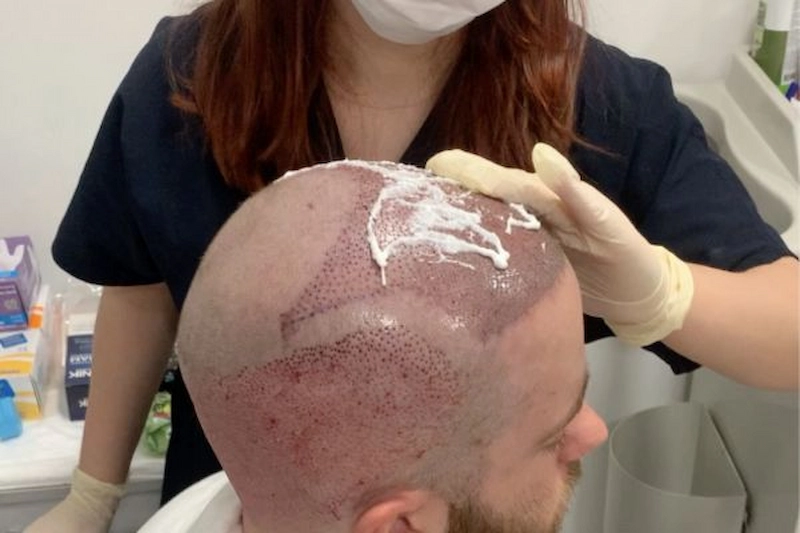
On the day of the procedure, the donor region is cleaned and trimmed. Local anesthesia is applied to both the donor and recipient zones to ensure comfort throughout the session. In some cases, a mild sedative may be offered to help you relax.
Using FUE, the surgeon carefully removes individual follicular units with a micro-punch tool, creating tiny circular sites that heal to near-invisible marks. Chest follicles are often coarser and grow in single-strand units, so the surgeon selects grafts that best match the recipient area's natural characteristics.
The recipient area is prepared with small incisions angled to match the natural direction of existing growth. Proper angulation is critical; it determines whether the final result looks organic or artificial. Depth, spacing, and density are all calibrated during this step.
Each extracted follicle is placed into the recipient incisions with precision. The surgeon controls angle, depth, and distribution to replicate natural patterns, whether that means the crisscross pattern typical of the sternum or the directional sweep across the pectorals.
Both donor and recipient zones may feel slightly swollen or tender for a few days. Over-the-counter pain relievers and your surgeon's aftercare instructions will help manage any discomfort. Detailed recovery expectations are outlined in the section below.
Recovery Timeline
Mild swelling, redness, and tenderness are normal in both the donor and recipient areas. Tiny crusts form around each transplanted follicle; avoid picking or scratching them, as they protect the new grafts. Sleep with your upper body slightly elevated, avoid strenuous activity, and follow the gentle cleaning protocol Dr. Kopelman provides. Prescribed antibiotics and mild pain relievers help prevent infection and manage soreness.
Most crusting falls off naturally and redness fades significantly. During this phase, the transplanted shafts typically shed. This is completely normal and does not mean the grafts have failed; the follicles beneath the surface remain intact and viable. Light exercise and normal washing routines can usually resume, though direct sun exposure and swimming should still be avoided.
The recipient area may look relatively bare as the follicles enter a resting phase. Some patients experience temporary shedding of nearby native strands, known as shock loss, which resolves on its own. By the end of month three, fine new growth usually begins to appear from the transplanted follicles. The donor area is typically fully healed by this point.
New growth becomes progressively thicker and longer. By month six, roughly 60 to 70 percent of the final density is visible. Full results, including mature thickness, texture, and natural blending, are usually apparent by 9 to 12 months. At that stage, the transplanted area can be groomed, trimmed, or styled to personal preference.
Hair Transplant from Body Hair: Pros and Cons
Weigh these advantages against the limitations before deciding
Pros
- Expanded Donor Supply: When scalp donor density is limited, the chest, back, and beard provide thousands of additional grafts, enabling more extensive coverage.
- Versatility: Follicles from the torso or limbs can fill sparse areas on the scalp, beard, chest, or even surgical scars.
- Natural Appearance: A skilled surgeon matches texture and growth direction to the recipient site, producing results that blend with surrounding strands.
- Tailored Restoration: Chest and beard transplant follicles naturally suit their respective zones, making them ideal for site-specific enhancement.
Cons
- Texture Differences: Body follicles tend to be finer or coarser than scalp strands, which can make seamless blending more challenging on the head.
- Shorter Growth Cycle: Follicles from the torso have a shorter anagen (active growth) phase, so they may not reach the same length as scalp strands.
- Graft survival for non-scalp donors typically ranges from 60 to 80 percent, compared with 90 percent or higher for scalp-to-scalp procedures, according to peer-reviewed findings in the Journal of Cutaneous and Aesthetic Surgery.
- Minor Scarring: FUE extraction leaves tiny dot scars at the donor site; these generally fade but may be visible on lighter skin tones.
- Higher Cost: The added complexity of harvesting and placing non-scalp follicles can increase the overall price compared to a standard scalp procedure.
Frequently Asked Questions About Chest and Body Hair Transplant
Dr. Kopelman and his team carefully evaluate each donor zone to select follicles that best match the recipient area in caliber, texture, and growth direction. It is important to note that body follicles may behave differently from scalp strands in terms of growth cycle and length, which can influence the final aesthetic outcome.
General benchmarks:
Consulting with a specialist like Dr. Kopelman is essential for assessing whether BHT is the right path for your goals.
- •Chest: The most common BHT donor area, yielding roughly 1,000 to 5,000 grafts depending on density.
- •Beard/Face: Can provide between 500 and 3,000 grafts, depending on facial coverage.
- •Back: Supplies approximately 1,000 to 4,000 grafts in patients with dense back growth.
- •Arms/Legs: Typically yield 500 to 3,000 grafts, though follicle caliber here is often finer.
- •Natural Density: The number of follicles per square centimeter in the donor zone directly determines how many grafts can be safely harvested.
- •Skin Characteristics: Skin thickness and elasticity at the donor site influence extraction efficiency and healing.
- •Patient Goals: The extent of coverage desired determines how many grafts are actually needed, not just how many are available.
The cost typically ranges from $25,000 to $30,000, depending on the number of grafts, procedure complexity, and the specific donor and recipient areas involved; a full breakdown across all procedures is available in our hair loss clinic prices guide. For a personalized assessment and to explore your options, we invite you to schedule a consultation with Dr. Kopelman, a leading expert in follicular restoration.
In this technique, hair follicles are harvested from various parts of the body, such as the chest, back, arms, or legs, and transplanted to the scalp or other areas where hair is desired.
Body hair transplants are typically used when there is insufficient donor hair on the scalp, making it a viable option for those with extensive hair loss or for specific needs like filling in patchy areas on the chest or beard.
Dr. Kopelman and other skilled surgeons carefully select and match the body hair to the recipient area to ensure the best aesthetic results.
It's important to note that body hair may have different characteristics than scalp hair, such as texture and growth patterns, which can influence the overall outcome.
Generally, the success rate for chest hair transplant to head is somewhat lower than that of traditional scalp hair transplants, primarily due to the differences in hair texture, growth cycles, and the challenge of ensuring the transplanted hair blends well with existing scalp hair. Key Factors Influencing Success:
- Surgeon Expertise: A skilled surgeon like Dr. Kopelman, who has experience in body hair transplants, can significantly improve the success rate by carefully selecting and placing the hair follicles to achieve a natural look.
- Hair Characteristics: Body hair, such as chest or leg hair, often has a different texture and growth pattern compared to scalp hair. These differences can affect the final aesthetic result and the integration of the transplanted hair.
- Growth Cycle: Body hair typically has a shorter growth phase (anagen phase) than scalp hair, which may influence how well it grows and maintains over time once transplanted to the scalp.
- Survival Rate: The survival rate of transplanted body hair follicles is generally around 60% to 80%, depending on the factors mentioned above. This means that a significant portion of the transplanted hair can successfully take root and grow in the new area.
- Aesthetic Outcome: Achieving a natural-looking result requires careful planning and precision. When done well, body hair transplants can provide satisfactory results, especially in cases where traditional scalp donor hair is insufficient.
- Chest: The chest is often the most common source for body hair grafts. Depending on the individual's hair density, the chest can yield anywhere from 1,000 to 5,000 grafts or more.
- Beard/Face: The beard area can provide between 500 to 3,000 grafts, depending on the density and coverage of facial hair.
- Back: The back can sometimes provide a significant number of grafts, ranging from 1,000 to 4,000 grafts, depending on hair density.
- Arms/Legs: The arms and legs can provide a variable number of grafts, typically ranging from 500 to 3,000 grafts, again depending on hair density.
- Hair Density: The natural density of hair in the donor area directly affects how many grafts can be harvested.
- Scalp Laxity: In scalp-based transplants, the laxity (flexibility) of the scalp skin can limit or increase the number of grafts available. While this is less relevant for body hair, the skin's characteristics at the donor site still play a role.
- Patient’s Goals: The number of grafts needed will also depend on the patient's goals and the extent of hair loss being addressed.
Schedule a Consultation
Call Today
To schedule a private consultation with Kopelman Hair Restoration for a body hair transplant. Please call the office or request an appointment online.