
About the Author
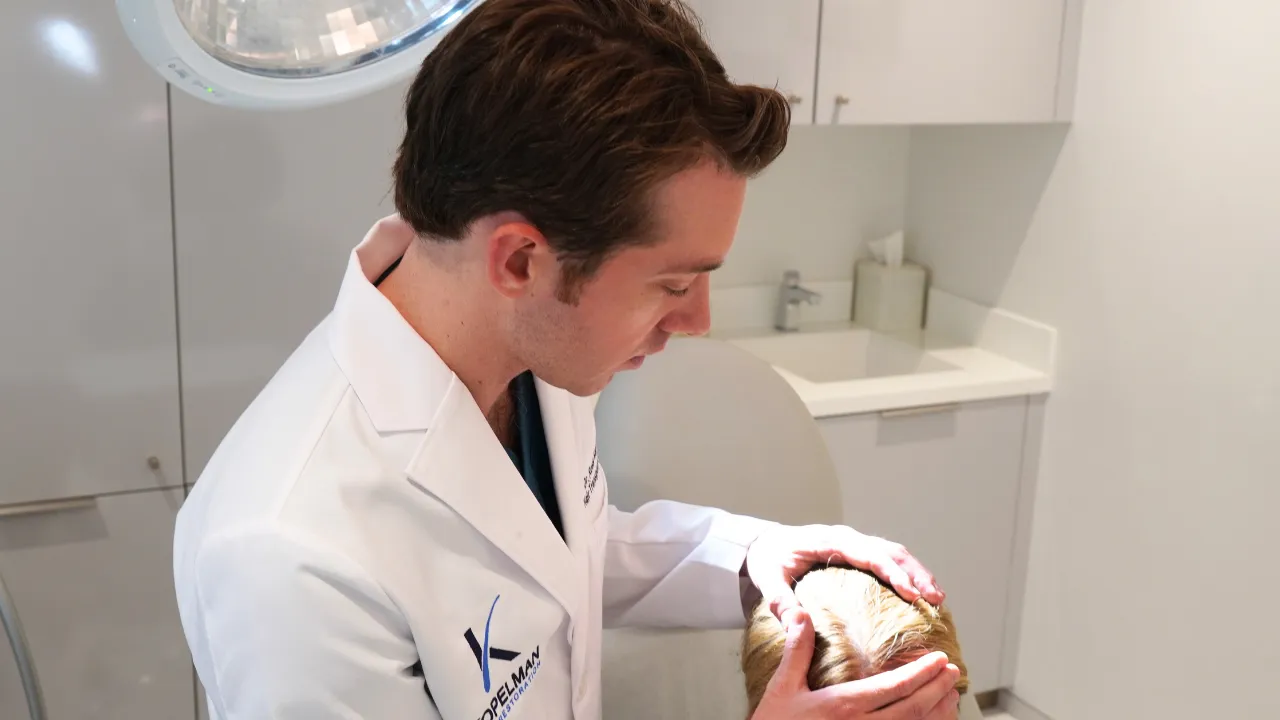
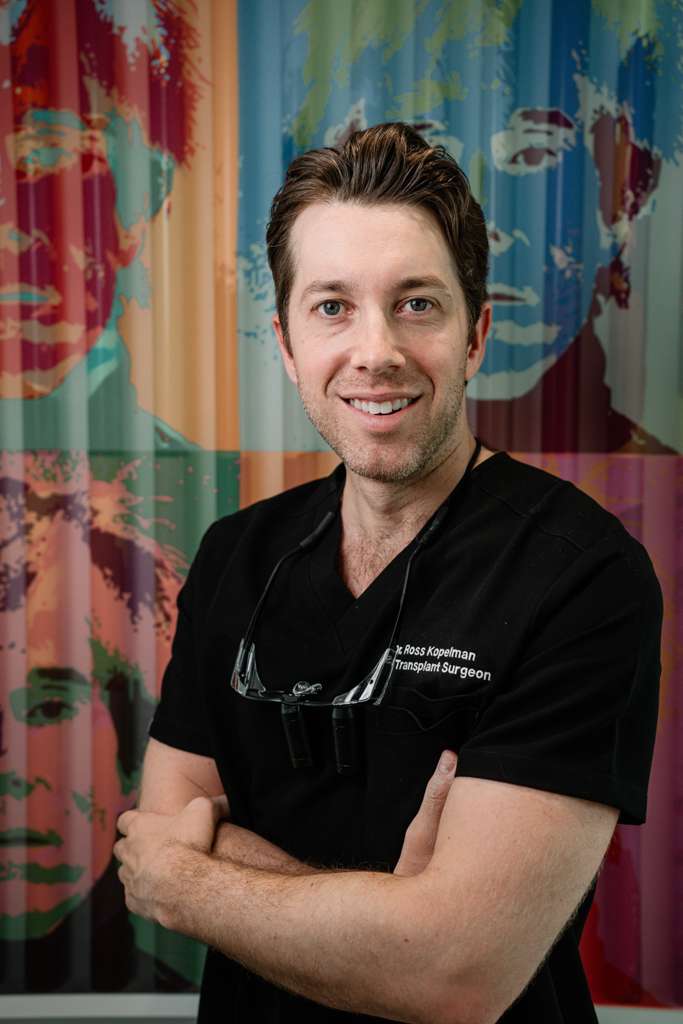
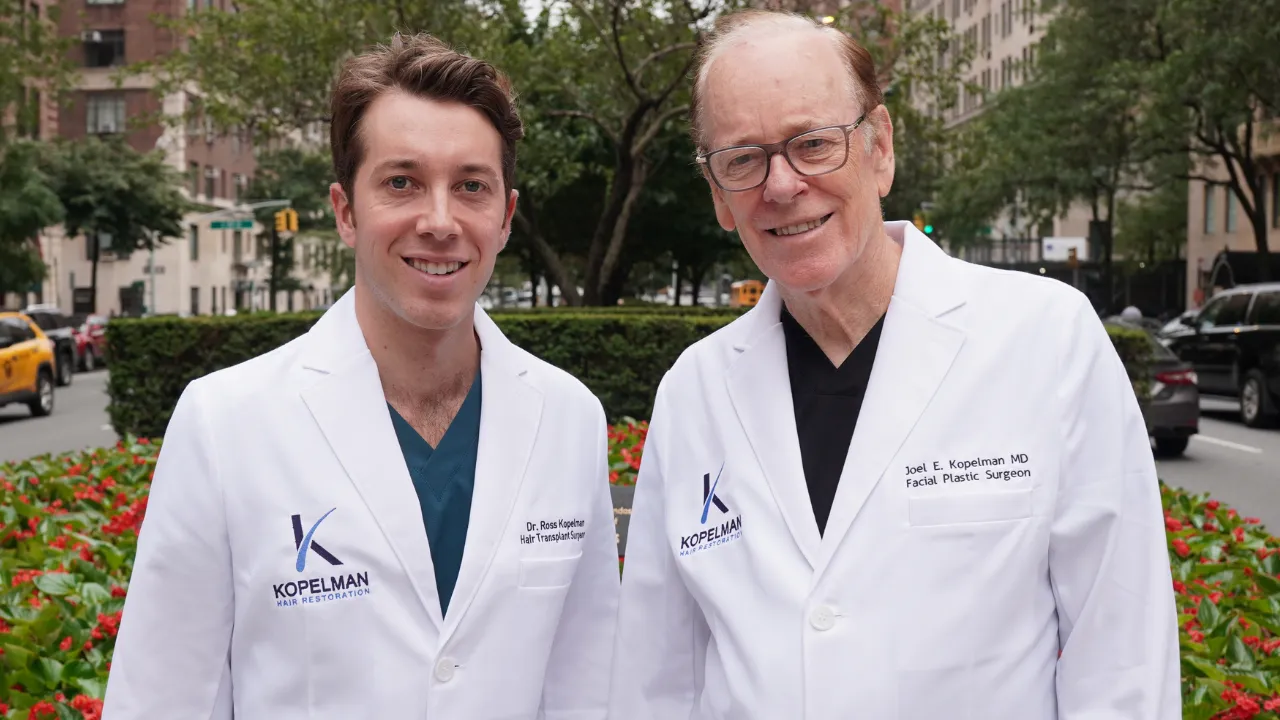
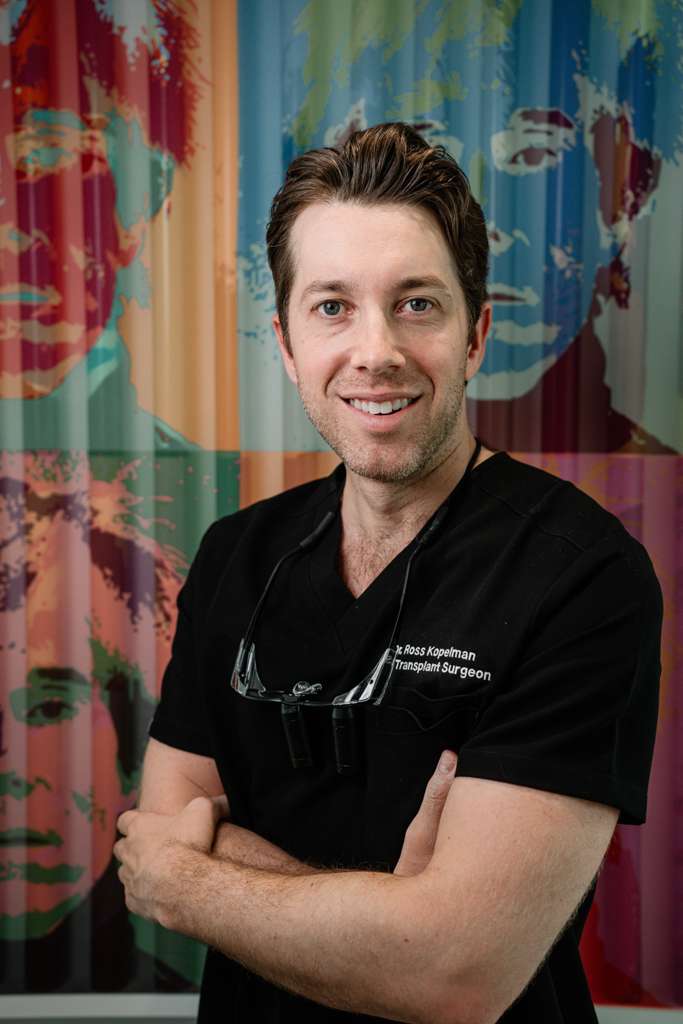
This article was written by Dr. Ross Kopelman, a U.S. hair restoration surgeon practicing at Kopelman Hair Restoration in New York City and Palm Beach County. Dr. Kopelman completed pre-medical training at Cornell University, studied Biochemistry and Biomedical Sciences at NYU, and earned his medical degree from New York Medical College. He holds five degrees including two master’s degrees and an MBA.
Dr. Kopelman hosts the Hair Doctors Podcast, where he interviews leading restoration specialists, patient advocates, and industry experts. He also co-hosts a YouTube channel with Dr. Joel Kopelman covering facial plastic surgery and follicular restoration topics, and shares clinical insights on TikTok and Instagram.
Understanding Female Hair Transplants
Understanding women hair transplant cost helps patients plan realistically before booking a consultation.
Hair transplants for women involve relocating healthy follicles from a donor area to thinning or balding regions. This method is effective for treating female pattern baldness, receding hairlines, and general hair thinning. The two main techniques used are Follicular Unit Extraction (FUE) and Follicular Unit Transplantation (FUT).
- FUE Procedure: Individual donor hair follicles are extracted and implanted into the recipient areas, minimizing scarring. FUE hair transplants are preferred for their minimally invasive nature.
- FUT and Follicular Unit Transplantation: A strip of donor hair is removed, dissected into follicular units, and transplanted. This surgical procedure is often more suitable for larger hair transplant surgery cases.
Both techniques are suitable for hair transplantation for women, but the best option depends on individual hair loss in women’s patterns and goals.
For women with fine or thin hair, additional considerations may impact the outcome of the transplant. While most resources focus on men, many of the same principles apply to female patients. Read more about hair transplants with fine hair and how they affect the procedure here.
Why Female Restoration Is Different from Male Procedures
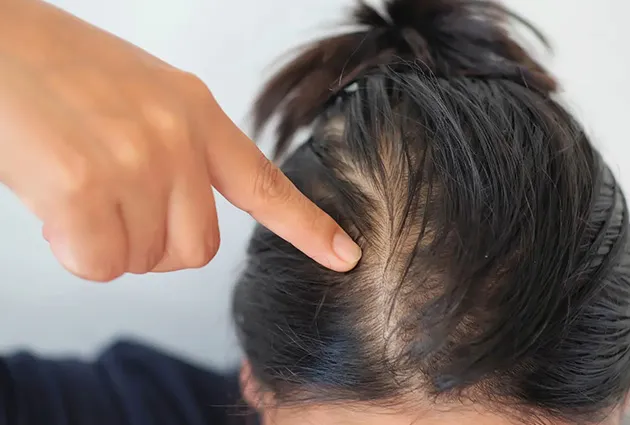
Female hair loss usually presents differently from male pattern baldness, and that difference directly affects candidacy, technique, and pricing. Women typically experience diffuse thinning across the top of the scalp rather than a defined recession pattern, which means the donor area itself is often partially affected by miniaturization.
Because of this, not every woman is a candidate for surgery. A thorough scalp evaluation is essential to confirm that the donor zone has healthy, stable follicles that will not continue to thin after transplantation. Conditions like telogen effluvium, traction alopecia, and scarring alopecias must be ruled out or stabilized before any procedure is scheduled.
Many surgeons prefer FUT for female patients with diffuse thinning because the strip technique allows access to the most stable follicles in the mid-occipital donor area without shaving large sections of the scalp. FUE is often the better choice for women seeking frontal female hair transplant cost estimates focused on hairline refinement, temple restoration, or post-facelift scar coverage. The right technique depends on loss pattern, donor density, and aesthetic goals.
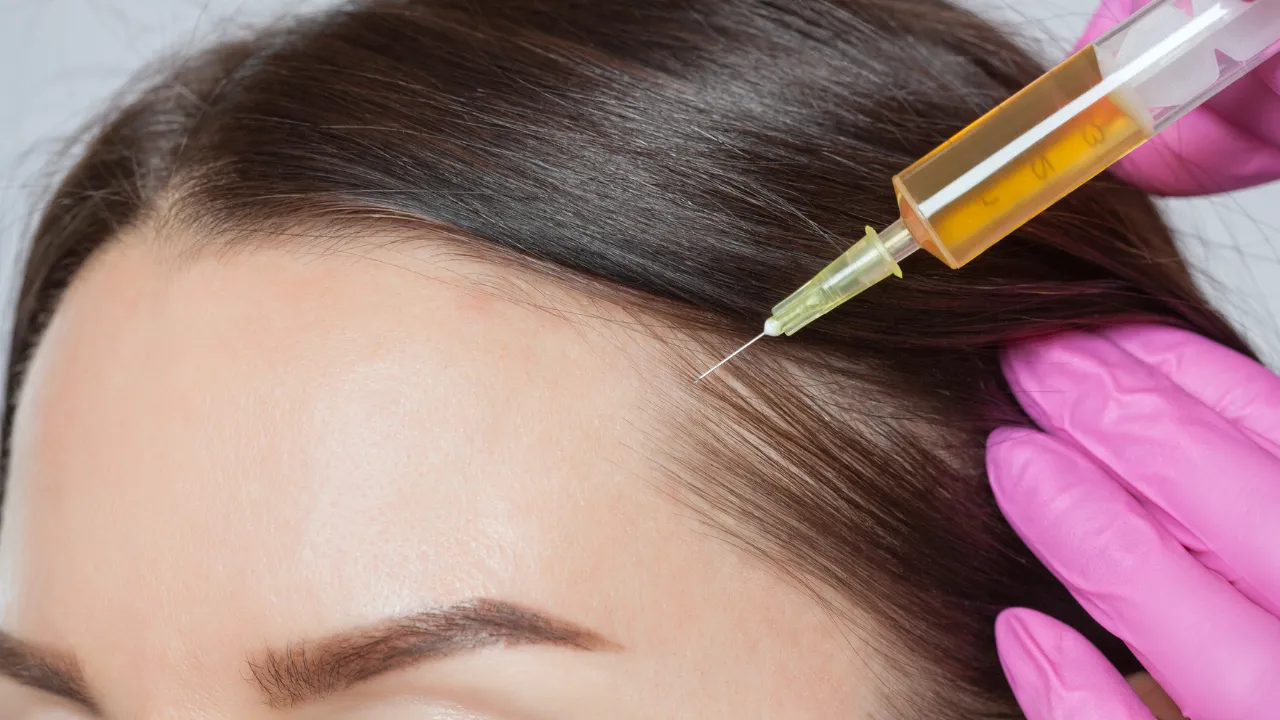
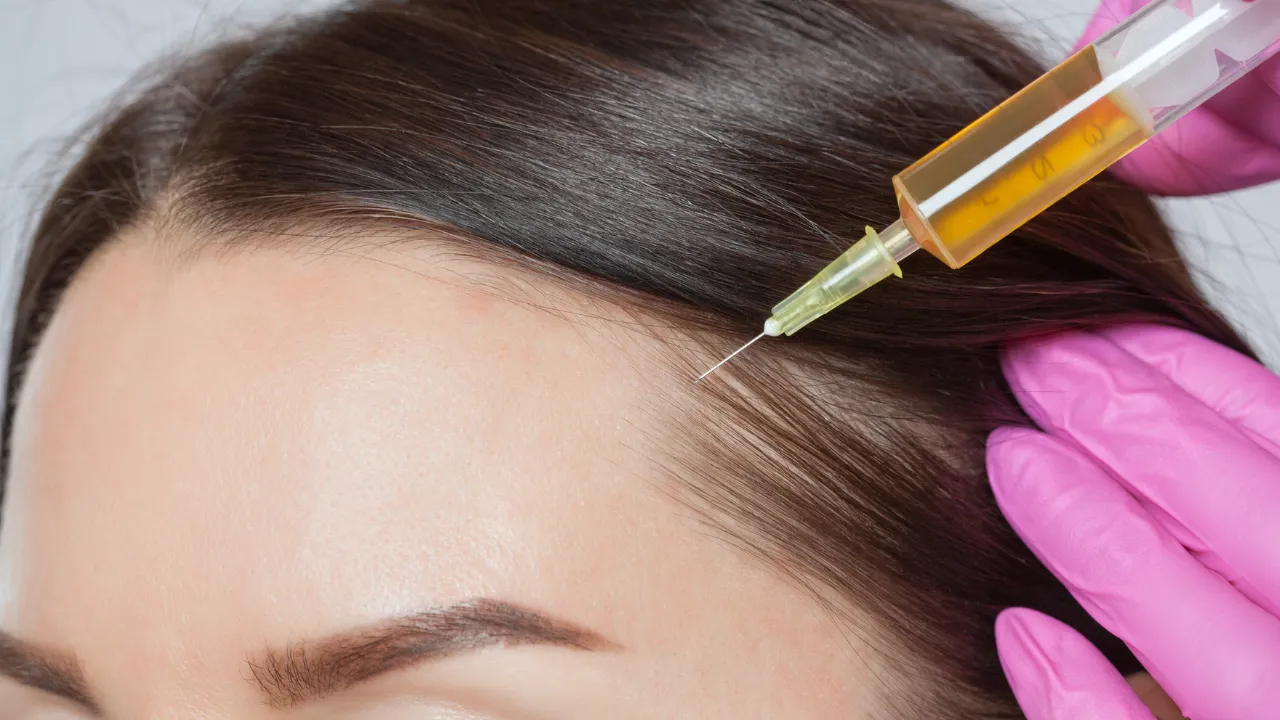
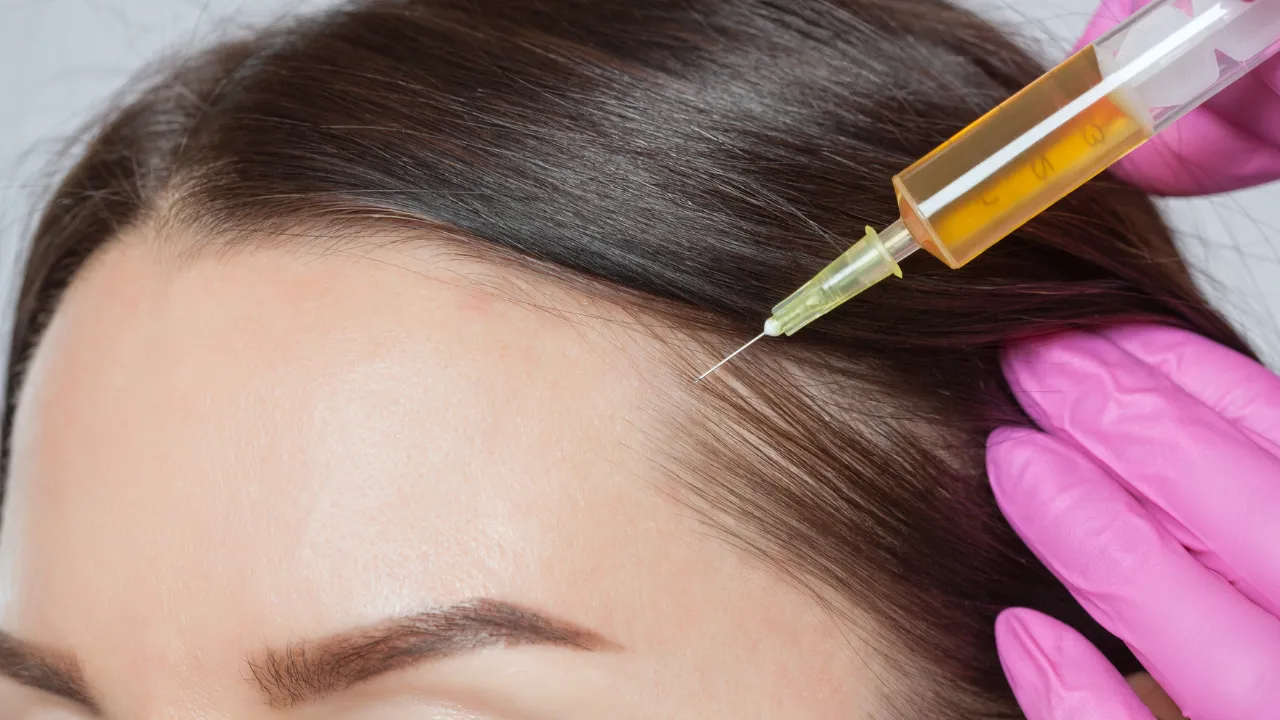
For women with female pattern thinning, medical therapies like minoxidil, spironolactone, or PRP may be recommended alongside or instead of surgery to preserve native follicles long-term.
How Much Is a Hair Transplant for a Woman?
The average women hair transplant cost in the U.S. depends on the number of grafts needed, the technique used, the surgeon’s expertise, and clinic location. Most procedures are priced per graft, with the total cost decreasing on a per-graft basis as the case size grows.
The table below breaks down typical pricing tiers based on case size and graft count.
| Case Size | Graft Count | Typical Total Cost | Common Use Case |
|---|---|---|---|
| Small | 800 – 1,200 grafts | $6,000 – $8,400 | Mild thinning, temple refinement |
| Moderate | 1,400 – 1,700 grafts | $8,000 – $10,000 | Most common female case; diffuse top thinning |
| Medium | 1,800 – 2,400 grafts | $10,000 – $13,000 | Hairline lowering, broader frontal coverage |
| Large | 2,500 – 3,400 grafts | $13,000 – $18,000 | Significant pattern thinning across crown and top |
| Extensive | 3,500+ grafts | $18,000 – $25,000+ | Multi-zone restoration, scarring alopecia repair |
Per-graft pricing in the U.S. typically runs $5 to $7, with the rate decreasing as case size grows. The factors that move pricing within these ranges include:
- Clinic Location & Reputation: High-end practices in major cities generally charge more.
- Procedure Type: FUE tends to cost more than FUT due to its labor-intensive process.
- Extent of Loss: More extensive thinning requires more grafts, increasing the total.
- Surgeon’s Expertise: Highly experienced restoration surgeons, like Dr. Kopelman, may charge higher fees due to their precision in creating natural-looking results.
- Adjunct Therapies: PRP, mesotherapy, or post-procedure laser treatments may be priced separately or bundled.
Hair Plugs for Women Cost vs. Modern FUE/FUT Pricing
Patients sometimes search for hair plugs for women cost, but the term refers to an outdated technique no longer used in reputable U.S. practices. Old-style plugs produced unnatural, clumped results and have been replaced by FUE and FUT, which use individual follicular units of one to four follicles. Modern restoration produces natural, undetectable results at comparable or lower cost than the legacy plug technique.
Female Hairline Transplant Cost
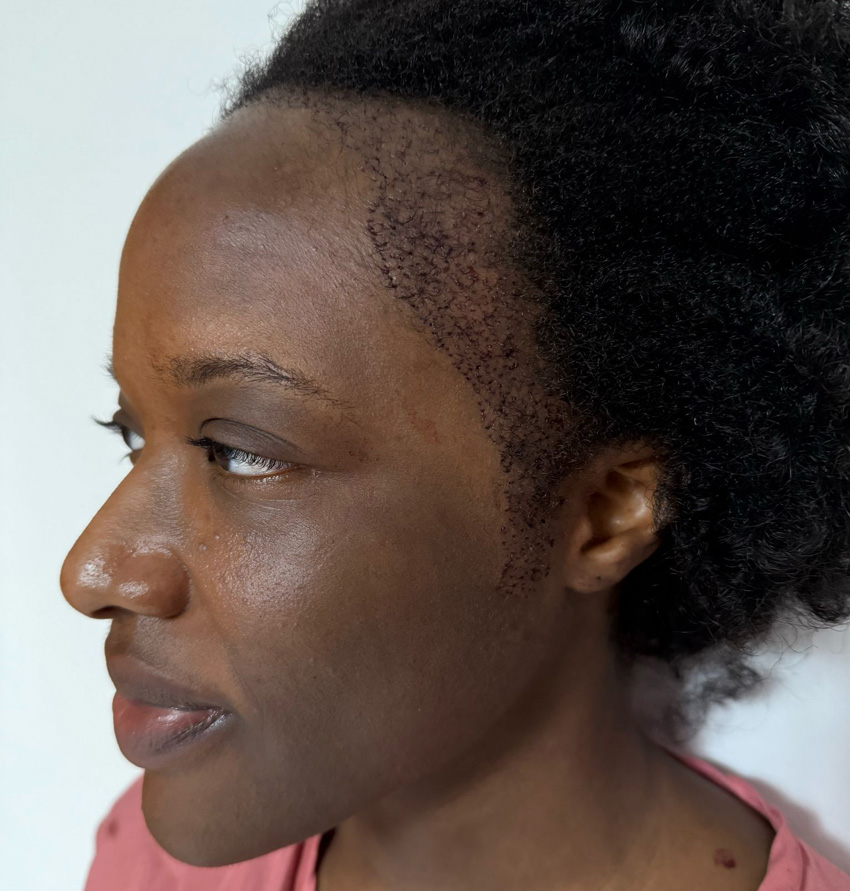
A female hairline transplant cost is often quoted separately because the procedure focuses on a smaller, highly detailed area. Hairline-only cases typically use 800 to 1,500 grafts and range from $6,000 to $10,500 depending on graft count and design complexity. This category includes hairline lowering after forehead reduction and refinement of receding temples.
Does Insurance Cover Female Restoration?
In nearly all cases, insurance does not cover restoration procedures because they are considered cosmetic. There are limited exceptions when loss results from a medical condition such as scarring alopecia, burns, traumatic injury, or reconstructive needs following surgery. In those cases, documentation from a dermatologist or referring physician may support a coverage request, though approval is not guaranteed.
For most women, the procedure is paid out of pocket. To make it more accessible, many practices partner with third-party medical financing companies that offer monthly payment plans. Common options include CareCredit, Prosper Healthcare Lending, and Alphaeon Credit. Financing terms typically range from 12 to 60 months, with some plans offering deferred-interest promotional periods.
The $350 consultation fee at Kopelman Hair Restoration is generally not reimbursable by insurance but is often credited toward the procedure if the patient moves forward with surgery.
Success Rate & Long-Term Results
The female restoration success rate is high, with 90% or more of transplanted follicles growing naturally. The effectiveness of the procedure is influenced by several factors that determine the quality and longevity of results:
- Surgeon Expertise: Highly trained restoration surgeons like Dr. Kopelman use advanced techniques to ensure even graft placement and a natural-looking hairline. Precision in harvesting and implantation significantly impacts the success of the transplant.
- Post-Operative Care: Patients who follow post-procedure instructions see better growth outcomes. Proper scalp hygiene, avoiding excessive sun exposure, and adhering to prescribed medications minimize complications and promote healthy follicular growth.
- Patient’s Hair Characteristics: The quality of donor hair, thickness, and texture contribute to transplant success. Patients with denser follicular units tend to experience better coverage and fuller results.
- Healing and Adaptation Process: After surgery, newly transplanted strands may enter a temporary shedding phase before regrowth starts. This is normal and part of the natural follicular cycle. Patients typically see visible improvement within 6 to 12 months, with final results appearing 18 months post-surgery.
- Long-Term Maintenance: While restoration is permanent, additional treatments such as PRP therapy or Minoxidil may be recommended to maintain density and prevent further thinning. Some patients may opt for a second session if they desire additional volume.
- Expected Density and Coverage: Results vary based on the number of grafts transplanted. Women with significant loss may require multiple sessions to achieve their desired density. The goal is always to create natural-looking results that blend seamlessly with existing growth.
By working with a skilled restoration surgeon, patients can achieve long-lasting, aesthetically pleasing results that restore confidence and improve scalp health over time.
For a detailed month-by-month breakdown of what to expect after surgery, including key milestones and recovery timelines, read this hair transplant timeline guide.
What to Expect in the First Few Days After Surgery
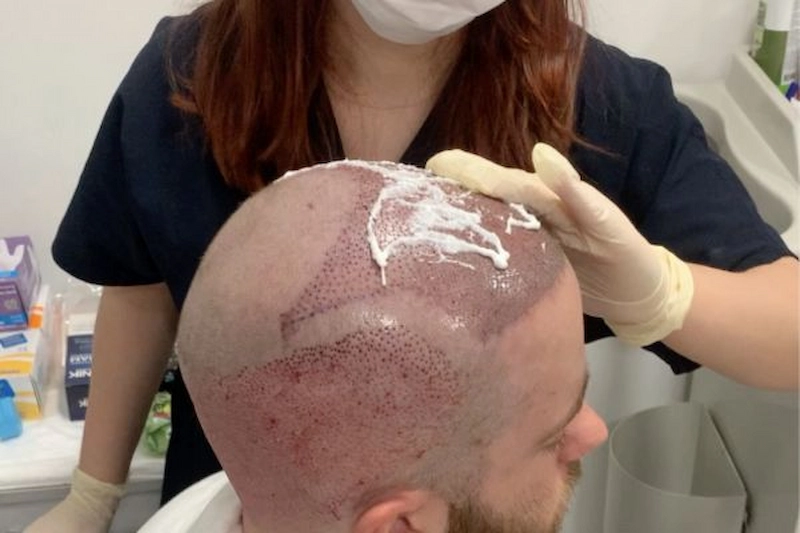
After the procedure, patients can expect mild swelling, redness, and tenderness in the donor and recipient areas. These symptoms are temporary and usually subside within a few days. Small scabs will form around the transplanted grafts, which naturally fall off within 7 to 10 days.
How to Care for Your Scalp Post-Surgery
Proper post-procedure care is essential for optimal healing and natural-looking results. Patients should:
- Avoid touching or scratching the transplanted area.
- Sleep with their head elevated to reduce swelling.
- Follow the clinic’s instructions on washing the scalp gently with a prescribed shampoo.
- Avoid strenuous activities that may cause sweating or irritation.
Timeline for Growth After a Transplant
Growth after FUE or FUT happens in stages:
- First Month: Transplanted strands may shed due to temporary shock loss.
- 3 to 6 Months: New growth becomes visible.
- 12 to 18 Months: Full results appear, with thicker, healthier coverage in the recipient areas.
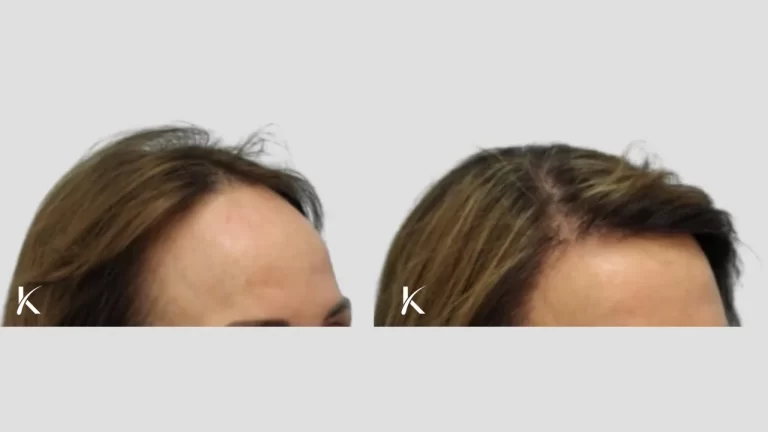
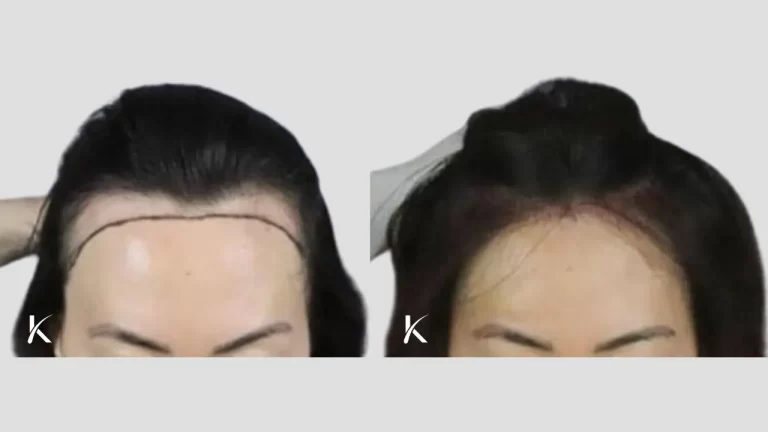
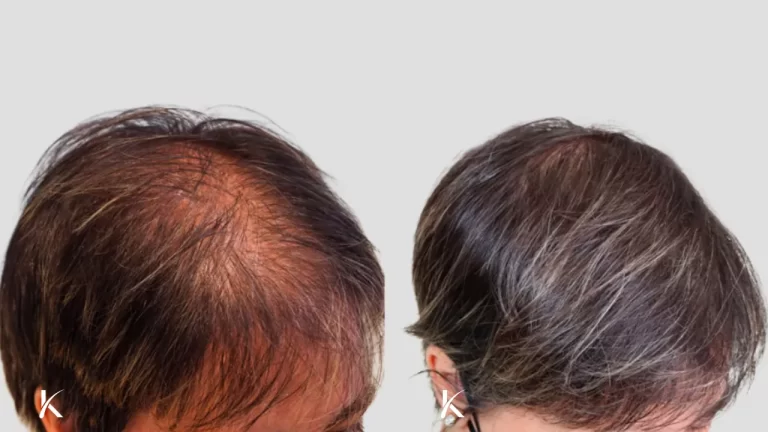
Before & After Results
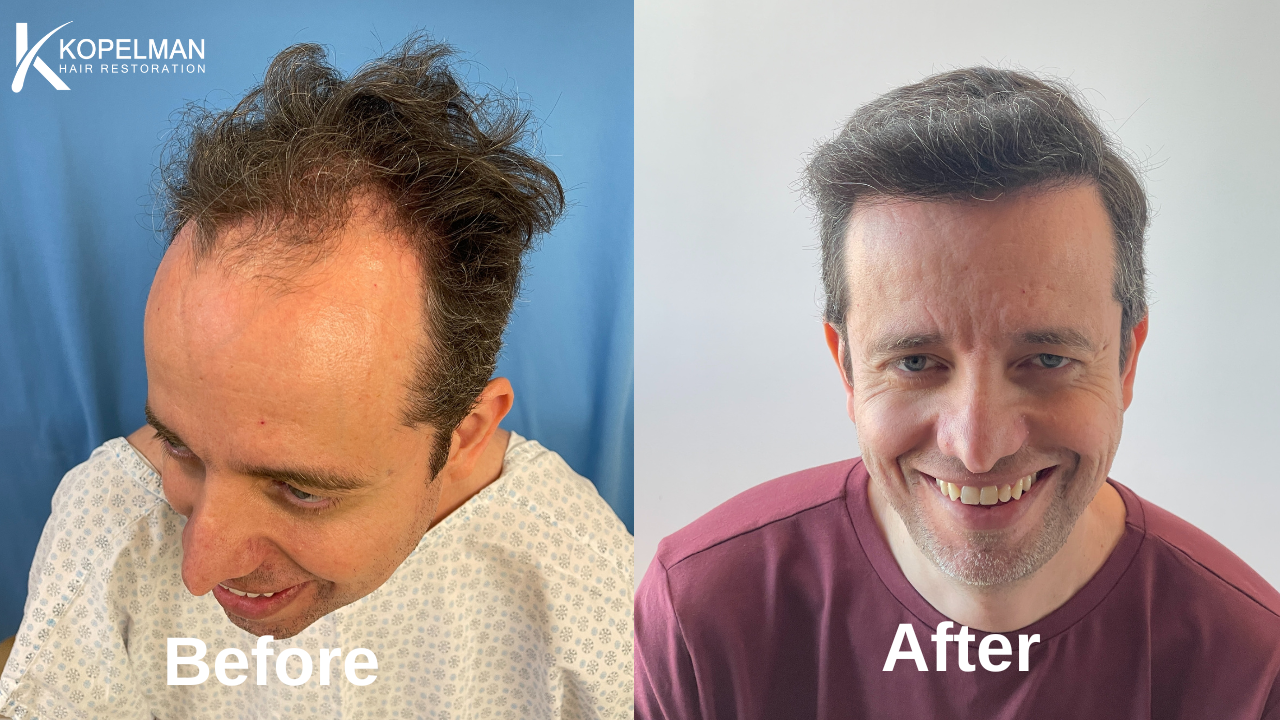
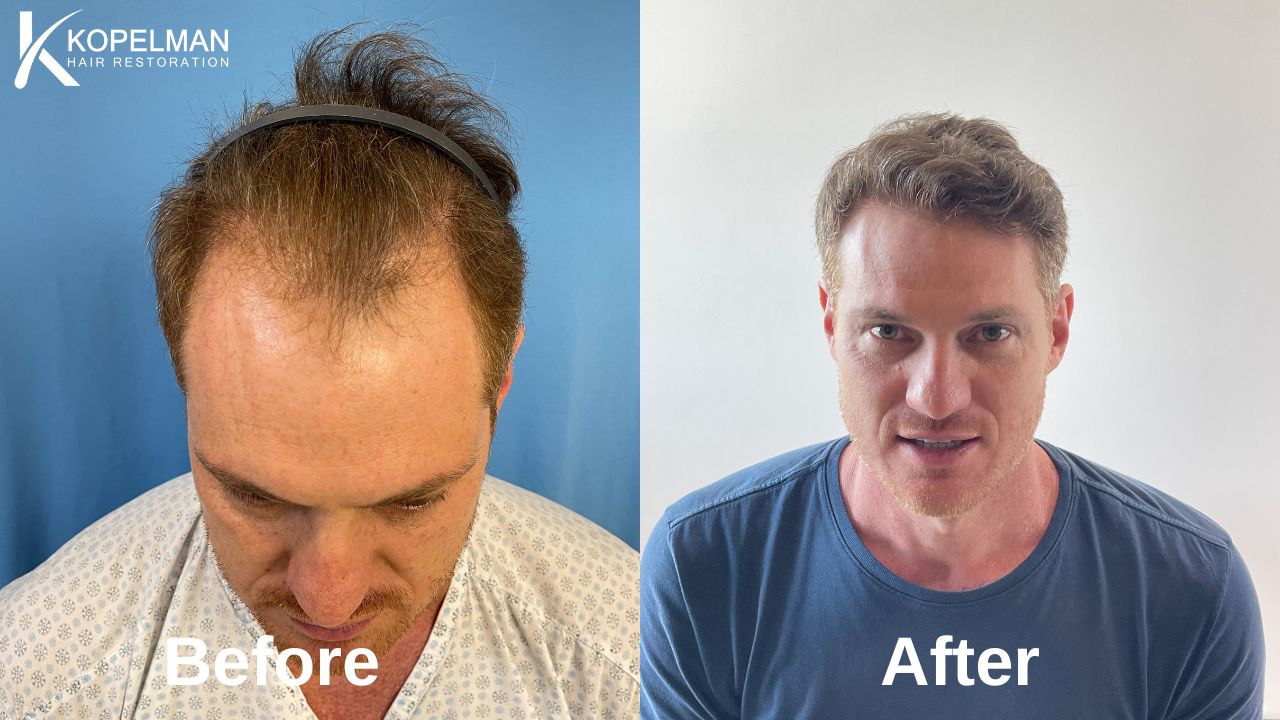
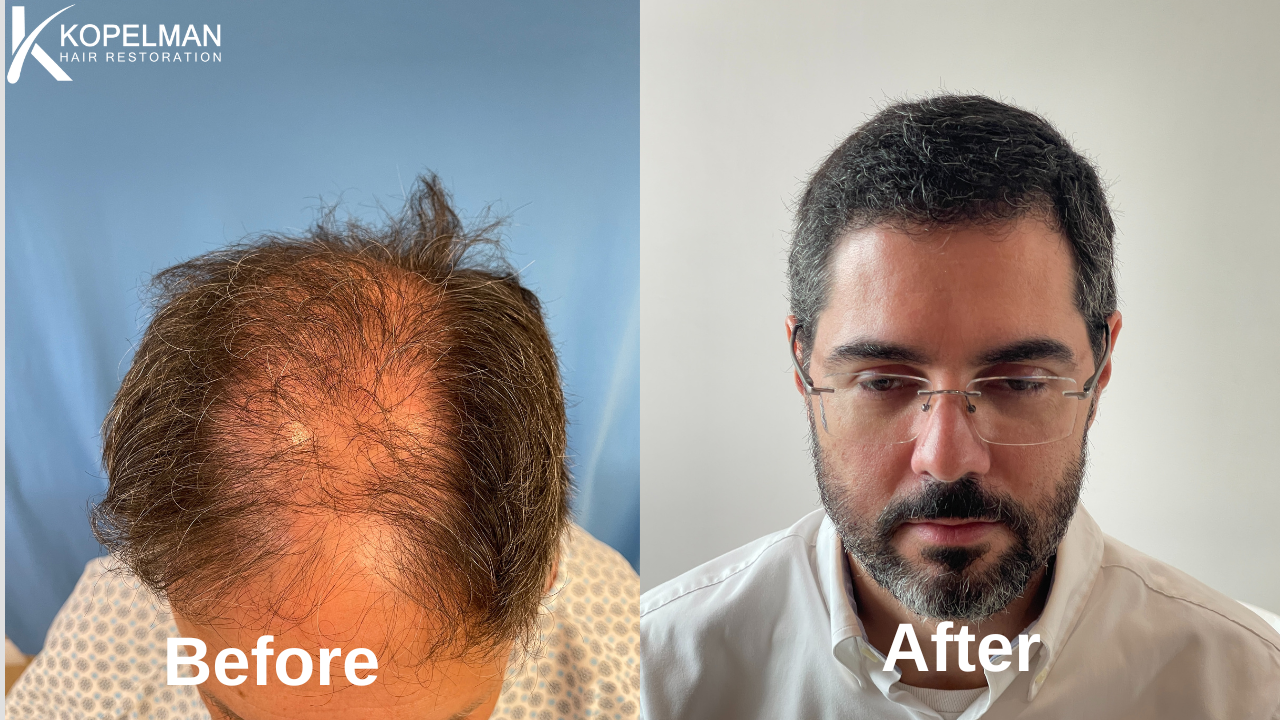
Before committing to surgery, many women research before-and-after photos to assess potential outcomes. High-quality clinics provide transparent case studies, showcasing natural-looking results that blend seamlessly with existing growth.
Feel free to browse our Before and After Female Hair Restoration Gallery for more photos of our patients.
Is the Procedure Worth It?
For many women, restoration is a life-changing solution that rebuilds confidence. The cost is an investment in self-esteem, with benefits including:
- Natural growth that blends seamlessly
- Permanent results with proper care
- Minimal downtime compared to other surgical procedures
Side Effects of Surgery
As with any cosmetic procedure, restoration may involve temporary side effects, including:
- Swelling and redness at the transplant site
- Mild discomfort that subsides within days
- Temporary shedding of transplanted strands before new growth begins
Selecting a reputable clinic ensures optimal outcomes. When evaluating clinics:
- Check the surgeon’s credentials: Ensure experience in follicular unit transplant (FUT) and follicular unit extraction (FUE).
- Review patient testimonials: Look for authentic feedback and before-and-after results.
- Ask about technology used: Advanced equipment enhances precision and natural-looking results.
- Verify board certification: Confirm membership in organizations like the International Society of Hair Restoration Surgery (ISHRS) or the American Board of Hair Restoration Surgery (ABHRS).
Before proceeding with a transplant, patients should ask:
- How many grafts will I need?
- What technique is best for my pattern of loss?
- What are the risks and recovery times?
- What are the estimated total costs, including follow-up care?
- How much is a hair transplant for a woman in my specific case?
- Is financing available, and what are the terms?
Final Thoughts
The decision to undergo a female restoration procedure involves multiple considerations, from total cost to choosing the right technique. At Kopelman Hair, expert professionals provide customized solutions to restore natural hairlines and boost confidence.
If you’re comparing pricing in New York or anywhere in the U.S., Dr. Kopelman provides personalized evaluations to determine the most effective and natural results for each case.
Consulting with specialists ensures the best approach for long-lasting, natural-looking results.