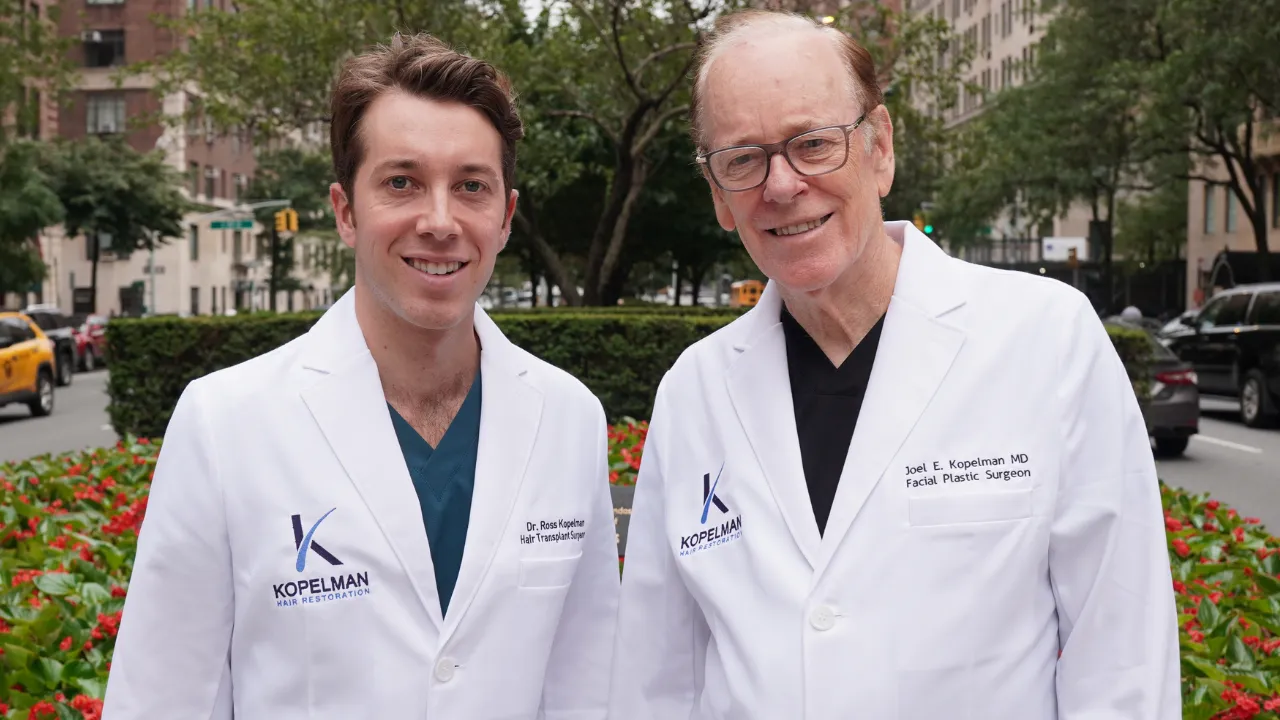
Author: Dr. Joel Kopelman
Some products keep showing up on lists of the worst shampoos that cause hair loss, but the bigger issue is usually the formula rather than the brand name alone. Shampoos with harsh sulfates, formaldehyde-releasing preservatives like DMDM hydantoin, heavy silicones, and strong fragrances can strip the scalp, trigger irritation, and leave strands more prone to breakage. This often shows up as faster shedding, especially if your locks are already fragile from coloring, heat styling, hormonal shifts, or scalp conditions.

Shampoo rarely causes permanent balding by itself. In most cases, these formulas worsen scalp inflammation, dryness, or buildup that weakens the strand and disrupts healthy growth over time. Products from brands like TRESemmé, OGX, Pantene, L’Oréal Elvive, and Herbal Essences have been mentioned in consumer complaints and class-action lawsuits, but results depend on your scalp sensitivity, texture, and how often you use them.

A better approach is to check ingredient labels, choose gentler cleansers, and watch for signs like itching, flaking, or sudden shedding after switching products. Women face this issue more often than men because of hormonal cycles, postpartum shifts, and chemical styling habits that interact with harsh ingredients in unique ways. This guide answers what shampoos cause hair loss, which ingredients to avoid, and how to choose safer alternatives backed by current dermatology research.

Read More

The top eyebrow hair transplant surgeons 2025 include specialists with advanced training in both hair restoration and facial aesthetics, particularly those experienced in detailed, single-hair placement techniques. Among them, Dr. Ross Kopelman in New York City is recognized for his focus on natural eyebrow design, using methods like Follicular Unit Extraction to achieve precise angle, direction, and density. This level of control is essential for creating realistic, symmetrical brows.

Selecting the right surgeon depends on experience with eyebrow-specific cases, consistent results, and attention to facial harmony. Reviewing before-and-after outcomes and understanding the surgeon’s approach helps set clear expectations. Expertise in both technical execution and aesthetic planning plays a key role in long-term success.

Read More

An ugly eyebrow transplant usually results from poor technique during the procedure, especially incorrect angle, direction, or density of the implanted hairs. An ugly eyebrow transplant can look unnatural because scalp hairs, which are commonly used, grow faster, thicker, and at different angles than natural brow hair. If these follicles are not carefully placed to match the natural pattern, the result may appear uneven, overly dense, or difficult to style. In many cases, the issue becomes more noticeable as the hairs grow longer and require frequent trimming and control.

Fixing this depends on the severity of the result and the underlying cause. Mild cases can improve with consistent grooming, trimming, and the use of styling products to guide hair direction. More noticeable problems may require corrective procedures, such as adjusting density, removing misaligned grafts, or performing a revision transplant with proper placement. A detailed evaluation helps determine whether the solution is maintenance-based or surgical, with the goal of restoring a more natural appearance.

Read More

Eyebrow hairs grow in different directions mainly due to genetics and the natural angle of each hair follicle. This usually comes down to built-in growth patterns, including small cowlicks that can cause hairs to point upward, sideways, or downward—especially at the front of the brow. Overplucking, aging, or hormonal changes can also affect how hairs grow over time. These variations are completely normal and part of what gives eyebrows their natural shape and function.

In some cases, hair may become harder to control if follicles have been repeatedly shaped or disrupted. Daily brushing with a spoolie and light styling products can help guide hairs into a more uniform direction. Long-term consistency is key if you want to reshape how they sit.

Read More

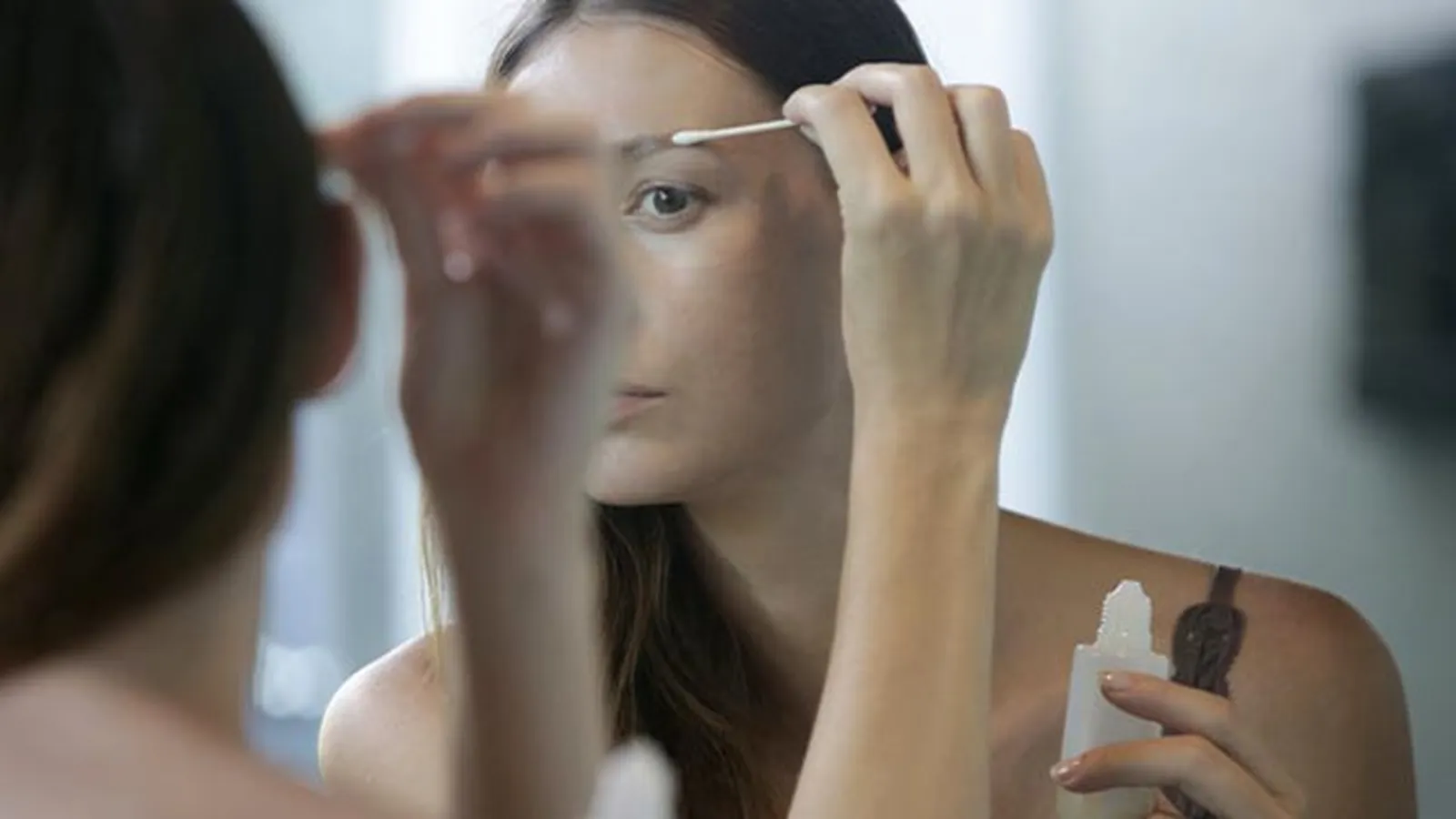
Using regular hair dye on your eyebrows is not recommended due to the higher risk of irritation, chemical burns, and eye injury. Can I use hair color on my eyebrows is a common question, but most hair dyes contain strong ingredients like ammonia or peroxide that are too harsh for the delicate skin around the eyes. These formulas can also produce uneven or overly dark results on shorter, finer brow hairs. Even small application errors can lead to discomfort or safety issues.

Safer options include products specifically designed for eyebrows, such as brow tints, henna, or mild beard dyes formulated for facial use. These alternatives offer better control, more natural color, and lower risk of irritation. Choosing the right product helps maintain both appearance and skin safety.

Read More

Eyebrow hair loss can be normal in small amounts, as brow hairs follow a natural cycle of growth and shedding that may peak every few months or increase with age. However, noticeable thinning or patchy loss is often linked to causes such as over-plucking, nutrient deficiencies, hormonal imbalances, or medical conditions like Alopecia Areata and thyroid disorders. Skin conditions like eczema can also affect the health of hair follicles and lead to loss.

Treatment depends on identifying the underlying cause and addressing it directly. Options may include improving nutrition, managing medical conditions, or using treatments like Minoxidil to support regrowth. In more advanced cases, procedures such as eyebrow transplants may be considered to restore density.

Read More

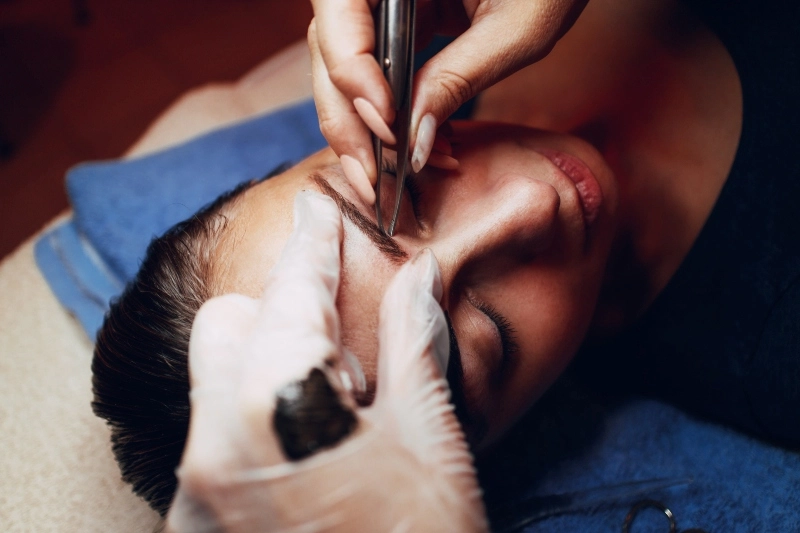
Eyebrow transplants are performed by specialists trained in hair restoration and facial aesthetics. The answer to which doctors specialize in eyebrow transplant surgery is that board-certified facial plastic surgeons, dermatologists, and dedicated hair transplant surgeons typically perform these procedures. They are experienced in techniques like Follicular Unit Extraction, which allows precise placement of individual hairs to match natural brow direction and density.

Choosing the right specialist is important because eyebrow restoration requires detailed artistic control in addition to surgical skill. Experienced providers focus on natural angles, symmetry, and long-term growth patterns. Reviewing credentials, before-and-after results, and experience with eyebrow-specific cases helps ensure better outcomes.

Read More

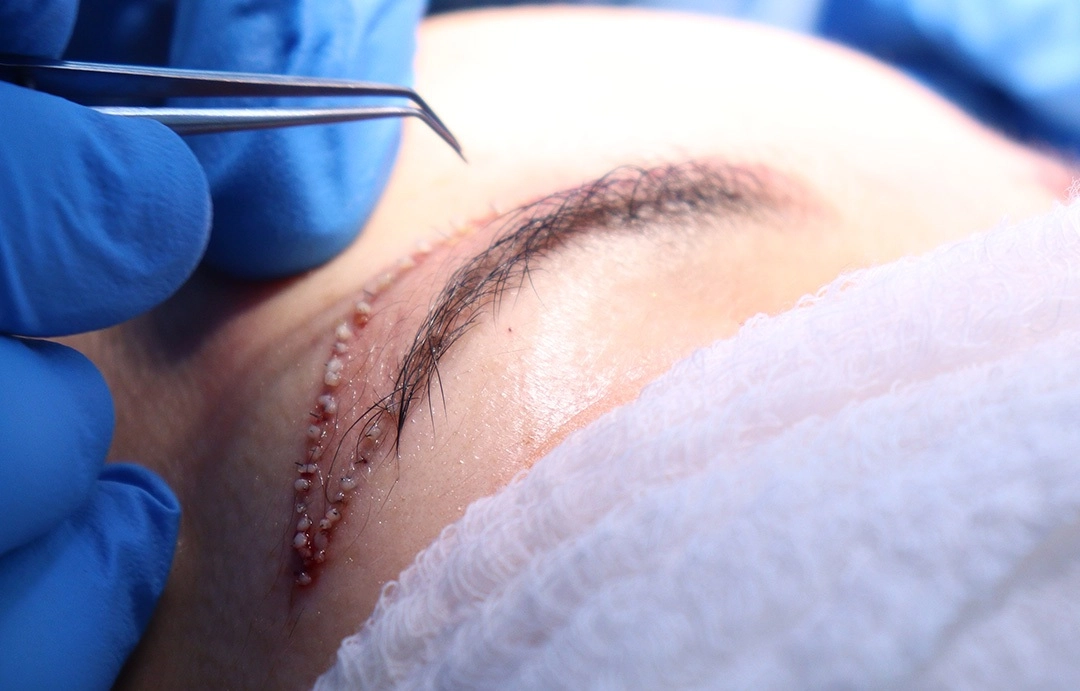
Recovery after the procedure focuses on protecting the grafts and supporting proper healing. Eyebrow transplants post op care includes avoiding touching or washing the area for the first few days, keeping the brows clean as instructed, and sleeping with your head elevated to reduce swelling. Small scabs typically form and fall off within 7 to 10 days as the skin heals.

It is normal for the transplanted hairs to shed within a few weeks, a phase known as shock loss, before new growth begins. Most patients start seeing regrowth after a few months, with full results developing over 7 to 12 months. Following aftercare instructions closely helps improve graft survival and overall outcomes.

Read More

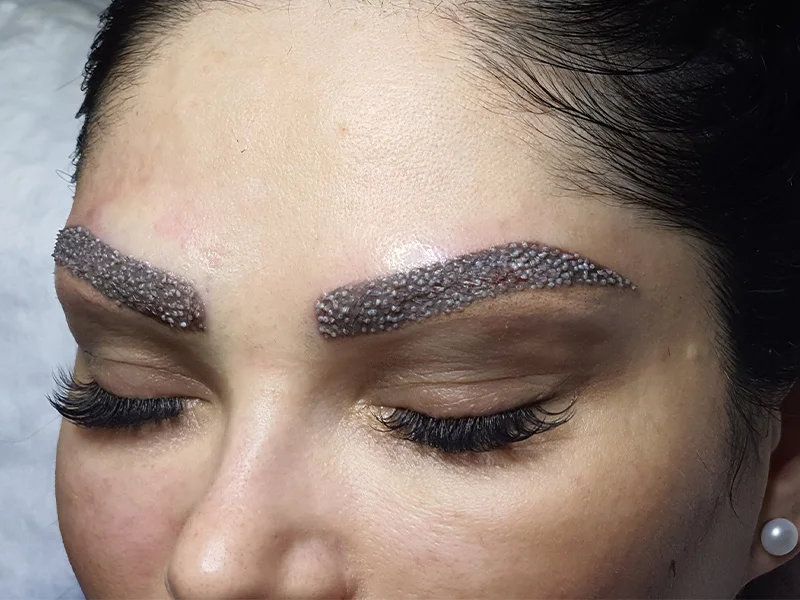
Proper recovery is key to achieving natural-looking results after the procedure. Eyebrow transplant aftercare includes keeping the area clean, avoiding touching or rubbing the grafts, and following specific washing instructions during the first few days. Mild redness, swelling, and small scabs are normal and usually resolve within a week as the skin heals.

As healing progresses, the transplanted hairs may shed before new growth begins, which is part of the normal cycle. Because the hair comes from the scalp, regular trimming every 1 to 2 weeks is needed once it starts growing. Long-term care may also include grooming with scissors, using gel to guide hair direction, and occasional color adjustments if needed.

Read More

A leg hair transplant to the eyebrows is a viable option in select cases where finer hair is preferred. In a leg to eyebrow transplant, follicles from the leg are used because they are typically thinner, shorter, and slower-growing than scalp hair, which can create a softer, more natural brow appearance. This technique is performed using Follicular Unit Extraction, allowing precise harvesting and placement of individual grafts.

The main benefit is reduced need for frequent trimming compared to scalp-derived hair. However, limitations include lower graft survival rates and less consistent growth, since body hair behaves differently from scalp hair. Careful patient selection and technique are important to achieve balanced, natural-looking results.

Read More

Eyebrow hair can grow quickly due to genetics, hormone levels, and a naturally short growth cycle that keeps the follicles active. If your eyebrow hair seems to grow fast, it often relates to how your follicles respond to androgens like DHT, which can influence thickness, length, and growth rate over time. These hormonal effects can become more noticeable with age, in both men and women, and may result in brows that grow faster and require more frequent grooming.

Frequent trimming is usually needed to maintain shape when growth is more active. In some cases, medications or overall health changes can also influence growth patterns. If the change feels sudden or excessive, it may help to review any recent hormonal or lifestyle factors.

Read More

A pubic hair eyebrow transplant is a specialized approach used when traditional donor areas, like the scalp or beard, are not suitable or when a specific hair texture is needed. In a pubic hair eyebrow transplant, follicles are typically extracted using the FUE method and then implanted with careful attention to angle, direction, and spacing to mimic natural eyebrow growth. This option may be chosen because pubic hair can offer a different curl pattern or thickness that better matches certain brow characteristics. However, it requires precise technique due to differences in growth behavior compared to standard donor hair.

Clinical outcomes depend on how well the selected hair type integrates with the existing brow and how it is maintained over time. These hairs may grow at different rates or textures, so regular trimming and grooming are often necessary. Not every patient is an ideal candidate, and donor selection is based on availability, hair quality, and aesthetic goals. A detailed evaluation helps determine whether this method will produce a natural and balanced result.

Read More

Eyebrow transplants typically take about 9 to 12 months to show full, permanent results. The timeline behind how long does it take for eyebrow transplant to grow starts with an initial shedding phase around 2 to 3 weeks after the procedure, which is a normal part of the process. New hair growth usually begins around 3 to 4 months as the follicles enter a new growth cycle.

Results continue to improve gradually as the hairs thicken and fill in over time. Because the transplanted hairs come from the scalp, they will keep growing and require regular trimming. Patience is key, as the final outcome develops slowly but becomes long-lasting.

Read More

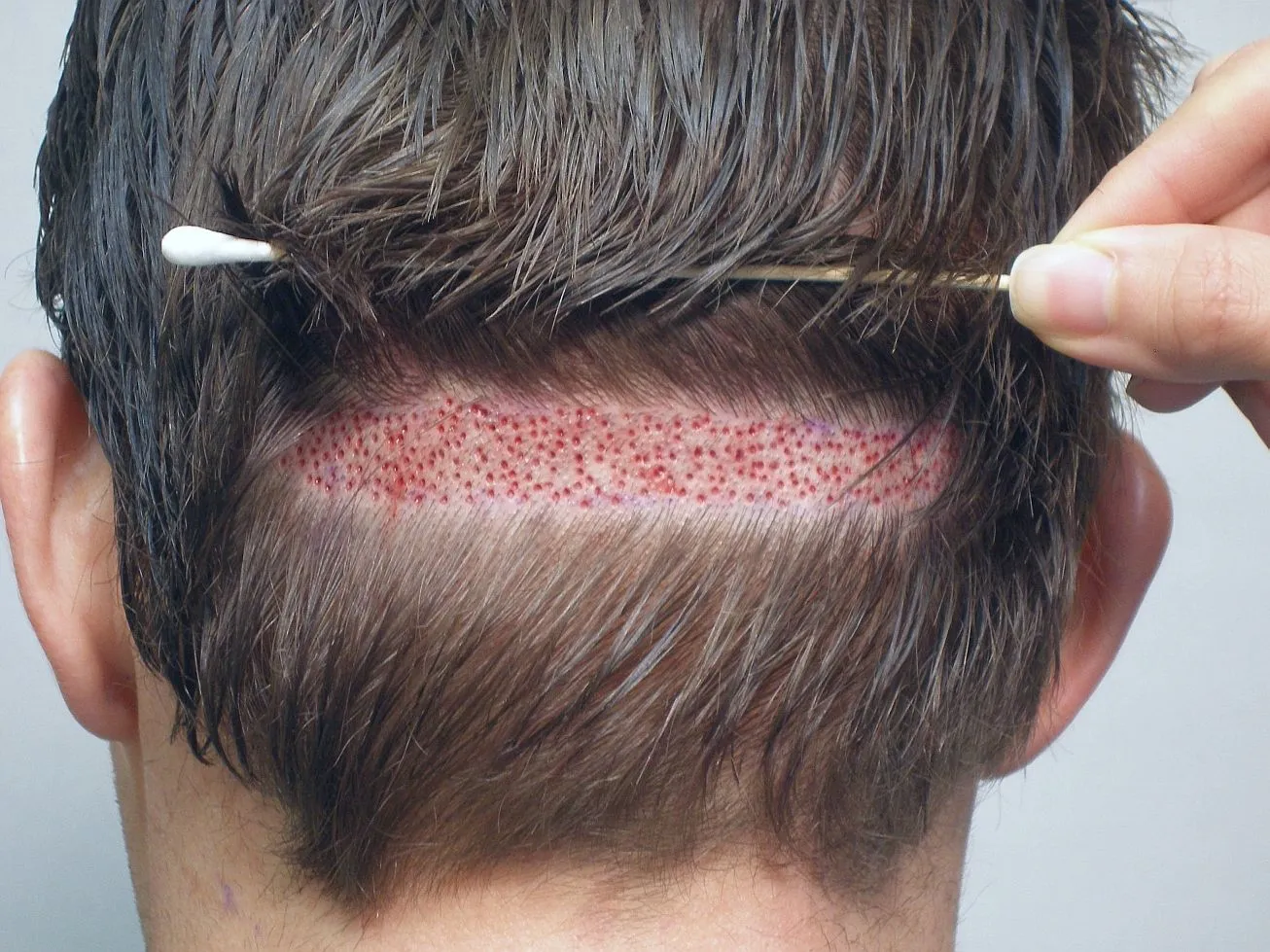
The hair used in an eyebrow transplant comes from your own body, most commonly the back of the scalp. Surgeons typically select fine hairs from areas like above the ears or the nape of the neck because they closely match eyebrow texture and have high survival rates, often around 85–92%. This ensures the transplanted follicles grow reliably after placement.

In some cases, alternative donor areas like the legs or chest may be used if scalp hair is not suitable. The procedure is usually performed using Follicular Unit Extraction to carefully extract and implant individual follicles. Proper selection and placement are key to achieving natural-looking results.

Read More

Eyebrow and eyelash transplants are minimally invasive procedures designed to restore fuller, natural-looking hair using your own follicles. In these surgeries, grafts are typically taken from the scalp and carefully implanted one by one into the brow or lash area under local anesthesia. This precise placement helps match the natural direction, angle, and density of eyebrow or eyelash hair.

The procedure is usually completed in a single session, with initial healing in a few days and visible growth starting within a few months. Full results typically develop over 6 to 12 months as the transplanted hairs go through normal growth cycles. Because the hair behaves like scalp hair, regular trimming and maintenance are often required.

Read More

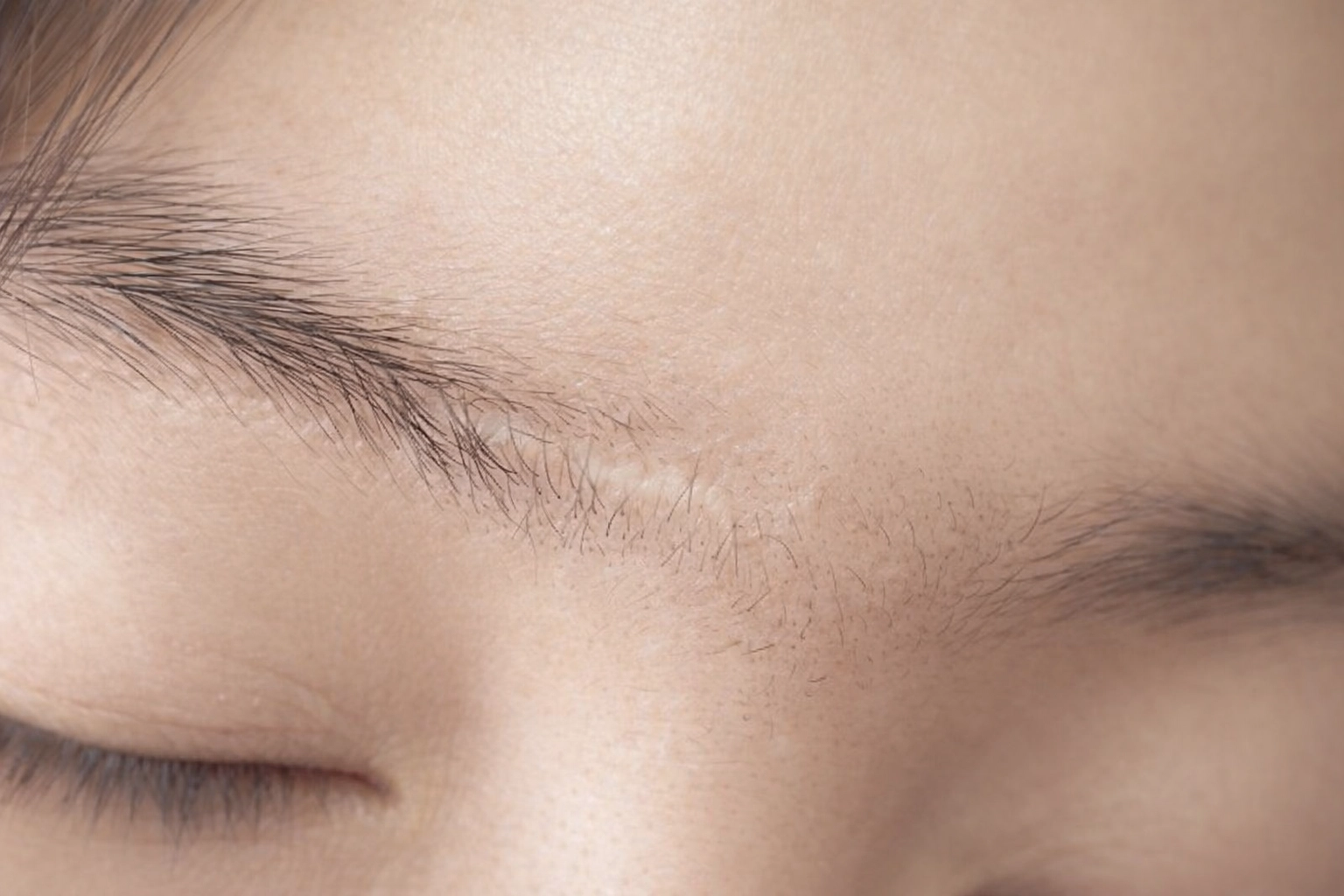
Yes, an eyebrow transplant can often be performed on scarred skin. In these cases, hair follicles are implanted directly into the scar to restore density and help camouflage the area. The success of the procedure depends on factors such as the blood supply within the scar and how well the tissue can support new grafts.

The procedure is typically done using Follicular Unit Extraction, allowing precise placement of individual follicles. Additional treatments like platelet-based therapies or laser support may improve graft survival in some cases. Results can be long-lasting, though careful evaluation is important to set realistic expectations.

Read More

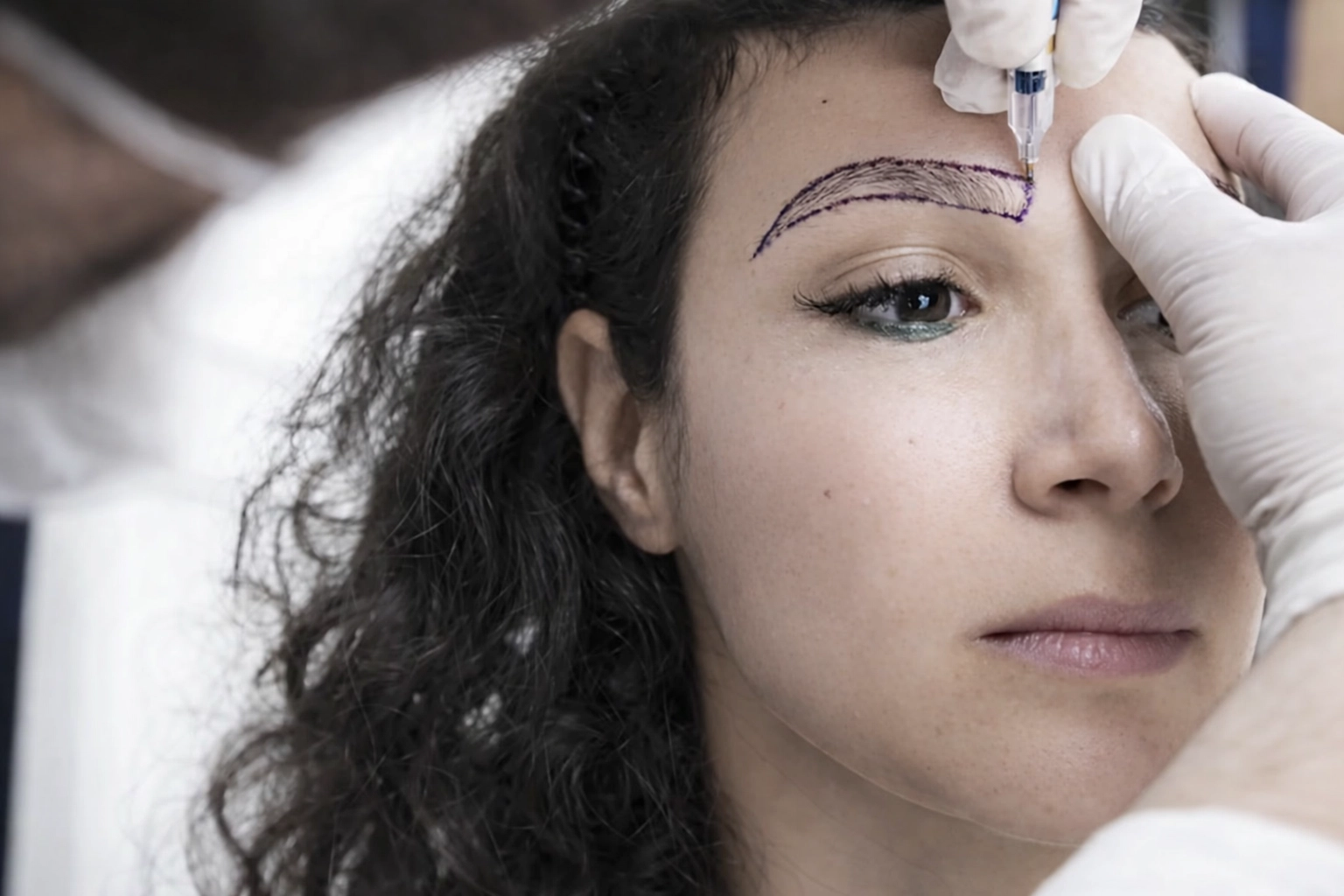
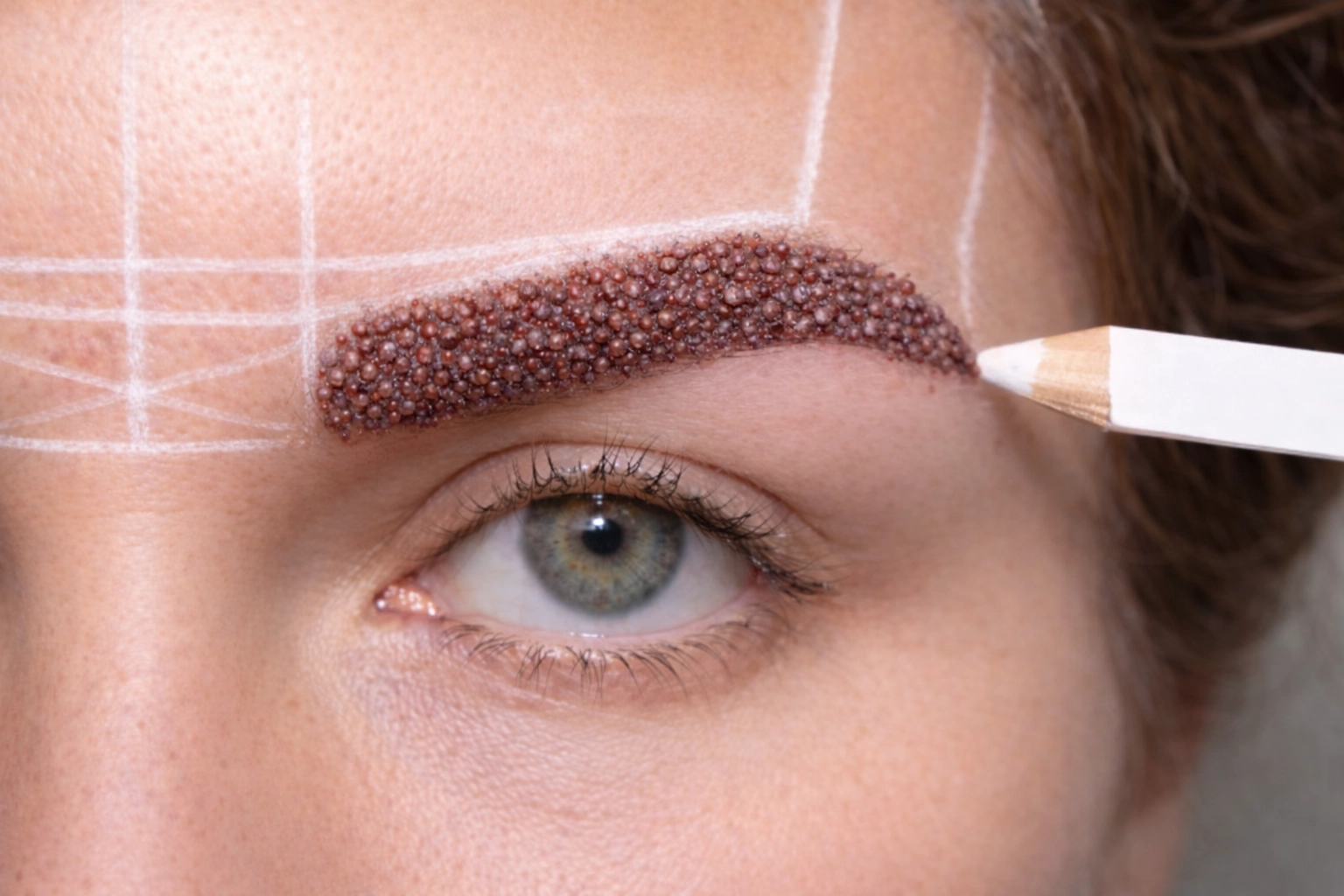
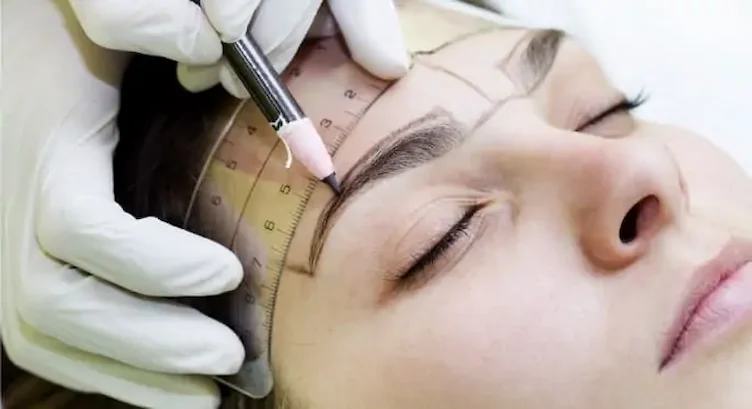
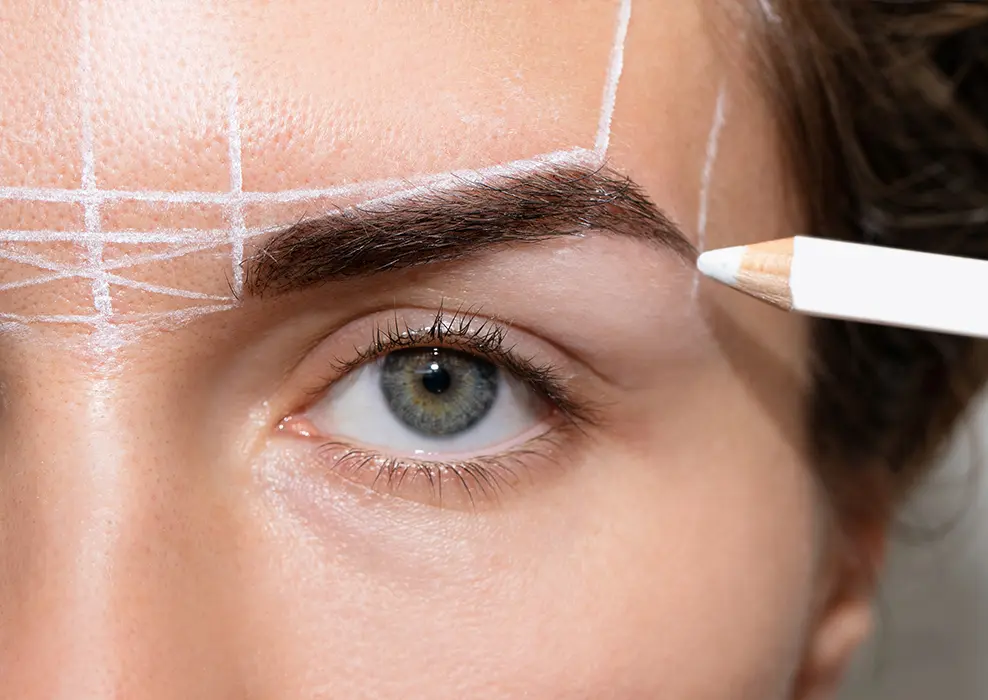
An eyebrow transplant is a step-by-step procedure designed to restore natural-looking brows using your own hair. The eyebrow transplant procedure steps begin with planning and design, where the desired shape, density, and direction are mapped out. Next, hair follicles are extracted from a donor area, usually the scalp, under local anesthesia, making the process comfortable.

The grafts are then implanted one by one into the brow area with careful attention to angle and placement. The procedure typically takes 2 to 6 hours, depending on the number of grafts. Afterward, mild redness or scabbing is expected, with healing over a few days and full results developing over several months as the hair grows naturally.

Read More

An eyebrow transplant is generally not painful during the procedure. Local anesthesia is used, so you shouldn’t feel pain while the grafts are being placed. Most patients only notice mild pressure or slight discomfort during the process.

After the procedure, some tenderness, swelling, or tightness can occur, especially within the first 24 to 48 hours. These symptoms are usually mild and manageable with basic aftercare. Discomfort typically improves quickly as the area heals over the following days.

Read More

Yes, facial hair can be used in certain cases, but it’s usually not the first choice. Beard hair may serve as a donor source when scalp hair is limited, often using techniques like follicular unit extraction (FUE). However, because beard hair is typically thicker and curlier than natural eyebrow hair, it can affect how natural the final result looks.

Scalp hair, especially from finer areas like the nape, is generally preferred because it better matches eyebrow texture. Facial hair may still be useful for adding density in specific areas when carefully selected and placed. The best approach depends on hair characteristics, desired outcome, and surgeon expertise.

Read More

Yes, eyebrow transplants are generally considered a permanent solution. The transplanted follicles tend to continue growing long-term because they are taken from areas that are resistant to hair loss. This means the results can last for many years with proper care.

However, the hairs typically come from the scalp, so they keep growing and require regular trimming. Over time, they blend more naturally with existing brow hair, but maintenance is still needed. Long-term results remain stable as long as the transplanted follicles stay healthy.

Read More

Yes, eyebrow transplants do keep growing because the hairs are taken from the scalp and retain their original growth characteristics. This makes the results permanent, but with ongoing maintenance.

The transplanted hairs also follow normal hair growth cycles, so they will shed and regrow over time. With proper care, they blend naturally and provide long-term density. Understanding this growth behavior helps set realistic expectations after the procedure.

Read More

A beard and eyebrow transplant is a permanent, outpatient procedure that restores facial hair using your own follicles. Hair is typically taken from the back of the scalp and implanted into the beard or brow area using techniques like Follicular Unit Extraction, allowing precise control over placement, angle, and density. This level of detail is essential to match natural growth patterns and achieve a realistic appearance.

The procedure is done under local anesthesia and usually completed in a single session. Initial healing takes a few days, with new hair growth starting within a few months and full results developing over 3 to 18 months. Because the hair behaves like scalp hair, regular trimming and maintenance are required to keep the desired shape.

Read More

Eyebrow transplants typically cost between $3,000 and $12,000 in the United States, with most procedures averaging around $4,000 to $8,000. The eyebrow transplant cost depends on factors like the number of grafts required, the surgeon’s experience, and the clinic’s location. Techniques such as Follicular Unit Extraction (FUE) or FUT may be used, which can also influence pricing.

The procedure usually involves transplanting a few hundred grafts to create natural-looking density and shape. Higher costs are often associated with specialists who focus on precise hair direction and design. Since results are permanent, many patients consider it a long-term investment in appearance.

Read More

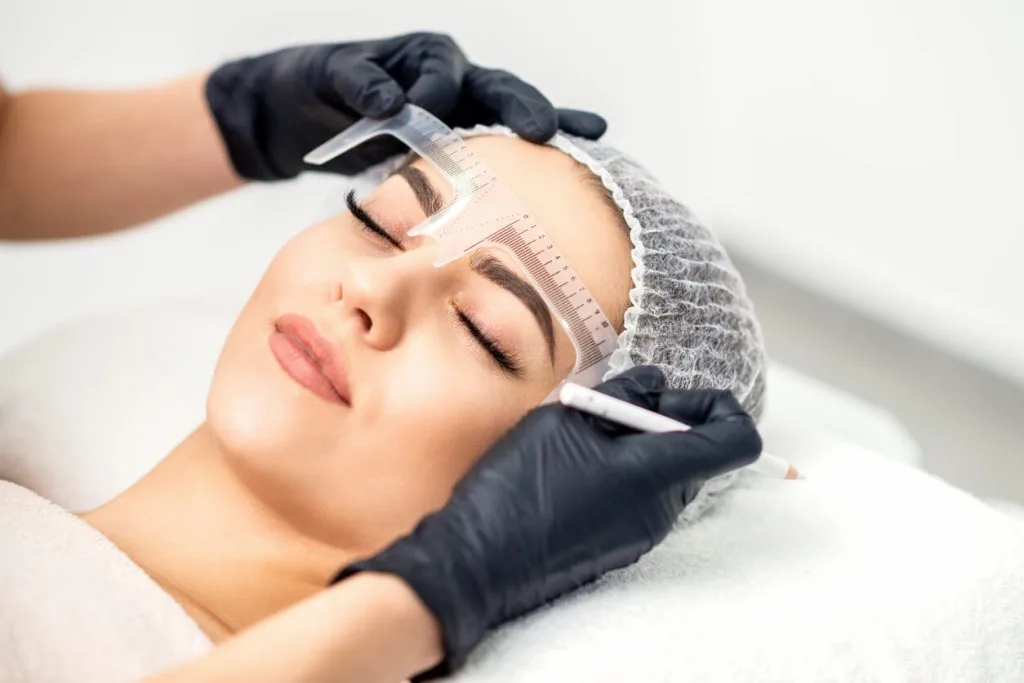
There are several non-surgical options that can improve brow appearance without undergoing a transplant. Alternatives to eyebrow transplant surgery include techniques like microblading, powder or ombré brows, and cosmetic tattooing, which create the look of fuller brows through semi-permanent pigment. These methods are quicker, less invasive, and more affordable, making them a common choice for enhancing shape and definition.

Other options include brow growth serums and daily makeup to add volume and fill sparse areas. While these approaches can produce noticeable results, they do not create real, growing hair like a transplant. The best choice depends on how long you want results to last and how natural you want the texture to appear.

Read More

Yes, an eyebrow transplant is considered a permanent solution because it uses your own hair follicles. Once the grafts successfully take hold, they continue to grow for a lifetime, just like the hair from the donor area. This makes it an effective option for restoring density in thinning or sparse brows.

After the procedure, the transplanted hairs follow a normal growth cycle, with visible results developing over several months. Because the hair comes from the scalp, regular trimming is required to maintain the desired brow shape. Long-term results depend on proper placement, healing, and ongoing maintenance.

Read More

Eyebrow hair plays both a protective and aesthetic role, helping keep sweat and debris out of the eyes while shaping facial expression. Eyebrows hair has a shorter growth cycle than scalp hair, with a brief anagen phase and a full cycle lasting around 3 to 4 months. Because of this, regrowth can be slower and more limited compared to other areas.

Hair loss in the eyebrows can result from over-tweezing, aging, nutritional deficiencies, or conditions like Hypothyroidism. Treatment depends on the cause and may include improving nutrition, using topical solutions, or procedures like eyebrow transplants. Early intervention helps improve regrowth and maintain natural brow density.

Read More

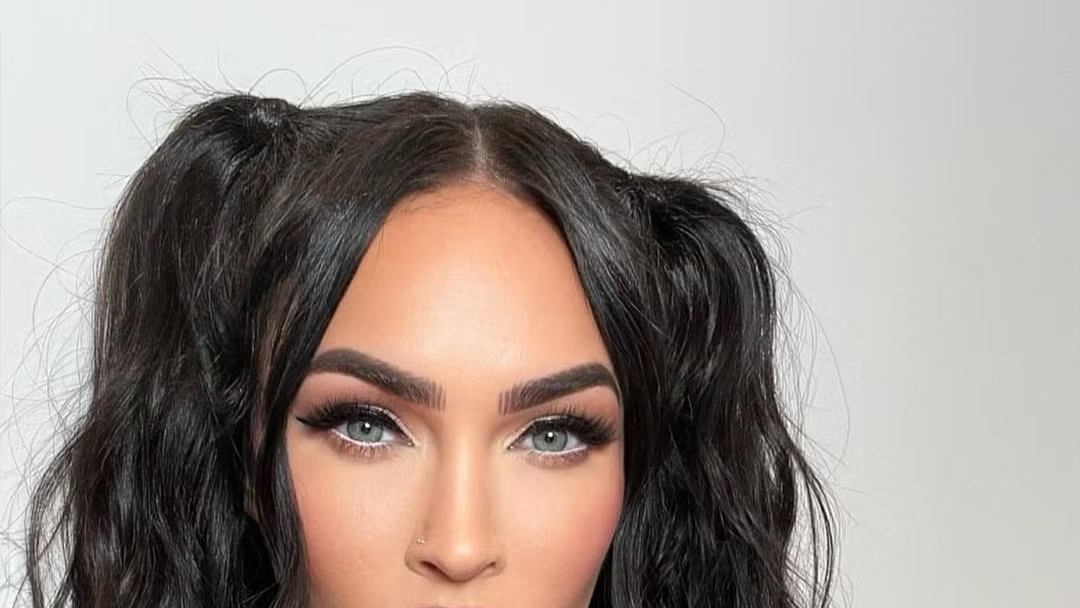
There is no confirmed evidence that Megan Fox has had an eyebrow transplant. Eyebrow hair transplant Megan Fox speculation comes from her mentioning a “very effective” and lesser-known cosmetic procedure in a 2024 podcast, which she chose not to disclose. This has led to assumptions, but no official statement or medical confirmation supports the claim. Changes in her eyebrow appearance over time can also be explained by grooming trends, makeup techniques, or non-surgical cosmetic treatments.

It’s important to separate speculation from verified information when assessing celebrity procedures. Eyebrow shape and density can shift due to styling, aging, or temporary enhancements like tinting and microblading. Without direct confirmation, it’s not possible to attribute her look to a transplant. A proper diagnosis or comparison requires clinical evaluation rather than visual assumptions based on photos or public appearances.

Read More

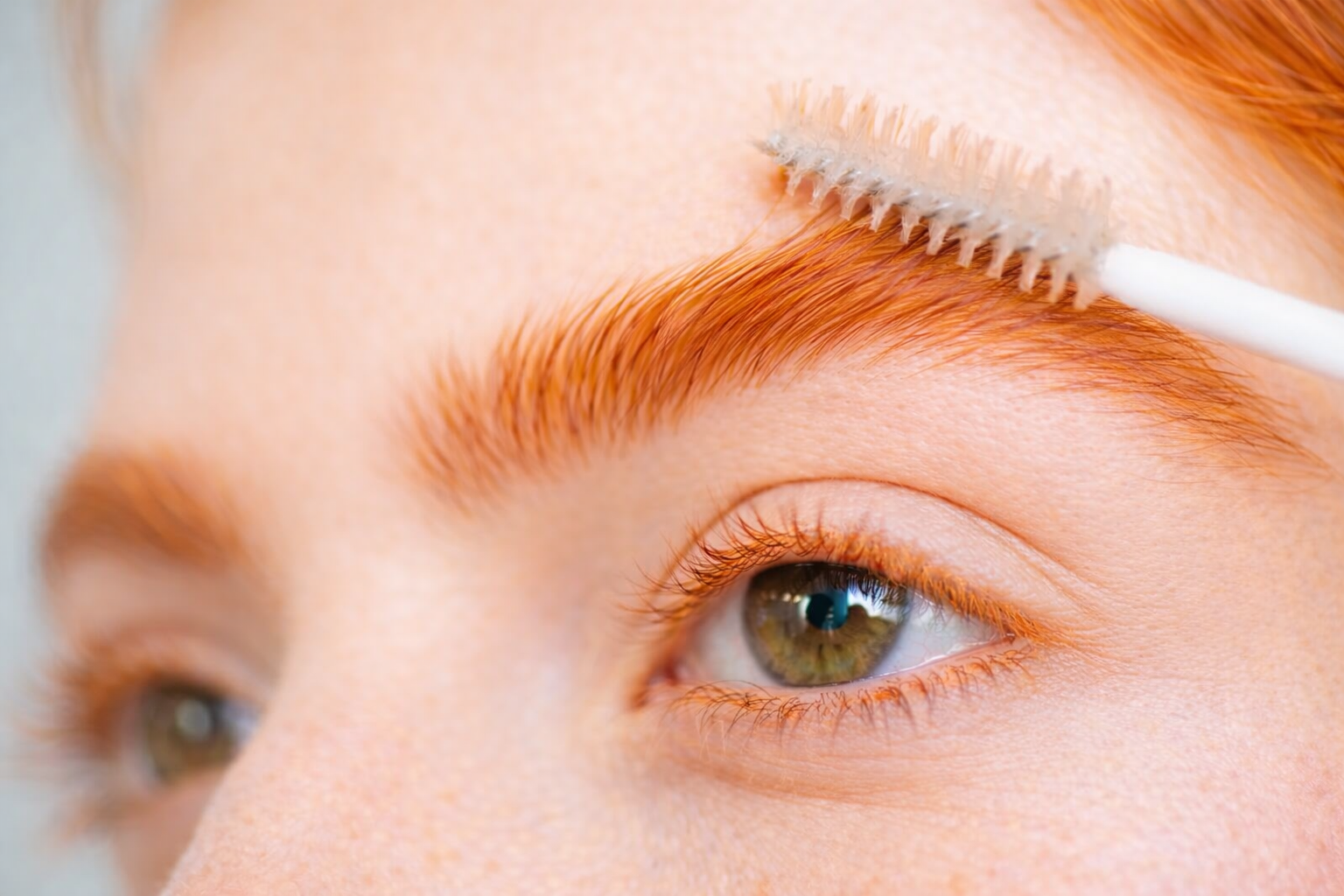
Choosing the right eyebrow color for red hair focuses on matching warm undertones rather than exact shade. For eyebrows ginger hair, tones like auburn, soft copper, and warm light brown tend to blend best, avoiding shades that are too dark or ashy. The goal is to create definition without overpowering natural features.

Application technique also plays a key role in achieving a natural look. Using powders, pencils, or tinted gels in warm hues helps build soft, realistic brows, while dyes can offer longer-lasting results. Adjusting intensity based on skin tone and hair depth helps maintain balance and a cohesive appearance.

Read More

An effective eyebrow hair loss home remedy focuses on improving follicle health and supporting natural regrowth. Common options include applying oils like Castor Oil, Coconut Oil, or aloe vera to nourish the skin and reduce dryness. Gentle massage of the brow area can also help stimulate blood flow and support healthier hair growth.

Nutritional support plays a key role in recovery. A diet rich in Biotin, iron, and zinc helps strengthen hair and reduce shedding. While these methods can improve hair quality and support regrowth, results depend on the underlying cause and consistency of use.

Read More

A dhi eyebrow transplant is a precise, minimally invasive procedure that uses a specialized implanter pen to place individual hair follicles directly into the brow area. This method allows control over angle, direction, and density, which is essential for achieving natural-looking results. Hair is typically taken from the scalp, and the procedure is performed under local anesthesia in a single session.

Costs usually range from $3,000 to $8,000 depending on the number of grafts and clinic expertise. Initial healing takes a few days, with mild redness and scabbing resolving quickly, while new hair growth begins after a few months. Full results develop over 6 to 12 months, with ongoing trimming needed since the hair grows like scalp hair.

Read More

Yes, you can undergo the procedure while serving, but it’s considered elective and usually requires approval. In most cases, you’ll need to pay out of pocket and coordinate the timing with your command to allow for proper recovery. Military insurance plans like TRICARE typically do not cover cosmetic procedures such as eyebrow transplants.

Planning is important to avoid conflicts with duty requirements. Recovery is usually short, but visible signs like redness or scabbing may last several days. Approval from your unit helps ensure you have enough time to heal before returning to full responsibilities.

Read More

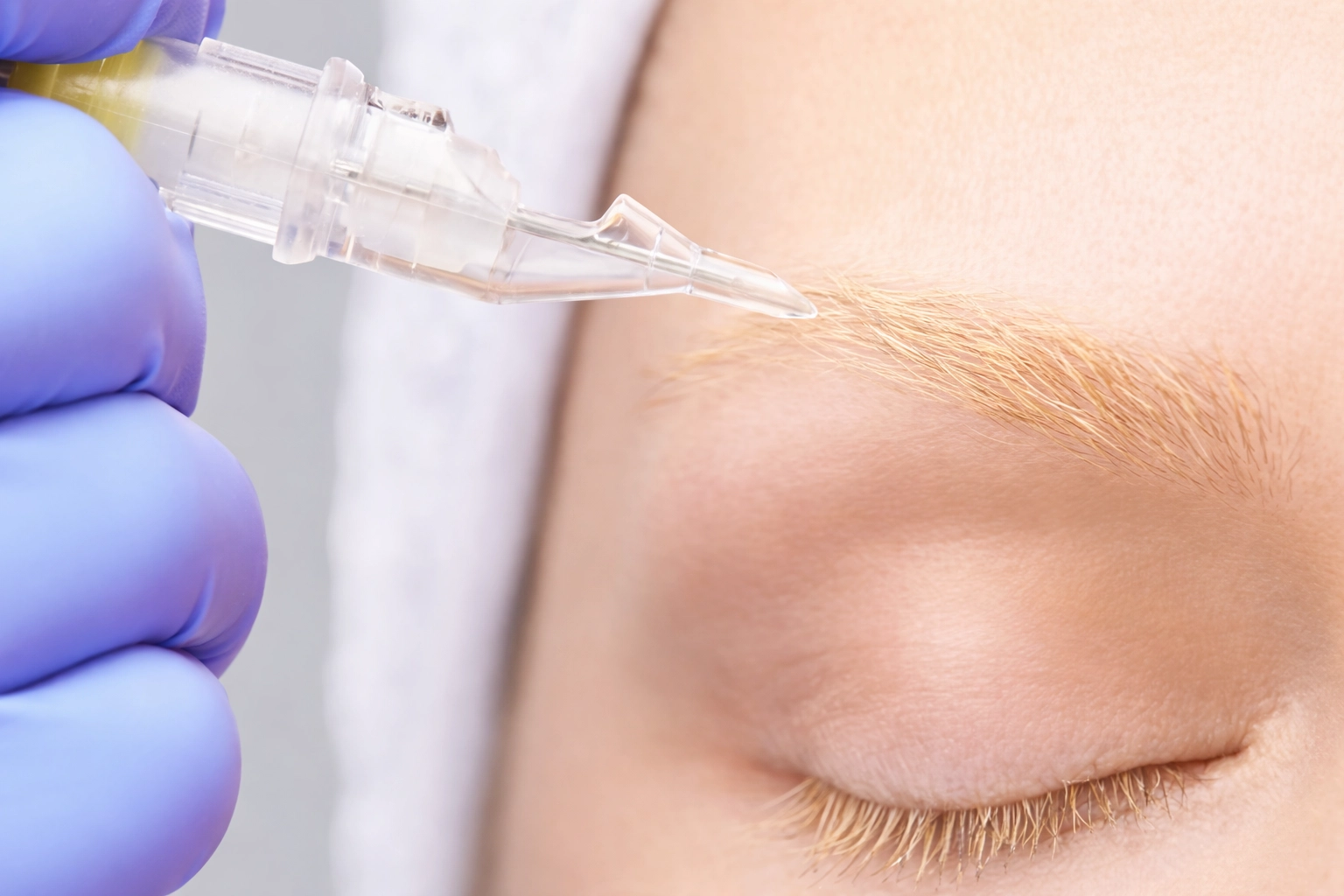
An eyebrow tattoo can help define brows that appear light or less visible with blonde hair. A blonde hair eyebrow tattoo is usually done through techniques like microblading or powder brows, using carefully selected pigments that match your specific blonde undertone to avoid overly dark or unnatural results. Choosing the right shade is key to creating soft, natural-looking definition.

Healing typically takes a few weeks, with initial darkness fading as the skin recovers and the pigment settles. Proper aftercare, such as keeping the area clean, avoiding excessive moisture, and protecting it from sun exposure, helps maintain color and shape. Results can last months to years, depending on skin type and maintenance.

Read More

Hair transplant SEO is a targeted strategy designed to help clinics rank for high-intent searches and attract qualified patients. It focuses on keywords related to procedure types, location-based queries, and common treatment concerns, aligning content with how people research their options before booking. Because these procedures are high-cost and require careful consideration, strong visibility across both informational and local searches is essential.

Effective execution combines optimized website structure, detailed service pages, and educational content that builds trust. Local SEO, patient reviews, before-and-after galleries, and fast-loading pages all influence performance. Consistent publishing and technical optimization help clinics compete in a space where users compare providers carefully before making a decision.

Read More

Iron supplements can help reduce shedding and support regrowth, but only if low iron or low ferritin is contributing to the problem. The best ferritin supplement for hair loss is one that raises iron stores effectively without causing major digestive side effects, and it should be chosen based on lab results rather than guesswork. Hair follicles need adequate iron to stay in the growth phase, so low ferritin can lead to diffuse thinning, weak strands, and slower regrowth.

Highly absorbable forms such as iron bisglycinate are often better tolerated than standard iron salts and may be easier to take consistently. Products like Thorne Ferrasorb, NOW Iron Complex, or Xymogen OptiFerin-C are commonly recommended because of their bioavailability. Many specialists aim for ferritin levels around 40 to 70 ng/mL or higher for hair support, though the right target varies by person. Iron should only be taken if deficiency is confirmed, since excess iron can be harmful and may worsen health issues.

Read More

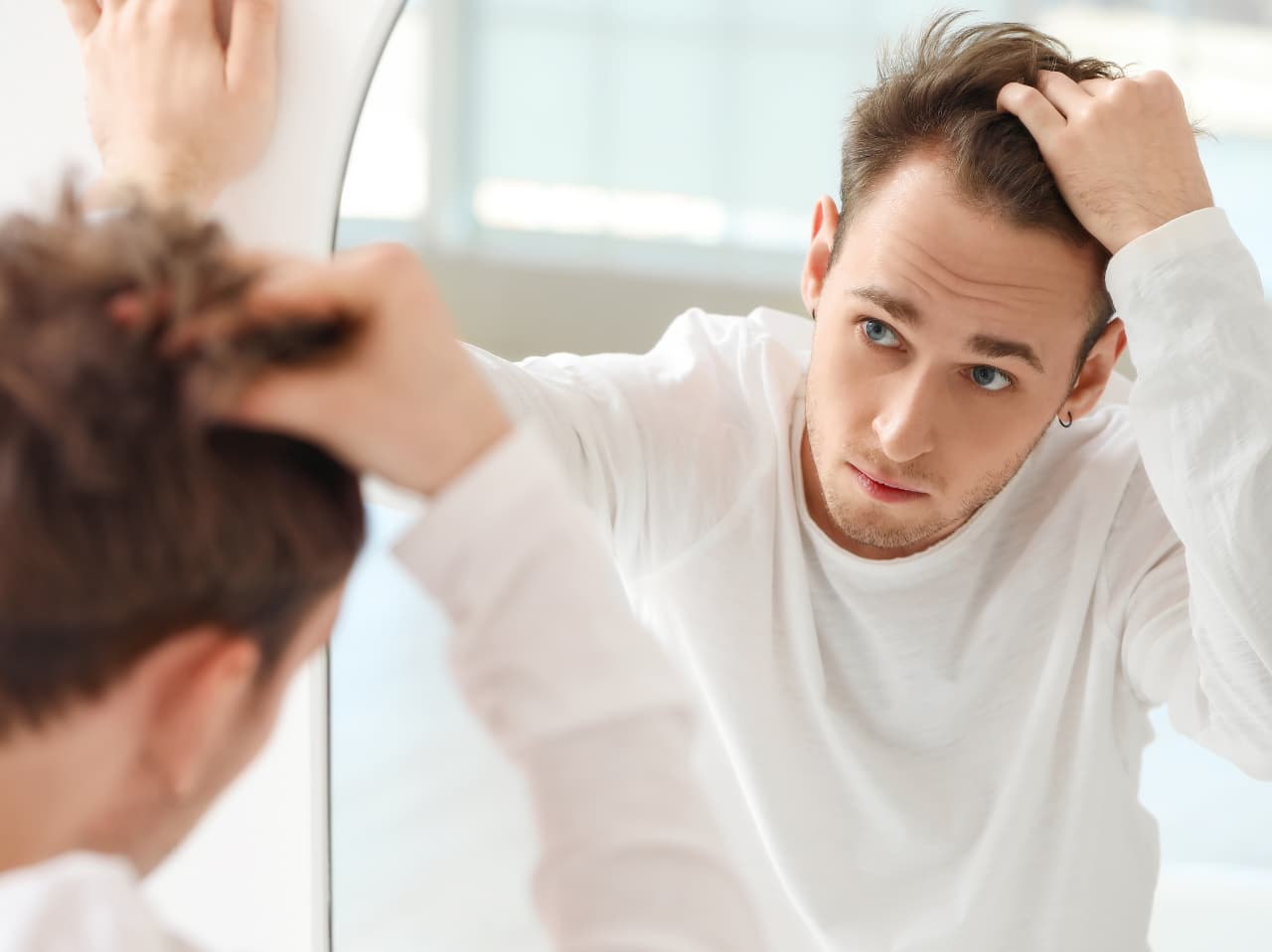
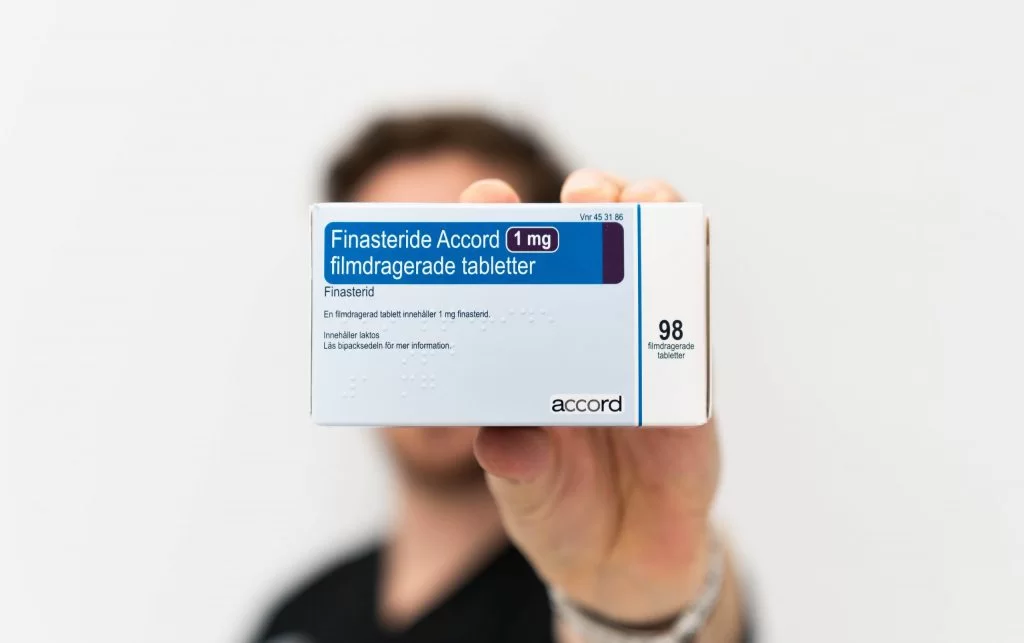
Yes, in many cases it’s possible to slow, stop, or even partially reverse hair loss—especially when it’s treated early. The results depend on the underlying cause and how long the hair loss has been progressing, with the best outcomes often seen within the first 3 to 5 years. Treatments like minoxidil and finasteride can help improve density by supporting still-active hair follicles.

While genetic hair loss cannot be permanently cured, it can be effectively managed over time. Additional options such as microneedling or Hair Transplant may be used to improve coverage in more advanced cases. Ongoing treatment is usually required to maintain results and prevent further loss.

Read More

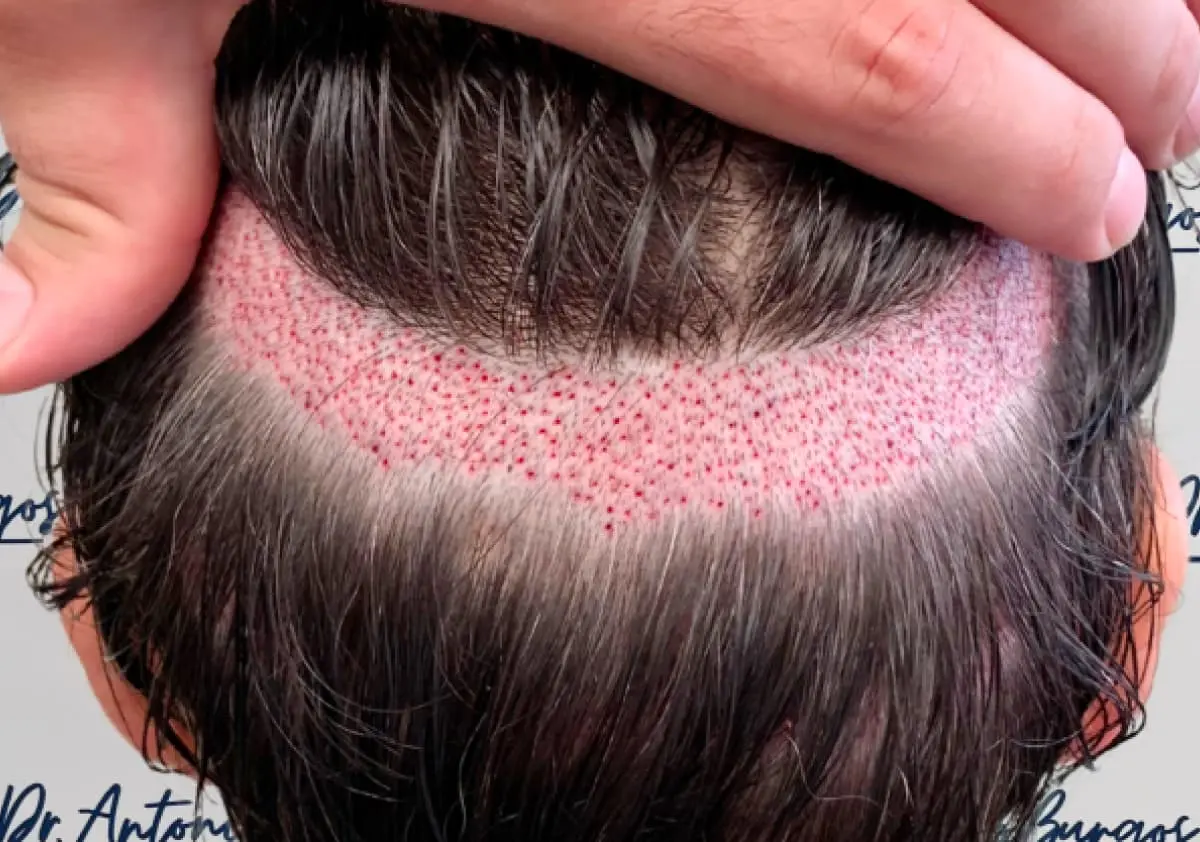
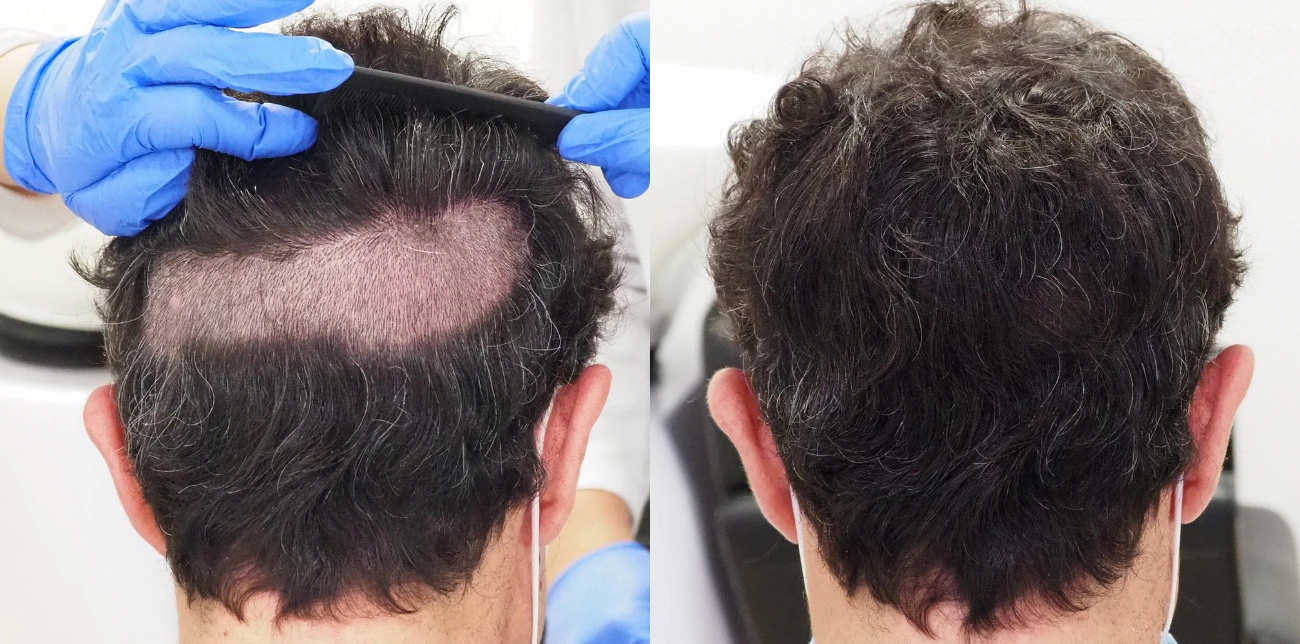
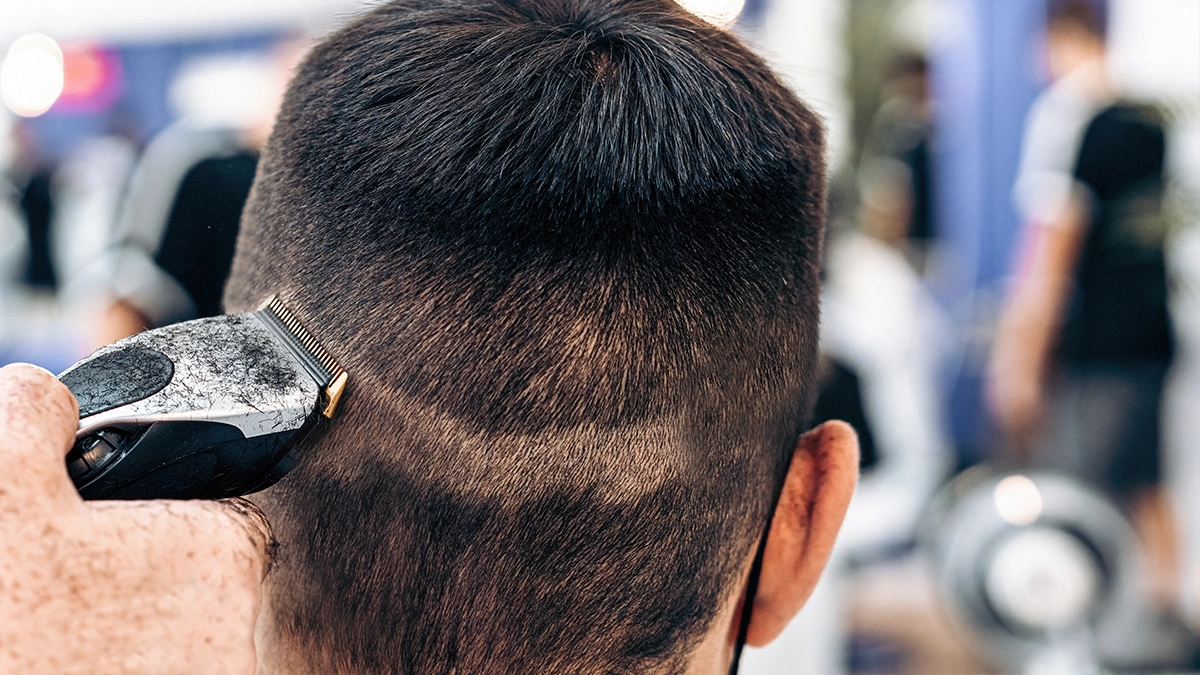
The FUE no-shave technique is an advanced hair transplant method that allows follicle extraction and implantation without shaving the donor or recipient areas. In the fue no shave technique, surgeons carefully isolate individual hairs while preserving the surrounding hair, making the procedure much more discreet. This approach is ideal for patients who want to maintain their current hairstyle and avoid visible signs of surgery.

The procedure is a variation of Follicular Unit Extraction and requires more time and precision than traditional methods. Recovery is similar, with initial healing in about a week and gradual hair growth over several months. Patients can usually return to normal activities quickly, as the existing hair helps conceal the treated areas.

Read More

A no-shave FUE transplant follows a similar healing pattern to traditional procedures but with a more discreet appearance during recovery. The no shave fue timeline begins with mild swelling, redness, and small scabs during the first 1 to 7 days, while existing hair helps conceal the treated areas. This allows for a faster return to daily activities without the visible signs of a shaved procedure.

Temporary shedding typically occurs between weeks 2 and 4, followed by early regrowth around months 3 to 4. Density improves gradually, with more noticeable results by months 6 to 9. Final outcomes are usually achieved between 12 and 18 months as the hair fully matures and blends naturally.

Read More

A shaveless hair transplant is a discreet option for patients who want to avoid visible signs of surgery. In a shaveless FUE procedure, hair follicles are extracted without shaving the donor area, allowing surrounding hair to cover the treated zones. This makes it easier to return to daily activities quickly without noticeable changes in appearance.

This technique is a variation of Follicular Unit Extraction and requires a higher level of precision and time. It is often more expensive due to its technical difficulty but offers greater privacy during recovery. Results are natural-looking, with outcomes depending on surgeon skill and individual hair characteristics.

Read More

A no-shave FUE hair transplant is a discreet option that allows hair restoration without cutting or shaving the surrounding hair. In no shave fue, individual follicles are extracted and implanted while keeping existing hair intact, helping conceal the procedure during recovery. This makes it a preferred choice for patients who want minimal visible signs and a faster return to daily activities.

The technique is a refined version of Follicular Unit Extraction and requires greater precision and time. Results develop gradually over several months, with natural-looking growth as the transplanted hair blends in. While typically more expensive, it offers privacy and convenience for those seeking subtle restoration.

Read More

The choice between regenerative therapy and surgery depends on the stage and pattern of hair loss. When comparing stem cell therapy and hair transplant, stem cell treatments aim to stimulate existing hair follicles and are generally better suited for early thinning. They may improve density, but they cannot restore completely bald areas. These treatments are non-surgical and typically cost between $3,000 and $10,000, with results usually showing moderate increases in fullness.

Hair transplants, such as Follicular Unit Extraction, provide a more permanent solution by relocating healthy follicles to areas of hair loss. They are more effective for advanced thinning or baldness, with costs ranging from $5,000 to $15,000 and long-term regrowth potential. The best option depends on individual goals, hair loss severity, and desired results.

Read More