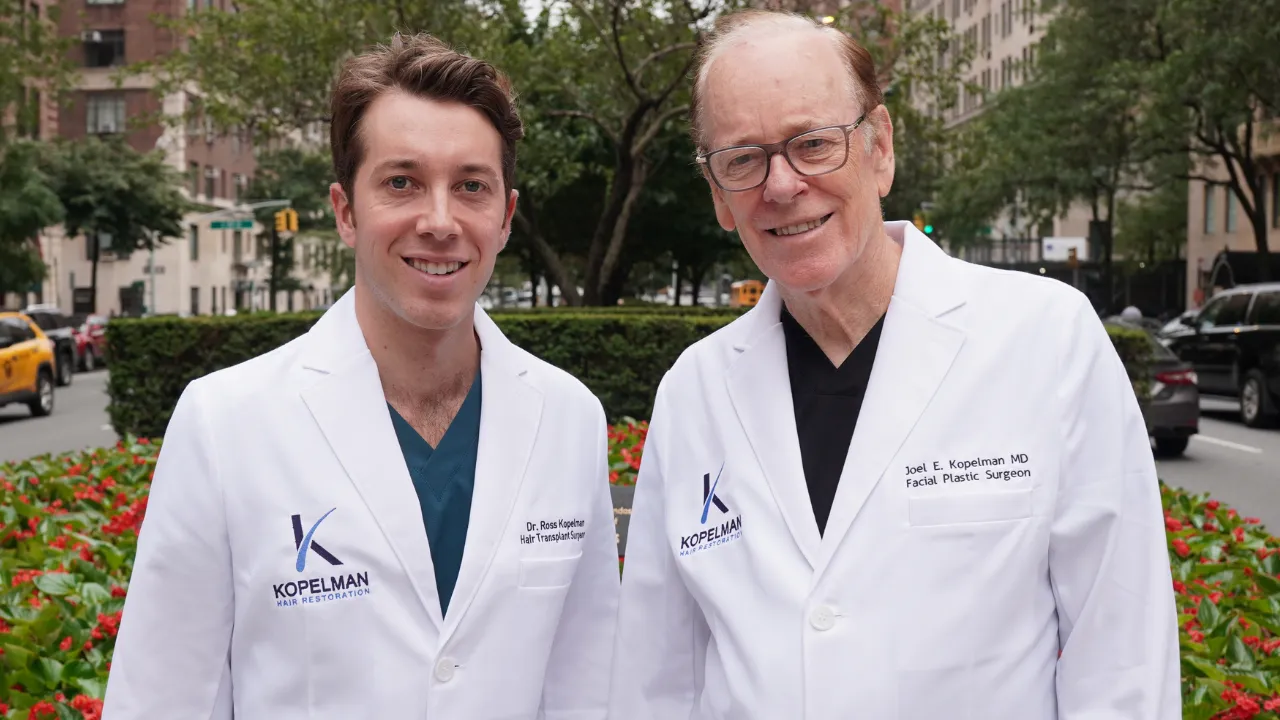
Author: Dr. Joel Kopelman

Hair shaft disorders are conditions that affect the structure of the hair fiber rather than the follicle itself. Hair shaft disorders can be congenital or acquired and are often classified by whether they cause fragility and breakage or only structural changes. Common examples include Trichorrhexis Nodosa, Monilethrix, and Pili Torti.

Diagnosis usually involves clinical history and microscopic examination of the hair. Treatment focuses on minimizing damage, avoiding harsh styling, and addressing any underlying causes. While some forms are genetic and persistent, proper care can improve hair strength and reduce breakage.

Read More

Harry Styles is not bald and has never confirmed any hair loss issues. The discussion around Harry Styles baldness comes from long-standing online rumors, which he has addressed humorously and denied in interviews. His changing hairstyles over the years have often fueled speculation, but there is no evidence of significant hair loss.

His hair journey reflects styling choices rather than medical concerns. From longer curls to shorter cuts, his look has evolved with fashion and personal preference. The topic remains driven by public curiosity rather than confirmed facts.

Read More

Thyme oil is often used as a natural way to support scalp health and improve overall hair condition. It may help stimulate blood circulation in the scalp, reduce inflammation, and manage issues like dandruff that can interfere with healthy hair growth. Together, these effects can create a better environment for hair follicles to function properly.

It is typically diluted with a carrier oil and applied to the scalp to avoid irritation. While it may support stronger hair and reduce shedding, it does not replace medical treatments for significant hair loss. Consistent use, along with proper hair care, can help improve overall hair quality over time.

Read More

Matthew McConaughey has spoken openly about noticing hair loss in the late 1990s and later seeing fuller growth in the years that followed. Matthew McConaughey Hair became a frequent topic because his hair appeared noticeably denser after a period of visible thinning, leading to years of public speculation about whether he had a transplant or used non-surgical treatments. He has consistently said he did not have surgery and instead credits a topical regimen and changes in hair care.

There is no confirmed public evidence that he underwent a hair transplant, so any claim beyond his own statements is speculation. What is clear is that hair appearance can improve with the right diagnosis, early treatment, scalp care, and styling. Factors like lighting, haircut, hair fibers, and product use can also make hair look thicker on camera. His case is often cited as an example of why early action matters when thinning first starts.

Read More

Logan Paul has not confirmed undergoing a hair transplant, and there is no verified evidence that he has had one. The discussion around logan paul hair is mostly based on changes in style, length, and grooming rather than clear signs of surgical intervention. His hair has evolved over time, especially with his transition into WWE, where longer and more styled looks have become more common.

Variations in appearance can often be explained by styling techniques, lighting, and natural hair maturation. Unlike typical transplant cases, there are no consistent indicators such as sudden density changes or reconstructed hairlines. His case is generally viewed as a result of styling choices rather than a confirmed medical procedure.

Read More

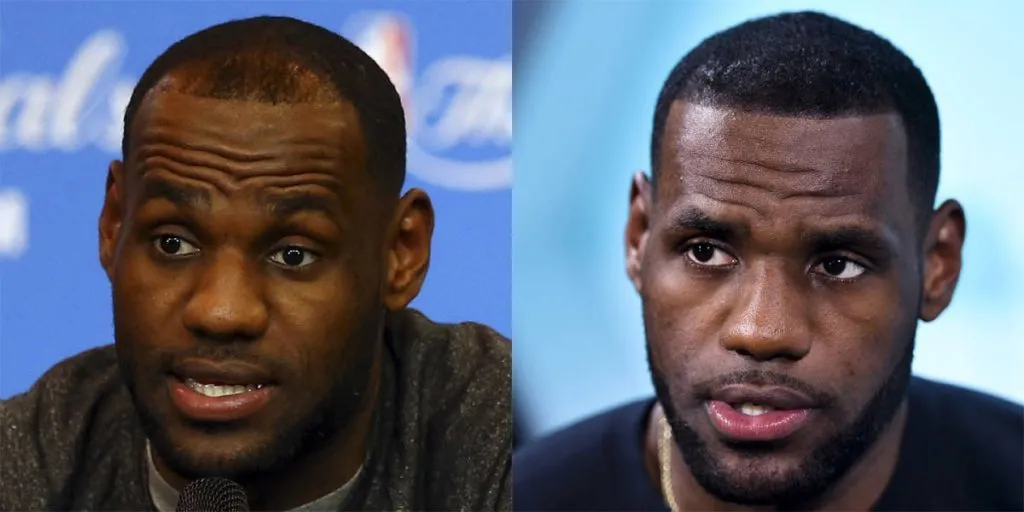
Floyd Mayweather is widely believed to have undergone both beard and hair restoration procedures, although he has not publicly confirmed all details. The discussion around floyd mayweather beard transplant comes from a noticeable increase in beard density and a more defined hairline around 2020–2021. Experts suggest these results are consistent with Follicular Unit Extraction (FUE), where hair is grafted to enhance fullness.

The transformation appears to have progressed over several months, with results stabilizing around 7 to 8 months after the procedure. This timeline aligns with typical hair transplant growth cycles. While widely discussed, these conclusions are based on visual changes rather than official confirmation.

Read More

Coconut oil supports healthier hair by strengthening strands, reducing protein loss, and improving scalp moisture. The benefits of coconut oil for hair growth come from its high content of Lauric Acid, which helps protect hair from damage and reduce breakage rather than directly stimulating new follicle growth. This creates a better environment for hair to grow longer and appear thicker over time.

For best results, it is typically used 1 to 2 times per week as a pre-wash treatment or scalp massage, left on for 30 minutes to a few hours. Regular use can improve hair strength, shine, and manageability. While it does not reverse hair loss, it plays a supportive role in maintaining healthier hair.

Read More

Eminem sparked speculation about a beard transplant around 2017–2018 after appearing with a noticeably fuller beard. The idea of an eminem beard transplant comes from the sudden change compared to his previously clean-shaven or patchy look, but there is no confirmed evidence that he underwent a procedure. Some experts suggest that if a transplant were performed, it would likely involve Follicular Unit Extraction (FUE), which is commonly used for facial hair restoration.

Other explanations include natural aging, improved grooming, or lifestyle changes that can enhance beard density over time. Facial hair often becomes thicker with age as hormone levels stabilize. Without official confirmation, his transformation remains a mix of speculation and plausible natural development.

Read More

A patchy beard is usually caused by genetics, age, or uneven follicle distribution. Often fills in over time, especially up to the early 30s, as hormone levels stabilize and hair growth improves. Other factors like low testosterone sensitivity, stress, or conditions such as Alopecia Barbae can also contribute to gaps.

Improving beard coverage starts with patience and proper grooming. Letting it grow for 8 to 12 weeks, trimming for a more even look, and brushing daily can help improve appearance. In some cases, treatments like Minoxidil or a beard transplant may be considered for more permanent results.

Read More

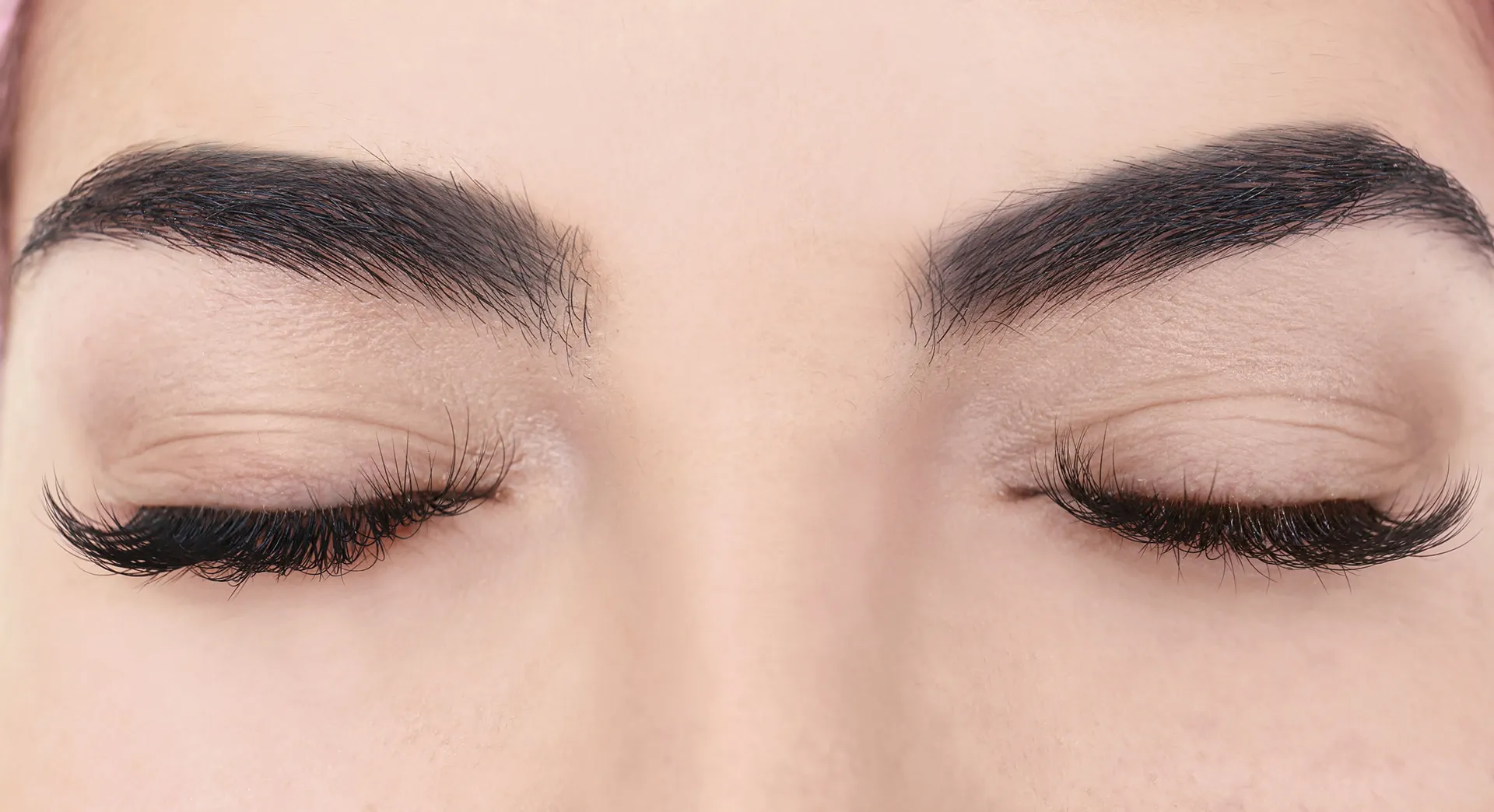
Eyebrow transplant regret can happen when results look unnatural due to poor design, incorrect hair direction, or mismatch in hair texture. In cases of eyebrow transplant regret, common issues include coarse scalp hairs growing too long, improper angling that disrupts natural brow patterns, or an overly dense, “pluggy” appearance. Although the procedure is permanent, these concerns are often linked to technique and planning rather than the concept itself.

Prevention starts with choosing an experienced surgeon and focusing on precise hair placement and natural density. If issues occur, options like revision surgery, laser hair removal, or electrolysis can help refine the results. Careful design and realistic expectations are key to avoiding long-term dissatisfaction.

Read More

Kirk Cousins has not publicly confirmed undergoing a hair transplant, but many observers believe he may have had one based on changes in his hairline over time. The discussion around Kirk Cousins hair transplant comes from a noticeable improvement in frontal density, which some experts attribute to a possible Follicular Unit Extraction (FUE) procedure.

These observations are based on visual comparisons rather than confirmed medical information. Changes in appearance can also result from grooming, lighting, or natural progression. Without confirmation, the topic remains speculative despite common expert opinions.

Read More

Joe Rogan underwent multiple hair transplant procedures starting in his mid-20s to address early hair loss. The story behind joe rogan hair transplant includes three surgeries, primarily using Follicular Unit Transplantation (FUT), an older technique that involves removing a strip of scalp. This method often leaves a linear scar on the back of the head, which Rogan has openly discussed.

Over time, his natural hair continued to thin around the transplanted areas, leading to an uneven appearance. He has expressed regret about the procedures, noting that the results did not age well as hair loss progressed. His experience highlights the importance of long-term planning and modern techniques in hair restoration.

Read More

An eyebrow transplant is a permanent solution for restoring fuller, well-defined brows using your own hair follicles. In African American eyebrow transplants, surgeons typically select donor hair from the scalp that closely matches the natural curl pattern and thickness, then place each graft at precise angles to replicate natural eyebrow growth. This level of customization is important to achieve a natural look and avoid results that appear misaligned or overly coarse.

The procedure is usually performed using Follicular Unit Extraction, allowing for careful selection and placement of individual follicles. It is commonly used to address thinning from over-plucking, genetics, or conditions like alopecia. Results are long-lasting, though regular trimming may be needed since transplanted hairs continue to grow like scalp hair.

Read More

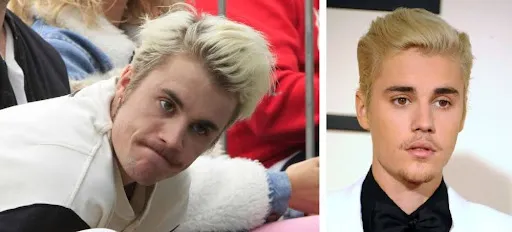
Rumors around a Justin Bieber hair transplant stem from visible changes in Justin Bieber’s hairline between 2021 and 2026, especially in the frontal and temple areas. While he has never confirmed undergoing a procedure, many hair restoration specialists suggest he may have had a subtle Follicular Unit Extraction (FUE) transplant to refine density and shape. This type of procedure is often chosen for natural-looking results and minimal scarring, which aligns with the gradual improvement seen in recent appearances.

Current images show a fuller yet still maturing hairline, which supports the idea of a conservative approach rather than a dramatic transformation. Experts also point out that any transplant would likely be paired with ongoing maintenance, such as medical therapies, to preserve long-term results. Without official confirmation, the discussion remains speculative, but the pattern of subtle change over time is consistent with how modern hair restoration typically progresses.

Read More

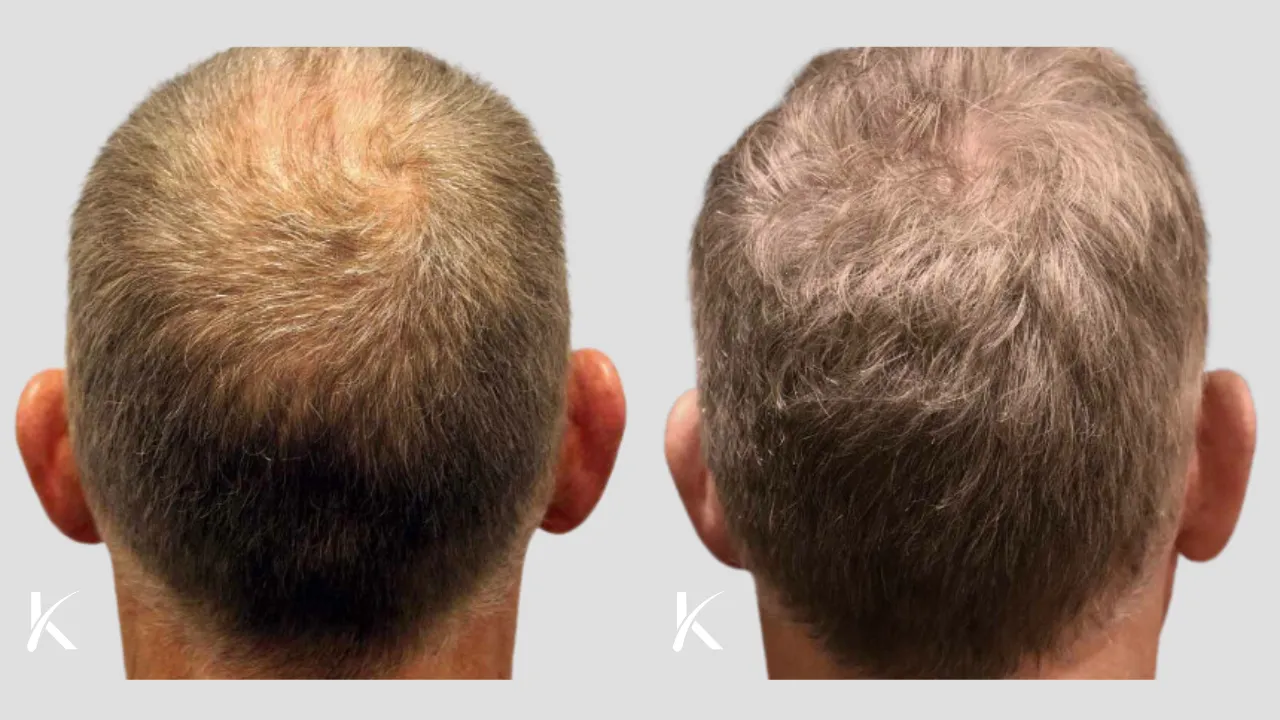
A hair transplant follows a predictable recovery and growth pattern that typically spans 12 to 18 months. The process outlined in hair-transplant-timeline-a-month-by-month-guide starts with initial healing and “shock loss” during the first 1 to 2 months, where transplanted hairs shed as part of the normal cycle. This is followed by a resting phase before new growth begins.

Early regrowth usually appears around months 3 to 4, often as fine, thin hairs that gradually thicken over time. Noticeable density improvements develop between months 6 and 9, with fuller, more defined results. Final outcomes are typically reached between 12 and 18 months as the hair matures and blends naturally.

Read More

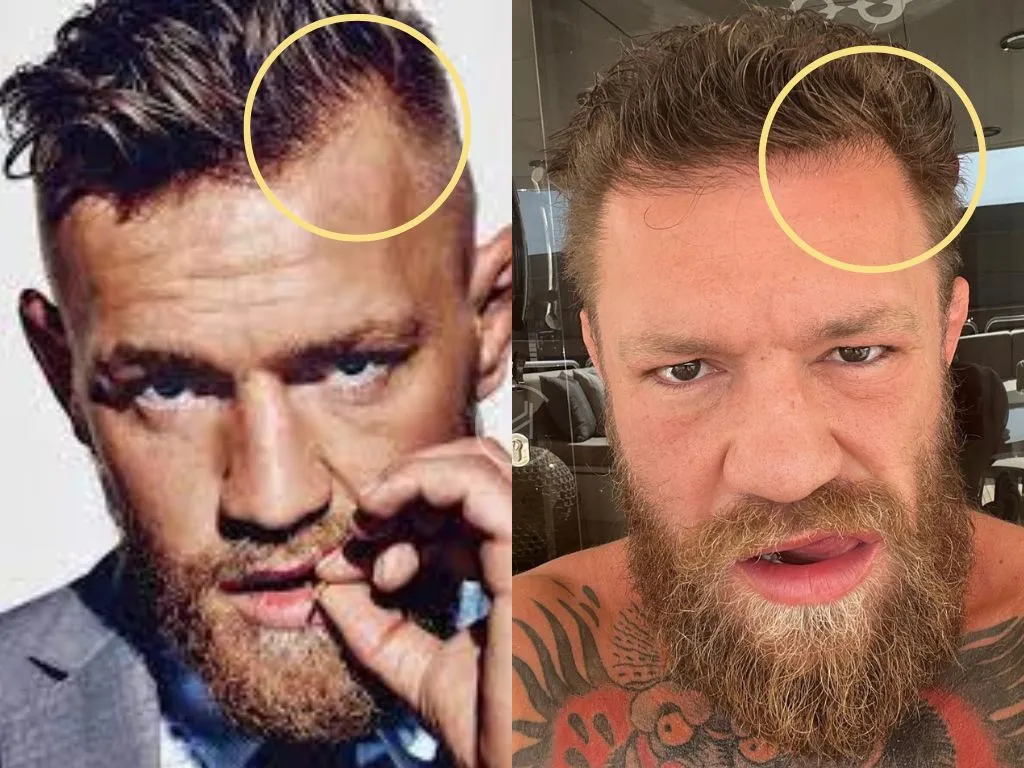
Conor McGregor has not officially confirmed undergoing a hair transplant, but many experts believe he may have had one based on visible changes in his hairline. The discussion around conor mcgregor hair transplant comes from a noticeable shift to a lower and denser hairline around 2022, with estimates suggesting a procedure involving roughly 1,400 to 2,200 grafts. These results are often associated with Follicular Unit Extraction (FUE), a common technique used to restore hairlines.

Observations also note that his new hairline appears more defined, sometimes described as straighter than before. While the outcome shows increased density, opinions vary on how natural the design looks. Without confirmation, these conclusions remain based on visual analysis rather than verified medical information.

Read More

The process of correcting a high female hairline typically involves either surgical hairline lowering, also known as forehead reduction, or hair transplantation to gradually bring the hairline forward. Surgical options can lower the hairline by about 1 to 2 inches immediately, while transplants use donor hair to create a softer, more natural shape over time.

Each option depends on individual goals, hair density, and scalp flexibility. Hair transplants are often preferred for a gradual, natural-looking result, especially when reshaping the temples. A personalized approach helps achieve balanced proportions and long-term satisfaction.

Read More

An eyebrow transplant may be right for you if you want a permanent solution for thinning, patchy, or missing brows. An eyebrow transplant involves moving hair follicles, usually from the scalp, into the brow area using precise techniques like Follicular Unit Extraction to create natural-looking density and shape. The procedure is typically outpatient, takes a few hours, and delivers long-lasting results.

It is best suited for individuals with stable hair loss and realistic expectations about growth and maintenance. Transplanted hairs grow like scalp hair, so regular trimming is required to maintain the desired look. Costs generally range from $3,000 to $8,000, depending on the number of grafts and the clinic.

Read More