Author: Dr. Joel Kopelman

Aloe vera can support healing after a hair transplant by soothing the scalp and reducing irritation. The use of aloe vera gel for hair transplant is often recommended to help calm redness, itching, and inflammation, especially in the donor area. Its hydrating properties can promote a healthier environment for graft recovery without interfering with the healing process.

For best results, pure aloe vera gel (99–100%) without alcohol or additives should be used. It is typically applied gently once the initial healing phase allows, following the surgeon’s instructions. While it does not affect hair growth directly, it can improve comfort and support overall scalp recovery.

Read More

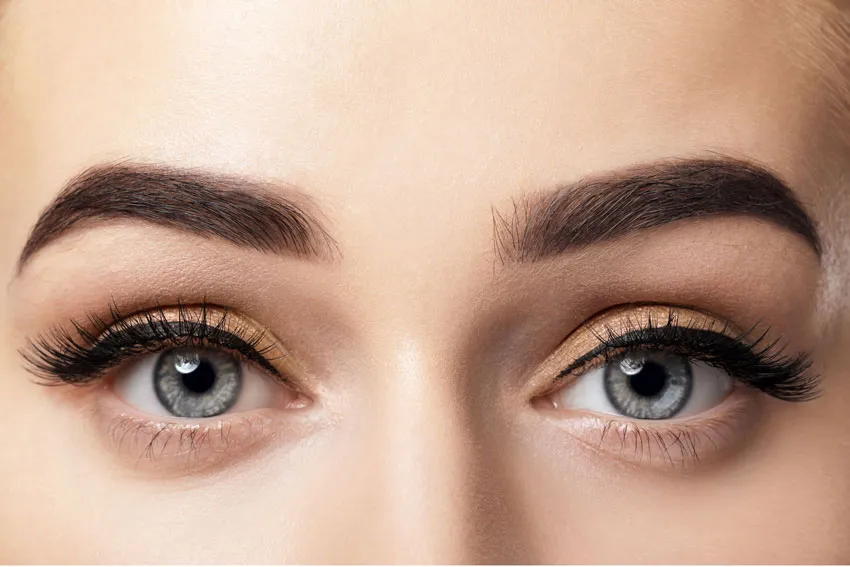
Eyelash transplants are surgical procedures that create permanent, growing lashes using your own hair follicles. When looking for eyelash implants in NYC, you’ll find specialized clinics offering this treatment to restore lashes lost due to thinning, trauma, or scarring. The procedure typically costs between $3,000 and $8,000 or more, depending on the number of grafts and the surgeon’s expertise.
Hair follicles are usually taken from the scalp and implanted along the lash line under local anesthesia. This is different from temporary extensions, as the results are long-lasting and continue to grow over time. Regular trimming and careful maintenance are required to keep the lashes looking natural.

Read More

Body hair transplants to the scalp are typically used when traditional donor hair from the head is limited. The outcome of body hair transplant to head results varies, with overall success rates ranging from about 50% to 80%, depending on the donor source and technique. Beard hair tends to perform best, with survival rates often reaching 80% to 95%, while chest hair is finer and less predictable in growth and density.

The procedure is usually performed using Follicular Unit Extraction (FUE), allowing for natural placement and permanent results. Body hair is often used to add density to areas like the mid-scalp or crown rather than fully recreate a hairline. While results can be effective, they are generally more subtle due to differences in texture and growth cycles.

Read More

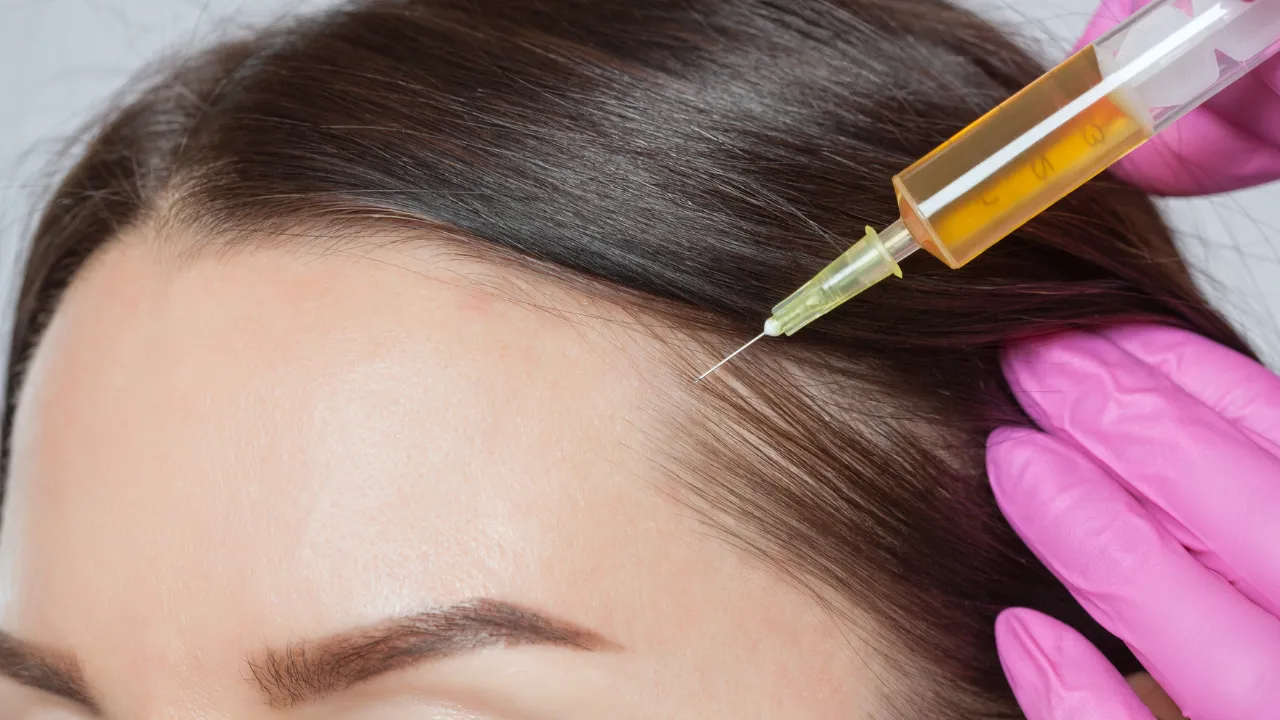
Yes, you can generally take multivitamins and a vitamin B complex after PRP treatment to support healing and hair growth. The answer to can i take multivitamins after prp depends on the specific supplements, as some—like Vitamin A, Vitamin E, fish oil, and certain herbal products—may need to be paused for 3 to 7 days. These can act as mild blood thinners and may increase bruising or interfere with the inflammatory response needed for Platelet-Rich Plasma Therapy to work effectively.

Vitamin B complex is usually safe and may even support cellular repair and hair health during recovery. The key is to avoid anything that could disrupt clotting or healing in the immediate post-treatment period. Following your provider’s guidance helps maximize results and reduce the risk of complications.

Read More

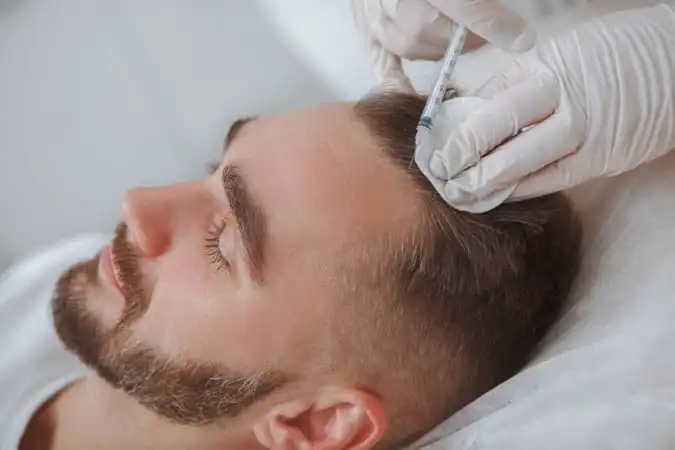
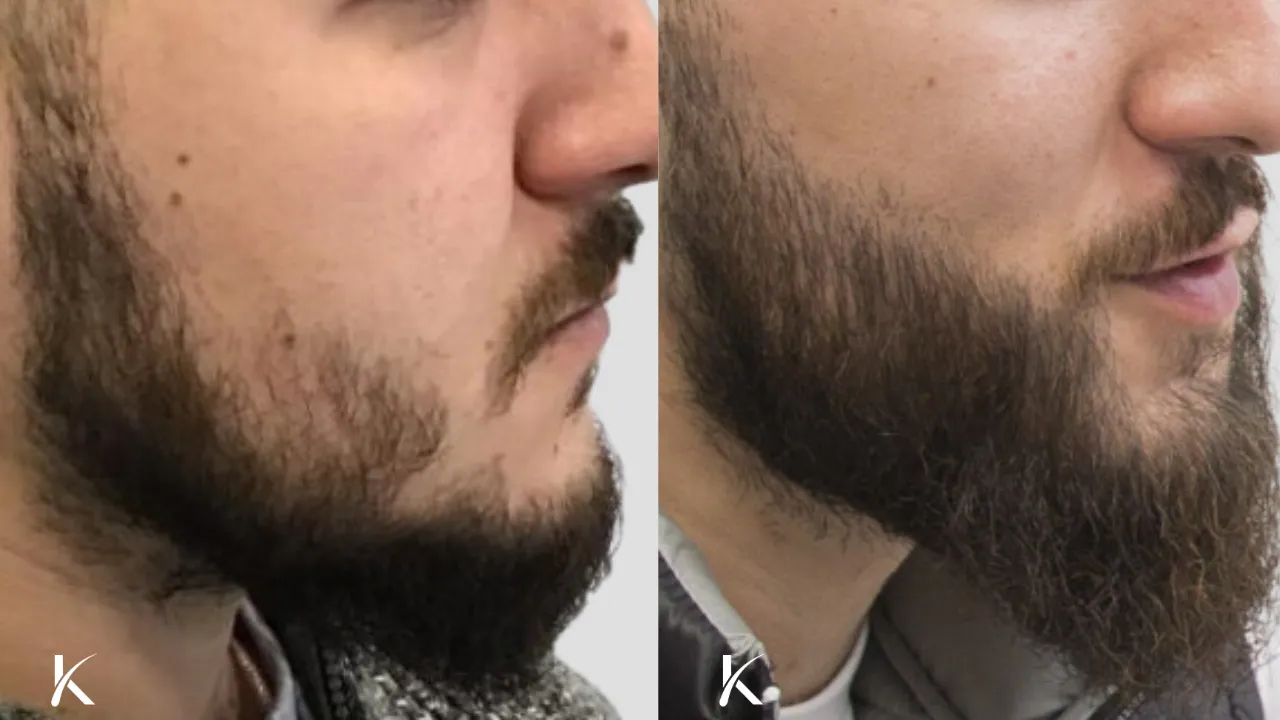
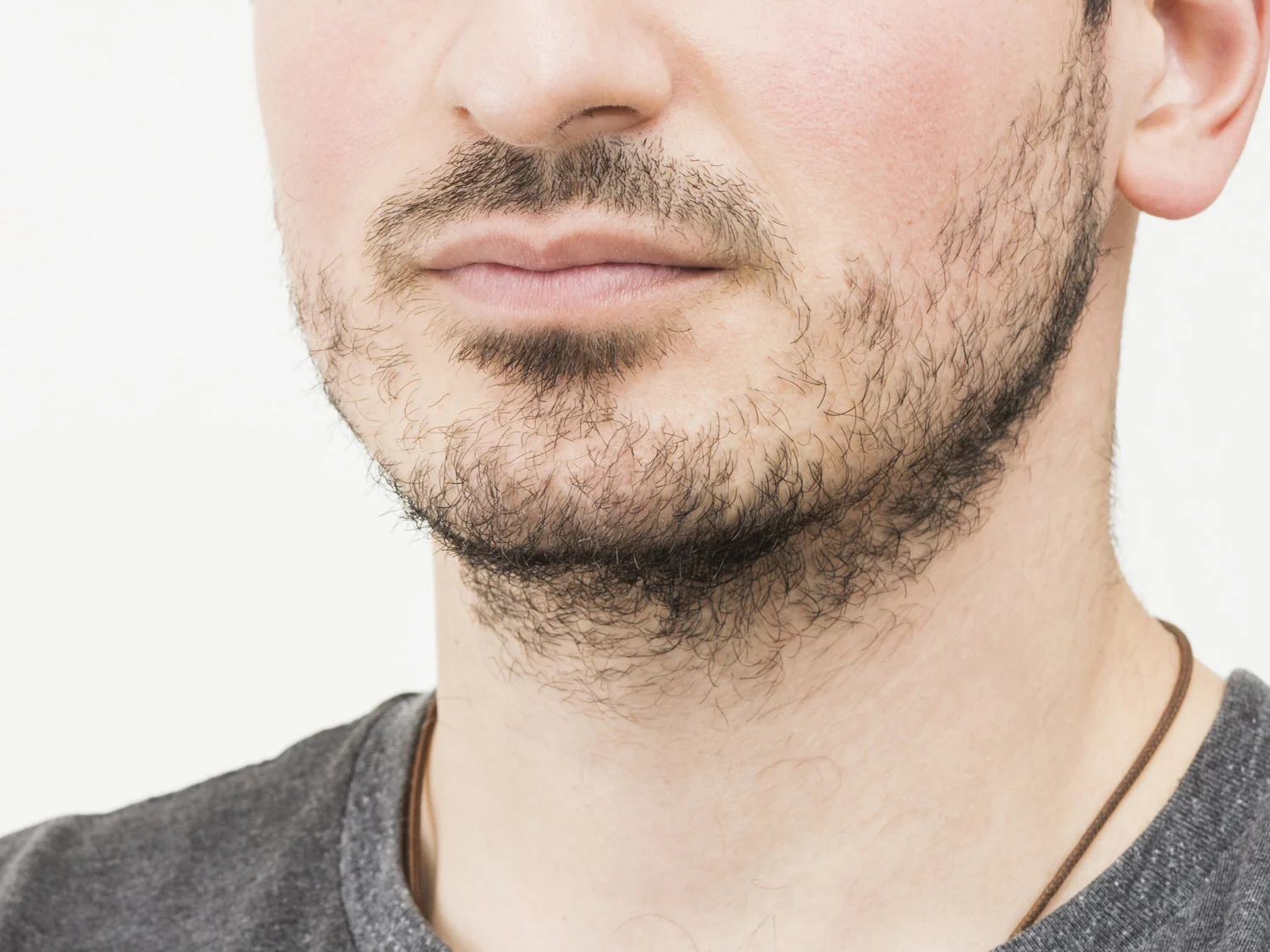
PRP is a non-surgical treatment that uses your own blood-derived growth factors to stimulate beard hair growth. The use of prp shots for beard growth involves injecting concentrated platelets into the facial skin to activate dormant follicles, improve thickness, and help fill in patchy areas. Sessions typically take about 30 to 45 minutes and require little downtime.

Results develop gradually, with early changes often appearing within 2 to 4 months. Multiple sessions are usually needed to achieve noticeable density improvements. While outcomes vary, consistent treatment can enhance beard coverage and overall hair quality over time.

Read More

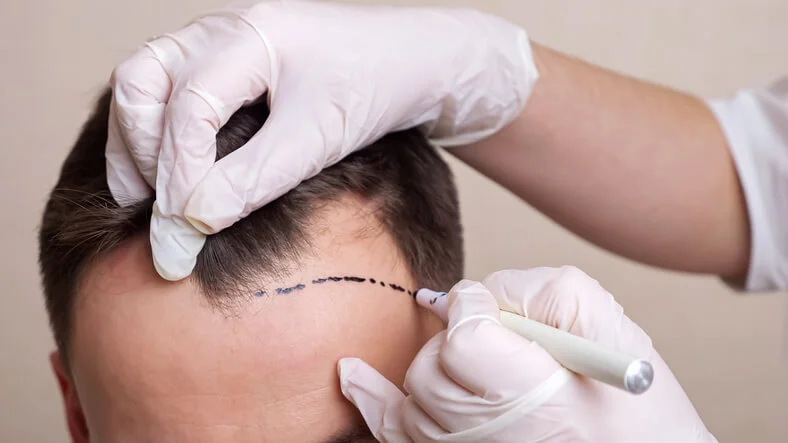
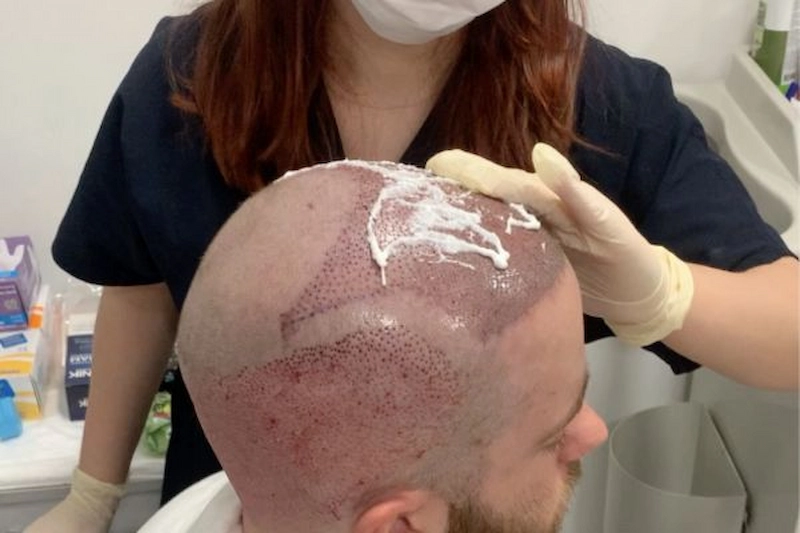
DHI is an advanced hair transplant technique that allows for precise implantation of follicles without creating separate incisions. The procedure uses a specialized implanter pen to place each graft directly into the scalp, which can improve control over angle, direction, and density. This method is considered a variation of Follicular Unit Extraction, but with a more refined implantation process.

Patients in New York City often choose DHI for its potential to create natural-looking hairlines and support higher graft survival rates. Recovery is similar to other transplant methods, with initial healing in about a week and gradual growth over several months. Final results typically develop within 12 to 18 months as the hair matures.

Read More

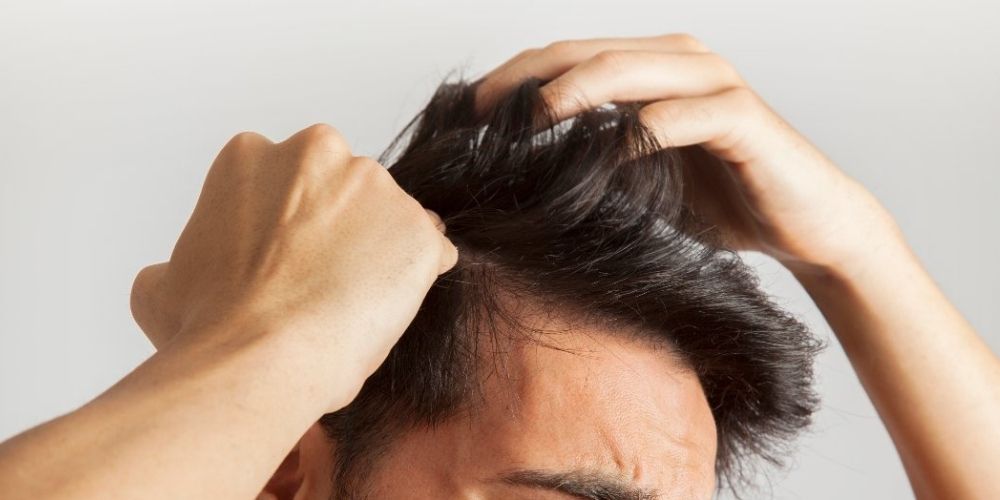
When choosing the best products to stop thinning hair, Minoxidil remains the only FDA-approved topical for regrowth, while serums like scalp treatments and supplements such as Nutrafol can support overall hair strength and reduce shedding. These products target both follicle stimulation and internal factors that affect hair growth.

For immediate cosmetic improvement, volumizing sprays and hair fibers can create the appearance of thicker hair. Consistent use is key, as most treatments take time to show visible results. Combining topical, internal, and styling solutions helps address thinning from multiple angles.

Read More

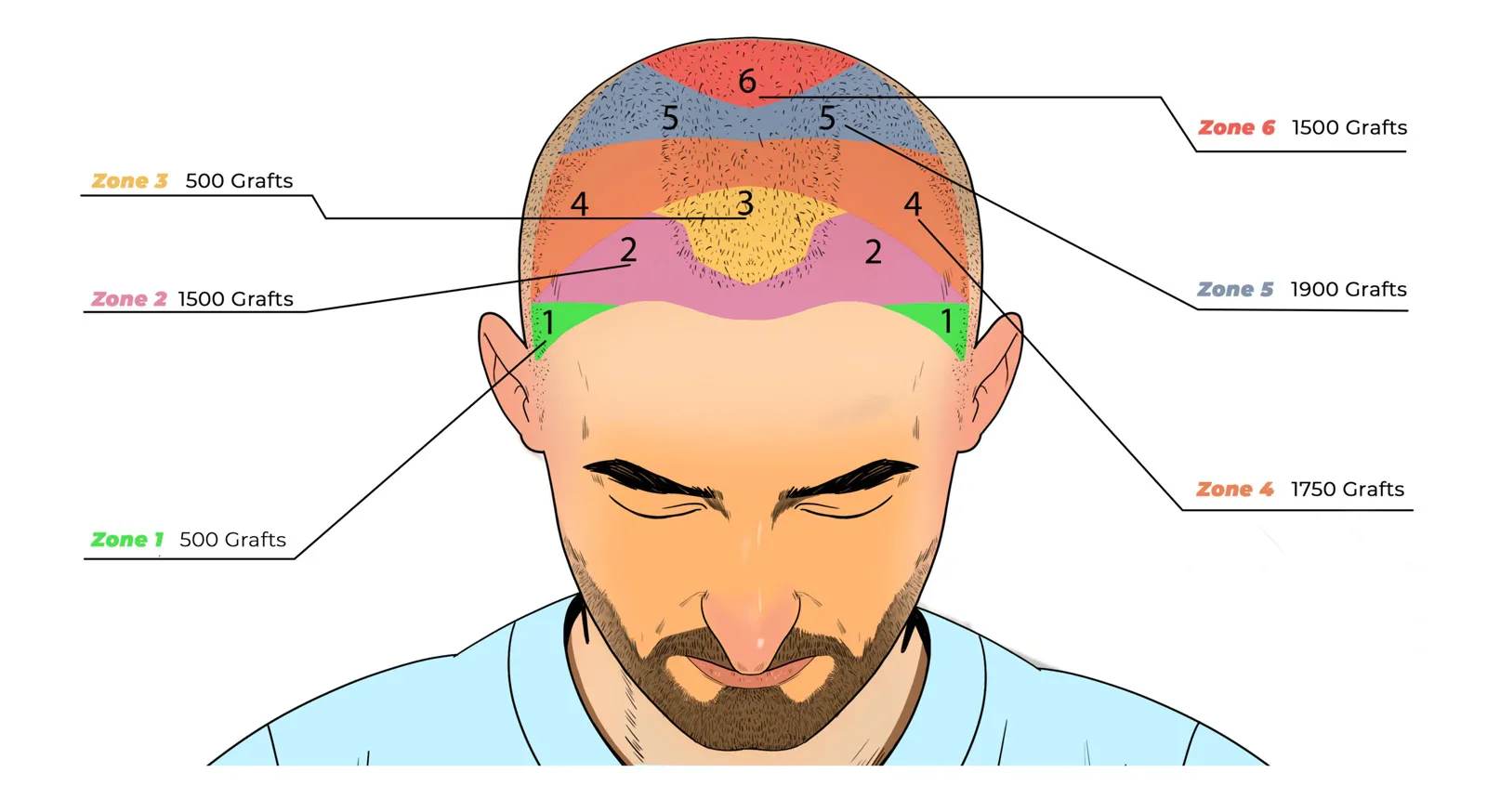
Hair transplant costs in NYC typically range from $10,000 to $15,000, depending on the number of grafts, surgeon expertise, and clinic location. The broader category of hair treatment cost includes non-surgical options like Minoxidil or Finasteride, which can cost under $30 per month, as well as procedures like Platelet-Rich Plasma Therapy ranging from $500 to $2,500 per session. These options vary based on the severity of hair loss and desired results.

Surgical transplants are priced higher because they offer permanent results and require advanced techniques. Other treatments like laser therapy may cost between $1,000 and $3,000 in total. Understanding these options helps set realistic expectations and choose the most effective solution based on budget and goals.

Read More

Alopecia steroid injections typically cost between $100 and $1,000 per session, depending on the number of injections, provider expertise, and clinic location. The topic of cost of alopecia steroid injection also includes the need for repeated sessions every 3 to 6 weeks, which can increase the total cost over time. These treatments use corticosteroids like Triamcinolone Acetonide to reduce inflammation and promote hair regrowth in conditions such as alopecia areata.

Some insurance plans may cover part of the treatment, especially when it is considered medically necessary. The overall cost varies based on how extensive the hair loss is and how many sessions are required. Understanding this structure helps set expectations for both short-term and ongoing treatment expenses.

Read More

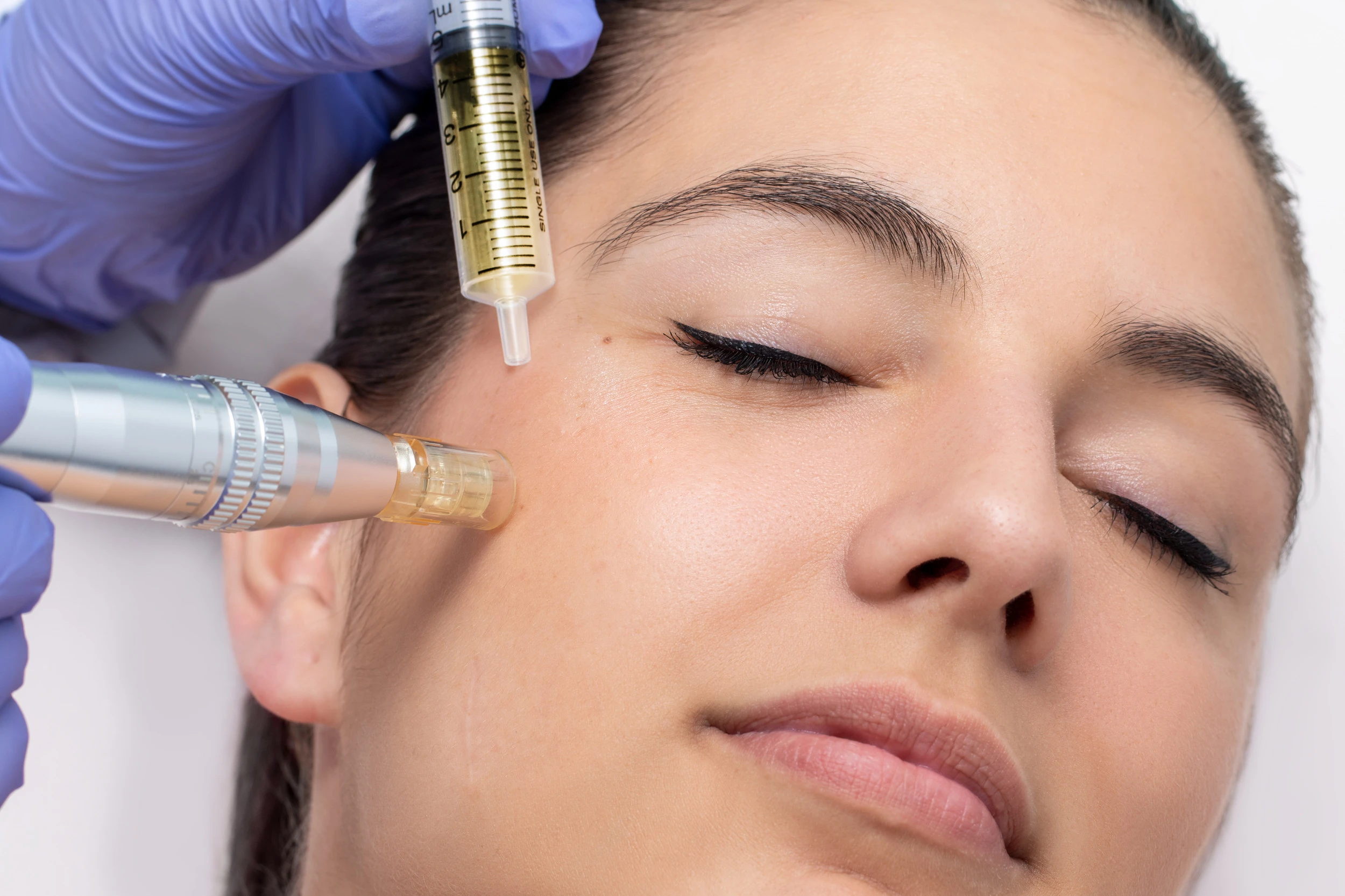
PRP microneedling typically costs between $500 and $1,500 per session in the U.S., with many treatments averaging around $750 to $850. The answer to how much is prp microneedling depends on factors like provider expertise, location, and the size of the treatment area. Most patients are advised to complete a series of 3 to 4 sessions to achieve optimal results.

This treatment combines microneedling with Platelet-Rich Plasma Therapy to stimulate collagen production and improve skin or scalp health. Benefits may include better texture, increased thickness, and improved overall appearance. Results develop gradually, with continued improvement over several months.

Read More

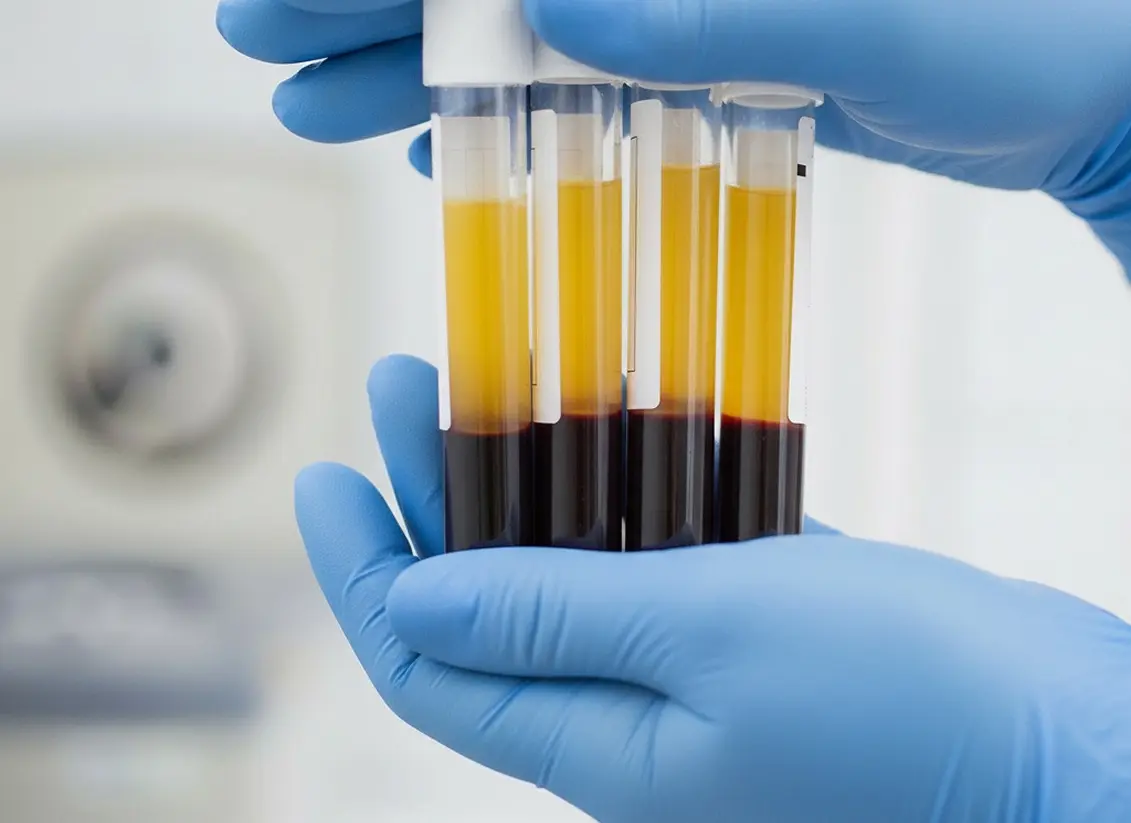
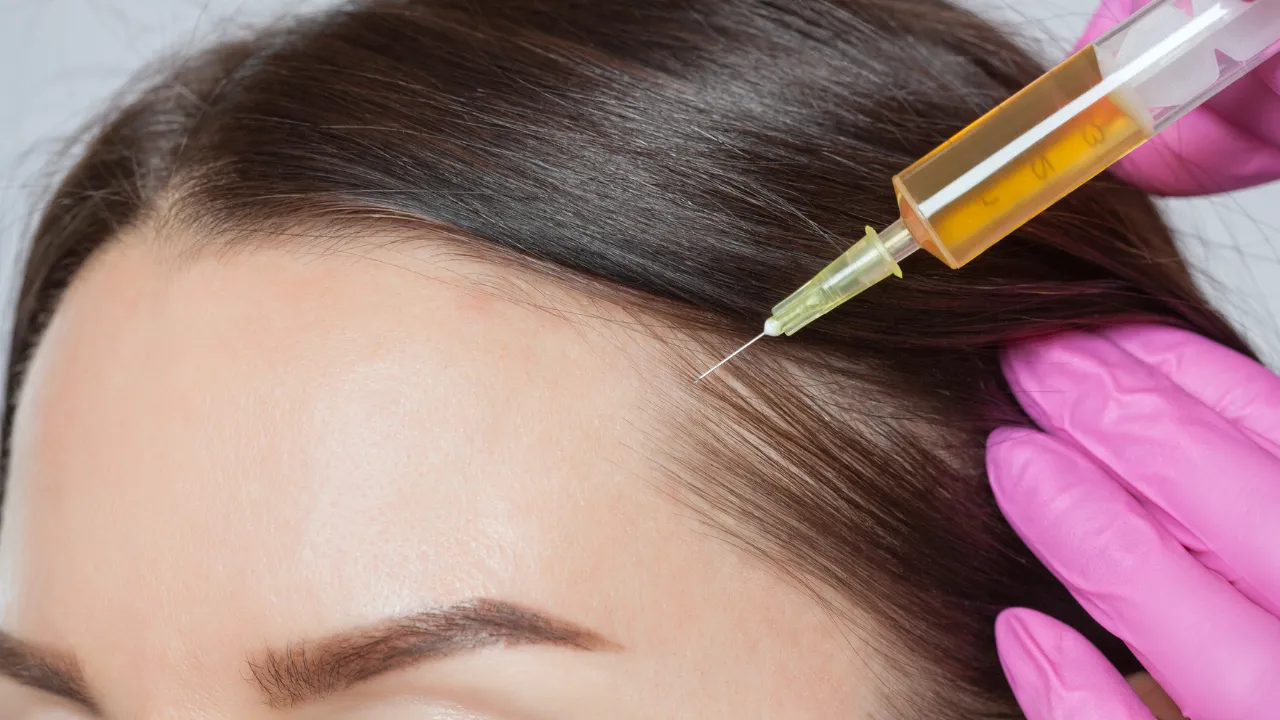
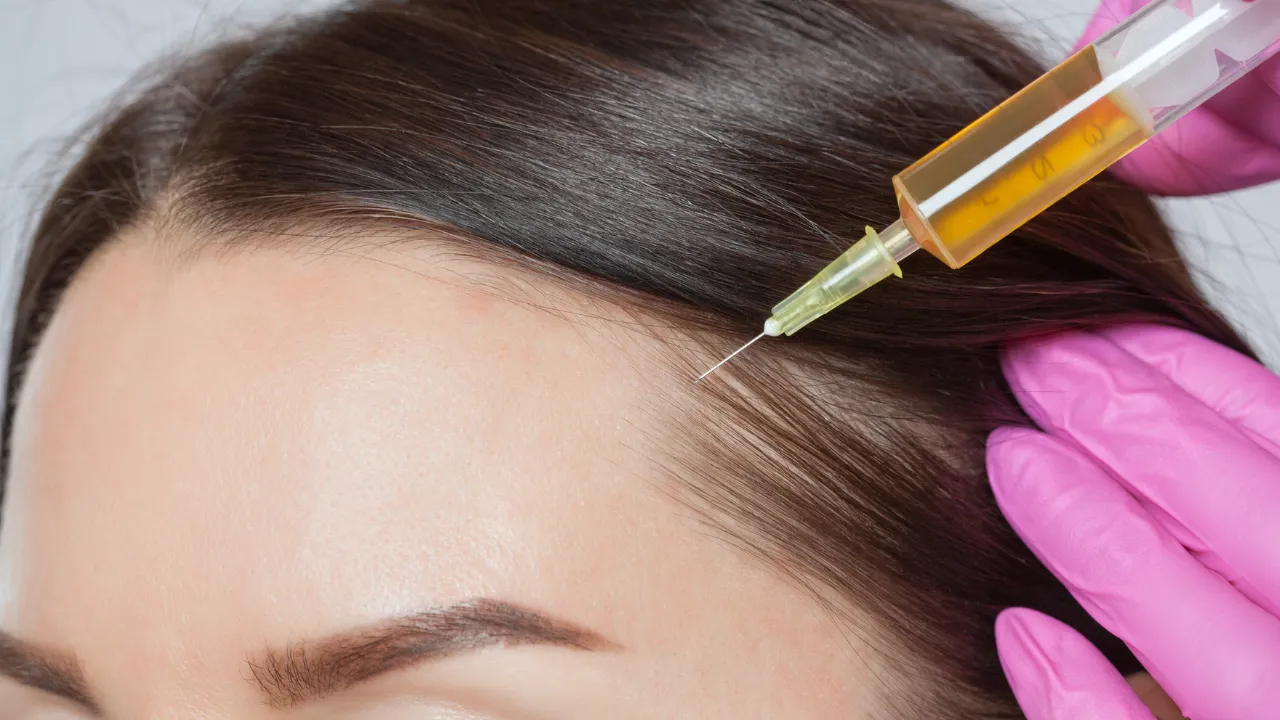
PRP treatment for hair typically costs between $400 and $1,500 or more per session, depending on the clinic and provider expertise. The topic of prp-for-hair-cost usually includes an initial series of 3 to 4 sessions, bringing the total to around $1,200 to $4,000 for the full treatment phase. Maintenance sessions are often needed every 4 to 6 months, with each session costing about $600 to sustain results.

Costs vary based on factors such as location, technology used, and the experience of the specialist performing the procedure. Platelet-Rich Plasma Therapy works by using your own blood components to stimulate hair follicles, which also influences pricing due to the specialized process involved. Understanding this structure helps set realistic expectations for both short-term investment and long-term maintenance.

Read More

Right after platelet-rich plasma injections, certain activities can interfere with healing and reduce results. PRP Aftercare focuses on protecting the treated area, so you should avoid washing your hair for at least 24 hours, intense exercise, excessive sweating, alcohol, and direct sun exposure for the first couple of days. You should also avoid anti-inflammatory medications like Ibuprofen, as they can blunt the inflammatory response that PRP relies on to stimulate hair growth.

In the days that follow, avoid harsh hair products, chemical treatments, or tight hairstyles that create tension on the scalp. Do not touch, scratch, or massage the treated area unless your provider instructs you to do so. Mild redness, swelling, or sensitivity is normal, but these usually resolve within a few days. Following proper aftercare helps maximize follicle stimulation and supports better, more consistent results over time.

Read More

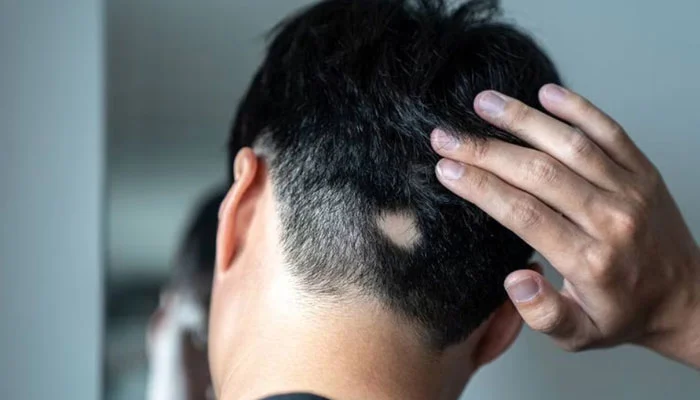
Intralesional steroid injections are a well-established and effective treatment for Alopecia Areata, especially in cases with small, localized patches. The approach behind intralesional-steroid-injection involves delivering corticosteroids like Triamcinolone Acetonide directly into affected areas, reducing inflammation and helping reactivate hair follicles. This targeted method allows high local effectiveness while minimizing systemic side effects.

Many patients begin to see regrowth within a few weeks, although multiple sessions are often needed for optimal results. The treatment works best in early or limited cases and may be less effective for extensive hair loss. Overall, steroid injections are considered a first-line option due to their ability to promote regrowth and control the underlying immune response.

Read More

A diet rich in key nutrients can support healthier and thicker facial hair growth. The role of foods to grow mustache facial hair includes options like eggs for protein and Biotin, sweet potatoes for vitamin A, spinach for iron and folate, nuts and seeds for zinc and vitamin E, and salmon for omega-3 fatty acids. These nutrients help nourish hair follicles, improve blood flow, and support overall beard development.

Consistent nutrition helps create the right conditions for facial hair to grow stronger and fuller over time. While diet alone cannot override genetics, it can improve hair quality and reduce patchiness. Combining proper nutrition with good grooming habits supports better long-term results.

Read More

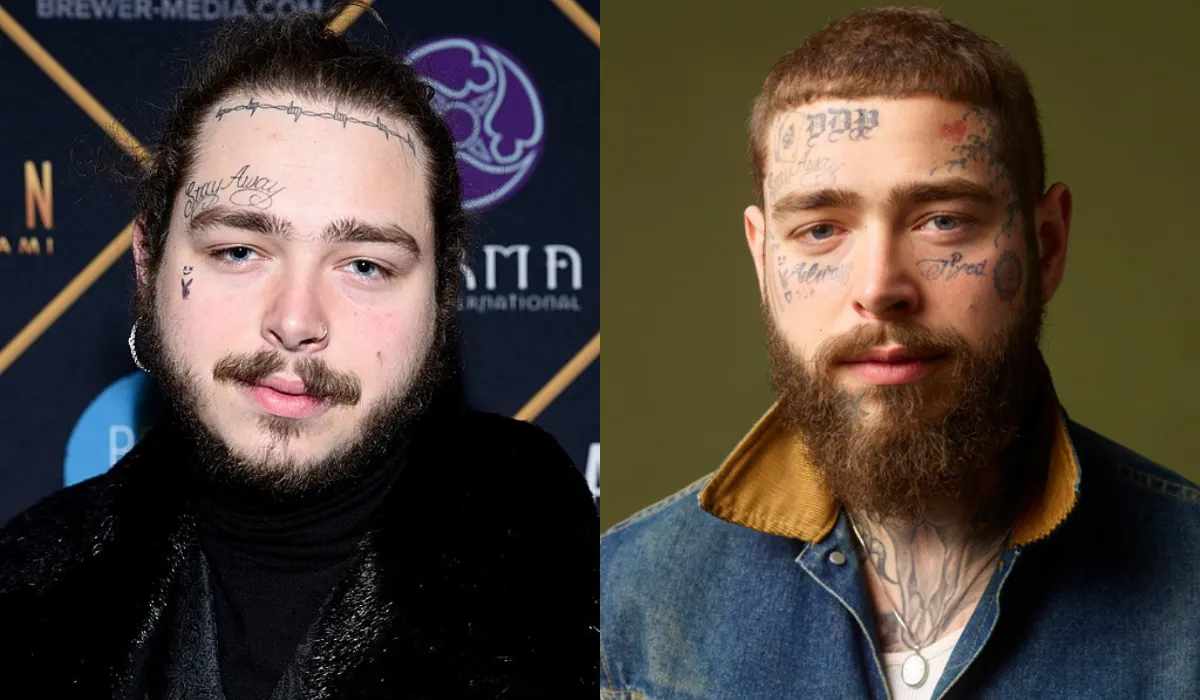
Post Malone has shown a noticeable increase in beard density over time, leading to speculation about a procedure. The idea of a post malone beard transplant remains unconfirmed, and most experts attribute his fuller beard to natural maturation, lifestyle changes, and improved overall health. His transformation appears gradual rather than the rapid change typically associated with surgical intervention.

Beard growth can naturally improve with age as hormone levels stabilize and hair follicles become more active. Factors like weight loss, grooming habits, and skin care can also enhance appearance. While a transplant is possible in similar cases, there is no verified evidence that he underwent one.

Read More

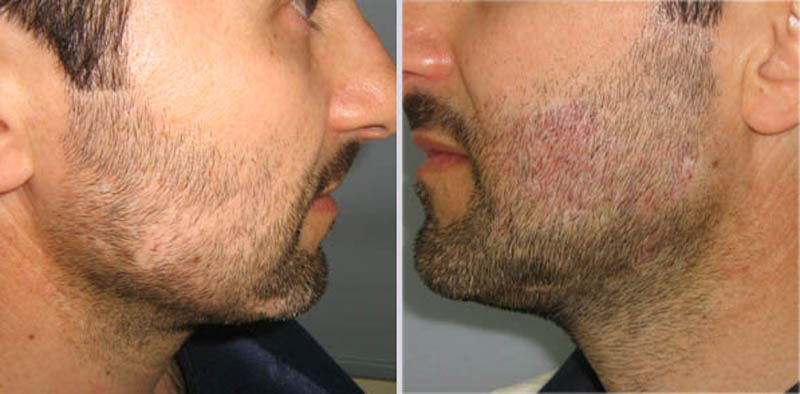
Beard transplant recovery follows a predictable timeline, starting with an initial healing phase of about 7 to 10 days. During beard transplant procedure recovery, small scabs form around the grafts and gradually fall off as the skin heals, while redness and sensitivity decrease. Most patients can return to normal routines shortly after this phase.

A temporary shedding phase usually occurs between weeks 3 and 4, where transplanted hairs fall out before new growth begins. Visible results typically appear around 6 to 9 months, with full density developing between 12 and 18 months. This gradual process reflects the natural hair growth cycle and leads to permanent results over time.

Read More

Yes, pubic hair can be used for a beard transplant, but it is typically considered a last-resort donor option. The use of beard transplant pubic hair is reserved for cases where scalp or beard donor areas are limited, as this hair can provide density due to its coarse and curly texture. However, it differs in growth cycle, thickness, and direction, which can affect how natural the final result appears.

The procedure requires advanced expertise, as pubic hair grafts tend to have lower survival rates and need precise placement. Surgeons must carefully blend these hairs with existing beard hair to achieve a consistent look. While effective in select cases, it is not the first choice for most beard restoration procedures.

Read More

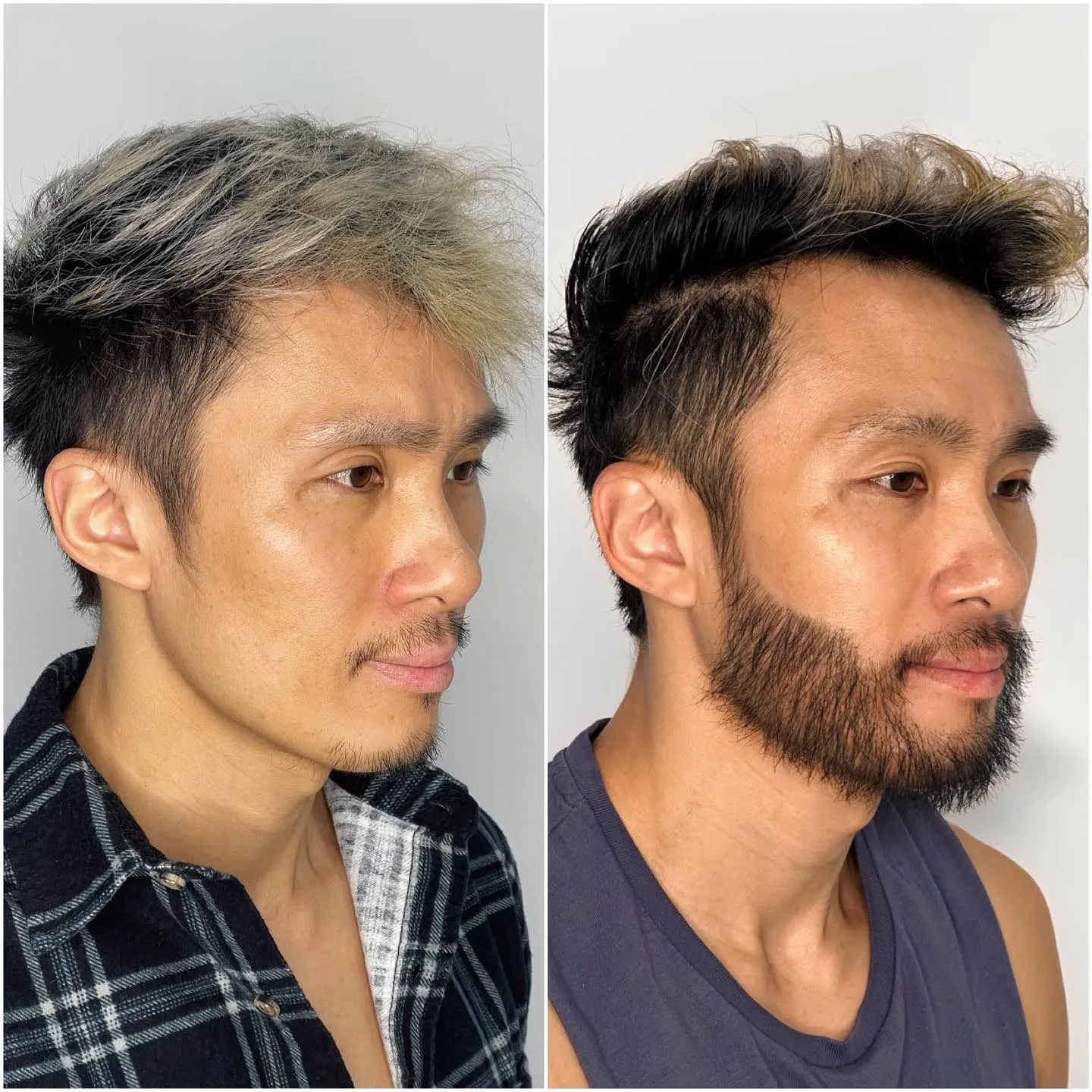
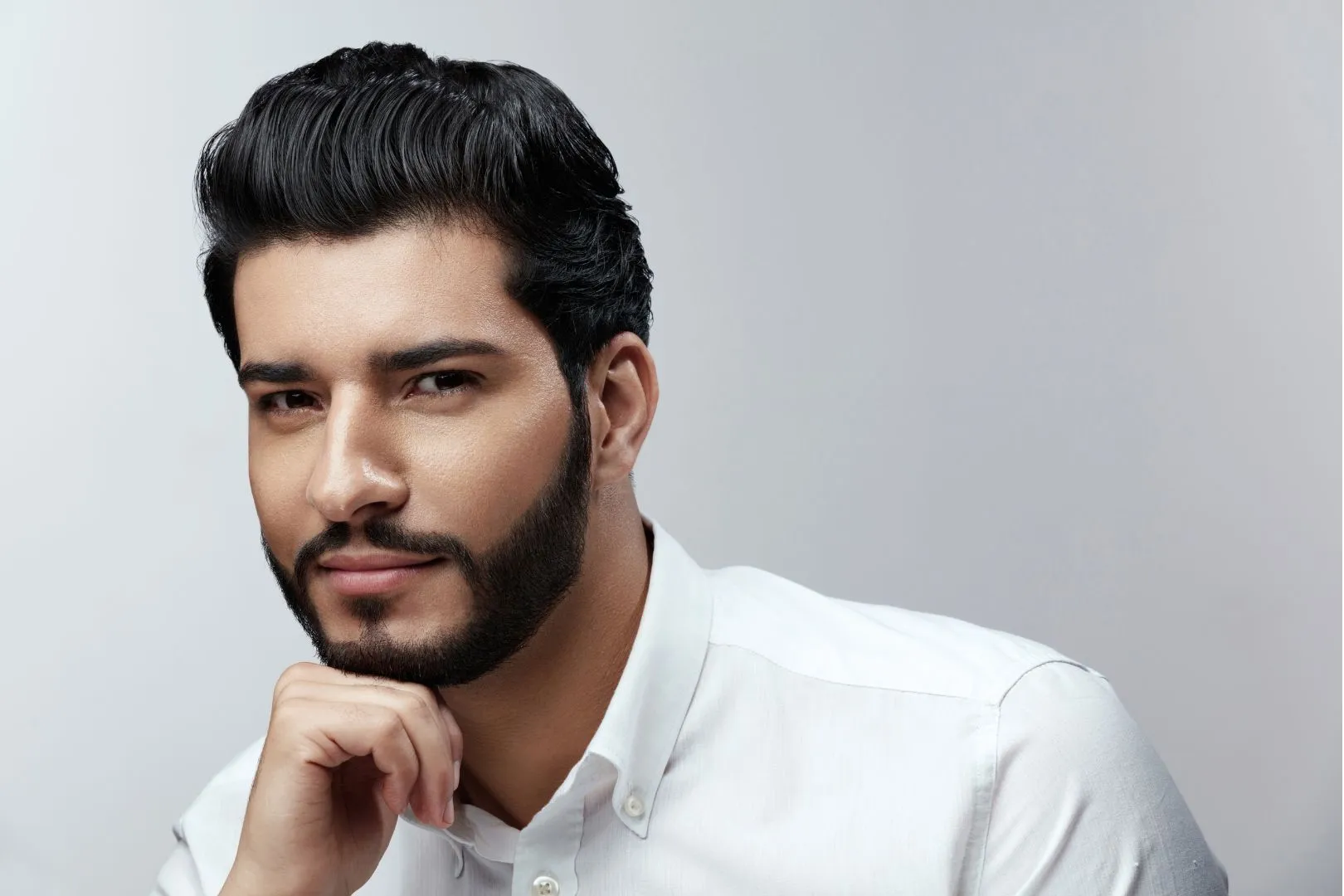
An Asian beard transplant is a procedure that transfers hair follicles from the scalp to the face to create fuller, permanent beard growth. In an asian beard transplant, surgeons typically use techniques like Follicular Unit Extraction or DHI, often requiring around 1,500 to 2,500 or more grafts depending on the desired density. This approach is commonly used to fill patchy areas or enhance naturally sparse facial hair.

Achieving natural results depends on precise placement, especially with straight, thicker hair types common in Asian men. Proper angulation and direction are critical to match natural beard growth patterns. With the right technique, results develop gradually and lead to long-term, natural-looking beard density.

Read More

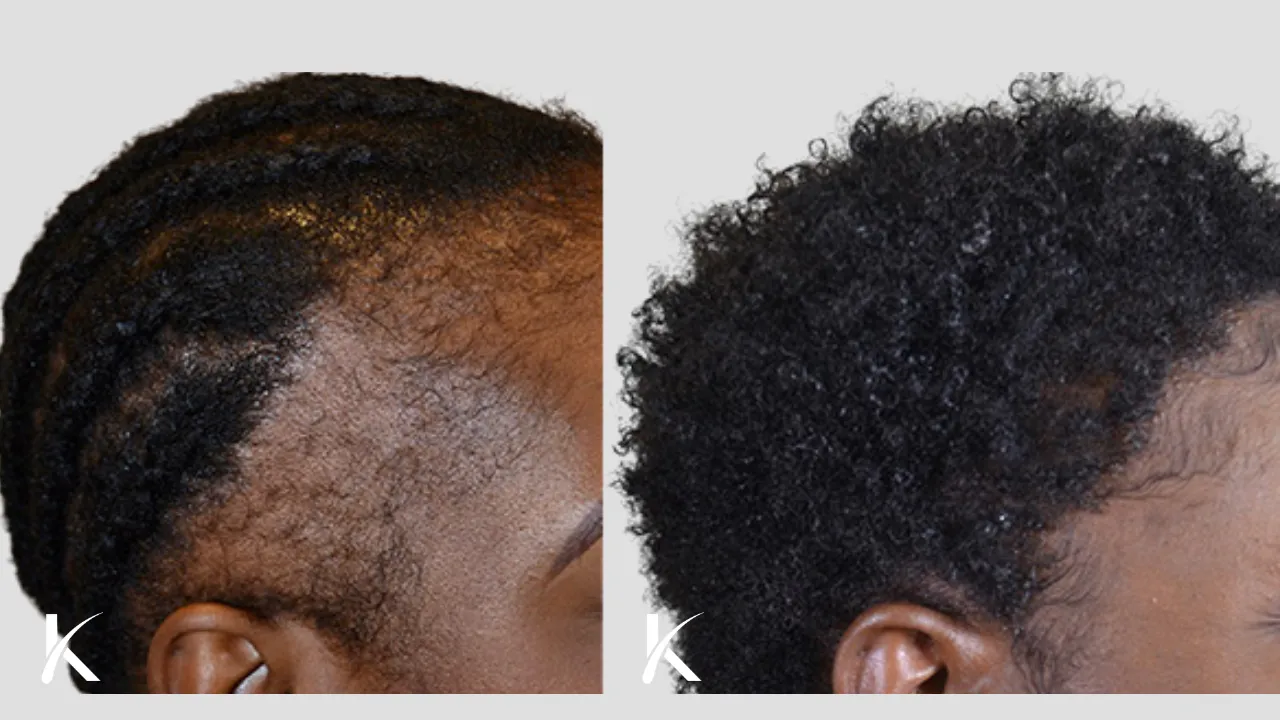
African American hair transplant costs in the U.S. typically range from $4,000 to $15,000 or more, depending on the number of grafts and the complexity of curly hair patterns. The estimate for african american hair transplant cost often falls between $1.50 and $5 or more per graft, as tightly curled follicles require specialized techniques and greater precision during extraction and placement. Procedures like Follicular Unit Extraction (FUE) are commonly adapted for this hair type.

Prices can vary further based on surgeon expertise, clinic location, and the extent of hair loss. Some international options may offer lower costs, but results depend heavily on experience with Afro-textured hair. Choosing a specialist familiar with this hair type is key to achieving natural and successful outcomes.

Read More

Gordon Ramsay is widely believed to have undergone hair transplant procedures, although he has never officially confirmed them. The discussion around gordon ramsay hair transplant is based on visible improvements in his hairline, particularly around the temples, with changes noted around 2010–2011 and again in 2014. Experts suggest he may have used Follicular Unit Extraction (FUE), known for natural-looking results and minimal scarring.

The transformation appears gradual, with increased density and a more defined hairline over time. This aligns with modern transplant techniques that focus on subtle, long-term improvements rather than sudden changes. While unconfirmed, the consistency of these results supports the likelihood of professional hair restoration.

Read More

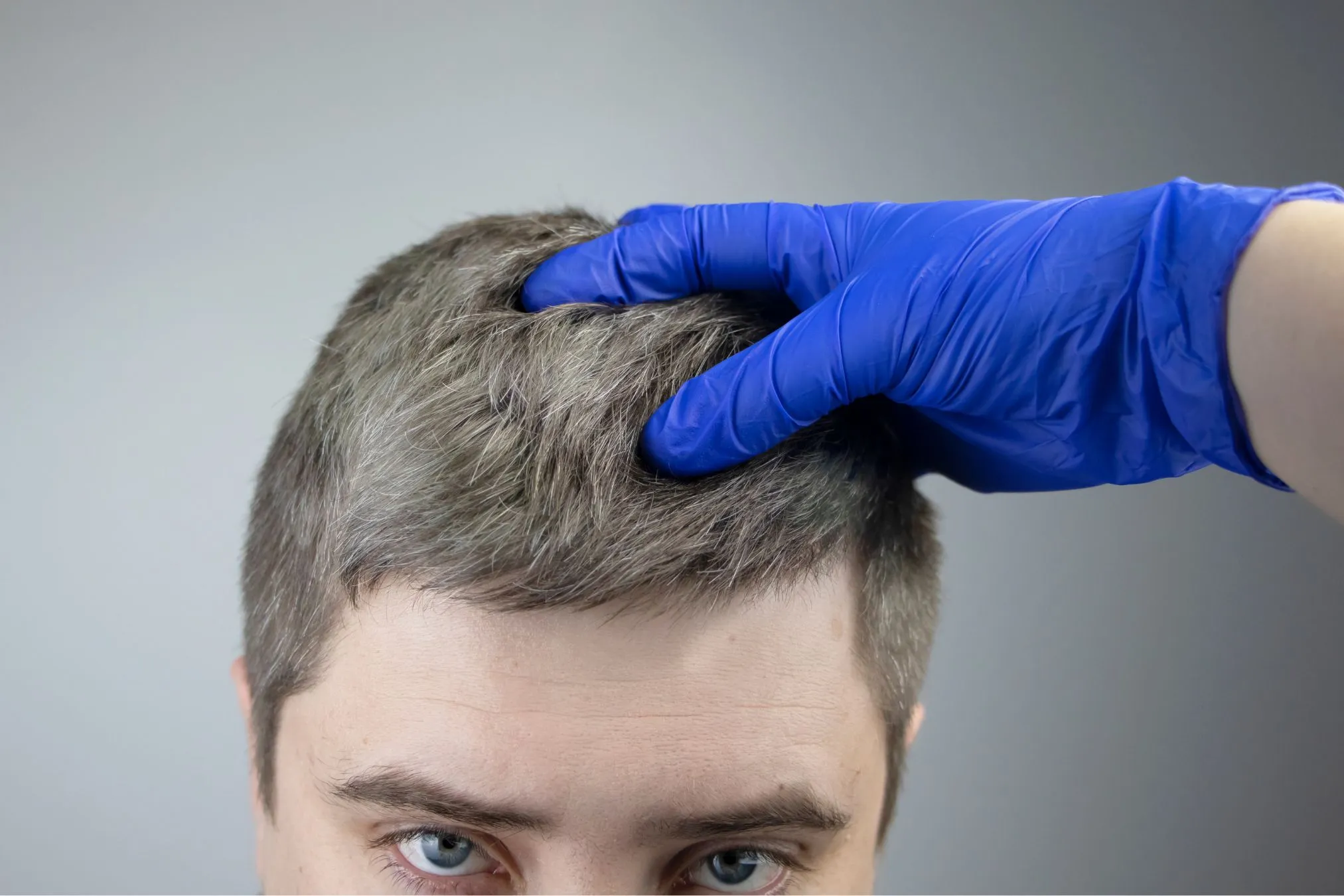
Yes, nicotine can contribute to hair loss, but it is rarely the only cause. Nicotine hair loss is linked to reduced blood flow, lower oxygen delivery, oxidative stress, and inflammation that can weaken hair follicles over time. Research shows smoking is associated with higher rates and worse severity of androgenetic alopecia, especially in people already prone to pattern thinning.

Zyn and other nicotine pouches do not contain smoke, but they still deliver nicotine, which can affect circulation and follicle health. That means Zyn may worsen shedding or speed up thinning in some people, though there is no direct clinical proof that Zyn alone causes baldness. If you notice sudden hair loss while using nicotine products, it is worth looking at other common triggers too, such as genetics, stress, illness, iron deficiency, or hormone changes.

Read More

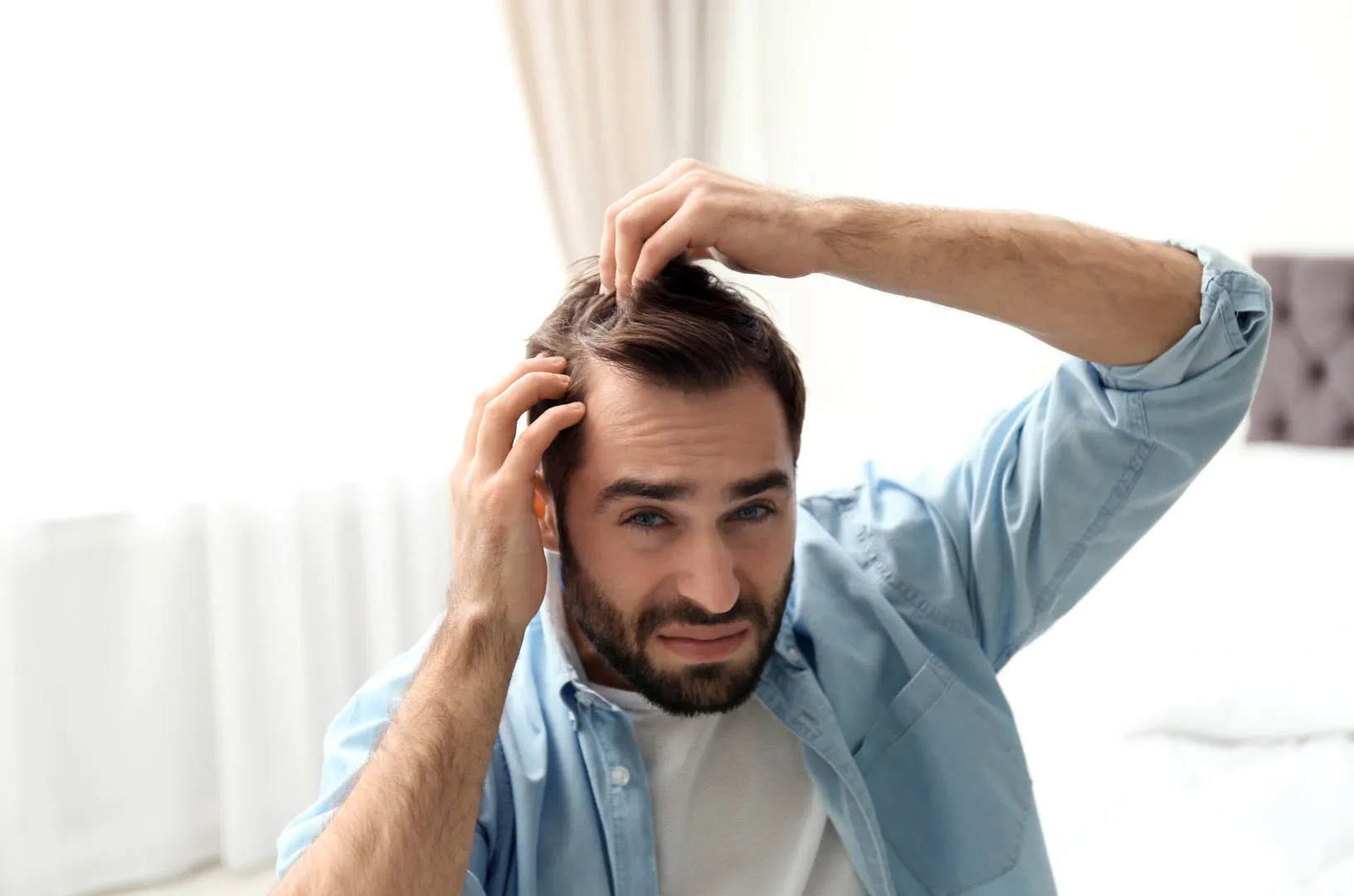
The Norwood Scale is the standard system used to classify the stages of male pattern hair loss. In the norwood scale, stages range from 1 (minimal or no hair loss) to 7 (advanced baldness), tracking how hair recedes at the temples and thins at the crown. This progression helps identify the severity and pattern of hair loss over time.

Understanding your stage allows for better treatment planning and realistic expectations. Early stages may respond well to medications, while advanced stages often require surgical options like hair transplants. Using the scale provides a clear framework to monitor changes and guide long-term hair restoration strategies.

Read More

Phentermine can be associated with hair loss, but it is usually not a direct side effect of the medication itself. The answer to does phentermine cause hair loss is typically linked to rapid weight loss, reduced calorie intake, and nutritional deficiencies, which can trigger Telogen Effluvium. This type of shedding often appears around 2 to 3 months after starting treatment.

The hair loss is usually temporary and improves once the body adjusts and nutrient levels are restored. Managing diet, maintaining proper nutrition, and monitoring stress levels can help reduce shedding. In most cases, normal hair growth resumes after the underlying trigger is addressed.

Read More

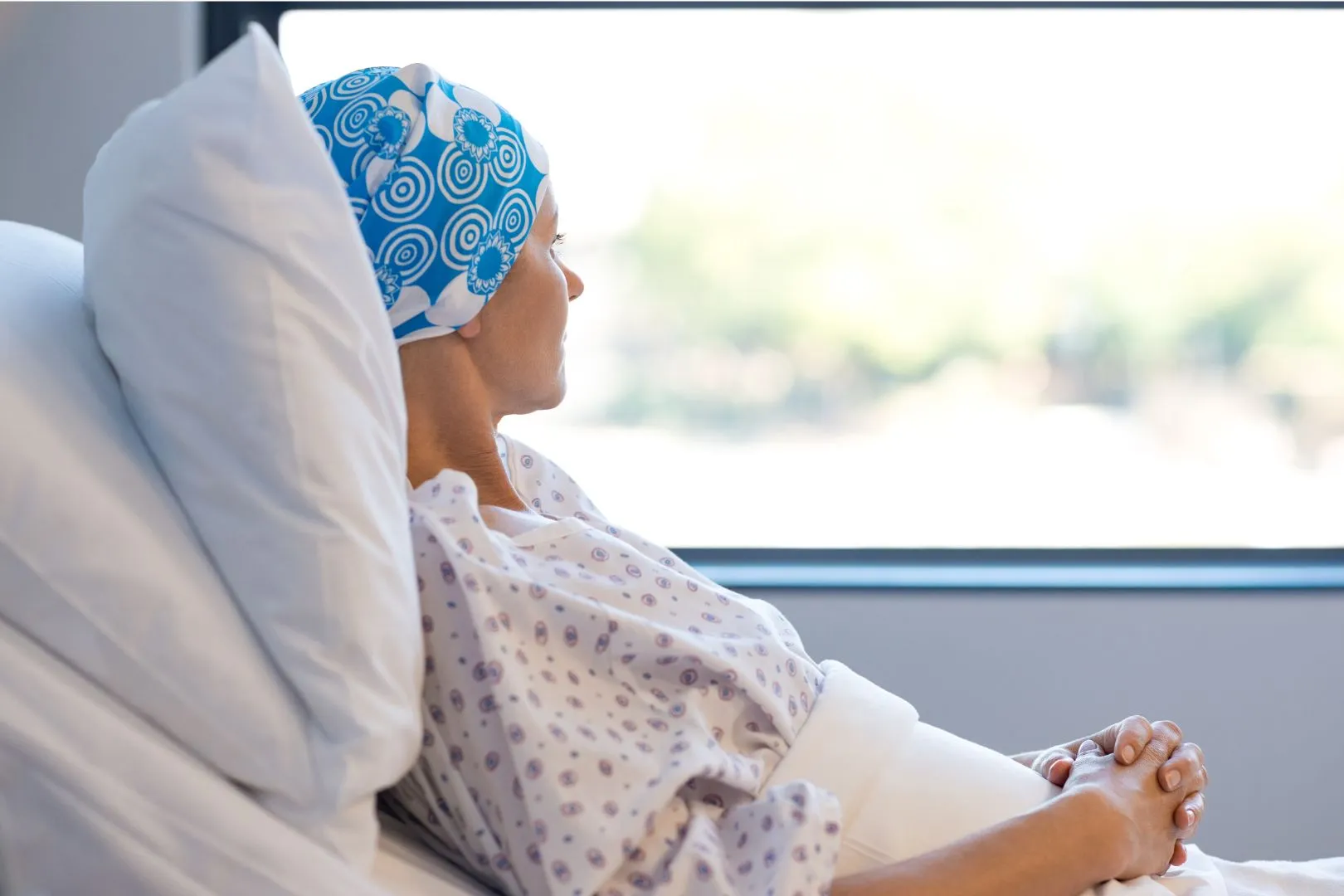
Hair loss after surgery is usually temporary and linked to physical stress rather than anesthesia alone. In hair loss after surgery, the most common cause is Telogen Effluvium, where stress from the procedure pushes hair follicles into a resting phase. Shedding typically begins 2 to 3 months after surgery and may also be influenced by factors like nutritional deficiencies or rapid weight changes.

Anesthesia itself is not considered a direct cause, but it can contribute to the overall stress on the body. The good news is that this type of hair loss is almost always reversible. Regrowth usually starts within 3 to 6 months once the body recovers and normal hair cycles resume.

Read More

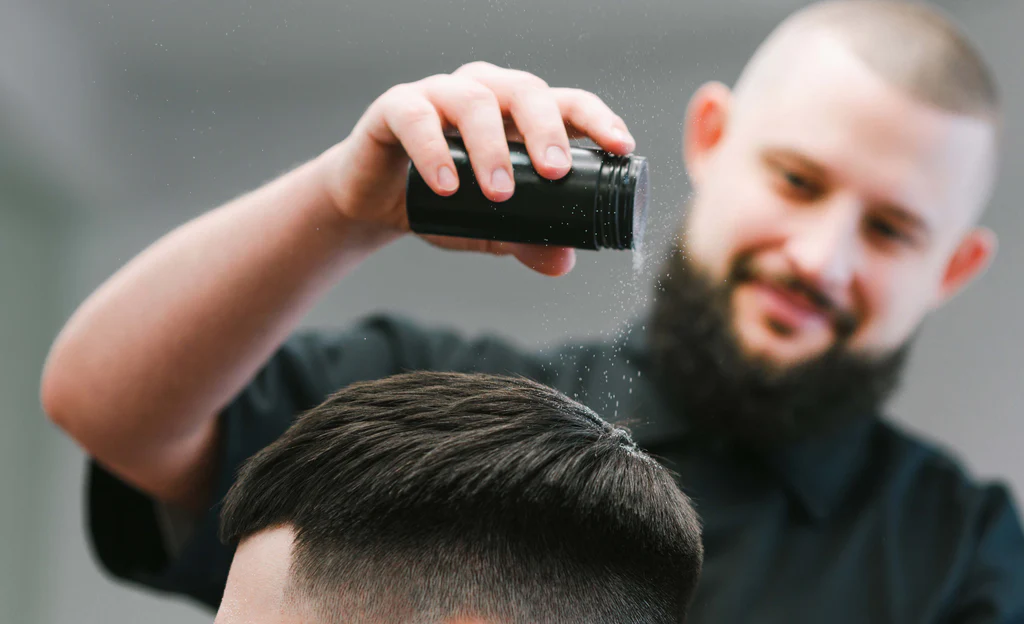
Texture powder does not cause permanent hair loss, but how you use it can affect your hair and scalp health. Does Texture Powder Cause Hair Loss is usually answered by looking at habits, since heavy or daily use without washing can lead to buildup, clogged follicles, dryness, and irritation. These issues can make hair feel thinner, increase breakage, or trigger temporary shedding, especially if your scalp is already sensitive.

Most texture powders rely on ingredients like Silica or starches that absorb oil and add volume, but they can also dry out the scalp if overused. To reduce risk, use small amounts, avoid applying directly to the scalp every day, and wash your hair regularly to prevent buildup. If you notice itching, flaking, or increased shedding, cutting back or switching products can help. Used properly, texture powder is generally safe and does not damage hair follicles permanently.

Read More

Metformin is not a common direct cause of hair loss, but it can contribute indirectly in certain cases. The question of does metformin cause hair loss is usually linked to long-term use leading to Vitamin B12 deficiency, which can affect hair growth and lead to shedding. In many situations, hair loss is more closely related to underlying conditions like diabetes or hormonal imbalances rather than the medication itself.

In fact, metformin may support hair improvement in individuals with conditions such as Polycystic Ovary Syndrome (PCOS) by helping regulate insulin and androgen levels. This can reduce hair thinning linked to hormonal imbalance. Monitoring nutrient levels and addressing root causes is key to managing hair health while on metformin.

Read More

Hair gel does not cause immediate hair loss or baldness, and the idea behind can hair gel cause hair loss in 1 day is not supported by how hair growth works. Hair loss is a gradual process, and products like gel do not damage hair follicles in a single day. However, frequent use—especially without proper washing—can lead to buildup, dryness, or scalp irritation.

Over time, these factors may contribute to breakage or weakened hair, making thinning appear more noticeable. In some cases, irritation can affect scalp health if products are not suited to your skin. Proper use and regular cleansing help prevent these issues and maintain healthy hair.

Read More

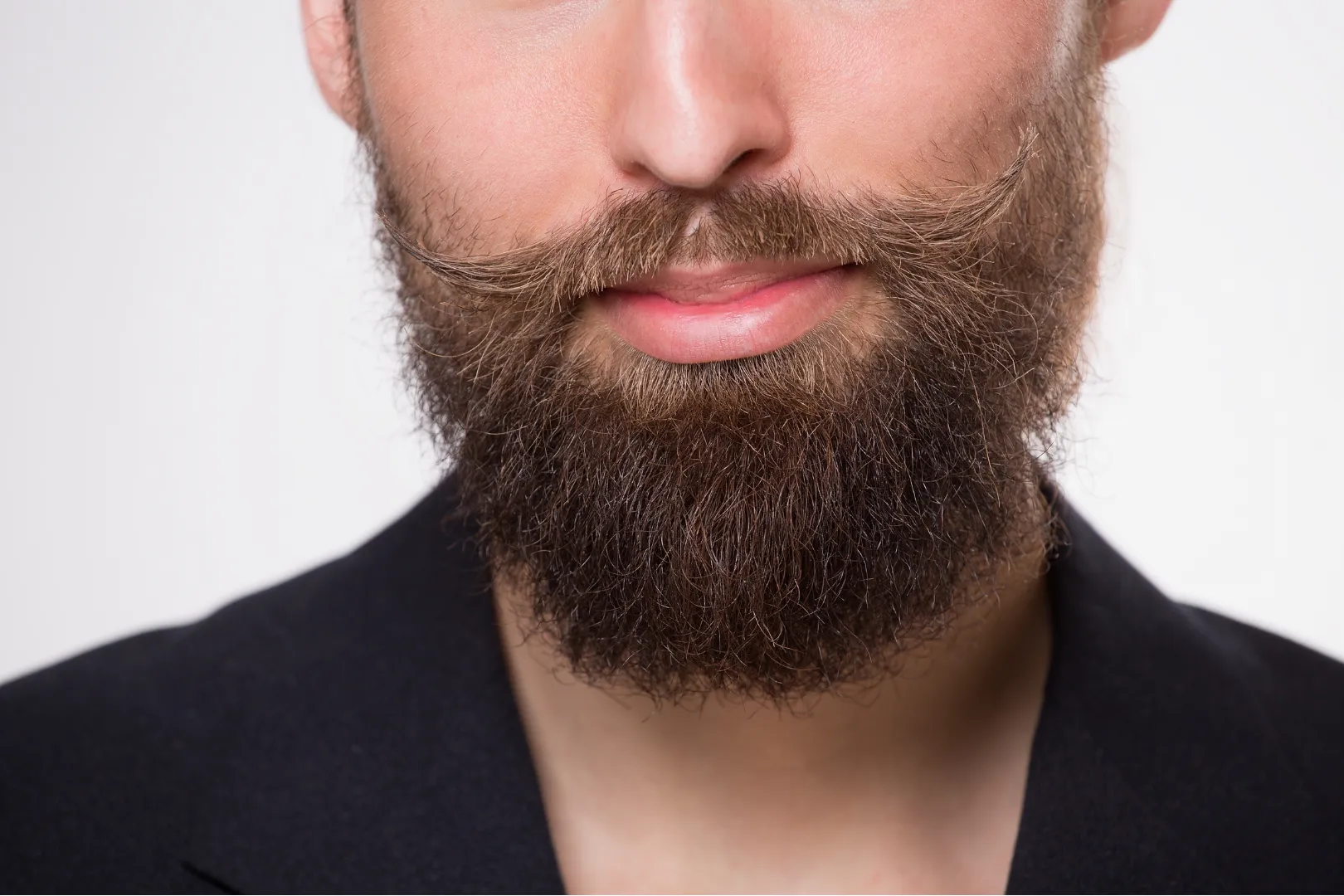
Using topical Minoxidil can help stimulate beard growth in some men, especially if facial follicles are present but growing slowly. Minoxidil for Beard Growth works by improving blood flow around follicles and extending the growth phase, which may help fill patchy areas over time. Most people need at least 3 to 6 months of consistent use before noticing visible changes, and fuller results can take longer.

A common approach is applying 5% foam or liquid once or twice daily to clean, dry skin, depending on tolerance and medical guidance. Early shedding can happen as weaker hairs cycle out, which is often temporary. The most common side effects are dryness, itching, redness, flaking, or acne-like irritation on the face. Results vary, and stopping treatment may lead to gradual loss of gains if the new hairs have not fully matured.

Read More

Finasteride has little to no significant impact on beard or facial hair growth for most users. The discussion around finasteride-for-beard-growth shows that over 96% of people experience no noticeable change in beard thickness or density, even though the drug blocks Dihydrotestosterone (DHT), which plays a role in facial hair development. This is because beard follicles are less sensitive to DHT reduction compared to scalp hair follicles.

In a small number of cases, some users may notice slightly slower growth or mild thinning, but these effects are usually minimal. Finasteride is primarily used to protect scalp hair rather than influence facial hair. Overall, its impact on beard growth is limited and not considered a major concern for most patients.

Read More

Procapil is generally well-tolerated and considered a low-risk option for supporting hair health, with most side effects being mild and localized. The concern around procapil-side-effects mainly includes scalp irritation, dryness, itching, or redness, which tend to be temporary and improve with continued use or adjustment. As a topical ingredient, it is often chosen as an alternative to Minoxidil for those seeking fewer systemic effects.

Less common reactions may include acne, mild headaches, or unwanted hair growth in nearby areas due to product spread. Serious side effects are rare, especially when used as directed. Monitoring scalp response helps ensure the product remains effective and comfortable over time.

Read More

The best options for supporting healthier hair growth focus on improving scalp health and reducing breakage. A best organic shampoo for hair growth typically includes ingredients like rosemary oil, biotin, and caffeine, which help stimulate the scalp and strengthen hair over time. These formulas aim to create a better environment for growth rather than directly causing new hair to grow.

Top choices often include Mielle Organics Rosemary Mint Shampoo, Vegamour GRO+ Advanced Balancing Shampoo, and Hairlust Grow Perfect Shampoo. These products focus on reducing breakage, improving thickness, and maintaining scalp balance. Consistent use alongside proper nutrition and care leads to better long-term results.

Read More

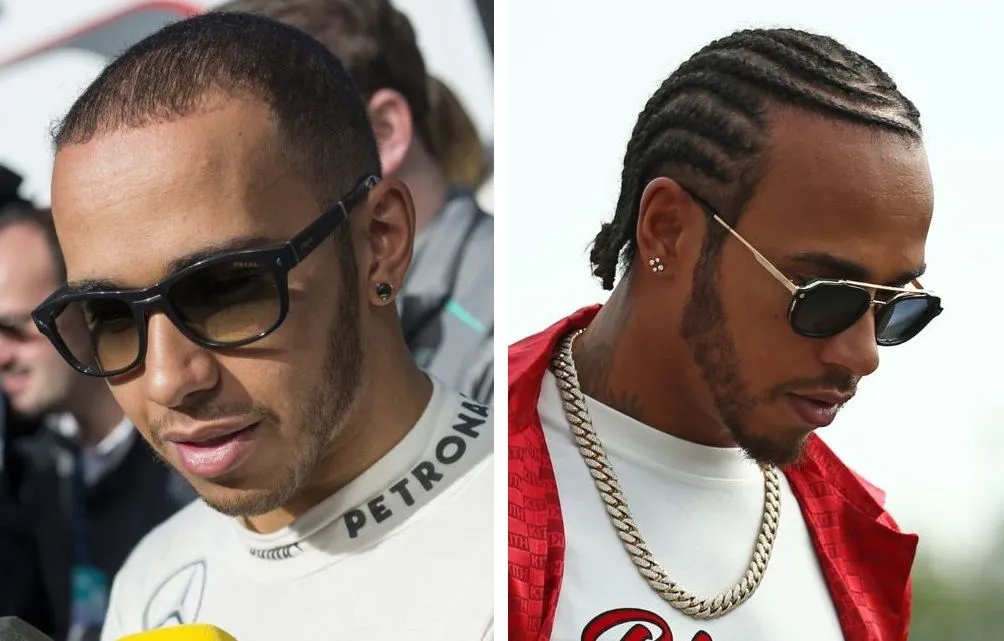
Lewis Hamilton has never confirmed undergoing a hair transplant, but his hair transformation has led to widespread speculation. The discussion around lewis hamilton hair transplant comes from noticeable improvements in hairline density since the late 2000s, when signs of Androgenetic Alopecia were observed. While he has credited better hair care and lifestyle changes, many experts believe the results are consistent with a procedure like Follicular Unit Extraction (FUE).

These conclusions are based on visual comparisons rather than confirmed medical details. His case is often cited as an example of significant hair restoration, regardless of the exact method used. Without official confirmation, the topic remains informed speculation.

Read More

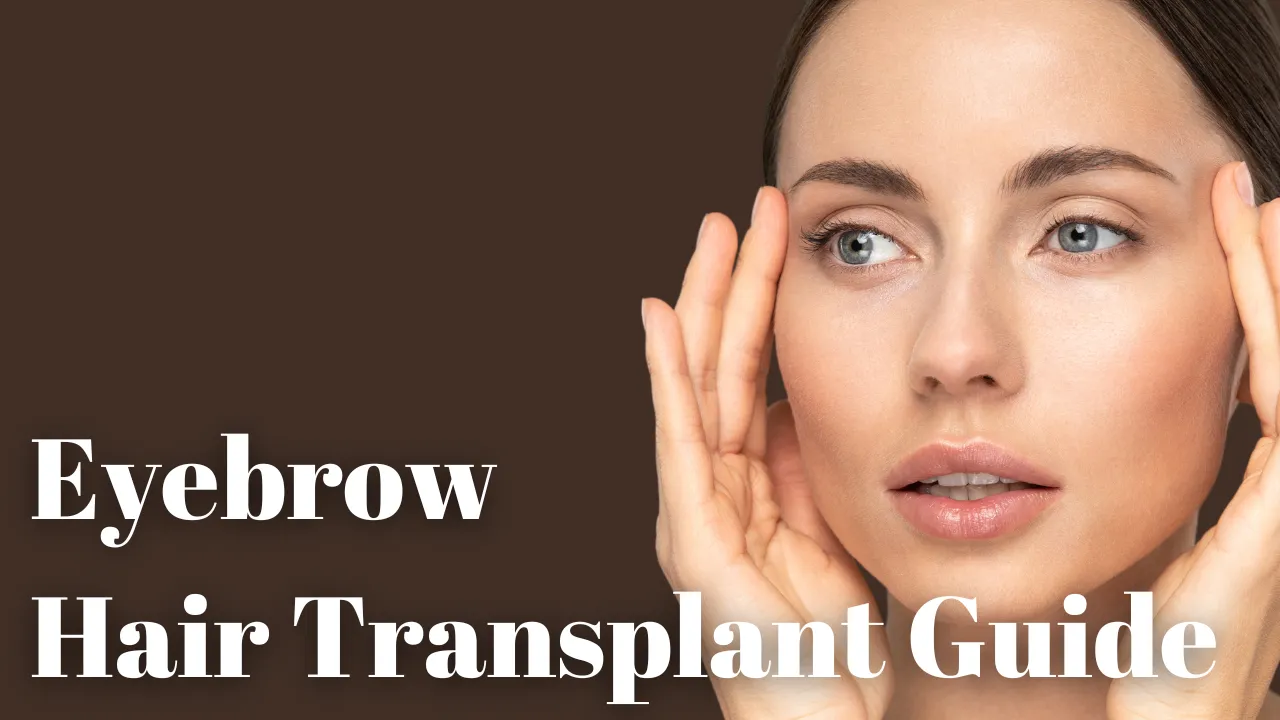
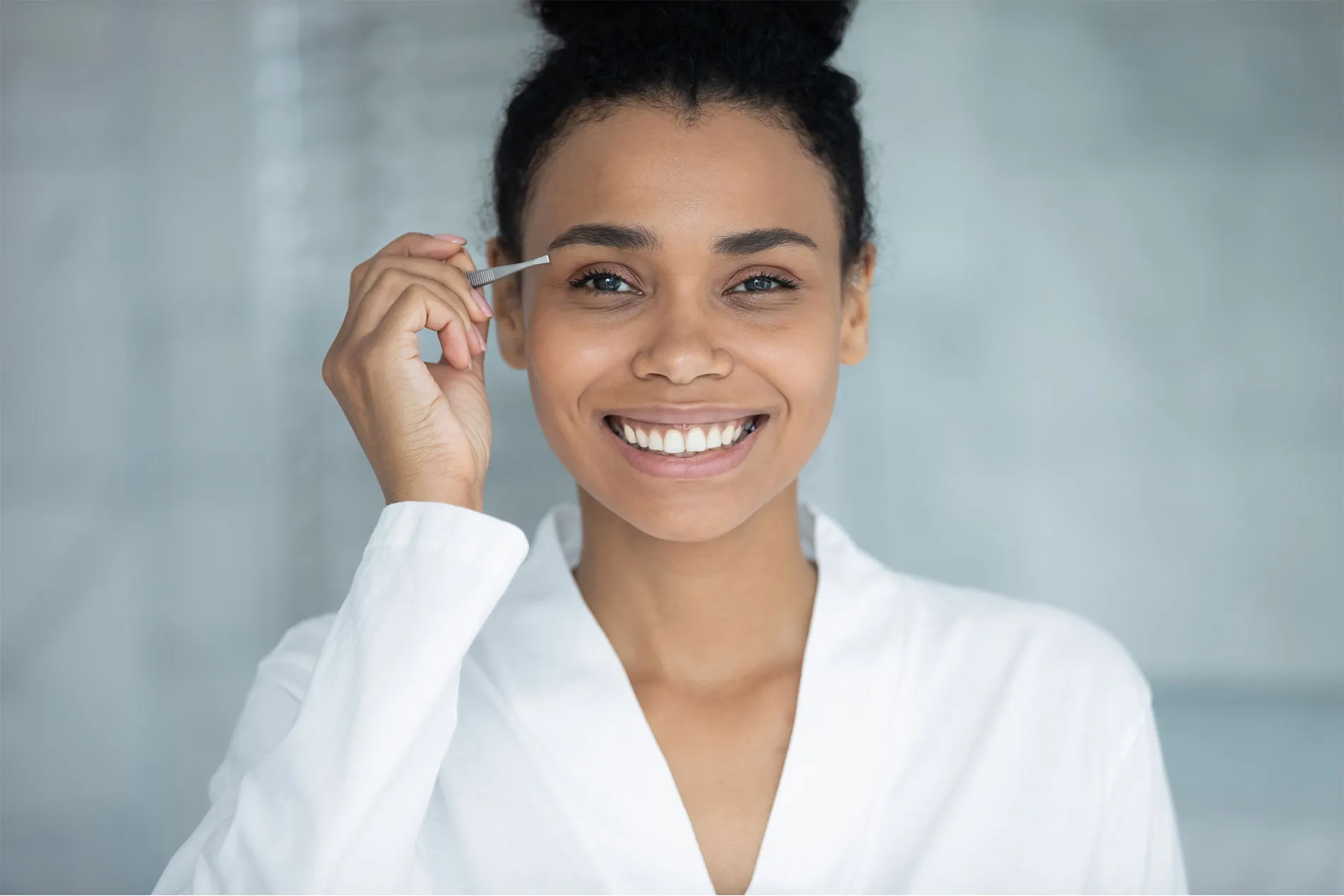
An eyebrow hair transplant is a procedure that moves hair follicles, usually from the scalp, to the brow area to restore density and shape. The process involves precise placement to match natural hair direction, creating a realistic and long-lasting result. In eyebrow hair transplant recovery, the initial healing phase typically lasts 7 to 14 days, with mild swelling, redness, and small scabs forming around the grafts.

Most patients can return to normal activities within 1 to 2 days, but should avoid touching, sweating, or washing the brows during the first week. After this phase, transplanted hairs may shed before new growth begins. Full results develop gradually over 6 to 12 months as the follicles establish and produce new hair.

Read More