Author: Dr. Joel Kopelman
Finasteride side effects are generally uncommon, affecting about 2% to 4% of men in clinical studies, with sexual symptoms like reduced libido or erectile dysfunction reported most often. Understanding how-common-are-finasteride-side-effects starts with knowing that most users tolerate the medication well, whether taken at 1 mg for hair loss or 5 mg for prostate conditions. Serious adverse effects are rare, and many symptoms tend to improve over time or resolve after stopping the drug.

The medication works by inhibiting Dihydrotestosterone (DHT), which explains both its benefits and potential side effects. In most cases, any unwanted effects are mild and reversible, especially with early monitoring and dose adjustments. This balance between effectiveness and tolerability is why finasteride remains widely used under medical supervision.

Read More

Hair thinning at 16 is usually linked to temporary and reversible factors rather than permanent hair loss conditions. The concern behind why-is-my-hair-thinning-at-16 often involves stress, hormonal changes during puberty, nutritional deficiencies like low iron or Biotin, and damage from excessive heat or chemical styling. These triggers can disrupt the normal hair growth cycle and lead to noticeable shedding or reduced density.

In most cases, hair can recover once the underlying cause is addressed through improved diet, stress management, or changes in hair care habits. If thinning continues or worsens, it may point to an underlying condition that needs medical evaluation. Early attention helps restore normal growth and prevents long-term issues.

Read More

Weight loss can happen with hypothyroidism, even though the condition more often causes weight gain or makes weight drop harder. If you’re wondering, “Why Am I Losing Weight With Hypothyroidism?”, the most common reasons include starting thyroid hormone treatment, taking a dose that is too high, changes in appetite, or another health issue affecting digestion or metabolism. In some cases, the first pounds lost after treatment are from reduced fluid retention rather than body fat.

Starting Levothyroxine can improve thyroid levels, raise resting energy use, and help your body release excess retained water. If the dose is too strong, it may push you toward symptoms of an overactive thyroid, such as a faster heartbeat, anxiety, sweating, and unintentional slimming.

Other possible causes include poor nutrient absorption, digestive conditions like Celiac disease, uncontrolled blood sugar, chronic illness, or reduced calorie intake from fatigue or nausea. Ongoing or rapid decrease in weight should be reviewed with a doctor, especially if it comes with weakness, diarrhea, or palpitations.

Read More

Slowing balding starts with identifying the cause early and treating it before follicles shrink too much. If you want to know how to stop hair loss, the most effective approach usually combines proven medical treatment, healthy scalp care, and changes that reduce unnecessary shedding. The earlier you act, the better the chance of preserving existing hair and improving thickness.

For genetic hair loss, treatments like Minoxidil or prescription DHT blockers may help slow miniaturization and support regrowth. A balanced diet with enough protein, iron, and vitamin D, better sleep, stress control, and treating dandruff or scalp inflammation can also make a difference. Avoid tight hairstyles, harsh chemicals, and excess heat that weaken the hair shaft. Consistent care matters more than quick fixes, since most treatments take months to show visible results.

Read More

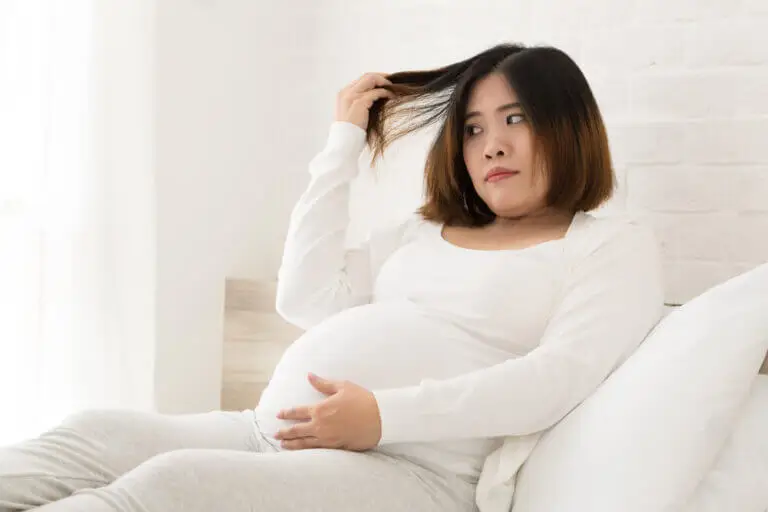
Hair loss during pregnancy is usually temporary and linked to hormonal changes, nutrient deficiencies, or stress. In hair loss during pregnancy, some women experience increased shedding due to disruptions in the hair growth cycle, often related to Telogen Effluvium. While many notice thicker hair during pregnancy, others may see thinning that typically resolves within 6 to 12 months after childbirth.

Prevention focuses on maintaining proper nutrition, especially iron and zinc levels, and managing stress. Gentle hair care and avoiding excessive styling can also help reduce breakage. In most cases, hair regrowth occurs naturally once hormone levels stabilize.

Read More

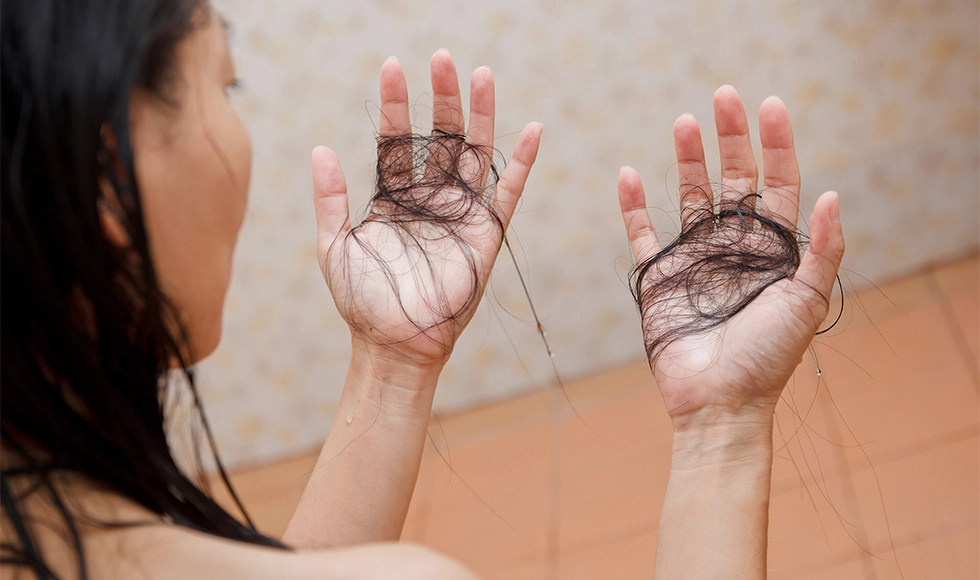
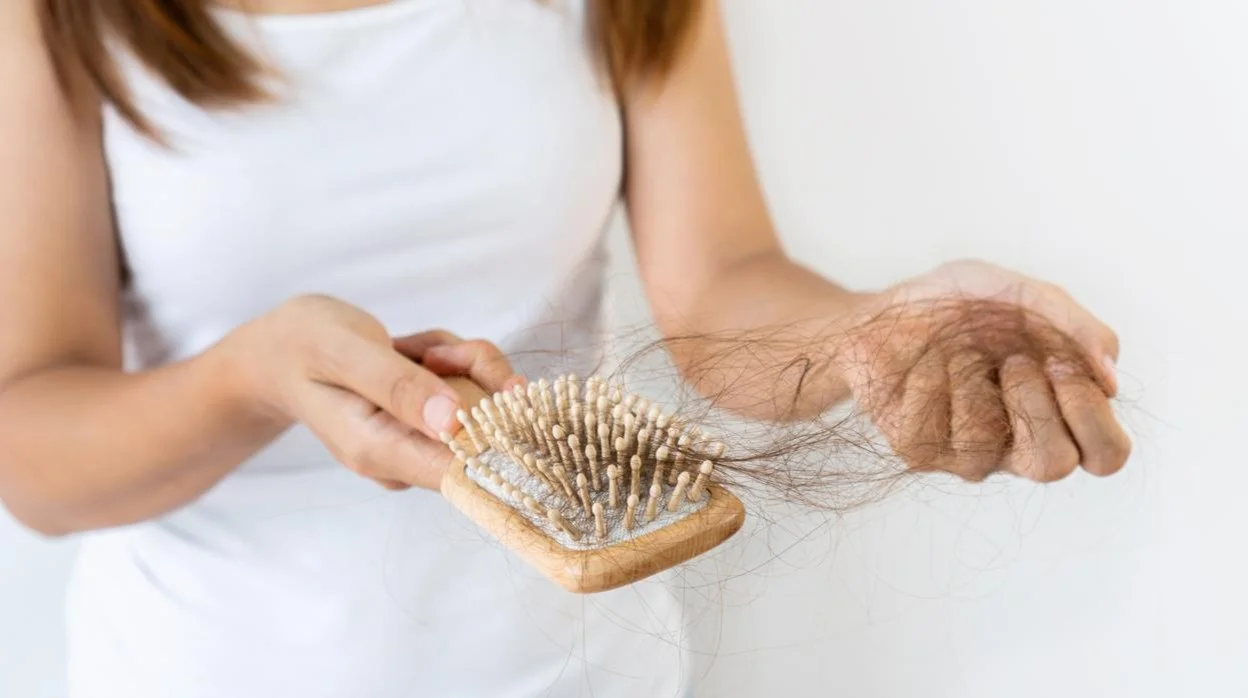
Clumps of hair falling out usually signal sudden or excessive shedding rather than normal daily hair loss. The concern around clumps of hair is often linked to conditions like Telogen Effluvium, where stress, illness, or hormonal changes push many follicles into a shedding phase at once. In other cases, autoimmune conditions such as Alopecia Areata can cause patchy loss that may come out in noticeable amounts.

This type of hair loss should be evaluated to identify the underlying cause and rule out more serious conditions. Diagnosis may involve reviewing medical history, stress factors, or lab tests for deficiencies. Treatment focuses on addressing the trigger, and in many cases, hair regrowth is possible once the cause is controlled.

Read More

Yes, Vitamin E can support healthier hair growth and help reduce hair loss by improving scalp conditions rather than acting as a direct treatment for baldness. The question behind can-vitamin-e-help-with-hair-growth relates to its ability to reduce oxidative stress, support blood circulation, and maintain moisture in the scalp, all of which create a better environment for hair follicles. Some studies suggest it may increase hair count over a period of 4 to 8 months, especially in individuals with underlying deficiencies or scalp imbalance.

Its benefits are most noticeable in reducing breakage, dryness, and overall hair fragility rather than reversing genetic hair loss. Results depend on consistency and overall health, as vitamin E works best as part of a broader approach that includes proper nutrition and scalp care. This makes it a supportive option rather than a standalone solution for significant hair regrowth.

Read More

Yes, multivitamins can contribute to hair loss if they contain excessive amounts of certain nutrients that lead to toxicity. The concern behind can-multivitamins-cause-hair-loss is mainly linked to over-supplementation of Vitamin A, Vitamin E, Selenium, or Vitamin D, which can disrupt the hair growth cycle and trigger shedding or breakage. While these nutrients are essential in proper amounts, too much can have the opposite effect on hair health.

This type of hair loss is often reversible once intake is adjusted to safe levels. Multivitamins are most beneficial when used to correct deficiencies, not exceed recommended limits. Monitoring dosage and choosing balanced formulations helps support healthy hair growth without unintended side effects.

Read More

Yes, magnesium deficiency can contribute to hair loss and thinning by disrupting normal follicle function and scalp health. The link behind can-magnesium-deficiency-cause-hair-loss comes from magnesium’s role in protein synthesis, circulation, and regulating calcium balance, all of which are essential for healthy hair growth. Low levels of Magnesium can lead to calcium buildup on the scalp, which may restrict blood flow to hair follicles and weaken growth.

This type of thinning is often reversible once magnesium levels are restored through diet or supplementation. However, deficiency is only one of many possible causes, so persistent hair loss may require further evaluation. Supporting overall nutrient balance helps create the conditions needed for stronger, more consistent hair growth.

Read More

Some supplements can contribute to hair shedding when taken in high doses or without a clear deficiency. What Supplements Cause Hair Loss is often less about the product itself and more about overuse, nutrient imbalance, or toxicity disrupting the hair growth cycle. Excess amounts of vitamins and minerals can push more follicles into the shedding phase, leading to noticeable thinning over several weeks or months.

The most common risks include too much Vitamin A, selenium, Vitamin E, zinc, or iron when levels are already normal. Excess intake may trigger telogen effluvium, a form of diffuse shedding that often appears after the body experiences stress or imbalance. Some workout or hormone-related supplements can also affect hair by altering testosterone pathways. The safest approach is to test for deficiencies before supplementing and avoid megadoses unless a doctor recommends them.

Read More

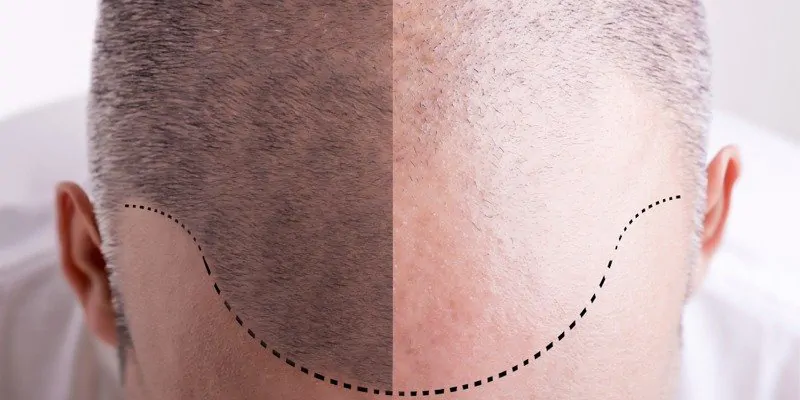
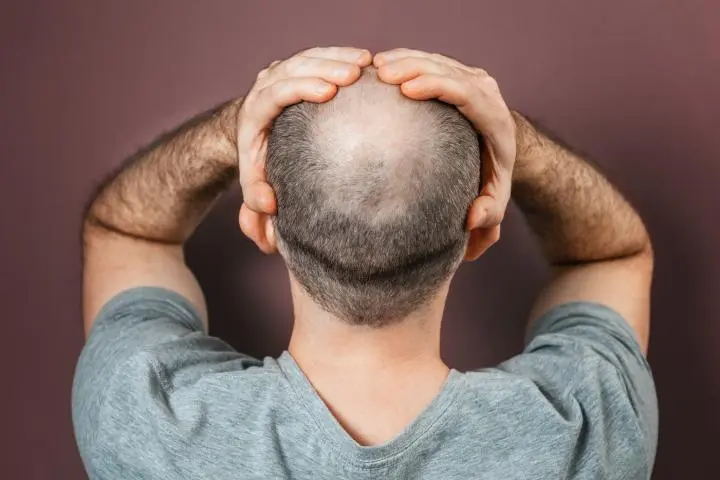
Vertex baldness refers to hair thinning or loss at the crown of the scalp, often forming a circular or expanding bald spot. In vertex baldness, this pattern is most commonly caused by Androgenetic Alopecia, where sensitivity to hormones like Dihydrotestosterone (DHT) gradually shrinks hair follicles. Early signs include increased scalp visibility, reduced density, and a widening area at the back of the head.

Treatment focuses on slowing progression and improving coverage. Common options include Minoxidil and Finasteride, which help maintain existing hair and stimulate regrowth. In more advanced cases, hair transplant procedures may be used to restore density in the crown area.

Read More

Testosterone affects hair loss mainly through its conversion into Dihydrotestosterone (DHT), which can shrink hair follicles in people with genetic sensitivity and lead to pattern baldness. The topic of testosterone-and-hair-loss also includes the fact that both high and low hormone levels can impact hair, with elevated levels accelerating androgenetic alopecia and low levels sometimes causing diffuse thinning. This explains why testosterone itself is not the direct cause, but rather how the body processes it.

Effective solutions focus on managing DHT and supporting follicle health. Treatments like Finasteride reduce DHT levels, while Minoxidil helps improve blood flow and prolong the growth phase of hair. A targeted approach based on hormone balance and genetic factors offers the best results for slowing hair loss and maintaining density.

Read More

The main difference in telogen effluvium vs alopecia is that one is temporary and the other is usually progressive. Telogen Effluvium causes sudden, diffuse shedding triggered by stress, illness, or hormonal changes, and it often resolves within 6 to 9 months once the trigger is addressed. In contrast, Androgenetic Alopecia develops gradually due to genetics and hormone sensitivity, leading to long-term thinning and follicle miniaturization.

Telogen effluvium affects the entire scalp evenly, while alopecia follows specific patterns like a receding hairline or crown thinning. Recovery is more likely with telogen effluvium, as hair follicles remain intact. Understanding the cause helps guide the right treatment and set realistic expectations for regrowth.

Read More

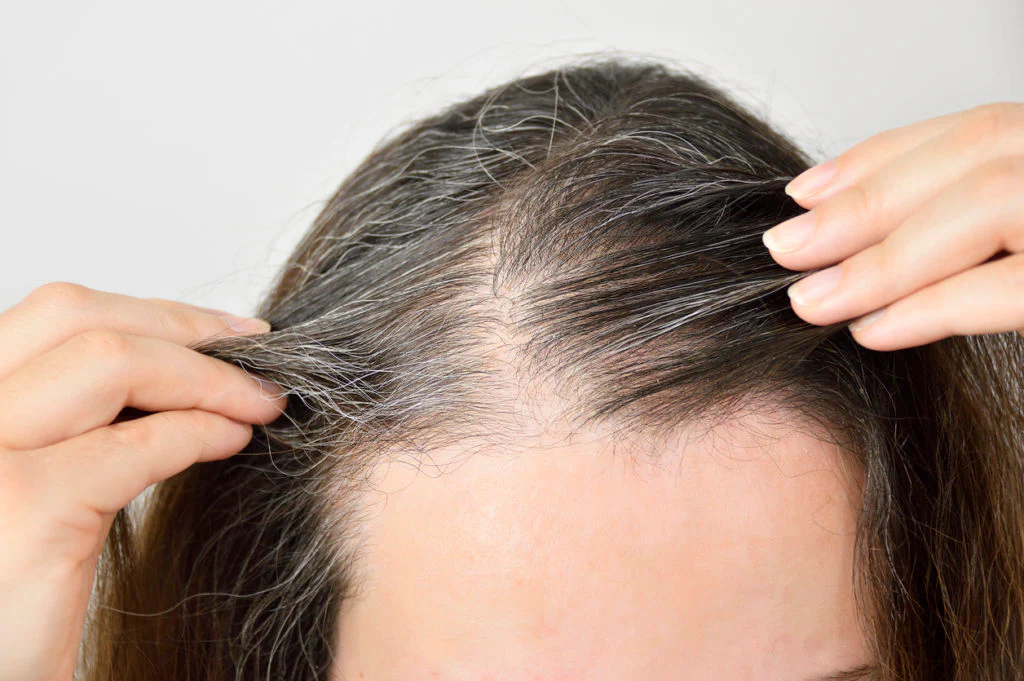
Pictures of telogen effluvium typically show diffuse thinning across the entire scalp rather than distinct bald patches. In Telogen Effluvium, the scalp usually appears healthy and non-scarred, but overall hair volume is reduced, making the scalp more visible through the hair. This type of shedding affects density evenly, which is a key visual difference from patterned hair loss.

The changes are often most noticeable when parting the hair or during washing, when increased shedding becomes apparent. Hair strands may appear finer and less dense over time. Understanding these visual patterns helps identify telogen effluvium and distinguish it from other forms of hair loss.

Read More

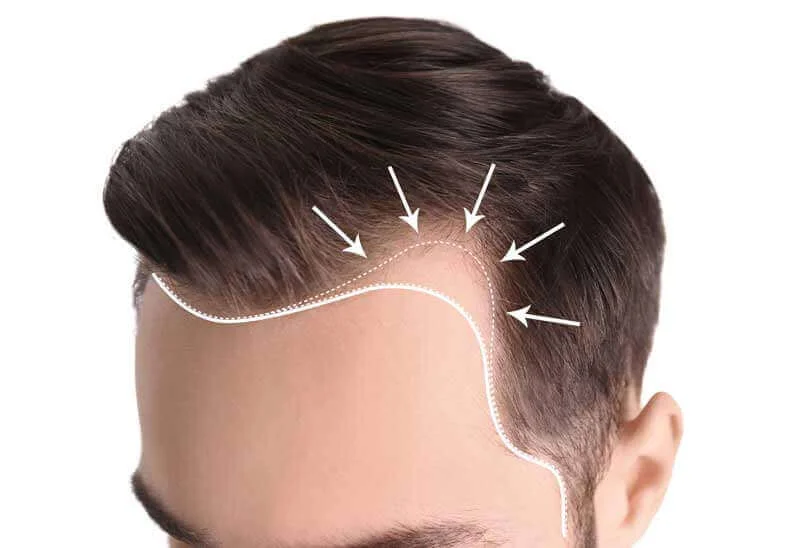
A “bad” hairline usually refers to a receding, uneven, or thinning hairline that changes the natural frame of the face. People with bad hairlines often experience this due to genetics, particularly Androgenetic Alopecia, which affects about 50% of men by age 50 and increases with age. Other causes can include stress, hormonal changes, or traction from certain hairstyles.

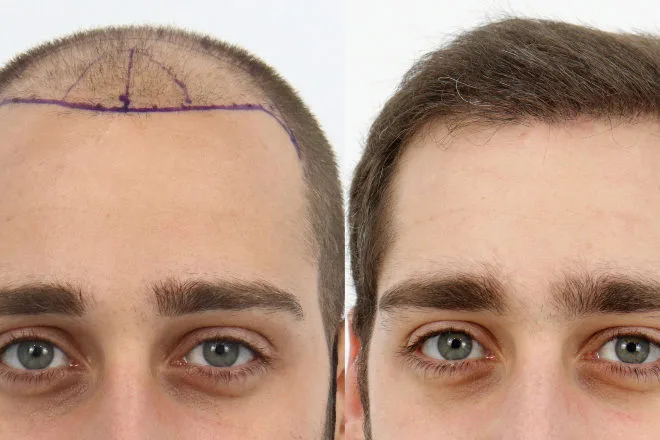
Solutions depend on the severity and cause of the hairline change. Early stages may respond to treatments like Minoxidil, while more advanced cases often require procedures such as Hair Transplant to restore a natural-looking hairline. A personalized approach helps achieve balanced and long-lasting results.

Read More

Spironolactone can help many women slow shedding and improve hair density, especially when thinning is linked to androgen sensitivity. Spironolactone for hair loss works by blocking the effects of hormones like DHT that can shrink follicles over time. It is often used for female pattern hair loss, particularly in women with hormonal acne, irregular periods, or conditions such as Polycystic ovary syndrome.

Results usually take several months, and it is often combined with treatments like topical minoxidil for better outcomes. Common side effects can include breast tenderness, menstrual changes, dizziness, fatigue, or increased urination. Because it can affect potassium levels and blood pressure, follow-up with a doctor is important. It is also not recommended during pregnancy because of potential risks to fetal development.

Read More

Menopause-related hair loss is mainly driven by hormonal changes, especially the decline in estrogen, which can lead to thinning and reduced hair density. An effective menopause hair loss treatment plan often includes Minoxidil (2% or 5%), along with medications like spironolactone to help balance hormone effects. In some cases, hormone replacement therapy (HRT) may also support hair regrowth by addressing the underlying imbalance.

Supportive care plays a key role in improving results and maintaining hair health. This includes using gentle, sulfate-free products, reducing heat styling, and ensuring proper intake of nutrients like iron, zinc, and Vitamin D. Combining medical and lifestyle approaches helps slow thinning and promote healthier hair over time.

Read More

Several medications can cause hair loss by disrupting the normal hair growth cycle or directly affecting the follicles. The issue behind meds-that-cause-hair-loss is often linked to conditions like Telogen Effluvium, where hair enters a resting phase and sheds prematurely, or anagen effluvium, where growth is halted during the active phase. Common triggers include chemotherapy drugs, blood thinners, retinoids, antidepressants, cholesterol-lowering medications, and treatments for high blood pressure.

The severity and pattern of hair loss depend on the type of medication and individual response. In many cases, shedding is temporary and improves after adjusting or stopping the medication under medical guidance. Identifying the cause early helps manage symptoms and supports hair regrowth.

Read More

Losing hair in your early 20s is more common than many expect and is often linked to genetics, stress, or hormonal changes. If you’re experiencing hair loss in your 20´s, early signs may include a receding hairline, thinning at the crown, or increased shedding beyond normal daily levels. The most frequent cause is Androgenetic Alopecia, which can begin earlier in individuals with a genetic predisposition.

Acting early makes a significant difference in slowing progression. Treatments like Minoxidil or Finasteride, along with lifestyle adjustments, can help preserve existing hair and improve density. Monitoring changes and starting treatment early increases the chances of maintaining long-term results.

Read More

Hair fall can often be reduced by improving scalp health, nutrition, and daily habits. Natural approaches to reducing hair fall include using oils like rosemary or coconut to support circulation, maintaining a protein-rich diet rich in nutrients such as iron, zinc, and vitamin D, and managing stress levels. Gentle hair care—such as avoiding tight hairstyles and limiting heat styling—can also help prevent unnecessary breakage.

Natural remedies such as onion juice, green tea rinses, or fenugreek masks may support healthier hair growth when used consistently. These methods focus on strengthening the hair and creating a better environment for growth. Results depend on the underlying cause, so consistency and proper care are key to seeing improvement.

Read More

Male pattern hair loss is extremely common, and the likelihood increases with age. If you’re wondering what percentage of men go bald, studies and long-term clinical data suggest that about two-thirds of men notice some degree of thinning by age 35, and up to 85% have significant thinning by age 50. Hair loss can start much earlier too, with roughly 25% of men with androgenetic alopecia seeing signs before age 21.

Not every man becomes completely bald, but visible recession, crown thinning, or reduced density affect most men over time. By age 60, around two-thirds of men have noticeable hair loss, though the pattern and severity vary based on genetics, hormones, ethnicity, and overall health. Early treatment can slow progression, which is why recognizing changes in the first stages matters.

Read More

Inflammation can directly cause hair loss by damaging or disrupting the normal function of hair follicles. The link between nflammation and hair loss involves immune responses triggered by autoimmune conditions, chronic stress, or scalp infections, which can reduce blood flow and oxygen to the scalp. This process may lead to premature shedding or, in more severe cases, permanent damage such as scarring alopecia.

Common symptoms include itching, burning, redness, or tenderness of the scalp, often signaling active inflammation. Conditions like Alopecia Areata or infections can drive this response. Treatment focuses on reducing inflammation and addressing the underlying cause to protect follicles and support regrowth.

Read More

Hair thinning in women in their 20s is often linked to stress, hormonal changes, or nutritional deficiencies. In cases of hair thinning in 20s female, common causes include conditions like Telogen Effluvium, early-stage pattern hair loss, or imbalances related to thyroid issues or PCOS. Signs usually appear as increased shedding, a wider part, or reduced overall volume.

Treatment focuses on identifying and correcting the underlying cause. This may include improving nutrition, managing stress, and using options like Minoxidil to support regrowth. Early intervention helps stabilize hair loss and improve long-term density.

Read More

The difference in hair thinning vs balding comes down to degree and pattern of hair loss. Thinning refers to a gradual reduction in hair density, strand thickness, and overall volume, often leading to more visible scalp but with hair still present. Balding, on the other hand, involves partial or complete loss of hair in specific areas, commonly following patterns seen in Androgenetic Alopecia.

Thinning is often influenced by factors like stress, nutrition, or temporary conditions and can sometimes be reversed. Balding is more commonly linked to genetics and hormonal sensitivity, making it progressive if untreated. Identifying which one you are experiencing helps determine the right approach for treatment and prevention.

Read More

Head pain and hair loss can be connected through shared triggers such as chronic stress, scalp inflammation, or underlying medical conditions. The link behind head-pain-and-hair-loss is often explained by Trichodynia, a condition where the scalp feels sore, burning, or tender alongside shedding. While most types of hair loss are painless, this added discomfort points to heightened sensitivity or irritation in the scalp.

In some cases, tension headaches, nerve sensitivity, or inflammatory scalp disorders may contribute to both symptoms. Identifying the root cause is key, as treatment may involve managing stress, reducing inflammation, or addressing a specific condition. Early evaluation helps prevent ongoing discomfort and supports healthier hair recovery.

Read More

Bald repair usually involves a combination of medical treatments, procedures, and lifestyle changes aimed at restoring hair or improving density. Common options include topical minoxidil and oral finasteride, which can help slow hair loss and support regrowth. These treatments tend to work best in the early stages, when the hair follicles are still active.

For more advanced thinning or defined bald spots, procedures like Hair Transplant can provide permanent coverage by relocating healthy follicles. Additional support may include low-level laser therapy and improving nutrition or stress management. A personalized plan based on the cause and stage of hair loss leads to the most effective results.

Read More

Vitamin D can support hair growth, but it helps most when a true deficiency is affecting the hair cycle. When people talk about the best Vitamin D for Hair Loss usually refers to vitamin D3, which is the form most commonly used to raise blood levels and support follicle function. Vitamin D plays a role in follicle cycling and new hair growth, so low levels may contribute to diffuse shedding or slower regrowth.

For people with confirmed deficiency, Vitamin D3 is often recommended because it is well absorbed and effective at restoring levels. Daily doses often range from 2,000 to 5,000 IU depending on blood work and medical guidance, though needs vary. Some products combine D3 with K2, which may support calcium balance, but the key is correcting the deficiency safely. Taking vitamin D without testing first may not help hair loss if another cause is driving the shedding.

Read More

There is no universal bald head cure that works for every type of hair loss, but several treatments can slow, stop, or partially reverse it. The idea of a bald head cure is often approached with proven options like Minoxidil and Finasteride, which help preserve existing hair and improve density in many cases. These treatments are most effective when started early and used consistently.

More advanced solutions include hair transplants for permanent restoration, along with emerging therapies such as stem cell research and hair cloning that are still under development. While these innovations show promise, they are not yet widely available or fully established. Managing expectations and choosing the right treatment plan remains key to achieving the best results.

Read More

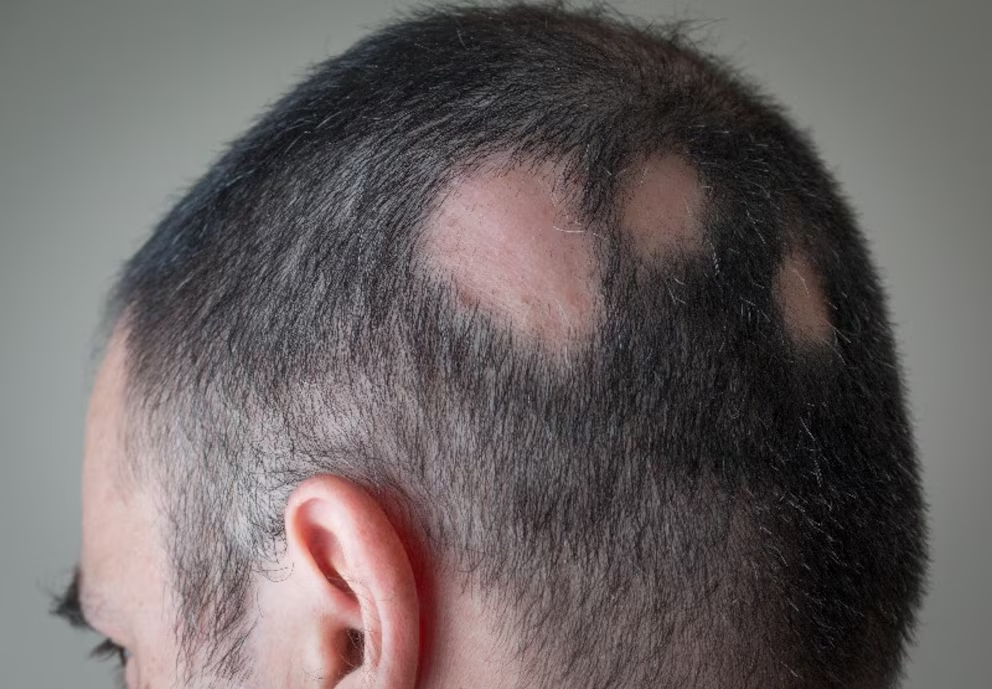
Bald patches on the scalp are most commonly caused by Alopecia Areata, where the immune system attacks hair follicles and leads to sudden, round areas of hair loss. The issue behind bald-head-patches can also involve other factors such as fungal infections, stress-related shedding, or traction from tight hairstyles. These patches may vary in size and appear quickly, often without pain but sometimes with mild itching or tingling.

In many cases, the condition is temporary, and hair can regrow once the underlying cause is managed. Treatment depends on the diagnosis and may include topical therapies, medications, or addressing triggers like stress or scalp infections. Early evaluation helps determine the cause and improves the chances of successful regrowth.

Read More

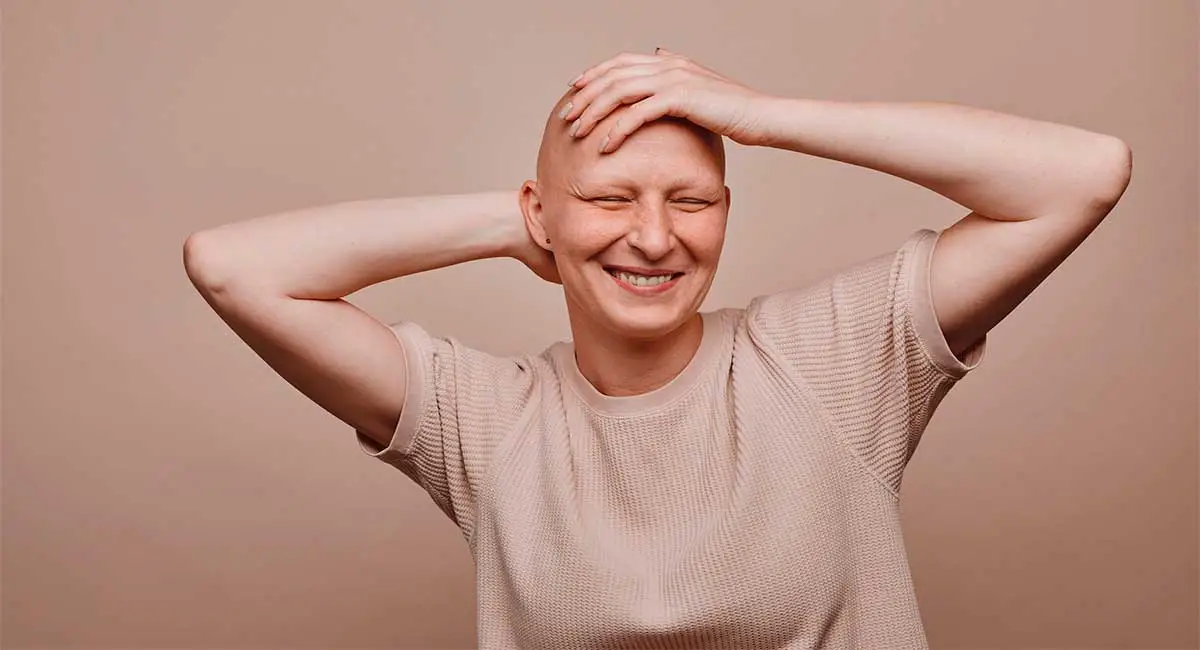
A bald female experience can result from medical conditions, lifestyle choices, or personal expression. Common causes include Alopecia Areata, hormonal changes, medical treatments, or genetic hair loss, each requiring a different approach to care. Treatment options may involve medications, scalp therapies, or procedures depending on the cause and stage of hair loss.

Confidence plays a central role in how this experience is perceived and managed. Some women choose treatments to restore hair, while others embrace baldness as part of their identity. Both paths are valid, with the focus shifting toward comfort, self-image, and informed decision-making.

Read More

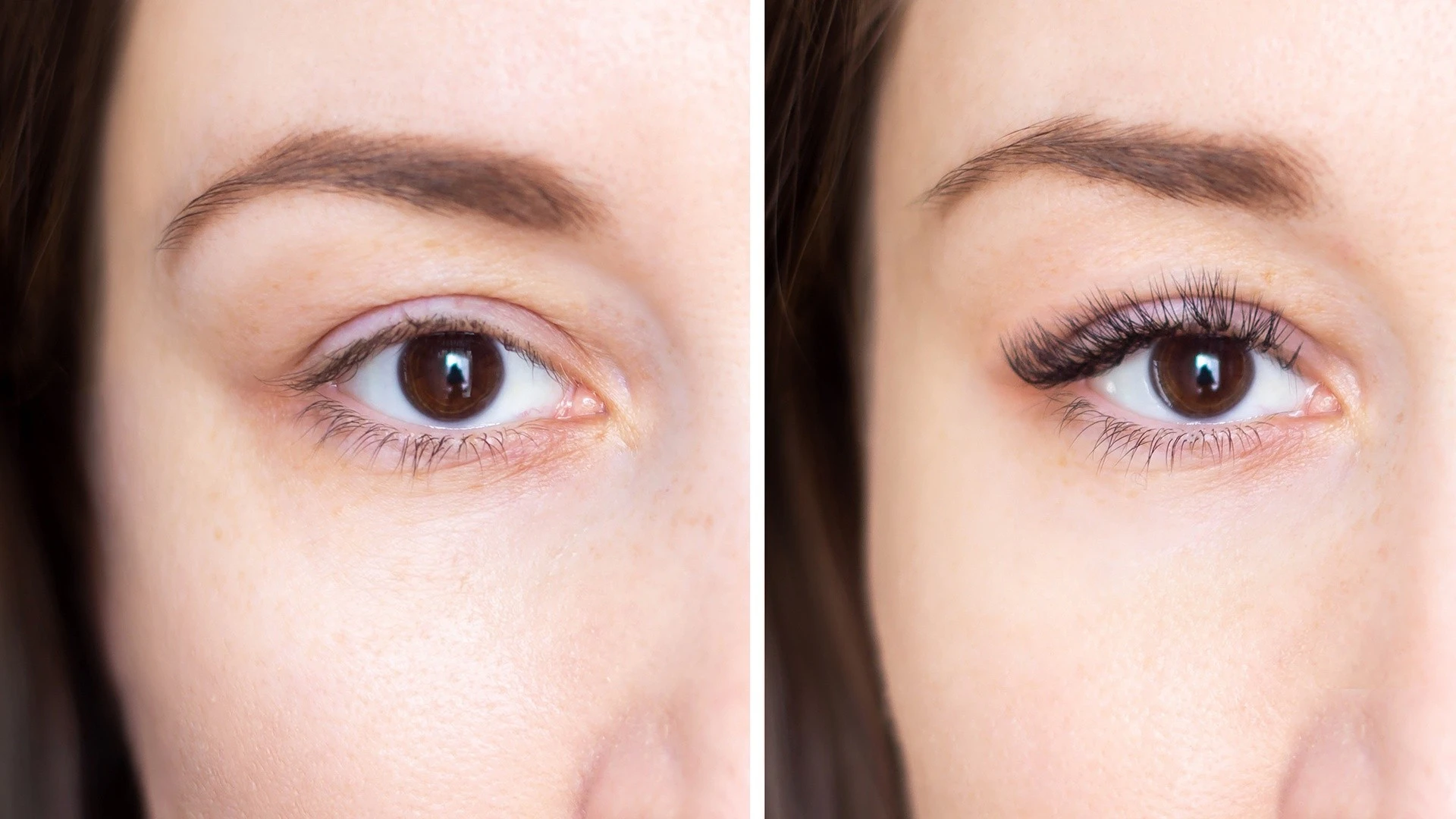
Alopecia areata universalis is the most severe form of autoimmune hair loss, causing complete loss of hair on the scalp and entire body. In alopecia areata universalis, the immune system attacks hair follicles, leading to the loss of eyebrows, eyelashes, and even nasal hair. This condition is rare and represents an advanced stage of Alopecia Areata.

There is currently no permanent cure, but treatments aim to control the immune response and encourage regrowth. Options may include corticosteroids and newer therapies like JAK inhibitors, which have shown promising results in some cases. Response to treatment varies, and ongoing management is often required.

Read More

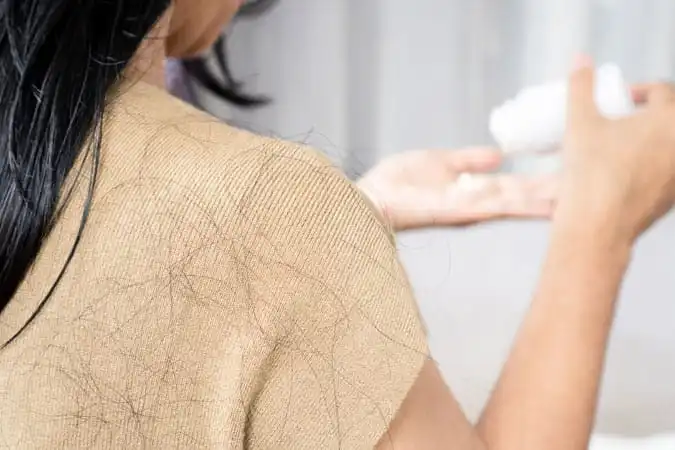
Reducing excessive shedding starts with identifying and addressing the underlying cause. Helpful strategies include managing stress, improving your diet with key nutrients like iron, zinc, and biotin, and adopting gentle hair care habits—such as avoiding tight hairstyles and limiting heat styling. Keeping the scalp clean and balanced can also support a healthier hair growth cycle.

In cases linked to Telogen Effluvium, shedding often improves once the body stabilizes. Additional support may include natural options like rosemary oil or medical treatments such as Minoxidil when needed. Consistency in care and patience are important, as regrowth typically takes several months.

Read More

Yes, antibiotics can cause temporary hair loss, although this side effect is uncommon. The link behind can-antibiotics-make-you-lose-your-hair is usually related to Telogen Effluvium, where physical stress from infection or medication pushes hair follicles into a resting phase, leading to increased shedding. This type of hair loss is not caused by direct damage to the follicles.

In most cases, hair begins to regrow within 3 to 4 months after the medication is stopped and the body recovers. The shedding is typically reversible and does not lead to permanent thinning. Supporting overall health during recovery can help restore normal hair growth more quickly.

Read More

Alopecia caused by fungal infection is a contagious scalp condition known as Tinea Capitis, where dermatophyte fungi invade the hair shaft and follicles. The issue behind alopecia-fungal-infection typically presents as patchy hair loss, itching, redness, and scaling, and it is more common in children but can affect adults as well. In some cases, inflamed areas may develop, leading to more noticeable shedding if not treated early.

Treatment focuses on eliminating the infection with oral antifungal medications such as Terbinafine or Griseofulvin, often combined with medicated shampoos to reduce spread. Early diagnosis is key to preventing permanent damage to the follicles. With proper treatment, hair typically regrows once the infection is fully resolved.

Read More

No, in most cases you cannot have a hair transplant using someone else’s hair. This is because your immune system recognizes those follicles as foreign and rejects them. As a result, the transplant would fail and could also increase the risk of infection or complications.

The only known exception is between identical twins, who share the same genetic makeup. Because of this limitation, hair transplants rely on your own donor areas, typically using techniques like Follicular Unit Extraction. This ensures the follicles are accepted and can grow normally after transplantation.

Read More

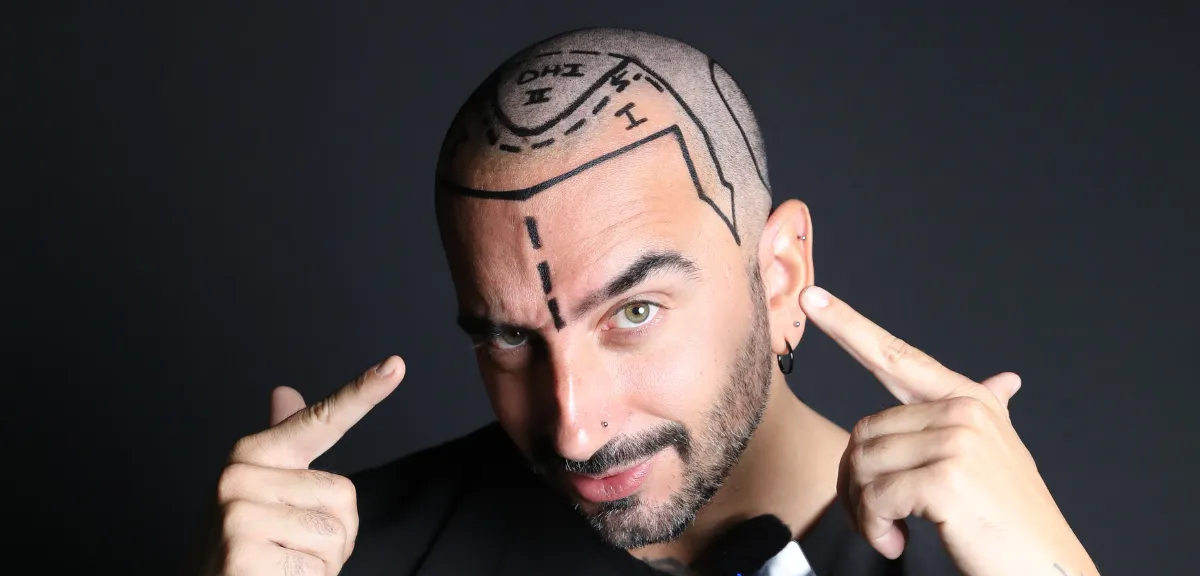
A Bangkok hair transplant is a popular option for patients seeking advanced techniques at lower costs compared to Western countries. The appeal of a bangkok hair transplant comes from access to procedures like Follicular Unit Extraction (FUE) and DHI, often priced 60–75% lower than in the U.S. or Australia. Clinics in Bangkok are known for offering modern equipment and experienced surgeons in a well-established medical tourism market.

Patients can expect similar recovery timelines and results as in other countries, with visible growth starting after a few months and full outcomes developing over 12 to 18 months. Costs vary based on graft count, clinic reputation, and technique used. Careful research and choosing a qualified provider are key to achieving safe and natural-looking results.

Read More

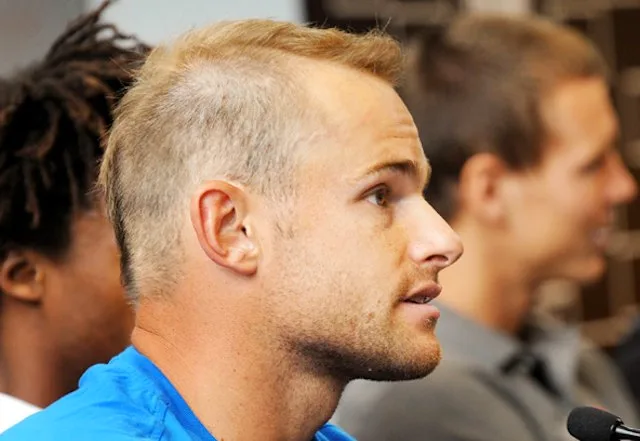
Andy Roddick has not publicly confirmed undergoing a hair transplant, despite ongoing speculation about changes in his hairline over the years. The discussion around andy roddick hair transplant is based on visible differences after his retirement, when some observers noted thinning patterns consistent with Androgenetic Alopecia. These observations have led to assumptions, but no verified medical details have been shared.

If a procedure were performed, it would likely involve techniques such as Follicular Unit Extraction, which is commonly used to restore density in the hairline. Costs for similar procedures typically range from $5,000 to $15,000 depending on graft count and clinic expertise. Without confirmation, the topic remains speculative rather than factual.

Read More

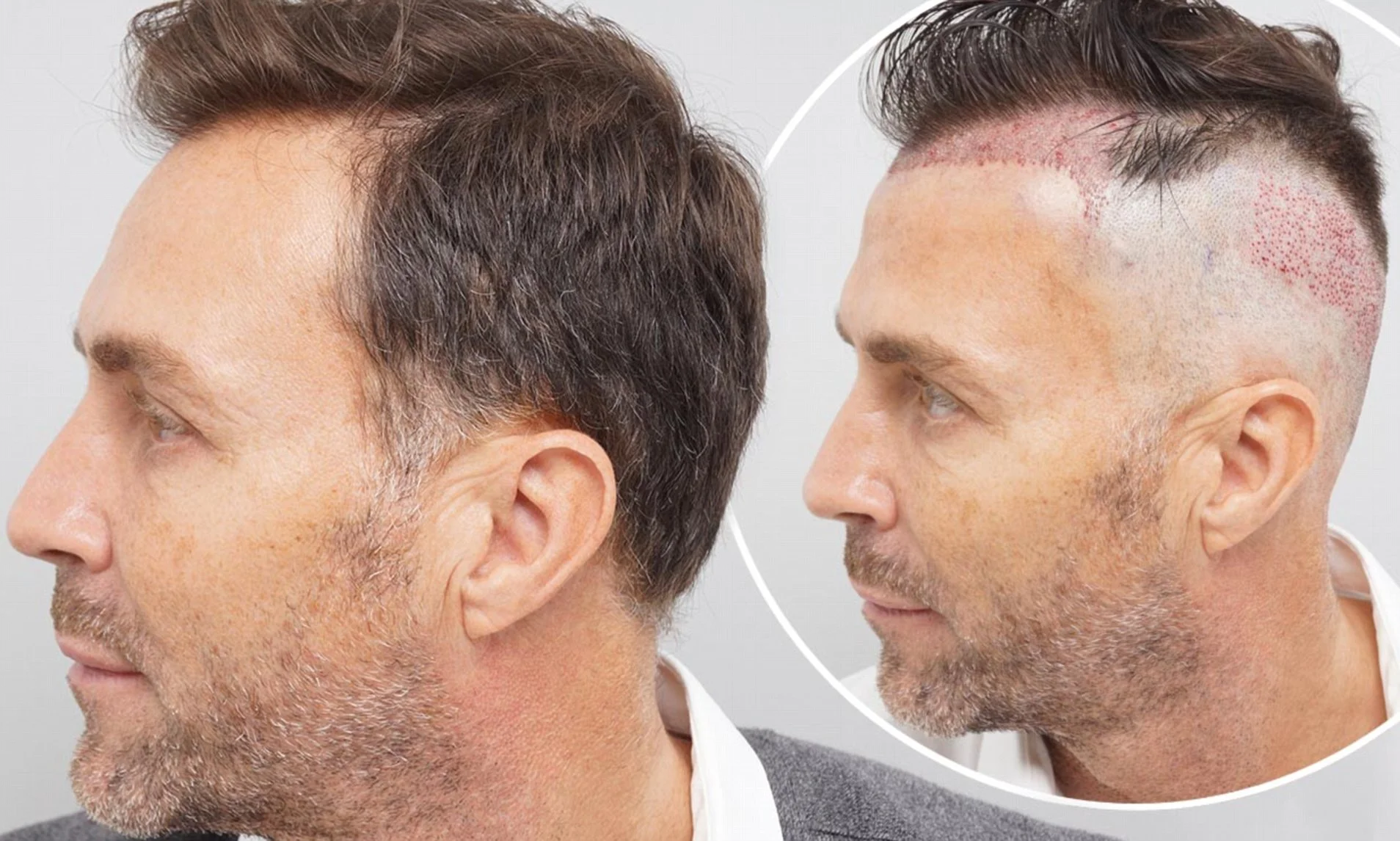
A temple hair transplant is a specialized procedure designed to restore hair in the front corners of the hairline where recession commonly occurs. In hair transplant temples, surgeons carefully place grafts to recreate natural angles and density, which helps frame the face and produce a more balanced appearance. This area requires precision because the direction and pattern of hair growth are more complex than other regions.

The procedure is typically performed using Follicular Unit Extraction (FUE), allowing for detailed placement and minimal scarring. Results develop gradually, with new growth appearing after a few months and full density forming over time. Proper design and technique are key to achieving natural-looking outcomes in the temple area.

Read More

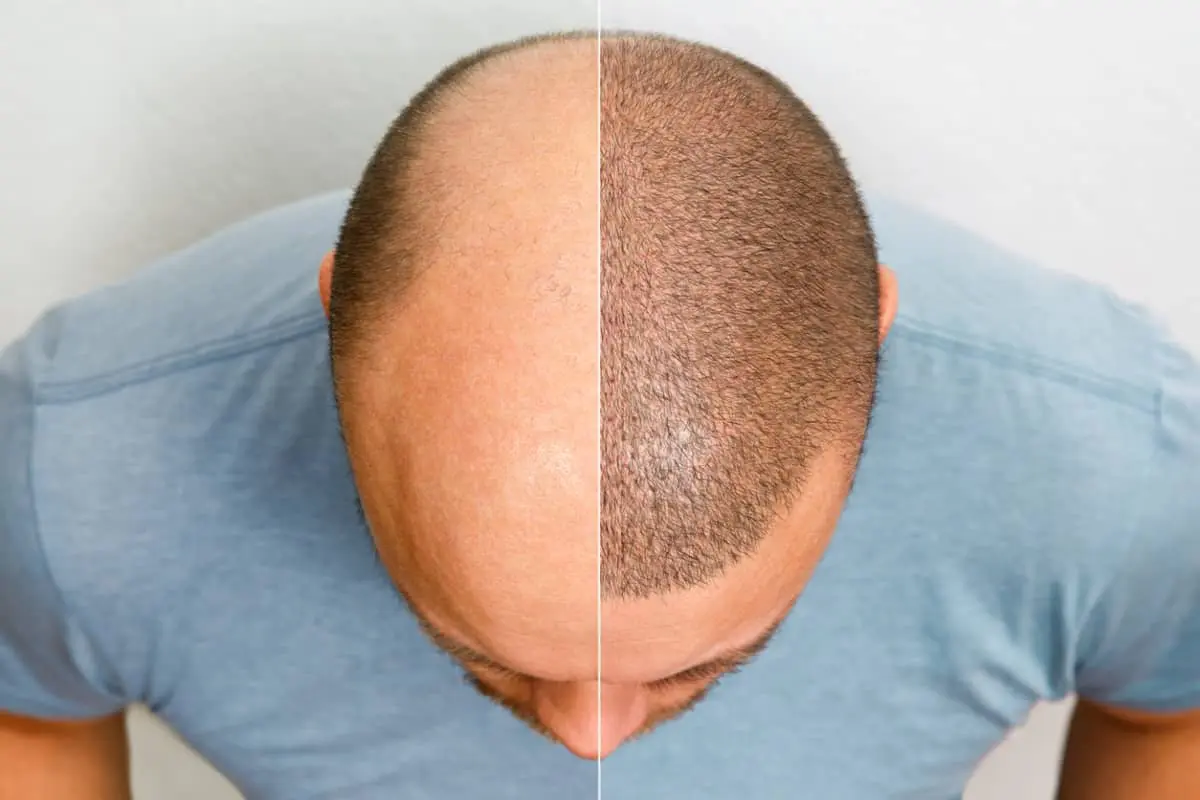
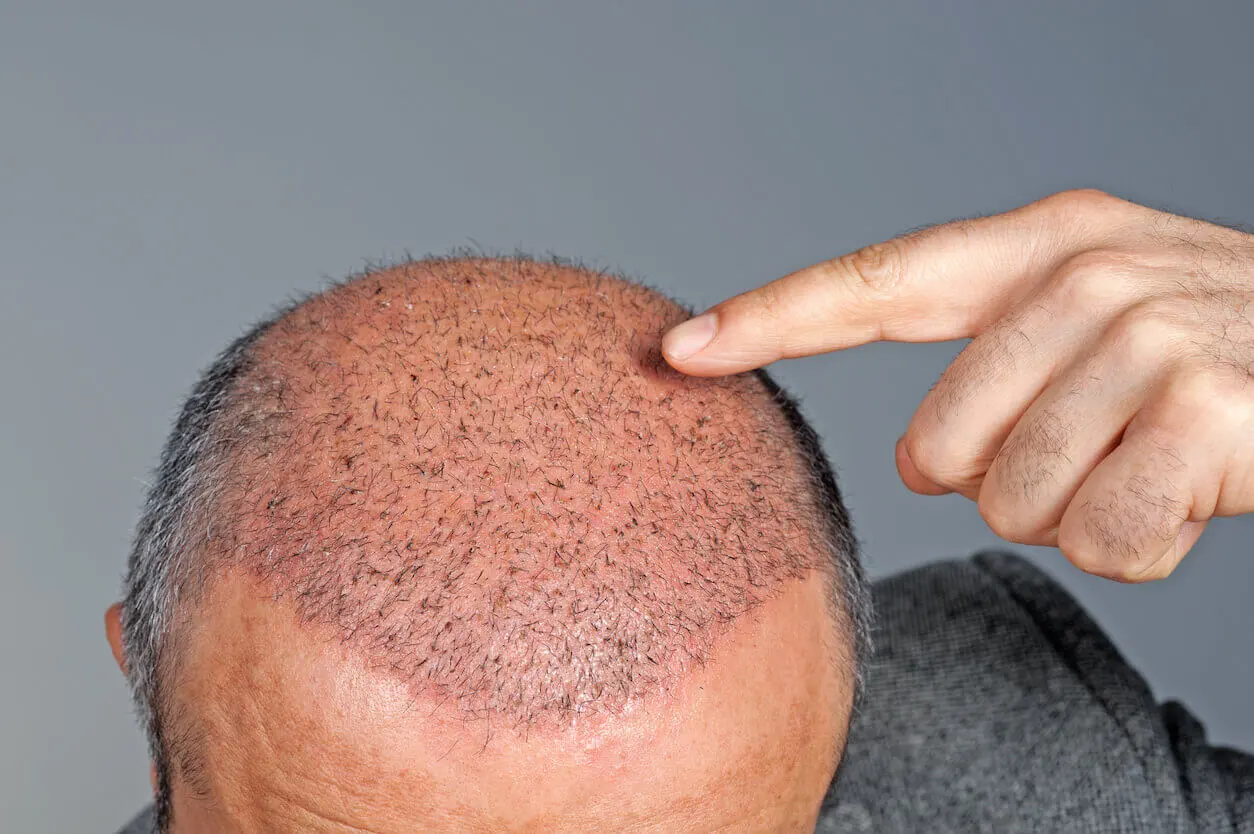
A hair transplant on a completely bald head is usually not possible without a sufficient donor area. The concept of a bald hair transplant depends on having enough healthy follicles, typically from the back or sides of the scalp, to redistribute into thinning or bald areas. If donor hair is limited but still present, a transplant can be performed, though coverage may be partial and require multiple sessions.

In some cases, body hair from areas like the beard may be used to add density. Procedures are commonly done using Follicular Unit Extraction, which allows extraction from different donor sources. The final result depends heavily on donor availability, hair characteristics, and realistic expectations.

Read More