
At Kopelman Hair, we know how thinning affects both confidence and well-being. With decades of experience, our clinic offers advanced care to slow shedding and restore density.
This guide shares effective solutions for thinning hair and explains what to do at every stage.
Key Takeaways
- Shedding can be slowed with treatments such as Minoxidil, Finasteride, and low-level laser therapy.
- Healthy habits like balanced nutrition, stress control, and scalp care support stronger, fuller growth.
- Side effects can occur with medications, so medical guidance is important.
- Hair transplant surgery is an option for advanced cases.
- Results often take several months of consistent use.
Immediate and Short-Term Solutions
How to Stop Hair Fall Immediately
You cannot regrow strands overnight, but you can quickly reduce breakage and shedding. Switch to a mild, sulfate-free shampoo, skip heat styling, and limit harsh chemical treatments. A gentle scalp massage for a few minutes a day may improve blood flow to the follicles and ease tension that contributes to hair loss.
Detangle with a wide-tooth comb rather than a brush when wet, since wet strands snap more easily. Loosen tight ponytails, buns, and braids that pull at the roots. These steps will not reverse genetic balding, but they protect what you have while a longer-term plan takes effect.
Broader Ways to Reduce Shedding
Daily routine has a real effect on preventing hair loss from getting worse. Keep the scalp clean and balanced, condition the mid-lengths and ends rather than the roots, and avoid styles that strain the hairline. A clean, well-circulated scalp gives new growth a healthier base.
These habits protect existing strands and support the follicles against everyday damage. Many people also ask whether wearing a hat causes balding; dermatologists agree it does not, as long as the hat is not so tight that it pulls on the roots for extended periods.
Causes and Types of Balding
Genetic and Hormonal Factors
Hereditary balding, also called androgenic alopecia or androgenetic alopecia, is the most common cause of thinning and affects an estimated 80 million adults in the United States, according to the American Academy of Dermatology. The hormone DHT shrinks follicles over time, and a family history raises the risk.
As follicles miniaturize, each new strand grows finer and shorter until some follicles stop producing altogether. Knowing whether genetics or hormones are driving the change helps a clinician choose the right treatment and set realistic expectations.
How to Stop Balding in Men
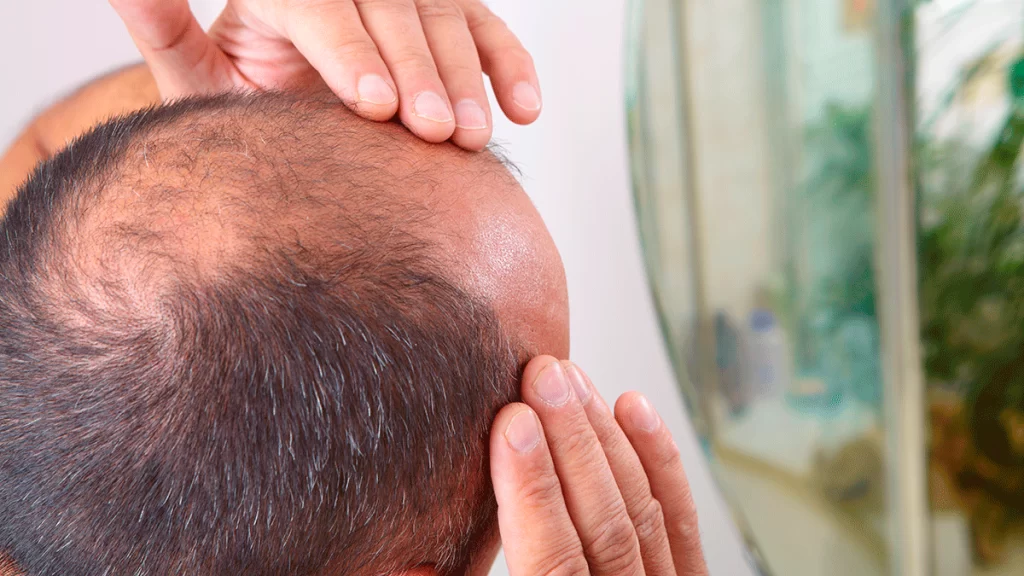
Male pattern baldness often begins with a receding hairline. Minoxidil or Finasteride may slow the loss. Early treatment improves results.
How to Stop Balding in Females
Male pattern balding usually starts with a receding hairline or a thinning crown. Early use of Minoxidil or Finasteride can slow the process and, in many cases, regrow some density. The sooner treatment begins, the more follicles remain active enough to respond, which is why early action improves results.
How to Stop Balding in Females
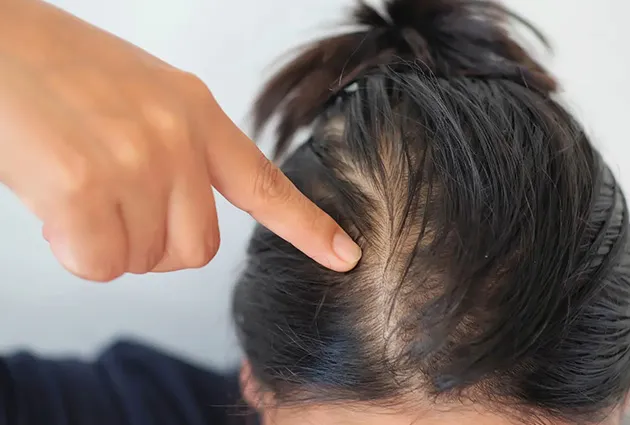
Women more often see diffuse thinning across the top of the scalp rather than a receding hairline. Causes can include hormonal imbalances, stress, thyroid conditions, or nutritional deficiencies. A clinician will rule out conditions such as alopecia areata, telogen effluvium, or female pattern thinning, which is a common cause of shedding in women.
Because the underlying cause varies widely among women, a proper diagnosis matters before starting any regimen. Topical Minoxidil is FDA-approved for women, while options such as spironolactone are sometimes prescribed for hormone-related cases.
How to Stop Balding at a Young Age
When thinning starts in the late teens or twenties, the cause is often genetics, but stress and medical conditions can also play a part. Treatments such as Minoxidil, Finasteride, or laser therapy can slow hair loss and support long-term hair strength. Early care protects the follicles and helps preserve density before damage becomes permanent.
Medical Treatments for Balding
Medications (Minoxidil and Finasteride)
These are the most-researched thinning-hair solutions, and both appear in mainstream clinical guidance. Minoxidil is a topical that increases blood flow to the follicle and extends the growth phase. It comes as a liquid, foam, or shampoo; women typically apply it once daily and men twice daily, and it usually takes at least six months of steady use before you can judge results.
Finasteride is a prescription oral medication for men that lowers DHT, the hormone behind genetic shedding. Many men experience slower loss and some regrowth, though it may be less effective after age 60. It must be used continuously to keep the benefit, and women who are or may become pregnant should not handle broken tablets. These details are summarized in the FDA prescribing information.
Newer options have widened the toolkit. Low-dose oral Minoxidil, long used to treat high blood pressure, is now prescribed off-label for thinning hair and can help people who do not respond to or tolerate the topical form. Spironolactone is anoth
Low-Level Laser Therapy
Laser therapy uses low-level light to stimulate the scalp and may thicken individual strands. The FDA has cleared several at-home laser combs and caps for pattern thinning in men and women. Small studies suggest improved density with regular use, though long-term evidence is still developing, so it works best as part of a broader plan rather than on its own.
Platelet Rich Plasma Therapy
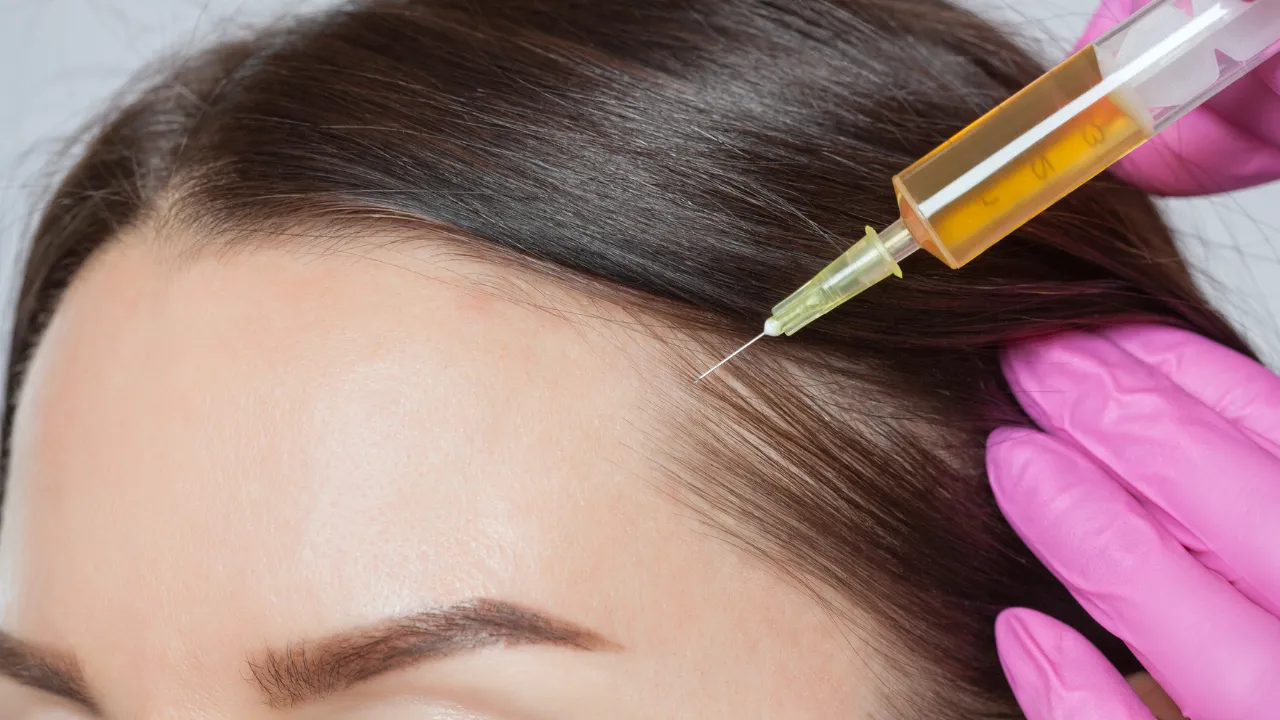
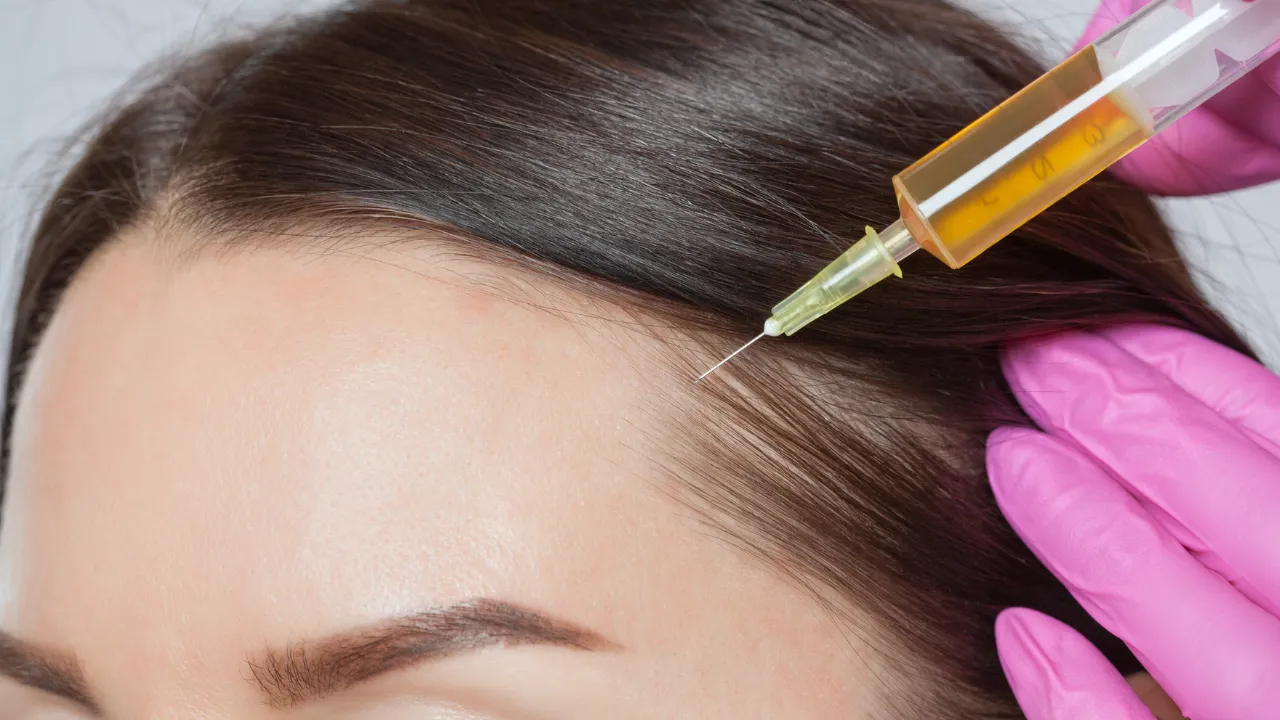
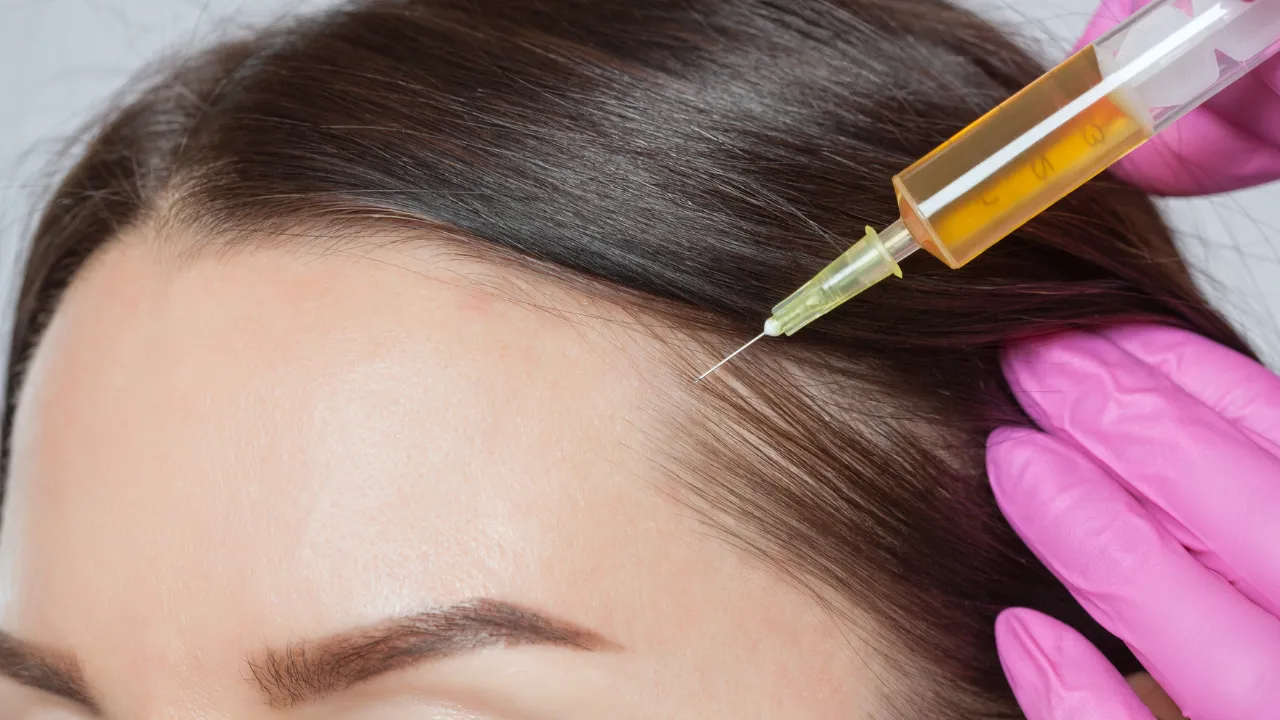
PRP therapy uses a concentrated portion of your own blood, which is processed and injected into the scalp to support follicle health. Sessions typically run several hundred to over a thousand dollars each and are usually repeated monthly for about three months, with annual touch-ups. Results vary, and PRP tends to work best combined with medication.
Side Effects and Safety
Minoxidil can cause scalp irritation or unwanted growth on nearby skin, while Finasteride may affect hormones and, rarely, sexual function. Oral Minoxidil can raise the chance of body-wide growth or, uncommonly, heart palpitations and low blood pressure.
Laser therapy is generally safe but may cause mild redness. A clinician tailors the regimen and watches for problems, which is why supervision is recommended.
Natural and Lifestyle Approaches
How to Slow Balding Naturally
Gentle handling, less heat styling, and scalp protection reduce daily breakage. These steps cannot reverse genetic balding on their own, but they support healthier growth and slow the rate of shedding.
Think of them as the foundation that makes medical treatment more effective.
Nutrition and Foods That Support Hair Health
Poor nutrition can worsen shedding, so diet is a practical place to start. Build meals around protein, iron, and vitamin D, with foods like eggs, fish, spinach, and lentils.
A balanced plate strengthens each strand and feeds the follicle. Supplements are popular, but evidence that they regrow strands is limited, so check with a clinician before adding them, especially if you take other medications.
Stress and Scalp Care
Physical and emotional stress can push more follicles into the shedding phase. Regular exercise, steady sleep, and a short daily scalp massage help reduce stress and create a healthier foundation for growth. These small, consistent changes also improve how well your strands hold up to daily wear.
Regrowth and Reversal
Can Thinning Strands Grow Back?
Regrowth is possible when treatment starts early, while follicles are still active. Medications and in-office procedures help in many cases, but follicles that have gone dormant for a long time may not recover, which can make some loss permanent. This is the central reason clinicians stress acting at the first signs of thinning.
How Do I Reverse My Balding?
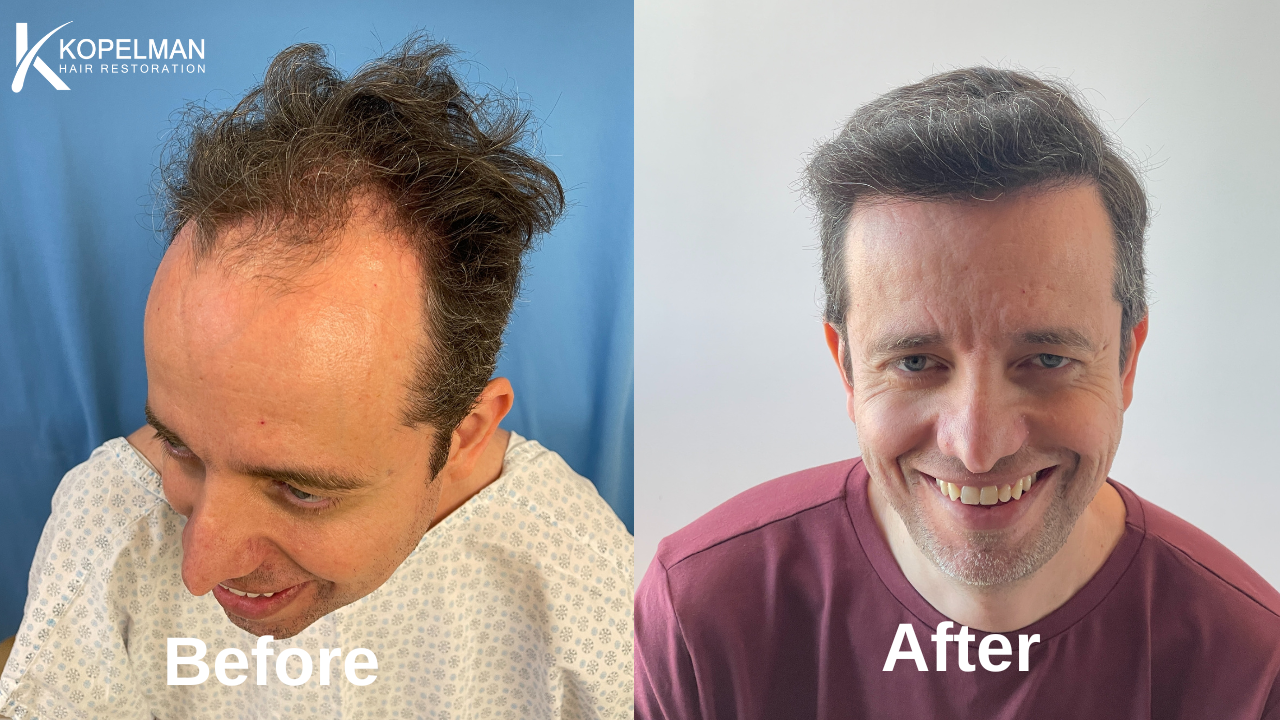
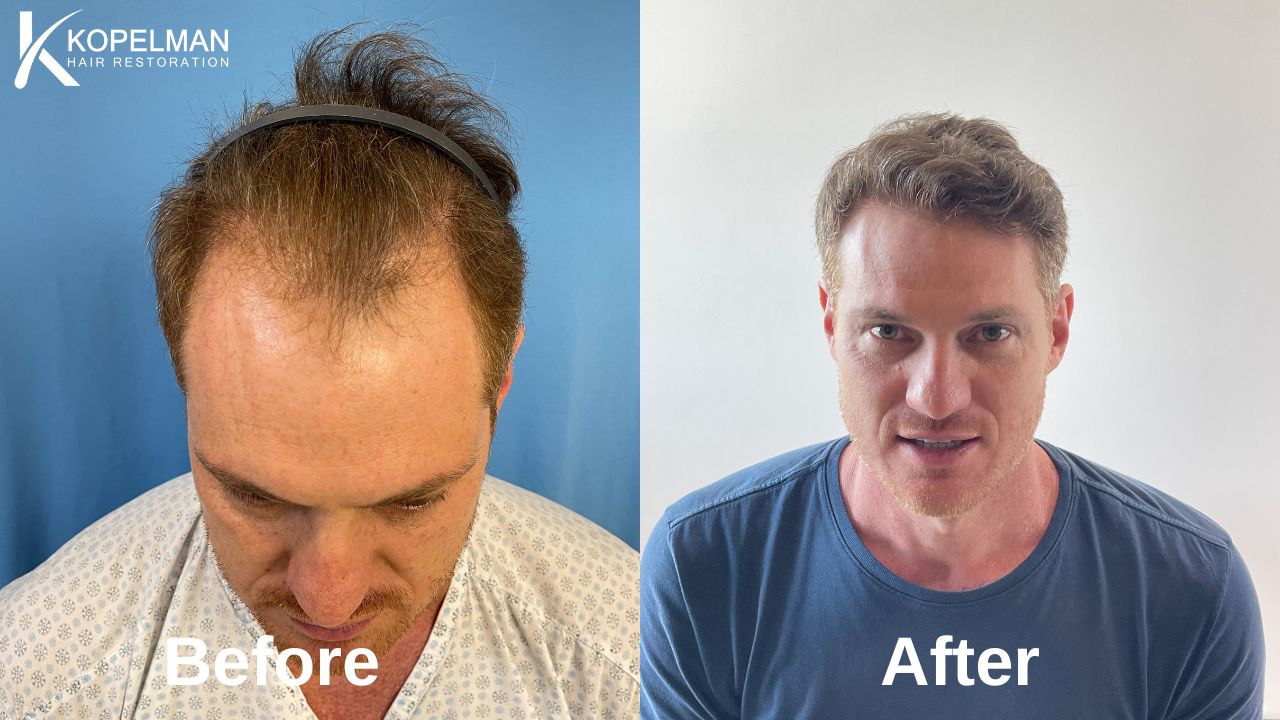
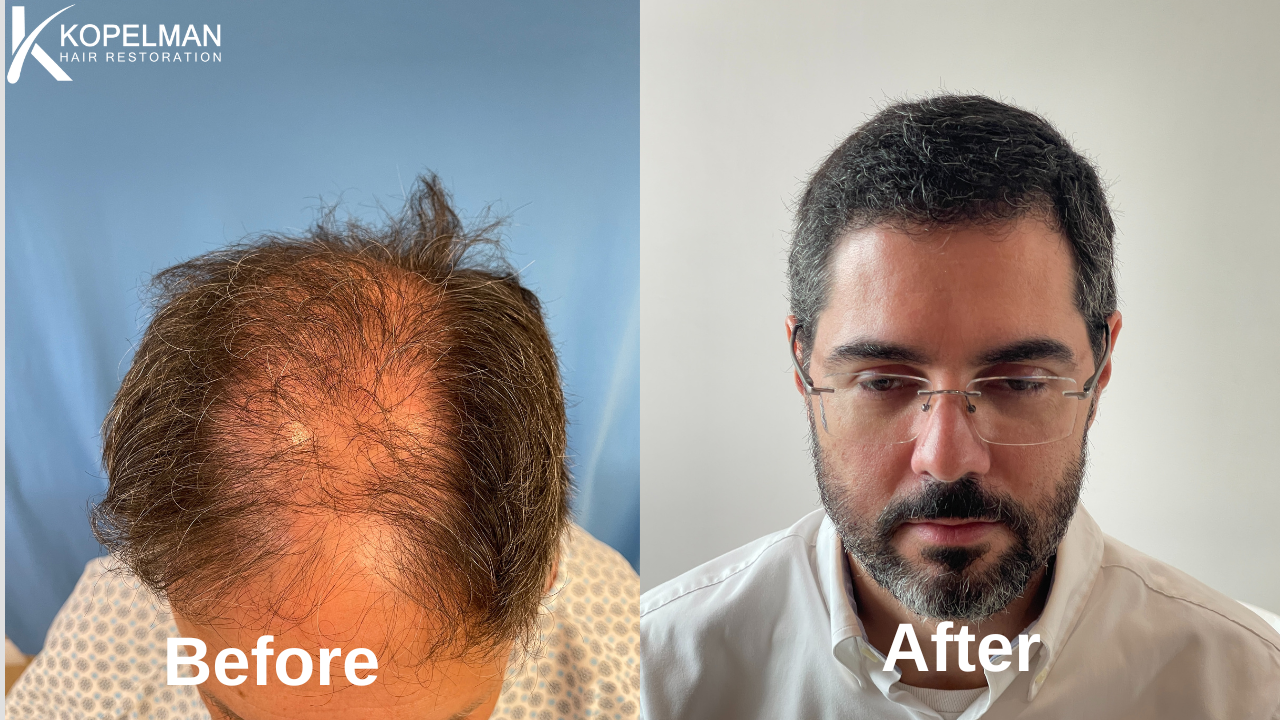
Combining approaches usually works better than relying on a single approach. Medication, laser therapy, PRP, and, where appropriate, surgery can each contribute to restoring density.
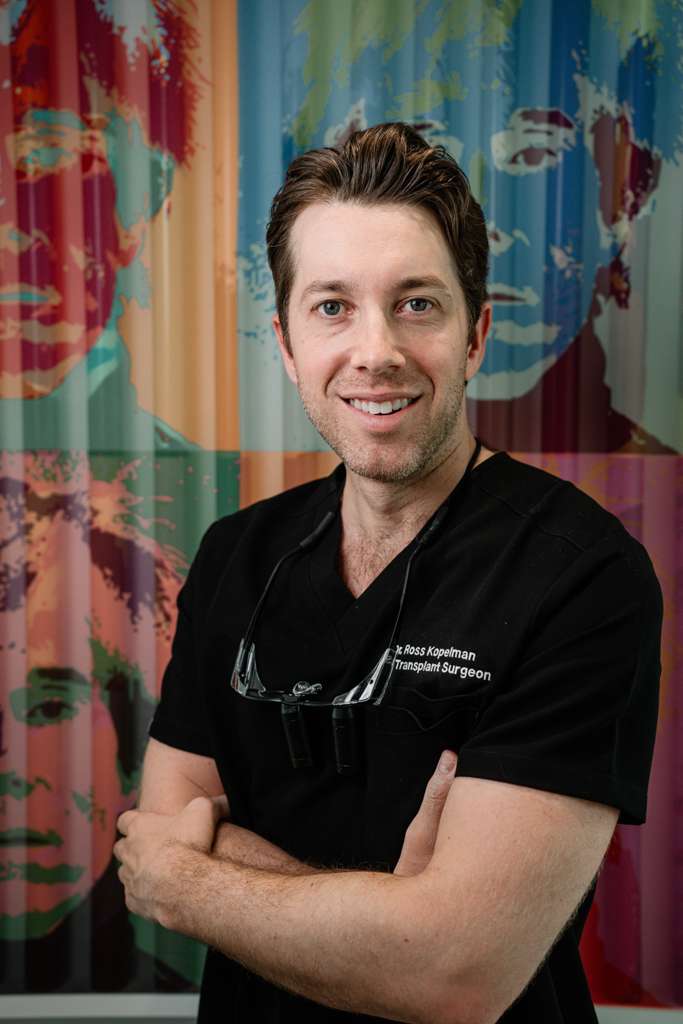
At Kopelman Hair, Dr. Kopelman develops a plan tailored to your specific pattern and uses advanced transplant techniques to deliver lasting results.
When to Consider Hair Transplant Surgery
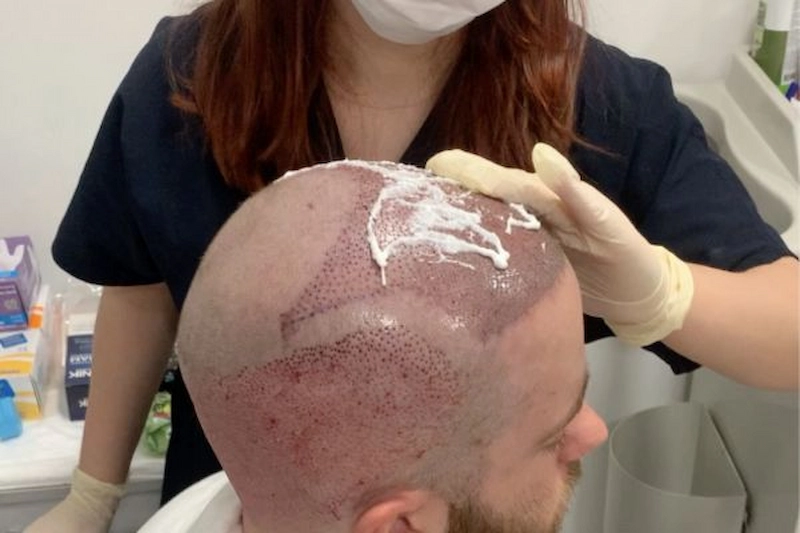
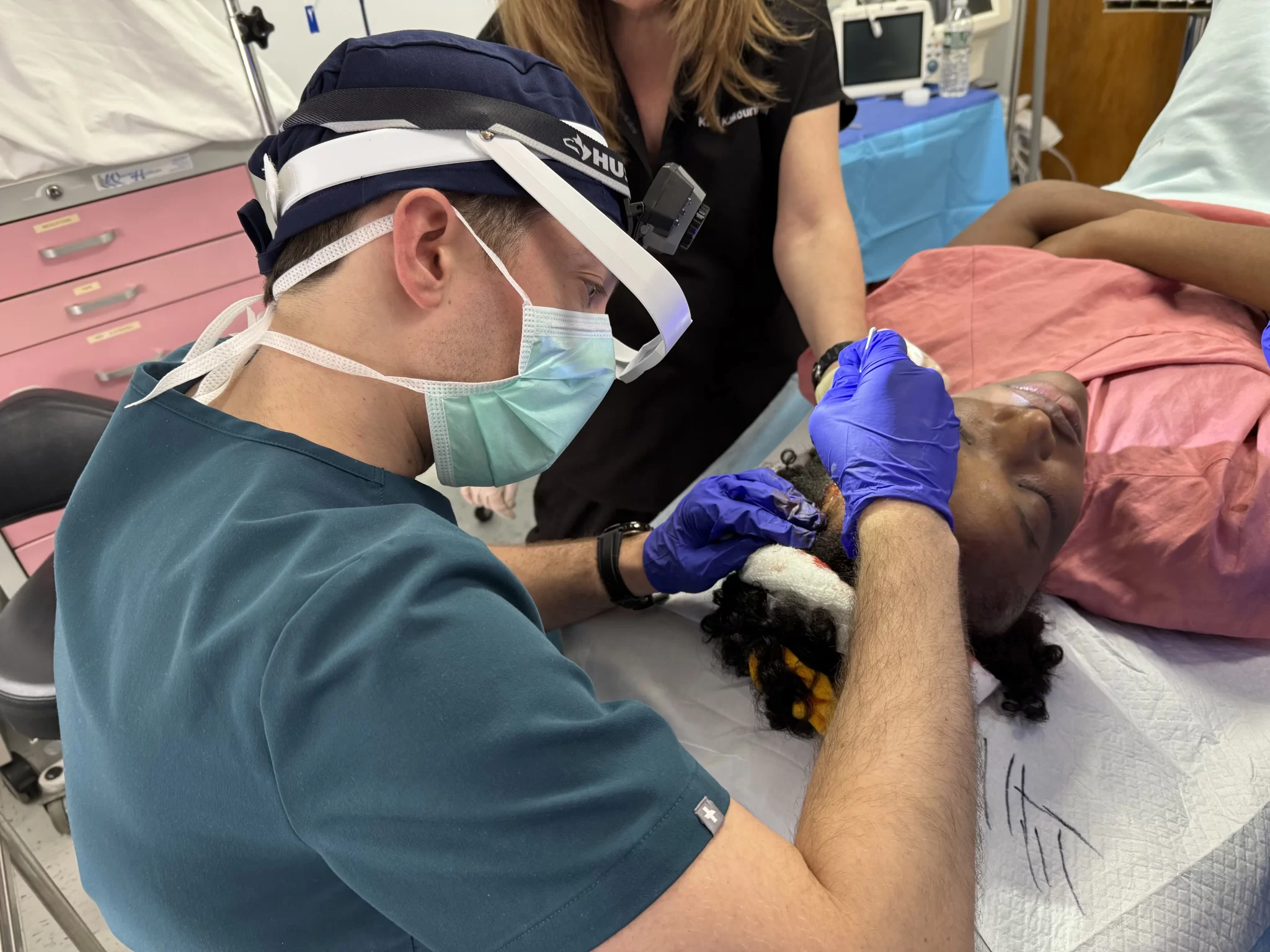
For advanced thinning, FUE moves healthy follicles from a donor area into the thinning zones. The procedure is performed in-office, may require more than one session to achieve the look you want, and is generally not covered by insurance. At Kopelman Hair, Dr. Kopelman performs each transplant with precision and natural hairline design.
Who Is a Good Candidate?
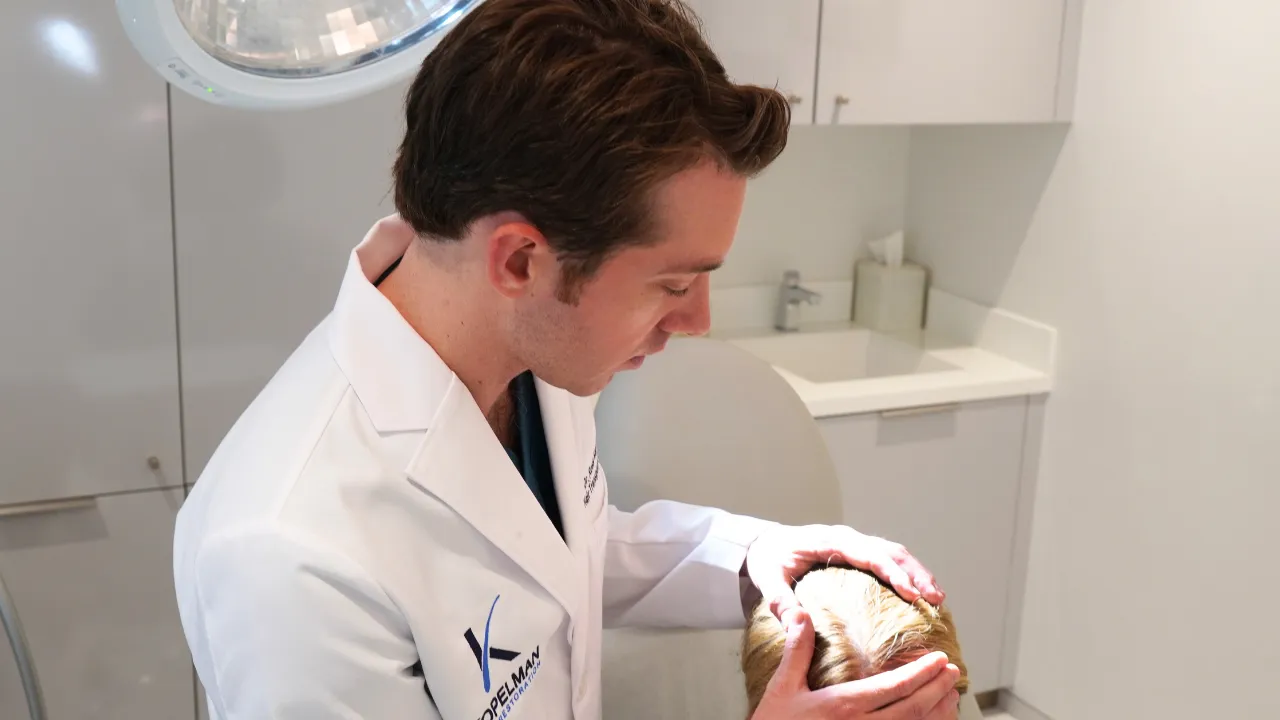
The best candidates have a stable shedding rate and sufficient donor density for redistribution. A scalp exam and medical review help determine whether surgery is the right step or medication should come first.
Because inherited balding can continue to progress, a clinician will also plan how to protect the surrounding strands after the transplant.
Long-Term Hair Loss Management
What Are the Big 3 for Thinning Hair?
The widely discussed “big 3” are Minoxidil, Finasteride, and laser therapy. Used together and consistently, they target growth and DHT from different angles, which is why many people combine them to slow thinning and preserve density. They are maintenance tools, so the benefit lasts only as long as you keep using them.
Reducing Shedding With Healthy Habits
Day-to-day choices reinforce whatever treatment you are on. Shield the scalp from sun exposure, skip harsh chemical services, keep the scalp hydrated, and manage stress and sleep.
None of these replaces medical care, but together they create the conditions that help treatment work and keep new growth strong.
Diagnosis and Expectations
How Doctors Diagnose Thinning
A clinician usually starts with a scalp exam and a review of your medical and family history. From there, common tests include blood work to check thyroid function and iron levels, a gentle pull test to gauge the shedding stage, and sometimes a scalp biopsy or light microscopy to examine the follicle and strand.
These steps confirm whether you have androgenetic alopecia, telogen effluvium, or another condition.
When to See a Specialist
See a dermatologist or hair-restoration specialist if shedding continues, comes on suddenly, appears in patches, or is paired with scalp burning, itching, or irritation.
The earlier you are evaluated, the more options you have, since a specialist can rule out medical causes and start treatment while follicles remain active.
Expected Results and Timelines
Results depend on the cause. Some see changes in months, others take longer.
- Minoxidil: 3–6 months
- Finasteride: 6–12 months
- Laser therapy: 4–6 months of regular sessions
Balding can feel discouraging, but safe treatments and healthy habits can help. With the right plan, patients can protect their hair and confidence.
Kopelman Hair provides expert care and advanced options for every stage of hair restoration. Schedule a consultation with Dr. Kopelman today to discuss the best treatment for your needs.