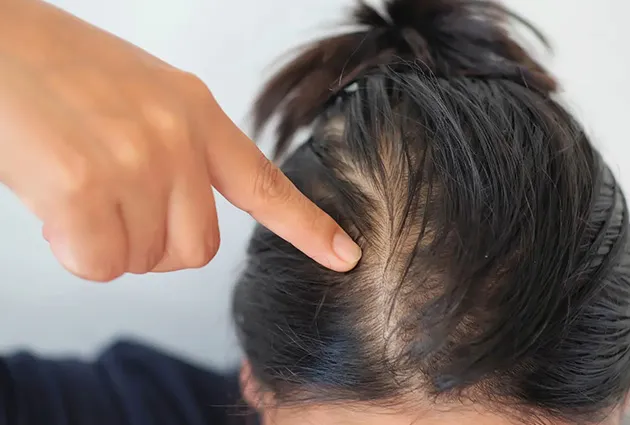
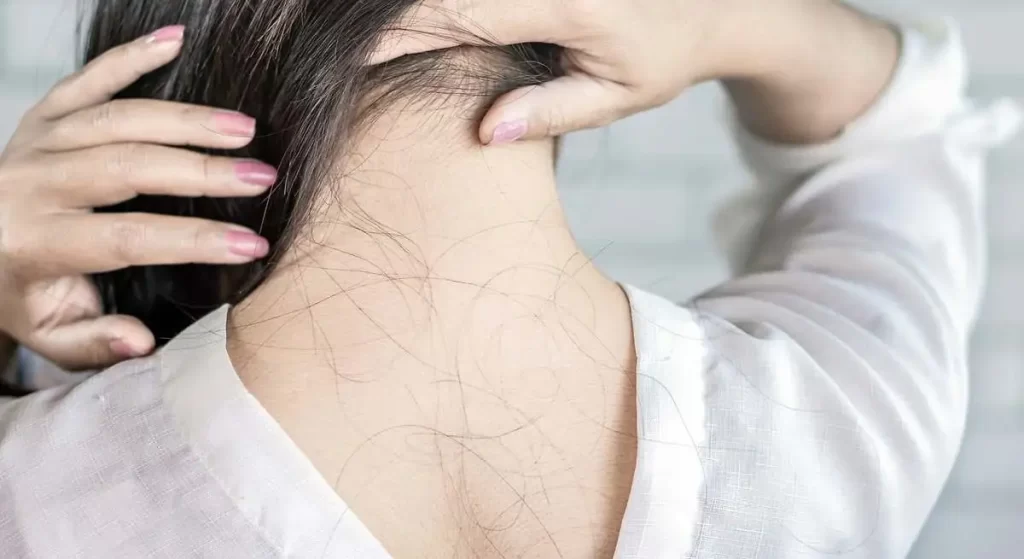
Drug-induced alopecia happens when a medication interrupts the follicle growth cycle. It may show up as diffuse thinning across the scalp or as sudden, dramatic shedding, depending on which phase of the cycle the drug disrupts.
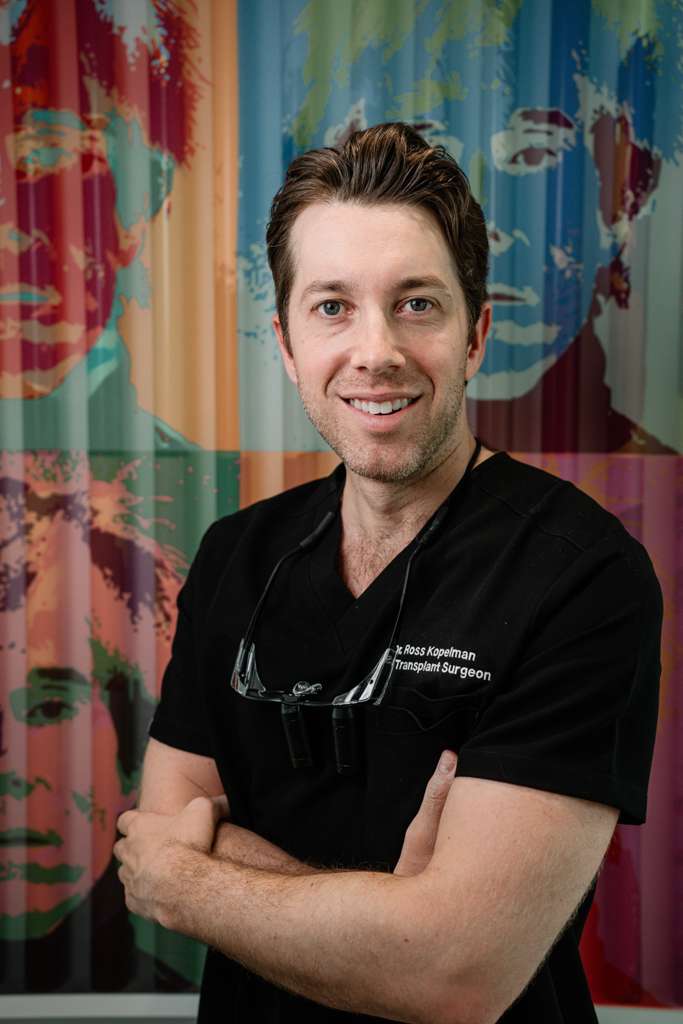
Identifying the responsible prescription and reviewing options with a specialist such as Dr. Kopelman helps patients recover safely without abandoning treatment they need.
Key Takeaways
- Most medication-related shedding is temporary, with regrowth typically starting three to six months after stopping the drug.
- Categories linked to thinning include antidepressants, anticoagulants, retinoids, chemotherapy agents, anticonvulsants, antithyroid drugs, DMARDs, and some blood pressure medicines.
- Men and women can be affected differently, with hormones, contraceptives, and underlying health conditions influencing severity.
- Never stop a prescription on your own. Options range from a dosage change to topical therapy to restorative procedures.
Which Medications Can Lead to Hair Loss?
Types of Medicines Linked to Hair Loss
Some drugs list shedding or thinning as a documented side effect. Below are the categories most frequently implicated:
- Antidepressants: fluoxetine, sertraline, paroxetine, bupropion, venlafaxine, duloxetine.
- Blood thinners (anticoagulants): warfarin, heparin, apixaban, rivaroxaban.
- Acne and skin treatments: isotretinoin and other vitamin A derivatives, including high-dose supplemental vitamin A.
- Chemotherapy drugs: cyclophosphamide, doxorubicin.
- Antifungal drugs: terbinafine, ketoconazole, fluconazole, voriconazole.
- Anticonvulsants and mood stabilizers: valproic acid, carbamazepine, pregabalin, lithium.
- Antithyroid medications: methimazole, propylthiouracil.
- Arthritis and autoimmune drugs: methotrexate, leflunomide, and, less commonly, biologics such as etanercept and adalimumab.
- Gout medications: allopurinol and colchicine.
- Parkinson’s disease medications: levodopa and bromocriptine.
- Hormonal medications: birth control pills, hormone replacement therapy, anabolic steroids, prednisone.
These examples show how prescriptions written for unrelated conditions can unintentionally affect the scalp. Patients should never discontinue treatment without guidance, but they can and should raise the concern with the prescribing physician.
| Drug Class | Common Examples | Shedding Pattern | Typical Onset | Usually Reversible? |
|---|---|---|---|---|
| Chemotherapy agents | Cyclophosphamide, doxorubicin | Anagen effluvium | Days to 2 weeks | Usually, but permanent loss is possible |
| Oral retinoids | Isotretinoin | Telogen effluvium | 2 to 4 months | Yes, often dose-related |
| Antidepressants | Fluoxetine, sertraline, bupropion, venlafaxine | Telogen effluvium | 2 to 4 months | Yes |
| Anticoagulants | Warfarin, heparin, apixaban, rivaroxaban | Telogen effluvium | Weeks to years | Yes |
| Anticonvulsants / mood stabilizers | Valproic acid, carbamazepine, pregabalin, lithium | Telogen effluvium | 2 to 6 months | Yes, often dose-related |
| Beta-blockers | Propranolol, atenolol, metoprolol, timolol | Telogen effluvium | 2 to 4 months | Yes |
| Antithyroid drugs | Methimazole, propylthiouracil | Telogen effluvium | Variable | Yes |
| Arthritis / autoimmune drugs | Methotrexate, leflunomide, etanercept, adalimumab | Telogen effluvium | 1 to 4 months | Yes |
| Gout medications | Allopurinol, colchicine | Telogen effluvium | Variable, case reports only | Yes |
| Azole antifungals | Fluconazole, voriconazole | Telogen effluvium | Weeks to months, dose-related | Usually |
| Hormonal medications | Oral contraceptives, HRT, anabolic steroids | Telogen or pattern loss | About 3 months | Yes, though pattern loss may persist |
| Parkinson's medications | Levodopa, bromocriptine | Telogen effluvium | Variable, uncommon | Yes |
Common and severe medications that cause hair loss
Severity varies widely by drug class and dose. The heaviest shedding is generally seen with:
- Cancer treatments that directly damage rapidly dividing follicle cells, producing the fastest and most extensive loss.
- High-dose oral retinoids, where shedding appears more often at higher milligram-per-kilogram dosing.
- Valproic acid, one of the best-documented anticonvulsant culprits, with reported rates that rise as the dose increases.
- Antidepressants and mood stabilizers, where the mechanism is still unclear but the association is well documented.
- Anticoagulants, which can trigger shedding anywhere from weeks to years after the first dose.
Most of these produce a reversible pattern. A smaller number, particularly aggressive chemotherapy regimens, can leave lasting follicular damage.
Meds That Trigger Shedding in Men vs. Women
What medications cause thinning in females overlaps heavily with the list for men, but hormonal prescriptions such as HRT and oral contraceptives make women more vulnerable to hormone-driven patterns.
Progestins with androgenic activity are the most likely contraceptive component to thin the scalp, and thinning often becomes noticeable around three months after starting. When a woman stops oral contraceptives, shedding may begin two to three months later and continue for roughly six months before settling.
Men more often experience shedding tied to drugs affecting testosterone pathways or to medications that unmask existing pattern baldness. Recognizing which pattern is present helps a specialist recommend the right management.
Which blood pressure medicine causes hair loss?
Beta-blockers are the blood pressure class most often linked to shedding, including propranolol, atenolol, metoprolol, nadolol, and timolol. The effect is uncommon rather than typical.
ACE inhibitors have been implicated in isolated case reports rather than large studies, so the evidence there is weaker. Notably, losartan is not a recognized culprit despite frequent online claims, a point we cover in detail in our guide on whether losartan causes hair loss.
Timolol eye drops prescribed for glaucoma are worth flagging too, since patients rarely think of eye drops as systemic medication. If shedding starts after a blood pressure change, a physician can often switch classes.
Does Amoxicillin Cause Hair Loss?
such as amoxicillin, are not a common trigger for shedding. When patients notice changes after a course of antibiotics, the illness itself, fever, or the physical stress of infection is the more likely explanation.
A handful of antibiotics, including rifampicin and isoniazid, have appeared in case reports, but these are exceptions rather than a general antibiotic effect. A physician can confirm whether the shedding is drug-related or driven by another factor entirely.
How Drugs Affect the Growth Cycle
Telogen Effluvium Explained
Most medication-related shedding takes the form of telogen effluvium. The drug pushes follicles into the resting phase prematurely, and diffuse shedding follows roughly two to four months after treatment begins.
Because the follicle itself is not destroyed, this pattern is typically reversible. Once the drug is stopped or adjusted, the cycle resets and regrowth follows. You can read more about the mechanics in our overview of hair loss basics.
Anagen effluvium explained
Anagen effluvium is the second pattern, and it is far more abrupt. Instead of waiting for the resting phase, the drug attacks follicles actively producing new strands, halting matrix cell division within days to weeks.
Chemotherapy is the classic cause. Loss is often extensive and can include eyebrows, lashes, and body hair. Cooling caps, gentle brushing, and avoiding heat styling may reduce the extent, though no method prevents it reliably.
What are the two main hair loss drugs?
The two standard drugs used to treat thinning are minoxidil and finasteride. These promote regrowth and are not causes of shedding, though minoxidil often produces a brief shedding phase in the first weeks as follicles synchronize.
Both remain the first-line pharmacological options for pattern baldness in men and women. Related guides on our site cover medication-specific questions, including whether Adderall contributes to shedding and how phentermine affects growth.
Will Hair Grow Back After Stopping Medication?
Temporary vs. Permanent Loss From Drugs
Most drug-related thinning is temporary, with visible recovery beginning within months of discontinuing or switching the medication. The follicle survives, so the cycle can restart.
Permanent damage is rare and generally limited to strong chemotherapy regimens or, occasionally, prolonged high-dose exposure. In some cases, the medication does not cause new loss at all but accelerates an underlying genetic pattern that was already developing, which changes the treatment plan considerably.
Knowing that most shedding reverses helps reduce anxiety during the waiting period. A specialist can determine which category a given case falls into and set realistic expectations.
How Long Does It Take for Regrowth?
Regrowth typically begins within three to six months, though some cases take up to a year to become visually obvious. Recovery is slower after chemotherapy and after long-course prescriptions.
Timelines also vary by pattern. Telogen effluvium usually resolves within six to nine months once the trigger is removed, while chemotherapy regrowth often starts two to three months after the final cycle, sometimes with a temporary change in texture or color.
| Scenario | When Regrowth Typically Starts | Time to Visible Density | Notes |
|---|---|---|---|
| Telogen effluvium after stopping a drug | 3 to 6 months | 6 to 9 months | Most common scenario; follicle remains intact |
| After chemotherapy completion | 2 to 3 months | 6 to 12 months | New growth may differ in texture or color at first |
| After stopping oral contraceptives | Shedding starts 2 to 3 months after stopping | Usually settles within about 6 months | Timeline reflects the shedding phase, not a delay in regrowth |
| Drug unmasked genetic pattern loss | No spontaneous recovery | Depends on treatment | Requires ongoing medical or surgical management |
How to Stop Hair Loss From Medication
When to See a Specialist
Patients noticing unusual shedding should start by reviewing their full medication list with a physician, including over-the-counter products and supplements. When several prescriptions overlap, isolating the trigger takes time and sometimes a supervised trial period.
The only reliable way to confirm a drug is responsible is to pause or substitute it for roughly three months under medical supervision and observe whether density recovers. A restoration specialist can also rule out competing causes such as thyroid dysfunction, iron deficiency, or genetic pattern loss, several of which are outlined across our hair conditions library.
Treatment and Restoration Options
Approaches may include:
- Adjusting the dose or switching to an alternative drug in the same class, always with physician supervision.
- Topical or oral minoxidil, or finasteride where pattern loss is also present, to support regrowth.
- Correcting documented nutritional deficiencies, particularly iron, vitamin D, and zinc.
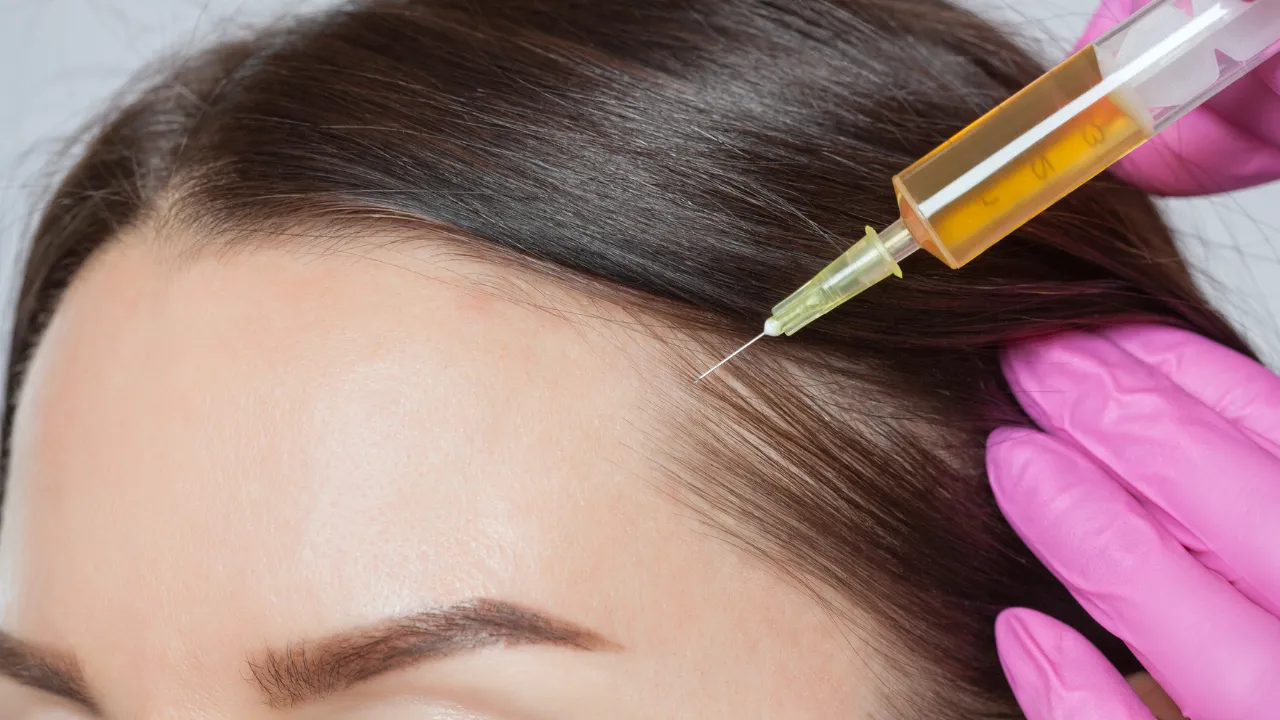
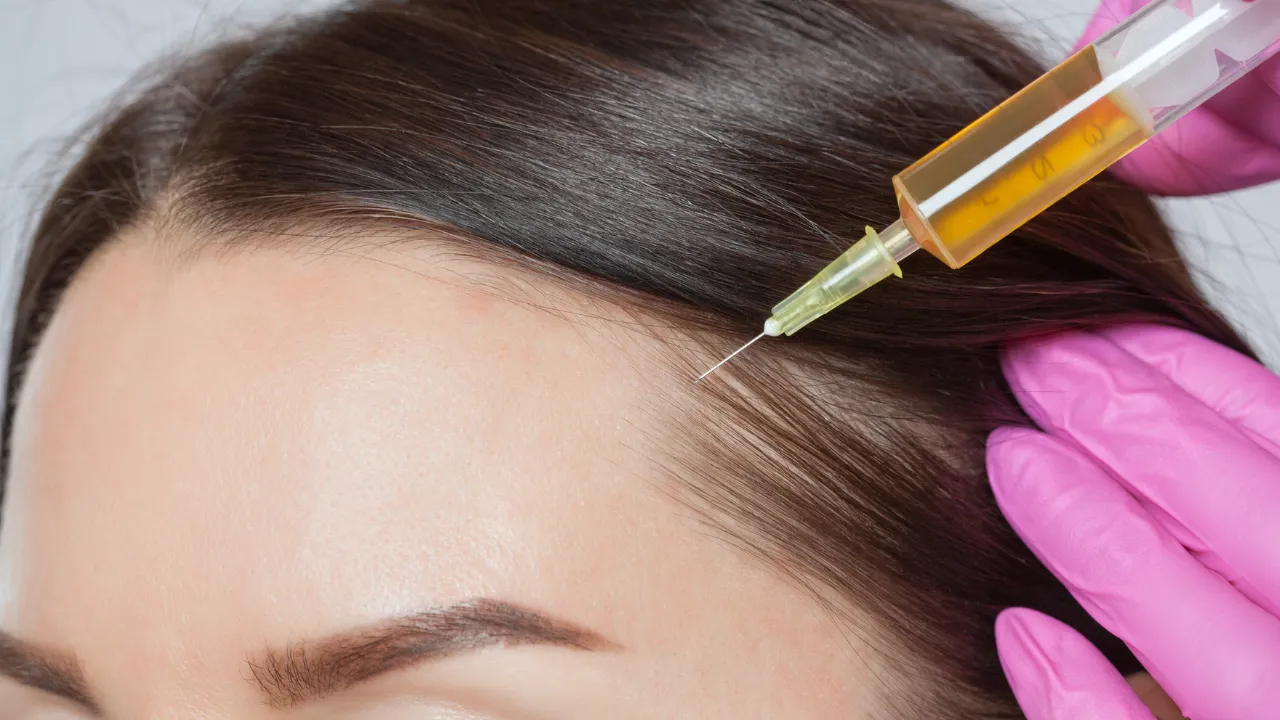
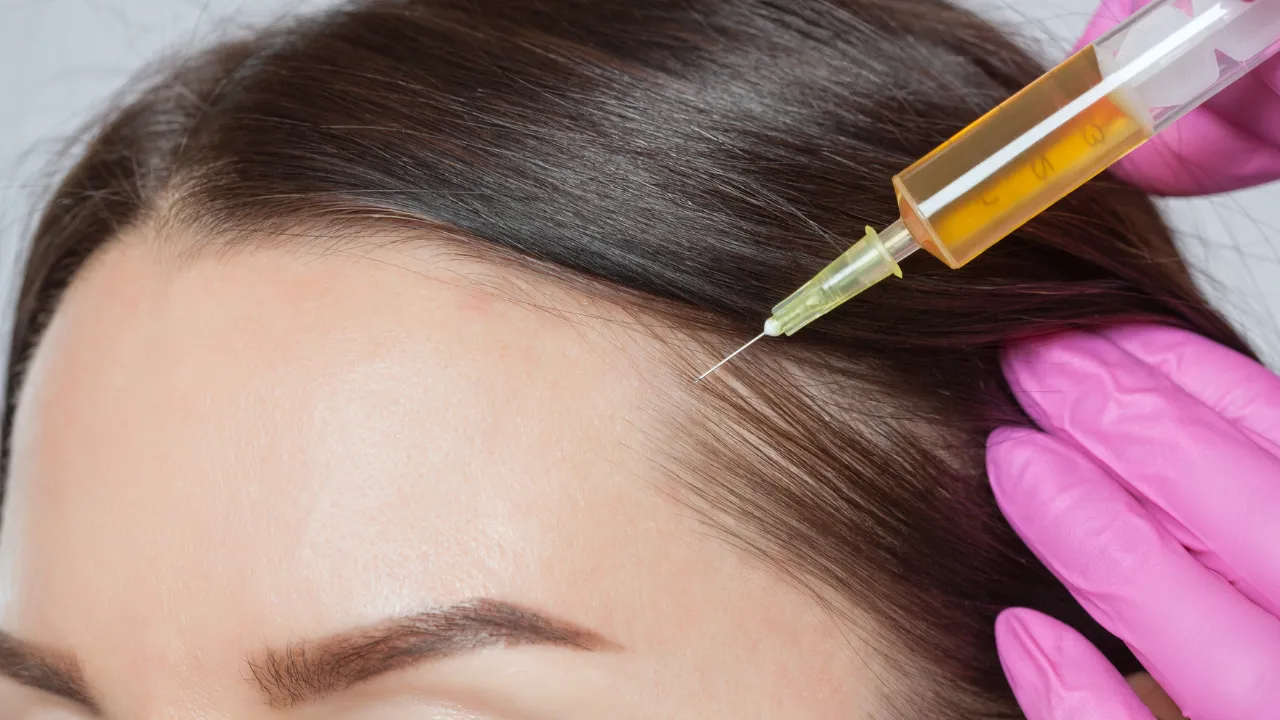
- PRP therapy to stimulate follicles during the recovery window.
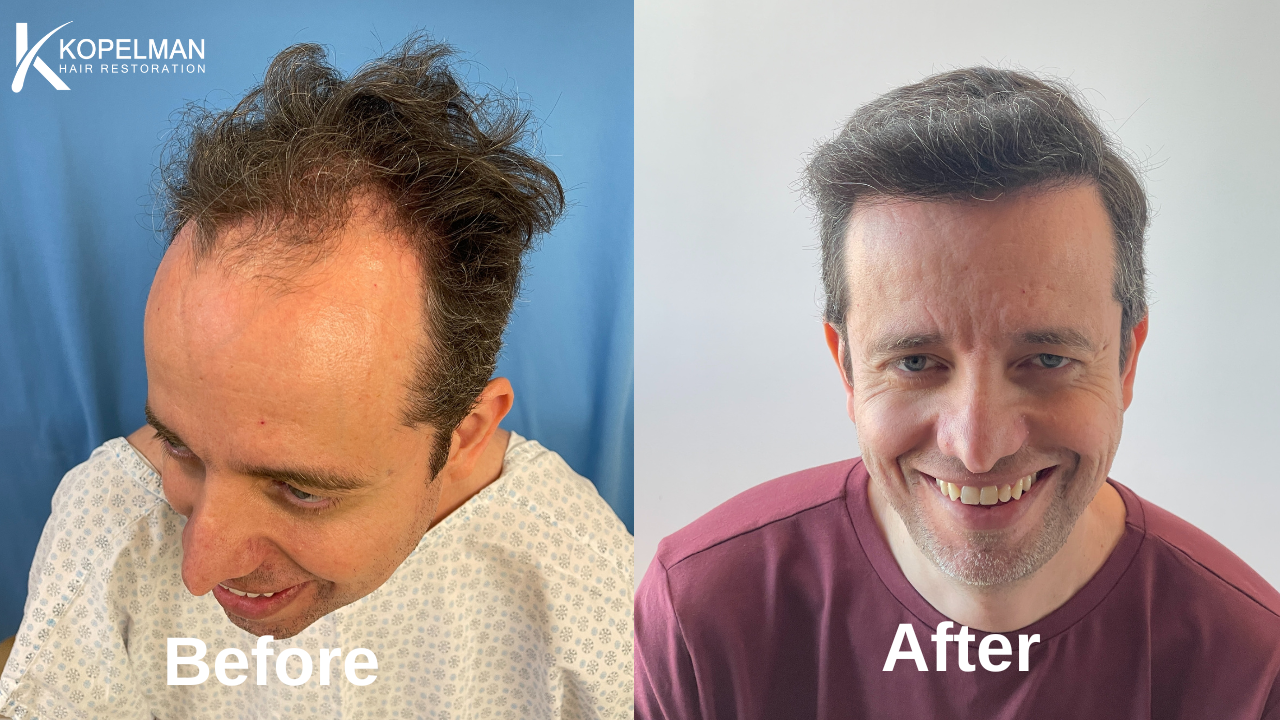
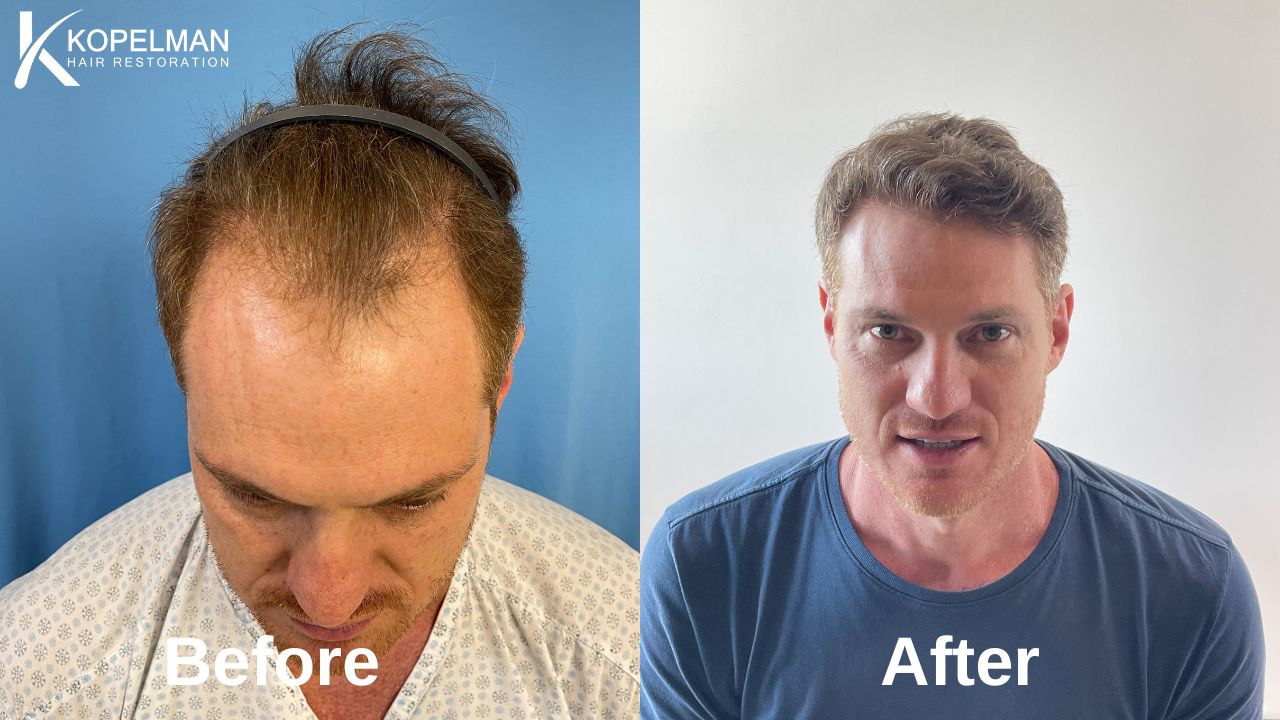
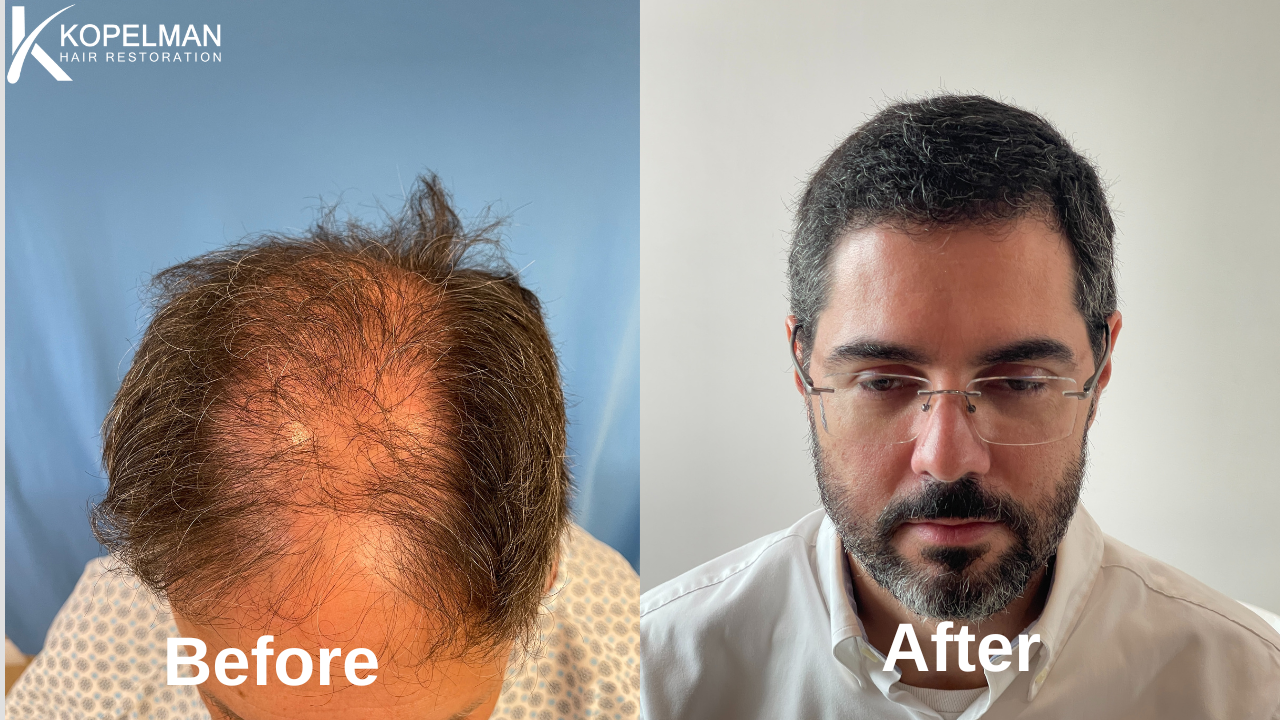
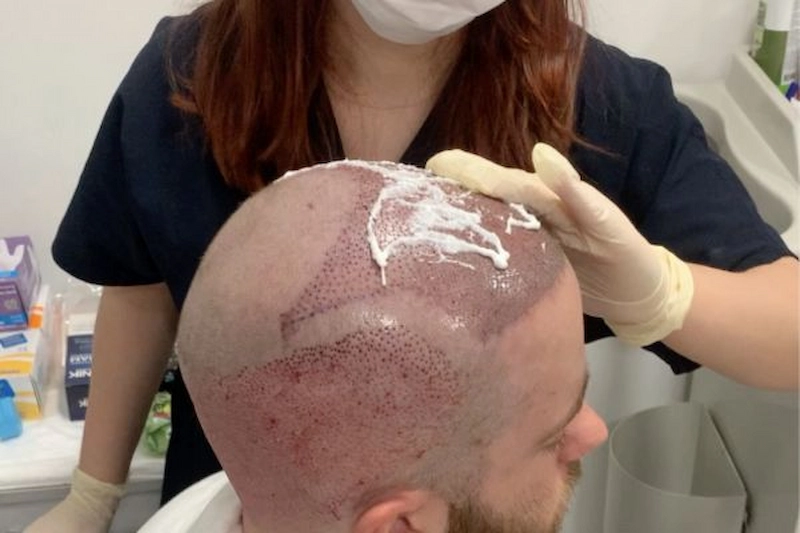
- Surgical restoration at Kopelman Hair if thinning persists after the drug has been addressed and density has stabilized.
Timing matters. Restorative procedures are generally considered only after the trigger has been removed and the pattern has stopped progressing, since operating during active shedding produces unpredictable results.
Dr. Kopelman’s clinical background in drug-induced alopecia allows for an evaluation that separates medication effects from genetic pattern loss before any treatment plan is built.
Can Supplements Help Reduce Medication-Related Shedding?
Supplements help mainly when a genuine deficiency is contributing. Iron, vitamin D, and zinc all support follicle function, and correcting a documented shortfall can meaningfully speed recovery.
Where levels are already normal, supplementation offers little benefit. Biotin in particular is heavily marketed but rarely useful in people without a deficiency, and it can interfere with certain lab tests including thyroid and cardiac panels.
Excess intake carries its own risk. Too much vitamin A actively worsens shedding, which is the same mechanism behind retinoid-related thinning. Supplement use should be guided by bloodwork and a physician, not by marketing claims.
Final Thoughts
Understanding how a prescription affects the follicle cycle helps patients set accurate expectations and avoid unnecessary panic. The large majority of drug-related shedding is temporary and resolves once the trigger is identified and managed.
The critical rule is that no medication should be stopped independently. Work with the prescribing physician first, then bring in a restoration specialist if density has not recovered on schedule.
Schedule a consultation with Kopelman Hair today to discuss your concerns about medication-induced shedding and explore the best treatment options for lasting regrowth.
Frequently Asked Questions About Medications That Cause Hair Loss
Which medications are most likely to cause shedding?
Chemotherapy agents carry the highest likelihood by a wide margin, followed by oral retinoids, valproic acid, anticoagulants, and antidepressants. Beta-blockers, allopurinol, and levodopa are linked through case reports, meaning the risk exists but appears low.
How soon after starting a medication does shedding appear?
Telogen effluvium usually surfaces two to four months after the first dose, which is why patients often fail to connect the two. Anagen effluvium from chemotherapy appears far faster, within days to a few weeks.
Will hair always grow back after stopping a medication?
In most cases, yes. Regrowth generally begins three to six months after discontinuation. Permanent loss is uncommon and mainly tied to high-dose cancer treatment or to cases where the drug unmasked existing pattern baldness that continues progressing on its own.
Can GLP-1 weight loss medications cause shedding?
Patients taking semaglutide or tirzepatide have reported thinning, but the evidence points to rapid weight reduction and reduced calorie intake rather than a direct drug effect. It typically resolves as weight stabilizes and nutrient intake normalizes.
How much daily shedding is normal?
Losing up to about 100 strands a day is considered typical, though this varies with density, texture, and washing frequency. Sudden clumping or a clear change from your own baseline is the signal worth acting on.
Can I just stop the medication myself?
No. Stopping antidepressants, anticoagulants, levodopa, and several other classes abruptly can be dangerous. Every adjustment should go through the prescribing physician.