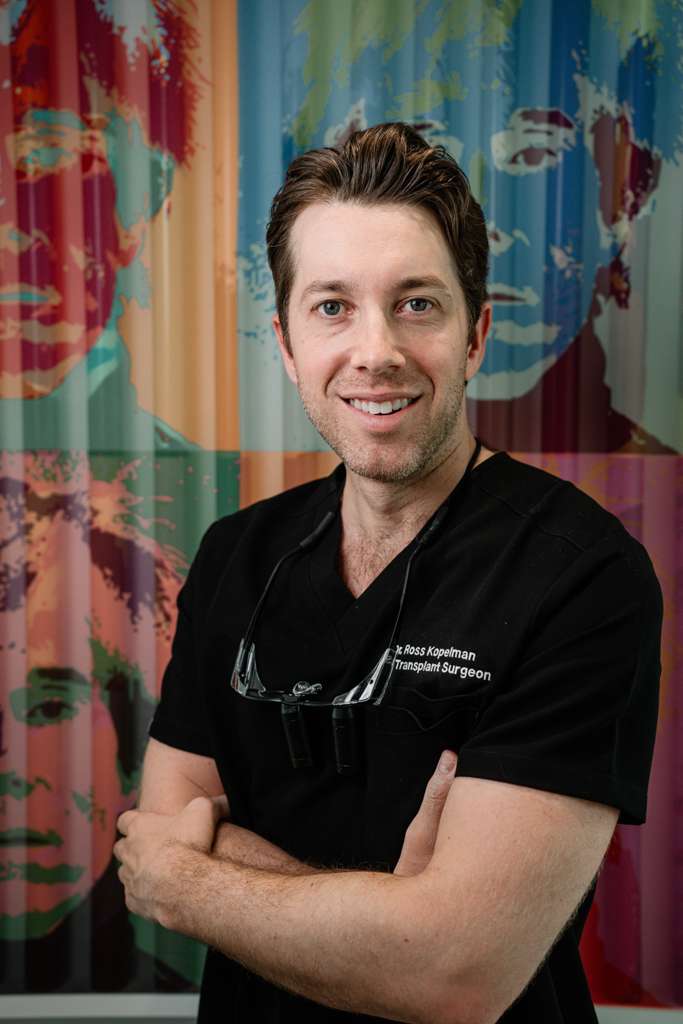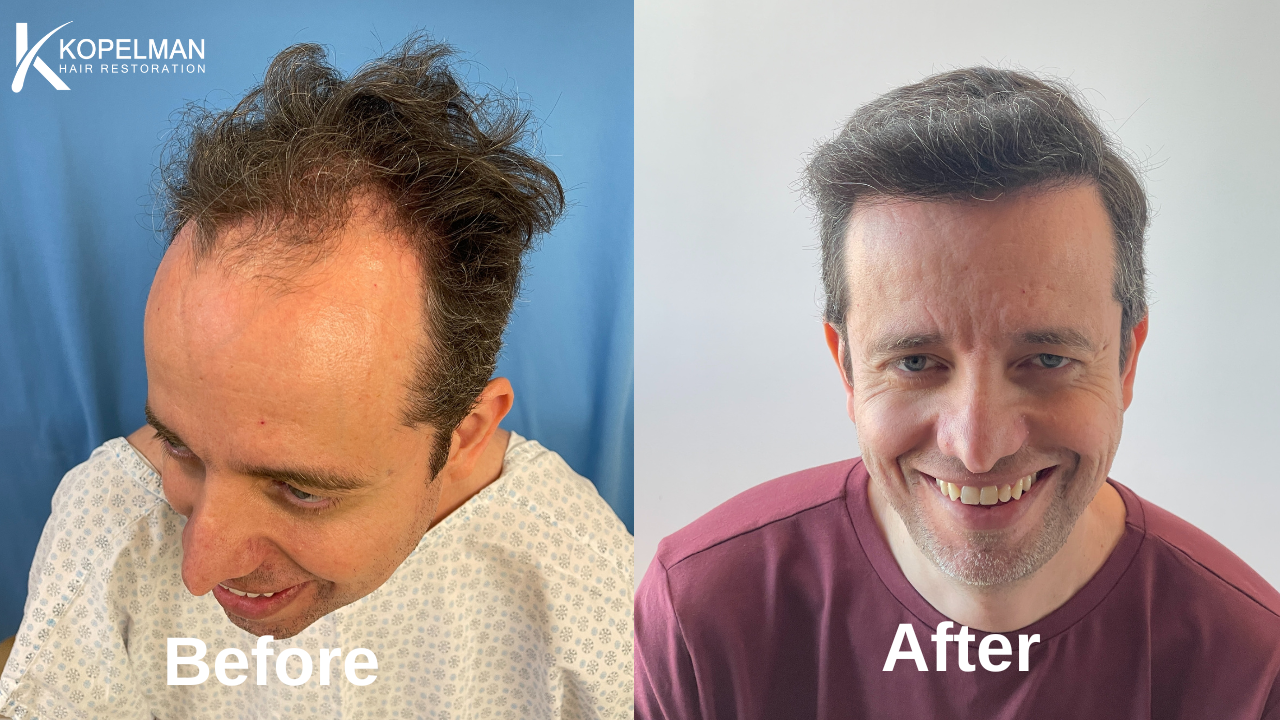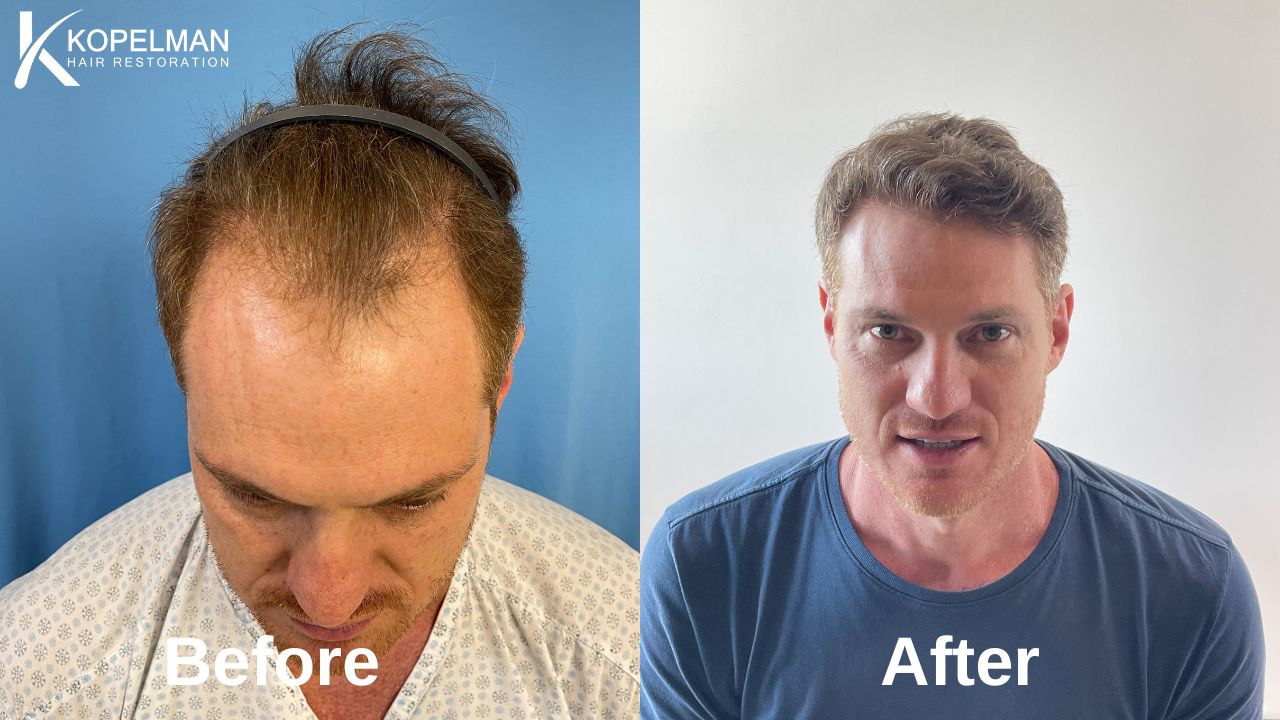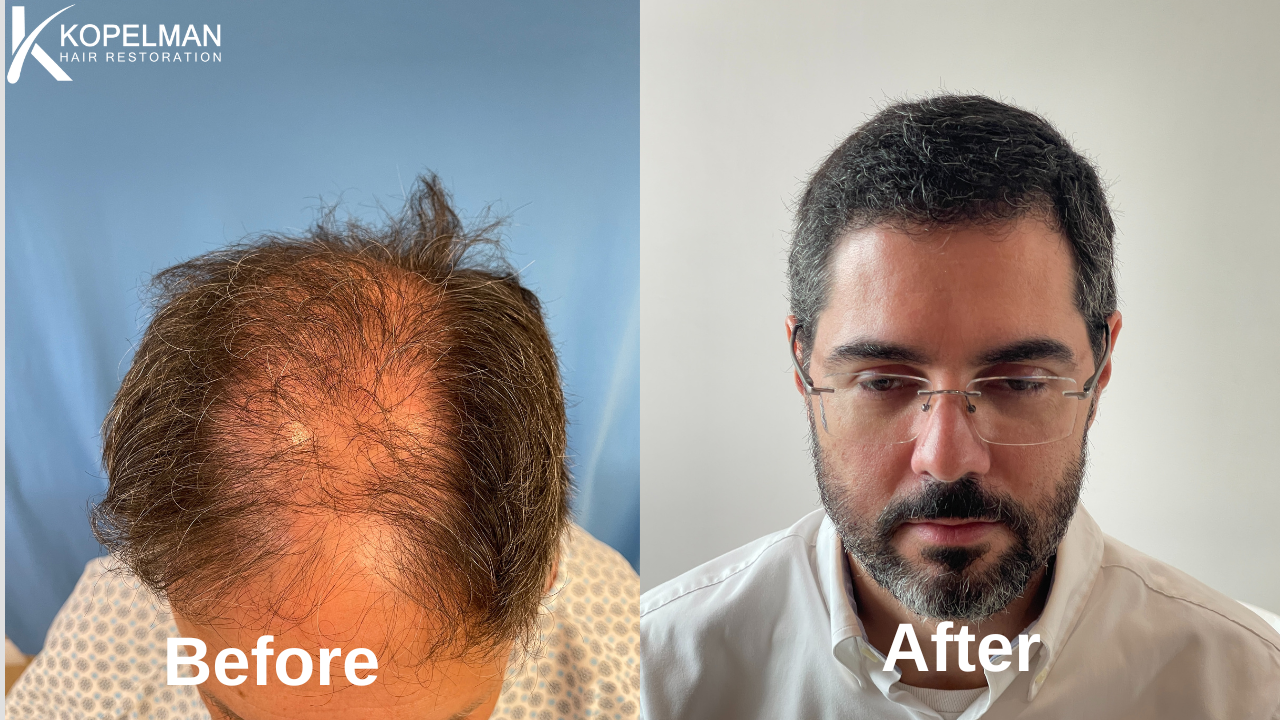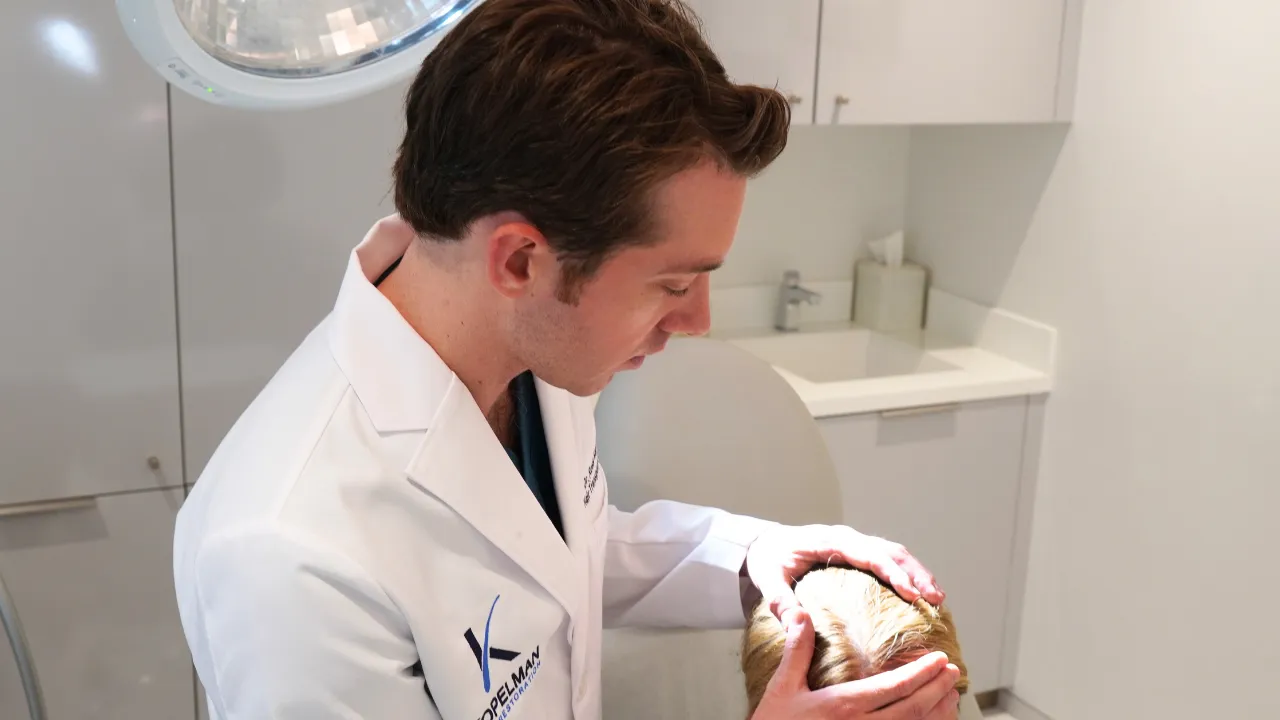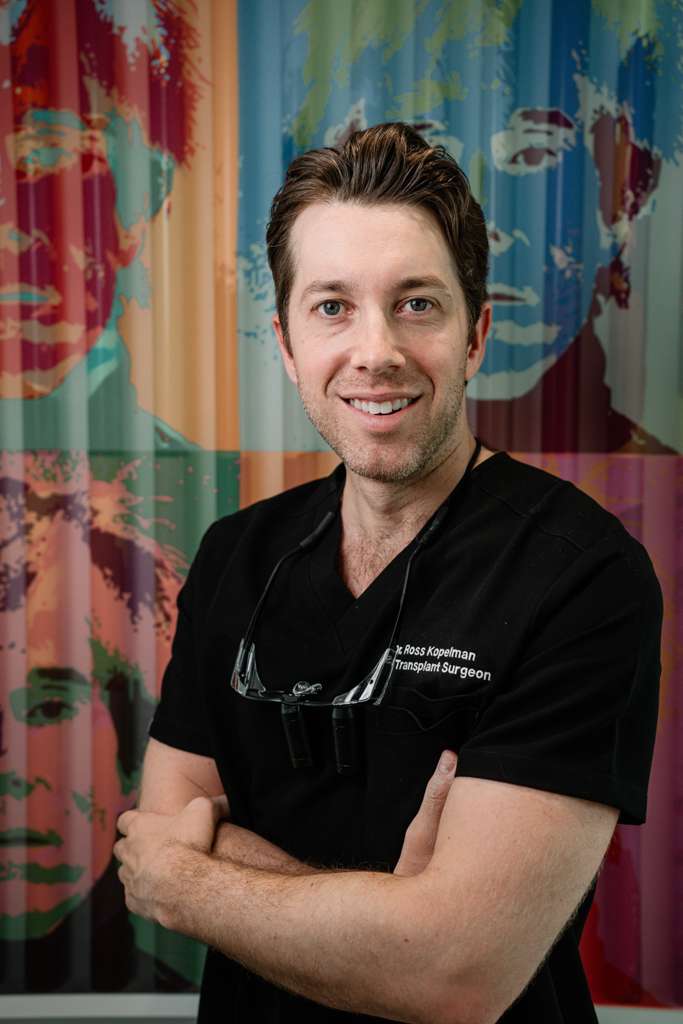


Dr. Kopelman and our team focus on helping you understand these triggers and find the right approach for your situation. Many people who visit us are already noticing changes and wonder whether their medication is to blame; if you would like a consultation with Dr. Kopelman, click here.
Key Takeaways
- Antibiotics are an uncommon and unproven trigger for shedding; when it does occur, it is usually temporary.
- Regrowth generally follows within three to six months after the course ends.
- The infection itself, especially with a fever, can prompt shedding, which makes it difficult to blame the medication.
- Never stop a prescribed course early without medical advice, as this risks the infection returning and fuels antibiotic resistance.
- See a specialist like Dr. Kopelman if shedding lasts beyond six months or causes you concern.
How Antibiotics Affect Hair and Hair Growth
Antibiotics are built to fight bacteria, but like any medication, they can occasionally have effects beyond the infection they target. Excess shedding is one of the rarer possibilities, and it does not happen to most people.
For the small number who do notice thinning, the experience can be unsettling, especially when appearance feels tied to identity. Understanding why it happens makes it easier to respond calmly and protect healthy growth.
Do Antibiotics Cause Hair Loss or Thinning?
So, can antibiotics cause hair loss? Occasionally, and usually indirectly. There is limited evidence linking most antibiotics to shedding, and when cases occur, they tend to reflect telogen effluvium rather than lasting damage.
The relationship between antibiotics and hair loss is also confounded by the infection itself. A high fever or a significant illness can independently tip follicles into the resting phase, so the timing can look like a drug reaction when the illness was the trigger. People often ask whether antibiotics can make their hair fall out; the honest answer is that it is possible but far from common.
How Antibiotics May Disrupt Hair Cycles
Strands grow in cycles of growth, transition, and rest. Normally, only around 10% of follicles sit in the resting phase at once, according to research on medication-induced hair loss; a stressor can push far more into rest, so shedding spikes a couple of months later.
Where antibiotics play a role, it is usually through indirect mechanisms rather than direct harm to follicles. Two mechanisms are proposed. First, certain antibiotics may affect how the body absorbs or retains nutrients such as iron, zinc, or B12, and shortfalls in these can weaken growth over the long term.
Second, early research is exploring how antibiotics reshape the scalp and gut microbiome, which may influence the growth cycle in ways not yet fully understood. Both pathways are still being studied, so treat them as plausible rather than proven.
What Is Telogen Effluvium?
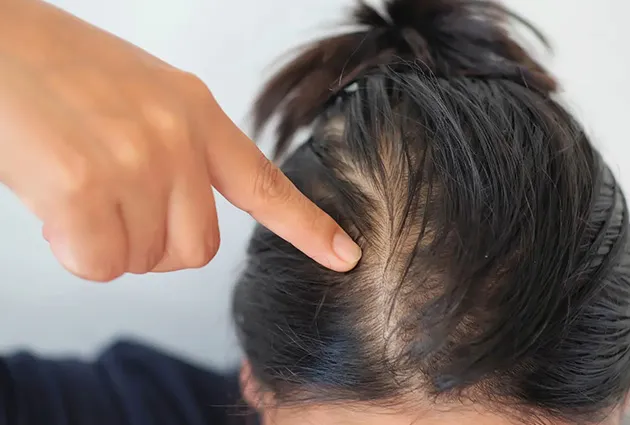
Telogen effluvium happens when many follicles enter the resting phase too early, leading to diffuse shedding across the scalp. Stress, illness, surgery, rapid weight change, and some medications can all set it off.
The reassuring part is that this pattern is almost always temporary. Once the trigger clears, most people see normal density return without any treatment, typically over three to six months.
Which Antibiotics Are Linked to Shedding?
No antibiotic is a confirmed, frequent cause of thinning. A handful appear in isolated case reports, and knowing which ones helps you have a clearer conversation with your doctor or a specialist like Dr. Kopelman.
Antibiotics Named in Reports
The medications below have surfaced in the literature, but the evidence is thin, and the associations are often uncertain:
- Rifampicin and isoniazid, used mainly for tuberculosis, are occasionally reported.
- Azithromycin, in reports of isolated telogen effluvium, often alongside a concurrent infection.
- Tetracyclines, through a theoretical effect on nutrient absorption on long courses.
- Penicillins, including amoxicillin, rarely trigger shedding, and when they do, it is usually tied to an allergic reaction or the underlying illness.
Always speak with a clinician before changing any medication. The honest table below sets the record straight on how strong the evidence actually is.
| Antibiotic or class | Reported association | Strength of evidence | Notes |
|---|---|---|---|
| Rifampicin / isoniazid | Occasional shedding; rare patchy loss | Limited, case reports | Mainly tuberculosis drugs; attribution uncertain |
| Azithromycin | Telogen effluvium in isolated reports | Limited, often confounded | Frequently taken during infections that can themselves trigger shedding |
| Tetracyclines | Possible, via nutrient absorption | Very limited, theoretical | May bind minerals such as iron; long courses matter most |
| Penicillins (incl. amoxicillin) | Rare shedding | Very limited, anecdotal | Generally well tolerated; often tied to allergy or illness |
Use this as a reference point for a conversation with a specialist like Dr. Kopelman, not as a risk ranking.
Does Amoxicillin Cause Hair Loss?
Amoxicillin is generally well tolerated, and confirmed cases of it triggering shedding are rare. Where people do report a change after amoxicillin, it usually traces back to the infection, an allergic response, or unrelated stress rather than the drug acting on the follicle.
People taking several medications at once, for instance alongside treatment for high blood pressure, should review all potential side effects with their prescriber so nothing is missed.
Is Antibiotic-Related Shedding Reversible?
Reversibility depends mostly on timing and what triggered it. The two questions people ask most are below.
Is It Permanent, and Will It Grow Back?
For nearly everyone, the answer is that it grows back. Once the body rebalances after an infection and its treatment, follicles resume their normal cycle, usually within a few months.
Persistent shedding beyond six months is the exception and warrants a check-in with Dr. Kopelman, who can rule out unrelated causes such as pattern thinning. The good news is that regrowth often occurs without any medical treatment.
How Long Does Shedding Last?
Timing follows a fairly predictable arc. Increased fall usually starts two to three months after the trigger, then eases as follicles cycle back into growth, with visible recovery over three to six months.
Knowing this pattern helps reduce the anxiety that often comes with watching strands collect in the brush or shower.
Signs the Shedding May Be Antibiotic-Related
A few clues point toward telogen effluvium rather than another cause:
- Shedding begins weeks to months after starting treatment, not immediately.
- Strands come out evenly across the scalp rather than in distinct patches.
- There is no redness, scaling, or scarring on the scalp.
- The situation improves after the course finishes.
Because different conditions produce different patterns, reviewing your symptoms with Dr. Kopelman is the surest way to identify what is going on.
Can Antibiotics Actually Help Hair Loss?
It surprises people, but antibiotics sometimes support regrowth rather than threaten it. When bacteria are the problem, treating them protects the follicle.
Doctors use antibiotics to treat certain scalp infections that can otherwise impair hair growth, such as severe scalp folliculitis and inflammatory conditions like folliculitis decalvans. Calming that infection can stop further loss.
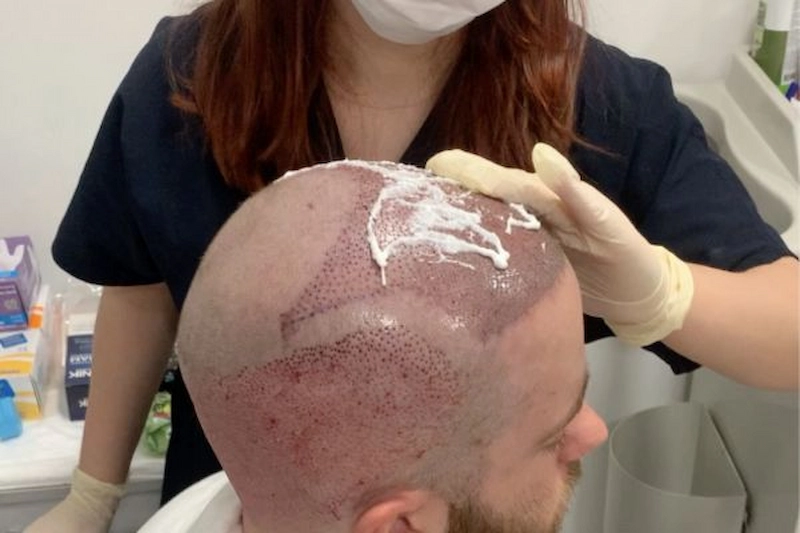
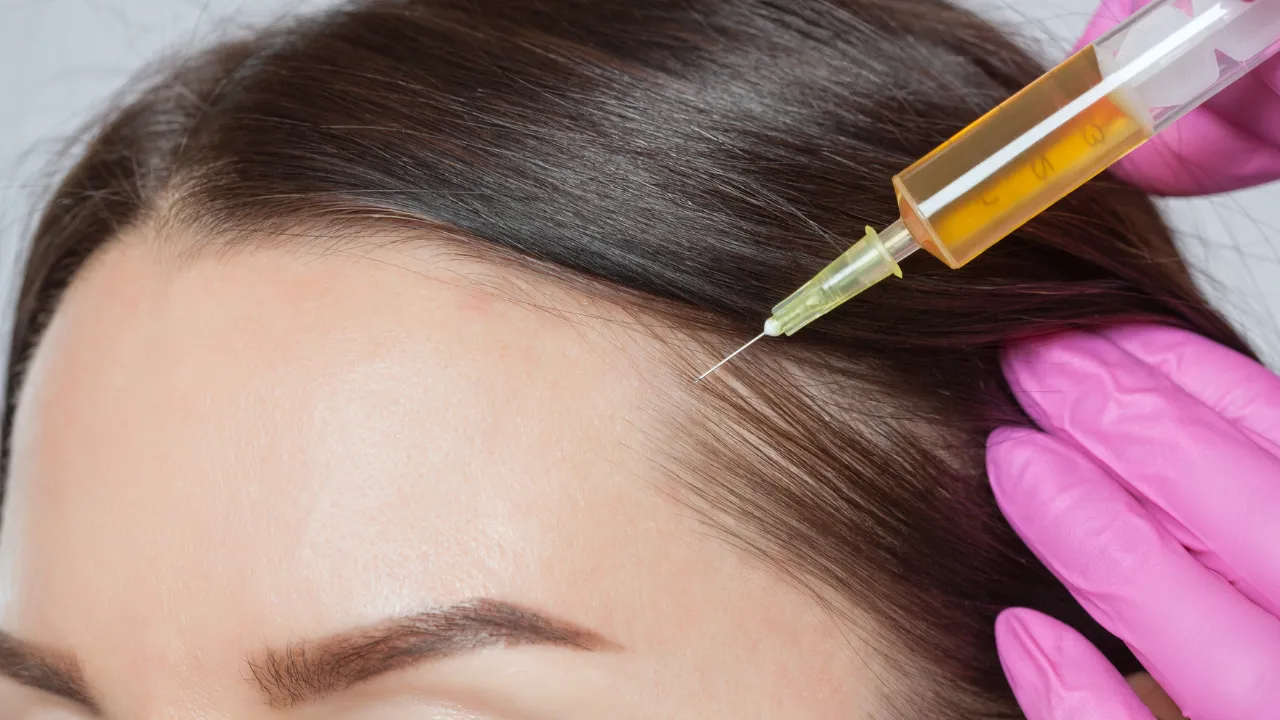
Topical antibiotics also have a place around surgery. They are often applied before and shortly after a hair restoration procedure to reduce the risk of infection, thereby protecting graft survival and the final result.
Coping with the Emotional Side of Shedding
Noticing more fall than usual can knock your confidence and stir real anxiety. It is completely normal to feel self-conscious, particularly when your hair is part of how you see yourself.
Talking it through with professionals like Dr. Kopelman can help you make sense of the change and build a plan to restore confidence, for both men and women.
Managing Shedding During a Course of Antibiotics
If a course seems to coincide with thinning, there are safe, sensible steps you can take without putting your recovery at risk.
How to Support Your Hair
Here is how to protect growth while you finish treatment:
- Raise any significant shedding with your doctor rather than stopping the medication yourself.
- Keep scalp care gentle and skip harsh chemical treatments for now.
- Eat a balanced diet with enough protein, iron, zinc, and B12 to support the growth cycle.
- Manage stress, since it can independently worsen resting-phase shedding.
For ongoing concerns, talk with Dr. Kopelman. If thinning continues after other causes are addressed, some people explore hair transplants as a longer-term option.
Can You Prevent It?
There is no guaranteed way to prevent antibiotic side effects, and the priority is always to complete your prescribed course. What you can do is reduce indirect risks.
On longer courses, ask your doctor about monitoring nutrient levels and supplementing if you have a deficiency or a condition that affects absorption. A steady, nutrient-rich diet gives follicles the best chance of staying in the growth phase.
Should You Stop Your Medication?
Stopping antibiotics without medical advice is genuinely risky. Cutting a course short without your prescriber’s input can allow the infection to return, and taking antibiotics exactly as prescribed helps limit antibiotic resistance, so always check with your prescriber before making any changes.
Other Drugs Linked to Shedding
Antibiotics are far from the only medications that can affect growth, and several classes have much stronger evidence than antibiotics.
What Medications Cause Hair Loss in Females?
Women often ask which other drugs are involved. Those more firmly linked to shedding, per dermatology reviews, include:
- Birth control pills, especially certain progestin types.
- Blood pressure medicines such as beta blockers and ACE inhibitors.
- Antidepressants.
- Blood thinners such as warfarin and heparin.
- Acne treatments like isotretinoin.
Knowing these helps women weigh options and side effects with their doctors.
Are Women More Affected Than Men?
Women sometimes notice thinning sooner than men, partly because longer strands make shedding more visible. Hormonal differences can also shape how susceptible someone is to a medication’s effects.
Discussing your history with a specialist helps tailor treatment and set realistic expectations. At Kopelman Hair, Dr. Kopelman and his team provide expert care and guidance, whatever the cause, so you get a solution built around you.
If you are worried about changes, schedule an appointment with Dr. Kopelman for professional guidance and support.
Quick Answers: Can Antibiotics Cause Hair Loss?
Here are quick answers to the questions people ask most:
Rarely. It is uncommon and not well established, and the infection is often the real trigger.
Almost never; it is usually temporary telogen effluvium, and strands grow back.
Rifampicin, isoniazid, azithromycin, and occasionally tetracyclines or penicillins, all on limited evidence.
Shedding often starts two to three months after the trigger and improves over three to six months.
References
At Kopelman Hair, we prioritize accurate information. This article draws on trusted resources, including:
DermNet: Alopecia from drugs
Journal of the American Academy of Dermatology: Medication-induced hair loss
Telogen Effluvium: A Review of the Literature
Drugs.com: What medications cause hair loss?
We encourage you to explore these resources or contact Dr. Kopelman for personalized care.