
Does Phentermine Cause Hair Loss? A Comprehensive Guide

I hope you’re enjoying reading this blog post if you want a consultation with Dr. Kopelman, click here.

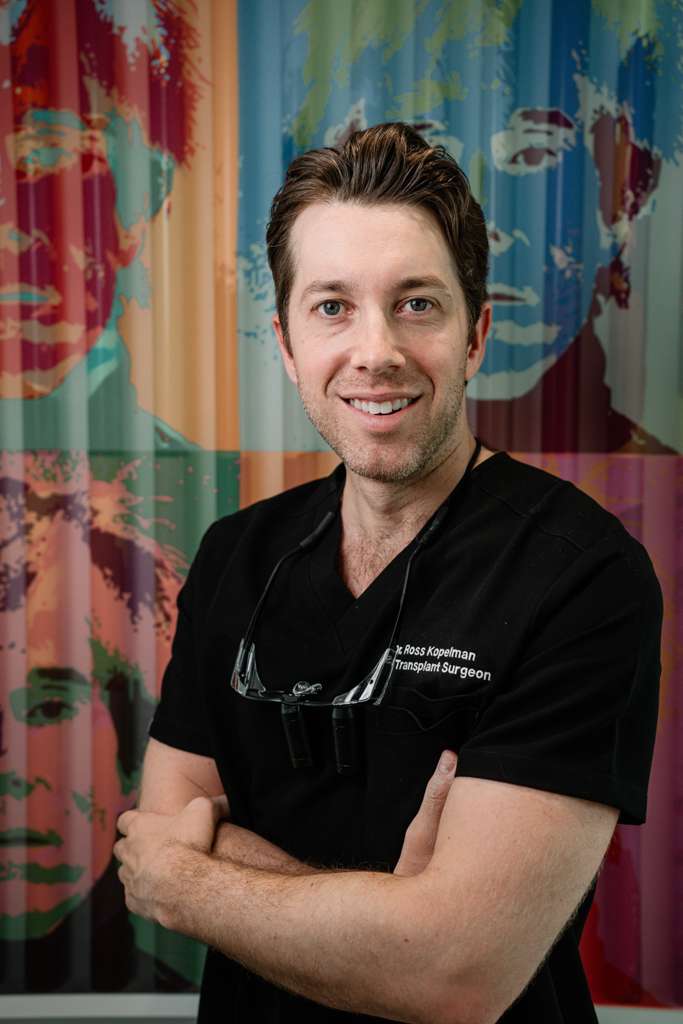
Dr. Ross Kopelman

January 5, 2025  ⁃  13 Min read

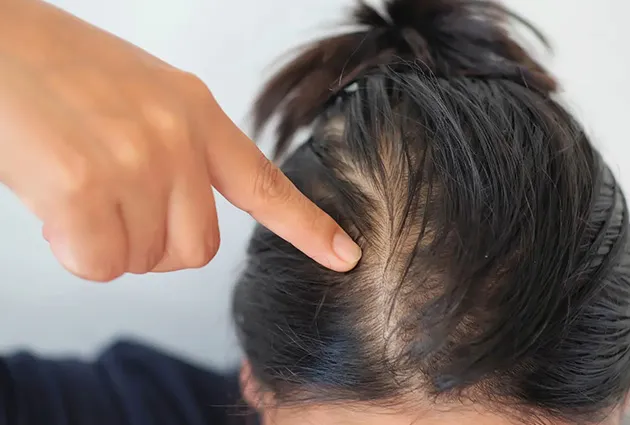
Phentermine can be linked to hair shedding, but it is usually not a direct side effect of the medication itself. When people ask whether phentermine causes hair loss, the answer is that thinning is typically tied to rapid weight reduction, lower calorie intake, and nutritional gaps, which can trigger a condition called telogen effluvium. This kind of shedding often shows up around two to four months after starting treatment.

The thinning is usually temporary and improves once the body adjusts and nutrient levels recover. Managing your diet, keeping protein and key vitamins steady, and managing stress can all reduce shedding. In most cases, normal growth resumes once the underlying trigger is addressed.

Dr. Kopelman, a leading expert in hair restoration, understands the concerns of people experiencing hair thinning while taking a weight-management drug.

In this guide, he explains why phentermine may lead to shedding and offers practical steps to manage it effectively.

What Is Phentermine and How Does It Work?

Phentermine is a prescription medication used as an appetite suppressant to support weight management. It is classified as an anorectic and is often prescribed to people with obesity or significant weight concerns. In the US, it is sold under brand names including Adipex-P and Lomaira.

Phentermine works on the central nervous system. It reduces hunger and raises energy levels, which helps users eat less and slim down more quickly. Because it is a stimulant, it is usually given for a short period, often a few weeks at a time, according to MedlinePlus.

It is most effective when paired with diet and exercise, which is why it is a common part of structured weight management programs. Its effects extend beyond appetite, and some can affect hair health. Understanding the balance between benefits and risks matters for anyone considering this medication.

Is Hair Loss a Side Effect of Phentermine?

Top 2 Risks of Combining Phentermine and Alcohol

Is hair loss a side effect of phentermine in the strict sense? Not officially. The label for Adipex-P does not list shedding as a recognized side effect, and the drug itself does not directly attack the follicle. 

Even so, some people report phentermine hair shedding while taking it, and the reasons are indirect but well understood.

The most common explanation is telogen effluvium, a temporary shedding pattern that follows a physical or nutritional shock to the body. Three interrelated factors drive phentermine-related issues: nutritional shortfalls, physiological stress, and hormonal shifts. Each one can push follicles out of their growth phase prematurely.

Nutritional Shortfalls From Rapid Weight Reduction

When appetite drops sharply, calorie and nutrient intake can fall below what follicles need. Essential nutrients like iron, zinc, biotin, and protein play a critical role in growth, and a shortfall can weaken the strands you already have. 

Research on diet and hair loss links several vitamin and mineral deficiencies to non-scarring shedding.

Follicles are mostly keratin, a protein, so when protein intake drops, the body redirects it to vital organs first. 

That is one reason strands can shift into the resting phase and shed. Including nutrient-dense foods during weight management is vital, and a nutritionist can help you protect intake while still reducing calories.

Stress and Its Effect on Shedding

A weight reduction journey can be physically and mentally demanding, and phentermine’s stimulating effects may add to that strain. 

Elevated stress can disrupt the natural growth cycle and push strands to shed early. Chronic stress can also impair nutrient absorption, compounding the problem.

Women's Hormones: The Main Reason For the Changes In Your Health? | Motherhood Hospitals

Phentermine increases heart rate, alertness, and cortisol levels, so the physiologic stress of rapid weight loss can accelerate weight loss. 

Managing it through relaxation, adequate sleep, and regular movement eases the load on follicles. Good sleep also helps keep cortisol in a healthier range.

Hormonal Changes Induced by Phentermine

Phentermine can shift hormone levels, and hormones help regulate the growth cycle. Estrogen, testosterone, thyroid hormones, cortisol, and insulin are all influenced by changes in body weight, and a review of hormonal factors in non-scarring alopecia describes how these signals affect the follicle.

Rapid weight reduction can also alter thyroid function in people who are predisposed to it. Both an underactive and an overactive thyroid can drive shedding, so it is worth having thyroid levels checked if thinning appears. 

Working with a clinician helps you address any imbalance and protect overall health while on the medication.

How Long Does Phentermine Thinning Hair Last?

Phentermine thinning hair follows the timeline of telogen effluvium, so it is delayed rather than immediate. Shedding usually begins a few months after the trigger, continues for a while, and then reverses once nutrition and weight stabilize. 

The figures below come from clinical reviews of telogen effluvium published in the medical literature. For most people, the process is a waiting game once the cause is removed. Recovery depends heavily on how well you restore protein and key nutrients.

Typical timeline of phentermine-related shedding (telogen effluvium)
PhaseWhat HappensTypical Timeframe
TriggerRapid weight reduction, lower calorie intake, or nutritional gaps stress the follicleFrom the start of treatment
Onset of sheddingStrands shift into the resting phase and begin to shed noticeablyAbout 2 to 4 months after the trigger
Active sheddingDiffuse thinning continues while the body adjustsRoughly 3 to 6 months
Early regrowthNew growth starts once nutrition and weight stabilize3 to 6 months after the cause is removed
Cosmetic recoveryVisible density returns to baselineOften 12 to 18 months

Could It Be Genetic? Why Phentermine May Unmask Pattern Hair Density

Not all shedding during a weight management program is telogen effluvium. Sometimes, phentermine simply makes the existing pattern thinning more visible. 

Many people first notice androgenetic alopecia, the genetic form known as male or female pattern thinning, during rapid weight reduction, because recession can stand out more once facial and scalp fullness changes.

This distinction matters. Telogen effluvium reverses on its own once the trigger clears, but pattern thinning does not; it tends to continue and progress even after weight stabilizes. A review of androgenetic alopecia notes that earlier treatment leads to better outcomes.

The practical takeaway is encouraging. If the medication brought your genetic thinning to your attention sooner, that is a chance to act early. 

Treatments such as minoxidil or finasteride target pattern thinning directly, and a specialist can confirm which type you actually have before you choose a path.

When Should You See a Doctor About Phentermine Shedding?

Most phentermine-related shedding is mild and self-limited, but certain signs warrant a professional evaluation. Contact a clinician if shedding continues beyond about six months, if you see distinct bald patches rather than diffuse thinning, or if your hairline is clearly receding.

These patterns can point to something other than telogen effluvium, such as androgenetic alopecia, a thyroid disorder, or another nutritional issue. A scalp exam and bloodwork can identify the true cause and rule out conditions that need their own treatment. Early assessment also widens your options.

It is always reasonable to flag new symptoms to the provider who prescribed phentermine. They can review your dose, check whether nutrient intake is adequate, and decide whether a short break or adjustment makes sense. 

Bringing concerns up early helps you keep both your results and your follicles.

Don’t Forget to Explore Other Possible Causes of Hair Density 

-> Can Anesthesia Trigger Temporary Shedding?

-> Can Metformin Affect Hair Growth?

-> Does Mounjaro Trigger Hair Shedding?

-> Adderall and Thinning Hair: What to Know?

->Does Hair Gel Contribute to Thinning Hair?

->Does dandruff cause hair loss?

-> Does wearing a hat cause hair loss?

Preventing and Managing Shedding While on Phentermine

Top Tips to Prevent Thinning

  • Pair regular exercise with a balanced diet to support overall health.
  • Focus on nutrient-dense foods to offset potential deficiencies.
  • Use gentle hair care products to limit further stress on the follicle.
  • Stay hydrated to ease dry mouth, another common phentermine effect that can indirectly affect the scalp.

Foods and Supplements for Hair Growth

Foods rich in protein, omega-3 fatty acids, and vitamins like B7 and D help support growth. Supplements such as biotin and collagen may also strengthen strands and reduce thinning, and reviews of vitamins and minerals in hair health support the role of these nutrients.

Including leafy greens, nuts, eggs, and fish in your diet provides the building blocks follicles rely on. If you are eating less overall, a protein shake or targeted supplement can help close the gap without adding many calories.

Best Practices for Healthy Hair During Weight Management

Keep your diet and exercise routine consistent to reduce strain on your body. Limit heat styling and harsh chemicals, and consider seeing a dermatologist for targeted treatment if shedding persists.

Routine scalp massage and a few drops of a lightweight oil may further support scalp and follicle health. Small, steady habits tend to beat aggressive fixes here.

Comparing Phentermine to Other Medications

Does Adipex Cause Hair Shedding? Phentermine vs. Adipex

Not really. Adipex-P is simply a branded version of phentermine, so adipex and hair thinning follow the same indirect pattern: shedding, when it happens, traces back to rapid weight reduction and nutritional gaps rather than the brand.

The degree of adipex hair shedding usually depends on individual health factors, how quickly weight comes off, and how well nutrition holds up, not on the label on the bottle. 

Monitoring your intake and adjusting your plan with a clinician helps you manage it, regardless of the prescribed version.

Comparing Shedding Risk Across Weight Loss Medications

Other weight management drugs carry their own risk. Phentermine-topiramate, sold as Qsymia, combines two active drugs and may be more likely to trigger shedding than phentermine alone. 

GLP-1 medications such as Wegovy and Zepbound have reported alopecia in trials, with one tirzepatide trial showing it in roughly 5.7% of participants versus 1% on placebo.

FAQs About Phentermine

How weight management medications compare on shedding risk
Medication (Brand)Primary UseShedding RiskNotes
Phentermine (Adipex-P, Lomaira)Appetite suppressantIndirect, generally lowNot listed on the label; shedding tied to rapid weight reduction, not the drug itself
Phentermine-topiramate (Qsymia)Combination weight managementHigher than phentermine aloneTopiramate adds to the risk profile of the combination
GLP-1 drugs (Wegovy, Zepbound)Weight managementReported in clinical trialsOne tirzepatide trial reported alopecia in about 5.7% of participants vs. 1% on placebo
How Common Is Hair Loss With Phentermine?

Shedding is not a universal experience, but it is a documented concern for some users. Rapid weight reduction, stress, and individual health conditions all influence the odds. Awareness of these factors helps people make informed choices about their plan.

Yes, shedding can often be reversed by correcting nutritional gaps, lowering stress, and supporting regrowth with proper care. Early action is key to limiting how long it lasts.

For most users, growth returns to normal after stopping the medication. Prolonged use without adequate nutritional support may lead to more lasting thinning, so regular follow-ups with a provider help ensure a smoother recovery.

It can affect anyone, but several factors make women more susceptible. The mix of hormonal shifts, nutritional gaps, and stress that comes with rapid weight reduction can combine to push more strands into the shedding phase.

This is sometimes reported by those using Acxion or other phentermine-based products. Differences in hormone sensitivity may also explain why some women notice thinning sooner. If shedding occurs, restoring nutrition and managing stress are the first practical steps, along with a clinical check.

In most cases, regrowth is possible after discontinuing the medication. Recovery depends on addressing the underlying drivers, such as restoring nutritional balance, easing stress, and supporting follicles with gentle care.

Regrowth can take several months, since the scalp needs time to recover from the disruption. Cosmetically meaningful density can take longer still, often up to a year or more, which is normal for telogen effluvium.

Beyond phentermine, medications such as blood pressure drugs, antidepressants, and certain hormone therapies are known to contribute to weight loss. It is worth reviewing your full medication list with a clinician if thinning becomes a concern.

Pairing that review with lifestyle changes, such as a balanced diet and regular exercise, can help reduce medication-related shedding. The goal is to find the specific trigger rather than guess.

Each medication carries a unique profile, so personalized medical advice matters. The comparison table under this heading summarizes how these options stack up. None of these figures guarantees shedding; they reflect relative, not absolute, risk.

How Kopelman Hair Can Help You With Hair Loss

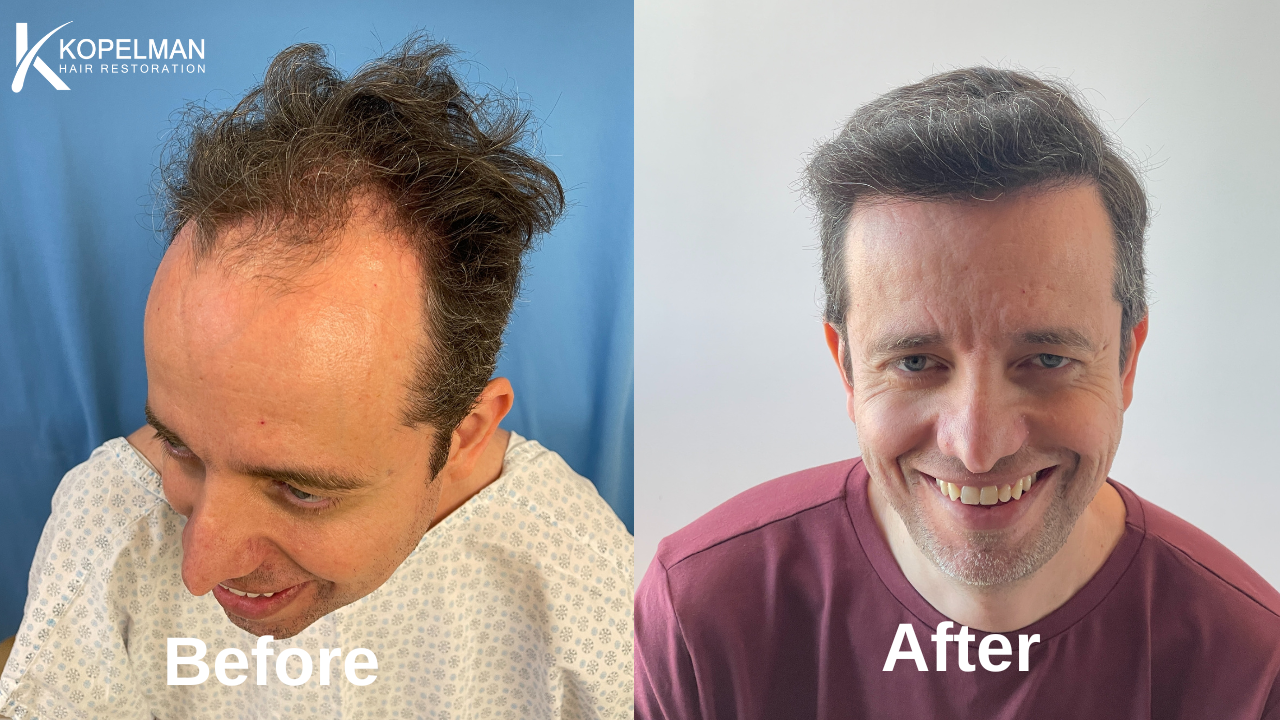
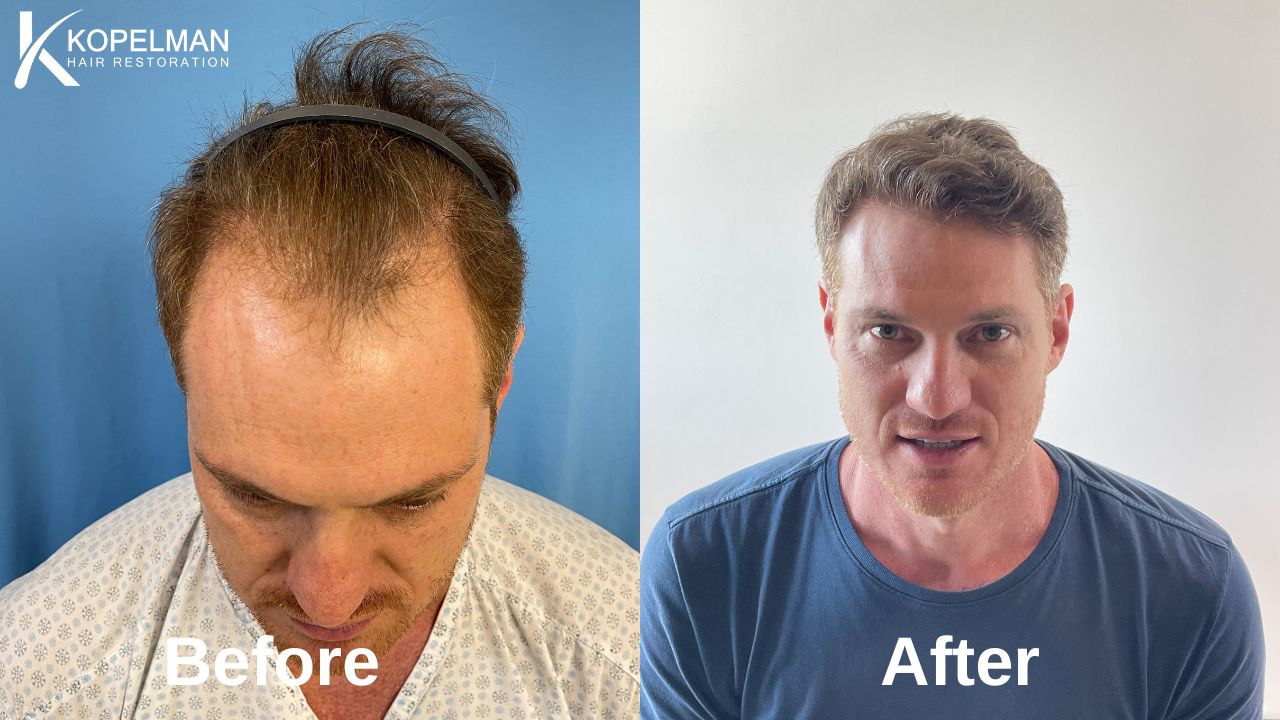
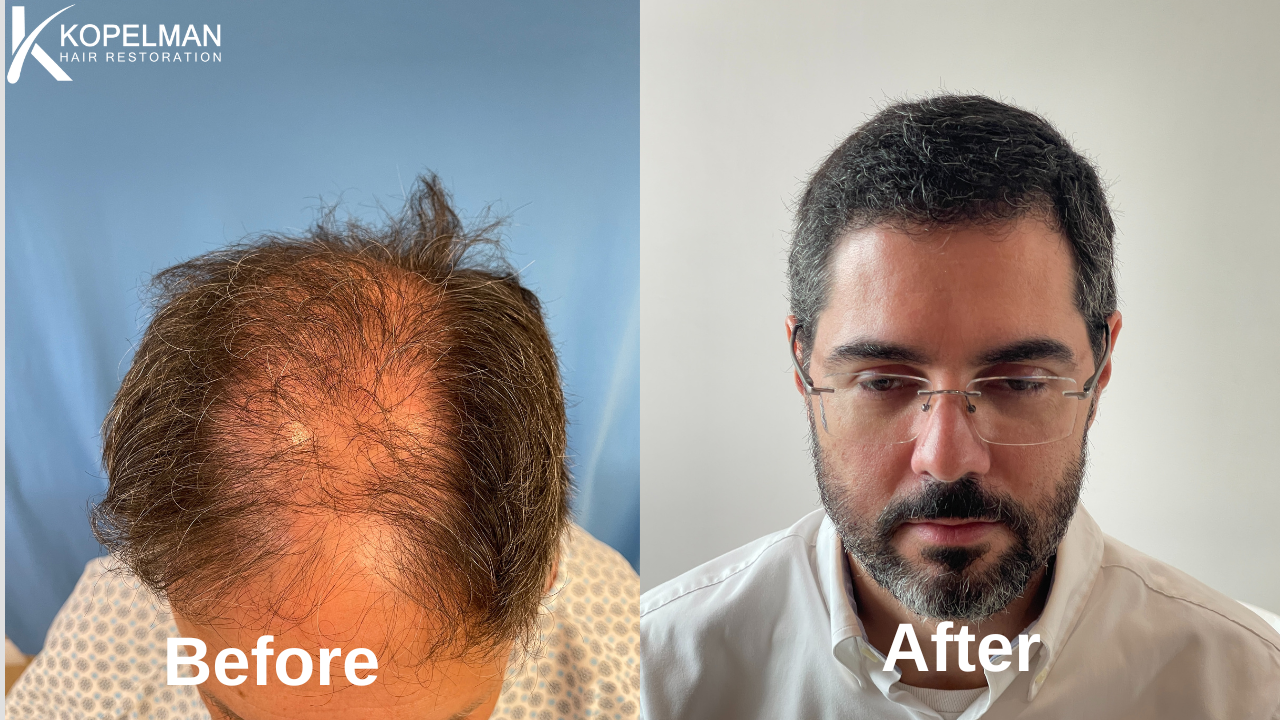
At Kopelman Hair, we specialize in advanced hair restoration techniques to help you regain a youthful and confident appearance. Dr. Kopelman and his team provide tailored solutions for those struggling with hair loss caused by medications like phentermine or other factors. With cutting-edge hair transplant procedures, we can address your unique needs and effectively restore hair growth.

Dr. Kopelman’s expertise ensures a personalized approach to every case. By focusing on your specific hair loss pattern and overall health, we develop a plan that maximizes results. Whether you’ve experienced hair thinning due to phentermine, stress, or other factors, our innovative treatments can make a transformative difference.

If you’re dealing with hair thinning or loss, schedule a consultation with Kopelman Hair today. Let our expertise guide you on the path to healthier, fuller hair. With our advanced methods and compassionate care, you can take the first step toward restoring your confidence and achieving lasting hair growth.

About the doctor

Dr. Ross Kopelman

Hair Restoration Surgeon

Dr. Ross Kopelman is a hair restoration surgeon focused on the medical and surgical treatment of hair loss, with expertise in advanced FUE hair transplantation, natural hairline design, and regenerative therapies that support healthier hair growth. He is known for combining surgical precision with an artistic approach to deliver natural, undetectable results tailored to each patient. Dr. Kopelman sees patients in New York City and Palm Beach, Florida, and also offers virtual consultations for patients across the United States and internationally.
Follow the specialist:

Ready to Restore Your Hair?

Dr. Ross Kopelman offers personalized consultations for hair transplants and hair restoration in New York, New Jersey, and Palm Beach.

In this Article

Before & After results

Kopelman Hair Restoration

Dr. Ross Kopelman and Dr. Joel Kopelman treat patients for hair loss and focus on delivering natural hair transplants at their New York City, New Jersey, and Palm Beach Florida offices. With over 40 years of combined experience, they are leaders in advanced FUE hair transplantation and hair restoration.
40+

Years Combined Experience

1K+

Procedures Performed

5.0★

Patient Rating

3

Locations

Stay in the loop

Get the latest on hair restoration and hair transplant tips from Dr. Kopelman

Dr. Ross Kopelman

Dr. Ross Kopelman is a hair restoration surgeon specializing in advanced FUE hair transplantation, natural hairline design, and regenerative therapies. He sees patients in New York City, New Jersey, and Palm Beach, and offers virtual consultations nationwide.