Factors such as formula ingredients, tight styling, and skipped washes all affect scalp condition. Below is what actually happens at the follicle level, and how to keep styling without consequences.
Key takeaways
- Styling gel does not cause baldness, and it cannot damage follicles in a single day.
- Alcohol, sulfates, parabens, and silicones are the ingredients most likely to dry strands or irritate the scalp.
- Buildup left in overnight is the real risk, not the product itself.
- Genetics drive most male and female thinning, so persistent shedding needs a clinical evaluation, not a product swap.
Understanding Hair Gel and Hair Loss
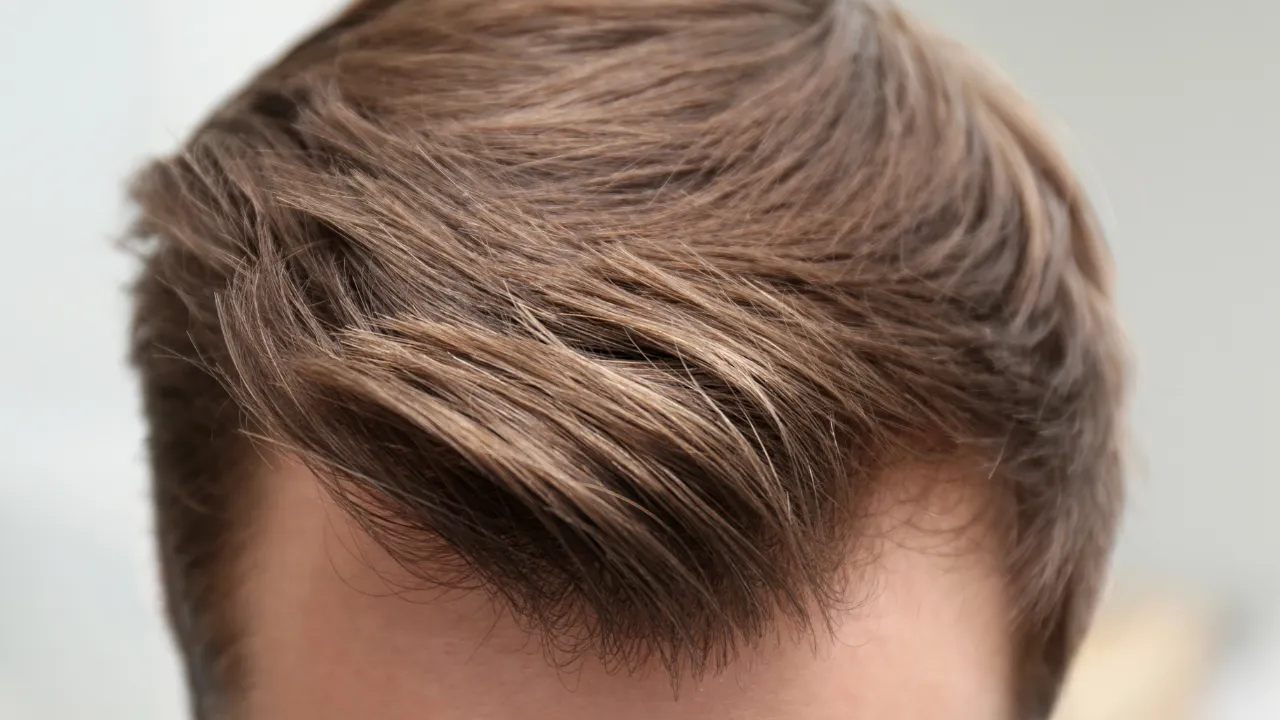
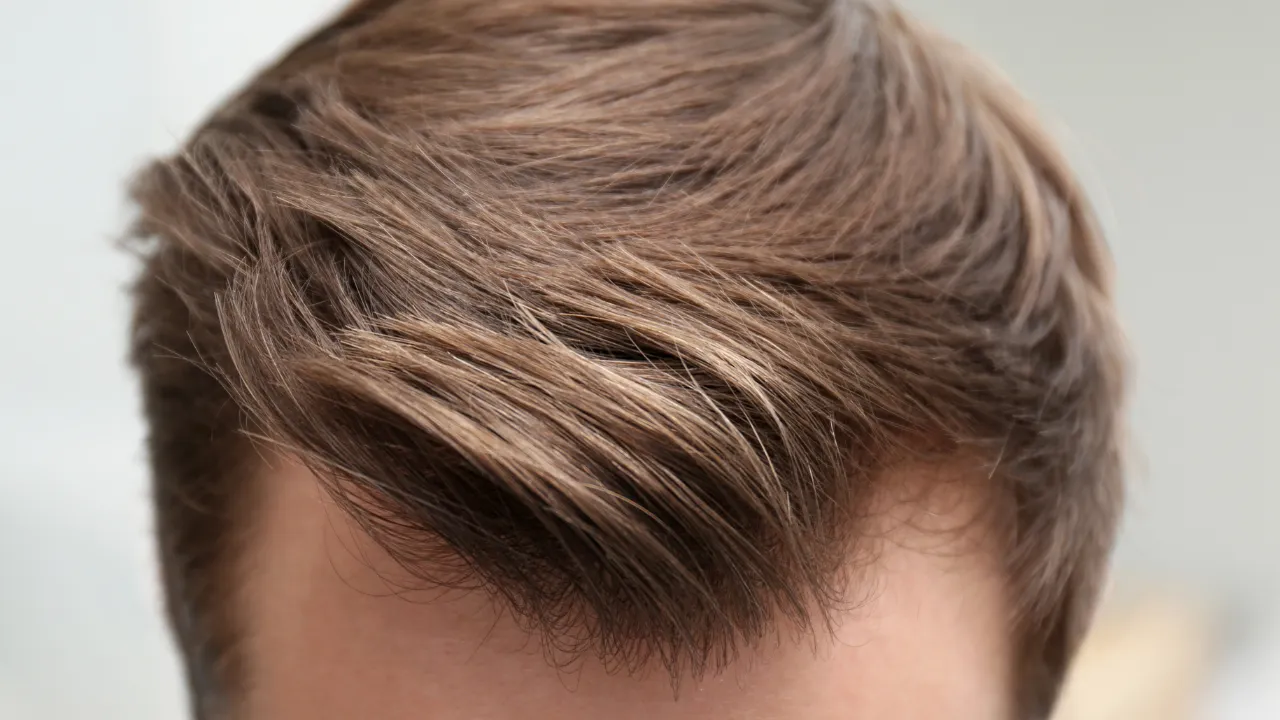
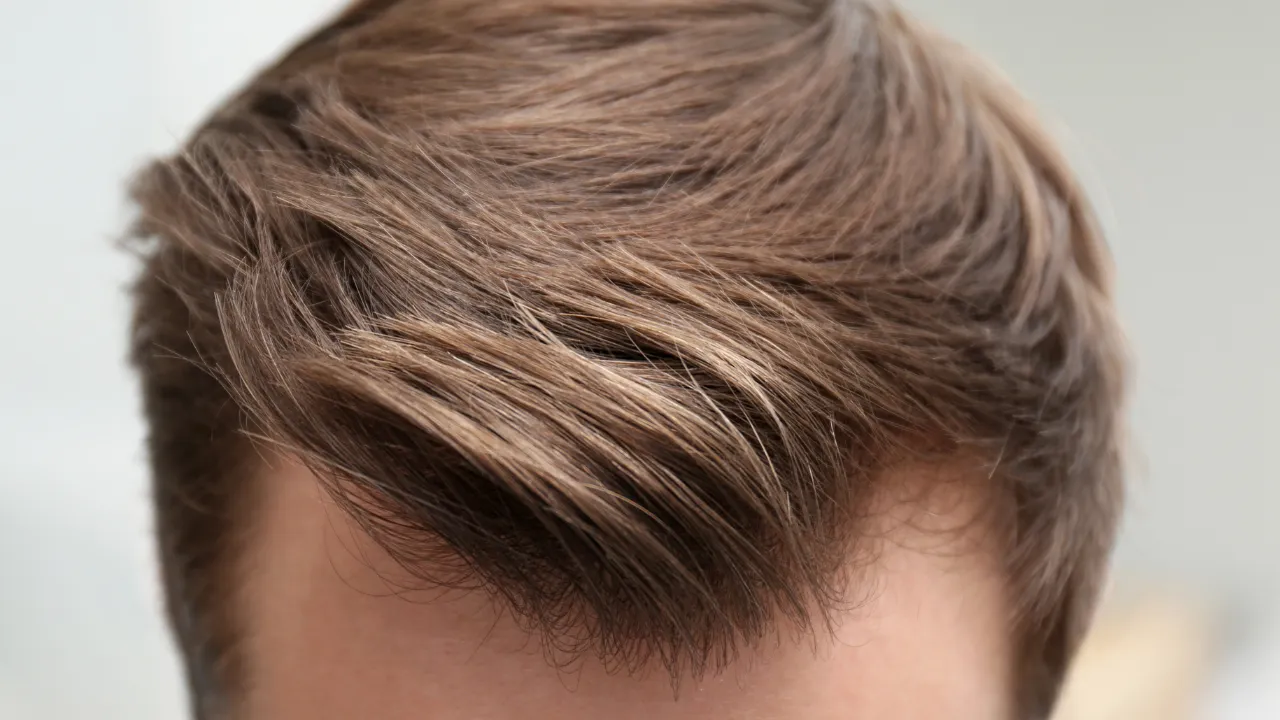
Styling gel is one of the most widely used grooming products in the US, but overuse or poor cleansing can create scalp conditions that interfere with normal growth. Formulas containing alcohol or other drying agents strip sebum, leaving strands brittle and prone to snapping.
Buildup from prolonged use without washing can occlude follicles and inflame the scalp, which raises the risk of temporary shedding. The follicle itself stays intact in these cases, which is why the effect is reversible once the routine changes.
Can Hair Gel Cause Hair Loss in 1 Day?
If you have ever asked yourself “does hair gel cause hair loss in one day,” the answer is no, though poor scalp care can create that impression over weeks. A single day of styling is unlikely to produce meaningful shedding. Harsh formulas or heavy scalp-level application can still irritate skin and trigger temporary fallout.
Some of what you notice is timing, not damage. It is normal to shed50 to 100 strands a day, and gelled strands stay stuck to the head instead of falling loose, so they all release at once in the shower.
Always rinse thoroughly after styling and choose scalp-friendly formulations. Take a look at The Best Natural and Organic Shampoos for Hair Growth 2025
What Ingredients Are Found in Hair Gel?
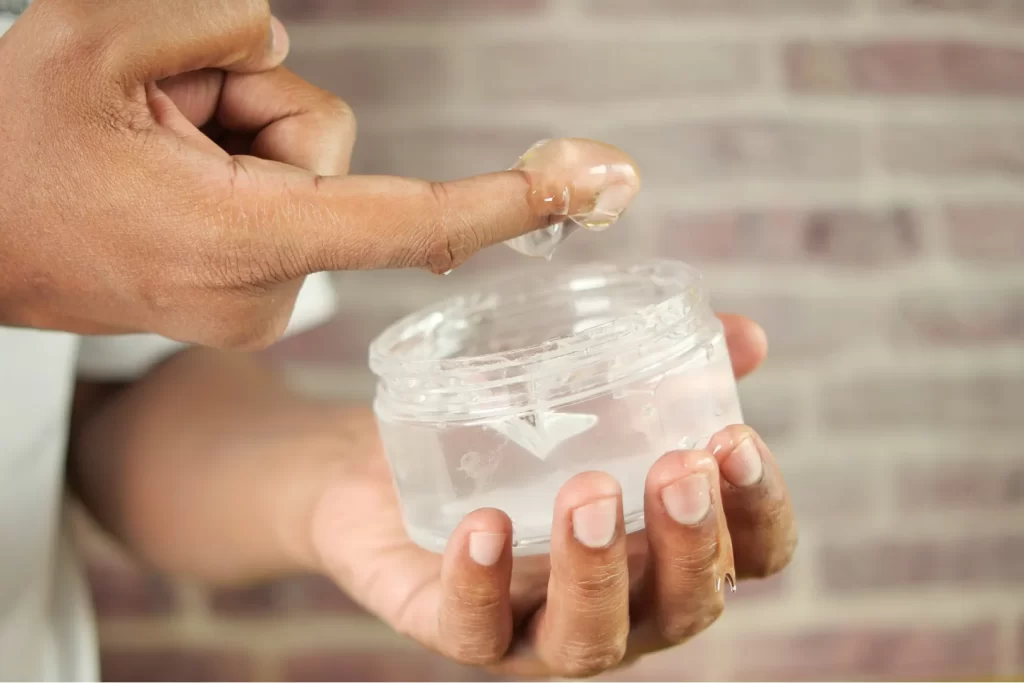
Understanding what is in the bottle helps you match a product to your scalp type. Formulations vary, but most contain the same core components:
- Water: Serves as the base for the formula.
- Polymers and Carbomers: Styling agents that hold the shape and protect against humidity.
- PVP (Polyvinylpyrrolidone): A common holding polymer that dries into a thin film, sealing out moisture and maintaining the style.
- Alcohol: Helps the product dry quickly after application.
- Approved Parabens: Preservatives used to extend shelf life.
- Additives: Substances that improve moisture, texture, scent, and UV protection.
| Ingredient | Function | Effect on scalp and strands | Concern level |
|---|---|---|---|
| Water | Formula base | None | Low |
| Polymers and carbomers | Hold and humidity resistance | Stiffens strands; raises snap risk if combed once dry | Moderate |
| PVP | Film-forming hold | Generally well tolerated; contributes to buildup if not rinsed | Low |
| Alcohol (ethanol, isopropyl, alcohol denat.) | Fast drying | Strips sebum, producing brittleness and flaking | High |
| Sulfates | Cleansing and lather | Removes natural oils; leaves strands dry and breakage-prone | High |
| Silicones | Shine and slip | Accumulates on the scalp and occludes follicles | Moderate |
| Parabens | Preservative | Can irritate reactive or eczema-prone scalps | Moderate |
| Propylene glycol | Humectant and solvent | Known irritant; causes itching, redness, flaking in sensitive users | High |
| Aloe vera, glycerin, flaxseed | Hold plus hydration | Maintains moisture balance; suitable for daily use | Low |
Not all of these carry equal risk. The table below separates the neutral ingredients from the ones worth screening for if your scalp is reactive or already thinning.
Does Leaving in Hair Gel Make You Lose Hair?
Styling products can contribute to thinning if buildup is never removed. Many users wonder whether hair gel causes baldness because of this residue effect.
Leaving product in overnight or reapplying daily without washing irritates the scalp and causes weakened strands and temporary fallout. Regular cleansing and gentler formulas prevent it.
Hair Gel’s Impact on Scalp Health
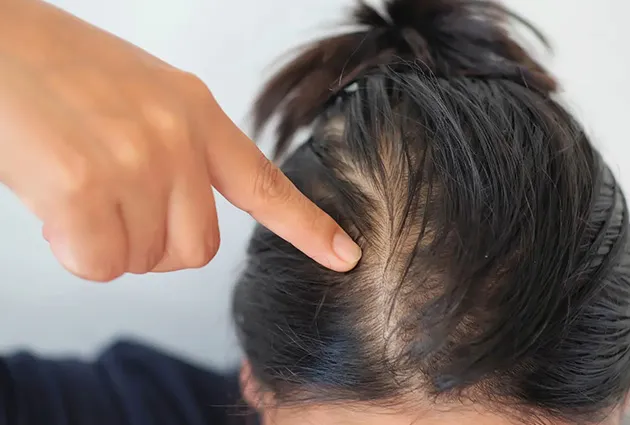
Improper use affects the skin more than the strand. Dryness, irritation, and occluded follicles are the common consequences of low-quality products or skipped washes. Understanding how a formula interacts with your scalp is the key to avoiding dandruff, thinning, and fallout.
Can Hair Gel Cause Dandruff?
Yes. Residue can mix with dead skin cells and natural oils, producing flaking and irritation. Dried gel also flakes off on its own, which mimics dandruff even on a healthy scalp.
Wash regularly and avoid stacking styling products to prevent both the real thing and the look-alike. Read more on dandruff and its role in shedding.
Does Hair Gel Damage Your Hair?
Formulas containing alcohol or propylene glycol dry out both the strands and the scalp, causing brittleness and irritation. Sustained irritation weakens the follicle environment and slows growth. Choose products with nourishing ingredients and cleanse consistently to avoid it.
Too Much Gel: Effects on Hair
Heavy application weighs strands down and accelerates buildup, disrupting sebum balance and hindering growth. Apply sparingly and prioritize a clean scalp. If you have also noticed flaking or itchiness, read our guide on does dandruff cause hair loss to understand how scalp conditions affect growth.
Is Gel Bad for Your Hair, or Are You Seeing Something Else?
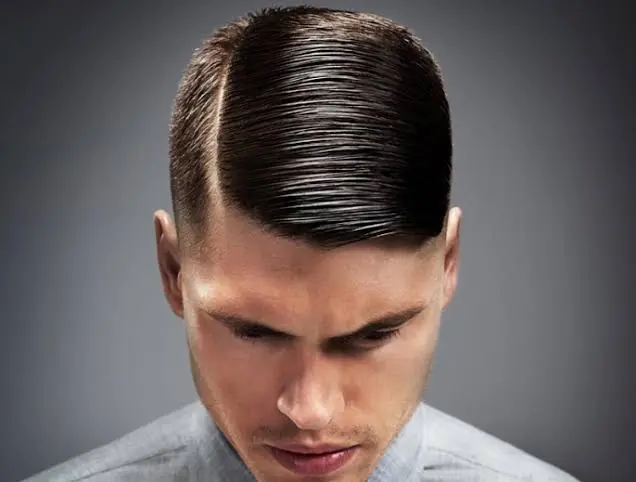
This distinction matters more than any ingredient list. Breakage happens along the strand, leaves short broken pieces of uneven length, and does not involve the follicle. Genetic thinning happens at the root, follows a pattern, and produces progressively finer strands.
Styling products can only cause the first type. If your hairline is receding or your crown is thinning in a defined pattern, the cause is hormonal and genetic, and no product change will reverse it.
One exception involves tension rather than chemistry. Using gel to hold tight ponytails, buns, or slicked-back styles exerts sustained pull on the follicle, which can lead to traction alopecia, a preventable but potentially scarring condition. The gel is not the culprit there; the tension is.
Preventing Hair Loss and Maintaining Scalp Health
Sensible application, combined with healthy habits, protects both the strand and the scalp. Avoid tight styling, use quality formulas, and cleanse regularly to reduce the risk of irritation and thinning.
Can Using Gel Every Day Cause Hair Loss?
Daily styling is generally safe, provided you wash it out daily. Washing every day will not accelerate shedding; skipping it poses a greater risk.
Without regular cleansing, residue combines with oil, sweat, and flakes. Over time, that mixture can cause folliculitis, an inflammatory condition that interferes with normal growth.
Is It Bad to Sleep With Gel in Your Hair?
Yes, and this is the single habit most worth changing. Is it bad to sleep with gel in your hair comes down to duration of contact: eight hours of occlusion plus friction against a pillowcase is far harder on strands than eight hours of daytime wear.
What Happens If You Leave Gel in Your Hair Overnight?
Dried polymer stiffens the strand, and any movement against bedding snaps brittle sections. Meanwhile, trapped sweat and sebum sit against the scalp, creating the conditions for flaking and irritation.
Repeat this for several nights, and you get buildup, inflammation, and temporary fallout. Rinse before bed.
Alternatives and Tips for Healthy Hair
If you are concerned about side effects, alternatives and better habits both help.
Which Hair Gel is Good for Hair?
Choose formulas with hydrating ingredients like aloe vera or glycerin that nourish while still holding their shape. Skip anything alcohol-heavy, and favor lightweight, water-soluble products that rinse out without a clarifying wash.
Best Natural Alternatives to Hair Gel
Aloe vera and flaxseed gel are the two strongest substitutes. Aloe hydrates the scalp while holding the style, and flaxseed provides light hold with added conditioning. Coconut oil adds shine and moisture, though it suits drier textures better.
Hair Gel Balancing Tips for Healthy Scalp
To balance styling with scalp health:
- Apply sparingly to prevent buildup.
- Cleanse regularly to remove residue.
- Avoid tight styles that strain follicles.
- Massage the scalp to improve circulation.
- Use gentle, hydrating shampoos in your routine.
- Keep application on the mid-shaft and ends, not the scalp.
What should I do about my hair loss?
If you notice more strands in the shower or on your pillow each morning, styling product is unlikely to be the cause of sustained fallout.
| Option | Best suited for | Cost |
|---|---|---|
| Consultation and medical management | Confirming the cause before committing to treatment | $350 |
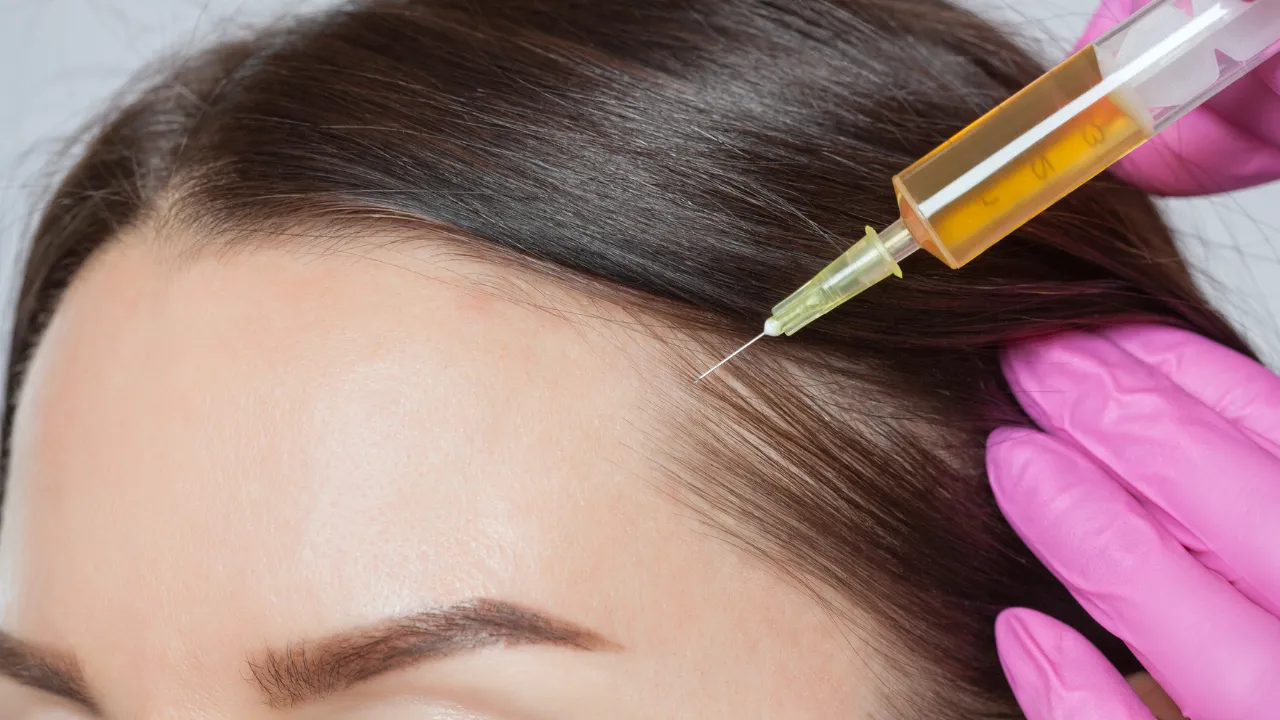
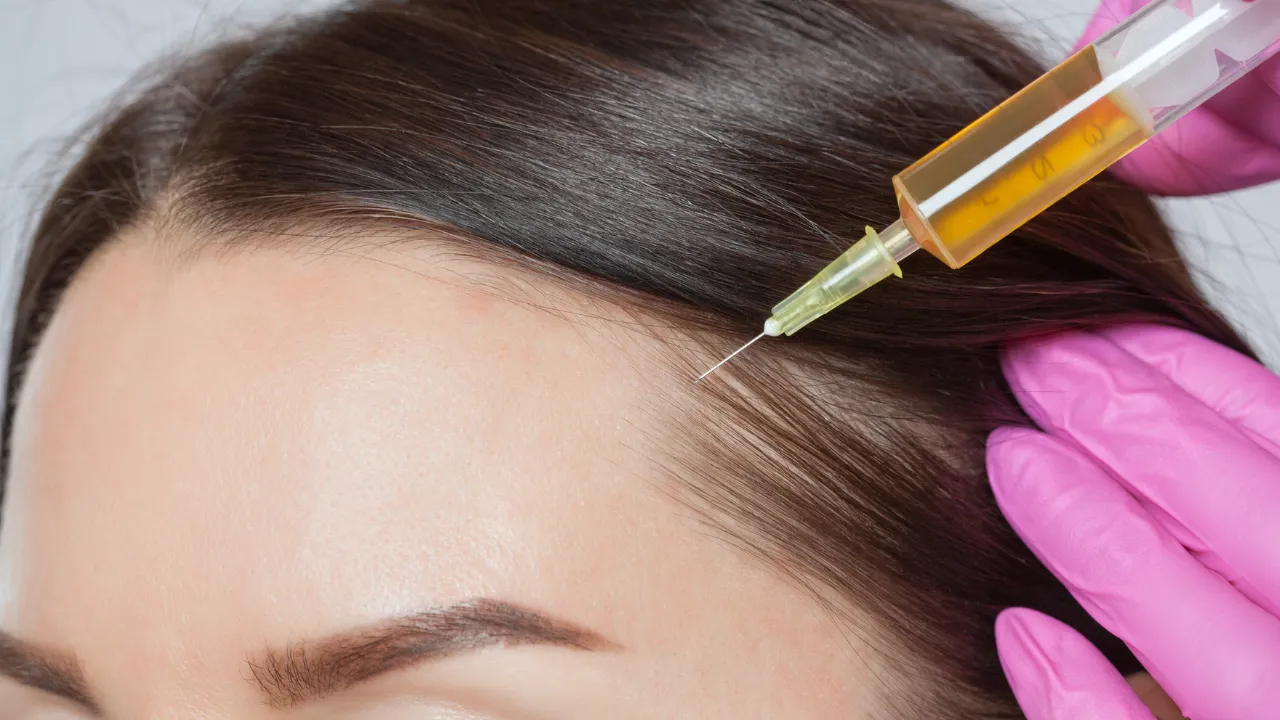
| PRP therapy | Early thinning and density support | $1,500 per session |
| Finasteride or minoxidil | Slowing hereditary progression | Determined at consultation |
| FUE transplant | Established pattern loss with a stable donor area | $25,000 to $40,000 |
| FUT transplant | Higher graft counts in a single session | $25,000 to $40,000 |
| No-shave FUE | Patients who cannot shave for recovery | $30,000 to $40,000 |
You may instead be experiencing hereditary thinning, which is common among men. While male pattern baldness is widespread, it can be challenging to manage. Our resources are here to guide you through diagnosis and treatment options. Finasteride and Minoxidil are usually great options.
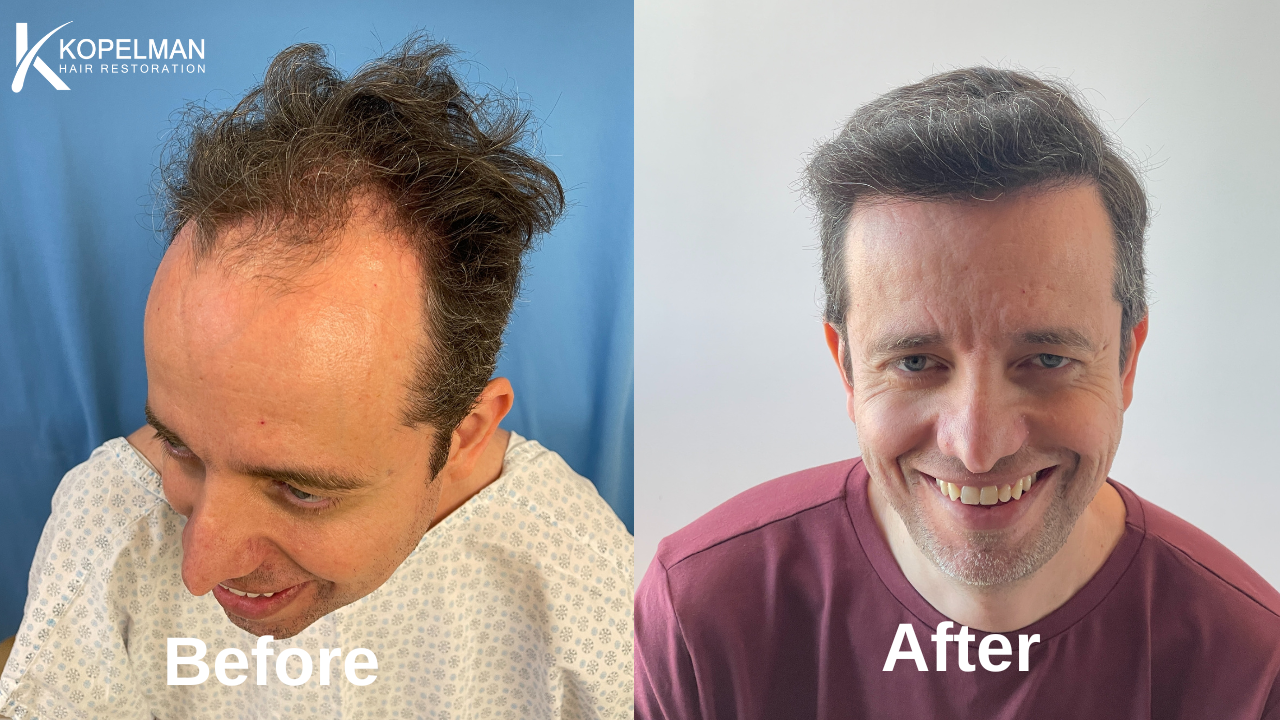
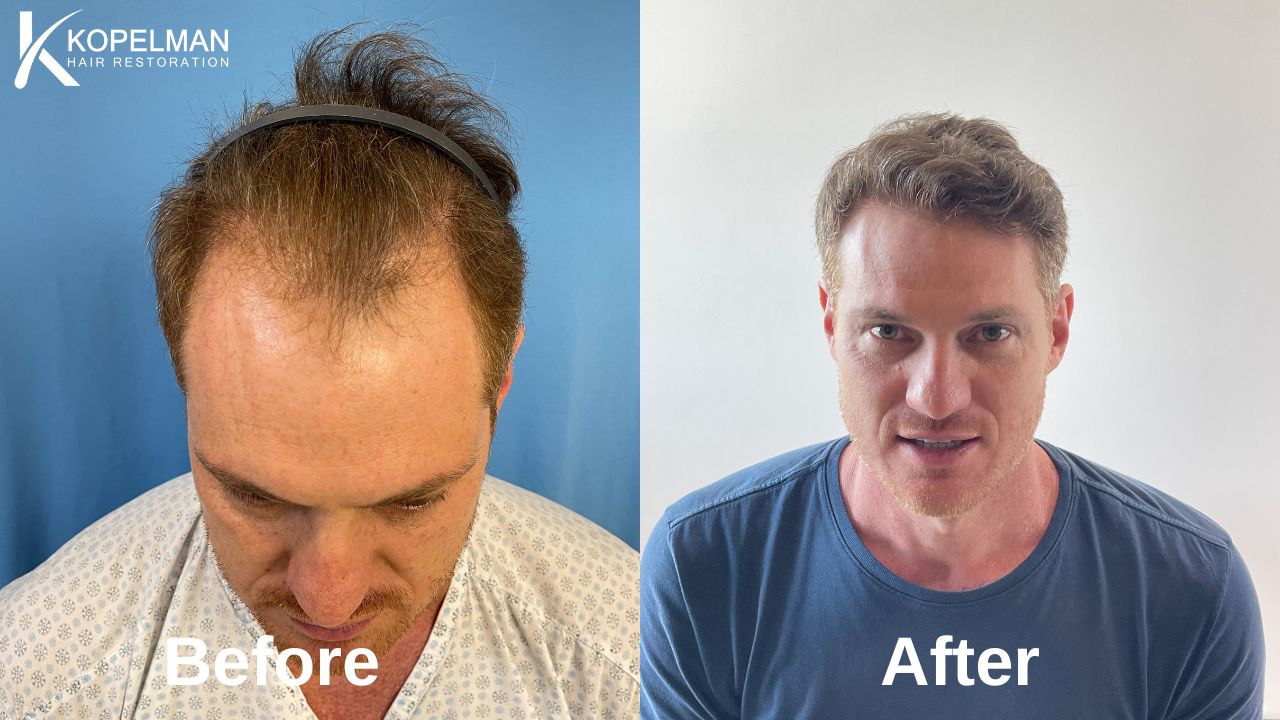
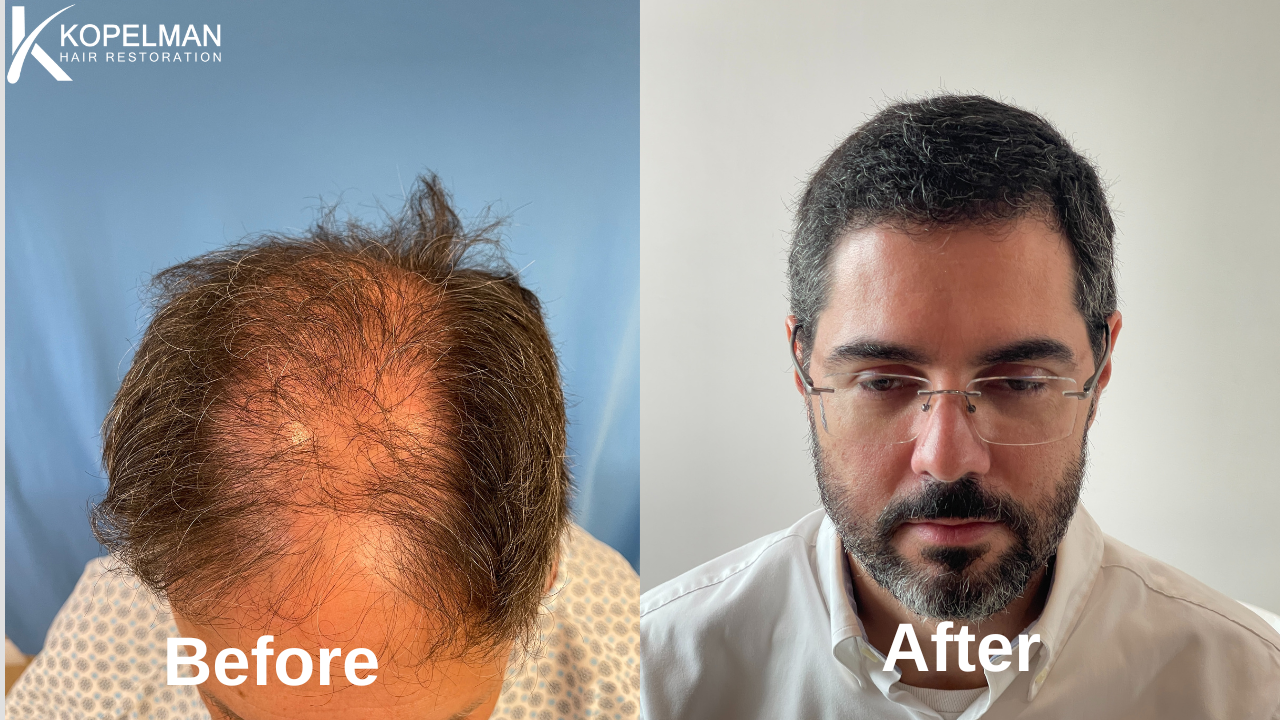
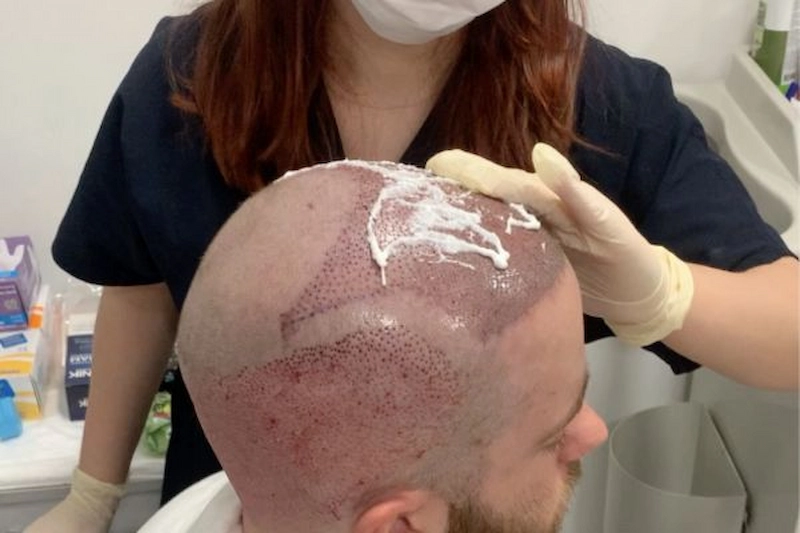
If thinning becomes advanced, hair transplant procedures offer a long-term solution by relocating follicles that are genetically resistant to shedding. These procedures restore natural growth density. Consult a specialist to explore your options.
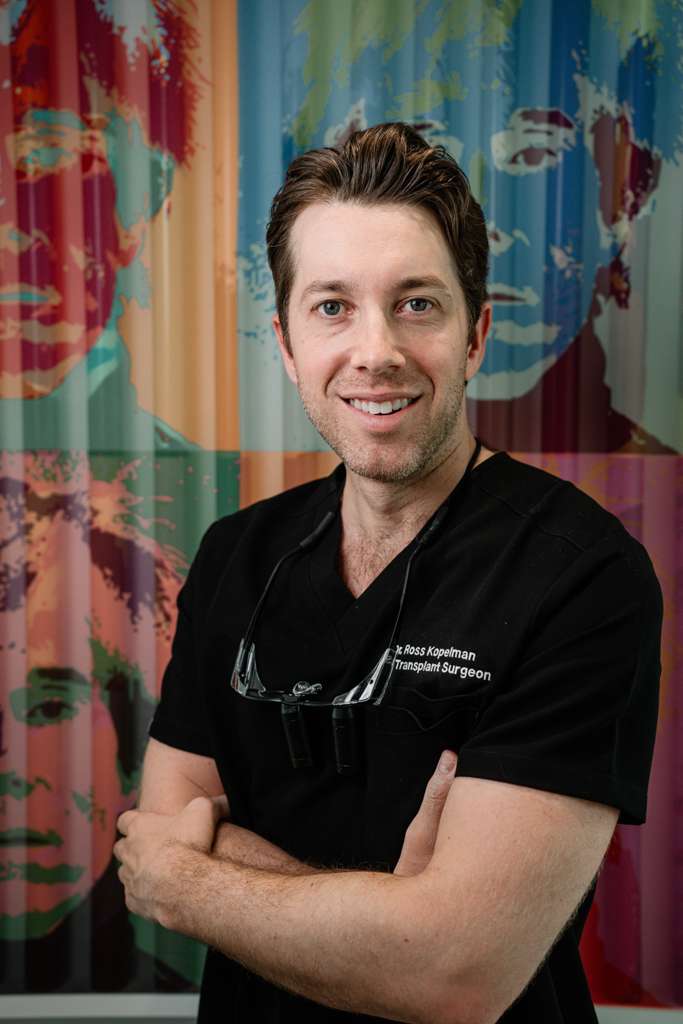
Our team of experts offers tailored hair loss treatment solutions. With over 35 years of combined expertise, we can help you achieve the confidence you deserve. Schedule a consultation today.
Frequently Asked Questions
Does gel ruin your hair?
Not on its own. Damage comes from harsh ingredients and improper use, which produce breakage rather than follicle loss.
Does styling gel slow growth?
No. Growth rate is determined at the follicle. Heavy buildup can inflame the scalp, but it does not change how fast strands grow.
Does gel clog follicles?
It can when applied directly to the scalp and left in. Keeping application off the skin and rinsing daily prevents it.
Is gel or hairspray gentler?
Hairspray is lighter and less prone to flaking, and it suits longer lengths. Gel gives more hold and works better on short cuts. Neither causes baldness.
ow do I remove stubborn buildup?
A clarifying shampoo, used once or twice weekly, removes residue left by regular shampoo. Follow with conditioner to restore moisture.