

Understanding Losartan and Its Side Effects
What Is Losartan Used For?
Losartan potassium is part of a class of drugs called angiotensin II receptor blockers (ARBs). It is prescribed to:
- Treat high blood pressure (hypertension).
- Reduce the risk of stroke in patients with cardiovascular conditions.
- Protect the kidneys in people with diabetic nephropathy.
By blocking angiotensin II, a hormone that narrows blood vessels, losartan potassium helps relax them, improving blood flow and reducing strain on the heart. It plays a role in preventing conditions like heart failure and heart attack.
Certain medications can disrupt hair growth cycles and trigger temporary shedding. We have also discussed similar effects in our guide on birth control pills and hair loss.
Is Losartan a Blood Thinner?
A common question that comes up alongside concerns about side effects is whether losartan is a blood thinner. It is not. Losartan potassium is an ARB, meaning it works by relaxing blood vessels, not by thinning the blood or affecting clotting.
Blood thinners (anticoagulants) like warfarin or heparin work through a completely different mechanism. This distinction matters because blood thinners are actually associated with telogen effluvium in some patients, while losartan is not considered a frequent culprit.
Source: Watras, M.M., et al. (2016). “Traditional anticoagulants and hair loss: A role for direct oral anticoagulants? A review of the literature.” Drugs – Real World Outcomes, 3(1), 1–6. https://www.ncbi.nlm.nih.gov/pmc/articles/PMC4819463/
Common Side Effects of Losartan
Common side effects include:
- Dizziness or lightheadedness: Often linked to blood pressure changes.
- Fatigue: As the body adjusts to the medication.
- Digestive issues: Such as nausea or diarrhea.
Although thinning is not a commonly listed side effect, some patients report experiencing it. If you suspect losartan is causing changes to your hair, consult your doctor or pharmacist to discuss treatment options or alternatives.
Losartan and Hair Loss
Does Losartan Cause Hair Loss or Thinning?
While not officially documented as a side effect, some individuals report hair thinning or loss while on Losartan. Possible explanations include:
- Individual Sensitivities: The way Losartan interacts with specific body systems.
- Underlying Conditions: Stress, hormonal changes, or nutritional deficiencies unrelated to the medication.
- Drug Interactions: Concurrent use of medications like beta blockers or other ARBs.
If shedding does occur, it is most likely to follow the pattern of telogen effluvium, where a higher percentage of hairs shift into the resting phase and shed weeks to months after a trigger. This is different from the rapid shedding seen with chemotherapy, which disrupts active hair growth directly.
Source: Saleh, D., et al. (2024). “Anagen effluvium.” StatPearls, NCBI Bookshelf. https://www.ncbi.nlm.nih.gov/books/NBK482293/ — and/or the telogen effluvium entry from the same resource.
How to Tell If Losartan Is Actually the Cause
This is the question most people searching this topic actually need answered, and it requires looking at several factors together rather than assuming the medication is responsible.
Timing is the first clue. Telogen effluvium typically lags behind its trigger by two to four months. If you started losartan in January and noticed increased shedding in March or April, the timing fits. If shedding began within a few days of starting the medication, the cause is more likely something else.
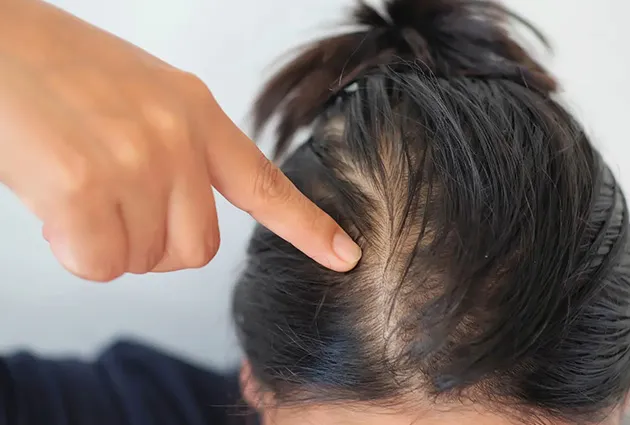
Pattern matters too. Losartan-related shedding, if it occurs, tends to be diffuse, meaning spread across the scalp rather than concentrated at the crown or temples. Patterned thinning that progresses gradually over years is more consistent with genetic hair loss than a medication side effect. Patchy loss that appears suddenly warrants prompt evaluation, as it may indicate an inflammatory or autoimmune condition.
Other triggers can overlap or mimic the same pattern. Before attributing shedding to losartan, consider whether any of the following changed in the same three-to-six-month window:
- A significant stressful event or illness
- Rapid weight loss
- Changes in thyroid function
- Low iron or ferritin levels
- New supplements, especially high-dose vitamin A
- Hormonal shifts such as postpartum changes or menopause
A clinician can order basic labs, including thyroid function and ferritin, to rule out these causes. A scalp exam can also differentiate telogen effluvium from pattern loss or an inflammatory scalp condition.
Is Hair Loss from Losartan Reversible?
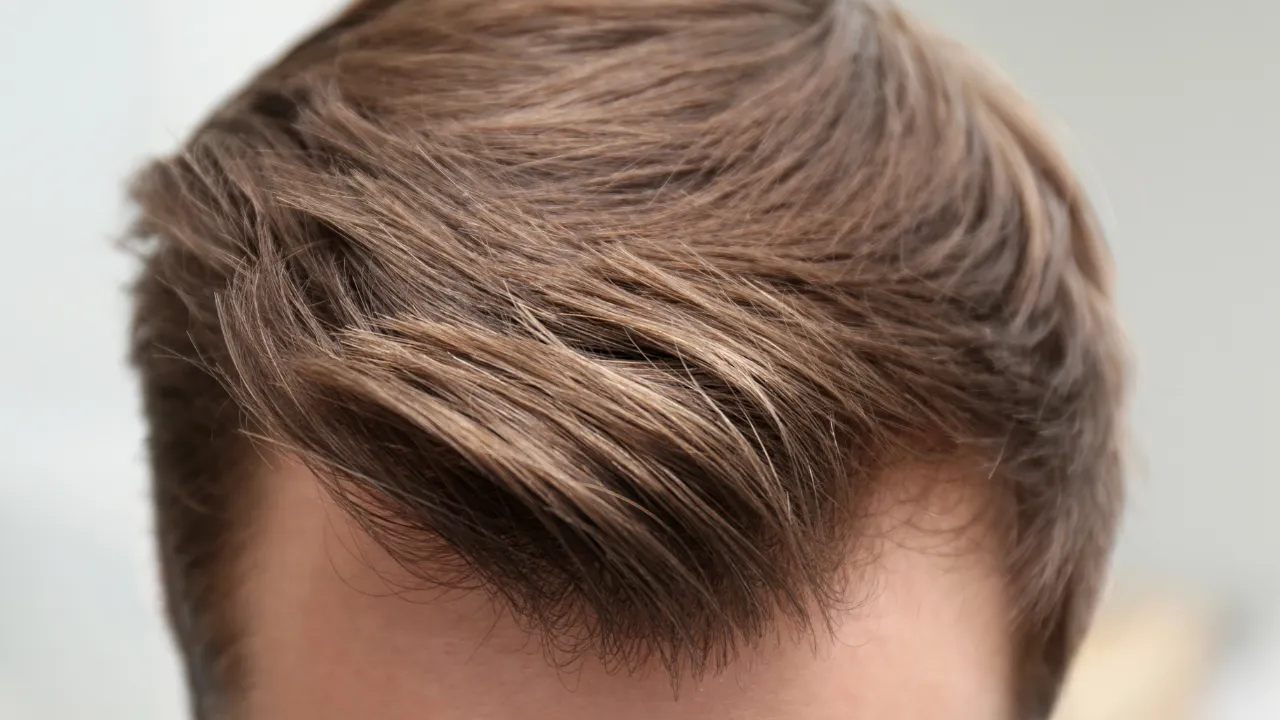
Drug-related shedding is often temporary, and many people see regrowth once the trigger is identified and addressed. The key lies in identifying the cause early and taking proactive measures. Growth typically resumes once the body adjusts to the medication or after switching to an alternative treatment.
To address and reverse the issue, consider the following steps:
Your healthcare provider may adjust your losartan dosage to minimize potential side effects, including thinning. If necessary, they might recommend switching to another ARB or a calcium channel blocker, which is generally less likely to affect the hair cycle. It is essential to follow their advice rather than stop the medication abruptly, as this could increase the risk of heart attack, stroke, or kidney disease.
Improve Hair Health: A nutrient-rich diet can significantly impact regrowth. Incorporate foods high in:
- Biotin: Found in eggs, nuts, and leafy greens, biotin supports keratin production
- Iron: Meat, spinach, and lentils help deliver oxygen to hair follicles
- Protein: Fish, chicken, and legumes provide essential building blocks for growth
Consider supplements if your diet lacks these nutrients, but consult your doctor before starting any new regimen.
Explore Restoration Options:
- Topical Treatments: Products like minoxidil can stimulate regrowth and strengthen thinning strands
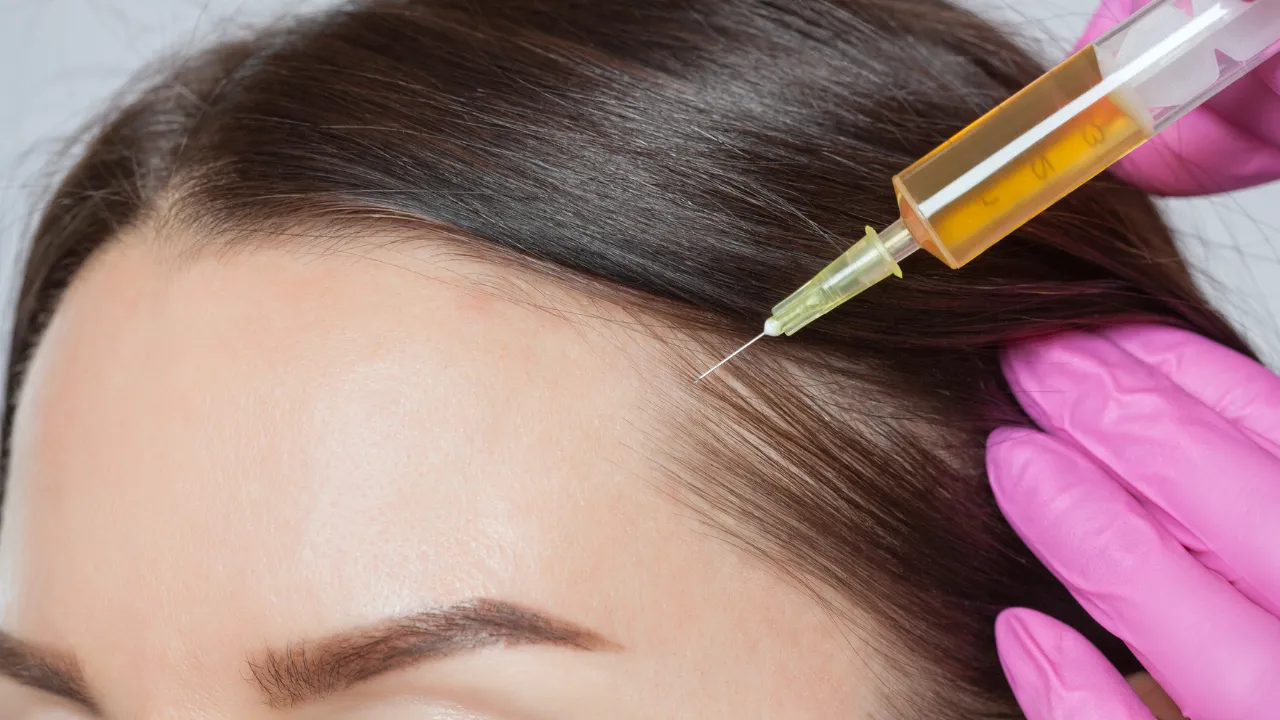
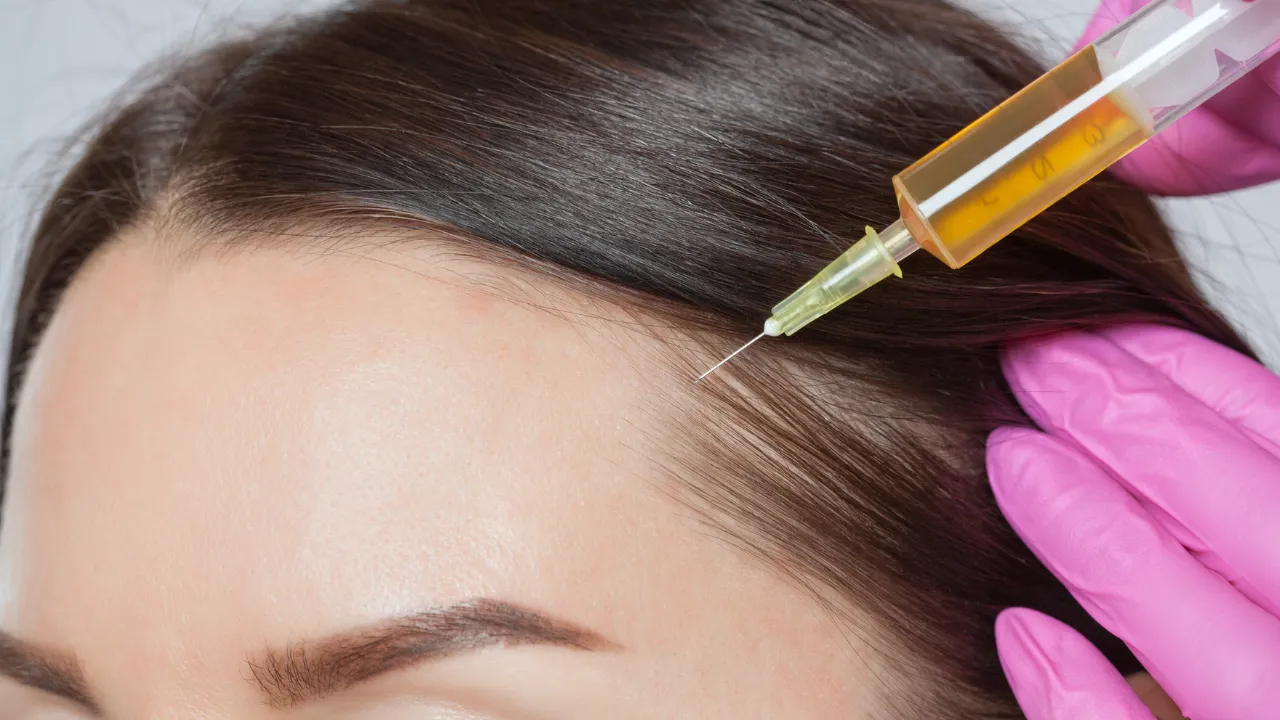
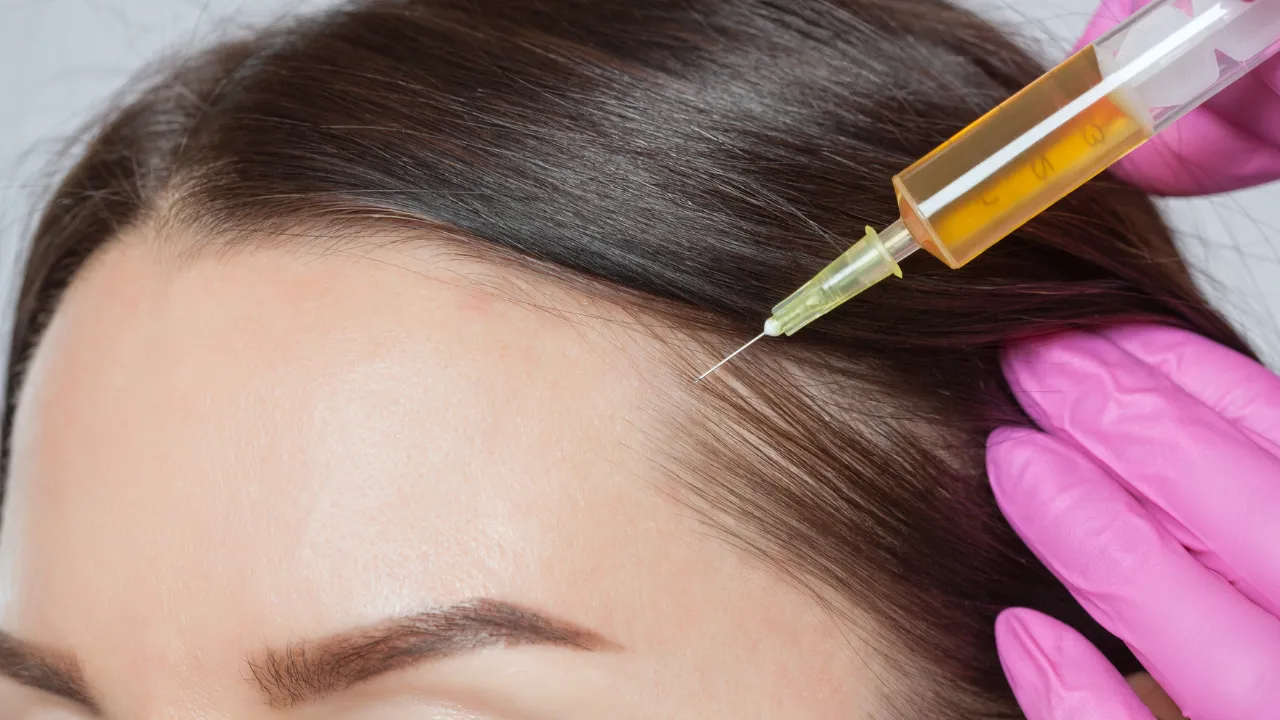
- Scalp Therapies: Professional treatments such as Platelet-Rich Plasma (PRP) therapy encourage follicle recovery and regrowth
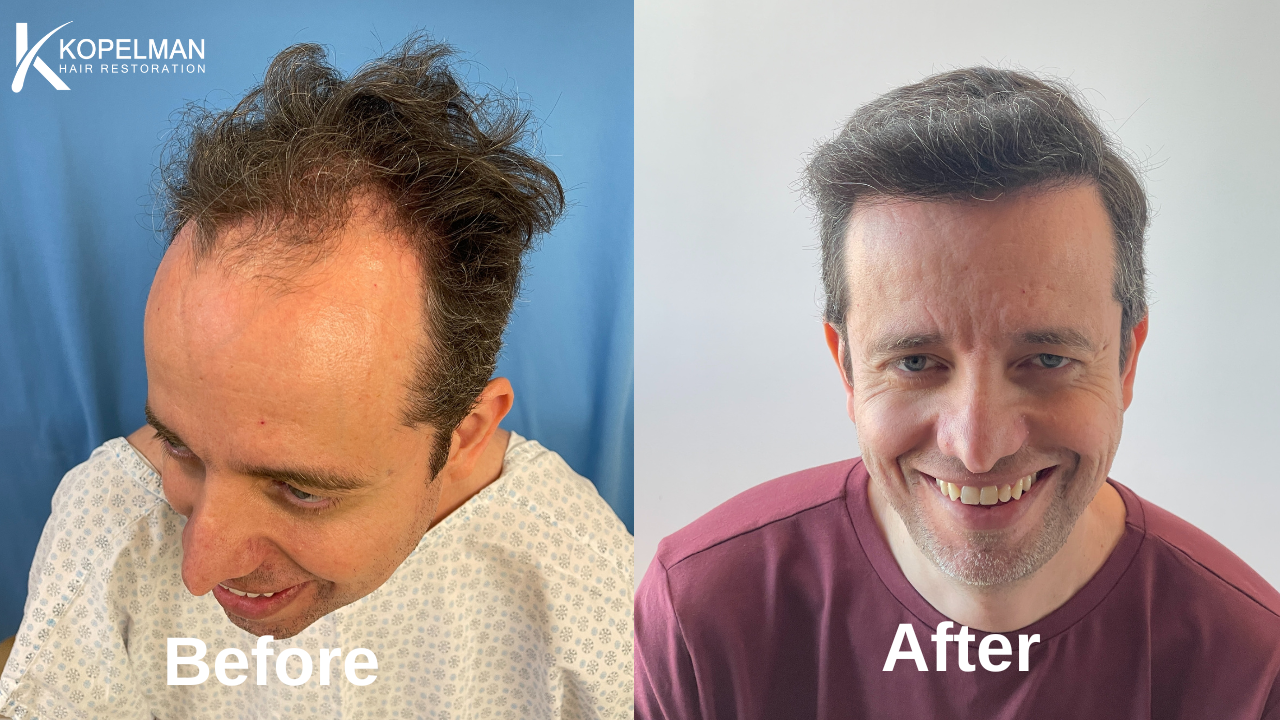
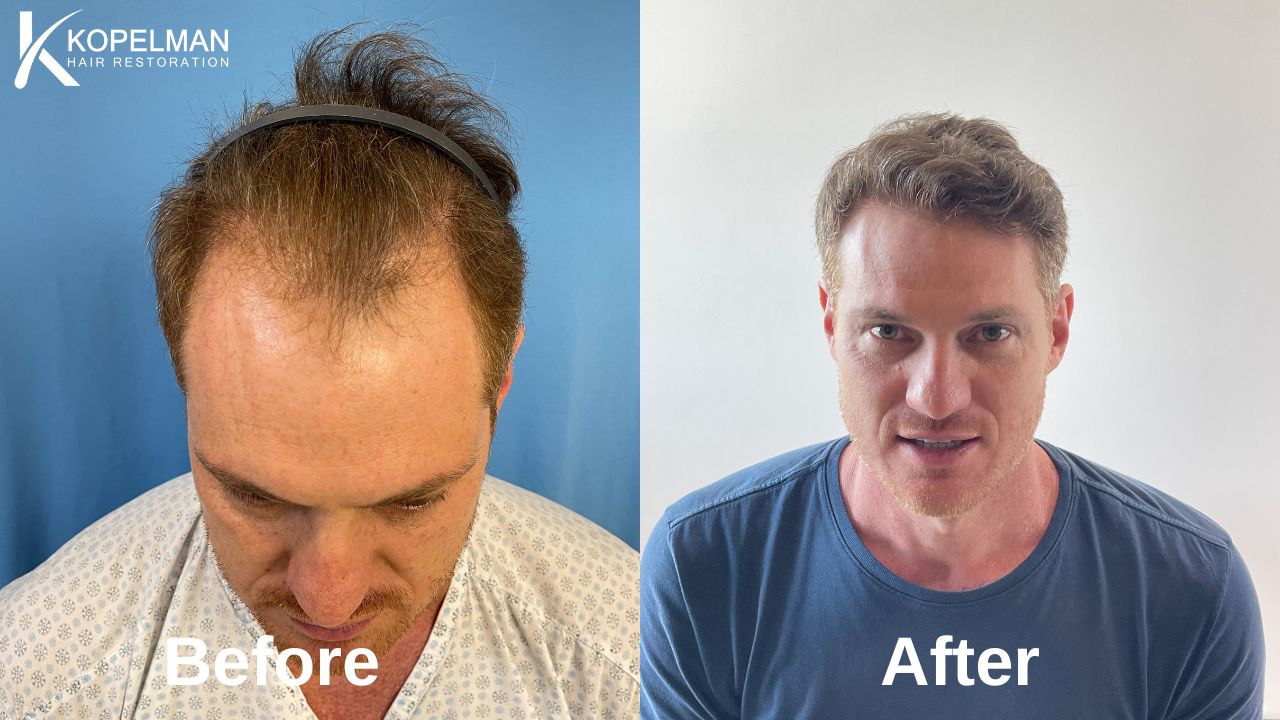
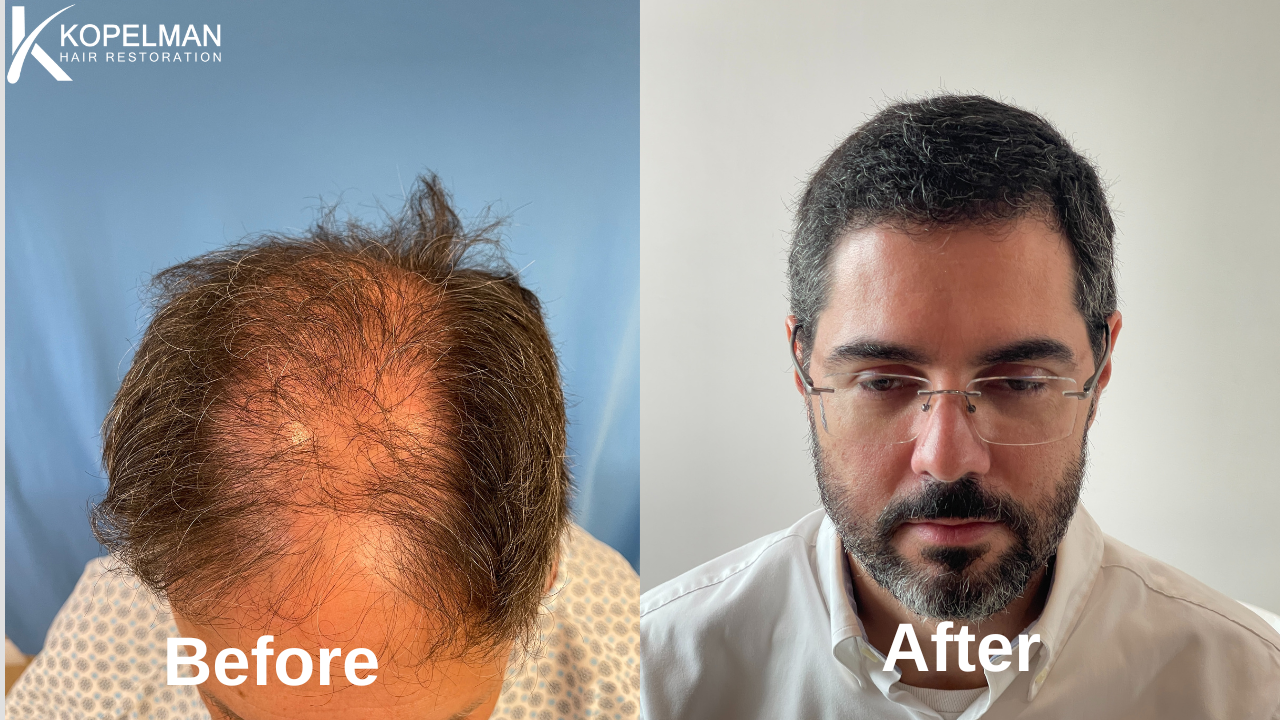
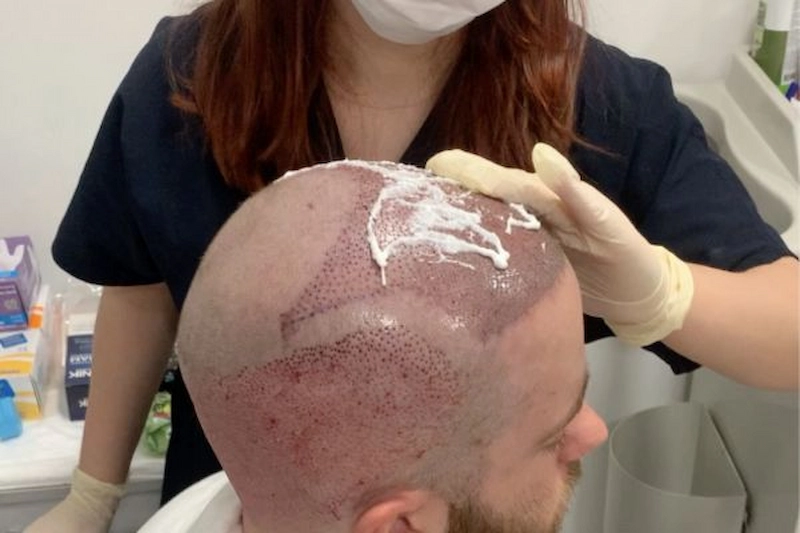
- Hair Transplants: For persistent cases, advanced techniques like Follicular Unit Extraction (FUE) offer long-lasting results
By addressing potential triggers and prioritizing scalp health, many individuals see noticeable improvements within months.

Medications and Shedding
Which Drugs Cause Hair Loss?
Several medications can contribute to shedding, especially those prescribed for cardiovascular and other chronic conditions. This occurs due to disruptions in the growth cycle, typically caused by a medication’s effect on hormones or nutrient absorption. Common culprits include:
- Beta-blockers: Often prescribed for heart failure and high blood pressure, these can slow follicle activity, leading to thinning over time
- Calcium channel blockers: Used to relax blood vessels and lower blood pressure; a less likely cause of thinning compared to other cardiovascular treatments
- ACE inhibitors: Drugs like lisinopril, commonly used to treat hypertension, have been reported to contribute to shedding in some patients
- Chemotherapy drugs: Known for causing severe shedding due to their impact on rapidly dividing cells, including hair follicles
- Antidepressants: Selective serotonin reuptake inhibitors (SSRIs) are sometimes associated with telogen effluvium
If you are experiencing shedding while taking any of these medications, consult your doctor to explore alternatives or supportive measures.
Sources: Phillips, T.G., et al. (2017). “Hair loss: Common causes and treatment.” American Family Physician, 96(6), 371–378. https://www.aafp.org/pubs/afp/issues/2017/0915/p371.html
Etminan, M., et al. (2018). “Risk of hair loss with different antidepressants.” International Clinical Psychopharmacology, 33(1), 44–48. https://journals.lww.com/intclinpsychopharm/Abstract/2018/01000/Risk_of_hair_loss_with_different_antidepressants_.4.aspx
Cozaar vs. Losartan for Hair Health
Cozaar is the brand name for losartan, and both contain the same active ingredient. Their effects on the hair cycle are identical. Individual sensitivities to inactive ingredients, such as fillers or dyes, could lead to slightly different experiences.
If you suspect Cozaar or losartan is affecting your hair, here is what you can do:
- Discuss alternatives: Your doctor may recommend switching to another ARB or a drug from a different class, like a calcium channel blocker or beta-blocker, depending on your overall health
- Monitor symptoms: Keep track of changes when switching medications to determine whether the new treatment has a positive impact
- Support scalp health: Maintain a diet and hair care routine that promotes regrowth regardless of the medication
Patterns in Drug-Induced Shedding
Drug-related shedding often falls into two categories:
- Telogen effluvium: Temporary shedding due to stress on the hair cycle, where more strands shift into the resting phase and fall out weeks to months later. The scalp typically looks normal, with no scarring or thick scale.
- Anagen effluvium: More rapid and severe shedding caused by chemotherapy or similar treatments that interrupt active growth directly.
For losartan, if any change occurs, telogen effluvium is the more plausible pattern. Understanding these two types helps identify whether shedding is likely linked to medication at all.
Managing Hair Loss from Losartan
What to Do If You Notice Changes
Follow this structured approach before drawing conclusions or making any medication decisions:
- Document the timeline. When did losartan start or change in dose? When did shedding begin? The lag time between trigger and shedding in telogen effluvium is typically two to four months.
- Assess the pattern. Is shedding diffuse or patterned? Is there scalp itching, burning, or scale? Patchy loss needs prompt evaluation.
- Check for overlapping triggers. Ask whether basic testing is appropriate, such as thyroid function and iron or ferritin levels, especially if fatigue or other symptoms are present.
- Consult your healthcare provider. They may recommend an alternative medication, such as a calcium channel blocker. Never stop or adjust losartan on your own.
- Consider a dermatology evaluation. A scalp exam can differentiate telogen effluvium from pattern thinning or inflammatory scalp disorders and guide supportive treatments.
In the meantime, avoid aggressive chemical treatments, tight hairstyles, and overuse of heat. Gentle care reduces breakage that can make shedding appear worse than it is.
Lifestyle Tips for Maintaining Hair During Treatment
- Nutritional support: Include foods rich in protein, iron, and vitamins to strengthen strands
- Stress reduction: Engage in yoga, meditation, or other relaxation techniques, since stress is independently associated with telogen effluvium
- Avoid harsh treatments: Stick to mild shampoos and avoid frequent dyeing or heat styling. Find out which are the hair products you should avoid
Advanced Hair Restoration Treatments
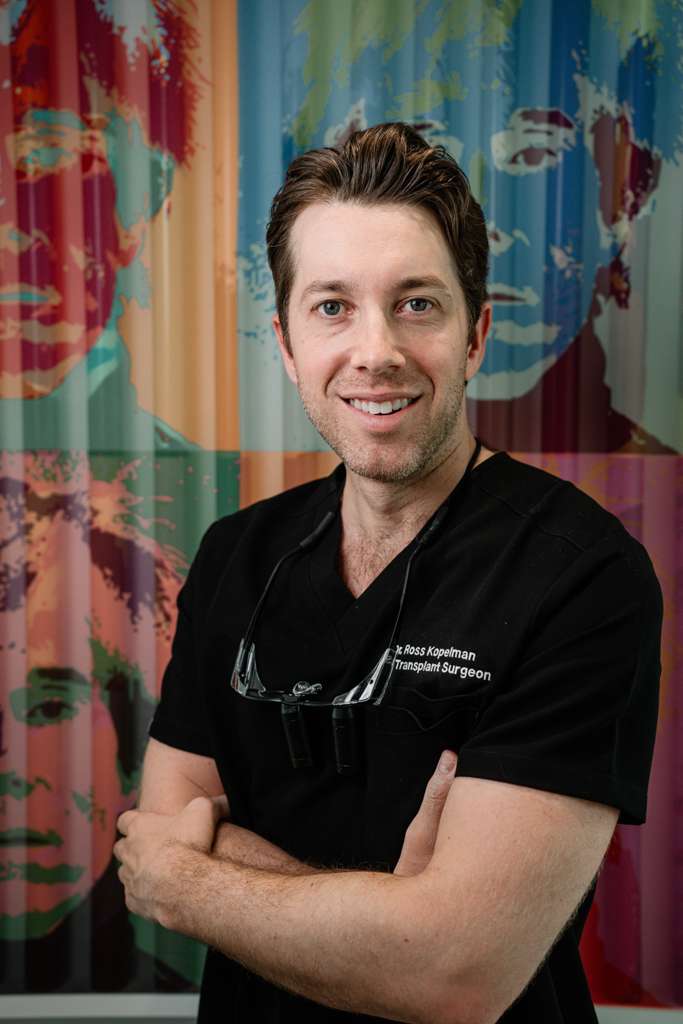
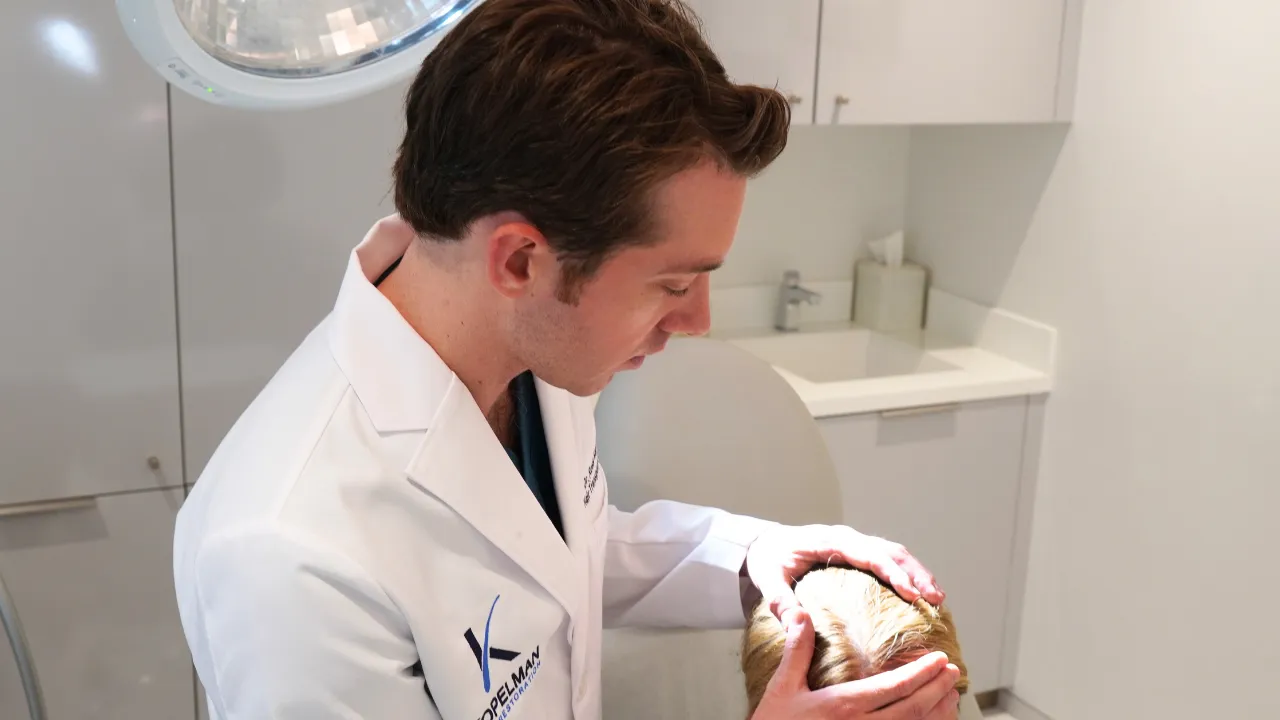
For patients where shedding persists despite addressing the underlying trigger, Kopelman Hair offers solutions like Follicular Unit Extraction (FUE) and Platelet-Rich Plasma (PRP) therapy. These minimally invasive treatments provide natural results for those experiencing thinning or loss.
Why Choose Kopelman Hair?
Our clinic combines:
- Experience in Hair Restoration: This father-son team has more than 35 years of experience in hair restoration
- Personalized Care: Tailored solutions for each patient’s unique needs
- State-of-the-Art Technology: Ensuring the most advanced, effective treatments available
Personalized Plans to Regain Confidence
We understand the impact of thinning on self-esteem. Our team works with you to develop a personalized plan, helping you restore not only your hair but also your confidence.
Final Thoughts
Losartan is an effective blood pressure medication that plays a vital role in managing conditions like kidney disease, heart attack, and heart failure. While hair loss is not a common side effect, some individuals may experience it. By consulting a doctor or pharmacist and exploring treatment options, you can address any concerns while maintaining your health. With the right steps and support, hair loss can often be reversed, and confidence restored.
Schedule a consultation today to explore your options and take the first step towards achieving your hair goals.