
What Is Telogen Effluvium?
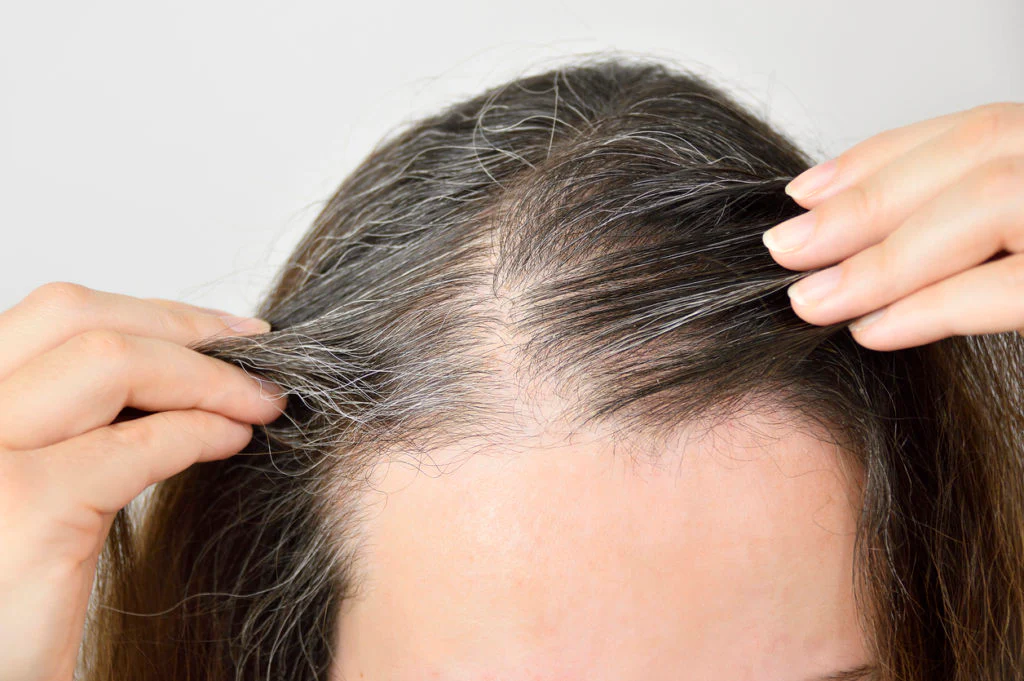
Telogen effluvium, sometimes called telogen hair loss, is a short-term form of hair shedding. It happens when many follicles enter the resting phase of the growth cycle, called the telogen phase. Shedding often starts a few months after a major trigger, and patients notice a sudden drop in density.
Each strand cycles through four stages: anagen (active growth lasting 2 to 7 years), catagen (a brief two-week transition), telogen (a resting period of about three months), and exogen (the natural release of the strand).
In a healthy scalp, roughly 85 percent of follicles are in the anagen phase and only 10 to 15 percent are resting. During an episode of telogen effluvium, that resting percentage can climb to as much as 30 percent, pushing far more strands toward release at once (ISHRS).
Patient scenarios
Telogen effluvium in women is common after childbirth, often around three months postpartum, when estrogen levels drop sharply. Others lose noticeable amounts of hair after a high fever, COVID infection, surgery, or rapid weight loss.
Patients sometimes describe finding clumps in the shower drain or on the pillow each morning. These cases all share one thing in common: a clear triggering event followed by sudden, even thinning across the scalp.
Causes and triggers
The common causes of hair loss include fever, childbirth, rapid weight loss, poor diet, iron or vitamin D deficiency, thyroid imbalance, and certain medications such as beta-blockers, anticonvulsants, retinoids, and some antidepressants.
Major emotional stress, like grief or trauma, can also push more follicles into the resting stage at once. Crash diets and protein deficiency are common but often overlooked culprits. For a deeper look at other triggers, see the article on what causes hair loss.
How Many Hairs Fall in Telogen Effluvium?
The normal number of strands lost daily is 50 to 100 (ISHRS). During a shedding episode, people can lose more than 100 hairs a day (PubMed Central study), and a gentle tug may bring out several at once. This is easily visible on pillows, in the shower, or on a brush.
Shedding volume is a useful clue when comparing telogen effluvium with androgenetic alopecia. Pattern hair loss usually keeps daily shedding close to normal; the change shows up as shorter, finer hairs and less density over time, not as a sudden rise in hair on the pillow. Early pattern loss can still shed in episodes, which is one reason the two are often confused (CCJM, 2009).
How long does hair loss last?
Shedding in acute cases lasts less than six months (StatPearls), and full recovery typically takes 6 to 9 months once the trigger is addressed (DermNet). Hair usually grows back at its normal rate of about half an inch per month, though density may take a year or longer to fully restore.
Chronic Telogen Effluvium
Chronic telogen effluvium is shedding that continues for more than six months (CCJM, 2009). It is less common than the acute form and is most often seen in women between 30 and 60 (CCJM, 2026). Sometimes the trigger is still active, and sometimes no clear cause is ever found (DermNet).
The main clues are a sudden rise in daily shedding while the frontal hair density stays intact (Werner and Mulinari-Brenner, 2012), and follicles that are not miniaturized. Bloodwork helps look for hidden contributors such as low iron, thyroid problems, or nutritional gaps.
When chronic telogen effluvium vs androgenetic alopecia is hard to separate by exam alone, a scalp biopsy can help. Results in the middle range can be inconclusive, so repeat biopsies or time to watch progression may be needed (Werner and Mulinari-Brenner, 2012).
What Is Androgenetic Alopecia?
Androgenetic alopecia, also known as pattern baldness or androgenic alopecia, is a chronic and progressive condition. Unlike the temporary form of shedding, it does not stop naturally and tends to worsen over time without intervention.
The role of DHT and follicle miniaturization
This condition is driven by sensitivity to dihydrotestosterone, or DHT, a hormone derived from testosterone. DHT binds to androgen receptors on genetically susceptible follicles and gradually shortens their growth phase (StatPearls).
Each cycle, the follicle produces a slightly thinner, shorter strand. This process is called follicular miniaturization, and over years it transforms thick terminal hairs into fine vellus hairs that barely break the surface of the skin.
Eventually, affected follicles can stop producing visible strands altogether, though the follicle itself often remains alive for some time before becoming dormant.
Causes and risk factors
Family history is the strongest predictor. If close relatives on either side of the family experienced pattern baldness, the risk is significantly higher. Age plays a role too: in white men, roughly 50 percent are affected by age 50 and up to 80 percent by age 70 (StatPearls).
In women, hormonal changes around menopause and conditions like polycystic ovary syndrome can accelerate the process. Ethnicity also matters: white men are affected most often, followed by Asian and African American men (StatPearls).
Symptoms and progression
Men often see receding hairlines (classified on the Norwood scale, from stages I to VII) starting at the temples, followed by thinning at the crown. The two areas can eventually meet, leaving a horseshoe-shaped band of hair around the sides and back.
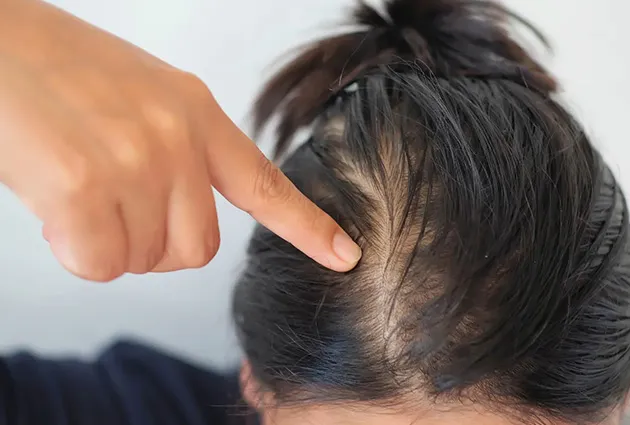
Women notice female pattern hair loss as a widening part line and diffuse thinning over the top of the scalp, classified using the Ludwig scale (stages I to III). The frontal hairline is usually preserved, which helps distinguish it from other female-specific causes of thinning.
Diagnosis methods
Doctors check the scalp visually, review family history, and use trichoscopy, a magnified examination that reveals miniaturized follicles, varying hair shaft diameters, and yellow dots. They may also order blood tests to rule out thyroid disease, iron deficiency, or hormonal imbalance.
In unclear cases, a small scalp biopsy can help by showing the ratio of terminal to vellus hairs. In women, a T:V ratio below 4:1 suggests pattern hair loss, a ratio near 7:1 suggests chronic telogen effluvium, and values in between are inconclusive (Werner and Mulinari-Brenner, 2012).
Key Differences Between Telogen Effluvium and Alopecia
Androgenetic alopecia vs telogen effluvium is a common question because the two can look alike in early stages, yet they differ in cause, course, and treatment response.
How to tell the difference?
Telogen effluvium starts suddenly and causes diffuse shedding evenly across the scalp. Pattern baldness develops slowly in a clear, recognizable shape, either receding hairlines and crown loss in men or part widening in women.
A simple at-home check: look at old photos from one to two years ago. Sudden, dramatic change after a stressor points to the temporary form, while gradual thinning that creeps up over years suggests the genetic kind.
Telogen Effluvium vs Androgenetic Alopecia Symptoms
The symptoms differ in three key ways. First, timing: stress-related shedding hits suddenly and often resolves within months, while genetic thinning is slow and steady.
Second, distribution: the temporary type is even and all-over, with no specific pattern, while the hereditary form follows defined zones (temples, crown, or part line). Third, follicle health: under magnification, follicles look healthy in stress-related shedding but progressively miniaturized in pattern baldness.
Hairline changes help too. A telogen effluvium hairline is usually preserved because the thinning is spread across the whole scalp, while in androgenetic alopecia the hairline recedes at the temples in a fixed pattern that does not reverse without treatment.
Onset, duration, and pattern
Timing is often the fastest clue. Trigger-related shedding peaks and then fades within months, while genetic thinning keeps progressing and needs ongoing treatment to halt or reverse it, with most patients seeing measurable change over 6 to 12 months of consistent therapy.
Treatment Differences Between Telogen Effluvium and Pattern Baldness
Stress-related episodes often improve on their own with rest, nutritional support, and time. Pattern baldness typically requires minoxidil, oral medications such as finasteride or dutasteride, low-level laser therapy, PRP, or surgical restoration to see lasting results.
Telogen Effluvium vs Specific Types of Alopecia
Telogen Effluvium vs Androgenetic Alopecia vs Alopecia Areata
Three conditions account for most diffuse thinning (Werner and Mulinari-Brenner, 2012), and they can look alike early on.
| Feature | Telogen effluvium | Androgenetic alopecia | Alopecia areata |
|---|---|---|---|
| Typical pattern | Diffuse thinning across the whole scalp | Receding temples and crown in men; widening part in women | Round or oval bald patches; occasionally diffuse |
| Onset | Sudden, usually 2 to 3 months after a trigger | Gradual, over years | Often sudden |
| Cause | A trigger such as illness, childbirth, stress, or nutrient gaps | Genetics and DHT sensitivity | Autoimmune |
| Course | Usually resolves within 6 to 9 months once the trigger is addressed | Progressive without treatment | Unpredictable; can regrow or recur |
| Scalp findings | Healthy follicles | Miniaturized follicles | Exclamation mark hairs, black dots, or yellow dots under magnification |
Onset timing and scalp findings are based on Werner and Mulinari-Brenner, 2012.
Telogen Effluvium vs Alopecia Areata: Can They Look Alike?
Yes, but the patterns differ clearly. Alopecia areata creates round, well-defined bald patches with smooth skin underneath, often appearing within days. Stress-related shedding causes even thinning across the entire scalp without bald spots.
Alopecia Areata Symptoms Compared With Telogen Effluvium
Alopecia areata shows defined patches and may include the classic “exclamation mark” hairs (short, broken strands tapering near the root). It is also linked to autoimmune conditions like thyroiditis and vitiligo.
The temporary stress-related form is more diffuse, lacks visible bald patches, and is not autoimmune in nature.
Telogen Effluvium vs Alopecia Totalis
Alopecia totalis results in complete loss of scalp hair, including eyebrows and lashes in advanced cases. The stress-related form never progresses to total baldness and does not damage the follicles permanently.
Androgenetic Alopecia and Telogen Effluvium: Overlap and Coexistence
Shared symptoms and confusion
Both conditions can cause thinning, which often confuses patients and even some clinicians. The temporary form may also unmask hidden genetic thinning by clearing out resting hairs and exposing the underlying density loss patients had not yet noticed.
This is why some people feel their hair “never came back the same” after a stressful event, when in reality the genetic process was already underway.
When both occur together
Some patients have both conditions at once, especially women in midlife, postpartum mothers with family history of pattern baldness, and men under chronic stress with a hereditary predisposition. Doctors must determine which portion is temporary and which is permanent.
This often requires a combined approach: treating the underlying trigger while simultaneously starting long-term therapy for the genetic component to prevent further progression.
How Telogen Effluvium and Pattern Hair Loss Differ in Women and Men
Telogen effluvium vs androgenetic alopecia in women
Shedding in women often starts after childbirth or around perimenopause. Postpartum shedding usually peaks around four months after delivery (AAD), and hair typically returns to its pre-pregnancy fullness within 6 to 12 months (DermNet).
Menopause can expose underlying female pattern hair loss as estrogen decline allows androgens to influence sensitive follicles more strongly. Iron deficiency, low ferritin, thyroid imbalance, and crash dieting are also common contributors in women.
Treatment in women may include topical minoxidil 5%, spironolactone, oral minoxidil at low doses, and addressing nutritional or hormonal triggers. You can also read about related concerns like a receding hairline in women.
Telogen Effluvium vs Female Pattern Hair Loss
Female pattern hair loss is androgenetic alopecia in women, and it is one of the conditions most often confused with telogen effluvium (Werner and Mulinari-Brenner, 2012). Telogen effluvium thins the whole scalp evenly and starts a few months after a trigger. Female pattern hair loss widens the part and thins the crown slowly, usually while the frontal hairline stays intact.
The two often overlap. A woman with underlying pattern thinning can have a shedding episode after childbirth or illness, which makes the loss look sudden. Trichoscopy, bloodwork, and a timeline of triggers help separate them.
Male Pattern Baldness vs Telogen Effluvium in Men
Men often notice receding hairlines and crown thinning starting in their 20s or 30s. Male pattern baldness is the common name for this form of androgenetic alopecia, and it follows a predictable path from the temples to the crown.
Telogen effluvium, by contrast, thins the scalp evenly, and it can appear in young men as well. Stress can layer telogen-phase shedding on top of genetic thinning, making changes appear faster and more dramatic than they actually are.
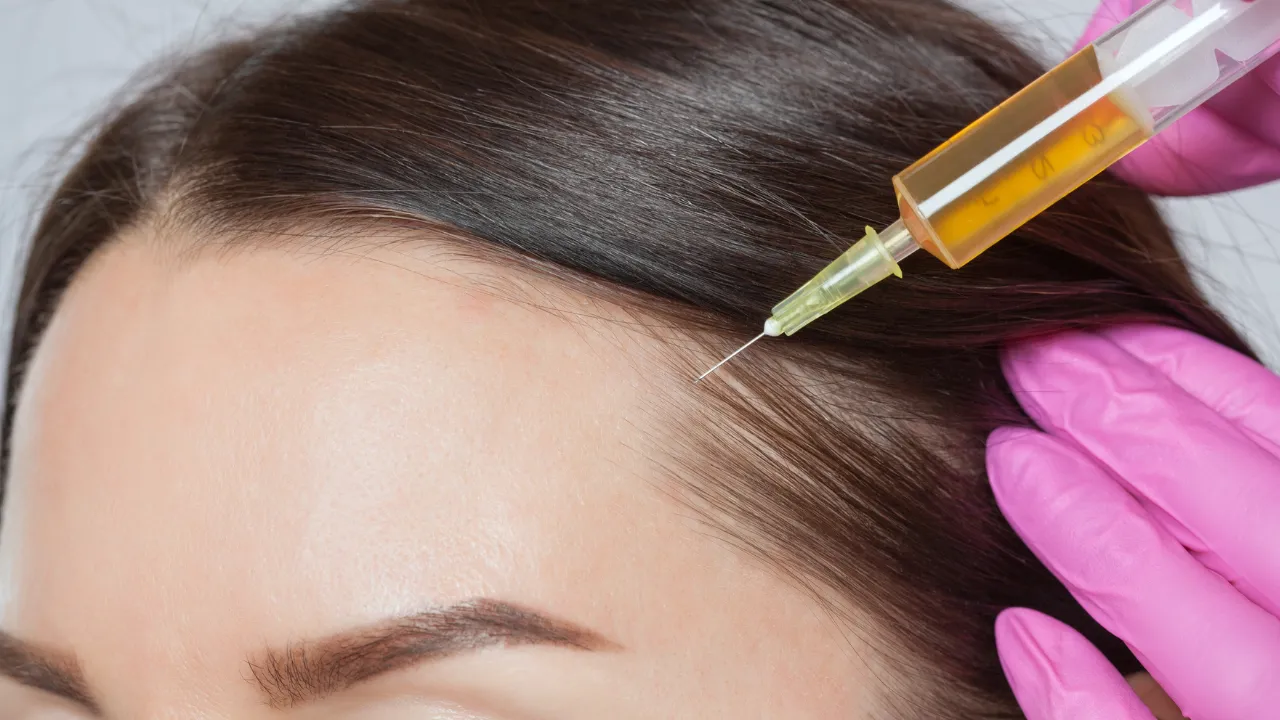
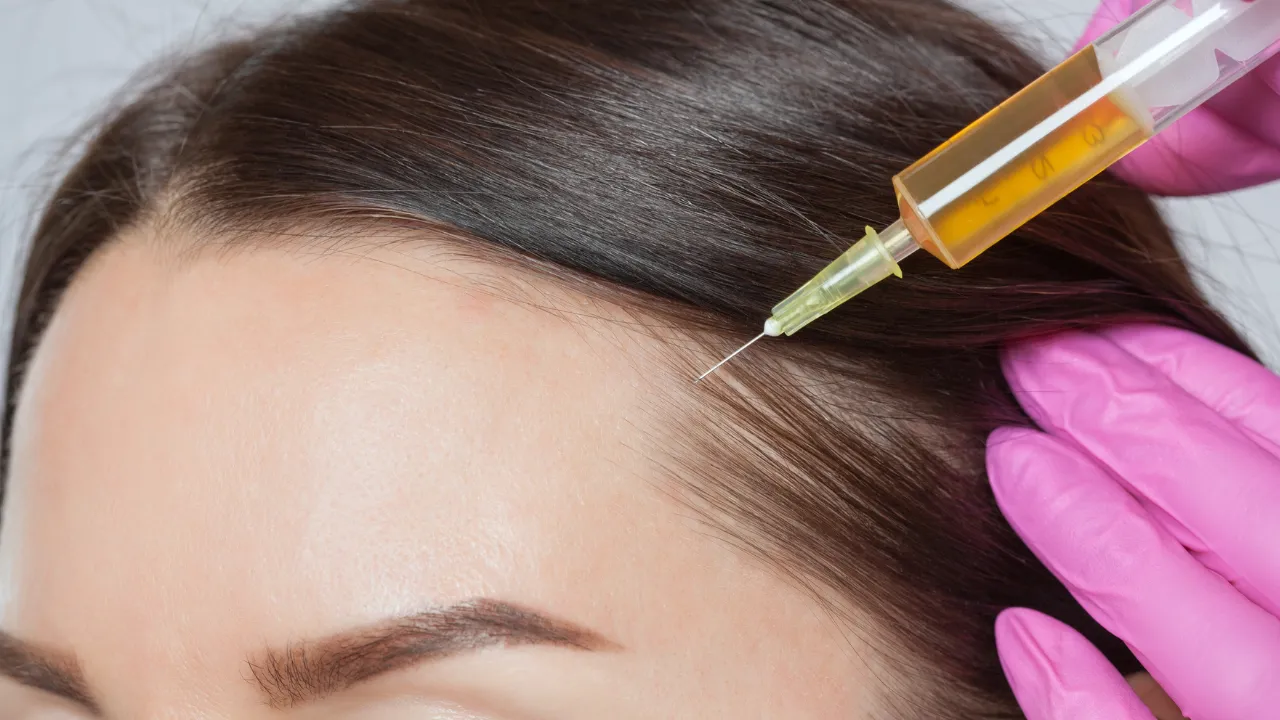
Common treatments for men include finasteride 1mg daily, topical or oral minoxidil, dutasteride for resistant cases, PRP injections, and follicular unit extraction (FUE) for permanent restoration.
Telogen Effluvium vs Alopecia Pictures
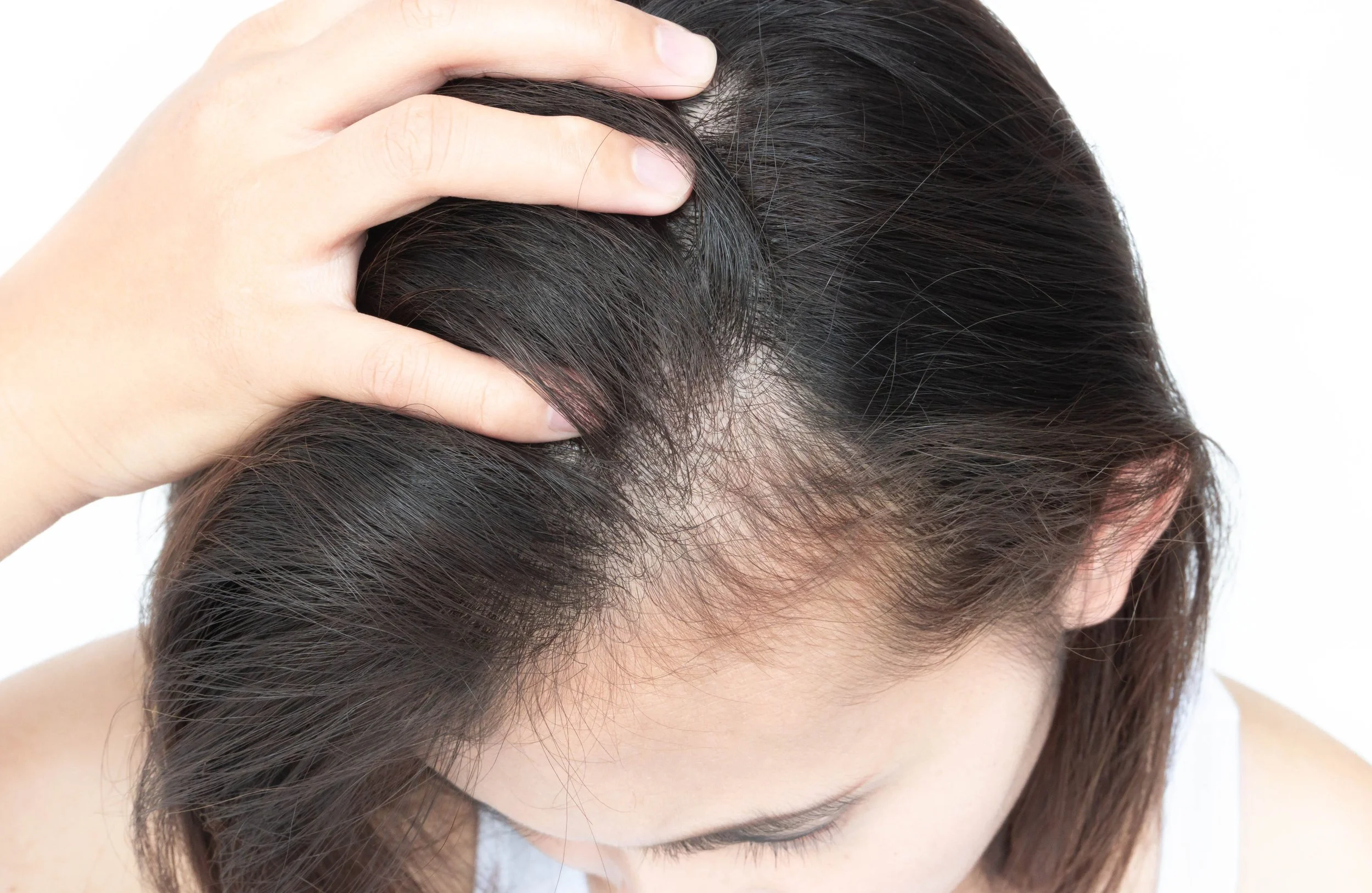
What pictures can show
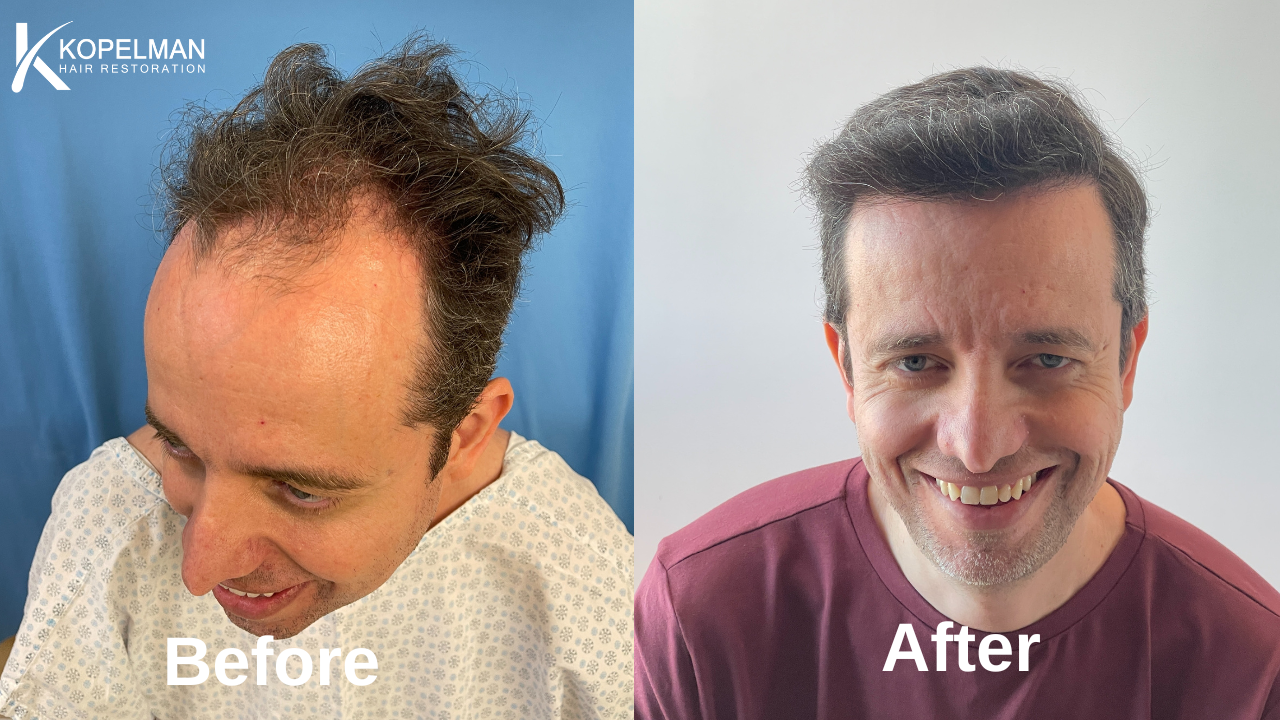
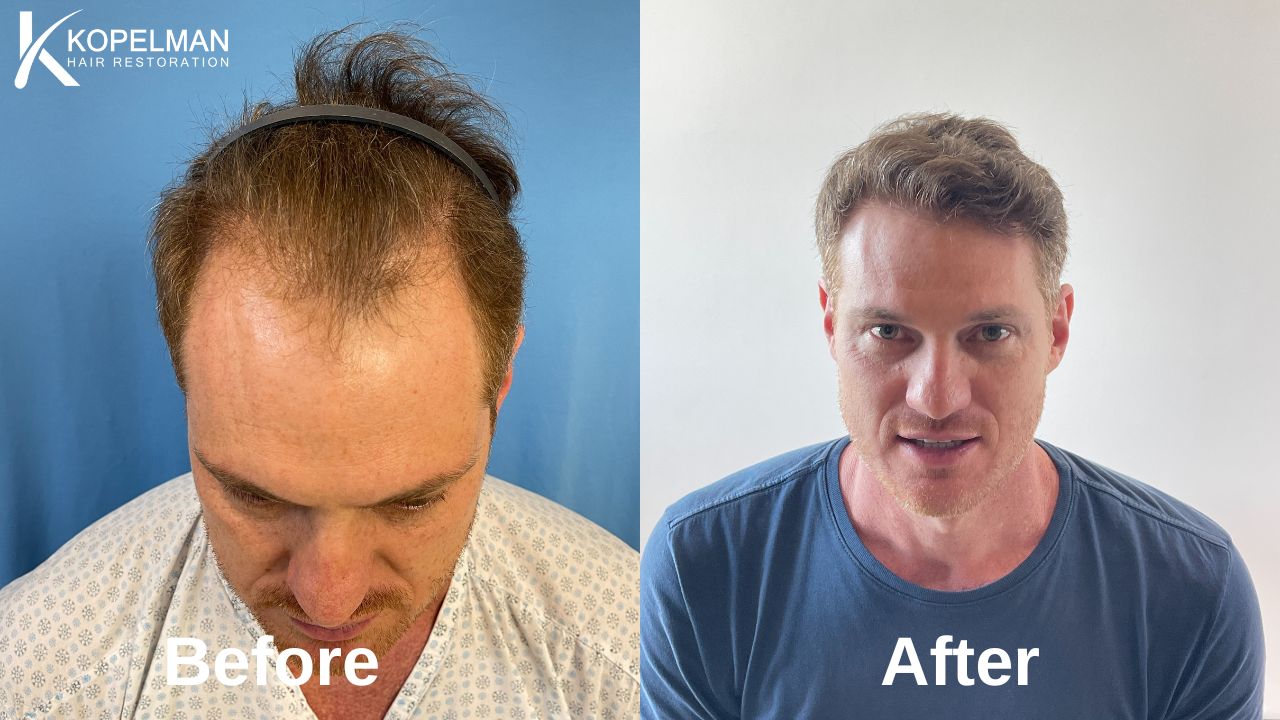
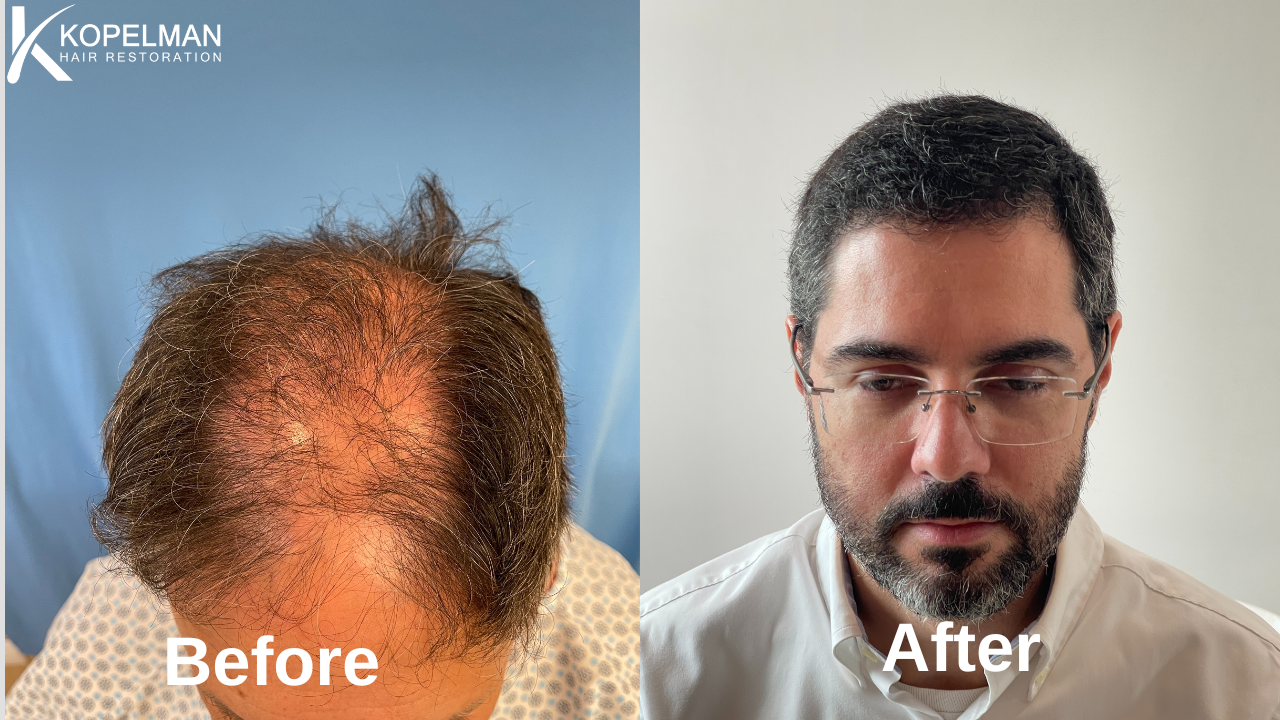
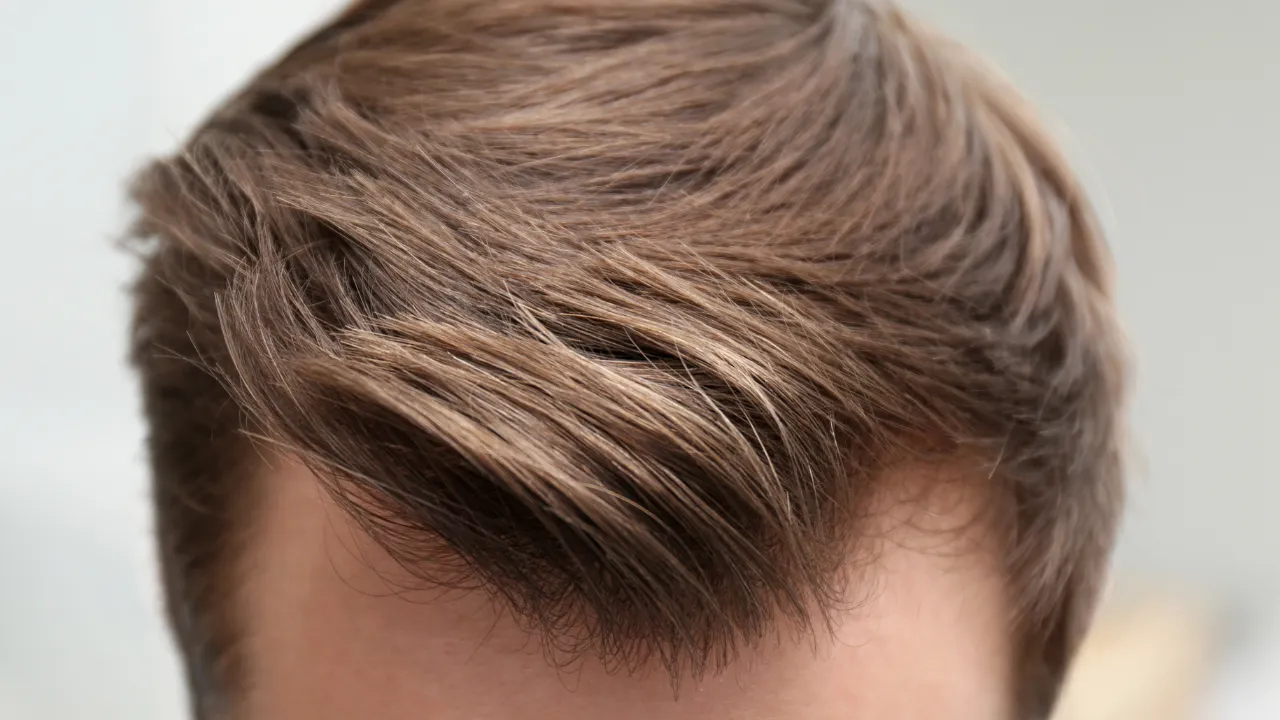
Photos can help spot diffuse shedding versus pattern thinning. Doctors use standardized angles (top-down, front, sides, and part-line views) to track changes objectively over time.
For more examples, see the gallery of pictures of telogen effluvium.
When photos help diagnosis
At-home photos taken every three months under consistent lighting help patients and providers monitor progress. Doctors compare images side-by-side using digital trichoscopy software to measure hair density, shaft diameter, and follicle counts per square centimeter.
This method also helps confirm if both conditions are present, since one shows a sharp drop followed by recovery, while the other shows steady decline regardless of trigger.
Emotional and Psychological Impact
Hair loss affects more than appearance. Many people report stress, anxiety, social withdrawal, and reduced self-confidence. A 2021 meta-analysis of 41 studies found that androgenetic alopecia is associated with moderately lower quality of life and more emotional distress (JAMA Dermatology).
Sudden shedding can feel alarming, especially when handfuls come out at once, while ongoing pattern thinning often produces a slow, grinding sense of loss.
Dr. Kopelman reminds patients that both conditions can be managed effectively. Talking with family, joining support groups, working with a therapist, or simply having a clear diagnosis often reduces anxiety considerably and makes treatment more effective.
Telogen Effluvium or Androgenetic Alopecia?
How Is Telogen Effluvium Diagnosed, and How Can I Tell It From Alopecia?
Sudden, diffuse shedding within two to three months of a major life event, illness, or stressor strongly points to the temporary form. Slow, patterned thinning over years that follows family history points to the genetic type.
A clinical exam confirms the diagnosis through trichoscopy, a hair pull test (where a small bundle of roughly 50 hairs is gently tugged and more than 10 percent coming out suggests active shedding; AAFP), and sometimes blood work or biopsy.
Treatment and Management Options
Medical treatments
For pattern baldness, FDA-approved options include topical minoxidil (2% or 5% solution or foam) and oral finasteride 1mg daily for men (StatPearls). In a 12-month trial of 450 Chinese men, 94.1 percent improved on the combination, compared with 80.5 percent on finasteride alone and 59 percent on 5% minoxidil alone (Hu et al.).
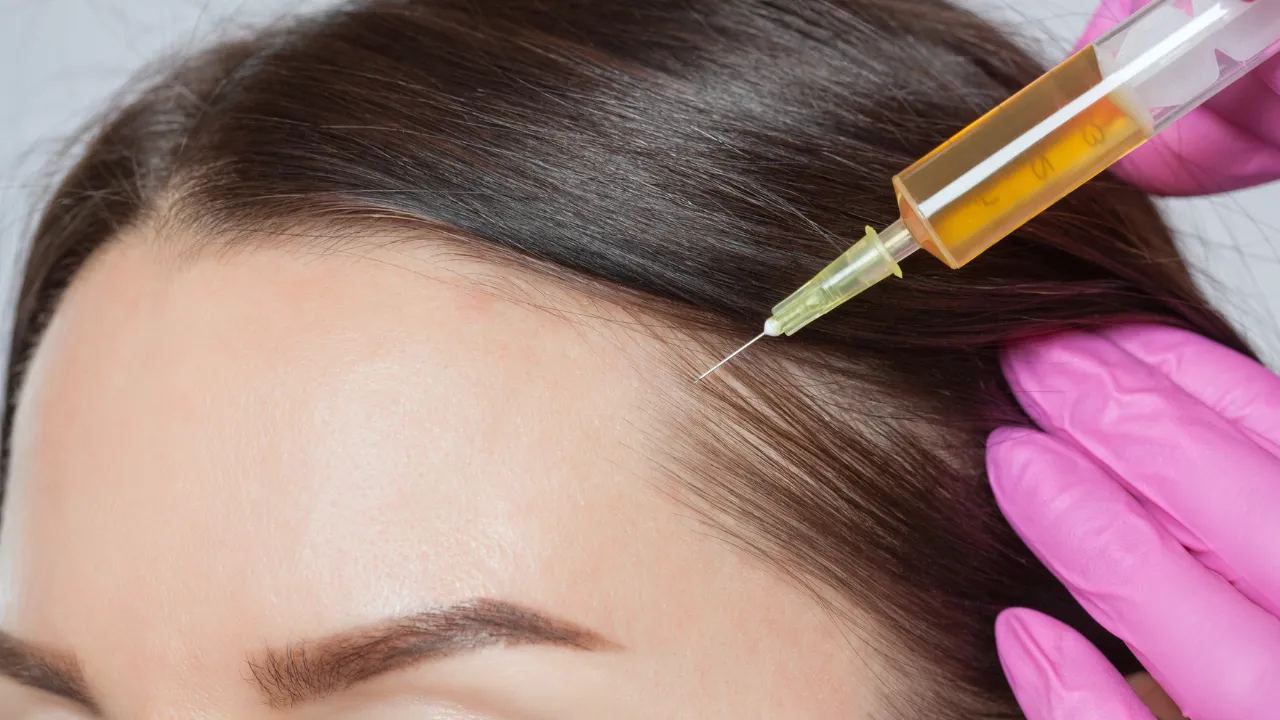
Dutasteride, spironolactone (for women), and low-dose oral minoxidil are increasingly used as off-label options. PRP (platelet-rich plasma) and low-level laser therapy can be added to support density gains.
The temporary stress-related form often improves without long-term medication, though minoxidil may be used short-term to speed recovery in particularly dramatic cases.
Lifestyle and supportive care
Healthy eating, stress management, and gentle styling all help. Iron, ferritin, vitamin D, zinc, biotin, and protein intake should be checked and corrected if low, since deficiencies are a leading reversible cause.
Sleep quality, exercise, mindfulness, and reducing exposure to harsh heat tools, tight ponytails, and chemical treatments support recovery in both conditions.
Advanced hair restoration
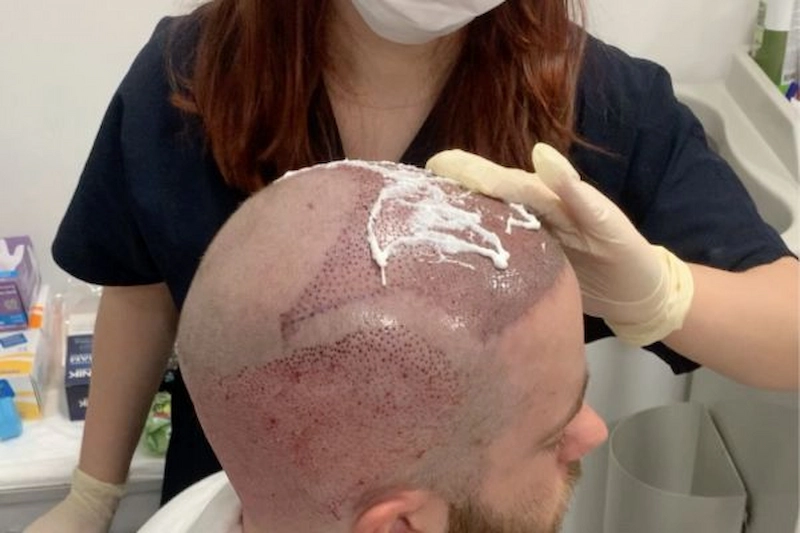
For permanent loss, FUE and FUT hair transplants offer durable, natural-looking results. Modern techniques can transplant 1,500 to 4,000 grafts in a single session, and the cost depends on graft count, technique, and surgeon.
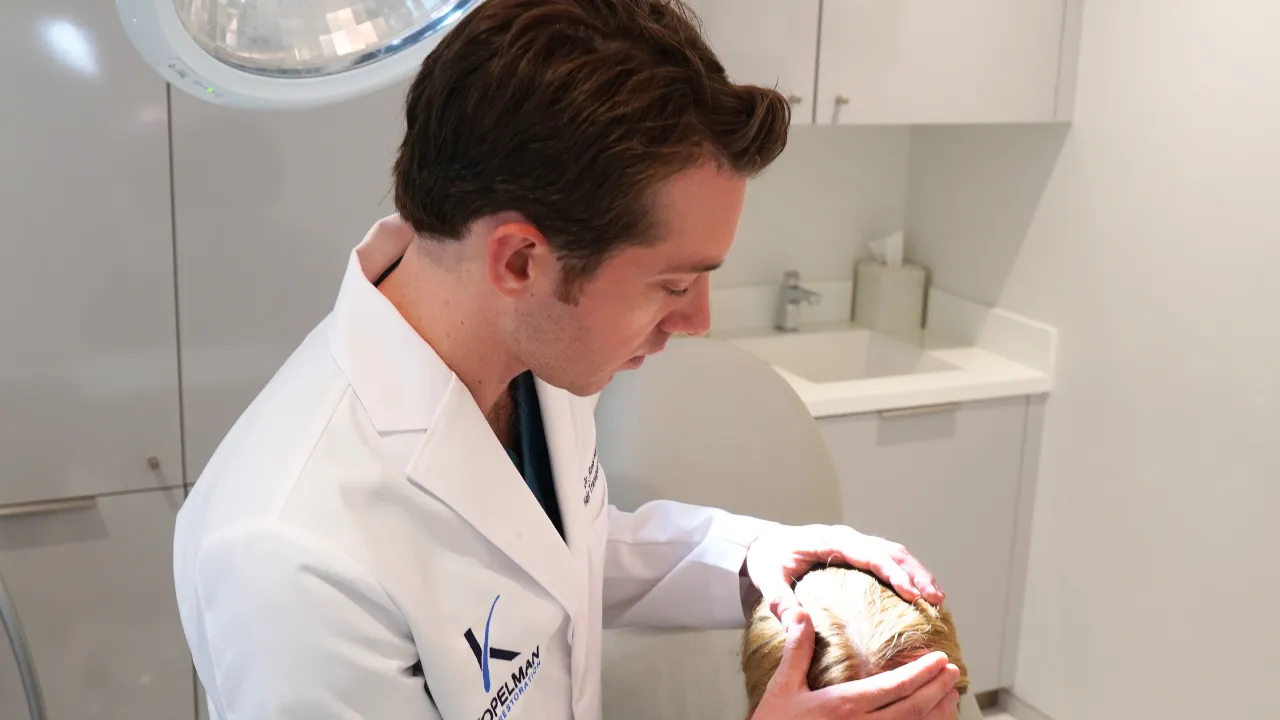
At Kopelman Hair, Dr. Kopelman uses robotic and manual extraction methods to restore density with a natural-looking hairline in both men and women.
In short, the temporary form improves with time and supportive care, while the genetic kind requires consistent treatment to slow or reverse progression.
Prevention and Early Intervention
Early steps can support healthy hair growth and protect existing density:
- Eat a protein-rich, balanced diet with adequate iron, zinc, and vitamin D.
- Manage stress with regular exercise, sleep, and mindfulness practices.
- Avoid tight hairstyles, harsh chemical treatments, and excessive heat styling.
- Visit a doctor when shedding lasts longer than three months or worsens.
- Get blood work annually if you have a family history of thinning.
Patients with a family history should see a specialist regularly. Early diagnosis allows treatment to begin before significant miniaturization occurs, which typically produces the best long-term results.
When to Seek Professional Help
If shedding is heavy, persistent, accompanied by scalp itching or pain, or causing distress, schedule an evaluation. Dr. Kopelman and his team determine whether the cause is temporary, genetic, or a combination of both.
To get clear answers and explore personalized treatment options, schedule a consultation with Kopelman Hair today.