
Hair shedding is normal, but when it becomes excessive, it may signal deeper issues. Knowing how to reduce hair shedding starts with understanding the causes and addressing them early. At Kopelman Hair, we provide expert care and personalized solutions to help patients maintain strong, healthy hair.
Key Takeaways
- Most people lose 50 to 100 hairs per day—anything more could point to a problem.
- Common causes of shedding include stress, poor nutrition, and certain medical conditions.
- Daily habits and treatments, such as minoxidil, can help slow shedding and support regrowth.
- Hair loss affects men and women differently, so solutions must be tailored to each individual.
- See a professional like Dr. Kopelman if shedding continues for over 12 weeks.
How to Tell If Your Hair Shedding Is Normal or Not
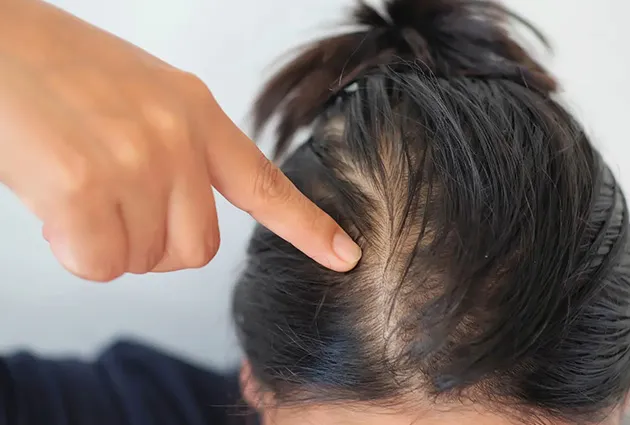
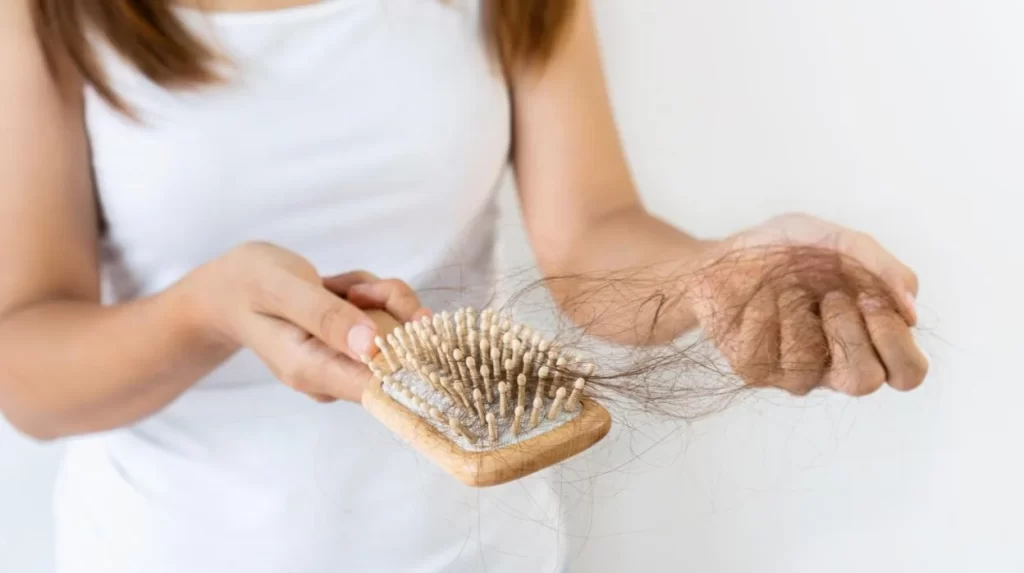
Shedding is part of the natural growth cycle, but how do you know when it’s too much? If you’re seeing more hair fall in your brush, shower drain, or pillow, it may not be just normal turnover. Here’s how to know if your hair is thinning:- Your part looks wider or more visible
- Your ponytail feels smaller
- You notice bald patches or uneven volume
- The amount of hair lost daily keeps rising
Why Hair Shedding Happens
Hair grows in cycles, and the telogen (shedding) phase is normal. However, excessive hair shedding can occur when this cycle is disrupted by stress, diet, or illness. Some types of hair loss, such as telogen effluvium, androgenetic alopecia, and alopecia areata, are common triggers. Other causes include:- Hormonal changes
- Iron or vitamin deficiencies
- Certain medications
- Autoimmune or thyroid disorders
Common Causes in Women and Men
In women, hormonal fluctuations from pregnancy or menopause are frequent causes of shedding. Men often experience genetic thinning on the crown or hairline. Both may lose hair due to health issues, poor diet, or tight hairstyles.Hair Shedding in Women
Women may face diffuse thinning or patchy loss due to conditions like PCOS or anemia. Treatments may involve hormone management, nutritional support, or scalp care. A blood test can help identify nutrient deficiencies or medical conditions. Reducing styling stress and switching to gentle hair products also makes a difference.Hair Shedding in Men
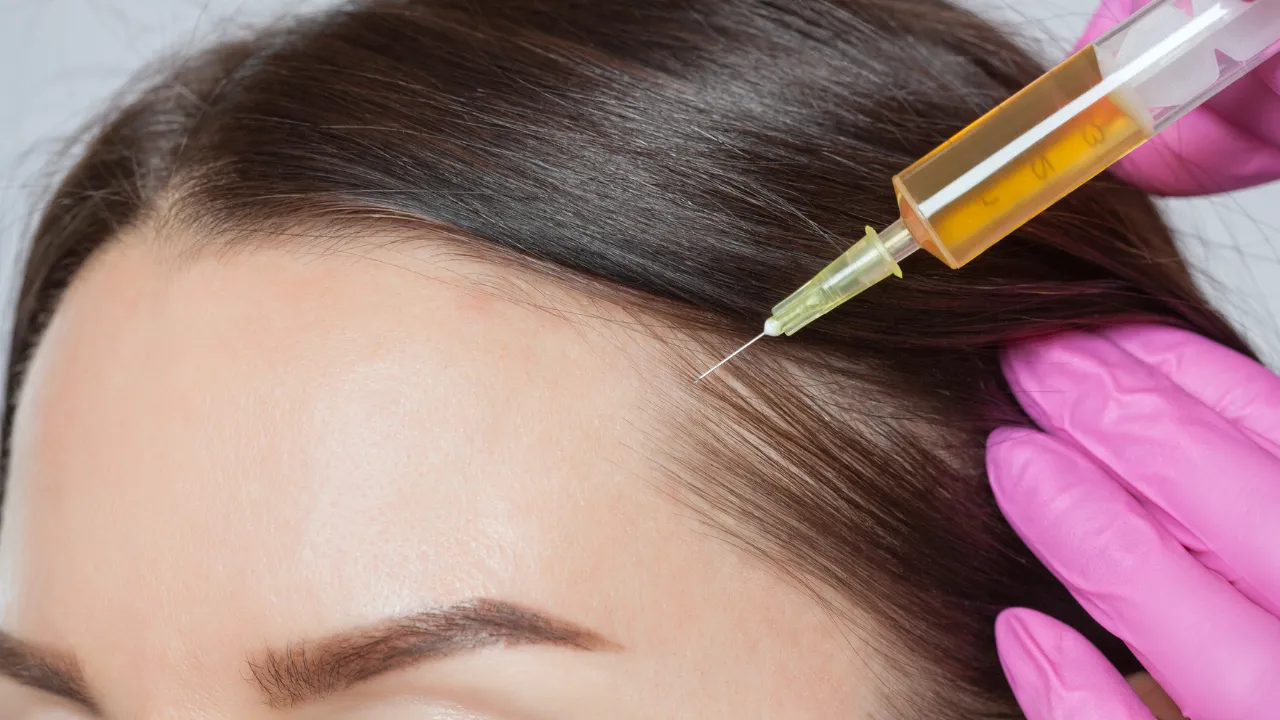
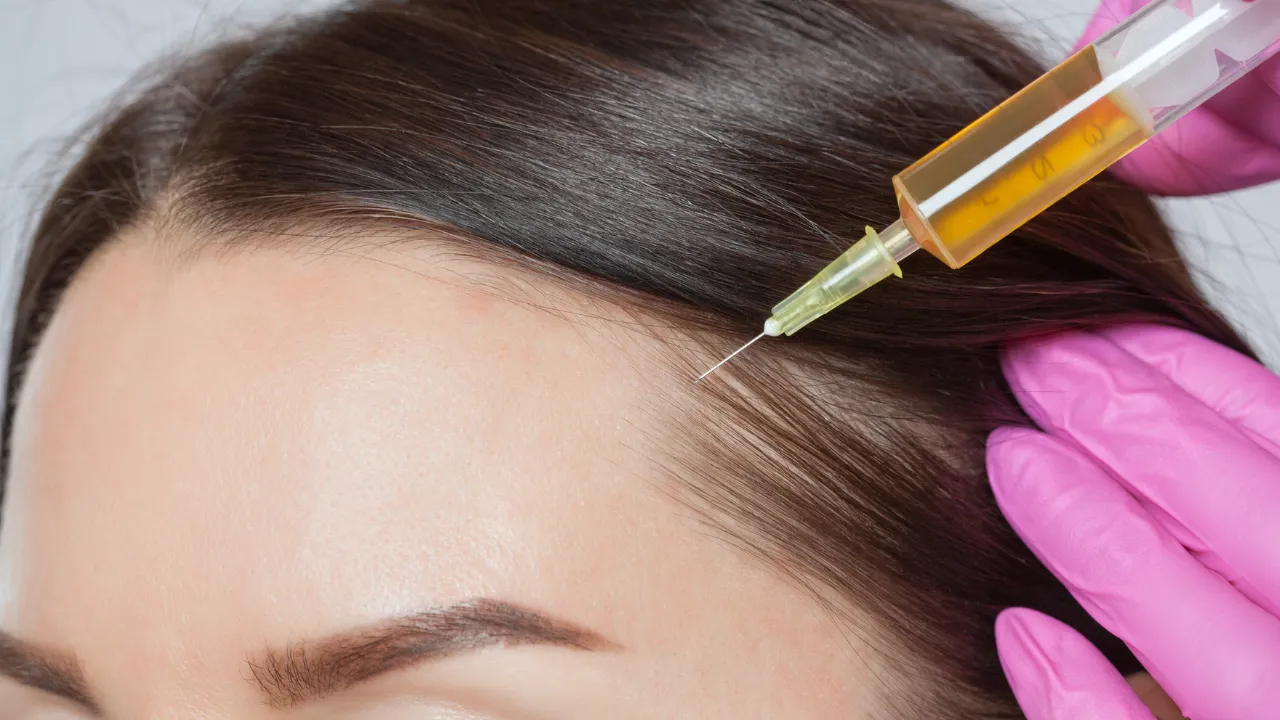
Men often benefit from early use of FDA-approved options like minoxidil or finasteride. These help slow the progression and stimulate the hair follicle to regrow stronger strands. Laser therapy and PRP may also be considered depending on the severity and response to basic care.Signs Your Hair Is Thinning
Hair loss symptoms vary. For some, it’s gradual thinning, while others develop a sudden bald spot. Early indicators include:- Decreased density at the crown
- A visible scalp in bright light
- More frequent clumps of hair on the floor or drain
Why Hair Systems Might Shed More
Synthetic wigs or hair systems can stress your scalp and roots. Adhesives, clips, or tight bases can damage surrounding hair and increase fall. Choose properly fitted systems and maintain scalp hygiene to avoid unnecessary shedding.How to Stop Hair Shedding at Home
Natural Methods That Work
Healthy lifestyle habits can help prevent hair shedding:- Eat protein, iron, and vitamin-rich foods
- Avoid restrictive diets
- Get enough sleep
- Manage daily stress
Overnight and Immediate Solutions
To protect your hair while you sleep:- Use silk or satin pillowcases
- Avoid sleeping with wet hair
- Apply nourishing oils like rosemary or argan
Hair Washing and Shower Habits
Adopt a gentle routine to protect your hair:- Use warm—not hot—water
- Apply shampoo with your fingertips, not nails
- Pat hair dry with a towel
- Comb only when slightly damp
Best Products to Apply
Choose evidence-based products that support healthy hair. Look for:- Biotin and caffeine
- Topical minoxidil
- Saw palmetto
- Sulfate-free shampoos
When Should You Be Concerned About Hair Shedding?
If shedding continues beyond three months or worsens, it’s time to see a professional. Watch for these signs:- Sudden thinning or patches
- Ongoing scalp discomfort
- Shedding with no signs of regrowth
Medical and Professional Treatments
At-Home vs. Clinical Options
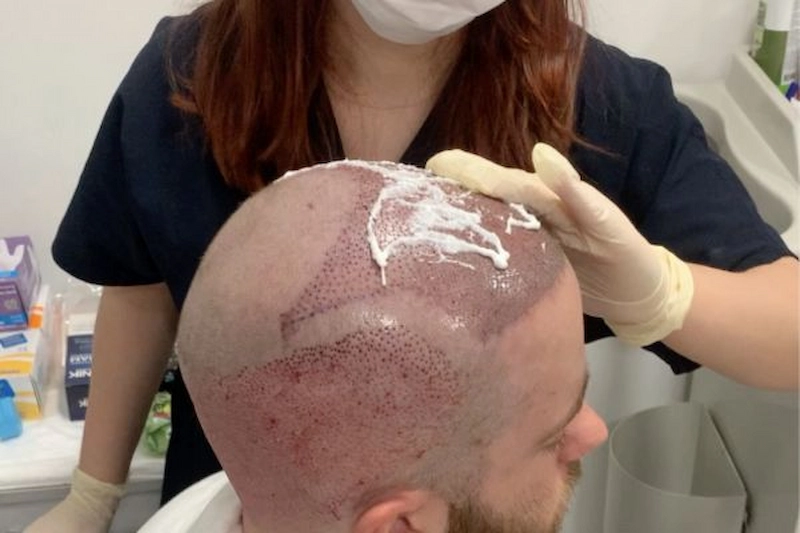
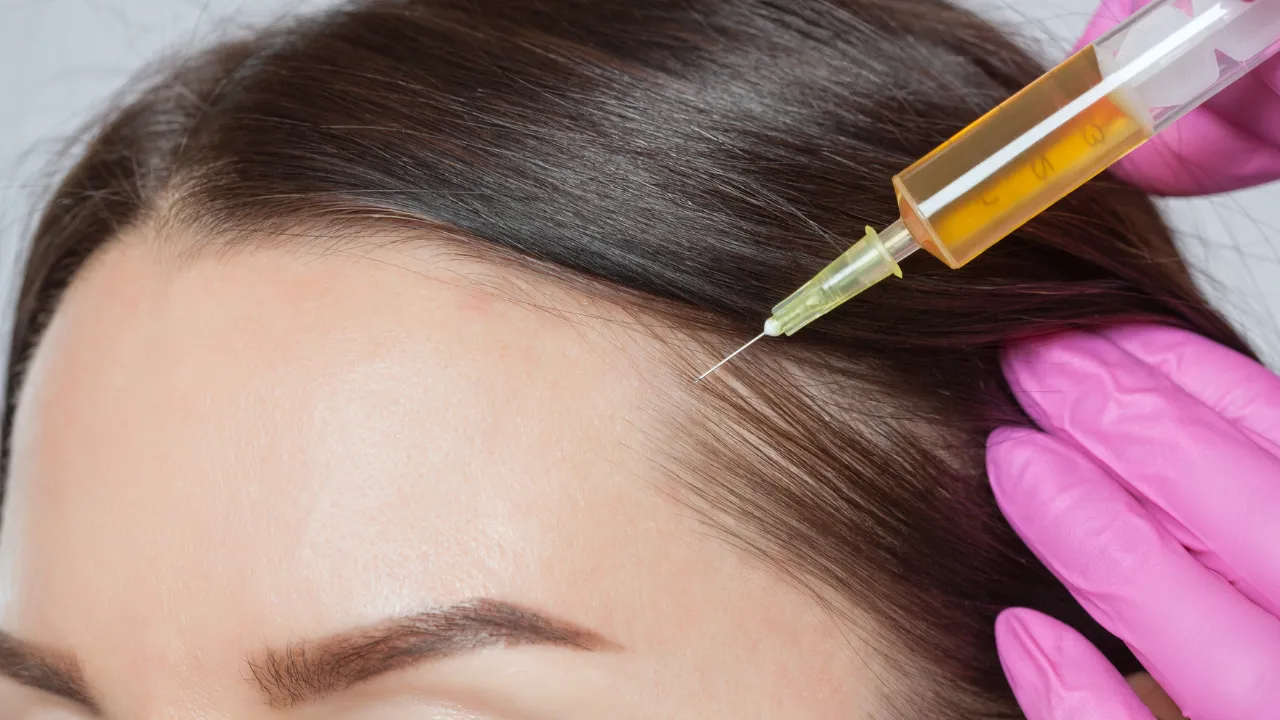
Topical minoxidil is often the first step in at-home treatment. But if the shedding doesn’t slow down, in-clinic medical treatments like PRP, microneedling, or prescription medications may be necessary. Dr. Kopelman creates full plans that include both home care and professional hair loss treatment strategies.How to Regrow Hair Naturally
For natural regrowth, focus on:- Eating iron, protein, and omega-3s
- Massaging the scalp weekly
- Avoiding tight hairstyles
- Getting enough sleep and hydration
When to See a Specialist
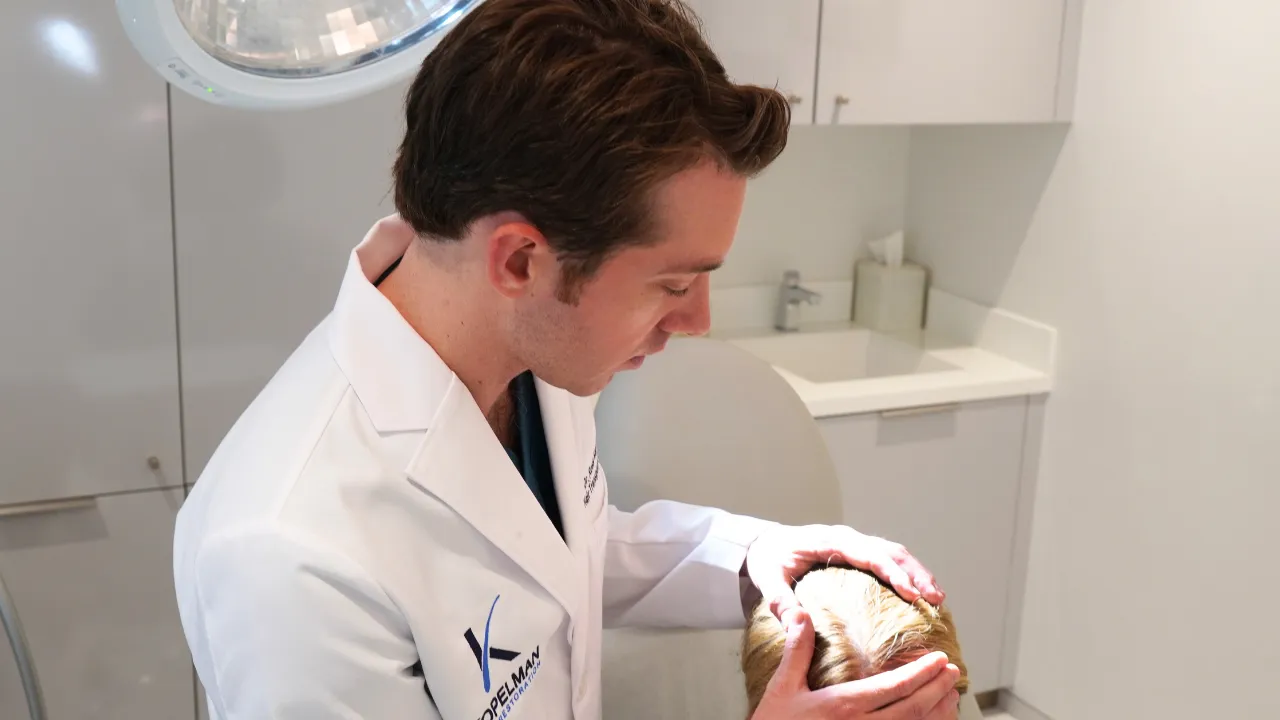
If you’ve tried basic solutions and are still experiencing hair loss, schedule a consultation. Dr. Kopelman utilizes exams, historical analysis, and clinical tools to deliver personalized care. Many treatments are approved by the Food and Drug Administration, providing safety and consistency in results.Final Expert Tips to Minimize Hair Shedding
- Act early to stop hair loss from progressing
- Stick to a simple, consistent care routine
- Avoid high-tension styles like buns or braids
- Keep your scalp clean and moisturized
- Work with a trusted expert for best outcomes