Minoxidil Before and After: Transformations Explained

I hope you’re enjoying reading this blog post if you want a consultation with Dr. Kopelman, click here.

Dr. Ross Kopelman

January 29, 2025  ⁃  10 Min read

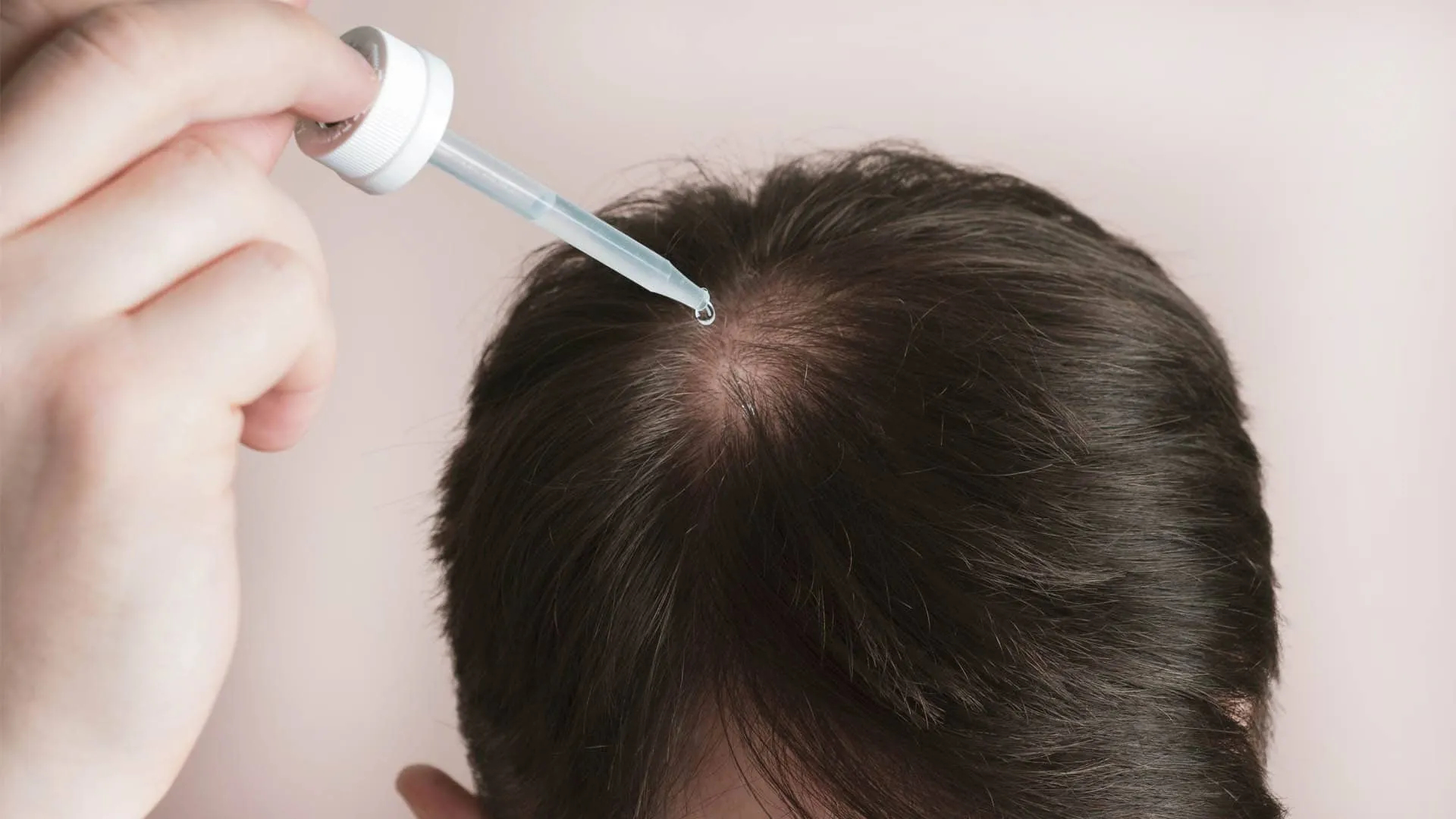
Topical Minoxidil can improve hair density and thickness, but results take time and consistency. Minoxidil before and after changes usually show less shedding first, followed by fuller coverage in thinning areas such as the crown, hairline, or temples over several months. Most people need at least 3 to 6 months to see visible improvement, and stronger results often appear closer to 6 to 12 months.

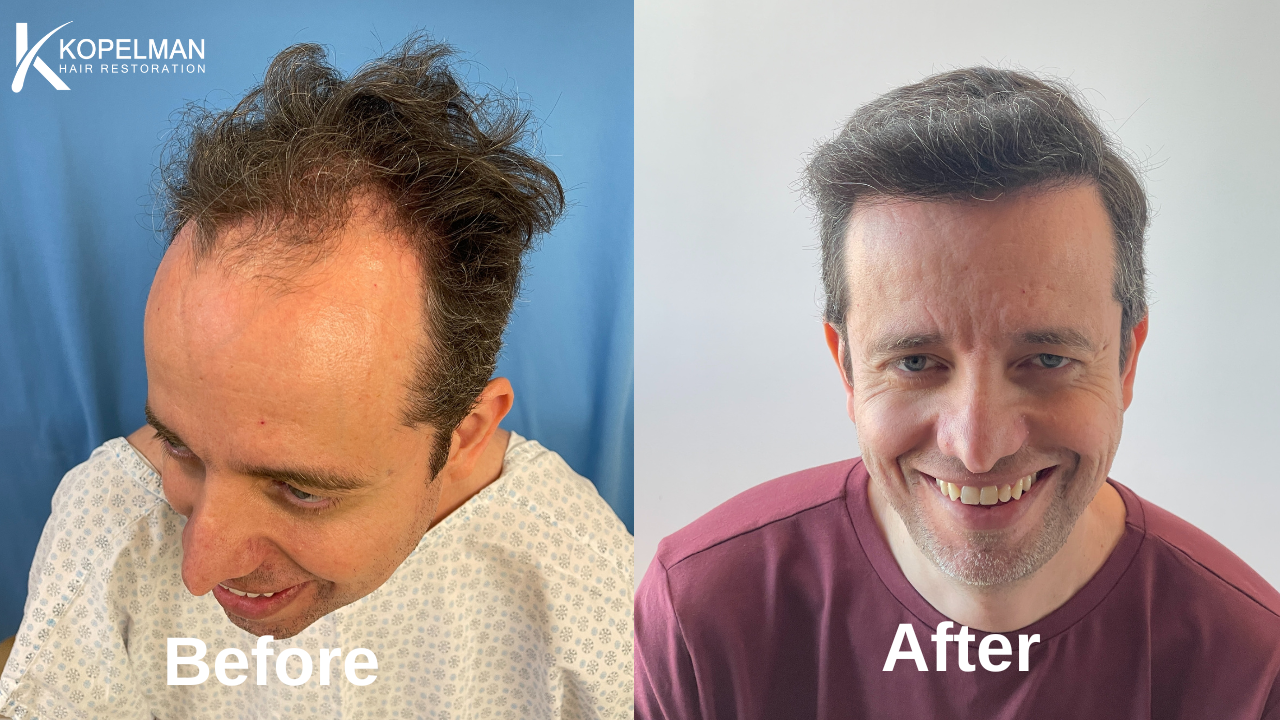
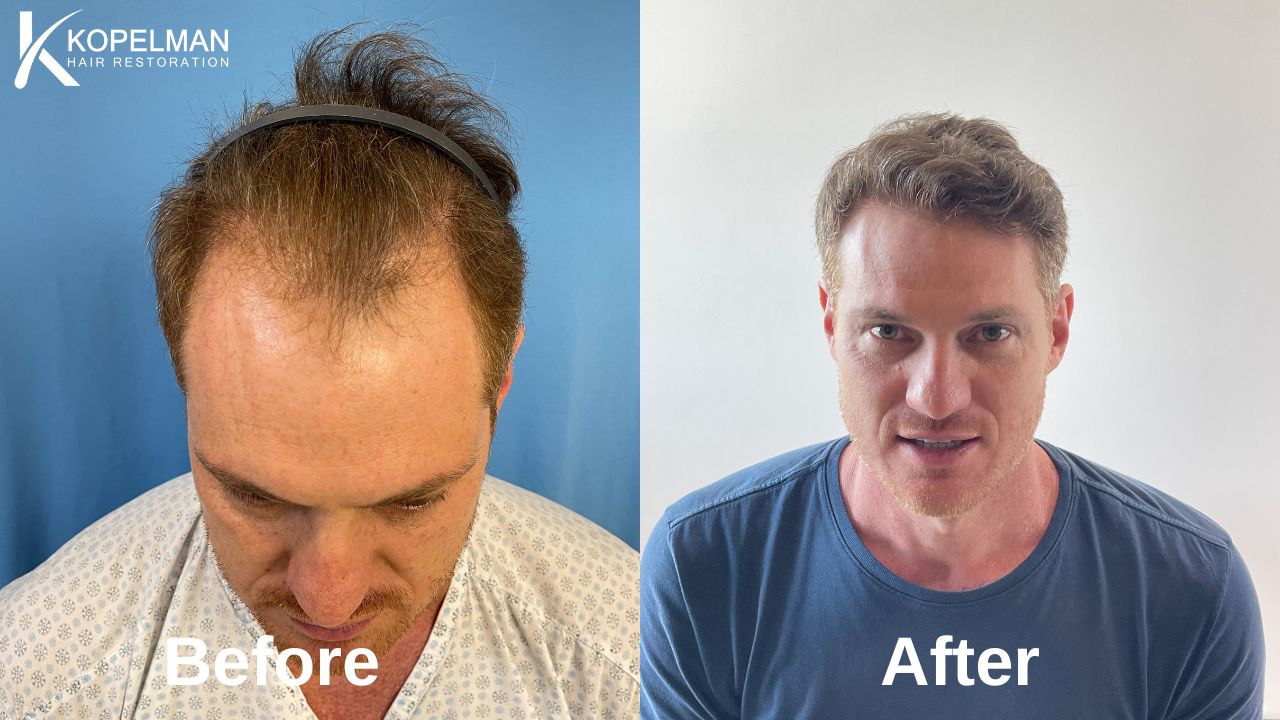
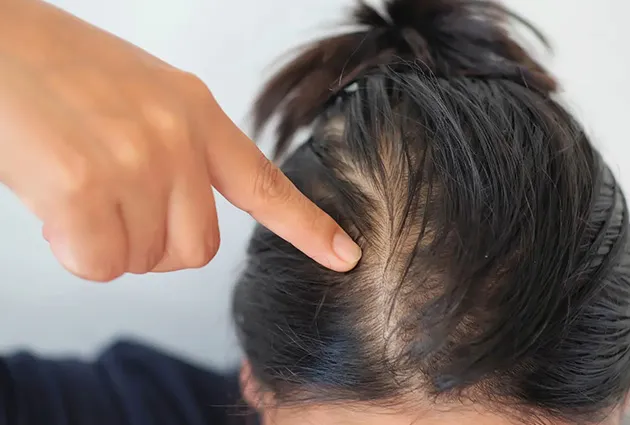
It is common to have increased shedding in the first 4 to 8 weeks as weaker hairs fall out and new growth cycles begin. “Before” photos often show wider parts, scalp visibility, or thinning at the vertex, while “after” results may reveal thicker strands, better coverage, and improved texture. Results vary based on how early treatment starts, the cause of hair loss, and how regularly it is used. Stopping treatment too soon can lead to gradual loss of the gains.

Dr. Kopelman, a leading expert in hair regrowth and restoration, helps patients achieve healthier, fuller hair through proven techniques and personalized care. In this guide, we explore the science of minoxidil, its benefits, and how it fits into a broader treatment plan.

Rogaine has been shown to work for several hair loss conditions, including:

  • Androgenetic alopecia
  • Alopecia areata
  • Telogen effluvium.
What Minoxidil Progress Looks Like Month by Month

Patients who stay consistent often share striking minoxidil before and after photos, with clear gains in thickness and density. The most reliable signal early on is not new growth; it is the slowing and eventual halt of shedding.

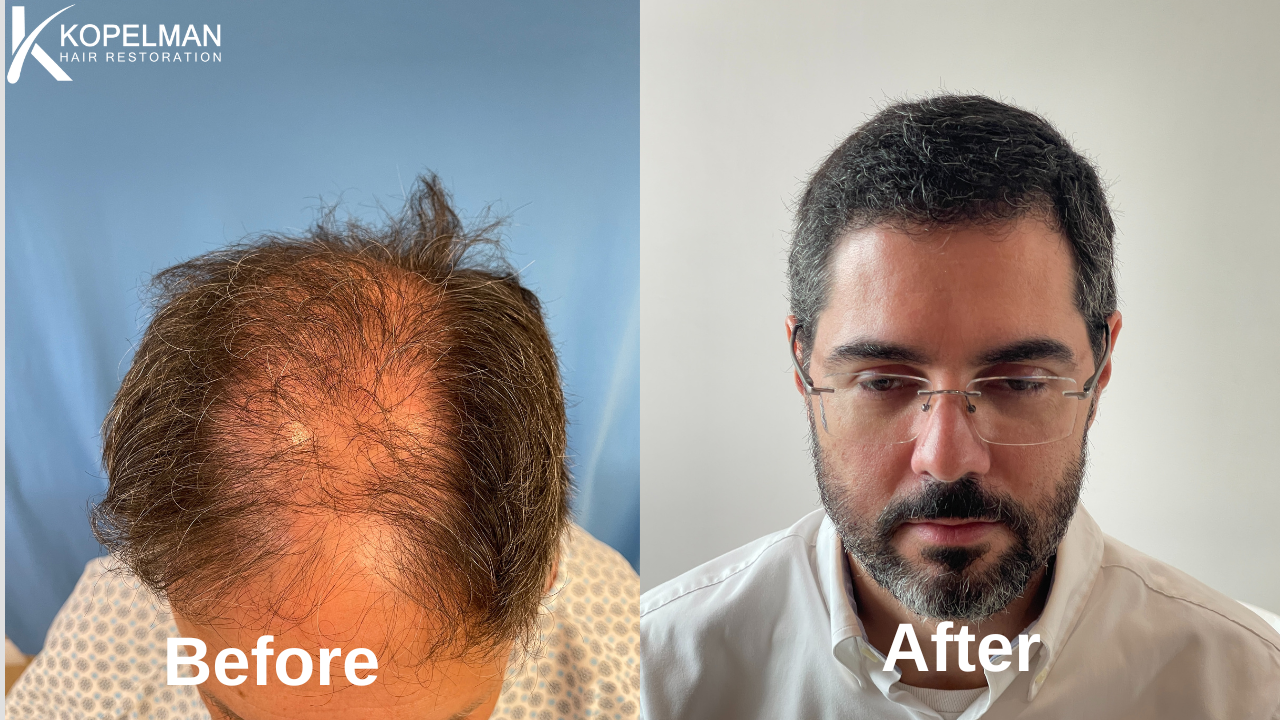
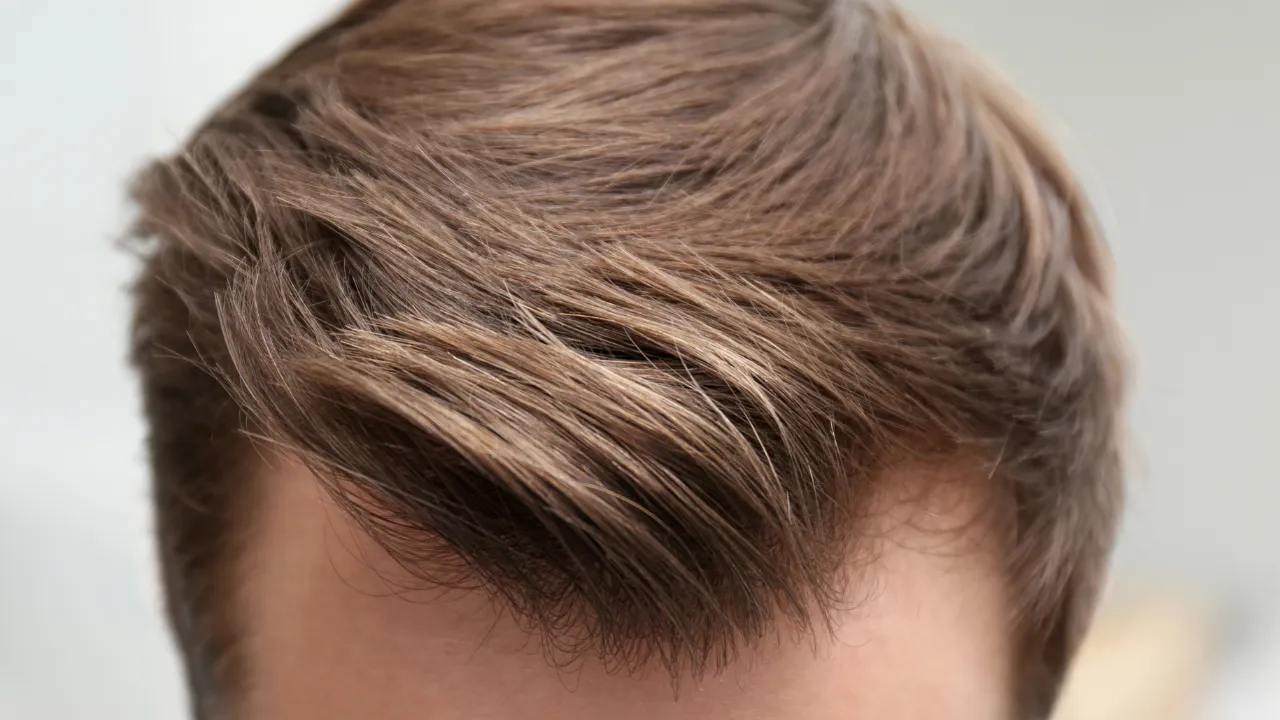
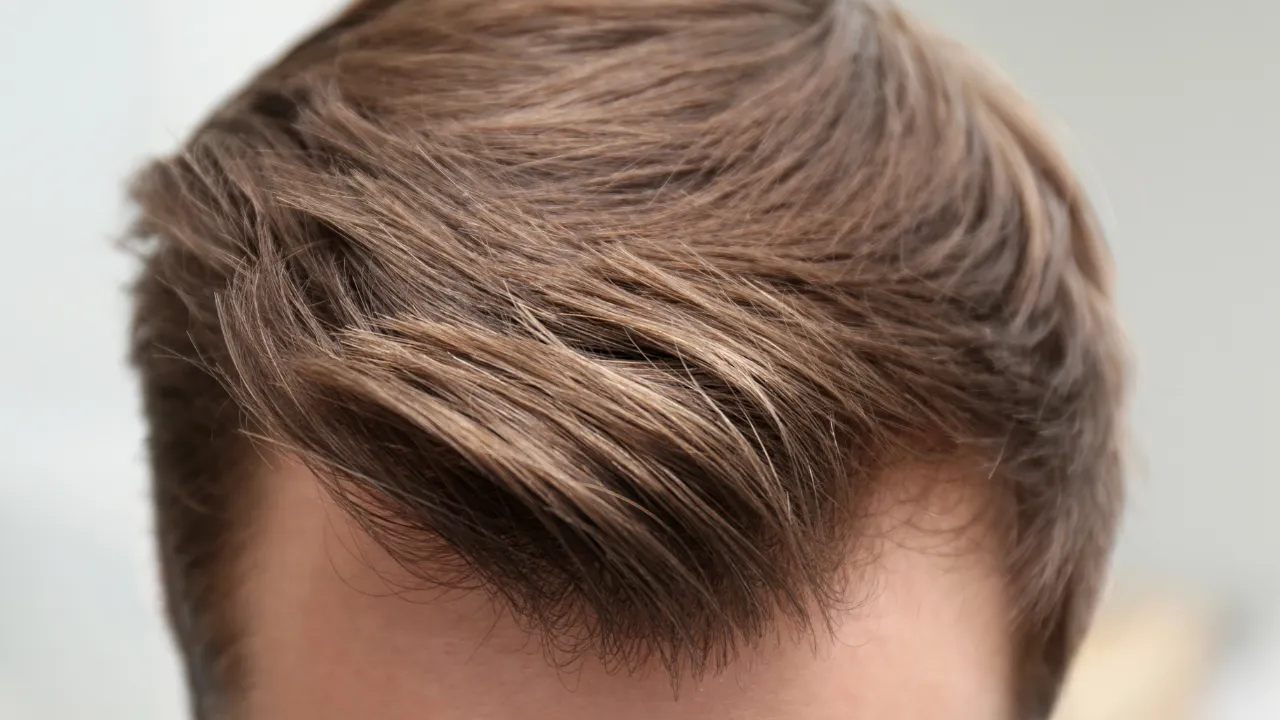
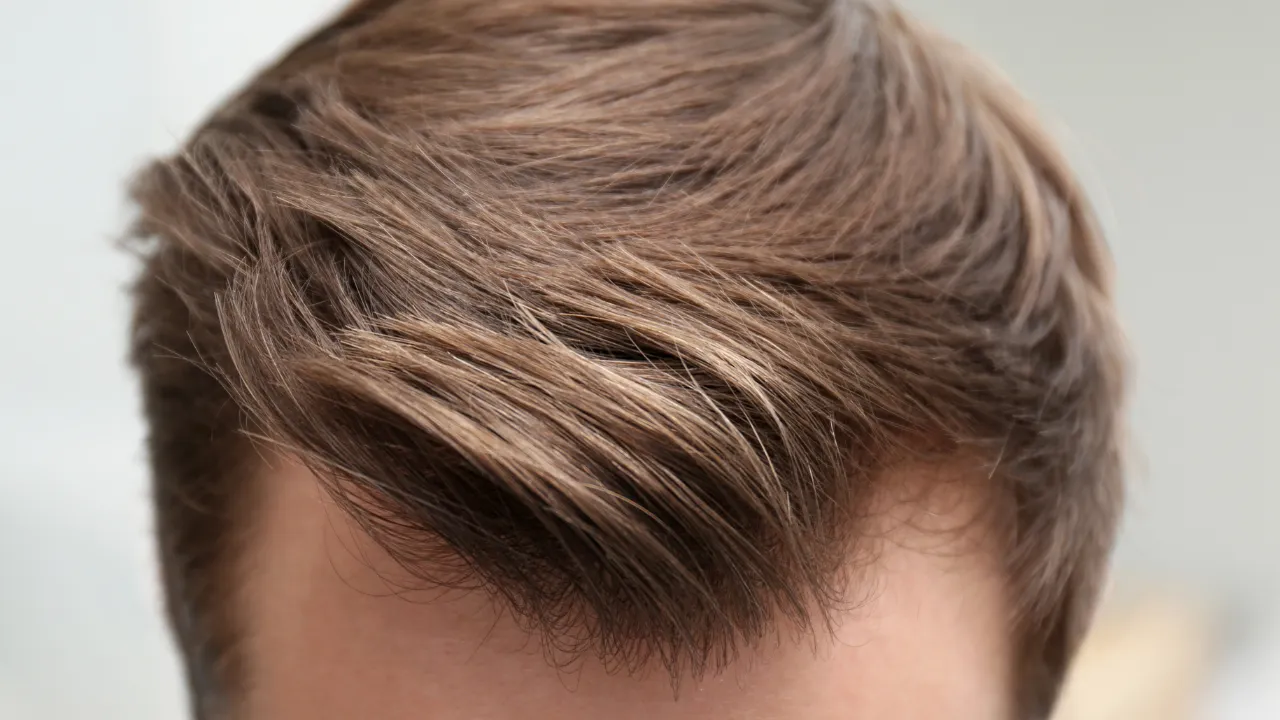
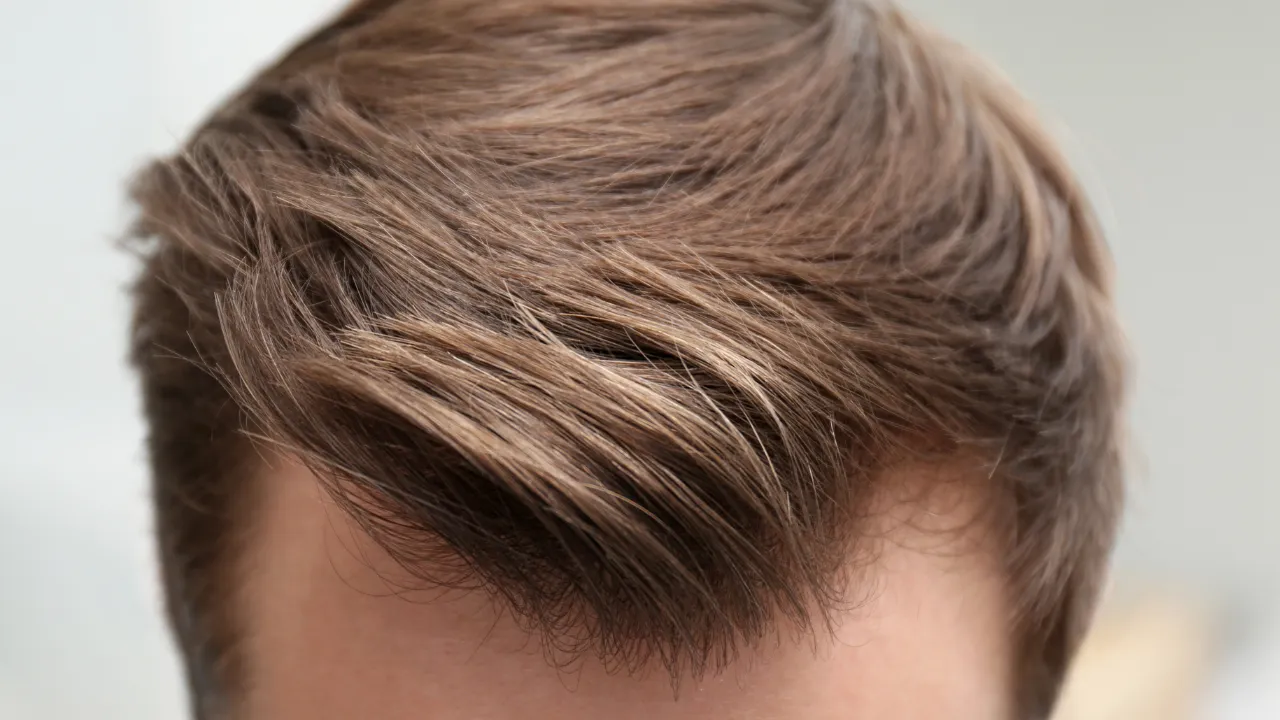
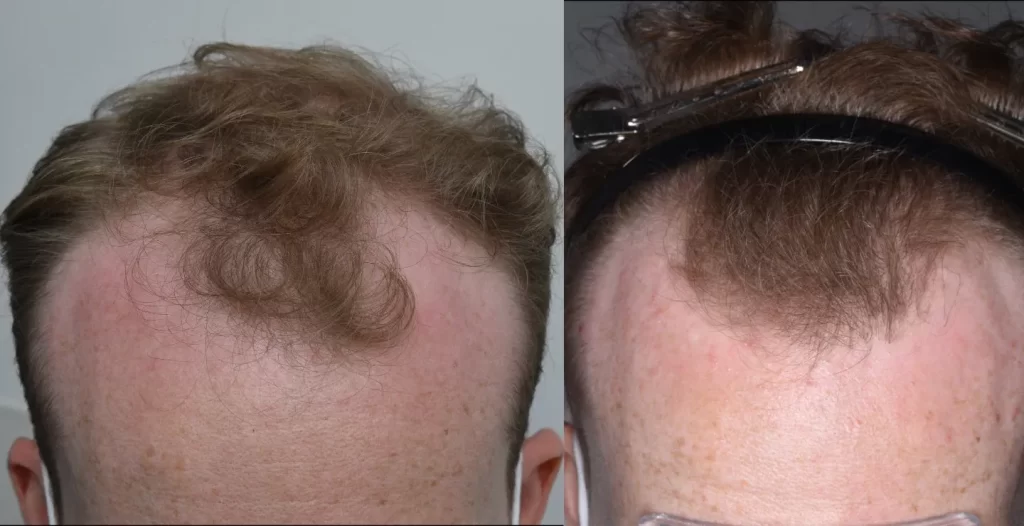
The image below shows results after six months of steady use. Notice that the frontal edge does not march forward dramatically, yet density leading up to it improves noticeably, which is the realistic pattern for minoxidil before and after hairline expectations.
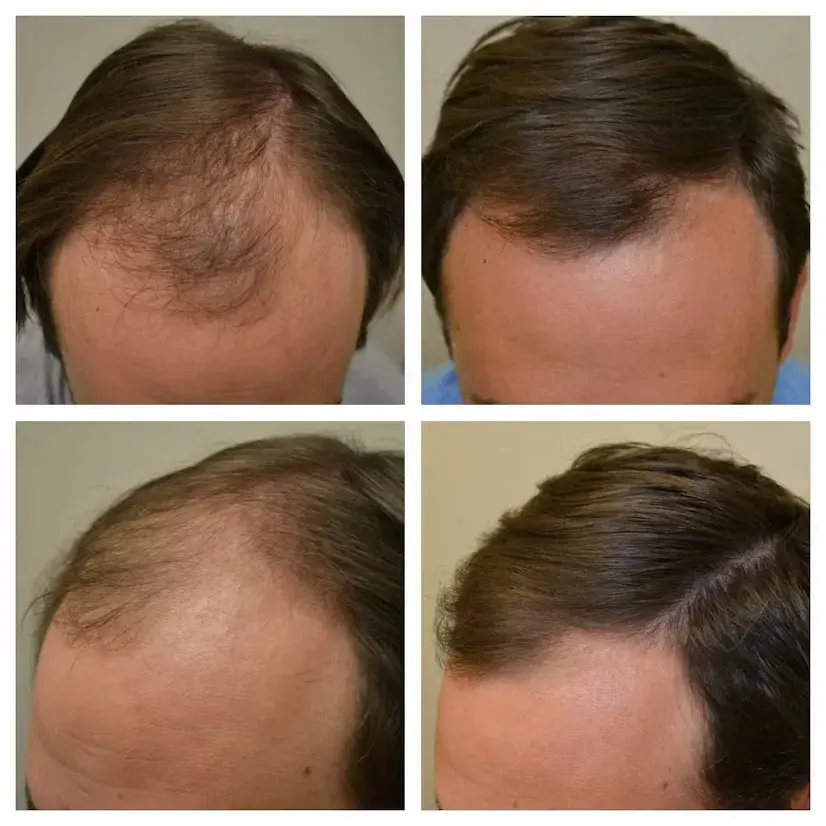
That subtle gain lets the patient part and style more naturally, concealing any remaining recession. The front reads as a natural forehead shape rather than active thinning. The change takes patience, so here is what the first 100 days often look like.
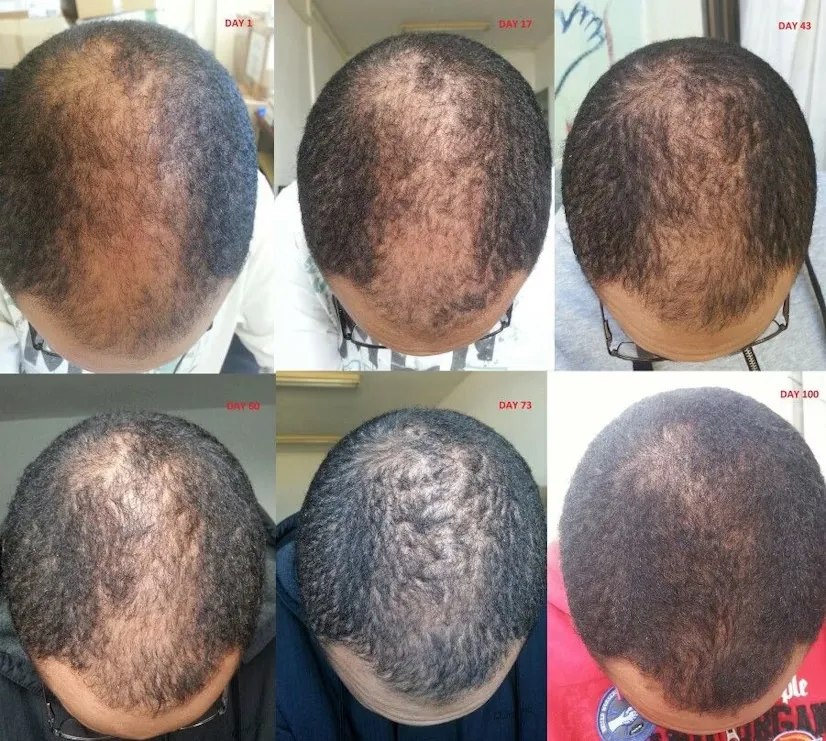
There is little visible difference in fullness until around day 73. It typically takes at least three months to see new strands like this, so this particular timeline runs slightly ahead of average.

Minoxidil Progress Timeline: What to Expect
What to Expect
What It Means
Weeks 1–8
A temporary increase in shedding as weaker strands release.
Normal and expected; old strands make way for new cycles.
Around Day 73
First visible signs of fresh growth in early responders.
Slightly ahead of average; many notice nothing yet.
3 Months
Reduced shedding and minor regrowth for some users.
Early signal, not a final verdict; keep going.
4–6 Months
Improved crown density and less visible scalp.
The point where most men feel encouraged by results.
6–12 Months
Stronger fullness, thicker strands, balanced part line.
Peak visible improvement for most consistent users.
If Stopped
Gradual return of thinning within a few months.
Gains depend on continued, uninterrupted use.


How Minoxidil Works to Encourage Regrowth

Understanding the Growth Cycle

Each follicle moves through a continuous cycle with several stages:
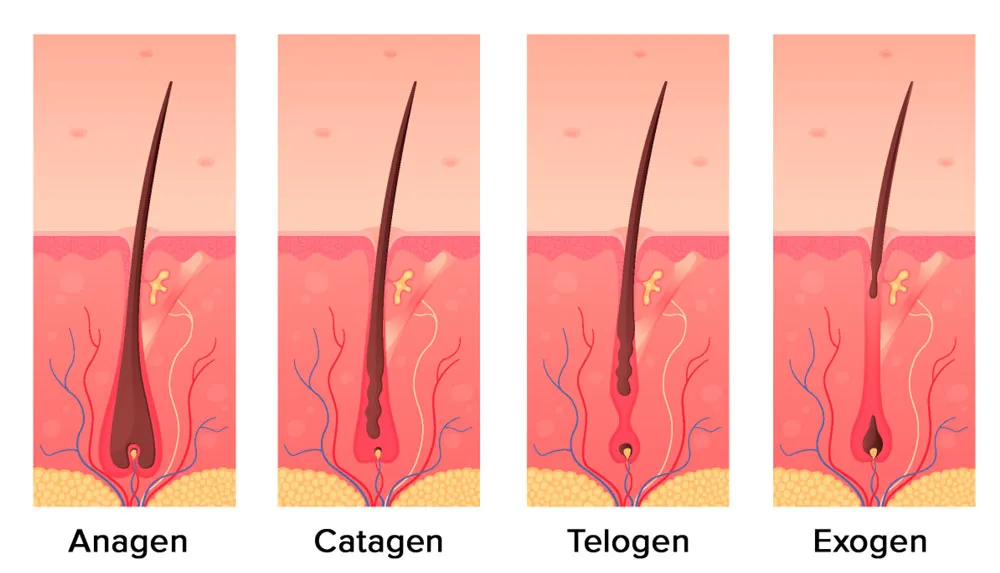
  1. Anagen (growth phase): Hair actively grows from the follicle.
  2. Catagen (transition phase): Growth slows, and the follicle begins to shrink.
  3. Telogen (resting phase): The follicle remains inactive before shedding begins.
  4. Exogen (shedding phase): Old hairs are released while new hairs continue growing underneath, ensuring a constant cycle of hair renewal.

The exact mechanism is not fully understood, but Rogaine, a brand name for minoxidil, appears to extend the anagen phase, keeping follicles active longer so more strands can grow. It also improves blood flow to the scalp, delivering nutrients that revitalize dormant follicles into producing thicker, healthier output.

Why Some People Respond Better Than Others

Minoxidil is a prodrug, meaning it must be converted into its active form by a scalp enzyme called sulfotransferase, specifically SULT1A1. Activity levels of this enzyme vary widely from person to person, which is the leading reason minoxidil hair growth is dramatic for some and modest for others.

People with low sulfotransferase activity often see weaker results, even with perfect application. This also explains why combining treatments, or switching to the oral route, sometimes helps patients who plateau on the topical alone.

Clinical Studies on Minoxidil

Numerous studies confirm that both topical minoxidil and oral minoxidil are effective for treating androgenetic alopecia, a common cause of hair thinning. By improving scalp circulation and stimulating hair follicles, it encourages steady hair regrowth in areas affected by hair loss.

Oral Minoxidil Before and After

Oral minoxidil has gained recognition as an effective option for those wanting a pill-based approach with fewer of the risks tied to oral finasteride. Research finds it at least as effective as the topical version for many users.

It can cause hypertrichosis, meaning unwanted growth on other parts of the body, yet most participants continue treatment even when this occurs. The images below highlight oral minoxidil progress in two patients from a late-2020 study, captured at baseline, 12 weeks, and 24 weeks from two angles.
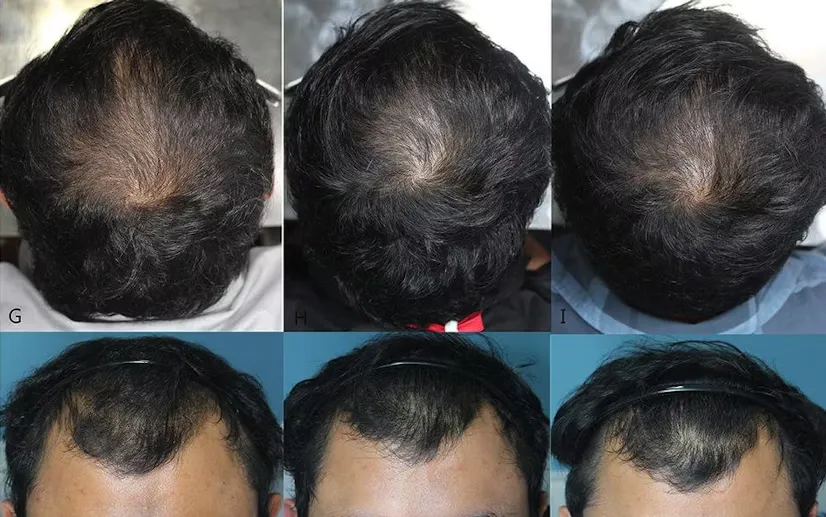
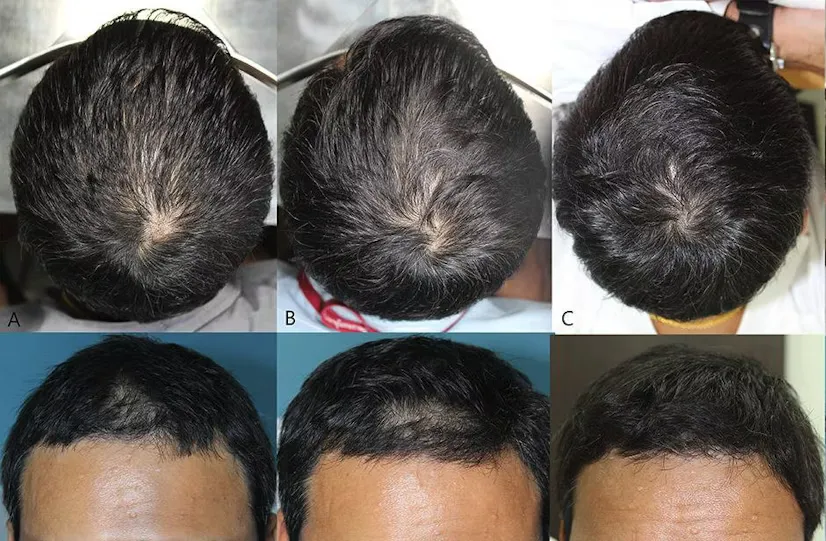
Oral minoxidil is a promising route for many people, especially women, since finasteride is not suitable for them due to its effect on androgen hormones. It is not FDA approved for thinning, but it is approved for high blood pressure and is prescribed off-label by dermatologists.

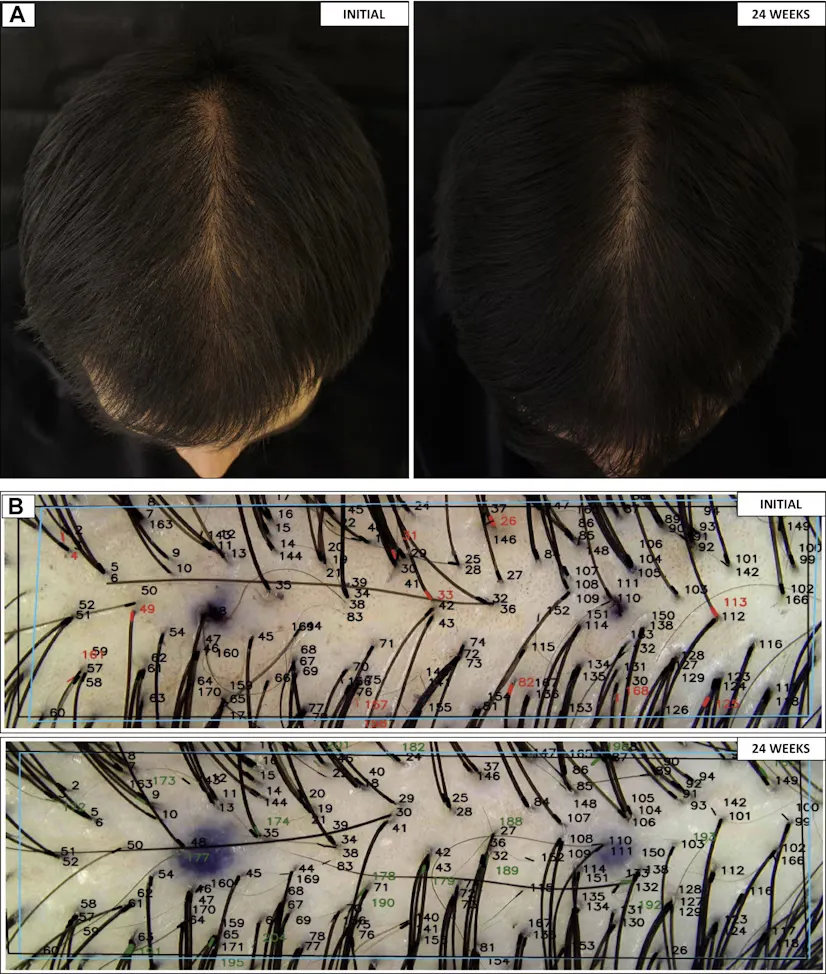
Here is a close-up showing how oral minoxidil affects follicle density after 24 weeks.
Topical Rogaine Before and After: Results for Men and Women

Many patients turn to topical Rogaine to address thinning crowns and visible scalp. For men, results commonly show improved crown density and reduced scalp visibility, becoming more noticeable after four to six months of regular use.

Men with androgenetic alopecia or crown thinning tend to respond well, with thicker, fuller coverage and slower progression over time. Regular application is what maintains these benefits.

Minoxidil is most effective at the crown and vertex and less reliable along the front edge. Focusing on the top of the scalp, where thinning can fill in over time, gives the best return on consistent use. Over months, you may see less visible scalp and a measurable rise in follicle density.

As the six-month image above shows, the frontal line may not advance, but health and fullness improve substantially. These hairline results make the front read fuller and more balanced, supporting a more natural part that conceals remaining recession

Rogaine for Women Before and After

Thinning in women is often linked to hormonal shifts or genetics. Rogaine transformations show how this treatment can restore volume and reduce visible sparseness, particularly along the part line. The formula is designed for women’s needs and offers a safe, effective route to regrowth.
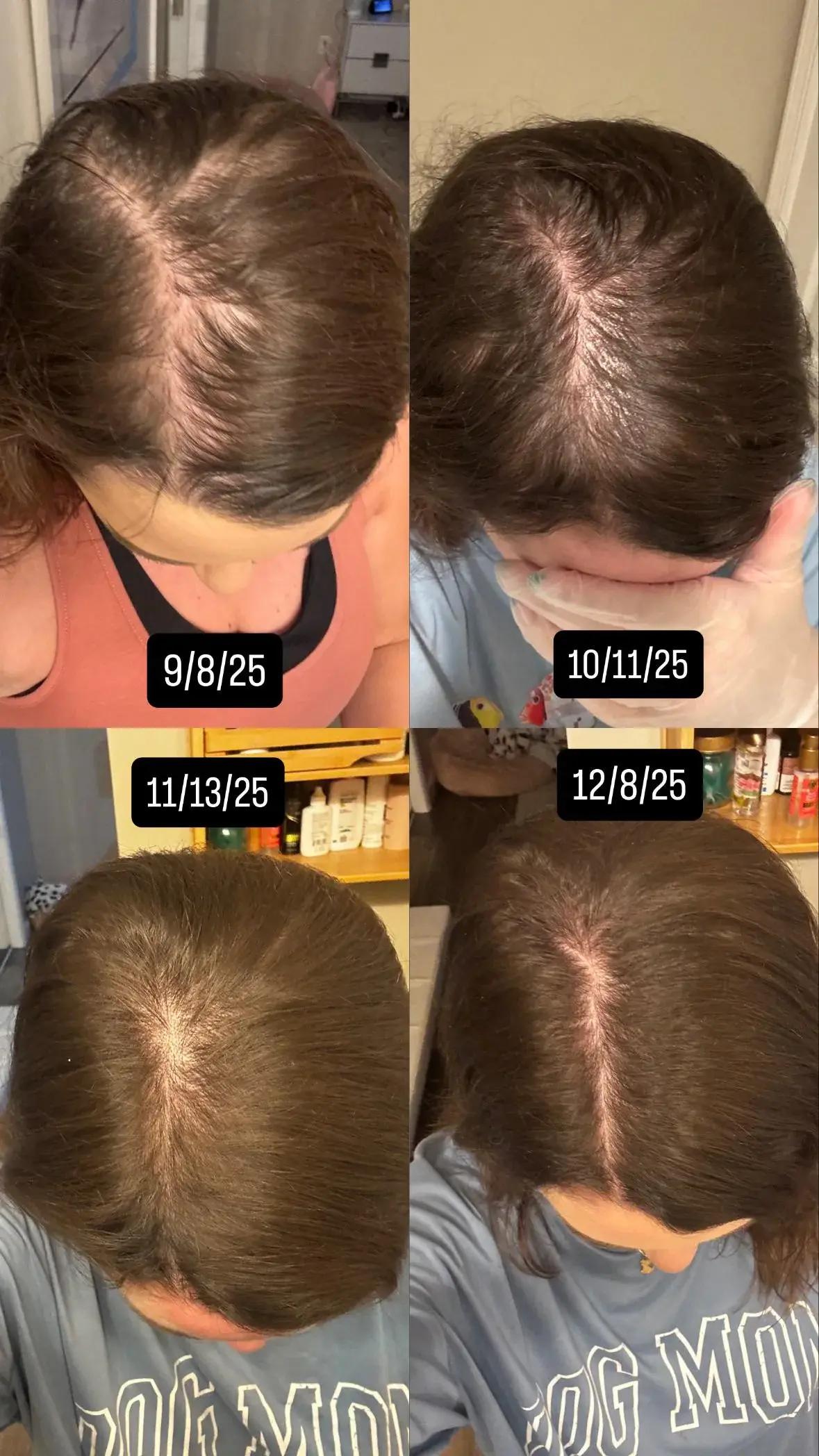
A typical female case shows common signs of female-pattern thinning, including a widening part and reduced volume, nearing stage 2 on the Ludwig Scale before treatment. After six months of 5% topical minoxidil applied twice daily, density along the part and temples improves, indicating the treatment both halted progression and supported regrowth.

Topical vs. Oral Minoxidil: Which to Choose

Both forms work, but they serve different needs. Topical minoxidil targets localized thinning, while oral minoxidil may suit people with more widespread sparseness. Dr. Kopelman tailors the route to each patient based on their pattern, tolerance, and goals.

 

Topical vs. Oral Minoxidil at a Glance
Factor Topical Minoxidil Oral Minoxidil
Best For Localized thinning at the crown and vertex. More widespread or diffuse thinning.
Application Applied to a dry scalp twice daily. A single daily pill, prescribed off-label.
FDA Status FDA approved for pattern thinning. Approved for blood pressure; off-label for thinning.
Common Side Effects Scalp dryness, irritation, early shedding. Hypertrichosis, occasional dizziness or lowered blood pressure.
Often Suited To Users wanting a non-systemic, targeted option. Women unsuited to finasteride, or topical non-responders.

Factors That Affect Your Results

Consistency Is Key

For the strongest outcome, it must be used without gaps. Skipping applications stalls progress, since the medication depends on continuous stimulation of the follicles.

When follicles are permanently inactive, especially in areas like the brows, topical treatment may fall short, and procedures such as an eyebrow transplant in New York can be considered.

Is Three Months Enough?

Some patients notice early change within three months, but meaningful improvement usually takes six months or longer. Restoration takes time, and patience pays off.

Long-Term Use

Treatment delivers lasting benefit only as part of a sustained routine. If you stop, thinning typically resumes within a few months as follicles lose their stimulation. Dr. Kopelman emphasizes building minoxidil into a comprehensive plan for durable results.

Combining Minoxidil With Other Treatments

Oral and Topical Together

Some patients use both routes under medical guidance to address both localized and broader thinning. Pairing should always be supervised so dosing stays appropriate and side effects stay minimal.

Minoxidil After a Transplant

Many patients use it post-transplant to support both grafted and existing follicles. This combination helps maximize the procedure’s success and encourages a healthy growth phase.

Enhancing Results With PRP Therapy

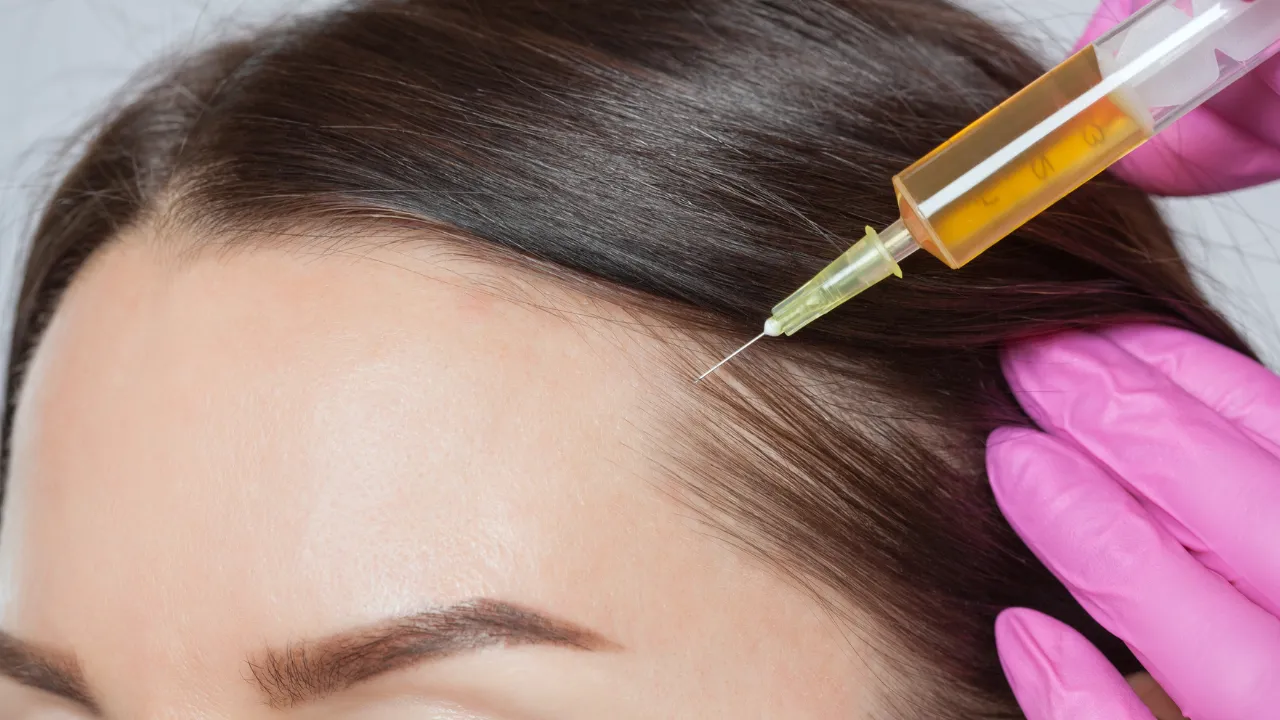
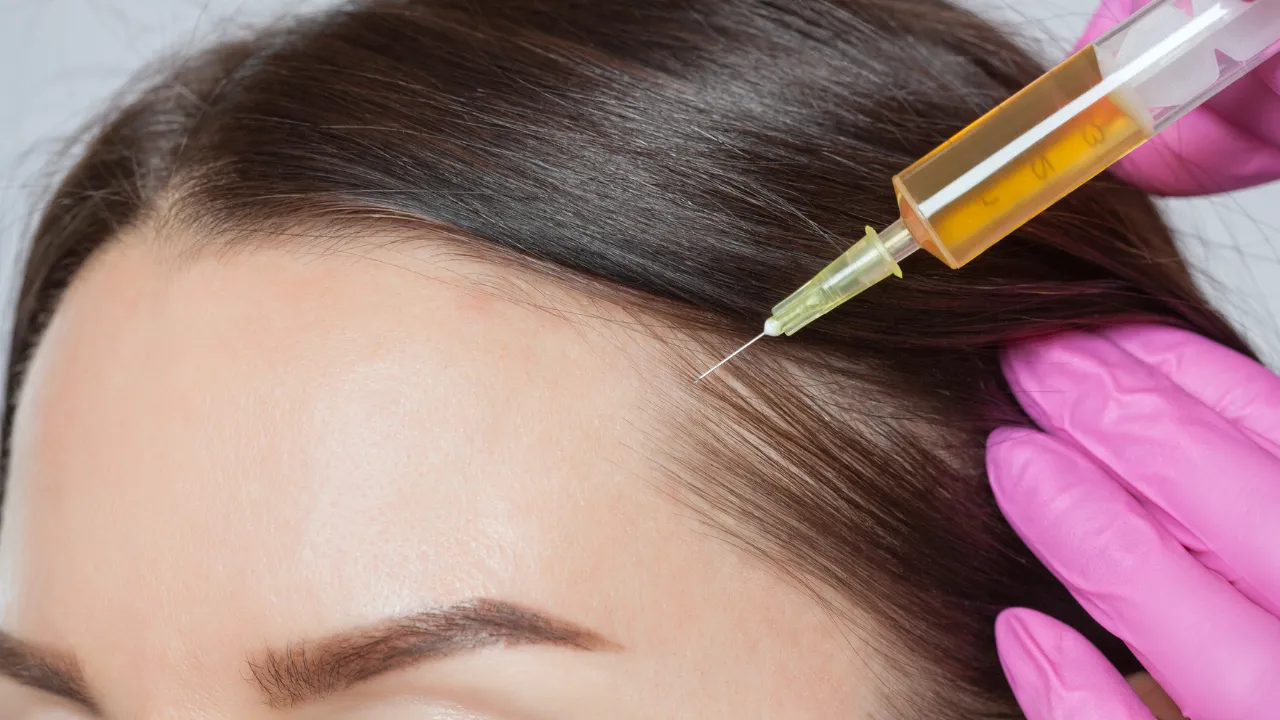
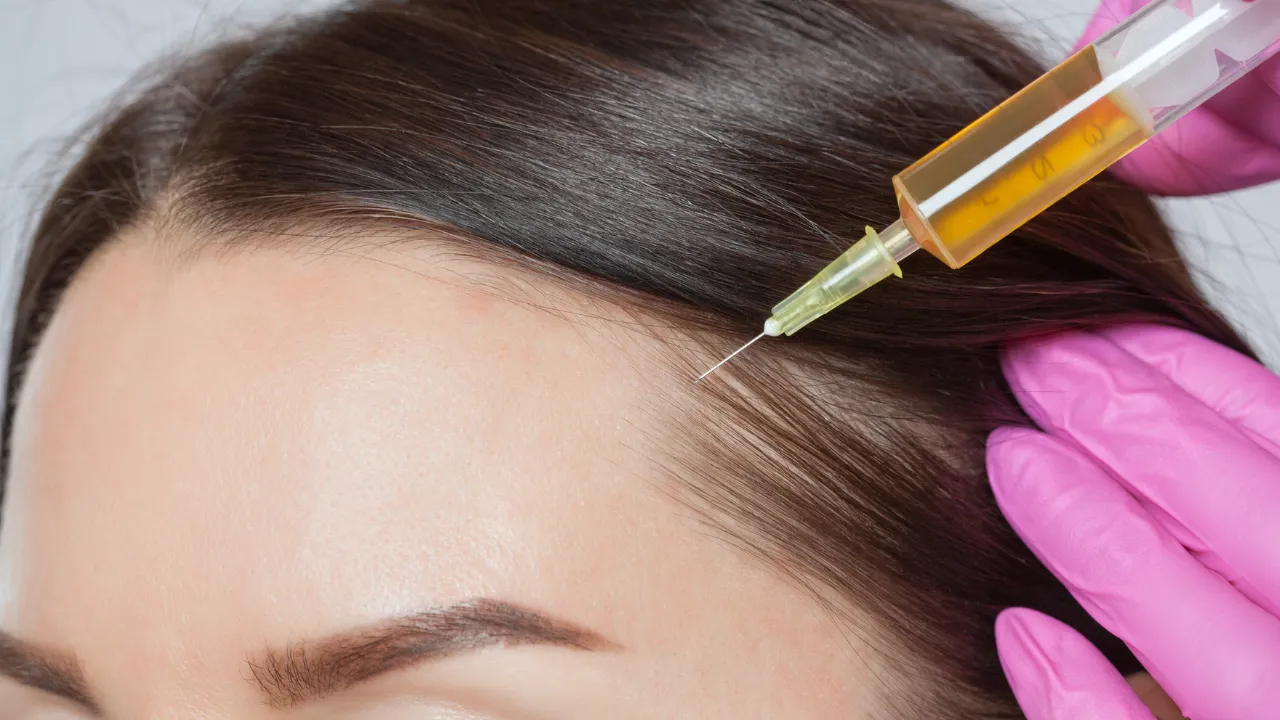
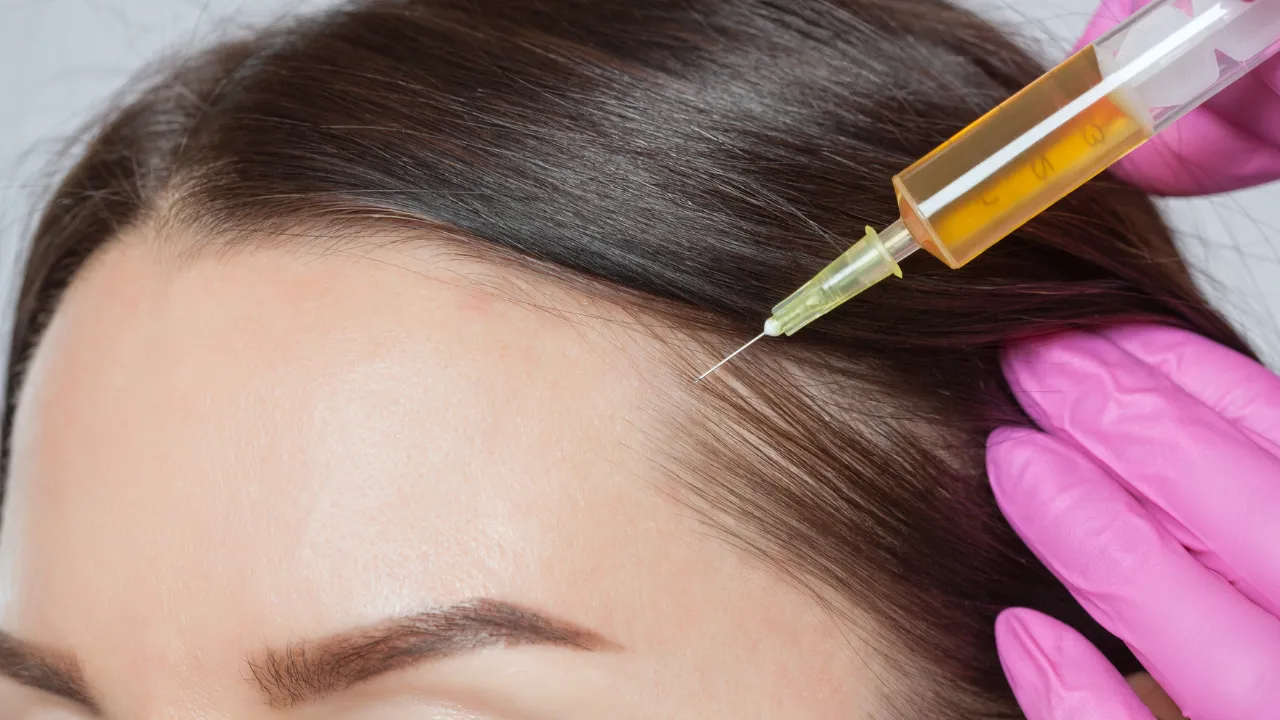
Platelet-Rich Plasma (PRP) therapy is another powerful tool for restoration. Paired with minoxidil, PRP supports follicle regeneration and can accelerate regrowth, creating a well-rounded approach for thinning zones.

Understanding Minoxidil Side Effects

Common Minoxidil Side Effects

Minoxidil is generally well tolerated, though some users notice mild reactions, including:

  • Scalp irritation, dryness, or flaking at the application site
  • Temporary shedding during the early weeks of use
  • Unwanted growth on nearby skin, more common with the oral form
  • Rarely, dizziness or lowered blood pressure, mainly with oral minoxidil

These effects are usually short-lived and manageable under supervision. Performing a patch test and washing your hands after each application reduces the chance of irritation or transfer.

When to Consult a Specialist

Patients with persistent reactions or minimal change should consult a restoration expert like Dr. Kopelman. A personalized review keeps treatment safe, effective, and aligned with your goals.

Final Thoughts on Minoxidil

This treatment has reshaped how thinning is managed, offering proven results for both men and women. From topical serums to oral options, it addresses a wide range of concerns, including sparse crowns, receding fronts, and androgenetic alopecia. The documented minoxidil before after results explain why it remains a cornerstone of modern restoration.

Dr. Kopelman pairs current treatments with personalized care to deliver dependable outcomes. Whether you are exploring minoxidil for the first time or seeking advanced solutions, his expertise supports a high standard of care. Schedule a consultation today and take the first step toward fuller results and renewed confidence.

FAQs About Minoxidil and Rogaine

Yes, minoxidil is effective for promoting facial hair growth. Many men have reported improved beard density and coverage after consistent use. Minoxidil before and after beard photos highlight these transformations, making it a popular choice for enhancing beard growth.

You can also explore how derma rollers for beard growth may help stimulate follicles and improve density when used alongside Minoxidil.

Three months is often enough to see early signs of progress, such as reduced shedding and minor regrowth. However, most patients achieve noticeable improvements within six to twelve months of consistent use.

The choice depends on individual needs. Topical treatments are widely accessible and easy to apply, while oral minoxidil may offer more comprehensive results for patients with advanced hair loss. A consultation with Dr. Kopelman can help determine the best option.

About the doctor

Dr. Ross Kopelman

Hair Restoration Surgeon

Dr. Ross Kopelman is a hair restoration surgeon focused on the medical and surgical treatment of hair loss, with expertise in advanced FUE hair transplantation, natural hairline design, and regenerative therapies that support healthier hair growth. He is known for combining surgical precision with an artistic approach to deliver natural, undetectable results tailored to each patient. Dr. Kopelman sees patients in New York City and Palm Beach, Florida, and also offers virtual consultations for patients across the United States and internationally.
Follow the specialist:

Ready to Restore Your Hair?

Dr. Ross Kopelman offers personalized consultations for hair transplants and hair restoration in New York, New Jersey, and Palm Beach.

In this Article

Before & After results

Kopelman Hair Restoration

Dr. Ross Kopelman and Dr. Joel Kopelman treat patients for hair loss and focus on delivering natural hair transplants at their New York City, New Jersey, and Palm Beach Florida offices. With over 40 years of combined experience, they are leaders in advanced FUE hair transplantation and hair restoration.
40+

Years Combined Experience

1K+

Procedures Performed

5.0★

Patient Rating

3

Locations

Stay in the loop

Get the latest on hair restoration and hair transplant tips from Dr. Kopelman

Dr. Ross Kopelman

Dr. Ross Kopelman is a hair restoration surgeon specializing in advanced FUE hair transplantation, natural hairline design, and regenerative therapies. He sees patients in New York City, New Jersey, and Palm Beach, and offers virtual consultations nationwide.