Why Am I Losing Weight With Hypothyroidism? Reasons, Red Flags, and What to Do

I hope you’re enjoying reading this blog post if you want a consultation with Dr. Kopelman, click here.

Dr. Joel Kopelman

October 1, 2025  ⁃  8 Min read

Weight loss is not a typical result of hypothyroidism, which more often slows metabolism and adds a few pounds. If you are asking, “Why am I losing weight with hypothyroidism?”, the most common reasons are a levothyroxine dose that is too high, fluid loss after starting treatment, poor nutrient absorption, or a separate health problem.

Starting levothyroxine raises resting energy use and helps the body release excess retained water, so some of the first pounds lost are fluid, not fat (Aalborg University study record). If the dose is too strong, it can cause overactive thyroid symptoms such as a fast heartbeat, anxiety, sweating, and unintended weight loss (American Thyroid Association).

Other possible causes include digestive conditions like celiac disease, uncontrolled blood sugar, chronic illness, or eating less because of fatigue or nausea. Ongoing or rapid weight loss should be reviewed with a doctor, especially if it comes with weakness, diarrhea, or palpitations.

Kopelman Hair evaluates hair loss that can accompany thyroid and hormone changes. Dr. Kopelman and his team have more than 40 years of combined experience in hair restoration.

Key Takeaways

  • Weight loss is uncommon with hypothyroidism; when it happens, it usually traces back to a high medication dose, poor absorption, or another condition.
  • Can hypothyroidism cause weight loss? Not directly, because the condition itself tends to slow metabolism.
  • A thyroid-stimulating hormone (TSH) level below the normal range while on levothyroxine is a sign the dose may be too high.
  • Get checked promptly for fast or unexplained weight loss, or a change of 10 pounds or more.
  • Thyroid changes can affect hair as well as weight, and Dr. Kopelman’s team evaluates the hair side.

Can Hypothyroidism Cause Weight Loss?

Not directly. An underactive thyroid slows metabolism, which usually leads to modest weight gain; about 5 to 10 pounds may be thyroid-related, mostly retained salt and water (American Thyroid Association). When weight loss does occur, it typically comes from treatment effects or other medical factors.

Why you may still lose weight

Having hypothyroidism but losing weight is unusual. Reduced appetite, stress, and eating less can all contribute, even when the thyroid is not the main cause.

For example, someone with both hypothyroidism and celiac disease may eat normally but still lose weight because the body does not absorb food well. Another patient may take too much thyroid medication and develop signs of hyperthyroidism, which can also lead to weight loss.

Can You Have Hypothyroidism Without Weight Gain?

Yes, and some people stay thin with hypothyroidism. The thyroid-related change is often limited to a few pounds, far less dramatic than in hyperthyroidism, and many other factors, including other hormones, also shape body weight (American Thyroid Association).

A blood test is the only way to confirm hypothyroidism, because its symptoms overlap with many other conditions (American Thyroid Association).

Causes of Weight Loss

Metabolism and hormone fluctuations

Thyroid hormones control how food becomes energy, so even small changes may affect weight. These imbalances can also influence hair growth, leading to shedding or thinning. You can read more in our guide on hair loss due to hormones.

Shifts between an underactive and an overactive phase can also cause weight loss. For example, thyroiditis can release extra hormone early on and lead to low levels later (American Thyroid Association).

When hormone levels change:

  • Your basal metabolic rate (BMR) shifts
  • Your body may burn more or less energy at rest
  • Fluid retention can increase or decrease
  • Nutrient absorption may be affected

When treatment begins or hormone levels fluctuate, the body may temporarily shift toward higher energy use, leading to weight loss.

Changes in body weight in hypothyroidism vs hyperthyroidism

Can thyroid issues cause weight loss? Yes, mostly when the thyroid is overactive. Hyperthyroidism speeds up the body and can cause weight loss despite a normal or even increased appetite (American Thyroid Association).

By contrast, weight loss in hypothyroidism is rare unless another issue is present. 

Factor Hypothyroidism Hyperthyroidism
Thyroid hormone levelsLow (T3, T4)High (T3, T4)
TSH on a blood testHighLow
MetabolismSlowerFaster
Weight patternWeight gain more commonWeight loss more common
Reason for weight lossRare. Often linked to low appetite or other causesHigh calorie burn at rest
AppetiteNormal or decreasedNormal or increased
Common symptomsTiredness, feeling cold, dry skin, constipationSweating, racing heart, tremor, anxiety

Coexisting conditions and digestive problems

Celiac disease and ulcerative colitis can reduce nutrient absorption, and autoimmune thyroid disease raises the chance of other autoimmune disorders (peer-reviewed case report). Low iron is another overlooked factor, because its tiredness can be mistaken for a thyroid problem (Healthline). Reduced stomach acid, which can accompany hypothyroidism, may also limit how well the body absorbs iron and other nutrients (Healthline).

Autoimmune conditions that attack your thyroid, such as Hashimoto’s disease, may also appear alongside hypothyroidism and contribute to weight instability.

These conditions are also linked to autoimmune hair loss in women, so a thyroid problem can show up in the hair as well.

Why Am I Losing Weight With Hashimoto’s?

Hashimoto’s thyroiditis is an autoimmune condition and the most common cause of hypothyroidism in the United States (American Thyroid Association). Its usual symptoms include fatigue and weight gain, so weight loss needs an explanation. Possible causes include:

  • A levothyroxine dose that is too high, which can cause overactive symptoms and a TSH below normal
  • Thyroiditis, which can briefly release extra hormone before levels fall
  • Another autoimmune condition, such as celiac disease, pernicious anemia, or Addison’s disease

Ask your doctor to recheck TSH and free T4 if the weight loss continues.

Weight Loss From Hypothyroid Medicine

Hypothyroidism treatment and weight loss can overlap in the first months. Even so, effective treatment is not linked to clinically significant weight loss in most people, and only about half of patients lose any weight within two years (American Thyroid Association).

Why am I losing weight with hypothyroid medicine?

Thyroid replacement can raise metabolism too much when the dose is higher than the body needs, which is why some people lose weight after starting treatment.

Medication dosage and overcorrection

When the dose is too strong, the body may act as if it has hyperthyroidism.

When medication exceeds your body’s needs:

  • Metabolism speeds up too much
  • Weight loss becomes noticeable
  • Symptoms may include:
    • Rapid heartbeat
    • Anxiety
    • Sweating

Adjusting the dose with a doctor’s help usually fixes this.

Can a Low TSH Cause Weight Loss?

A low TSH does not burn calories by itself; it signals too much thyroid hormone in the body, which speeds up metabolism (American Thyroid Association). On levothyroxine, a TSH below the normal range suggests the dose may be too high (American Thyroid Association).

Doctors usually recheck blood levels 6 to 8 weeks after a dose change (American Thyroid Association). Do not lower or skip doses on your own.

Is levothyroxine a weight-loss medicine?

Levothyroxine is the standard drug for an underactive thyroid and is meant to restore thyroid function, not to cause weight loss. Extra thyroid hormone taken for weight loss raises the risk of insomnia, palpitations, anxiety, muscle and bone loss, and heart rhythm problems, and the weight is usually regained once it is stopped (American Thyroid Association).

Take it the same way every day, usually on an empty stomach, because iron, calcium, soy, and some antacids can reduce absorption (American Thyroid Association).

Other Health Complications Connected to Hypothyroidism

Is weight loss a symptom of hypothyroidism? Usually not. Typical symptoms are tiredness, feeling cold, dry skin, constipation, low mood, and memory problems (American Thyroid Association). Others may have irregular periods or swelling.

Hypothyroidism can also contribute to high cholesterol and fertility problems, whether weight rises or falls (NIDDK).

Severe untreated hypothyroidism can lead to myxedema coma, a rare emergency that needs immediate treatment (NIDDK). 

When thyroid function is low or unstable, hair shedding can increase, and new hair may grow back thinner. Learn more about the connection in our article on weight loss and hair loss.
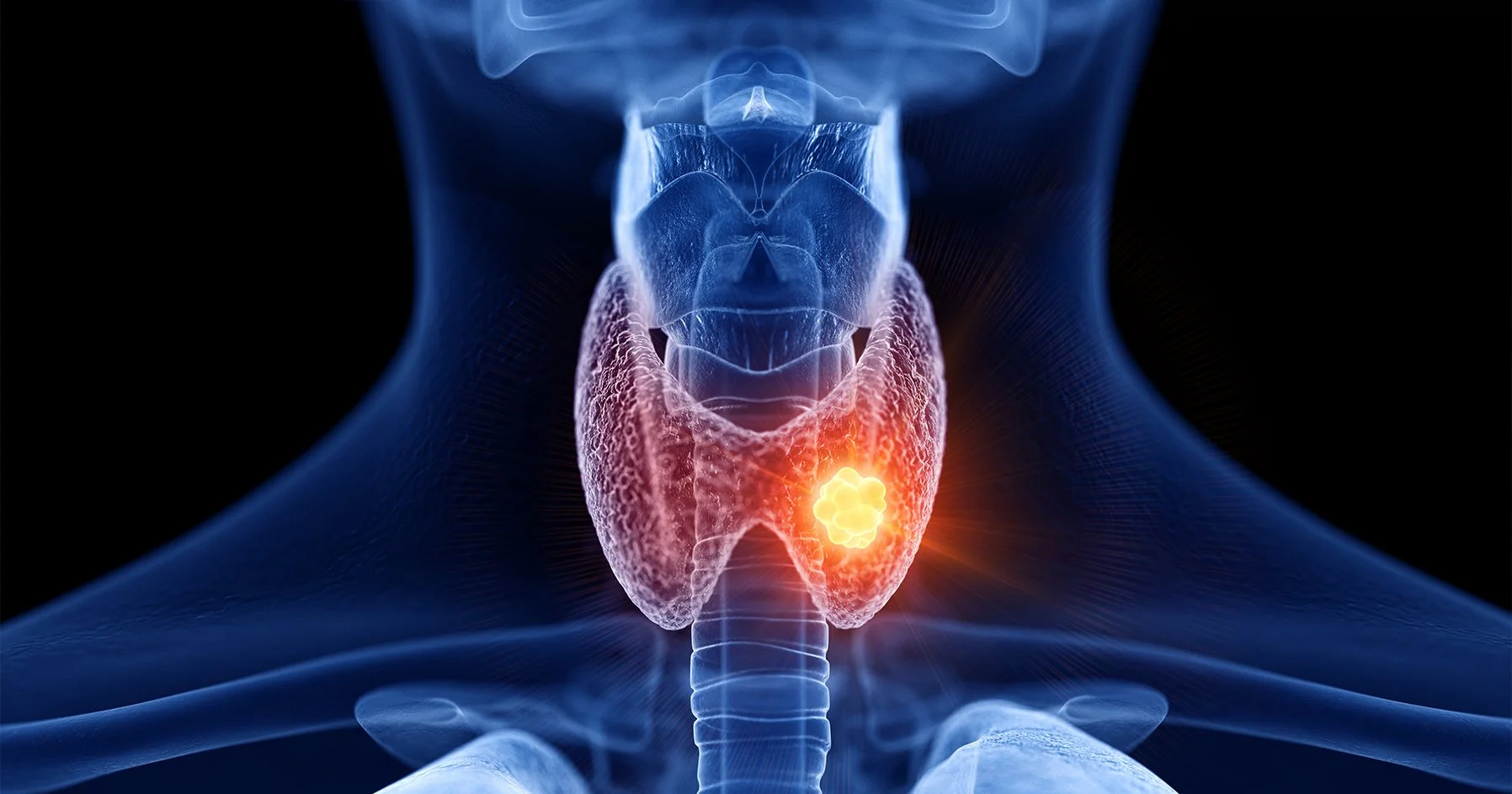
Dr. Kopelman’s team sees hair changes in patients with thyroid conditions.

For patients facing these combined concerns, proper diagnosis and treatment can also support healthier hair growth.

When to Seek Medical Advice

Weight loss with hypothyroidism should always be checked by a doctor. The American Thyroid Association advises calling your doctor if you gain or lose 10 pounds or more.

Seek medical evaluation if you notice:

  • Rapid or unexplained weight loss
  • Weakness or fatigue
  • Diarrhea or digestive changes
  • Heart palpitations

These may indicate medication imbalance or another condition. Blood tests such as TSH and free T4 (sometimes T3) help determine whether your thyroid levels are balanced.

Get urgent care for severe weakness, nausea with trouble eating or drinking, or darkening skin. In rare cases these point to adrenal insufficiency (Addison’s disease), which can appear alongside Hashimoto’s; one published case involved a man with new hypothyroidism who lost 20 kg in three months (peer-reviewed case report).

Doctors also look at risk factors, such as family history, autoimmune conditions, or radiation exposure (American Thyroid Association).

Treatment and Support

Adjusting thyroid medication

If medication is causing weight loss, a doctor can lower or adjust the dose. Blood tests track thyroid levels and keep them in a safe range.

Nutritional and lifestyle support

Steady eating, regular activity, and stress control support overall health while treatment takes effect. Your doctor tracks thyroid levels so dose changes can be made early.

Can You Lose Weight With Hypothyroidism?

Yes. Once hypothyroidism is treated and thyroid levels are normal, the ability to gain or lose weight is the same as in people without thyroid problems (American Thyroid Association). If other symptoms improve with treatment but weight does not, the thyroid was probably not the only cause.

Losing weight can be harder while thyroid levels are off, so confirm your TSH first, then build steady changes in eating and activity with your doctor.


FAQs About Hypothyroidism and Weight Loss

Why do some people lose weight instead of gain with hypothyroidism?

This usually happens when a medication dose is too strong, nutrients are not absorbed well, or another illness is present. It is not the usual outcome.

Is sudden weight loss with hypothyroidism dangerous?

It can be. It may point to a medication problem or another illness, so it should be checked by a doctor right away. Severe weakness or vomiting needs urgent care.

Will my weight return to normal with treatment?

Most people regain balance once their thyroid levels are treated. With ongoing care and healthy habits, weight usually stabilizes.

If you are noticing both weight changes and hair thinning with hypothyroidism, don’t ignore the signs. Schedule a consultation with Dr. Kopelman at Kopelman Hair to have hair thinning evaluated alongside your thyroid care.

About the doctor

Dr. Ross Kopelman

Hair Restoration Surgeon

Dr. Ross Kopelman is a hair restoration surgeon focused on the medical and surgical treatment of hair loss, with expertise in advanced FUE hair transplantation, natural hairline design, and regenerative therapies that support healthier hair growth. He is known for combining surgical precision with an artistic approach to deliver natural, undetectable results tailored to each patient. Dr. Kopelman sees patients in New York City and Palm Beach, Florida, and also offers virtual consultations for patients across the United States and internationally.
Follow the specialist:

Ready to Restore Your Hair?

Dr. Ross Kopelman offers personalized consultations for hair transplants and hair restoration in New York, New Jersey, and Palm Beach.

In this Article

Before & After results

Kopelman Hair Restoration

Dr. Ross Kopelman and Dr. Joel Kopelman treat patients for hair loss and focus on delivering natural hair transplants at their New York City, New Jersey, and Palm Beach Florida offices. With over 40 years of combined experience, they are leaders in advanced FUE hair transplantation and hair restoration.
40+

Years Combined Experience

2K+

Procedures Performed

5.0★

Patient Rating

3

Locations

Stay in the loop

Get the latest on hair restoration and hair transplant tips from Dr. Kopelman

Free Hair Loss Quiz

Get a Personalized Hair Loss Analysis

Find out what’s causing your hair loss and if you’re considering a hair transplant get an estimate of how many grafts you may need.
Dr. Ross Kopelman

Dr. Ross Kopelman is a hair restoration surgeon specializing in advanced FUE hair transplantation, natural hairline design, and regenerative therapies. He sees patients in New York City, New Jersey, and Palm Beach, and offers virtual consultations nationwide.