
Can Magnesium Deficiency Cause Hair Loss and Thinning?

I hope you’re enjoying reading this blog post if you want a consultation with Dr. Kopelman, click here.

Dr. Joel Kopelman

September 19, 2025  ⁃  10 Min read

Yes, a magnesium shortfall can contribute to shedding and thinning by disrupting normal follicle function and scalp health. This essential mineral supports protein synthesis, circulation, and calcium balance, all of which keep strands strong and the growth cycle on track. When levels drop too low, calcium can build up around the scalp, restricting blood flow to the roots and weakening new growth.

This type of thinning is often reversible once levels are restored through diet or supplementation. Deficiency, however, is only one of many possible triggers, so persistent shedding may require a more thorough evaluation. Supporting overall nutrient balance helps create the conditions needed for thicker, more consistent regrowth.

This article is authored by Dr. Joel Kopelman and the Kopelman Hair team, who treat the medical and surgical side of thinning every day.

Their guidance ensures that nutritional support complements proven medical treatments rather than replacing them.

Key Takeaways

  • The mineral supports protein production, circulation, and scalp health, all of which encourage stronger strands and less shedding.
  • Low levels can disrupt the natural cycle, and serum or red blood cell testing helps confirm a shortfall before you start a supplement.
  • Foods such as leafy greens, nuts, seeds, and whole grains are safe and effective ways to reach the recommended daily target as part of a balanced diet.
  • A professional evaluation from experts like Dr. Kopelman is recommended if shedding continues despite adequate intake, or if other shortfalls, such as iron or zinc, are suspected.

Scientific Evidence and Daily Requirements

This mineral participates in more than 300 enzymatic reactions, including those involved in protein synthesis, which builds and maintains follicles. The National Institutes of Health sets the recommended daily intake at roughly 310 to 320 mg for women and 400 to 420 mg for men.

These figures give a baseline for understanding how a shortfall can affect scalp and follicle health. Needs shift with age and sex, so the table below breaks down the recommended dietary allowance (RDA) more precisely.

Daily Recommended Intake

Magnesium by Age and Sex

Age
Men
Women
14 to 18 years
410 mg/day
360 mg/day
19 to 30 years
400 mg/day
310 mg/day
31 to 50 years
420 mg/day
320 mg/day
51 years and older
420 mg/day
320 mg/day

Source: NIH Office of Dietary Supplements. These amounts cover intake from both food and supplements combined.

Can Low Magnesium Cause Hair Loss?

Yes, a deficiency can disrupt the natural cycle and lead to increased shedding. The mineral is required for protein synthesis and energy production, two processes that keep follicles active and healthy. When levels fall, follicles may weaken, the cycle slows, and strands shed more readily.

Research links a deficiency to worsening of existing conditions, such as androgenetic alopecia, where low levels alongside high cholesterol or insulin resistance may play a role. Stress, a poor diet, and certain medications all raise the risk of running low. Correcting these factors helps limit further loss and supports a stronger scalp environment.

Symptoms of a Shortfall

Common signs include muscle cramps, fatigue, tingling in the extremities, brittle nails, and increased shedding. If these appear together, a blood test can confirm whether your levels are low.

Consulting a healthcare provider is the safest way to decide whether a supplement is necessary.

Testing Your Levels

Doctors often start with a serum blood test, though it may not reflect total body stores. Additional checks, such as a red blood cell test or a loading test, give a clearer picture of long-term status.

Reviewing these results with a provider ensures any treatment plan is both safe and effective.

How the Mineral Supports Regrowth

This nutrient helps regulate calcium around the follicles. Excess calcium can impair blood vessel function and limit circulation, both of which are needed to deliver nutrients to the scalp. Adequate intake keeps calcium in check and maintains healthy flow to the roots. 

It also supports keratin production, underscoring its role in the structure of each strand.

Is Magnesium Good for Hair Growth?

Many people ask whether this mineral truly helps. Evidence suggests it can when paired with balanced nutrition and proper care. While it is not a cure for genetic thinning, correcting a confirmed shortfall can improve scalp health and reduce breakage.

Magnesium for Hair Loss: Evidence and Benefits

Studies show the mineral helps reduce inflammation and support healthy cell function, creating a better environment for strands to grow. People with telogen effluvium or stress-related shedding may benefit from improved nutrient balance. 

The strongest results tend to appear in those who are actually deficient rather than those with normal levels.

What the Research Shows on Regrowth

Some individuals report visible improvement after correcting a shortfall, though outcomes vary from person to person.

In a 2022 study of women with polycystic ovary syndrome, supplementation improved quality of life, though its effect on alopecia was not statistically significant. 

The takeaway is that the mineral works best as part of a comprehensive plan, not as a stand-alone fix.

Thinning and the Magnesium Connection

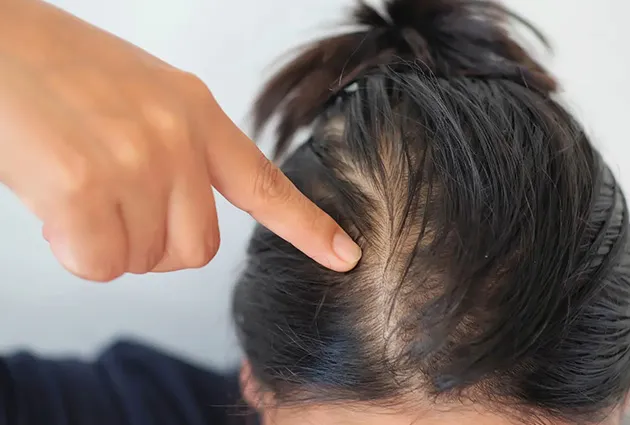
Low levels can also cause gradual thinning of the strands themselves. This weakening often occurs alongside other shortfalls, including iron and zinc deficiencies, which together can disrupt the cycle. 

Addressing every nutritional gap offers the best chance of slowing thinning and encouraging fuller regrowth.

Best Forms for Hair and Absorption

Choosing the right form matters because supplements differ in how well the body absorbs them and how the digestive system tolerates them.

Supplement Guide

Supplement Types Compared

The table below outlines the most common options and where each fits best.

Form
Absorption
Best suited for
Glycinate
High
Daily use, gentle digestion, stress-related shedding
Citrate
High
Restoring low levels; may have a mild laxative effect
L-threonate
High
Crosses the blood-brain barrier; studied mainly for cognition
Oxide
Low
Widely available and inexpensive, but less bioavailable

Use this overview to guide a conversation with a healthcare professional about which form fits your needs.

Dietary Sources

Food remains the best natural source. Strong options include leafy greens, nuts, seeds, whole grains, and legumes. Working these into daily meals supports stronger strands without relying on supplements alone. Absorption from food is also steady and well-tolerated.

Quick Tips for Daily Intake

  • Eat a variety of mineral-rich foods each day to support the follicles.
  • Aim for 300-400 mg daily from food and supplements combined.
  • Seek professional testing if you notice persistent shedding or fatigue.
  • Pair your intake with balanced iron, zinc, and vitamin D for fuller support.


How Long Does It Take to See Results?

Because strands grow on a fixed cycle, improvements are gradual rather than immediate. Once a confirmed shortfall is corrected, many people notice reduced shedding within several weeks, while visible density usually takes about three to six months. 

The pace depends on the cause of your thinning and on how consistent your intake is.

If you see no change after several months of adequate intake and a balanced diet, another factor is likely at play. That is the point to seek a professional assessment rather than increasing your dose on your own.

Does Magnesium Cause Hair Loss?

A common worry is whether the mineral itself can trigger shedding. Current evidence shows no link between normal intake and loss. Adequate levels protect the scalp and help maintain a healthy cycle.

Can Too Much Cause Shedding?

Excessive supplementation can cause digestive upset, but it does not directly cause shedding. Problems typically appear only when intake far exceeds recommended limits.

Safe Intake and Supplement Guidelines

Adults generally need 300 to 400 mg daily from food and supplements combined. According to the NIH, the tolerable upper limit from supplements alone is 350 mg per day. 

Going beyond this may cause discomfort, such as diarrhea or cramping. People with kidney disease or those on certain medications should seek medical advice before starting.

What Mineral Am I Lacking if My Hair Is Falling Out?

A shortfall in this mineral is only one possibility. Low iron or zinc can also lead to thinning or breakage, and elevated dihydrotestosterone (DHT) can disrupt the cycle. 

A full blood panel can identify multiple deficiencies at once and guide appropriate treatment, built around a balanced diet and professional supervision. More than one nutrient gap is often involved, which is why testing matters.

Treatment Integration
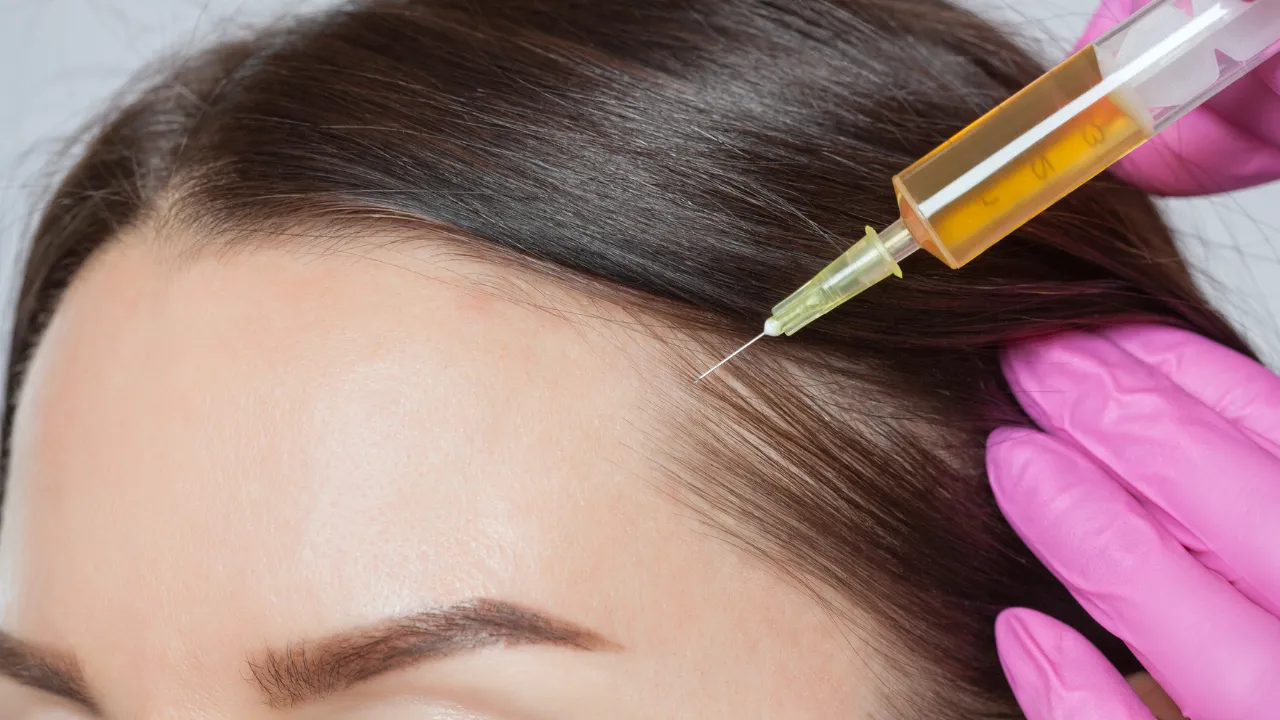
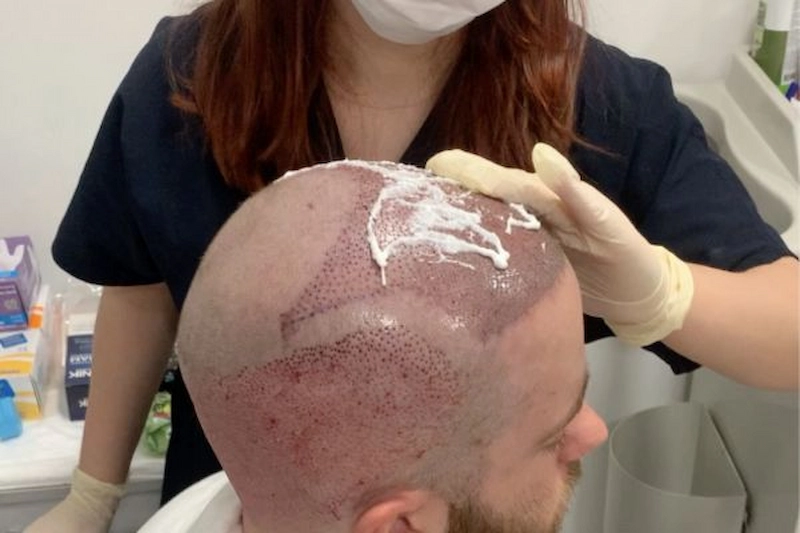
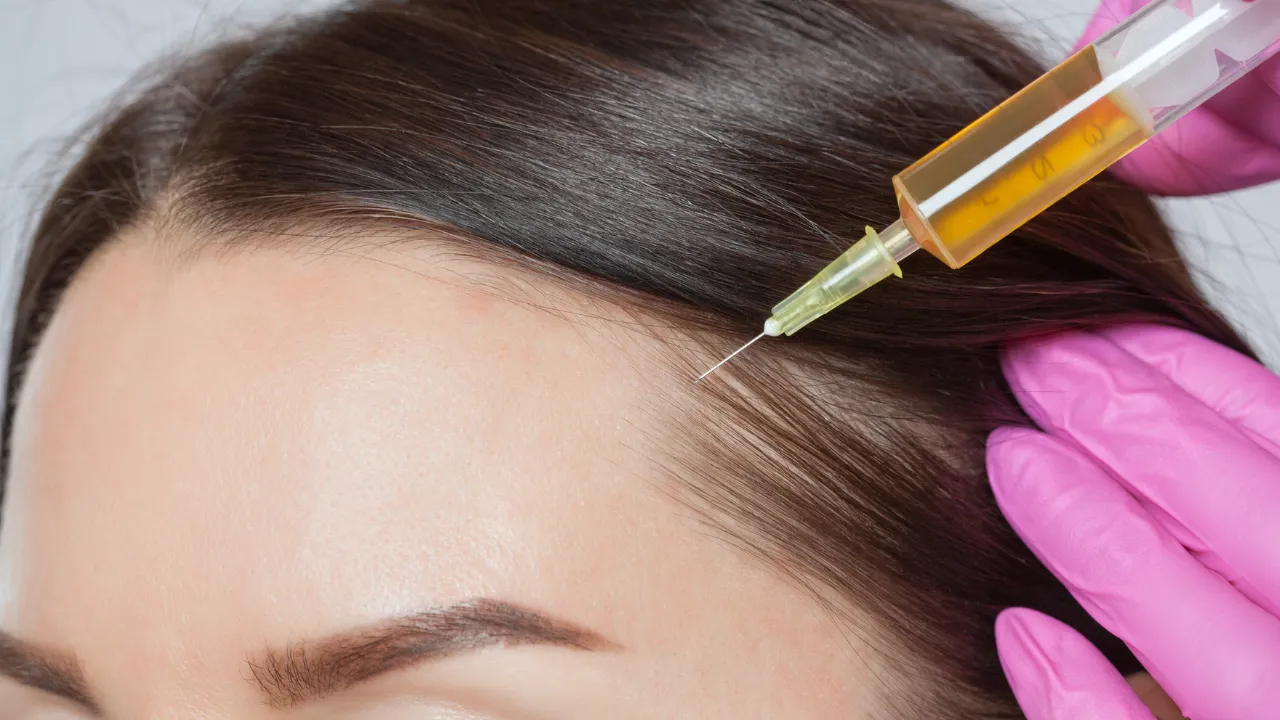
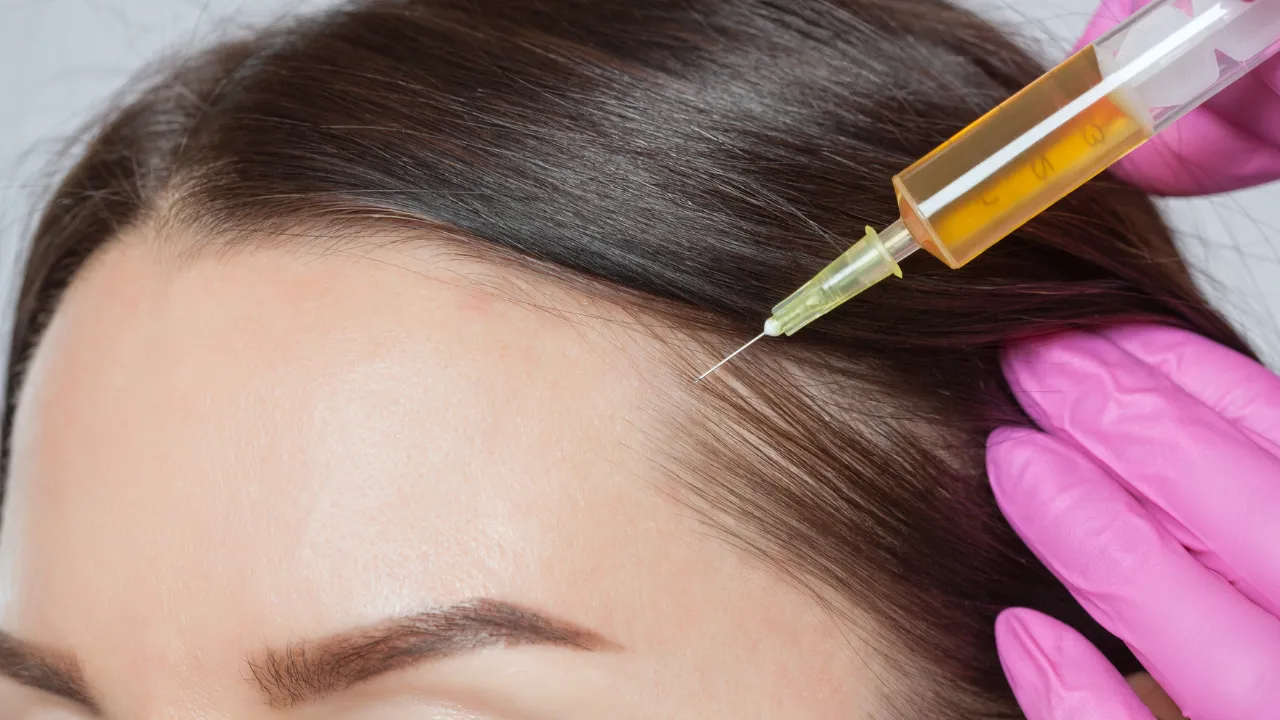
This mineral works best as part of a broader plan rather than a stand-alone solution. For patients with genetic thinning, therapies such as platelet-rich plasma (PRP), prescription medications, or transplantation may be needed.

Dr. Kopelman often recommends optimizing nutritional status, including this mineral, before or alongside advanced procedures. This integrated approach strengthens the follicles and improves the success of surgical or medical treatment while helping to slow further loss.

When to Seek Expert Treatment

If shedding continues despite dietary changes, a professional evaluation is essential. Dr. Kopelman and the team at Kopelman Hair specialize in advanced options, including hair transplants and medical therapies tailored to each patient. 

A thorough assessment also rules out underlying issues such as thyroid disorders or hormonal imbalances early.

Real-World Evidence

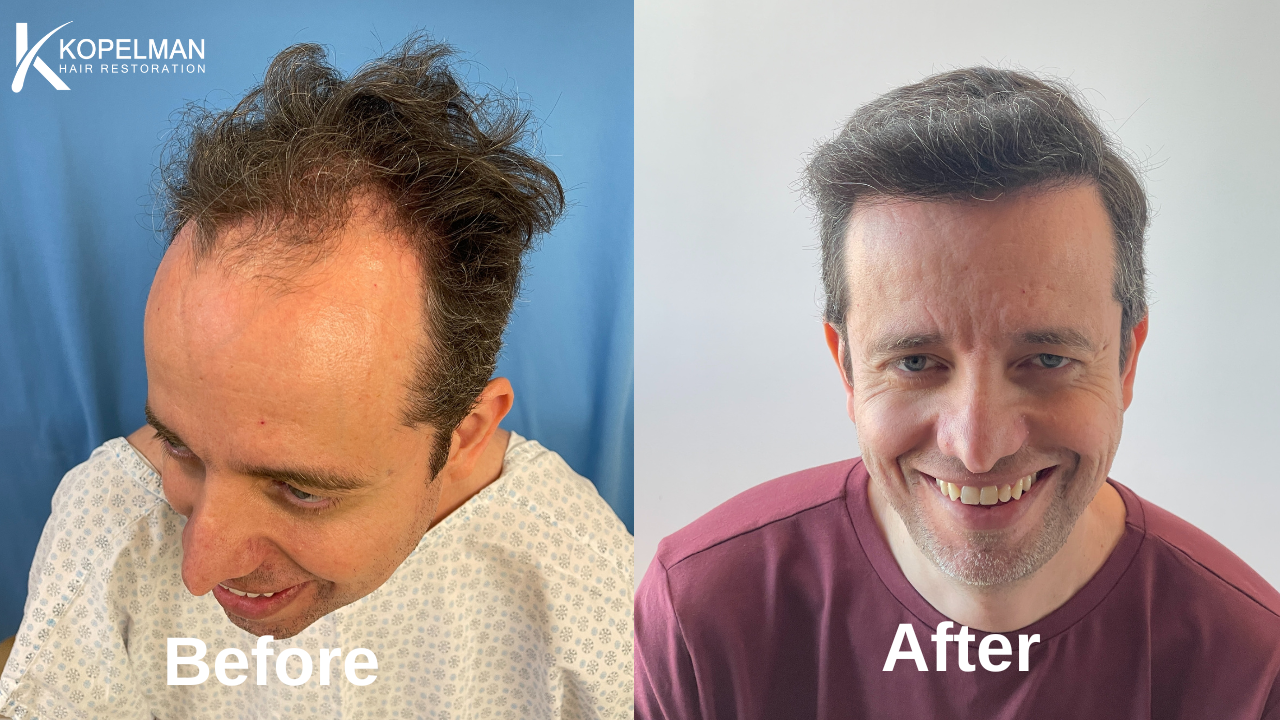
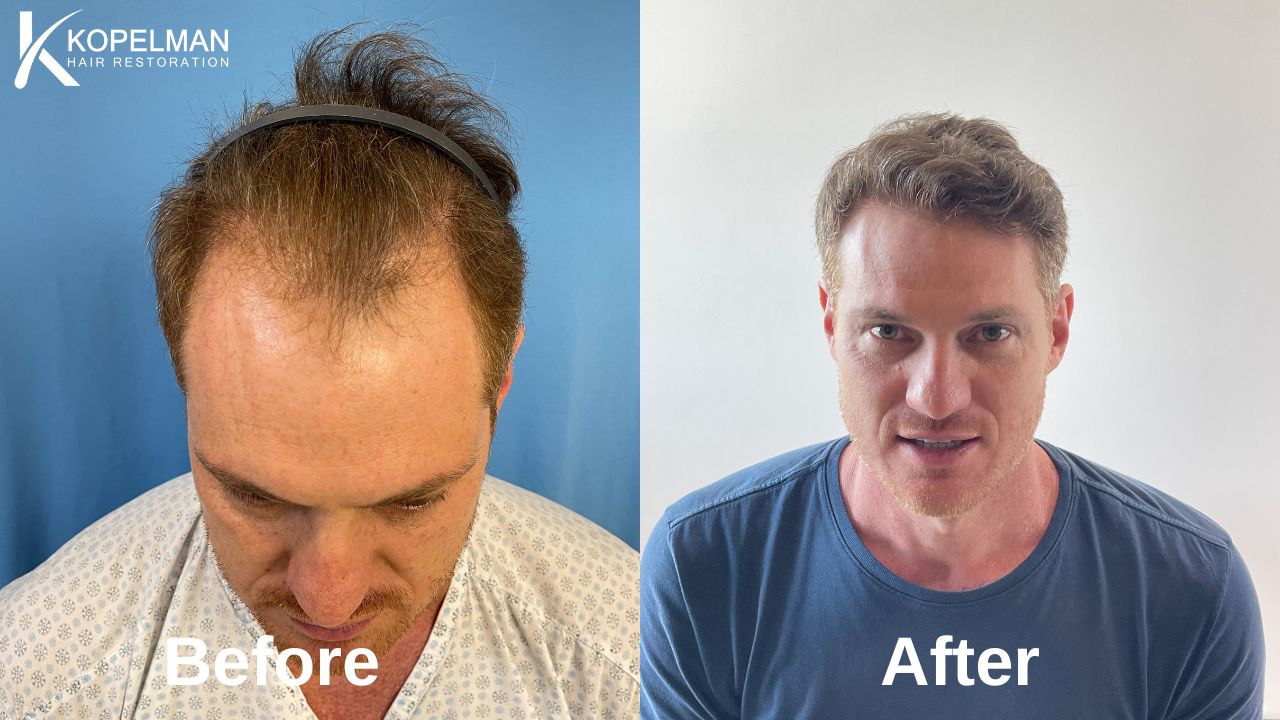
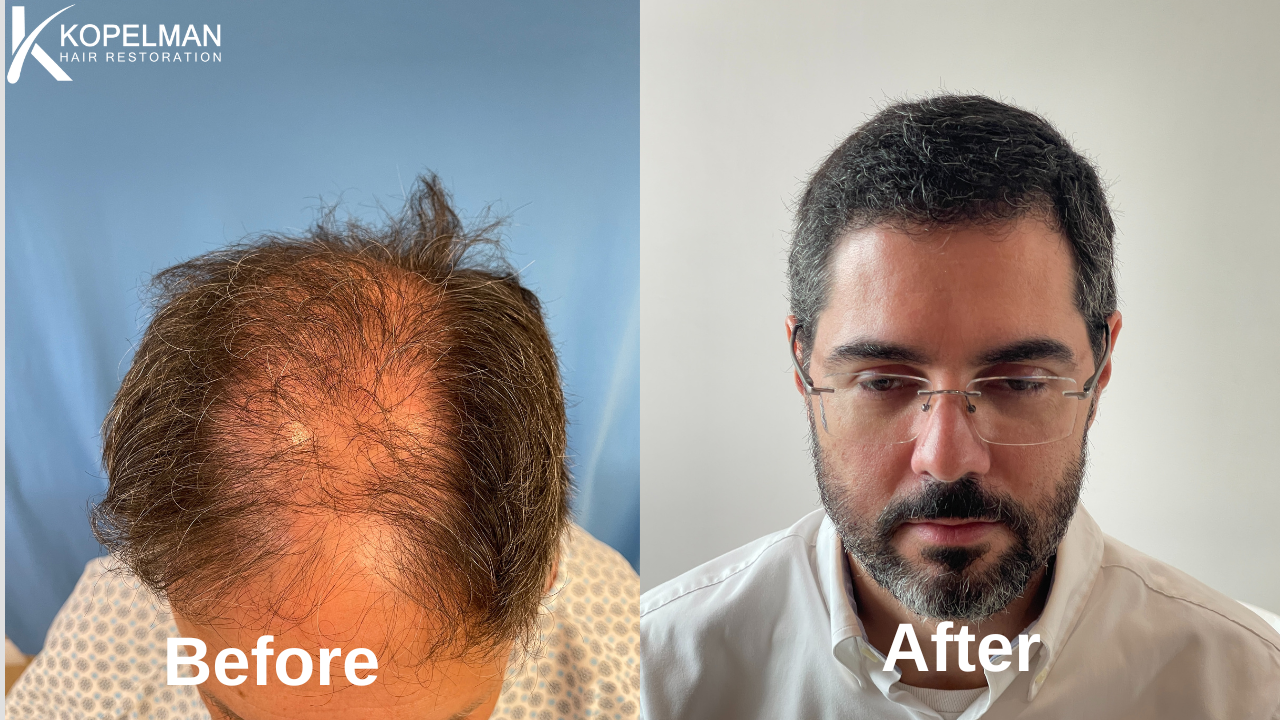
Some Kopelman Hair patients have reported noticeably improved density after correcting a confirmed shortfall. One patient saw reduced shedding and stronger regrowth within three months of adding nutrient-rich foods and a doctor-approved supplement. 

Outcomes vary, but these cases show how restoring nutrient balance can complement professional restoration. They reinforce the value of combining dietary care with expert medical guidance.

If you are experiencing thinning and want expert guidance on restoring fuller strands, schedule a consultation with Kopelman Hair today. The team will evaluate your scalp, identify potential issues, and develop a personalized plan to support regrowth and prevent further loss.


About the doctor

Dr. Ross Kopelman

Hair Restoration Surgeon

Dr. Ross Kopelman is a hair restoration surgeon focused on the medical and surgical treatment of hair loss, with expertise in advanced FUE hair transplantation, natural hairline design, and regenerative therapies that support healthier hair growth. He is known for combining surgical precision with an artistic approach to deliver natural, undetectable results tailored to each patient. Dr. Kopelman sees patients in New York City and Palm Beach, Florida, and also offers virtual consultations for patients across the United States and internationally.
Follow the specialist:

Ready to Restore Your Hair?

Dr. Ross Kopelman offers personalized consultations for hair transplants and hair restoration in New York, New Jersey, and Palm Beach.

In this Article

Before & After results

Kopelman Hair Restoration

Dr. Ross Kopelman and Dr. Joel Kopelman treat patients for hair loss and focus on delivering natural hair transplants at their New York City, New Jersey, and Palm Beach Florida offices. With over 40 years of combined experience, they are leaders in advanced FUE hair transplantation and hair restoration.
40+

Years Combined Experience

1K+

Procedures Performed

5.0★

Patient Rating

3

Locations

Stay in the loop

Get the latest on hair restoration and hair transplant tips from Dr. Kopelman

Dr. Ross Kopelman

Dr. Ross Kopelman is a hair restoration surgeon specializing in advanced FUE hair transplantation, natural hairline design, and regenerative therapies. He sees patients in New York City, New Jersey, and Palm Beach, and offers virtual consultations nationwide.