Best Hair Supplements for Alopecia: What Works and Why

I hope you’re enjoying reading this blog post if you want a consultation with Dr. Kopelman, click here.

Dr. Ross Kopelman

July 31, 2025  ⁃  12 Min read

The best hair vitamins for alopecia are the nutrients tied directly to follicle function: iron, vitamin D, zinc, biotin (only if you are deficient), protein, and omega-3 fatty acids. These work best when they correct a genuine shortfall rather than acting as a cure. They can improve strand quality and reduce shedding over time, yet they are rarely enough on their own for autoimmune or genetic forms of thinning.

Popular formulas like Nutrafol, Viviscal, and Happy Head Hair Growth Supplement combine several of these nutrients with plant extracts. Still, the best supplements for hair loss are those matched to your diagnosis, since conditions like alopecia areata often require medical treatment beyond vitamins. Simple blood work can flag low ferritin, vitamin D, or zinc levels, so your plan is targeted rather than trial-and-error. Consistent use across several months is usually needed before any change is visible.

At Kopelman Aesthetic Surgery, Dr. Kopelman combines clinical experience with a personalized approach to help patients navigate thinning with confidence.

In this article, we explore which supplements actually work and why they may be right for you.

Key Takeaways

  • Supplements can reduce shedding and support regrowth when they are matched to your type of alopecia and taken consistently.
  • Clinically studied ingredients like biotin, zinc, saw palmetto, and vitamin D appear in most well-formulated products.
  • The right choice depends on format, quality, and whether your thinning is hormonal, nutritional, or autoimmune.
  • Supplements work best under the guidance of a healthcare provider and when used to correct a confirmed deficiency.
  • Most people see results in three to six months, and these products are generally safe when used as directed.

Top Supplements for Alopecia and Thinning Hair
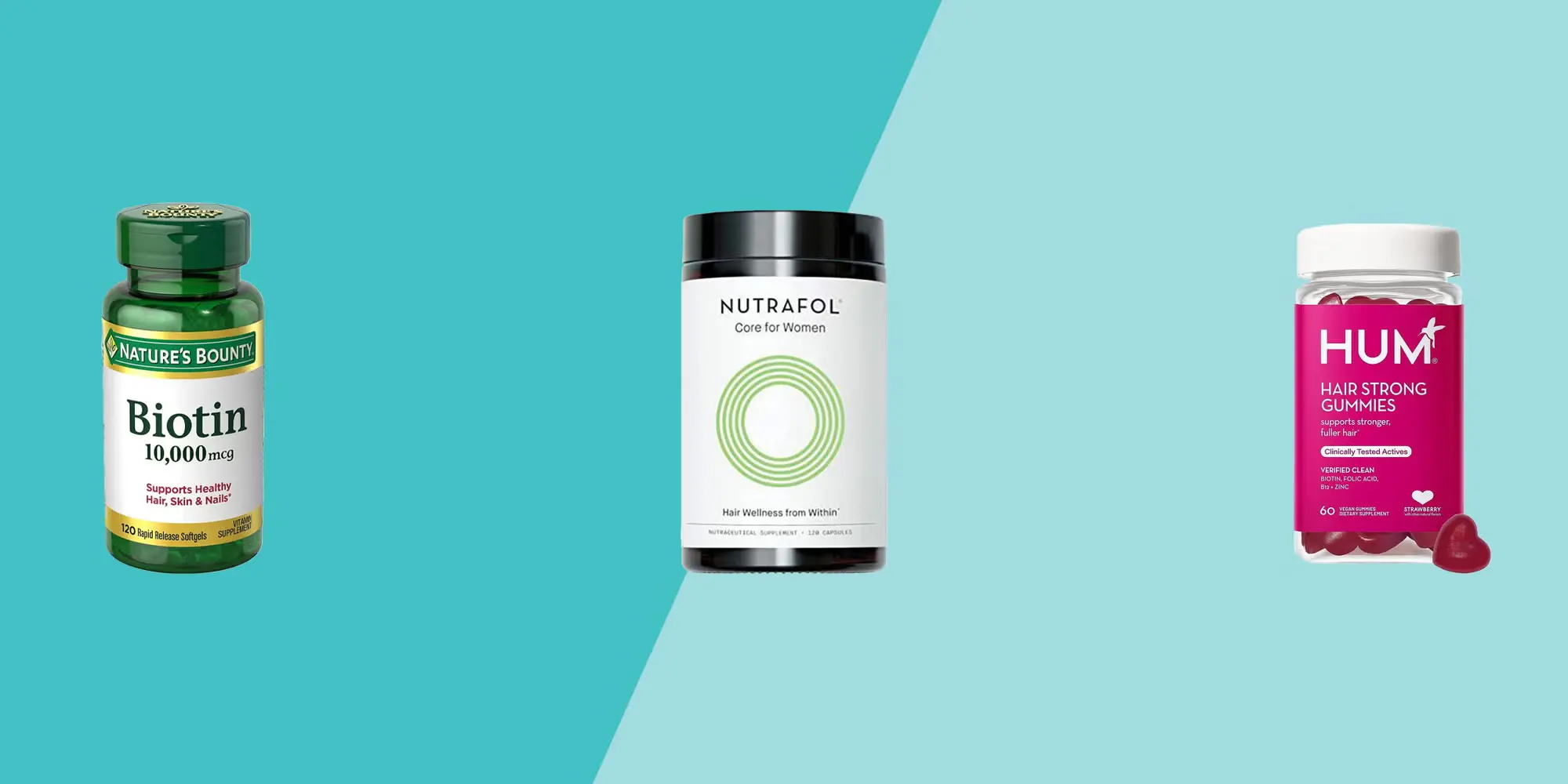
Best Supplements for Alopecia, Growth, and Thickness

Formulas vary widely. The most useful ones combine biotin, zinc, saw palmetto, and marine collagen, nutrients that support the follicle and help limit shedding.

Nutrafol and Viviscal are among the better-studied options. Many users notice a difference within three to six months when they pair the product with a balanced diet and proper scalp care. The benefit tends to come from a mix of anti-inflammatory and nutritional pathways rather than any single ingredient.

Best Hair Vitamins for Alopecia Areata

Alopecia areata is an autoimmune condition, so supplements cannot cure it. They can still play a supporting role. People with this condition often show lower vitamin D and zinc levels, and correcting those shortfalls may help calm immune activity around the follicle (Almohanna et al., 2019).

Curcumin and antioxidants such as vitamin E and green tea extract are sometimes added to reduce oxidative stress. The evidence here is mixed: one zinc trial reported regrowth in about two-thirds of patients with zinc deficiency, while another found no measurable effect. Pair any supplement with the medical treatment your dermatologist recommends.

Best Hair Vitamins for Androgenetic Alopecia

This genetic pattern causes hair thinning in men and women. Supplements that limit DHT, such as saw palmetto and pumpkin seed oil, are commonly used, though their effects are gentler than those of prescription options. A 2020 systematic review found saw palmetto helped some patients with pattern thinning, but noted the evidence is far weaker than for finasteride or minoxidil (Evron et al., 2020).

Men may respond to saw palmetto and nettle root, while women often benefit more from iron and vitamin D. Dr. Kopelman frequently combines an oral supplement with a topical treatment, since this pattern follows a disrupted growth cycle and responds best to a layered plan.

Best Hair Supplements for Balding Men

Products aimed at balding men target hormones, inflammation, and nutrient gaps. Common ingredients include B-complex vitamins, zinc, and DHT blockers.

These rarely regrow fully bald areas, but they can slow further shedding, and starting early gives the best chance of preserving density. For complete restoration, a procedure may still be needed.

Supplement Formats: Pills, Gummies, or Powders?

  • Pills: Higher, standardized doses, though harder to swallow.
  • Gummies: Easier to take, but often contain added sugar and lower doses.
  • Powders: Can pack in more ingredients, but the taste is not for everyone.

Choose whatever fits your routine. Dr. Kopelman stresses that consistency matters far more than format.

How These Supplements Support Regrowth

Key Ingredients: Biotin, Zinc, and Saw Palmetto

Biotin, a B vitamin, supports the production of keratin, the structural protein that makes up each strand. It can strengthen brittle locks, but supplementing only helps if you are genuinely deficient, which is rare in people eating a normal diet (Almohanna et al., 2019). Most everyday needs are met through eggs, liver, nuts, whole grains, and dairy.

Zinc supports protein synthesis and cell division, and it helps regulate the oil glands that keep the scalp healthy. Deficiency is linked to shedding, and oysters, red meat, eggs, and pumpkin seeds are reliable food sources. Saw palmetto works differently; it may lower DHT, the hormone behind pattern thinning, which is why it appears in many men’s formulas.

These vitamins and minerals are most effective when they address a real nutritional gap rather than topping up levels that are already adequate.

How They Support Follicles and Scalp Health

Beyond correcting deficiencies, several nutrients improve blood flow, lower inflammation, and aid collagen production. Together, these effects create a healthier environment at the root.

In people with alopecia, the scalp condition is critical, which is why Dr. Kopelman favors a holistic plan that combines nutritional support with topical care.

Best Vitamins for Faster Hair Growth

B12, iron, and vitamin C can speed things along by improving oxygen delivery to the follicle. Iron shortfalls are especially common in women who are thinning.

These nutrients do not change the natural growth cycle; instead, they create better conditions for the follicle to do its job. Correcting a deficiency is often where people see the most noticeable improvement, so addressing both internal imbalances and follicle strength matters.

Understanding Vitamin Deficiencies and Thinning Hair

Which Vitamin Deficiency Causes Alopecia?

Low levels of vitamin D, zinc, and iron can worsen alopecia, as these nutrients help regulate the immune response and support hair follicle repair.

A simple blood panel can identify a shortfall and shape a targeted plan, which is far more reliable than guessing.

Can B12 Vitamins Cause Hair Loss?

Vitamin B12 does not cause shedding, but low levels can slow regrowth and increase fallout. Taking more than you need is not usually harmful, though it is still best to follow standard dosage guidance.

Role of Vitamin D, Iron, and Zinc

Vitamin D supports immune function, iron carries oxygen to the follicle, and zinc aids repair. All three help protect against thinning when kept at healthy levels. Dr. Kopelman uses lab testing to pinpoint which nutrients a patient actually lacks, so supplementation stays purposeful.

The table below shows commonly cited daily targets for adults in the United States, drawn from dermatology and hair restoration sources. Always confirm your own dose with a provider, especially for iron and the fat-soluble vitamins.

Nutrient
Typical adult daily target
Reliable food sources
Vitamin D
2,000 to 5,000 IU
Fatty fish, fortified milk, egg yolks, mushrooms
Iron
8 mg men and postmenopausal women; 18 mg premenopausal women
Red meat, poultry, fish, beans, leafy greens
Zinc
8 mg women; 11 mg men
Oysters, beef, eggs, nuts
Biotin
About 30 mcg
Eggs, liver, whole grains, dairy
Vitamin C
75 mg women; 90 mg men
Citrus, bell peppers, strawberries, broccoli
Vitamin E
15 mg or 22.5 IU
Sunflower seeds, almonds, avocado

Iron has an upper safe limit of about 45 mg per day for adults, and long-term excess vitamin D can lead to serious problems, so more is never better. Stay within these ranges unless a provider directs otherwise.

Are Hair Supplements Worth It?

Supplements deliver the most value when they fill a genuine gap or help manage stress-related shedding. So what supplements help with hair loss in practice? The strongest candidates are those tied to confirmed deficiencies, especially iron and vitamin D.

Research offers some encouragement. A 2010 study in Tropical Life Sciences Research reported a 34.5 percent rise in hair count among volunteers taking tocotrienols, a form of vitamin E, after eight months (Beoy et al., 2010).

Results still depend on where each follicle sits in its natural cycle. Supplements work by nudging strands from a resting state toward active growth rather than overriding the process.

Supplements and Products for Women

Women often experience diffuse thinning driven by hormones, stress, or diet. Female-focused formulas tend to feature biotin, iron, and adaptogens such as ashwagandha. Topical products can complement them.

It is wise to avoid male-oriented formulas with strong DHT blockers. Look for products labeled for women and keep an eye out for any hormonal ingredients.

Choosing the Right Supplement for You

Which Supplement Is Best for Alopecia?

The right choice depends on your specific diagnosis and overall health. Look for formulas built around biotin, zinc, iron, and vitamin D, and skip products loaded with artificial fillers.

A clean, third-party tested option is the safer bet, and Dr. Kopelman builds personalized plans based on each patient’s history.

Matching Products to Alopecia Type

  • Alopecia Areata: Vitamin D, vitamin E, zinc
  • Androgenetic Alopecia: Saw palmetto, pumpkin seed oil
  • Telogen Effluvium: Iron, adaptogens

Different patterns call for different solutions, and a scalp exam helps confirm the right starting point.

When to See a Dermatologist

If you see no change after three to six months, it is time to consult a specialist. Dr. Kopelman offers lab testing and scalp biopsies to guide treatment and steer patients away from unnecessary supplements.

Quick Reference: What to Look for in a Supplement

  • Biotin, zinc, vitamin D, and iron
  • A DHT blocker such as saw palmetto, if pattern thinning is the concern
  • A clean label with no unnecessary fillers
  • Third-party testing
  • A formula tailored to your gender and condition

Medical-grade products tend to deliver better outcomes with fewer risks.

Safety, Dosage, and Expectations

How Long Until You See Results

Give any supplement time, at least three months, with clearer results more likely after six months of steady use. Stick with one product and stay consistent.

Safe Dosages and Quality Standards

Follow the dose on the label or the one your doctor sets. More is not better; overdoing fat-soluble vitamins like A and D can cause real harm, and iron has a safe upper limit near 45 mg a day for adults.

Choose trusted brands that publish their testing results.

Side Effects and What to Avoid

Some ingredients can upset the stomach or skew lab results; biotin is a well-known culprit that can distort thyroid and hormone tests (Almohanna et al., 2019). Avoid stacking multiple supplements unless a provider recommends it, and watch how your body responds to one quality product at a time.

Who Should Not Take Hair Supplements

Skip these products if you are pregnant, breastfeeding, or managing a hormone-sensitive condition such as PCOS.

Anyone on thyroid, liver, or blood-thinning medication should check with a doctor first. Always read ingredient labels to avoid overlap or interactions.

To explore the best supplement for your situation and receive a personalized treatment plan, schedule a consultation with Dr. Kopelman. His expert guidance can help you choose safe, effective solutions tailored to your needs.

Frequently Asked Questions

What supplements help with hair loss?

The best-supported options are those that correct a confirmed deficiency, particularly iron and vitamin D. Zinc, biotin, and vitamin C can help when levels are low, while saw palmetto is sometimes used for pattern thinning. A blood test is the most reliable way to know what you actually need.

No supplement can cure alopecia areata, since it is an autoimmune condition. Correcting low vitamin D or zinc may support your medical treatment, but it should be used alongside, not instead of, the plan your dermatologist recommends.

Most people need at least three months of consistent use, with clearer results often appearing around the six-month mark, since strands grow only about a centimeter per month.

Yes. Excess vitamin A and too much selenium have both been linked to increased shedding, which is why staying within recommended limits matters.

It is strongly recommended. Testing for ferritin, vitamin D, and zinc lets you target a real gap instead of guessing, and it helps you avoid products you do not need.

References

About the doctor

Dr. Ross Kopelman

Hair Restoration Surgeon

Dr. Ross Kopelman is a hair restoration surgeon focused on the medical and surgical treatment of hair loss, with expertise in advanced FUE hair transplantation, natural hairline design, and regenerative therapies that support healthier hair growth. He is known for combining surgical precision with an artistic approach to deliver natural, undetectable results tailored to each patient. Dr. Kopelman sees patients in New York City and Palm Beach, Florida, and also offers virtual consultations for patients across the United States and internationally.
Follow the specialist:

Ready to Restore Your Hair?

Dr. Ross Kopelman offers personalized consultations for hair transplants and hair restoration in New York, New Jersey, and Palm Beach.

In this Article

Before & After results

Kopelman Hair Restoration

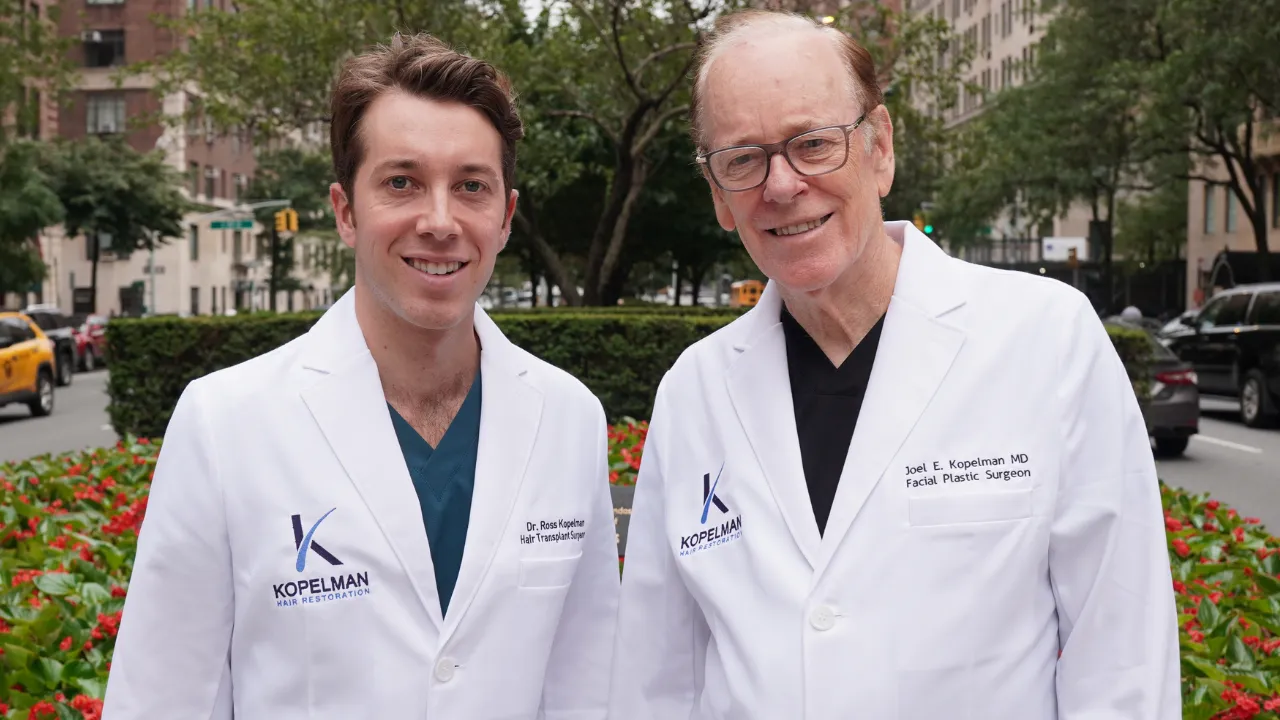
Dr. Ross Kopelman and Dr. Joel Kopelman treat patients for hair loss and focus on delivering natural hair transplants at their New York City, New Jersey, and Palm Beach Florida offices. With over 40 years of combined experience, they are leaders in advanced FUE hair transplantation and hair restoration.
40+

Years Combined Experience

1K+

Procedures Performed

5.0★

Patient Rating

3

Locations

Stay in the loop

Get the latest on hair restoration and hair transplant tips from Dr. Kopelman

Dr. Ross Kopelman

Dr. Ross Kopelman is a hair restoration surgeon specializing in advanced FUE hair transplantation, natural hairline design, and regenerative therapies. He sees patients in New York City, New Jersey, and Palm Beach, and offers virtual consultations nationwide.