
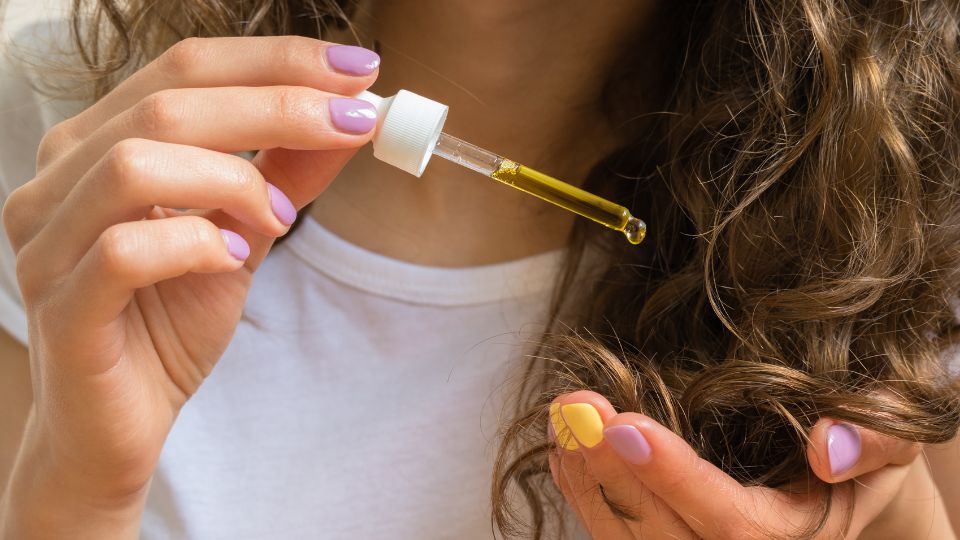
So, is Pumpkin Kernel oil good for hair? For many people, the answer is a qualified yes. This nutrient-dense extract comes from the seeds of Cucurbita pepo, and its blend of vitamins, minerals, and fatty acids can support the scalp and strands while you address the deeper cause of any shedding.
It is rich in linoleic acid, which makes up roughly 45 to 60 percent of the oil, along with oleic acid, vitamin E (especially gamma-tocopherol), zinc, magnesium, and plant sterols. For another natural approach, see our guide on mixing batana oil with shampoo to enhance strength and shine.
Pumpkin Seeds Benefits for Hair Health
The seeds are a concentrated source of zinc, magnesium, and omega fatty acids, all of which matter for healthy growth. These nutrients help reinforce each strand, reduce breakage, and feed the follicles at the root.
Its antioxidant content, including vitamin E, also helps defend against everyday environmental stress. At the same time, it hydrates the scalp, which can ease the dryness and flaking that sometimes accompany thinning.
How Pumpkin Seed Oil Works as a DHT Blocker
The most discussed mechanism is its effect on dihydrotestosterone, or DHT, the hormone most closely tied to pattern thinning. Phytosterols in the extract, particularly beta-sitosterol, are thought to inhibit the enzyme that converts testosterone into DHT.
By easing that conversion, the oil may help protect follicles from the gradual shrinking that drives genetic thinning. This is why it has become a popular choice for people whose shedding is linked to hormones rather than diet or stress alone.
Does Pumpkin Seed Oil Help With Hair Growth? What the Science Says
Does pumpkin kernel oil help with hair growth, or is it mostly hype? The honest answer is that the evidence is promising but still early. A handful of studies, some in people and some in animals, point in a positive direction, yet none of them make it a proven cure.
Below are the main trials worth knowing, what they actually found, and where their limits are.
Studies on Pumpkin Kernel Oil for Thinning
Oral Supplements in Men
The most-cited study is a 2014 randomized, double-blind, placebo-controlled trial by Cho and colleagues, published in Evidence-Based Complementary and Alternative Medicine. Seventy-six men with mild to moderate androgenetic alopecia took either 400 mg of the supplement daily or a placebo for 24 weeks.
The treatment group saw a 40 percent rise in mean count after 24 weeks, compared with 10 percent in the placebo group. You can read the full trial on PubMed Central{rel=”nofollow”}. Worth noting: the study was small, ran only six months, and used a branded supplement that contained other ingredients, so the extract alone may not deserve all the credit.
Topical Use and Follicle Regeneration
Animal research has tested it on the skin rather than in capsule form. A 2019 mouse study{rel=”nofollow”} found that a topical 5 to 10 percent solution increased follicle counts in the active growth phase, with results approaching those of 2 percent minoxidil in the same model.
These findings are encouraging, but mouse skin is not human skin, and the doses used in labs do not map neatly onto the doses on a bottle bought online. Treat topical claims as plausible rather than settled.
What the Research Says for Women
Most early work focused on men, but interest in female pattern thinning is growing. A 2021 study compared a topical preparation with minoxidil foam in women and found the botanical option could help with female pattern loss, which makes sense given that this type is also influenced by hormones.
If you are a woman considering it, speak with a dermatologist or trichologist first, since anything that touches hormone pathways deserves professional input. It may complement, rather than replace, treatments your doctor recommends.
Comparing It to Minoxidil and Other Treatments
Here is how the botanical extract stacks up against common options. Use this as a starting point for a conversation with a clinician, not as medical advice.

The botanical sits in a different tier than the FDA-approved drugs. Cleveland Clinic rates these supplements as a “Category 2” option for thinning, meaning there is reasonable evidence behind them without the depth of testing required of medications.