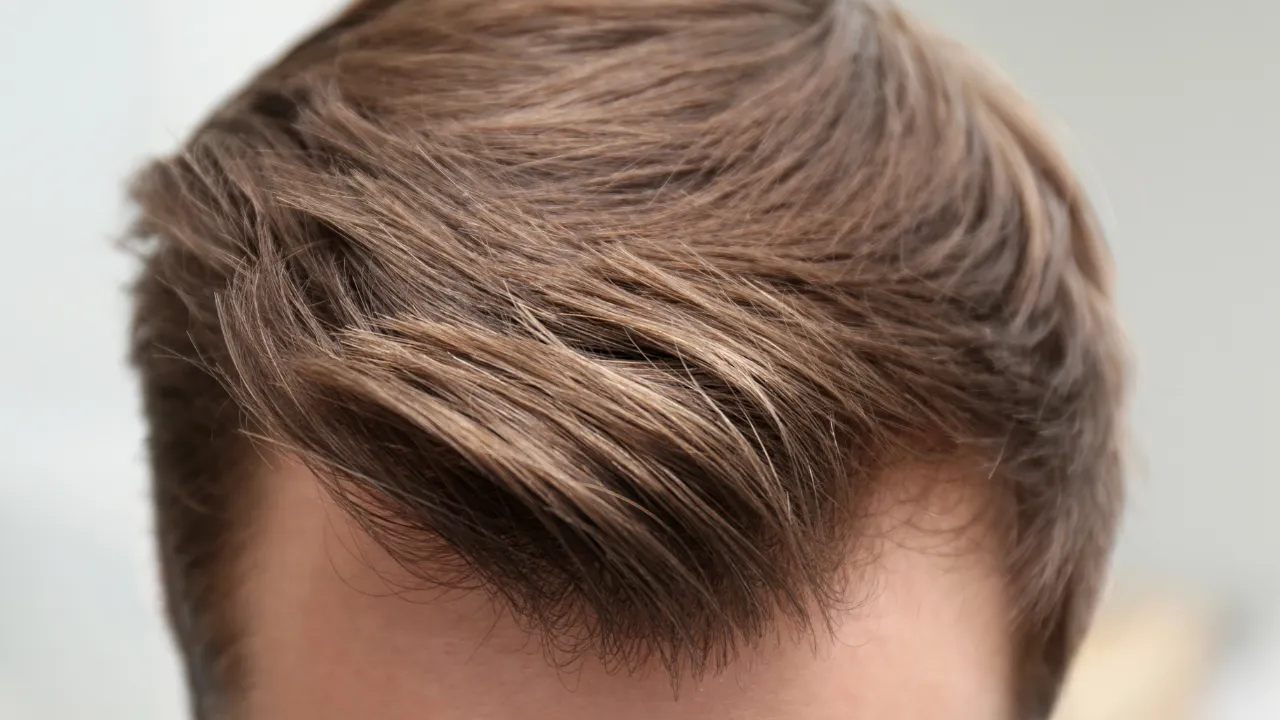

Rich in fatty acids such as omega-9 and omega-6, as well as vitamin E, this palm oil helps moisturize the scalp, smooth the cuticle, and reduce breakage. Used consistently, it can support a healthier-looking hair look and feel over time. Below, we cover the real benefits, how to apply it for the best results, and where the evidence currently stands.
What Is Batana Oil?
Batana oil is a natural, nutrient-rich oil pressed from the nuts of the American palm tree, which grows in the rainforests of Honduras. It has gained popularity in the beauty world for its nourishing properties, and it offers benefits for both follicles and skin.
Its natural composition makes it a favorite for people who want better hair condition and glowing, moisturized skin.
Origins and Composition of Batana Oil
Batana oil has a long history with the Tawahka people of Honduras. For generations, they have used it as a natural remedy for hair and skin.
The oil comes from the nuts of the American palm tree and is made through a careful extraction process. This process helps preserve its potent nutrients.
It contains oleic and linoleic acids, fatty acids known for nourishing and coating the hair strand. These fatty acids help the oil cling to and penetrate the hair shaft, supporting moisture retention and helping strands resist breakage.
| Component | Type | Primary Role for Hair and Scalp |
|---|---|---|
| Oleic acid (omega-9) | Monounsaturated fatty acid | Helps the oil coat and penetrate the hair shaft, supporting moisture retention and softness |
| Linoleic acid (omega-6) | Polyunsaturated essential fatty acid | Supports the scalp's natural barrier and helps ease dryness |
| Palmitic and stearic acids | Saturated fatty acids | Add slip and stability, helping smooth the cuticle and reduce frizz |
| Tocopherols (vitamin E) | Antioxidant | Helps protect strands and scalp from everyday oxidative stress |
| Carotenoids | Antioxidant pigments | Give the oil its natural color and add to its antioxidant activity |
Why Batana Oil Is Popular for Hair Care
This oil is well known for helping damaged locks. It adds a natural shine and supports the appearance of fuller, healthier hair. Its nutrient-dense formula helps hydrate dry strands and protect the scalp and hair from environmental stressors without harsh chemicals.
Regular use can transform dull, lifeless follicles into soft, shiny locks, which is why it has become a staple in many natural hair care routines.
Benefits of Batana Oil for Hair and Skin
The main benefits come from moisture and protection. This oil hydrates the scalp, smooths the cuticle, and helps reduce breakage, which can make hair look thicker and feel healthier over time.
It is worth being clear about the evidence, though. There are no clinical trials showing that batana regrows hair or reverses balding, so its value lies in conditioning and scalp comfort rather than in stimulating new growth. Board-certified dermatologists note that the popular regrowth claims are not yet supported by research.
For the skin, batana acts as a rich moisturizer, rejuvenating dry, flaky areas and offering protection against environmental stressors. Its antioxidants help combat signs of aging, making it a versatile product for overall personal care.
Does Batana Oil Help with Alopecia?
Many people dealing with hair loss, including those with alopecia, try this oil in hopes of seeing regrowth. It is important to set realistic expectations here.
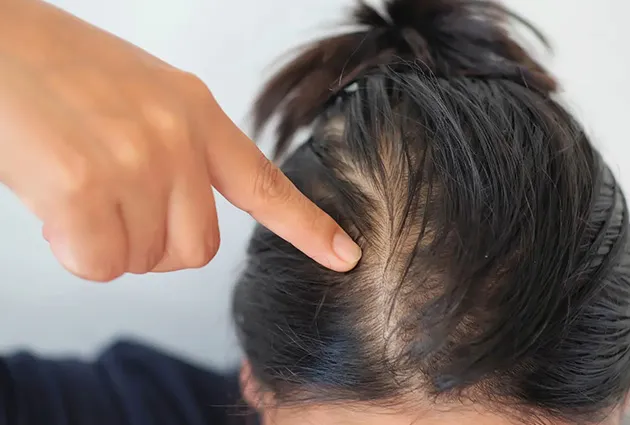
Current research does not support batana as a treatment for alopecia areata or androgenetic alopecia, and dermatologists caution against relying on it to reverse hair loss. What it can do is keep the hair you have well conditioned, reduce breakage, and add strength and shine, which may help hair look fuller.
If you are experiencing ongoing shedding or thinning, the most effective step is to see a dermatologist who can identify the cause and recommend proven treatment.
Batana Oil Benefits for Skin
In addition to its hair care uses, this oil provides real benefits for the skin. It deeply hydrates dry skin, helps calm inflammation, and may soften the look of scars and stretch marks over time.
The antioxidants in the oil help protect skin from free radical damage, supporting a youthful, radiant complexion. Its gentle, natural formulation makes it suitable for many sensitive skin types, offering a holistic approach to skincare.
How to Use Batana Oil for Hair Growth
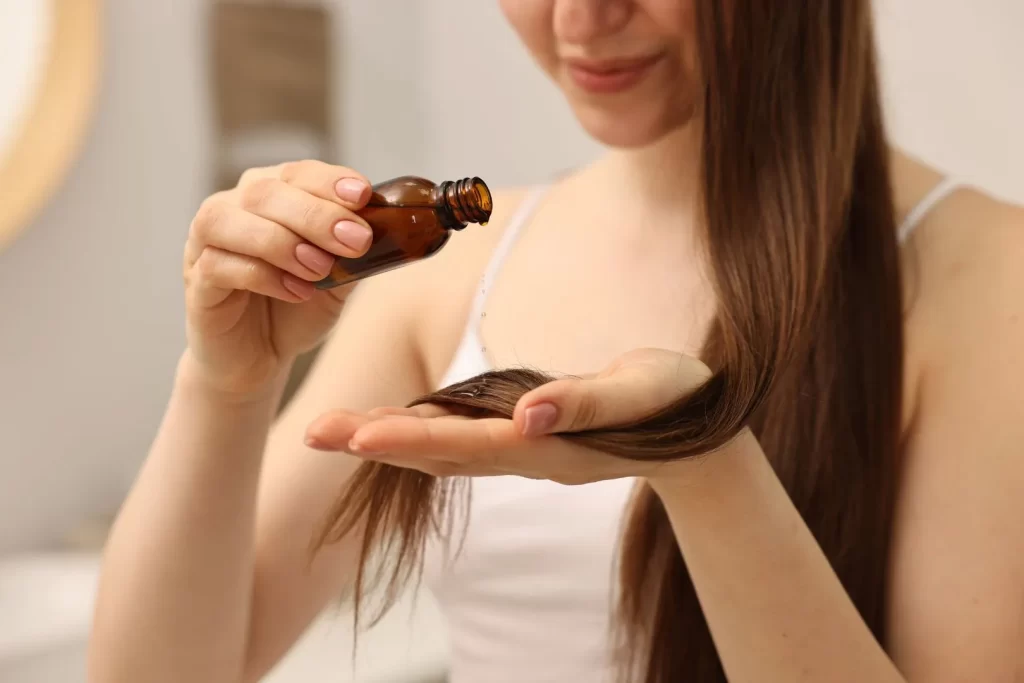
Getting results is straightforward. The process involves warming a small amount in your hands to loosen the oil, then applying it to the scalp and hair.
The method you choose matters more than most people expect, since some approaches keep the oil in contact with your hair far longer than others.

| Method | How to Use | Leave-On Time | Best For |
|---|---|---|---|
| Pre-shampoo treatment | Massage into scalp and hair, then wash out | 20 to 30 minutes | Deep conditioning before you cleanse |
| Overnight mask | Apply to scalp and lengths, cover, rinse in the morning | 6 to 8 hours | Very dry or brittle hair |
| Scalp massage | Work a few drops into the scalp with fingertips | 10 to 30 minutes | Scalp comfort and circulation |
| Leave-in on damp hair | Smooth a small amount onto mid-lengths and ends | Leave in | Shine, frizz control, daily softness |
| Added to conditioner | Mix a few drops into your usual conditioner | Per your conditioner | A light moisture boost while you rinse |
How Long Can You Leave Batana Oil in Your Hair?
You can leave the oil in for as little as 30 minutes or as long as overnight, depending on your hair’s needs. For a deep conditioning treatment, leaving it in overnight allows it to penetrate the hair shaft and provide maximum hydration and nourishment.
Step-by-Step Guide: Applying Batana Oil Correctly
- Warm a small amount of the oil in your hands.
- Gently massage it into your scalp in circular motions to stimulate blood flow and soothe it.
- Spread the oil evenly through your locks, focusing on the ends to help prevent split ends and breakage.
- Leave it in for the desired time, from 30 minutes to overnight.
- Rinse thoroughly with lukewarm water and wash with a gentle shampoo to remove any excess.
Mixing Batana Oil with Other Products
You can combine the oil with your other strands products, and it is perfectly safe to do so. Just keep your expectations realistic, since shampoo is designed to rinse oil away.
Mixing batana into shampoo gives the smallest benefit of any method. Adding it to conditioner or using it as a leave-in helps it retain far more moisture and shine.
Mixing Batana Oil Shampoo and Conditioner
Adding a few drops of the oil to your shampoo can add a little slip and shine, though much of it washes out during cleansing. You will get more lasting moisture by mixing it into your conditioner instead, or by smoothing a single drop onto damp ends after you rinse.
This simple step can improve your hair’s texture and appearance, leaving it soft and manageable.
Is It Okay to Mix Oil in Shampoo?
Yes, mixing oils like batana into shampoo is safe for most people. It can add hydration and help guard against dryness while you cleanse.
Just remember that a pre-shampoo treatment or a leave-in will always deliver more benefit than the same oil blended into a cleanser, which is built to rinse away.
How Many Drops of Oil Are in Shampoo?
If you do want to mix it in, use about 5 to 10 drops of batana oil per ounce of shampoo or conditioner. This ratio keeps hair nourished without leaving it greasy or weighed down.
Batana Oil Side Effects and Precautions
Batana oil is usually safe. However, it can cause allergic reactions in people with sensitive skin or nut allergies, so it is important to take precautions before adding it to your routine.
Common Side Effects of Batana Oil
Some users may notice mild scalp irritation, clogged pores, or allergic reactions. To lower the risk, always perform a patch test before full use. Apply a small amount to a discreet area of skin and wait 24 hours to check for any reaction.
Who Should Avoid Using Batana Oil?
People with nut allergies, sensitive skin, or specific scalp conditions should consult a dermatologist before use. Those with androgenetic alopecia or alopecia areata should seek professional advice to make sure it fits their treatment plan.
Pregnant or breastfeeding women should also check with a healthcare provider first.
Proven Alternatives to Batana Oil for Hair Growth
If you are looking for science-backed ways to increase your hair density and curb excessive hair shedding, here are some of your best options:
- Minoxidil (Rogaine): A well-known topical solution that stimulates hair growth by increasing blood flow to hair follicles. It is FDA-approved for treating androgenetic alopecia.
- Finasteride (Propecia): An oral medication that reduces hair loss by blocking DHT, a hormone linked to hair thinning. It’s effective for male-pattern baldness.
- Biotin Supplements: Known to strengthen hair and nails, biotin can improve hair health, especially for those with deficiencies.
- Hair Growth Shampoos: Products containing ketoconazole, caffeine, or saw palmetto can help reduce hair shedding and stimulate growth.
- Low-Level Laser Therapy (LLLT): A non-invasive treatment that uses red light to stimulate hair follicles and promote growth.
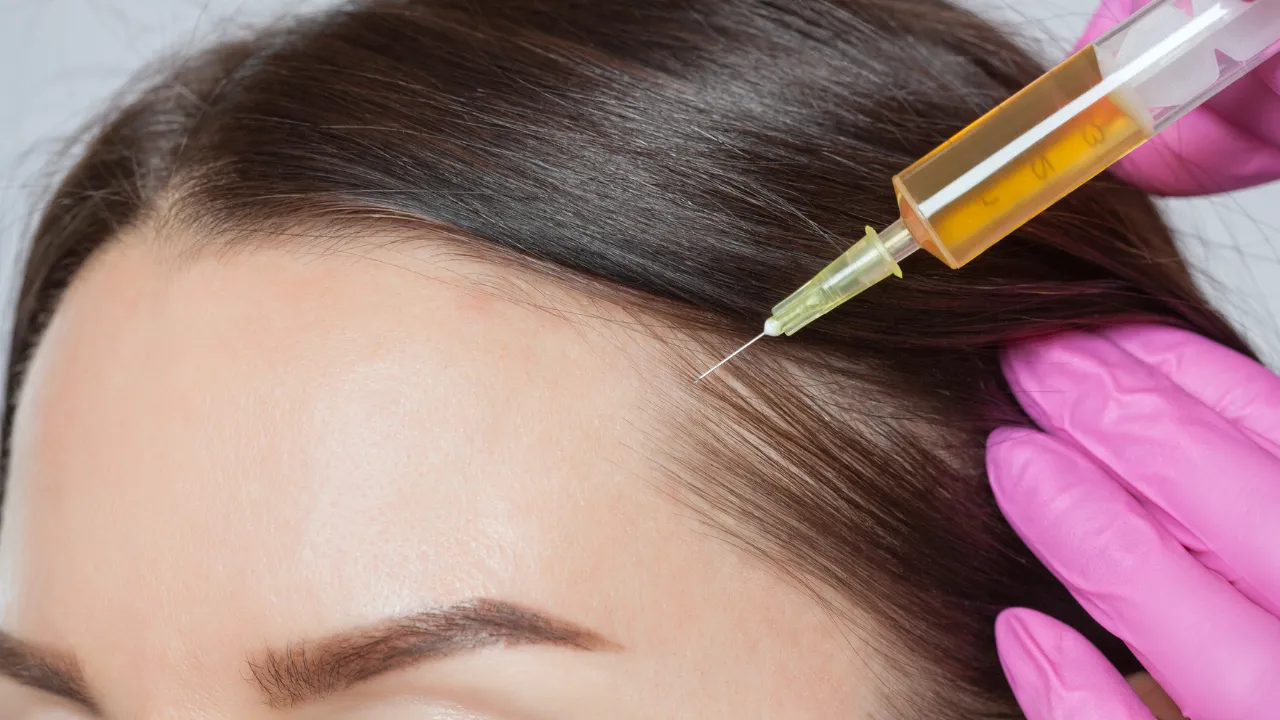
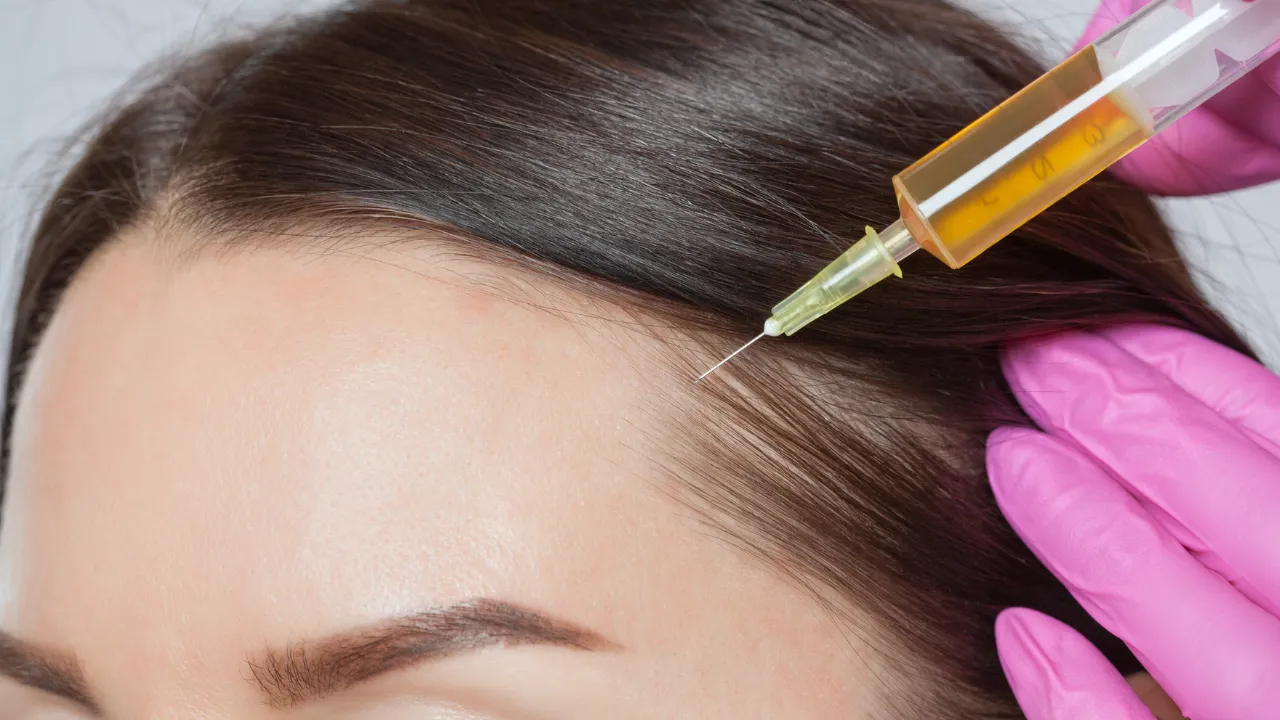
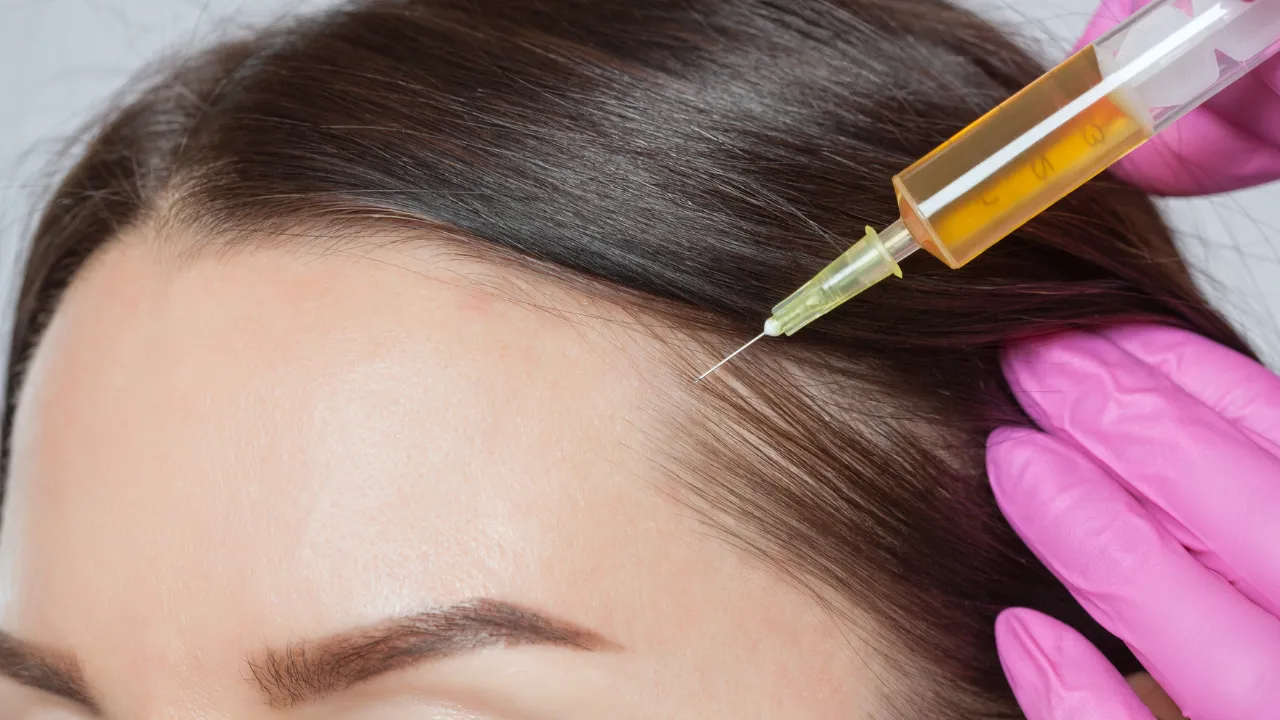
- Platelet-Rich Plasma (PRP) Therapy: Involves injecting your own platelet-rich plasma into the scalp to encourage hair growth.
- Essential Oils: Oils such as rosemary, peppermint, and lavender have shown potential to improve scalp health and promote hair growth when applied regularly.
- Microneedling: This technique involves tiny needles creating micro-injuries on the scalp, stimulating collagen production and hair growth.
Consult a healthcare provider to find the best treatment for your hair type and condition.
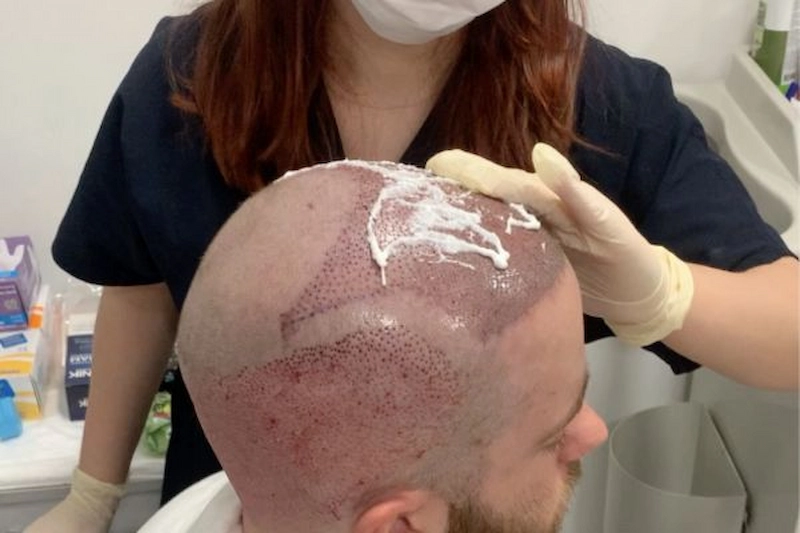
For those exploring natural options, batana oil is a promising way to keep hair conditioned and healthy-looking. For personalized, expert guidance on hair restoration, though, consulting with a specialist is key.
With over 35 years of experience in advanced hair restoration techniques, Dr. Kopelman provides tailored solutions to help you achieve the healthiest, fullest hair possible.