

For most men who want one product for growth and thickness, rosemary and castor are the most reliable starting points. Those with sensitive or oily scalps tend to do better with jojoba or a well-diluted rosemary blend.
Benefits and Drawbacks of Top Oils for Men
Each option brings something different. Choosing the right one strengthens strands and reduces breakage, so it helps to know how each works and where each falls short.
Castor Oil
Benefits: Castor is rich in ricinoleic acid, which boosts circulation to the scalp, nourishes follicles, and supports volume. Its fatty acids also help strengthen strands and reduce breakage. Check out our recent article on Castor Oil for Beard Growth to learn how it may benefit your facial hair.
Cons:
- Thick and sticky: Its dense texture makes it hard to apply and rinse out completely.
- May cause build-up: The heavy consistency can leave residue if used too often.
- Greasy look: On fine or thin strands, it can look oily if you use too much.
How to use: Warm a small amount and massage it into your scalp. Leave it on for 30 minutes to an hour before washing it out.
May assist with thinning: There is no solid clinical proof behind its growth claims, but it remains a popular conditioning option.
Coconut Oil
Benefits: Coconut penetrates the strand effectively, reducing protein loss and strengthening from within. Its antifungal properties also help keep the scalp healthy, creating a better environment for new growth.
Cons:
- May clog pores: It can block pores on the scalp, sometimes leading to dandruff or breakouts.
- Not for every type: Fine or oily types may find it too heavy, leaving roots greasy.
- Protein overload: Protein-sensitive types can feel stiff with frequent use.
How to use: Massage a small amount into your scalp and roots. Leave it overnight and rinse in the morning.
Like the others on this list, coconut has limited research to back it up. Its effect on shedding is unclear, though it may help with dandruff.
Argan Oil
Benefits: Known as liquid gold, argan is rich in antioxidants, vitamins A and E, and essential fatty acids. It hydrates, reduces dryness, and minimizes frizz, leaving strands looking fuller and healthier.
Cons:
- Can be expensive: Pure argan tends to cost more than other options.
- Slightly greasy finish: Lightweight, but too much can leave a slick look.
- Limited growth effect: Excellent for moisture, but it does not stimulate follicles as strongly as castor or rosemary.
How to use: Apply a few drops to damp strands as a leave-in, or massage into the scalp before washing.
Rosemary Oil
Benefits: Rosemary is known for improving circulation, stimulating follicles, and encouraging new growth. Some research suggests it may perform similarly to minoxidil; a six-month human trial in pattern thinning found comparable results.
It is often considered the strongest natural choice because of its effects on follicles. Rosemary extract inhibits the enzyme 5-alpha-reductase, which converts testosterone into dihydrotestosterone (DHT). DHT binds to receptors in your follicles, causing miniaturization and shedding.
Cons:
- Requires dilution: Pure rosemary is potent and can irritate the scalp if undiluted.
- Strong scent: The aroma can be intense and is not for everyone.
- Skin sensitivity: Sensitive skin may react with redness or irritation.
How to use: Mix a few drops with a carrier such as coconut or jojoba, then massage into the scalp. Leave on for at least 30 minutes before washing.
Peppermint Oil
Benefits: Peppermint has a cooling effect and increases blood flow to the scalp, which can support new growth. Its antimicrobial properties also help keep the scalp clean and balanced.
In a 2014 study, researchers compared peppermint, jojoba, saline, and minoxidil, a treatment approved by the U.S. FDA. After four weeks, peppermint showed the highest level of growth. The catch is that the study used mice, not humans.
Cons:
- Potential irritant: Very potent; it can irritate the scalp if undiluted.
- Allergic reactions: Some people react with itching or redness.
- Strong cooling sensation: The chill can feel too intense for some users.
How to use: Dilute with a carrier, massage into the scalp, and leave on for about 20 minutes before rinsing.
Jojoba Oil
Benefits: Jojoba closely mimics the scalp’s natural sebum, making it an excellent moisturizer. It helps clear clogged follicles, balances oil production, and reduces flakiness, supporting a healthier scalp.
Cons:
- Mild impact on growth: It mainly conditions rather than stimulates follicles directly.
- Possible oily finish: Overuse can leave a greasy residue.
- Stays on the surface: It sits on the scalp rather than penetrating deeply.
How to use: Massage a few drops into the scalp, or blend it with other oils. Leave on for 20 to 30 minutes before rinsing.
What to Look for When Buying a Scalp Oil
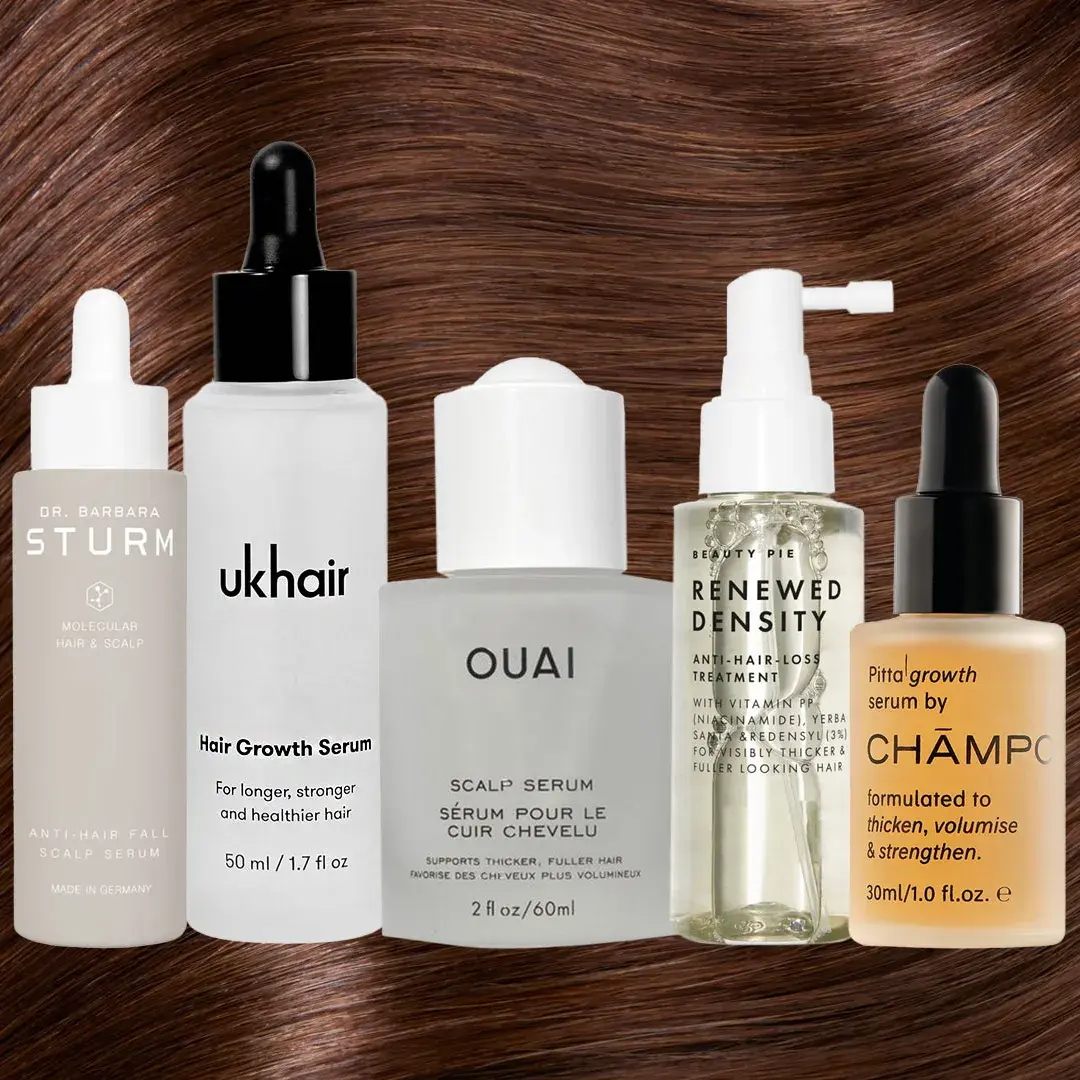
Knowing which product to buy is half the battle, since shelves and search results are crowded with similar claims. A few simple checks help you separate effective formulas from filler.
Read the label first. Look for cold-pressed carrier oils and essential oils listed near the top, and be wary of formulas led by mineral oil, heavy silicones, or fragrance with little active content. Patch test any new product on your inner arm before applying it to your scalp.
Decide between a single oil and a blend. Standalone bottles of rosemary, castor, or jojoba usually run about $8 to $25 for a four-ounce size. Pre-formulated serums and blends typically cost $20 to $70, with the higher end reflecting added actives, branding, or larger sizes.
Choose between buying ready-made and mixing your own. A formulated blend offers convenience and a consistent, pre-diluted ratio. A do-it-yourself approach lets you control the concentration and usually costs less over time, as long as you dilute essential oils properly in a carrier.
If you only buy one product, a quality rosemary blend gives the strongest evidence-backed starting point, and castor is the better pick when thickness and breakage are your main concerns. Match the purchase to your goal rather than to the loudest marketing claim.
Don’t Forget to Review How Other Oils for Hair Growth Can Help You!
How to Use Scalp Oil for Best Results
To get the most from any topical treatment, consistency and proper technique matter more than the brand on the bottle. These habits help the active ingredients reach your follicles.
- Massage as you apply: Working the product in with your fingertips improves circulation, helping nutrients reach the follicles and supporting new growth.
- Avoid overuse: Too much can clog follicles or weigh strands down. Start with a small amount and add more only if needed.
- Try an overnight treatment: For deeper hydration, leave it on overnight and rinse in the morning. This works especially well with heavier options like castor or coconut.
- Dilute essential oils: Potent oils such as rosemary or peppermint should always be mixed with a carrier to prevent irritation.
Choosing the Right Oil for Your Hair Type and Goals
Clients often ask which option suits them best. Argan, rosemary, and castor rank among the top choices, but the right pick depends on your type and what you want to achieve.
- For thickness, Castor and coconut improve density and help prevent breakage.
- For dry or frizzy strands: Argan and jojoba add hydration and shine.
- To stimulate growth, Rosemary and peppermint boost blood flow and support follicle health.
- For a sensitive scalp: Jojoba is mild and well-tolerated.
A Clinical Perspective from Dr. Kopelman
Topical oils have a real but modest role. In Dr. Kopelman’s experience, men often try them for months, expecting dramatic regrowth, when the real benefit is healthier, less brittle strands and a better scalp environment rather than a cure for genetic loss.
That distinction guides expectations. If thinning is driven by pattern baldness, oils may slow the appearance of loss and support what you still have, but they will not regrow strands once a follicle is inactive. Early evaluation determines whether a topical routine is sufficient or whether medical treatment is the better path.
Final Thoughts
A good scalp oil offers a natural way to improve the health and appearance of your strands. Each option carries unique benefits, and understanding the downsides helps you find the right match for your goals.
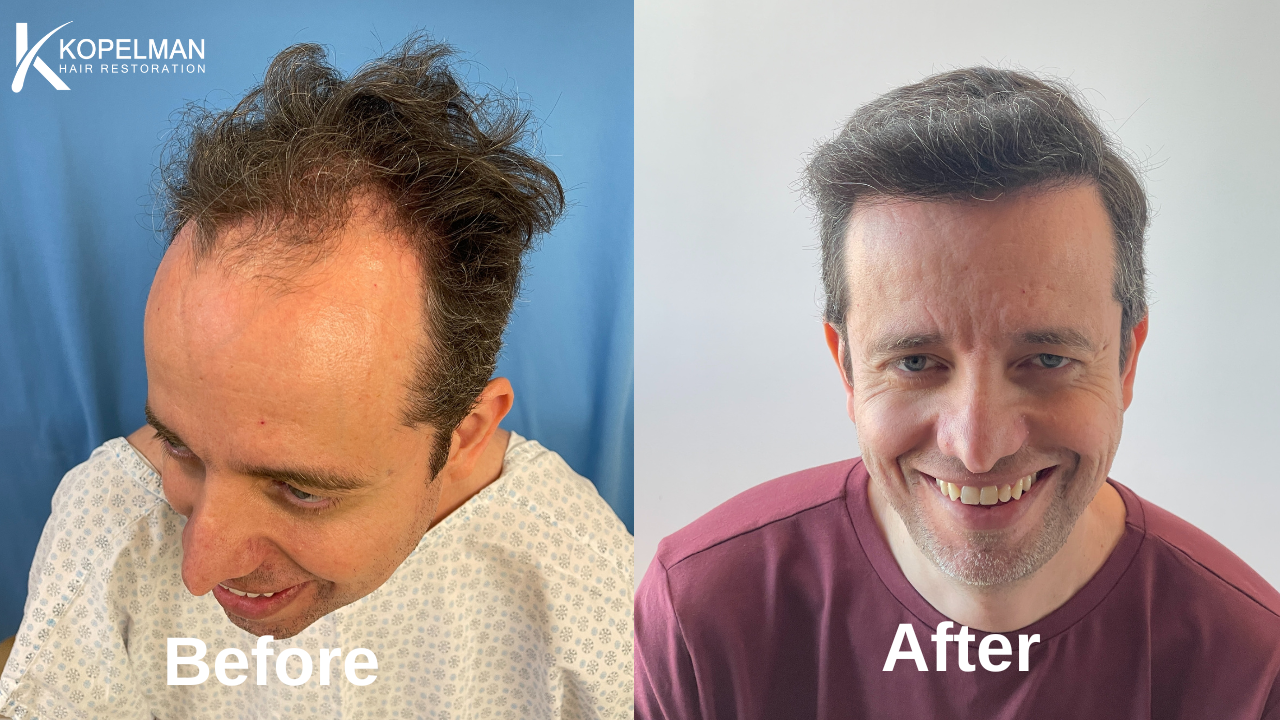
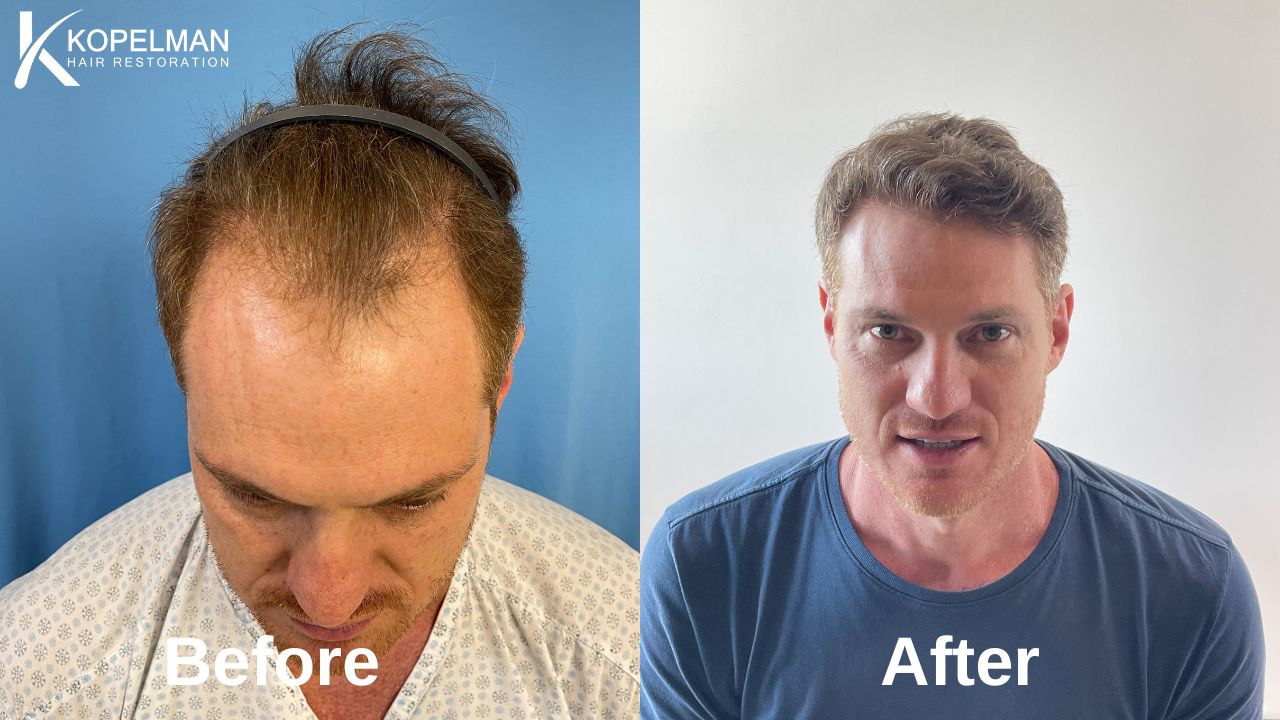
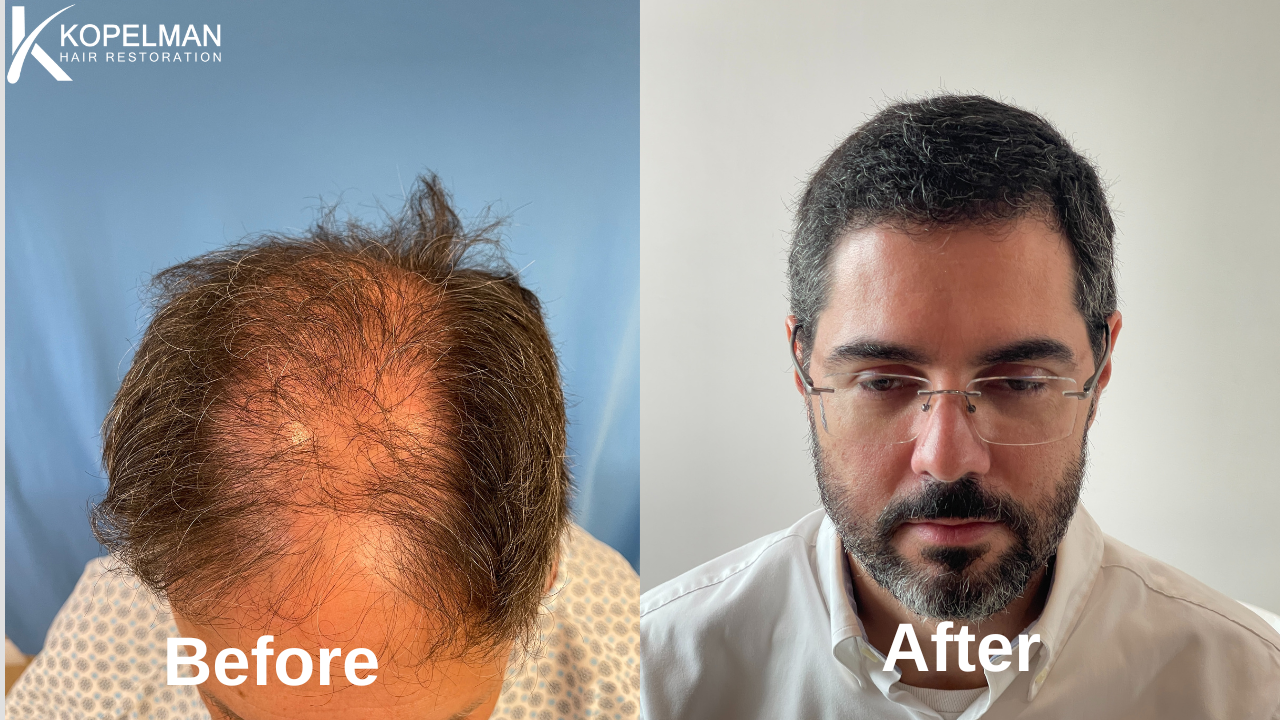
For those seeking a more targeted solution to hair thinning, consider a consultation with Dr. Kopelman. This father-son team brings over 35 years of combined experience in hair restoration, specializing in personalized treatments for each client.
Schedule a consultation today to explore your options and take the first step toward your goals. From castor’s thickness-boosting properties to rosemary’s stimulating effects, there is a formula suited to every type and goal; choose well, use it consistently, and you can improve texture, reduce breakage, and support new growth naturally.