
This guide covers what a base oil actually is, which plant oils work best for growth and thickness, how to pair them with essential oils like rosemary, and how to match one to your scalp and hair type.
What is a Carrier Oil for Hair?
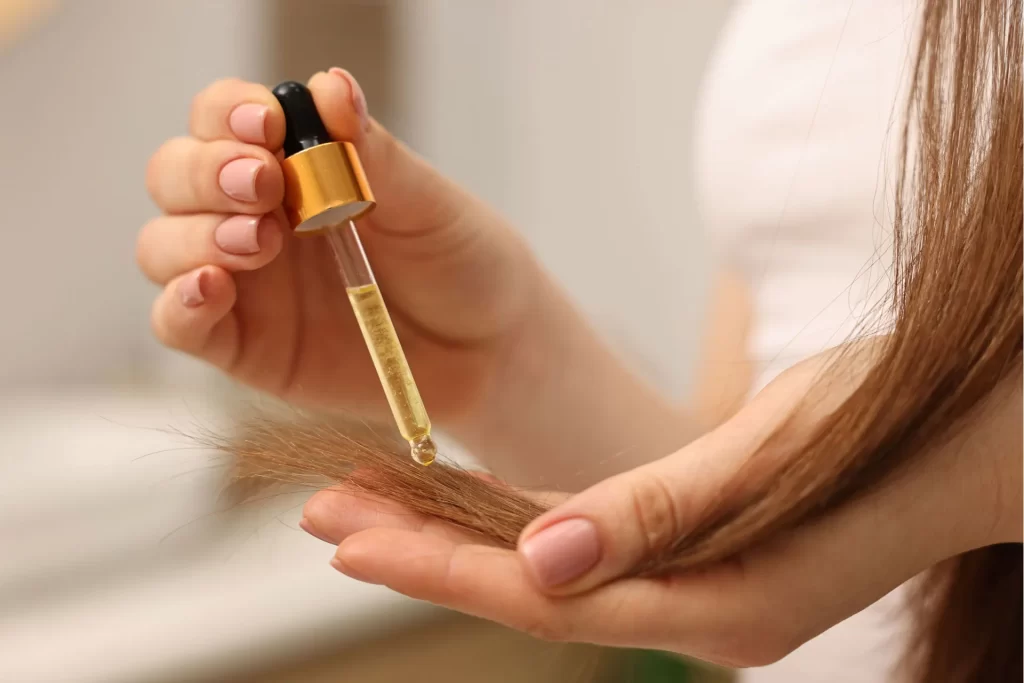
A carrier oil is a vegetable oil pressed from the fatty parts of plants, such as seeds, nuts, or kernels. These oils are gentle enough to apply directly to skin or strands. They act as “carriers” for concentrated essential oils, which must be diluted to prevent irritation, and they also condition well on their own.
So is castor oil a carrier oil? Yes. Castor, coconut, jojoba, argan, sweet almond, and grapeseed all qualify, meaning each can be used neat or as a base to dilute potent essential oils like rosemary or peppermint. That dual role is what makes them a staple in most routines.
These base oils deliver fatty acids, vitamins, and antioxidants to the scalp and strands. That nourishment helps strengthen follicle, reduce dryness, and improve shine and elasticity over time.
Best Carrier Oils for Healthy Hair
There are many plant oils to choose from, each with its own strengths. Here are the most effective options, followed by a quick comparison table.
| Oil | Best For | Key Benefit | How to Use |
|---|---|---|---|
| Coconut | Thick, coarse, or dry hair | Penetrates the shaft and limits protein loss | Pre-wash treatment or overnight mask |
| Argan | Frizzy, damaged, or color-treated hair | Antioxidants and vitamin E for shine and frizz control | A few drops on damp hair or as a leave-in |
| Jojoba | Oily or sensitive scalps; fine hair | Mimics natural sebum to balance the scalp | Massage into the scalp or smooth onto ends |
| Castor | Thinning hair; supporting growth | Ricinoleic acid may support scalp circulation | Dilute with a lighter oil, then massage in |
| Sweet Almond | All types, especially dry or dull hair | Vitamins A, E, and biotin for strength and smoothness | Smoothing treatment or lightweight leave-in |
| Grapeseed | Fine or thin hair; oily scalps | Very light, with vitamin E and linoleic acid | Light scalp massage or base for essential oils |
How Other Oils for Hair Growth Can Help You!
How to Choose the Best Carrier Oil for Hair
The right pick depends on your hair type, scalp condition, and goals. Use this quick guide, then the table below, to narrow it down.
- Consider Your Hair Type: For thick or curly hair, richer oils like coconut or castor give deep hydration. Finer hair does better with lightweight options such as jojoba, grapeseed, or almond.
- Scalp Condition: For a dry scalp, argan and sweet almond add moisture without clogging pores. For an oily scalp, jojoba and grapeseed oils help balance natural sebum production. If flaking is your main issue, the best carrier oil for dandruff is usually one with soothing, antimicrobial properties, such as coconut or jojoba, ideally paired with a targeted essential oil.
- Hair Goals: For growth, castor oil is a common choice thanks to its reputation for stimulating hair growth. For shine and smoothness, argan or coconut bring out natural luster.
| Your Concern | Recommended Oils | Why It Works |
|---|---|---|
| Fine or thin hair | Grapeseed, jojoba, sweet almond | Light textures hydrate without weighing strands down |
| Dry or damaged hair | Coconut, argan | Rich oils restore moisture and reduce breakage |
| Oily scalp | Jojoba, grapeseed | Balance sebum instead of adding heavy residue |
| Dandruff or flaking | Coconut, jojoba | Soothing, antimicrobial properties calm the scalp |
| Frizz and dullness | Argan, sweet almond | Smooth the cuticle and add shine |
| Supporting growth | Castor (diluted) | May boost circulation for a healthier follicle environment |
A Note on Shedding and Breakage
If you are already dealing with hair fall, be gentle. Aggressive massage, tight tugging, and hard combing while strands are coated can pull out follicles that are already loose, so light pressure and slow application matter more than the oil you choose.
Reach for lighter choices like jojoba or grapeseed if richer oils leave your scalp greasy or irritated. And remember that a plant oil conditions and protects; it does not treat medical hair loss. If shedding is sudden, patchy, or ongoing, see a professional rather than relying on oil alone.
Benefits of Carrier Oils for Hair
- Moisturizing and Conditioning: These oils deeply hydrate, helping prevent dryness, split ends, and breakage.
- Scalp Support: Many have anti-inflammatory and antimicrobial properties that calm the scalp and can ease dandruff and irritation.
- Protection from Damage: A light coating shields strands from environmental stress and reduces protein loss during styling and washing.
- Encouraging Growth: Some, like castor, may boost circulation to the scalp, supporting a healthier environment for growth.
How to Use Carrier Oils for Hair
- Pre-Wash Treatment: Applying oil to dry hair before washing helps reduce protein loss and buffers the drying effect of shampoo.
- Scalp Massage: A gentle massage boosts circulation. Leave the oil on for 15 to 30 minutes, then rinse.
- Leave-In Conditioner: For shine and frizz control, smooth a small amount onto the ends of damp hair.
- Oil Blends: Mixing a base oil with essential oils such as rosemary or peppermint can improve results. Always dilute essential oils first to avoid irritation.
Pairing Base Oils With Rosemary and Other Essential Oils
Essential oils are potent and should never go straight onto the scalp, which is exactly where a base oil comes in. A common ratio is a few drops of essential oil per tablespoon of base; jojoba, grapeseed, and sweet almond are easy carriers because they are light and low in odor.
Rosemary is the most popular pairing. One small randomized trial found rosemary oil performed comparably to 2% minoxidil for hair count over six months in people with pattern hair loss. The evidence is early and limited to a single study, so treat rosemary as a promising complement rather than a proven treatment. To go deeper, see our guide on Rosemary Oil for Hair.
DIY Oil Blend for Hair Health
Making your own blend lets you tailor it to your needs. Here is a simple recipe:
Ingredients:
- 1 tablespoon of coconut oil
- 1 tablespoon of argan oil
- 5 drops of rosemary essential oil (optional)
Instructions:
- Mix the oils in a small bowl until well blended.
- Apply to the scalp and hair, focusing on the ends.
- Leave on for 30 minutes or overnight, then rinse thoroughly.
This blend combines the hydration of coconut, the shine of argan, and the growth-supporting reputation of rosemary. To get more from any routine, match your base to your goals; for example, mixing Batana oil with shampoo can make application easier and more effective.
Precautions for Using Carrier Oils
Carrier oils are for external use only. They should not be swallowed and must be kept out of children’s reach to prevent accidental ingestion. Before trying a new oil, do a patch test on the inner arm using a small, dime-sized amount. If no reaction appears within 48 hours, it is generally safe to use.
Most plant oils are safe for topical use when used sensibly, though some people may experience irritation, allergic reactions, rashes, or other side effects. If a reaction occurs, stop use and seek advice from a doctor, pharmacist, or allergist. When in doubt, check with a healthcare professional before starting.
These oils should never be applied near the eyes, inside the nose or ears, or on other sensitive areas of skin.
Our Take on Carrier Oils for Hair
The right base oil can meaningfully improve texture, strength, and overall condition. From deep conditioning to scalp balance, these natural options adapt to a wide range of needs, whether you want more shine, support for growth, or protection against damage.
If you are new to this, start with a versatile pick like jojoba or coconut and watch how your hair responds. With consistent, gentle use, the results tend to build over time into stronger, more resilient strands.
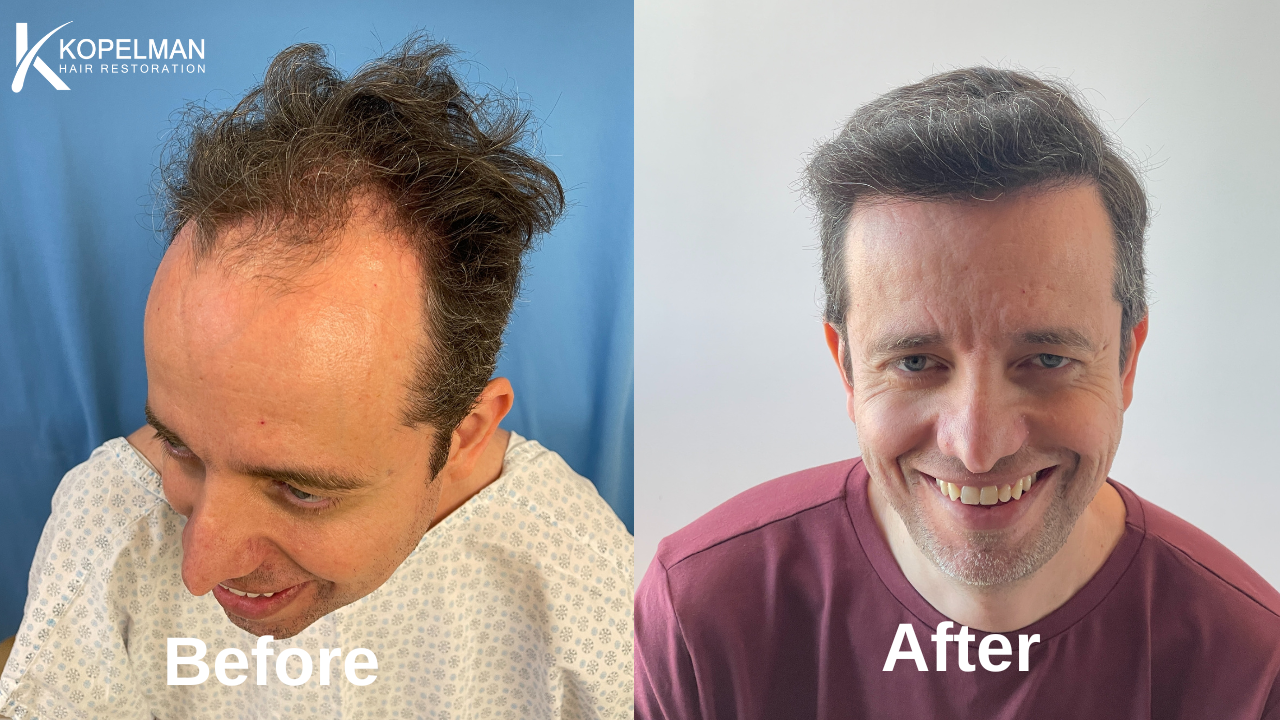
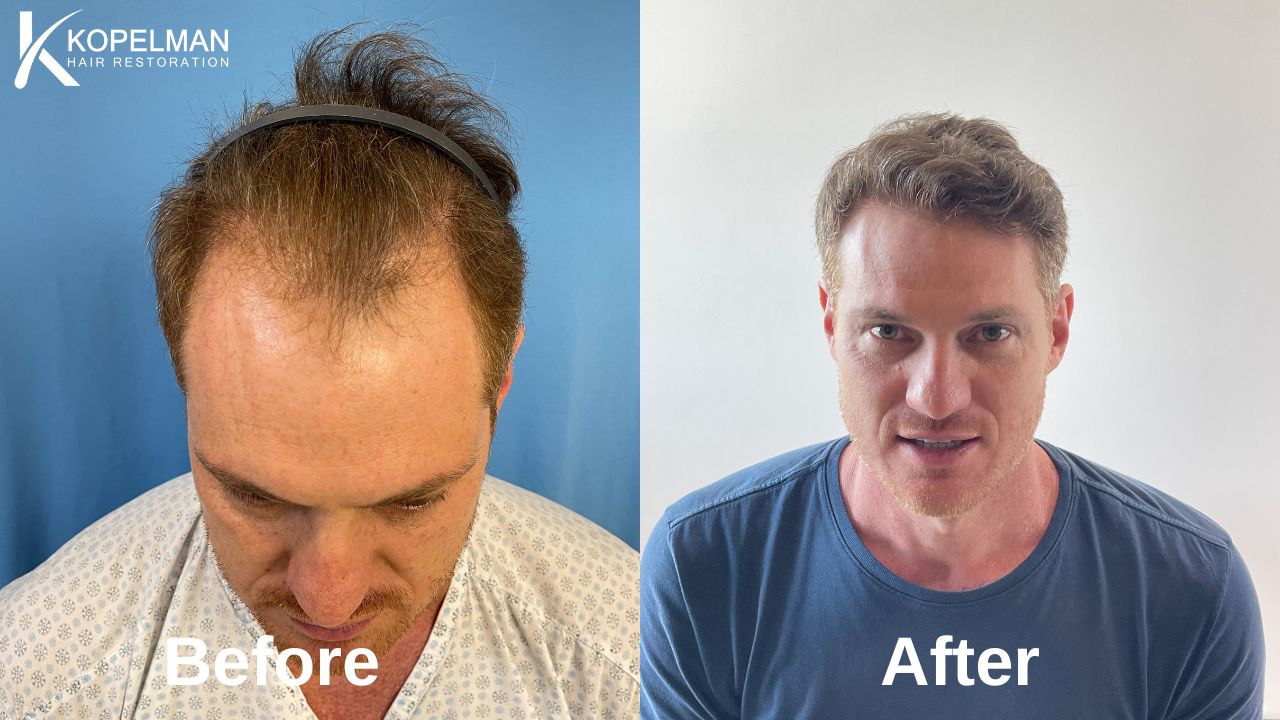
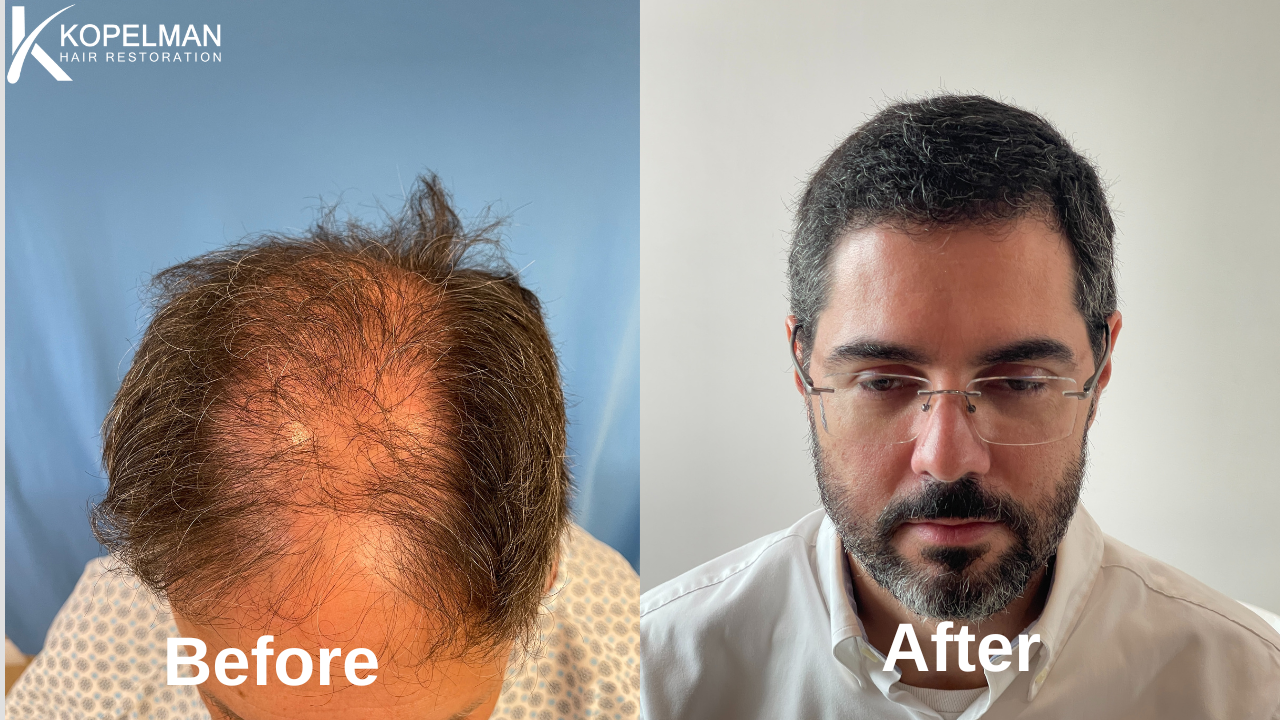
For a more targeted solution to hair loss, consider speaking with Dr. Kopelman. This father-son team brings over 35 years of combined experience in hair restoration, specializing in personalized treatments for each client. Dr. Kopelman’s expertise can help you find the right solution tailored to your unique needs.
Schedule a consultation today to explore your options and take the first step towards achieving your hair goals.
Sources
- Rele AS, Mohile RB. Effect of mineral oil, sunflower oil, and coconut oil on prevention of hair damage. J Cosmet Sci. 2003.
- Panahi Y, et al. Rosemary oil vs minoxidil 2% for the treatment of androgenetic alopecia: a randomized comparative trial. Skinmed. 2015.