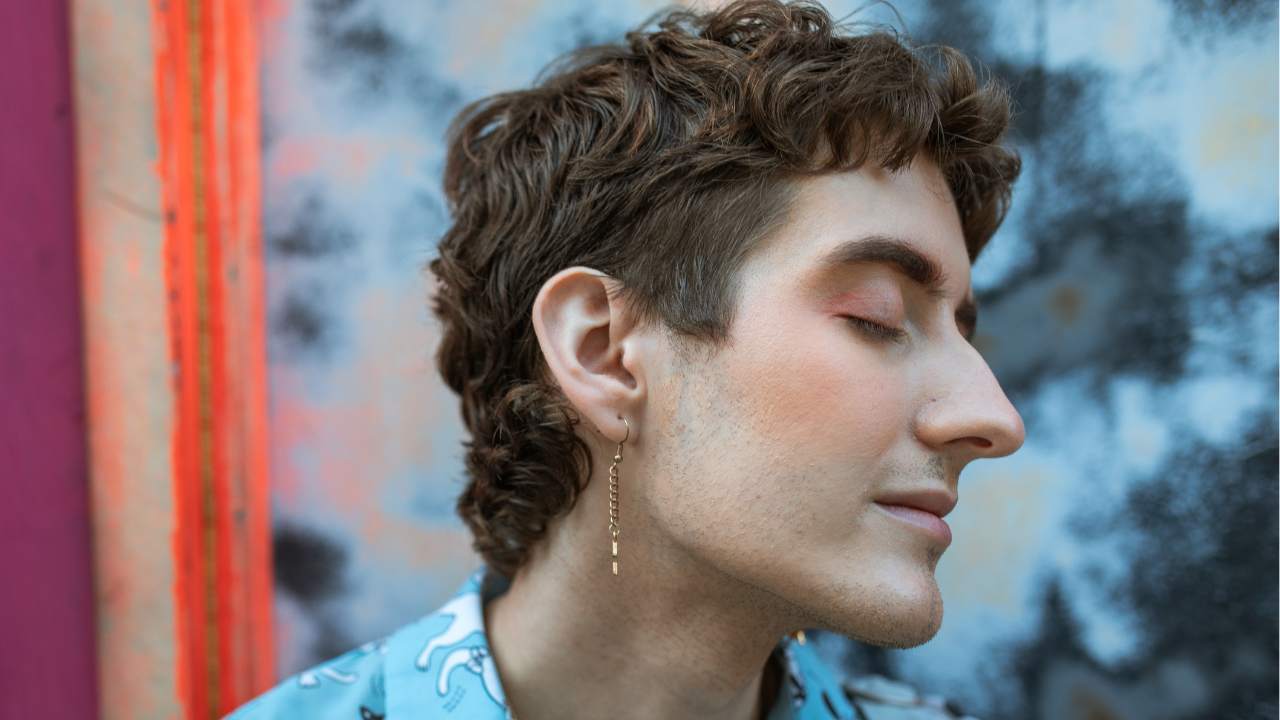


Neither version has been proven superior in a clinical trial. The right choice depends on skin sensitivity and the texture of your existing growth. Men with fine or sparse whiskers usually do better with the cold-pressed version because it spreads more easily and is less likely to weigh things down.Lorem ipsum dolor sit amet, consectetur adipiscing elit. Ut elit tellus, luctus nec ullamcorper mattis, pulvinar dapibus leo.
Castor Oil on Mustache and Whiskers: How to Apply It
Application matters as much as product selection. Used incorrectly, it can clog pores and trigger breakouts.
- Cleanse first. Wash your face with a gentle cleanser and pat dry. Application on dirty skin traps debris against the follicles.
- Use sparingly. Three to five drops is enough for an average growth. Warm the drops between your palms.
- Massage into the skin underneath. Use circular motions for 30 to 60 seconds. This is where the conditioning and circulation benefits actually matter.
- Coat the strands lightly. Run remaining residue through the length, paying attention to the ends if you keep yours longer.
- Leave on or rinse. For deeper conditioning, leave overnight on a clean pillowcase. For lighter daily use, leave for 30 to 60 minutes and rinse with a mild cleanser.
Frequency: Two to three applications per week is the sweet spot. Daily use risks pore clogging and folliculitis.
Mixing With Carrier Oils
Pure botanical hair oil is dense and can feel sticky. Mixing it with a lighter carrier improves absorption and spreadability. Useful ratios:
- For thick coarse whiskers: 1 part castor oil to 1 part jojoba or argan oil
- For sensitive or acne-prone skin: 1 part castor oil to 2 parts jojoba oil (jojoba most closely mimics human sebum)
- For added shine and softness: 1 part castor oil to 1 part fractionated coconut oil
- For a mustache specifically: 1 part castor oil to 2 parts argan oil, since the area near the lip is sensitive and benefits from a lighter feel
Realistic Timeline: What to Expect Week by Week
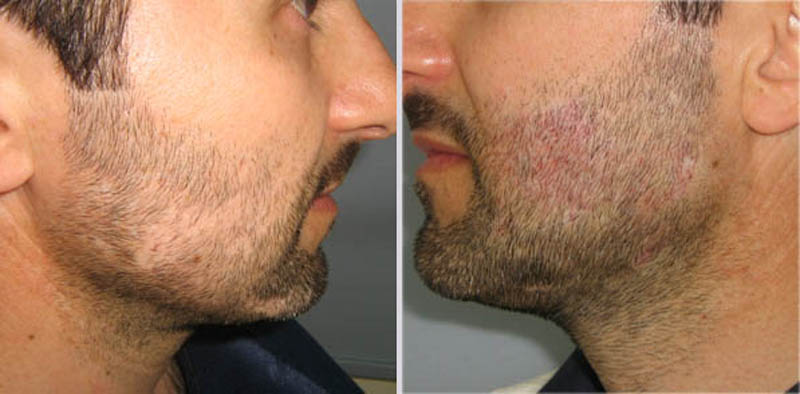
Because this is a conditioning treatment rather than a growth drug, the visible improvements follow a predictable arc. This is what consistent users typically notice.
Week 1 to 2: Initial improvements The skin underneath feels less dry and itchy. Existing whiskers look shinier and feel softer. If you had irritation from a new growth, the anti-inflammatory action calms it.
Week 3 to 4: Healthier appearance The strands feel stronger and more manageable, with fewer split ends. The growth may look fuller because the cuticle is smoother and individual whiskers reflect more light, even though follicle count has not changed.
Month 2 to 3: Plateau, not breakthrough This is where realistic expectations matter. You may notice slightly better fill in places where weak hairs were breaking off before, but you will not see brand new follicles activating. If the area is patchy because of genetics, this is the point at which most men accept the limitation.
Month 4 and beyond: Maintenance Continued use keeps the conditioning benefits in place. Stopping for several weeks usually reverses the cosmetic improvements.
Side Effects and Safety Considerations
This is where the article needs to be honest, because real adverse effects are documented in the medical literature.
Acute hair felting. The 2017 Trichology case report mentioned earlier described a sudden tangling phenomenon where strands matted together so severely that the affected hair had to be cut off. This is rare but well-documented and is more likely with overuse or with very long hair.
Folliculitis and acne breakouts. Excessive application traps sebum and bacteria against the skin, inflaming the follicles. Men prone to acne are at higher risk.
Contact dermatitis. A small percentage of users have a reaction to ricinoleic acid itself. Always patch test on the inner forearm 24 hours before applying to the face.
Eye irritation. Keep it well away from the eyes. Accidental contact causes significant stinging.
Interaction with active skin conditions. If you have rosacea, eczema, or active acne, talk to a dermatologist before using it on the face.
To minimize risk: patch test, use a small amount, cleanse the skin between applications, and stop using it if you notice persistent redness or new breakouts.
Is This the Right Choice for Your Whiskers?
Used realistically, this is a low-cost, accessible conditioning agent. The Plant-based hair oil benefits are real but modest: better hydration, reduced itch, smoother appearance, fewer broken strands. It is a reasonable addition to a grooming routine for most men.
It is the wrong tool for filling in genuine patchiness, scarring from acne or injury, or alopecia barbae. These require a different approach.
When the Oil Is Not Enough: Considering a Surgical Solution
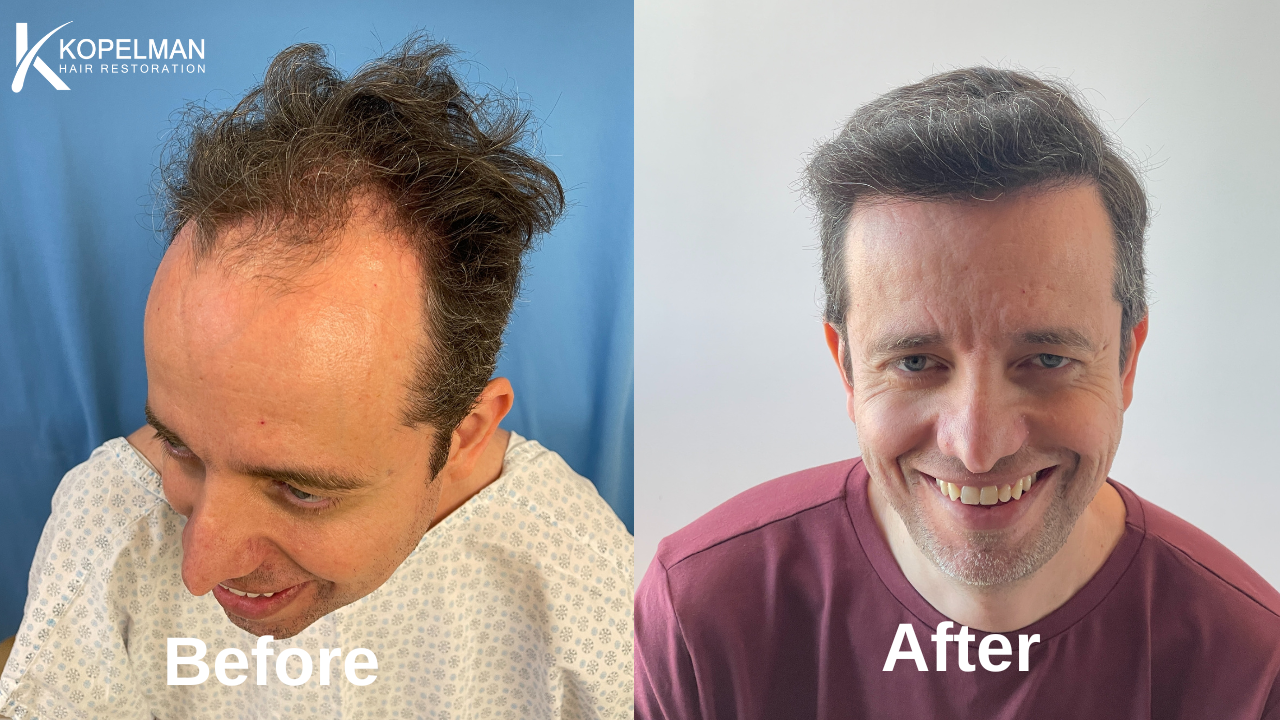
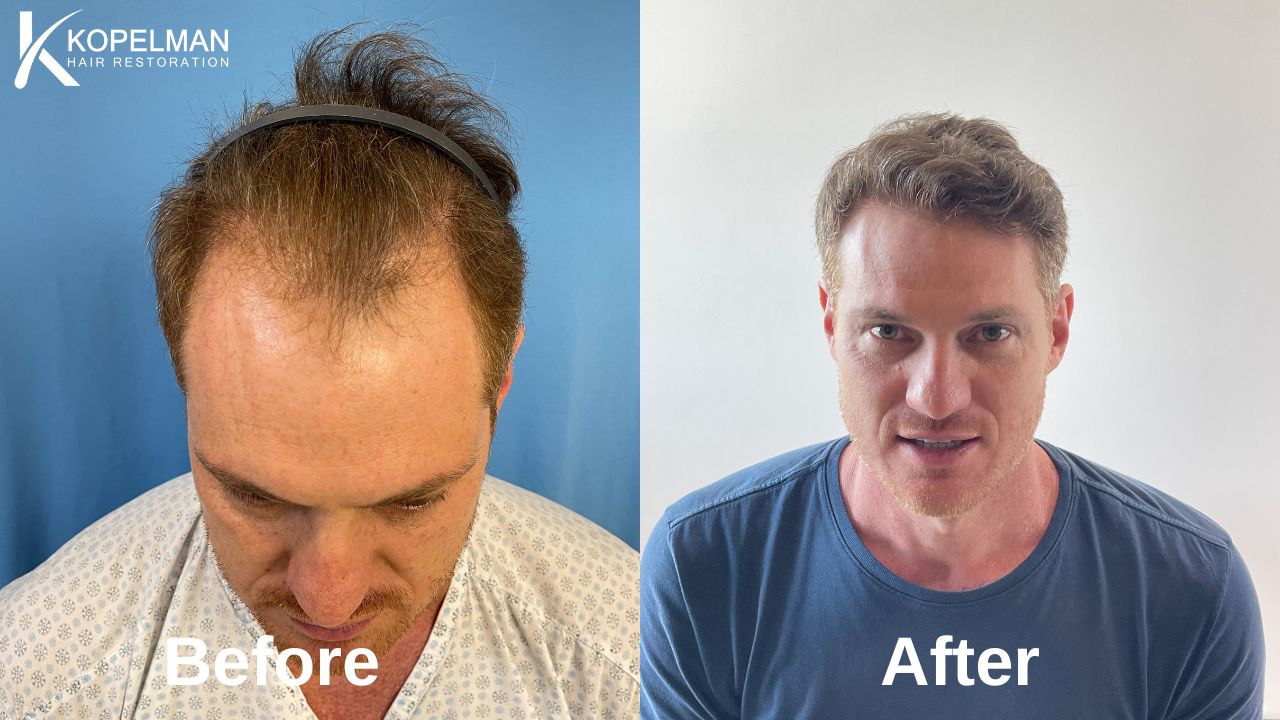
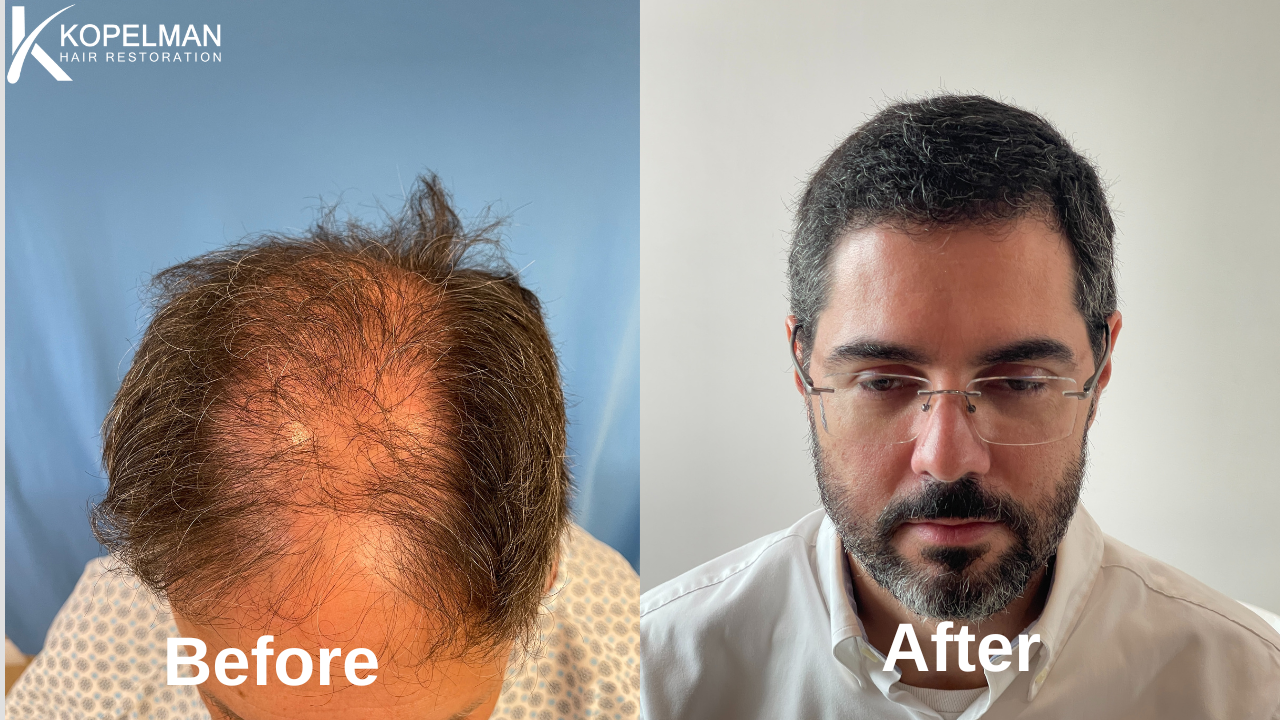
For men with significant patchy areas, scarring, or congenitally sparse growth that no topical product can address, a transplant procedure may be the appropriate next step. Beard transplants involve moving healthy follicular units from the scalp donor area to the deficient zones on the face, producing permanent and natural-looking density.
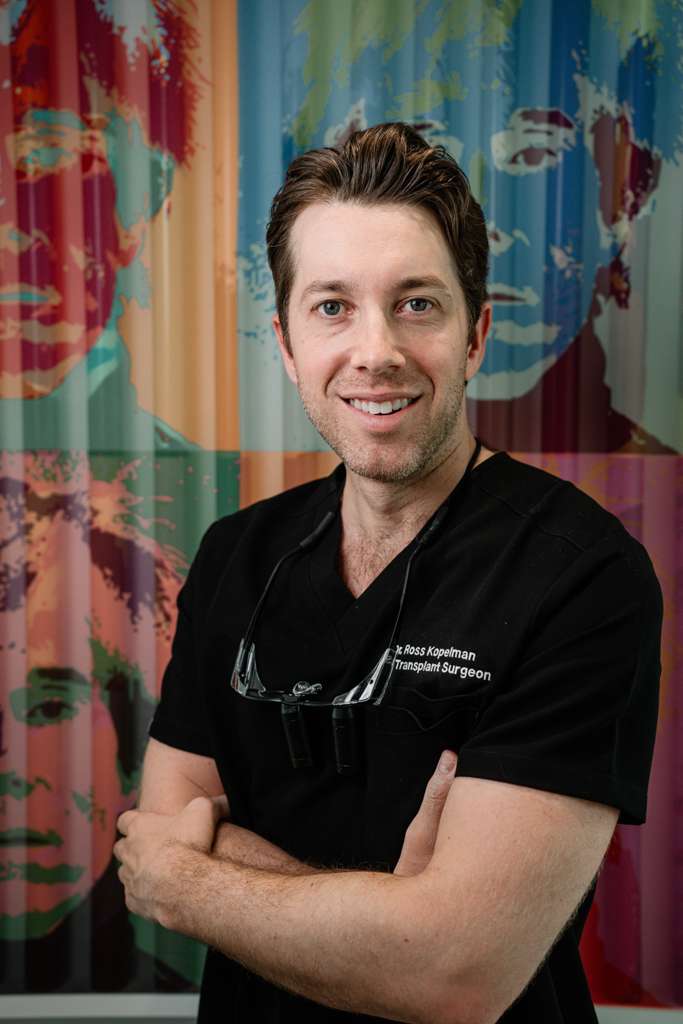
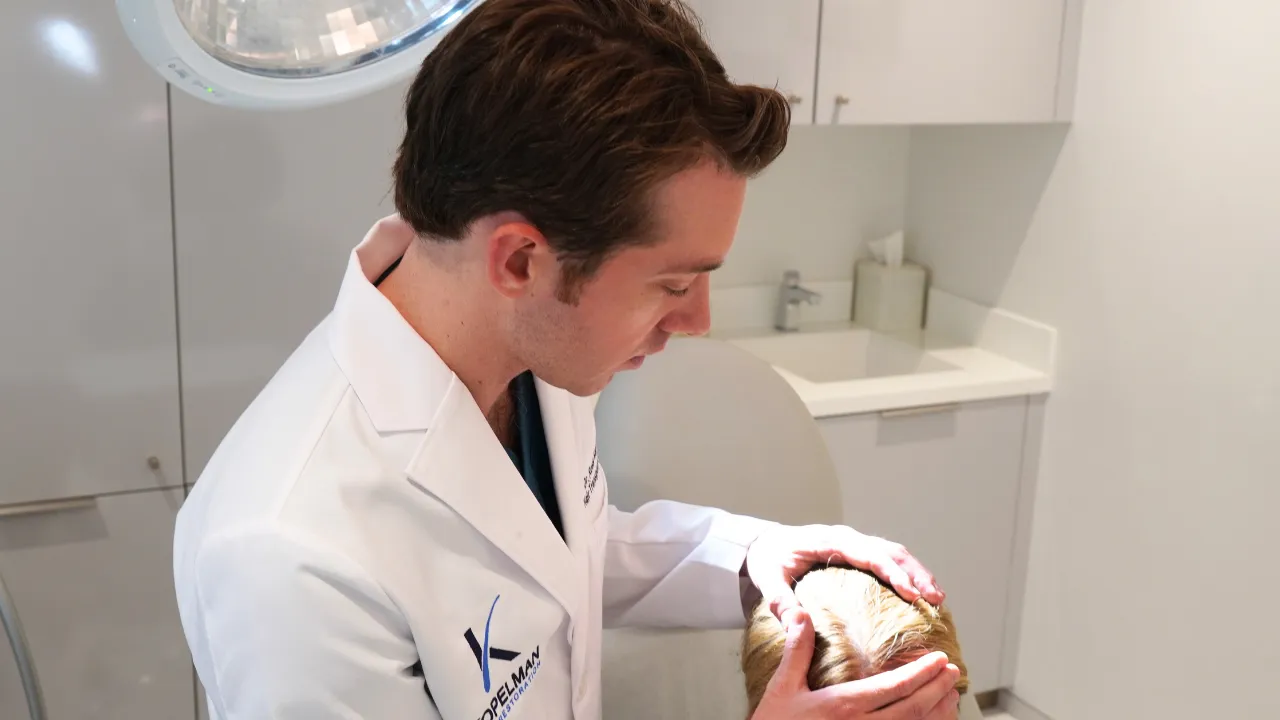
Dr. Kopelman performs these procedures using FUE technique, with most cases requiring 1,500 to 3,000 grafts depending on the area being filled. A consultation determines whether this approach makes sense for your goals and existing growth pattern.
Don’t Forget to Review How Other Oils for Hair Growth Can Help You!
Carrier Oils for Hair Coconut Oil for Hair Growth Thyme Oil for Hair Pumpkin Seed Oil for Hair Rosemary Oil for Hair