
Coconut oil has been celebrated for its many advantages, especially when it comes to length retention and overall scalp health.
In this guide, we will explain how to use coconut oil for hair growth and thickness, the science behind it, and when it is the wrong choice. We will also cover the application methods that work, how to rinse it out properly, and which textures react poorly to it.
Understanding the Science Behind Coconut Oil
So you might ask, can this ingredient actually grow new strands? While it does not directly stimulate follicles to produce new fibers, it plays a supportive role that improves overall condition, which in turn can support growth. Here is how:
- Penetrates the Hair Shaft: Unlike many plant extracts, coconut oil has a unique molecular structure that allows it to move deep into the fiber. This ability to nourish from within can help reduce protein loss, keeping strands stronger and less prone to breakage.
- Reduces Protein Loss: Hair is made primarily of protein, and regular use helps prevent the loss of these proteins, particularly during washing and styling. A frequently cited 2003 study in the Journal of Cosmetic Science found that among mineral, sunflower, and coconut varieties, only coconut significantly reduced protein loss in both damaged and undamaged fibers when used before or after washing. You can review the <a href=”https://pubmed.ncbi.nlm.nih.gov/12715094/” rel=”nofollow noopener”>published research on protein loss prevention</a> for the full methodology.
- Protects Against Damage: Frequent exposure to heat, styling, and environmental pollutants can weaken the fiber. The treatment acts as a protective barrier, shielding strands from potential damage and keeping them moisturized.
- Anti-Fungal and Anti-Microbial Properties: Lauric acid has natural anti-microbial properties that help maintain a healthy scalp. A healthy scalp is essential for supporting regrowth, as it keeps follicles clean and free from infections.
Coconut Oil Benefits for Hair
Many people ask: does coconut oil help with hair growth? While it does not create new follicles, it strengthens existing strands, which may reduce breakage and thinning.
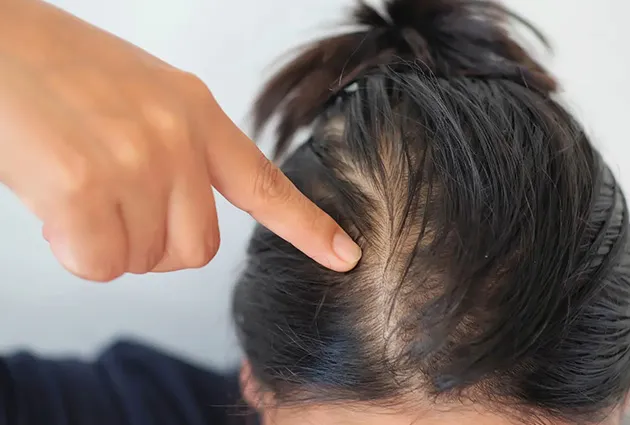
Coconut oil for hair loss has gained attention due to its ability to moisturize the scalp and reduce inflammation. These properties may support retention over time.
There are several coconut oil benefits for hair, whether your goal is length, shine, or reduced breakage.
- Moisturizes Dry Strands: It is highly effective in sealing moisture into the fiber, helping combat dryness and frizz. This keeps everything looking smooth and shiny while reducing the risk of split ends.
- Promotes Scalp Health: The anti-fungal properties help reduce dandruff and irritation, which is often caused by a dry or flaky scalp. A healthier scalp allows new growth to emerge more easily.
- Adds Shine: Regular application enhances natural luster, making strands appear healthier and well-nourished.
- Detangles and Conditions: It also works as a natural conditioner. Its lubricating properties make detangling easier, reducing the breakage that can occur when combing or brushing.
Discover more about coconut oil hair growth benefits and how it supports overall condition.
How to Use Coconut Oil for Hair Growth and Thickness
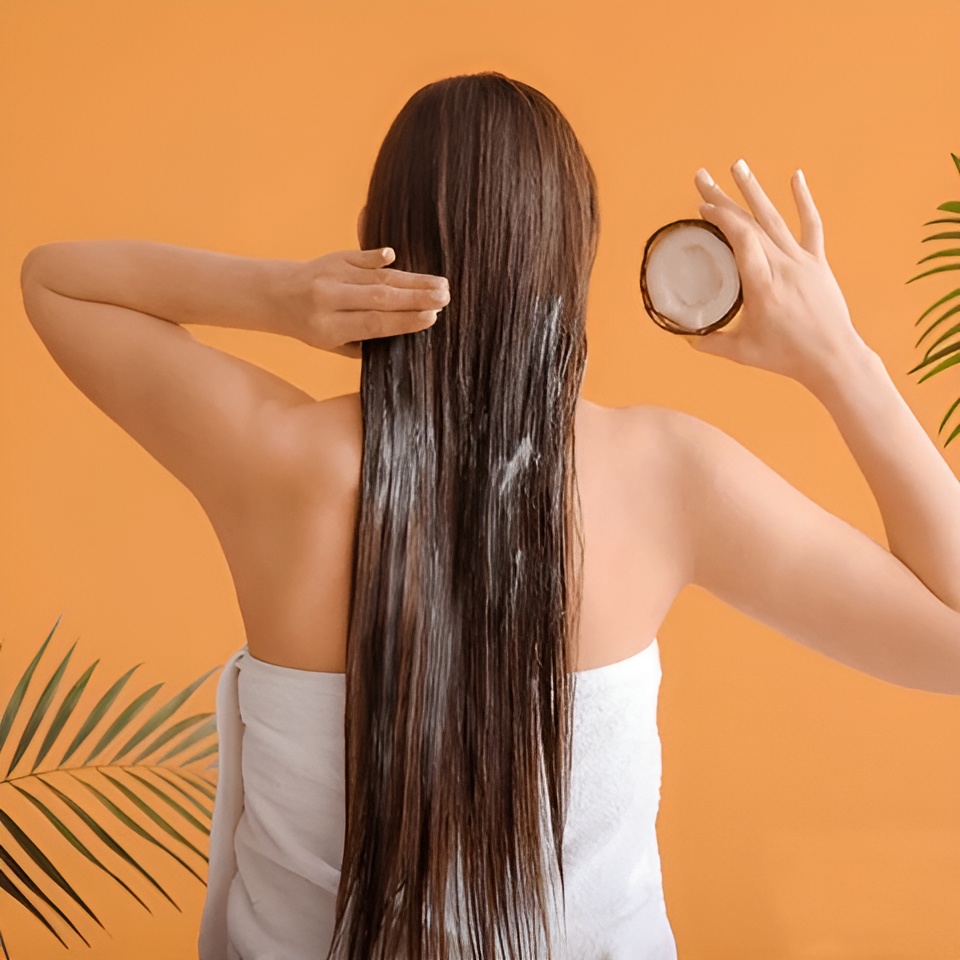
If you are wondering whether this ingredient can help, the answer lies in using it effectively as part of your routine. Warm the product slightly before applying so it liquefies; it should be warm to the touch, never hot. Here are the methods worth trying:
| Method | Leave-On Time | Frequency | Best Suited For |
|---|---|---|---|
| Pre-wash treatment | 15 to 30 minutes | 1 to 2 times weekly | Reducing protein loss during washing |
| Overnight treatment | 6 to 8 hours, covered | Once weekly | Very dry, coarse, or damaged textures |
| Leave-in conditioner | Not rinsed | As needed, ends only | Frizz control and shine on dry ends |
| Scalp massage | 10 to 20 minutes | 1 to 2 times weekly | Circulation support and flaky scalp |
A wide-tooth comb helps distribute the product evenly from mid-length to ends, which prevents heavy patches and makes rinsing far easier. Concentrating the application below the roots is the single most common adjustment people make after a first attempt leaves them greasy.
How to Rinse It Out Without Leaving Residue
The most frequent complaint is not about results; it is about greasiness afterward. That outcome is almost always a rinsing problem rather than a product problem.
Apply shampoo to dry, oiled strands first, before adding any water. Water and oil repel each other, so wetting first creates a barrier that keeps the surfactants in your shampoo from binding to the residue. Lather on dry strands, then rinse, then repeat if needed.
If you prefer to rinse first, break the product up at the scalp and crown with warm water and your fingertips before shampoo touches it. Either approach usually reduces a two- or three-wash cycle down to one.
Always follow with conditioner if you shampoo twice, since a second cleanse can strip the moisture you just added. Use a gentle cleanser rather than a clarifying formula unless buildup has become persistent.
Practical Precautions During Application
This is a slippery product, and a few household issues catch people off guard. Any residue that reaches the shower floor creates a genuine fall risk, so rinse the floor with a little soap before stepping out.
Drips stain fabric. Keep the treatment away from carpet, upholstery, and laundry, and use an old towel around your shoulders if you are applying a generous amount.
Anything that runs onto your neck, back, chest, or shoulders should be cleansed off in the shower. Leaving it on the skin can clog pores and trigger breakouts, particularly along the hairline and upper back.
Does Coconut Oil Grow Hair Faster? The Real Answer
While this ingredient does not directly increase the rate at which strands lengthen, it strengthens the fiber and reduces breakage, which allows you to retain more of what you already grow.
When thinning affects areas like the eyebrows and does not respond to topical care, some patients begin exploring options such as an eyebrow transplant in NYC for permanent restoration.
By improving scalp condition, moisturizing the fiber, and preventing damage, it creates a foundation for resilient strands that can grow longer and stronger over time.
Wondering is coconut oil good for hair growth? Our in-depth article breaks down how it compares with other popular options.
It does not regrow lost follicles, but it helps preserve and strengthen what remains, which supports visible improvement over time.
Coconut Oil vs. Other Oils for Hair Growth
When it comes to growth-supporting products for men and women alike, this option stands out but has different properties compared to the alternatives:
| Option | Penetrates the Shaft | Primary Strength | Main Consideration |
|---|---|---|---|
| Coconut | Yes, deeply | Reduces protein loss | Can feel stiff on protein-sensitive or bleached textures |
| Castor | Minimal | Thick, coats and seals | Heavy texture, harder to rinse |
| Argan | Surface level | Antioxidant-rich hydration | Conditions rather than repairs from within |
| Olive | Partial | Moisture retention and softness | No meaningful protein-preserving effect |
Each option has its benefits, and choosing the right one depends on your specific needs and how your texture responds.
Don’t Forget to Review How Other Oils for Hair GrowthCan Help You!
-> Castor Oil for Beard Growth
Potential Drawbacks and Who Should Avoid It
This ingredient offers many benefits, but it does not suit every texture, and a few groups consistently report poor results.
May Weigh Down Fine Strands: The product can be too heavy for fine or thin textures, making them look greasy even in small amounts.
Protein Sensitivity: Some people are protein sensitive and find their strands feel stiff, dry, or almost sticky afterward. Because this option reduces protein loss so effectively, it can push protein-sensitive textures past the point of balance.
Bleached or Chemically Processed Strands: People who bleach, relax, or color regularly often report a brittle, straw-like feel rather than softness. If that describes your result, switch to a lighter option such as olive or argan, or blend the two rather than using coconut alone.
Difficult to Wash Out: It can be challenging to rinse fully, especially if applied heavily. Use it sparingly and follow the dry-shampoo method above to avoid residue.
Follicle Congestion: Because it is comedogenic, it should not sit on the scalp indefinitely as a leave-in. Massage it in, leave it 10 to 20 minutes, then cleanse.
If you experience any of these issues, consider alternating with lighter options or reducing the amount you apply. A single unsuccessful attempt is not always the product’s fault; application volume and rinse technique explain most poor outcomes.
Despite these drawbacks, many people still ask whether it helps with shedding, and for many textures, it can be an effective way to reduce breakage and support overall condition.
Frequently Asked Questions
Can Coconut Oil Regrow Hairline?
It may help protect thinning edges and support regrowth when used consistently. While results vary, many people use it to strengthen the hairline and reduce further loss.
Does Coconut Oil Stimulate Hair Growth?
It does not directly stimulate follicles the way minoxidil does, but by protecting against protein loss and scalp irritation, it may create better conditions for growth.
How long should I leave it on?
Ten to 20 minutes is enough for a scalp treatment. Lengths and ends can hold it for 30 minutes up to overnight, depending on how dry your texture is.
Does it cause shedding?
It is normal to shed 50 to 100 strands daily. Applying and rinsing a treatment loosens fibers that had already detached, which can make normal shedding look dramatic without actually causing it.
Which type should I buy?
Unrefined virgin coconut oil is the usual recommendation, since refined versions are processed from dried flesh and offer less of the fatty acid content people are after.
Final Thoughts: Coconut Oil and Hair Growth
If you are wondering whether this ingredient helps with shedding, the short answer is yes in a supportive sense, especially when used as part of a consistent routine focused on scalp health and moisture.
It can help by creating a protective, nourishing environment that strengthens the fiber and promotes a healthy scalp.
While it does not directly accelerate growth, its ability to moisturize, reduce breakage, and maintain scalp condition makes it a valuable addition to most routines.
By strengthening strands and supporting scalp health, it sets the stage for better length retention over time, provided your texture tolerates it well.
Whether used as a pre-wash treatment, scalp massage, or overnight conditioner, it offers versatile solutions for men and women looking to achieve healthier, stronger results.
If you are considering growth-supporting products, its unique penetrating properties make it a good choice for most textures, with the exceptions noted above.
Consistent use can help you achieve stronger, shinier, and more resilient strands that support length retention and overall health.
Check out our recent article on Hair Growth Oil for Men to learn about how it may benefit your facial hair.
Your Next Steps
The key is consistency paired with correct technique. Used regularly and rinsed properly, it improves strength, hydration, and scalp balance, all essential for visible thickness and long-term results.
To complement your routine, explore the best products to stop thinning hair that strengthen follicles, reduce shedding, and support regrowth through science-backed ingredients.
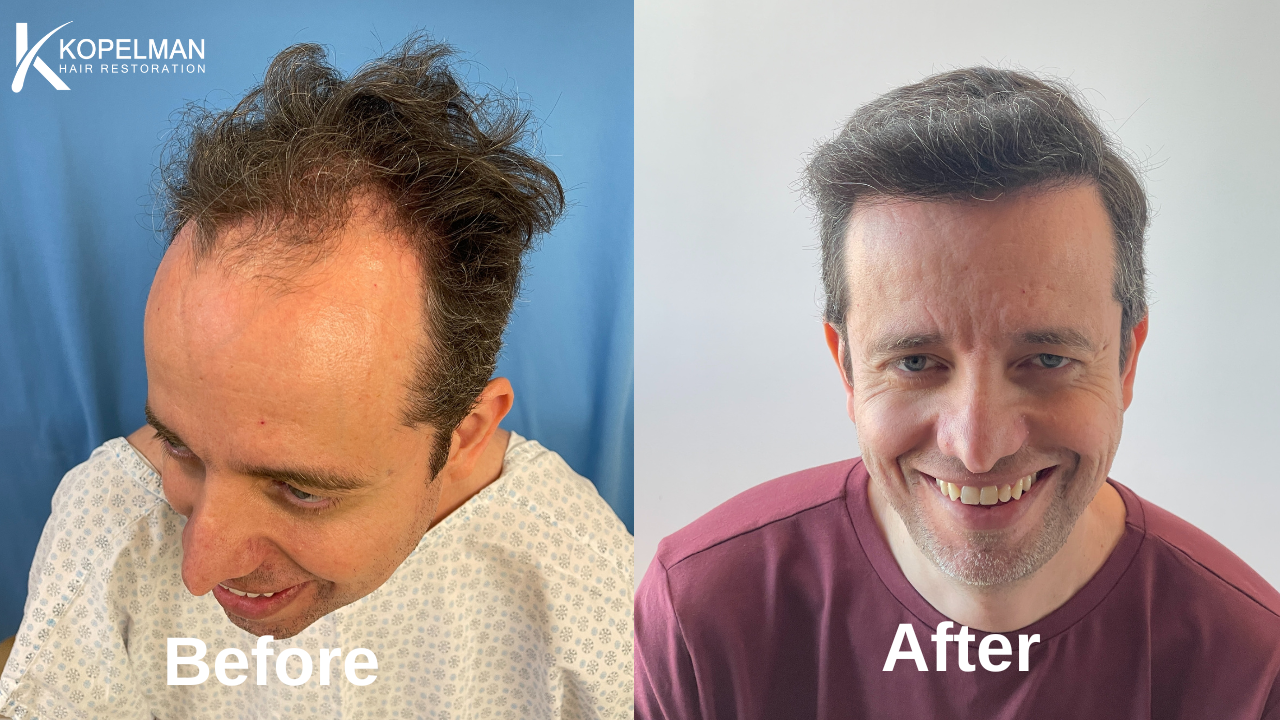
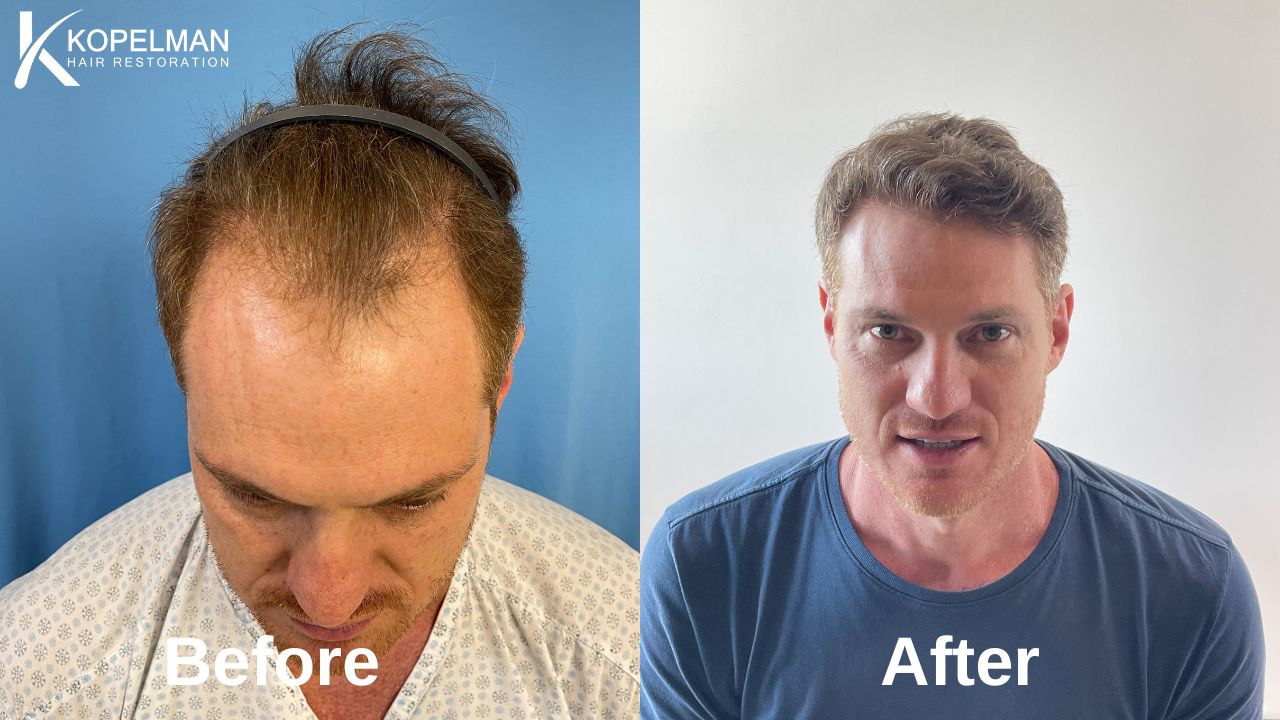
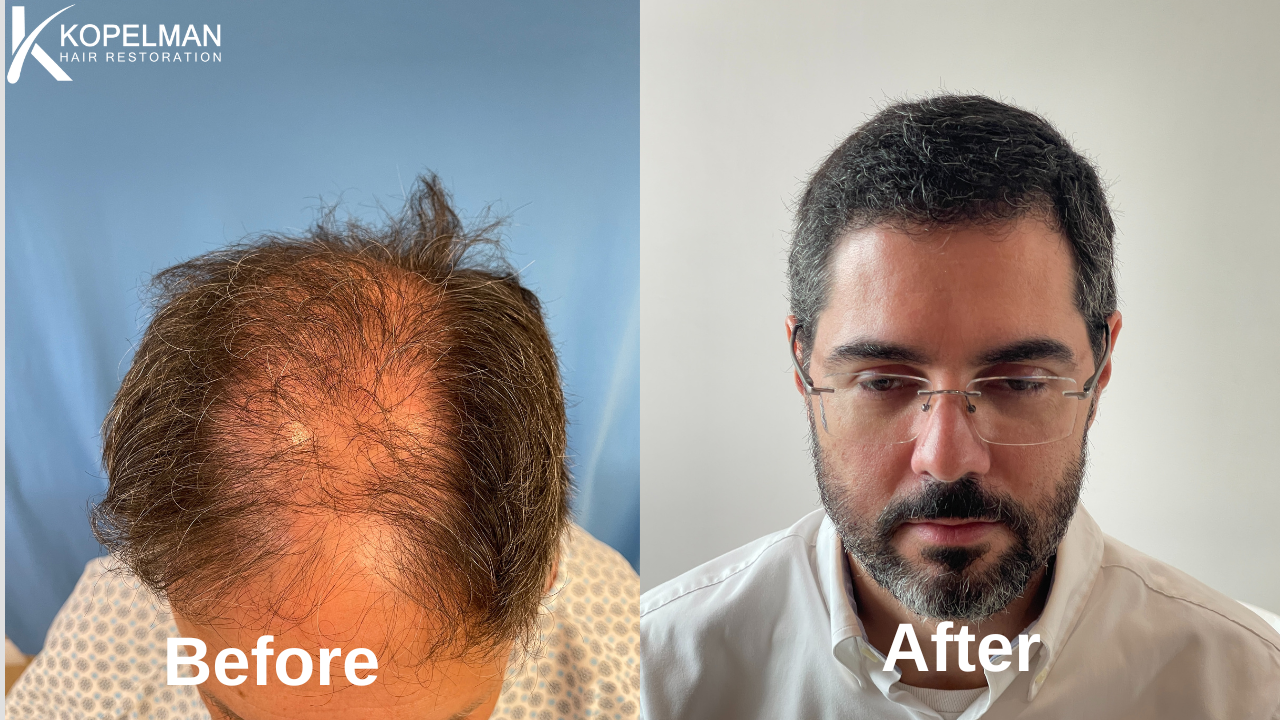
For those seeking a more targeted solution to hair loss, consider speaking with Dr. Kopelman.
This father-son team brings over 35 years of combined experience in hair restoration, specializing in personalized treatments for each client.
Dr. Kopelman’s expertise can help you find the right solution tailored to your unique needs.
Schedule a consultation today to explore your options and take the first step towards achieving your hair goals.