

At Kopelman Hair, we understand how the right foods for growing a mustache and facial hair can support stronger, faster growth.
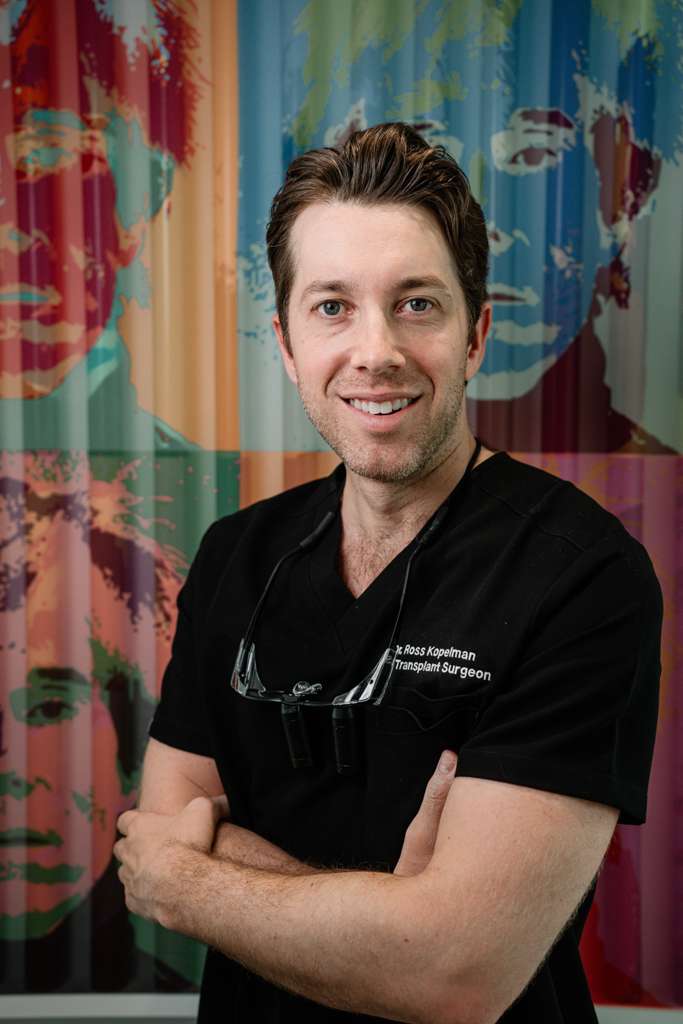
Backed by years of experience, Dr. Kopelman emphasizes that diet is crucial to achieving consistent, healthy results.
Best Food for Facial Hair Growth: What to Eat
Nutrition is one of the most controllable factors in how your whiskers come in. Below are the foods that deliver the nutrients follicles depend on most, grouped by category so you can build them into everyday meals.

Animal-Based Foods: Eggs, Fish, Lean Meats
Eggs are one of the richest dietary sources of biotin. A single cooked egg provides roughly 10 micrograms, about a third of the 30-microgram daily adequate intake for adults set by the NIH Office of Dietary Supplements.
Salmon and sardines deliver omega-3 fatty acids, which reduce inflammation around the follicle and support blood flow to the skin. Lean poultry and tenderloin cuts of beef supply complete protein plus zinc and iron in a single serving.
More protein is not automatically better. A 2022 review in Nutrition and Health found that intakes above roughly 3.4 grams per kilogram of body weight were associated with lower testosterone levels, the hormone that drives androgenetic growth on the face.
Plant-Based Boosters: Nuts, Seeds, Legumes
Brazil nuts are the most concentrated food source of selenium, a mineral tied to thyroid function and testosterone production. Just one nut can contain 68 to 91 micrograms, which already exceeds the 55-microgram daily requirement, so a couple per day is plenty.
Almonds, chia seeds, and flaxseeds contribute vitamin E, zinc, and plant-based omega-3s. Lentils, chickpeas, and beans provide iron, folate, and protein, making them strong options for anyone eating little or no meat.
Adult men need about 11 milligrams of zinc and 8 milligrams of iron per day, per the NIH Office of Dietary Supplements. Deficiency in either mineral is a documented contributor to shedding and weak strands.
Top Fruits: Berries, Citrus, Bananas, Avocados
Not every fruit pulls equal weight here. Berries deliver antioxidants and vitamin C, which the body needs to synthesize collagen, a structural protein in the tissue surrounding each follicle.
Citrus fruits like oranges and lemons roughly triple the absorption of non-heme iron from plant foods when eaten in the same meal, which matters if lentils and spinach are your main iron sources.
Bananas provide silica, and avocados contribute vitamin E along with monounsaturated fats that support the skin barrier under your mustache. Together, these are among the best foods for facial hair growth when paired with a balanced diet and consistent grooming.
Foods to Limit
Highly processed items, refined sugar, and heavy alcohol intake work against you. Sugar spikes drive inflammation, and alcohol acts as a diuretic that pulls moisture from skin and strands. Skipping meals also deprives follicles of the steady nutrient supply they need.
Why Nutrition Changes What Grows In
Your follicles are among the most metabolically active tissues in the body, which makes them sensitive to shortfalls. When protein, iron, or zinc run low, the body pulls resources toward organs it considers essential, and non-critical tissue like your whiskers loses out first.
Biotin and the wider B-complex group support keratin production, while zinc and iron drive follicle repair. Omega-3s calm inflammation at the root, and vitamins strengthen hair shafts so they resist breakage as they lengthen.
This is also why supplements rarely deliver dramatic change on their own. They correct a deficiency if one exists; they do not add follicles you were never born with.
What to Drink to Support Natural Mustache Growth
Hydration improves circulation, and circulation is how nutrients reach the roots along your jaw and upper lip. Aim for consistent water intake throughout the day rather than large amounts at once.
Collagen-rich options like bone broth supply glycine and proline, two amino acids used in skin and follicle tissue. Green tea provides antioxidants and supports blood flow, making it a reasonable daily addition.
Cut back on excessive alcohol. It dehydrates the skin, disrupts sleep, and suppresses the hormone production that androgenic growth depends on.
How to Grow a Mustache Faster With the Right Habits
Diet does the heavy lifting, but habits determine whether that nutrition actually reaches the follicle. If you are asking how to grow a mustache faster, these are the levers that matter.
Natural Growth Strategies for Beginners
Patience and consistency are essential for men with sparse or uneven coverage. Begin by gently exfoliating the skin to clear dead cells and unblock follicles. Regular cleansing maintains a healthy environment for new strands to push through.
Hormonal and Lifestyle Factors
Testosterone levels significantly influence how much you can grow. Getting enough sleep, reducing stress, and strength training all support healthy hormone function.
Testosterone is largely released during sleep, so short or fragmented nights work directly against you. Avoiding tobacco also matters, since smoking constricts the small vessels that feed each follicle.
Facial Hair Routines That Help
Massaging the face increases blood flow to the roots. Natural oils such as eucalyptus or castor oil condition the skin and reduce dryness, which makes what you already have look fuller and less brittle.
These habits will not produce instant change, but combined with a nutrient-dense plate, they support steady, natural mustache growth over time.
How to Get a Thicker Mustache: Realistic Timelines
Many men want faster results, so it helps to know what is actually achievable.
Is Overnight Growth Possible?
No. Despite what you will read online, no food produces visible change overnight. Growth is a gradual process governed by genetics, hormones, and nutrition working together.
Timeline Expectations and the 3-Month Rule
Once your growth pattern is established, the upper lip and jaw typically add about half an inch of length per month. Most men see meaningful improvement in density and texture within 8 to 12 weeks of consistent effort.
That window gives dormant follicles time to activate and existing strands time to thicken. Judging results before the three-month mark almost always leads to quitting too early.
Speed vs Sustainability
Rushing invites frustration and reliance on gimmicks. Sustainable habits, meaning a nutrient-dense diet, targeted grooming, and real sleep, are what produce lasting change. That consistency is the honest answer to getting a thicker mustache.
Myths and Mistakes to Avoid
Plenty of popular advice has no evidence to back it up.
Common Misconceptions
Shaving frequently does not make anything grow back thicker. The razor cuts the shaft at the surface and never touches the root or the follicle, so density and growth rate are unaffected.
A second myth is that any single food works overnight. It does not. A third is that supplements help everyone; they mainly help men who are genuinely deficient in a specific nutrient.
Nutritional and Grooming Mistakes
Skipping meals or relying on ultra-processed foods deprives follicles of the vitamins and minerals they need. Harsh grooming products strip the skin barrier and irritate the follicle, which can worsen patchiness rather than fix it.
Over-supplementing carries its own risk. Selenium is a clear example, since intakes above 400 micrograms per day can cause adverse effects, and Brazil nuts are easy to overdo.
Final Thoughts and Tips for Better Results
Growth responds to care, patience, and the right nutrients, in that order.
Combine Nutrition With a Care Routine
A targeted grooming routine paired with a nutrient-dense diet gives you the best odds of steady improvement. Conditioning oils, gentle exfoliation, and regular washing all support the skin your follicles sit in.
Stay Consistent and Manage Expectations
Everyone grows at a different rate. Consistency will always outperform shortcuts. Combine a daily care routine with a nutrient-dense diet and habits that support hormonal balance, and give it a full three months before judging the outcome.
When to Seek Professional Advice
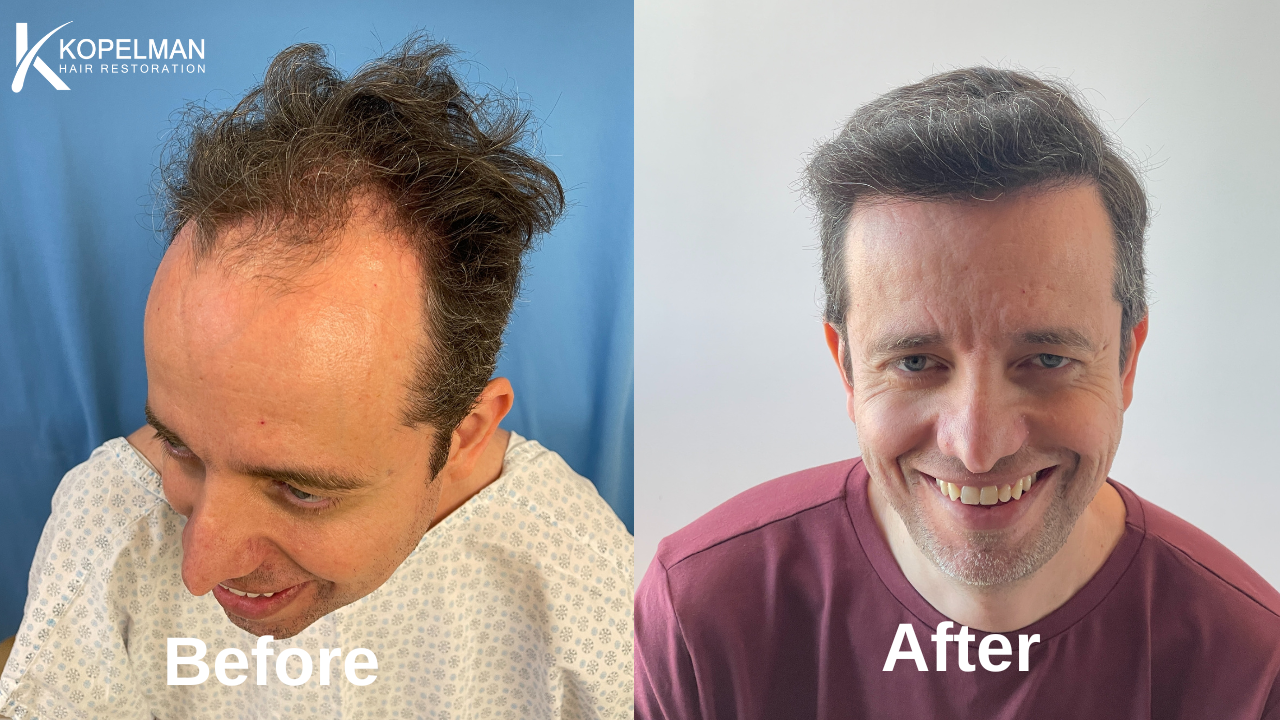
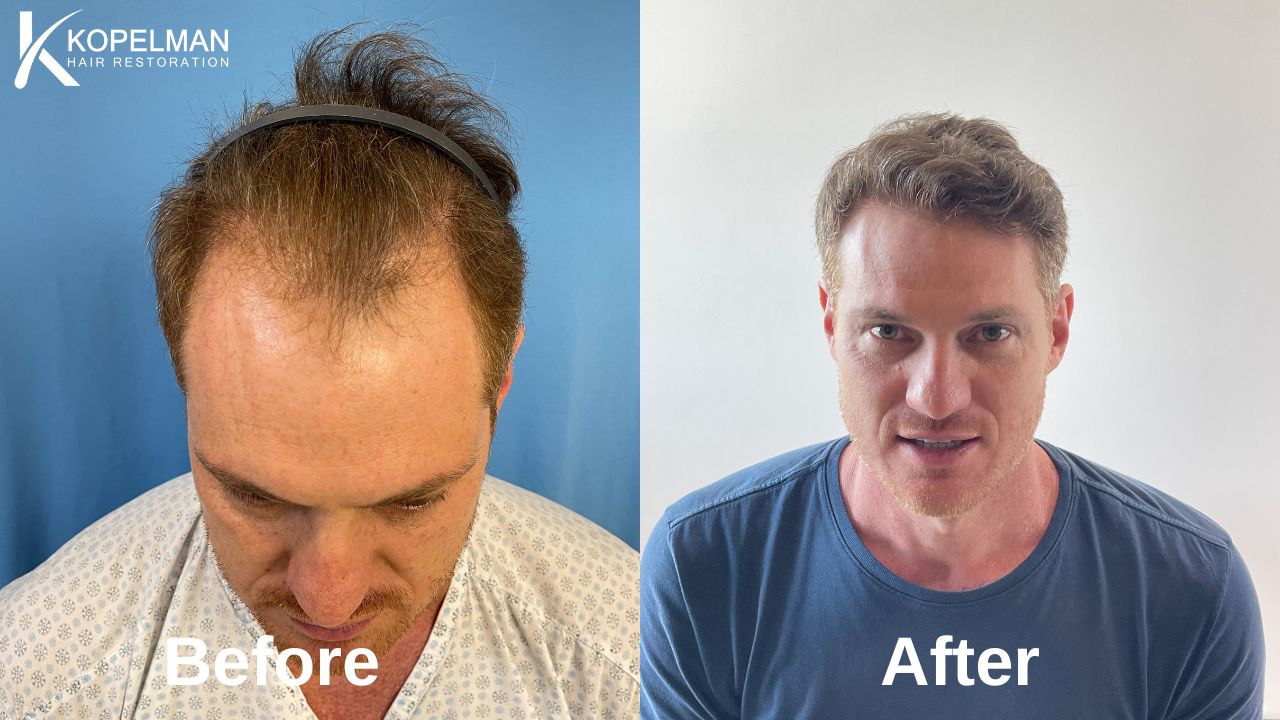
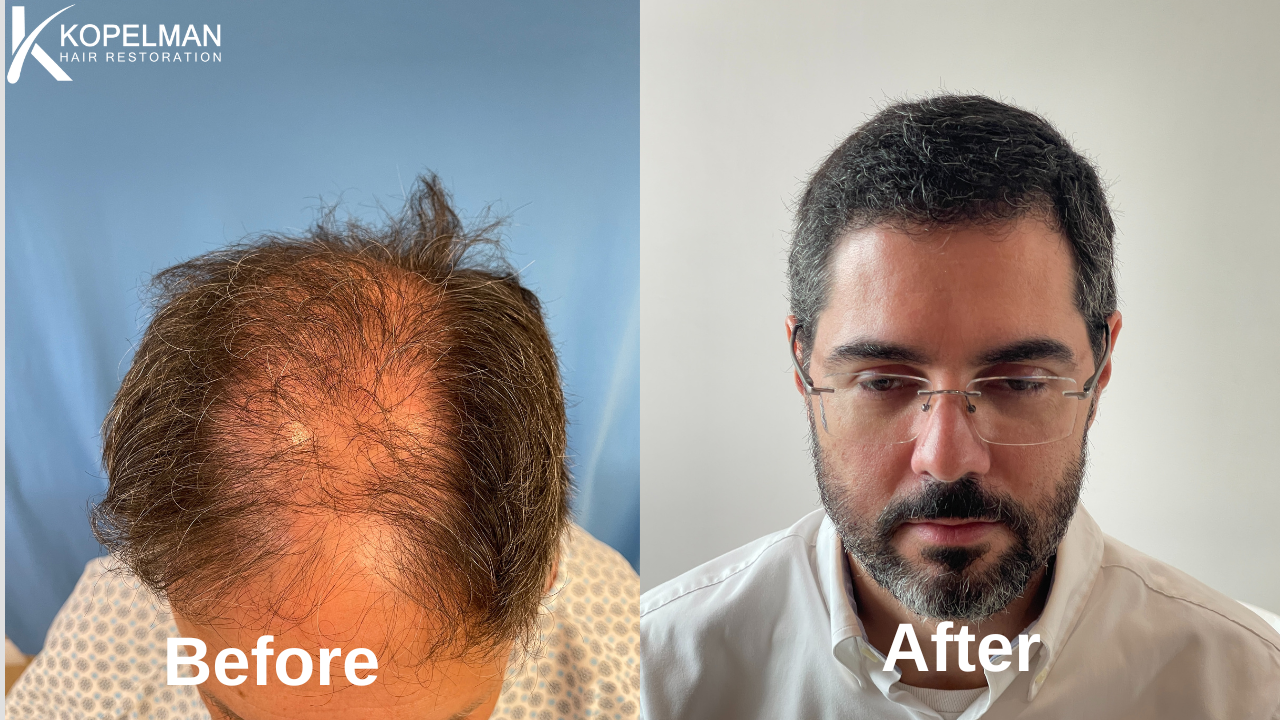
If you have maintained healthy habits and still struggle with a patchy beard, it may be time to consult an expert. Dr. Kopelman and his team at Kopelman Hair specialize in advanced restoration techniques that offer personalized solutions for facial hair concerns.