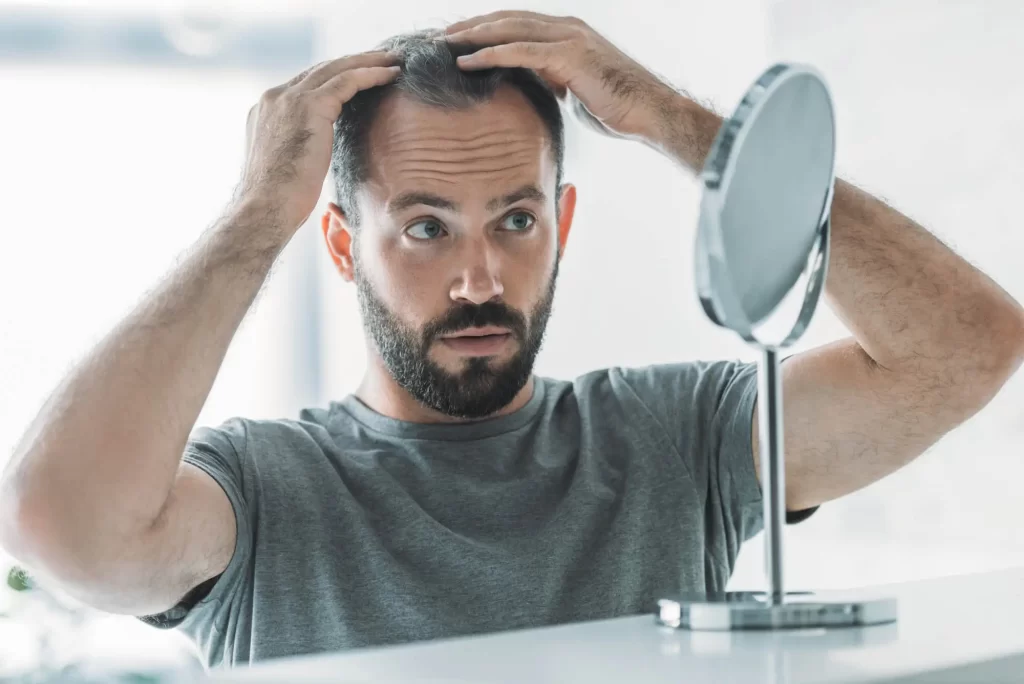
Testosterone and Hair Loss: Causes, Myths, and Solutions

I hope you’re enjoying reading this blog post if you want a consultation with Dr. Kopelman, click here.

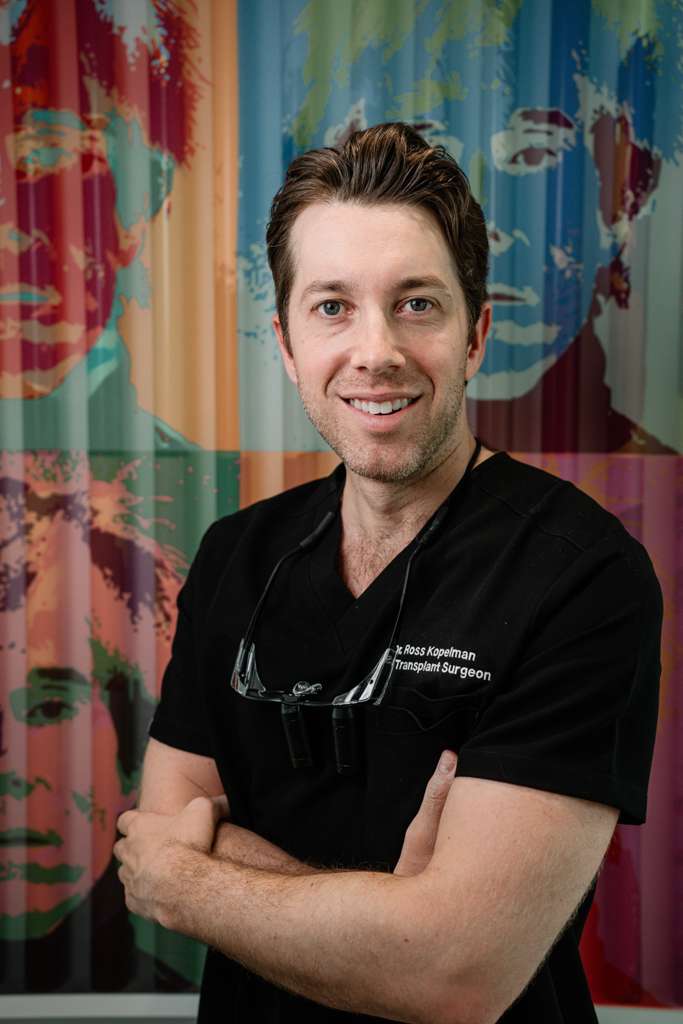
Dr. Ross Kopelman

August 31, 2025  ⁃  12 Min read

For most people, asking if high testosterone causes hair loss, the short answer is no, not on its own. Elevated male hormone levels rarely trigger baldness by themselves. The real driver is dihydrotestosterone (DHT), a byproduct your body makes from this hormone, paired with an inherited sensitivity in the follicles.

That distinction matters because it changes how thinning is treated. Solutions focus on managing DHT and protecting follicle health, not on lowering the hormone itself. Medications like Finasteride reduce DHT, while Minoxidil improves blood flow and extends the growth phase, so a plan built around your genetics tends to work best.

If you are noticing changes at the hairline or crown, understanding the hormonal piece is the starting point. Dr. Kopelman and our team explain the science, clear up the myths, and guide patients toward treatments matched to their needs.

Key Takeaways

  • The hormone itself does not directly cause baldness, but its byproduct, DHT, can shrink follicles and lead to male-pattern thinning in genetically predisposed individuals.
  • Both men and women can experience hormone-related shedding, though female cases may also involve PCOS or menopause, which shifts the hormonal balance.
  • Low hormone levels can contribute to thinning, and in some cases, that shedding is reversible with proper medical care.
  • DHT blockers, balanced nutrition, stress reduction, and early recognition of warning signs help slow progression and support regrowth.
  • Effective options include finasteride and minoxidil, PRP therapy, and, in advanced cases, hair transplantation performed by specialists such as Dr. Kopelman.

How Hormones Influence Thinning in Men and Women

Pattern baldness is the most common cause of thinning in the United States, affecting an estimated 50 million men and 30 million women, according to national genetics data. The mechanism is the same across sexes, even though the pattern looks different.

Male Pattern Loss and the Role of Androgens

In men, the male hormone converts to DHT, which binds to hair follicles. For those who are genetically predisposed, this can lead to male pattern baldness over time, with strands thinning into a receding hairline or crown loss.

Not every man with elevated androgen levels goes bald. Genetics, scalp sensitivity, and overall health all play a part. Two men with identical hormone readings can see very different outcomes, which is why follicle sensitivity matters more than the number on a lab test.

Male pattern baldness is the most recognized form of androgenetic alopecia. It follows a predictable path, starting at the temples or crown, and worsens if left untreated.

Female Thinning, PCOS, and Menopause

Women produce far less of this hormone, but it still shapes their volume. Higher levels can cause thinning of the crown, often associated with PCOS, while lower levels may reduce density, particularly after menopause.

Some women respond well to balanced hormone therapy that supports regrowth. In women, the condition is usually called female pattern hair thinning, which tends to show up as diffuse thinning rather than distinct bald spots.

PCOS and menopause both shift hormone levels strongly. PCOS can raise androgens, thinning the scalp while increasing facial and body hair. During menopause, falling estrogen and relative hormonal changes may trigger gradual shedding.

Does Testosterone Cause Hair Loss?

The hormone itself does not directly cause shedding. The problem lies with its byproduct, DHT, which gradually shrinks follicles. That conversion, driven by the enzyme 5-alpha reductase, fuels miniaturization in genetically predisposed people, as outlined in clinical references on androgenetic alopecia.

The table below shows why the two hormones behave so differently at the follicle.

How Testosterone and DHT Differ
Feature
Testosterone
DHT (Dihydrotestosterone)
Source
Produced mainly in the testes and ovaries
Converted from testosterone by 5-alpha reductase
Strength at the follicle
Lower receptor binding affinity
Binds androgen receptors far more strongly, by some estimates around five times
Main role
Muscle mass, libido, bone density, mood
Drives follicle shrinkage in sensitive scalps
Link to thinning
Indirect; acts as the raw material
Direct trigger of pattern hair loss

Follicle sensitivity to DHT is inherited, which is why outcomes vary so widely. A man with strong genetic resistance can keep a full head of hair even with high hormone levels.

Does High Testosterone Cause Hair Loss?

High levels are linked to balding mainly through DHT conversion, not through the hormone acting alone. More circulating hormone means more raw material for DHT, but the effect only shows up if your follicles are genetically primed to react. Without that sensitivity, elevated levels do not produce a receding hairline.

Does Low Testosterone Cause Hair Loss?

Low levels are not a primary cause of pattern baldness either. Some men actually notice that thinning becomes more visible after starting therapy because the added hormone gives sensitive follicles more DHT to respond to. 

Aging, stress, thyroid issues, and nutritional gaps often overlap with low readings, which is why a proper diagnosis matters more than the number itself.

The contrast between the two scenarios is summarized here.

High vs Low Levels: What It Means for Your Hair
Scenario
Effect on Scalp
Why
High levels
Not a direct cause; may speed thinning only in DHT-sensitive follicles
More substrate available for DHT conversion
Low levels
Not a primary cause of pattern baldness; rarely the real reason for a receding hairline
Aging or underlying conditions often overlap
During TRT
Can accelerate shedding in predisposed individuals
Added hormone raises DHT reaching sensitive follicles

Is Testosterone Hair Loss Reversible?

Whether testosterone hair thinning is reversible depends on the follicle. Shedding tied to a correctable hormonal dip often improves once levels are balanced, and regrowth is realistic when follicles are still active. 

Results depend on genetics, age, and scalp condition, so the earlier the issue is addressed, the better the outlook.

TRT Hair Shedding: What to Expect During Therapy

Replacement therapy can accelerate shedding in people who are already predisposed, and TRT-related hair shedding is a known consideration that clinicians weigh before starting treatment. Misuse of anabolic forms tends to make matters worse. 

Doctors may adjust the protocol or add a treatment, such as DHT blockers, to protect follicles, an approach echoed in academic dermatology guidance.

The Role of DHT

DHT shortens the growth phase, which leads to miniaturization. This is why some people think they have a problem despite perfectly normal lab readings; the issue is how their follicles respond, not how much hormone they make.

Testosterone and Alopecia

Alopecia is connected to androgens mainly in genetic cases. Autoimmune forms have different causes and call for different treatments, so an accurate diagnosis comes first

What the Research Shows

Clinical evidence consistently points to DHT, not the hormone itself, as the force behind pattern thinning. A 2025 narrative review in the International Journal of Dermatology links higher androgen exposure to faster thinning in predisposed men, while emphasizing that follicle sensitivity, not hormone levels alone, determines who is affected. 

DHT also binds receptors more tightly than its parent hormone, which is why blocking it is an established therapeutic strategy.

Can Hair Grow Back While Taking Testosterone?

Will Regrowth Happen in Therapy?

Regrowth is possible when follicles remain active. Patients on hormone therapy who notice shedding can still benefit from treatments such as finasteride or minoxidil, especially when started early.

How to Protect Your Fibers During Treatment

To safeguard your scalp during therapy:

  • Consider DHT blockers when your doctor recommends them.
  • Eat a balanced diet rich in protein and key vitamins.
  • Manage stress, which can worsen shedding.
  • Keep regular check-ups with a specialist.

Lifestyle Factors That Influence Follicles’ Health

Stress, poor diet, and lack of sleep all affect hormone balance and scalp condition. Patients who build healthier routines often see their thinning progress more slowly.

Early Signs of Hormone-Related Thinning

Catching the signs early improves outcomes. Watch for:

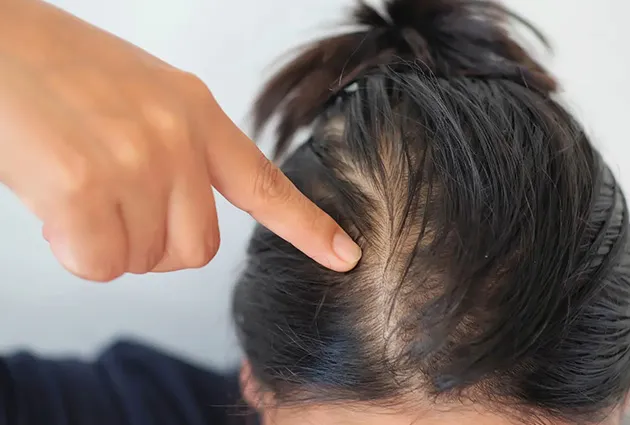
  • Thinning at the crown or temples.
  • A widening part in women.
  • Slower regrowth after normal shedding.
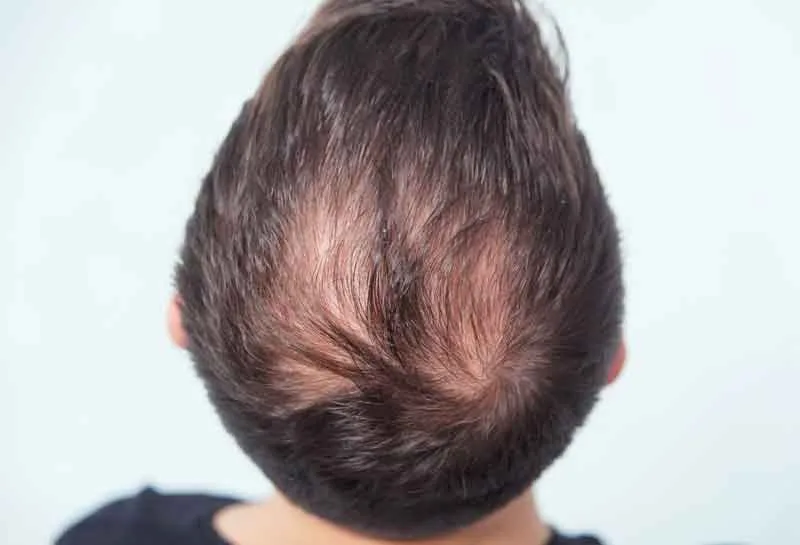
Seeing a specialist when these appear allows for timely intervention.

Treatments for Androgen-Related Hair Shedding

Medical Options (Finasteride, Minoxidil, PRP)

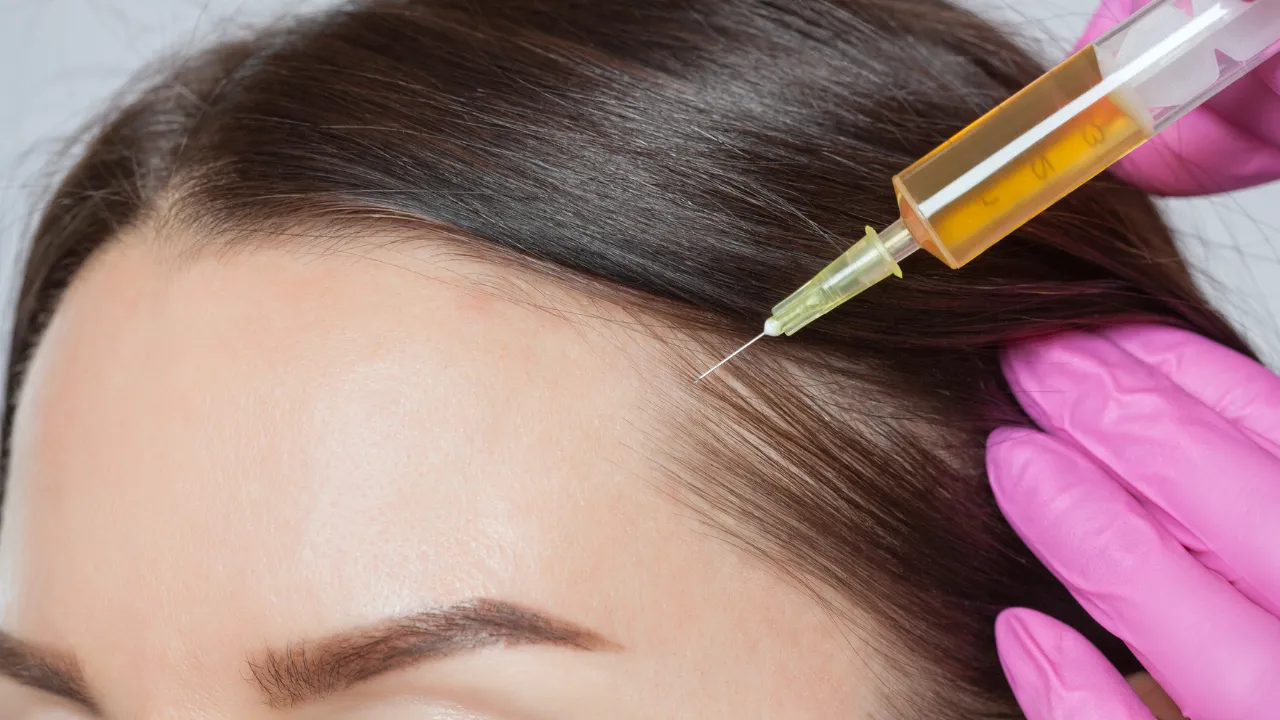
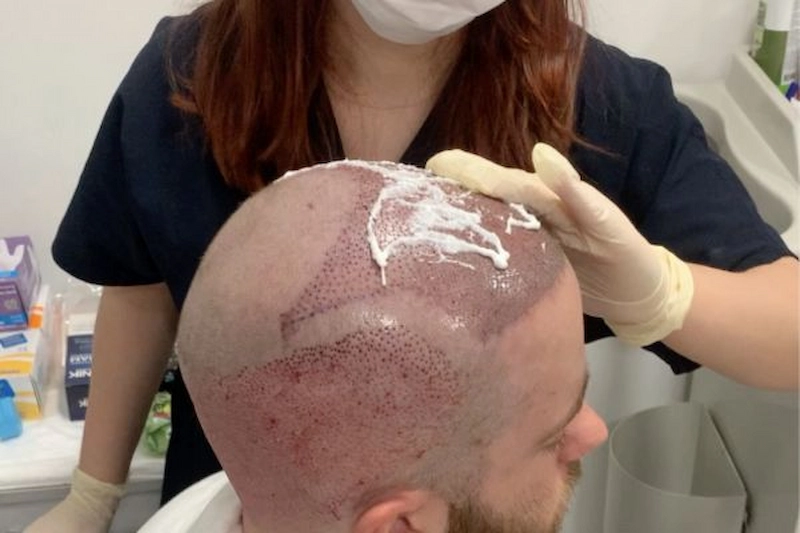
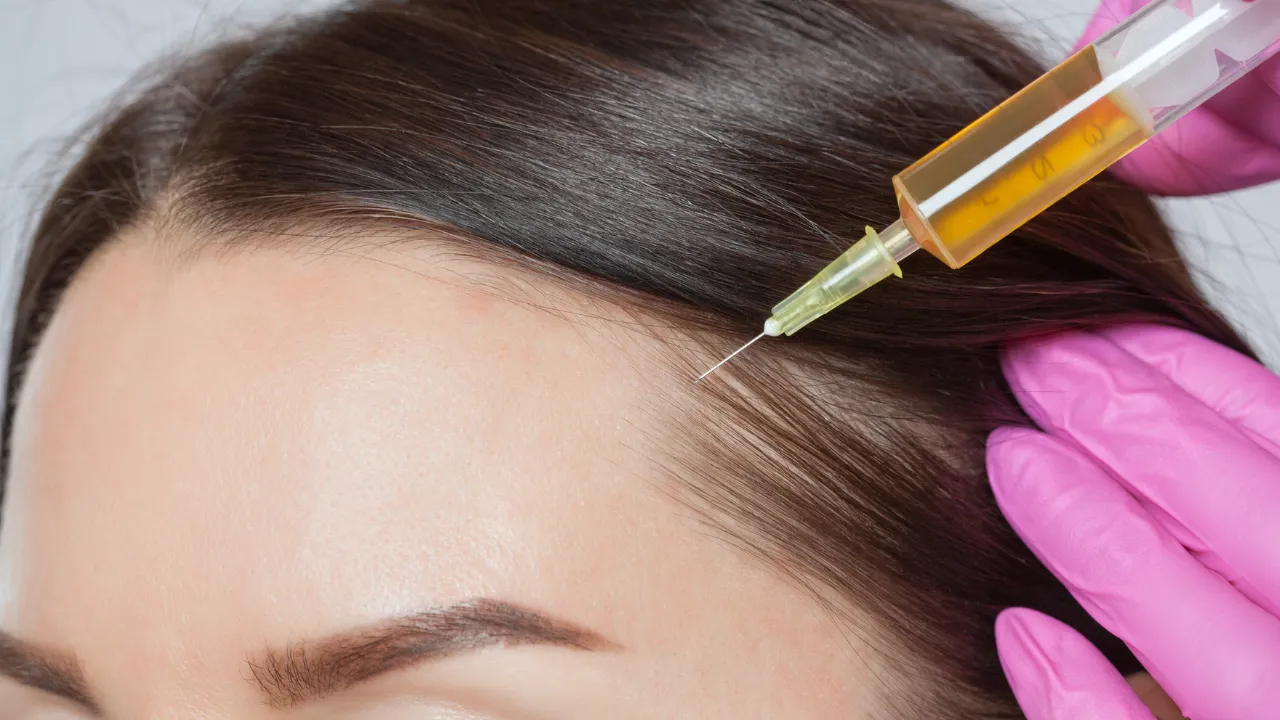
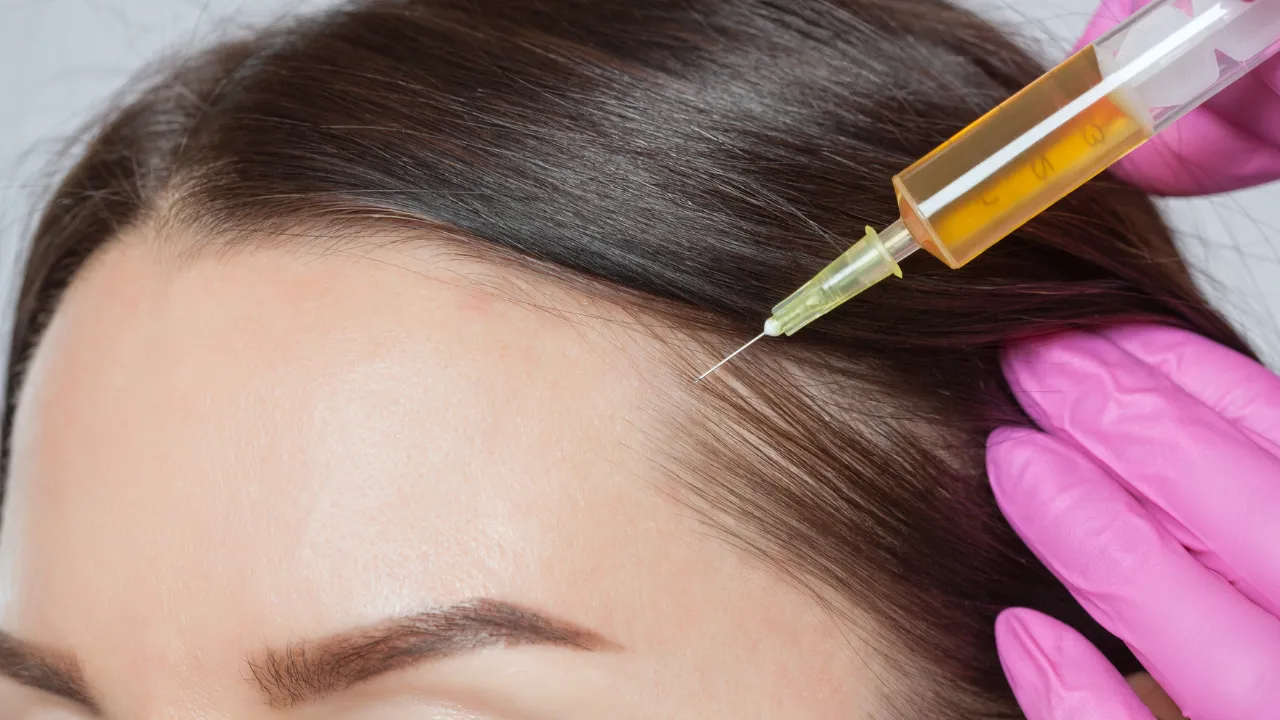
Finasteride lowers DHT by roughly 60 to 70 percent at standard dosing, which slows male pattern thinning. Minoxidil stimulates follicles, and PRP uses a patient’s own blood to promote hair growth. Advanced cases may call for surgical transplantation by experts such as Dr. Kopelman.

The options compare as follows.
Common Treatments for Hormone-Related Hair Shedding
Option
How It Works
Best Suited For
Finasteride
Blocks type II 5-alpha reductase, lowering DHT
Early to moderate pattern thinning
Minoxidil
Improves blood flow and extends the growth phase
Slowing loss and supporting density
PRP therapy
Uses platelet-rich plasma to stimulate follicles
Active follicles needing a boost
Hair transplant
Relocates DHT-resistant follicles to thinning zones
Advanced or stable loss


Lifestyle and Nutrition

Healthy habits improve scalp health, even when they cannot fully halt androgenetic alopecia. Aim to eat foods rich in zinc, biotin, and omega-3s, exercise regularly, and get enough sleep.

Diet quality matters too. High-sugar eating, low protein intake, and excess alcohol all undermine follicle health, while balanced meals and good hydration support long-term results from any treatment you pursue.

When to See a Hair Restoration Specialist

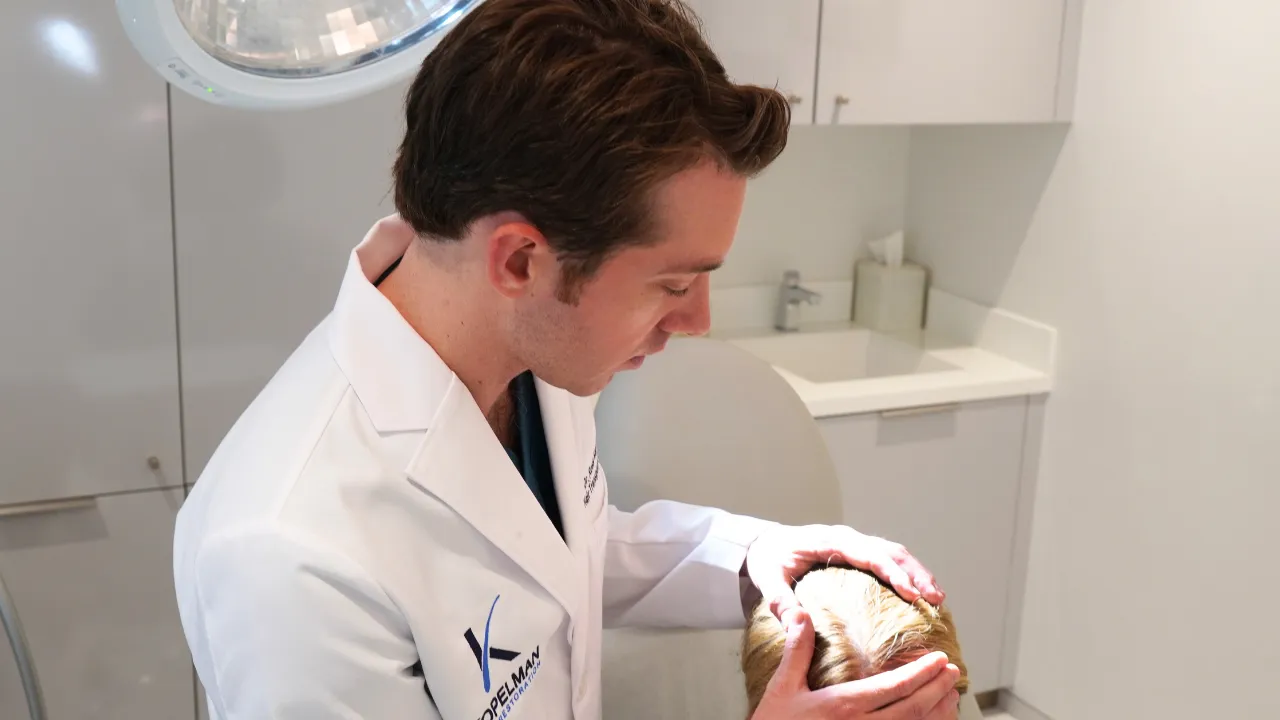
If you keep losing density despite preventive steps, a specialist is the next move. At Kopelman Hair, we evaluate hormone levels, genetic factors, and scalp health before recommending care.

Dr. Kopelman’s 40+ years of experience in hair restoration mean patients receive advanced options and proven solutions tailored to their needs.

FAQs on Testosterone and Hair Loss

  • Does testosterone cause hair loss?

    Not directly – DHT, a byproduct of testosterone, is responsible.

  • Is hair sheddin from testosterone permanent?

    Not always. If follicles remain active, treatments can restore growth.

  • How can I prevent hair thinning on testosterone therapy?

    Regular monitoring, medical treatments, and lifestyle changes help reduce risks.


If you are starting to notice hair thinning or want expert guidance on managing testosterone, schedule a consultation with Kopelman Hair today. Our team, led by Dr. Kopelman, will evaluate your needs and create a personalized plan to help you protect and restore your hair with proven solutions.

About the doctor

Dr. Ross Kopelman

Hair Restoration Surgeon

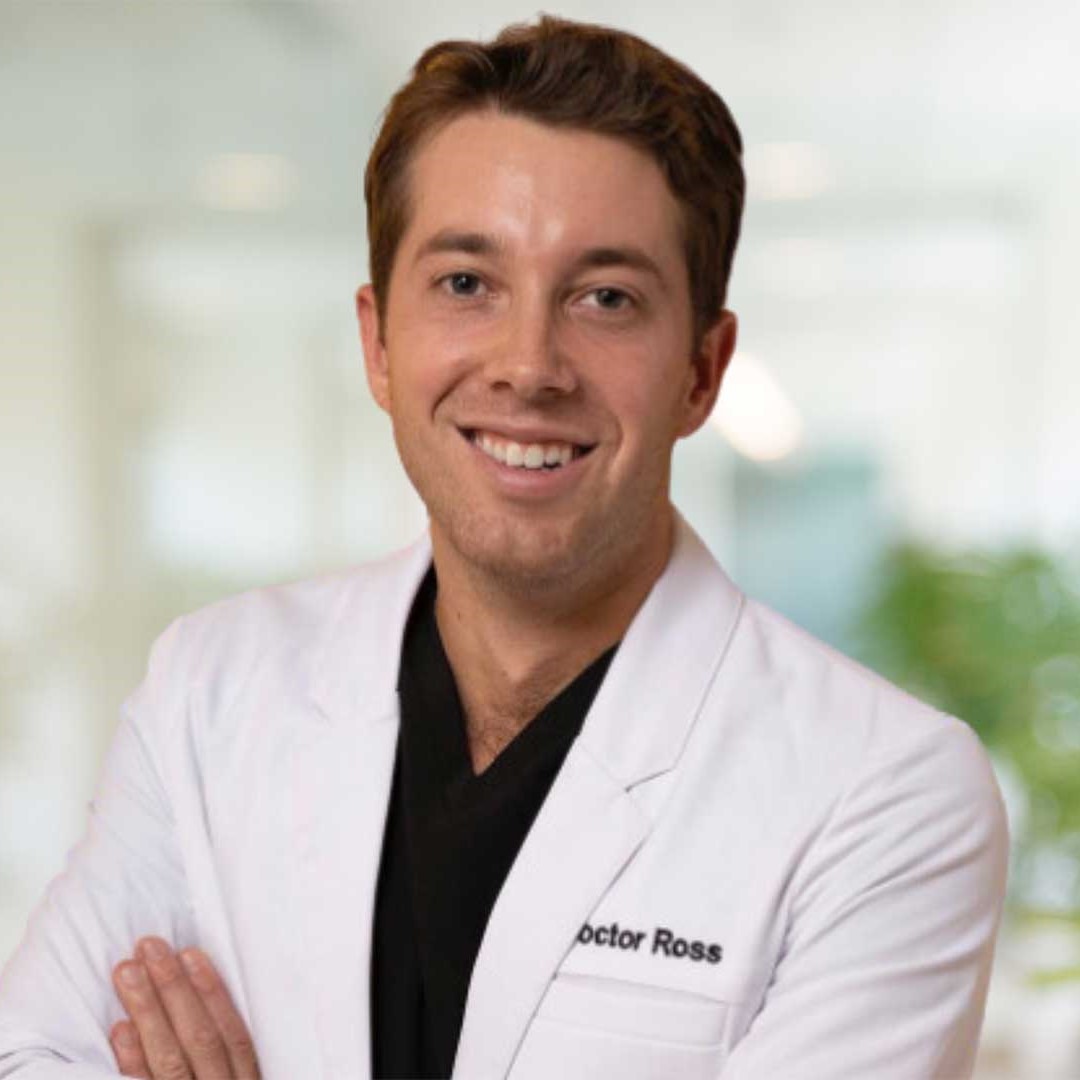
Dr. Ross Kopelman is a hair restoration surgeon focused on the medical and surgical treatment of hair loss, with expertise in advanced FUE hair transplantation, natural hairline design, and regenerative therapies that support healthier hair growth. He is known for combining surgical precision with an artistic approach to deliver natural, undetectable results tailored to each patient. Dr. Kopelman sees patients in New York City and Palm Beach, Florida, and also offers virtual consultations for patients across the United States and internationally.
Follow the specialist:

Ready to Restore Your Hair?

Dr. Ross Kopelman offers personalized consultations for hair transplants and hair restoration in New York, New Jersey, and Palm Beach.

In this Article

Before & After results

Kopelman Hair Restoration

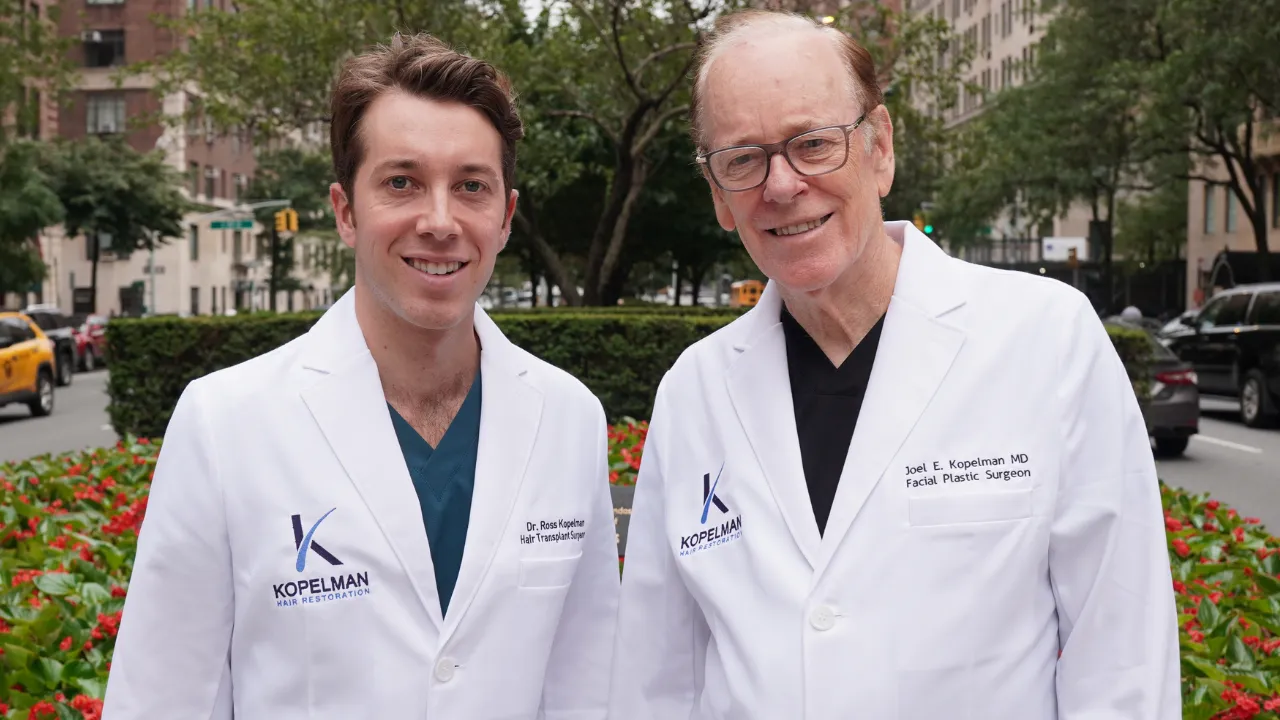
Dr. Ross Kopelman and Dr. Joel Kopelman treat patients for hair loss and focus on delivering natural hair transplants at their New York City, New Jersey, and Palm Beach Florida offices. With over 40 years of combined experience, they are leaders in advanced FUE hair transplantation and hair restoration.
40+

Years Combined Experience

1K+

Procedures Performed

5.0★

Patient Rating

3

Locations

Stay in the loop

Get the latest on hair restoration and hair transplant tips from Dr. Kopelman

Dr. Ross Kopelman

Dr. Ross Kopelman is a hair restoration surgeon specializing in advanced FUE hair transplantation, natural hairline design, and regenerative therapies. He sees patients in New York City, New Jersey, and Palm Beach, and offers virtual consultations nationwide.