
Aloe Vera Gel for Hair Transplant

I hope you’re enjoying reading this blog post if you want a consultation with Dr. Kopelman, click here.

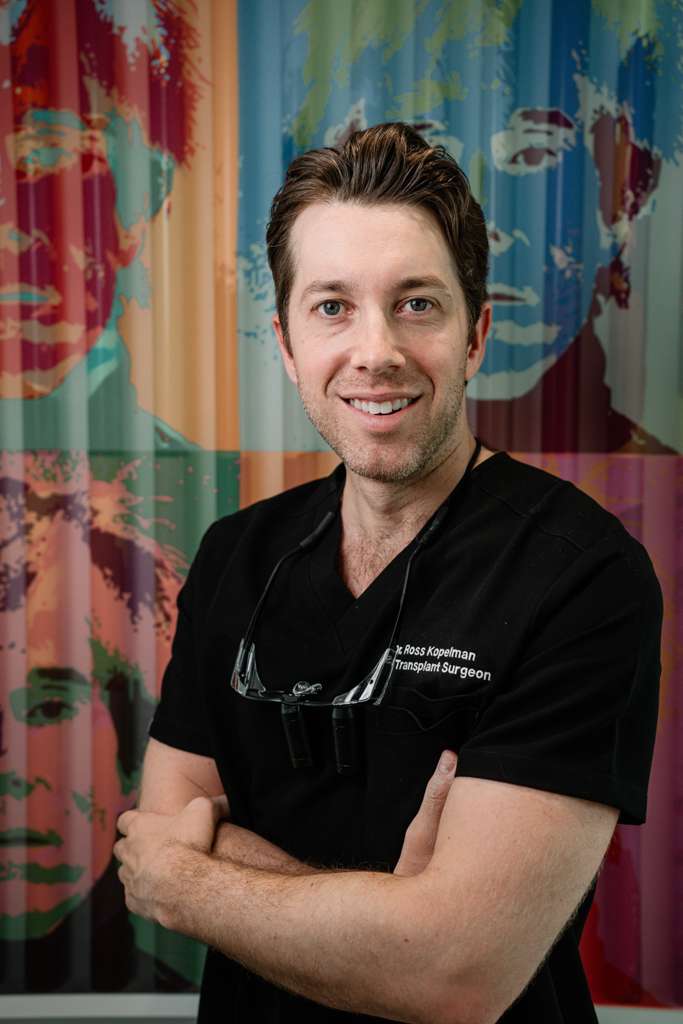
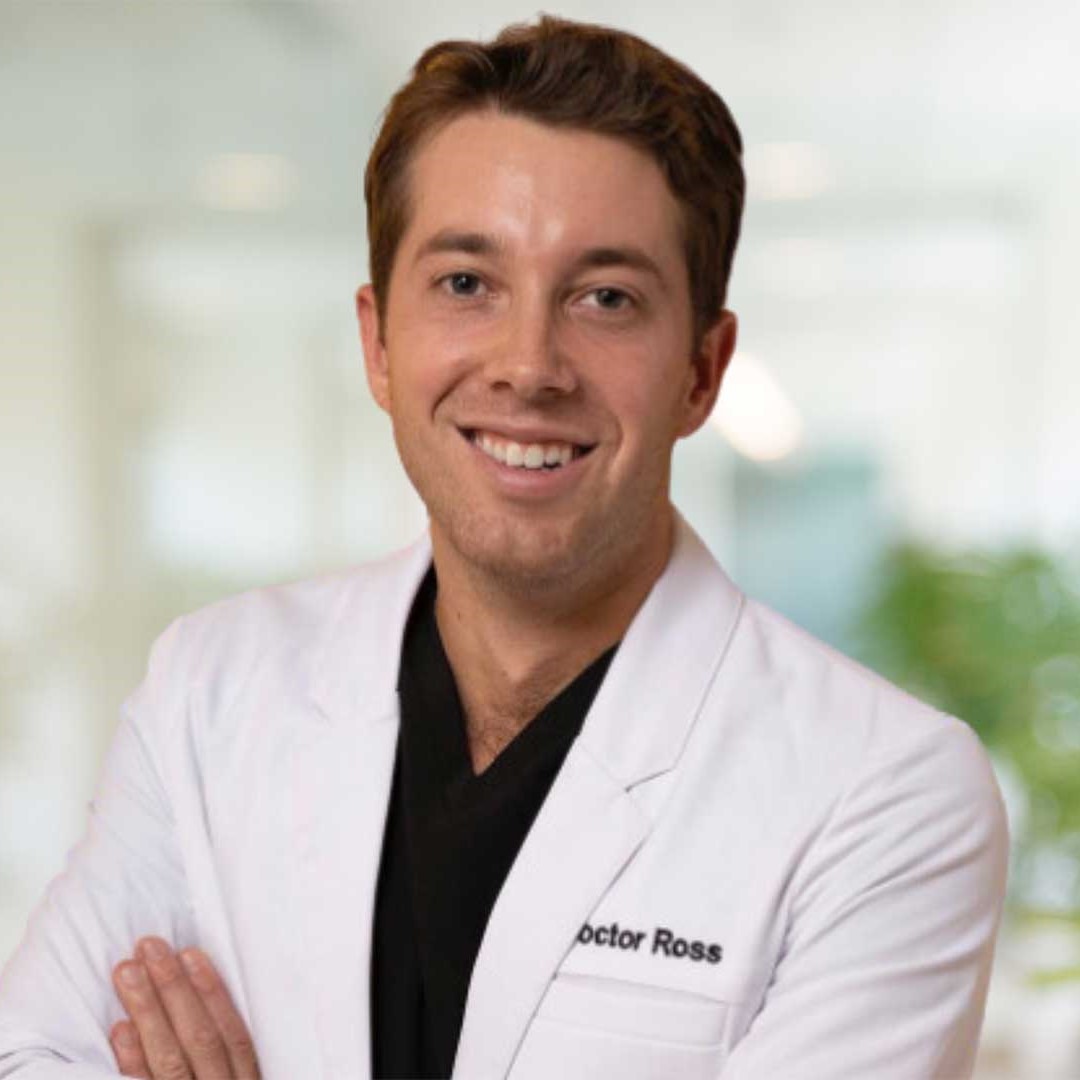
Dr. Ross Kopelman

July 2, 2025  ⁃  12 Min read

Using aloe vera gel after hair transplant surgery is generally safe once the initial healing window closes, but the timing may vary across your scalp. The donor region is usually cleared first, often around days 4 to 7, whereas the recipient region takes longer because newly placed grafts remain fragile.

Dr. Kopelman advises most patients to wait roughly 7 to 10 days before applying anything to the transplanted area, and to always confirm with the surgeon who performed the procedure. The gel soothes tightness, calms redness, and keeps scabs supple. It does not make grafts grow faster.

At Kopelman Hair, we understand the importance of proper post-procedure care to protect your investment and achieve the best possible results.

Dr. Kopelman emphasizes that while this succulent extract offers real benefits, it is crucial to use it correctly and safely to avoid complications.

Key Takeaways

  • Timing depends on the area treated: the donor site is typically cleared around days 4 to 7, the recipient site closer to days 7 to 10, and some surgeons prefer 14.
  • Dr. Kopelman advises choosing 100% pure, fragrance-free aloe vera gel to avoid irritation or allergic reactions in sensitive skin.
  • The plant supports scalp comfort and wound healing, but it does not directly speed regrowth or replace medical treatment for thinning.
  • Patients should fold it into a broader aftercare plan that includes gentle washing, rest, and professional follow-up.

Why Should You Use Aloe Vera After Hair Transplant?

This plant is valued for its soothing and reparative qualities. Many patients use it during recovery to reduce irritation, as it contains vitamins, enzymes, and antioxidants that calm inflamed skin. Its anti-inflammatory compounds also help manage swelling and discomfort in the days following surgery.

Used at the right moment, it can relieve redness and itching. Dr. Kopelman explains that the extract hydrates the surface layer, which is important for maintaining healthy tissue and making the overall recovery smoother.

Hair Transplant Recovery Timeline and When Topicals Are Safe

Understanding your recovery timeline helps you determine when a topical can safely be added to your routine. The two surgical sites heal on different schedules, which is why a single blanket rule does not work.

Typical FUE hair transplant healing timeline:

  • Days 1 to 3: The scalp is tender, and scabbing begins. Avoid touching or applying products. Use only what your surgeon provided, usually a saline spray.
  • Days 4 to 10: Scabs harden and shed naturally. Gentle washing usually begins, as advised.
  • Weeks 2 to 4: Transplanted strands often shed. This is expected.
  • Months 1 to 3: The surface normalizes, and dormant follicles prepare to cycle.

Donor Area vs. Recipient Area: The Timing Difference That Matters

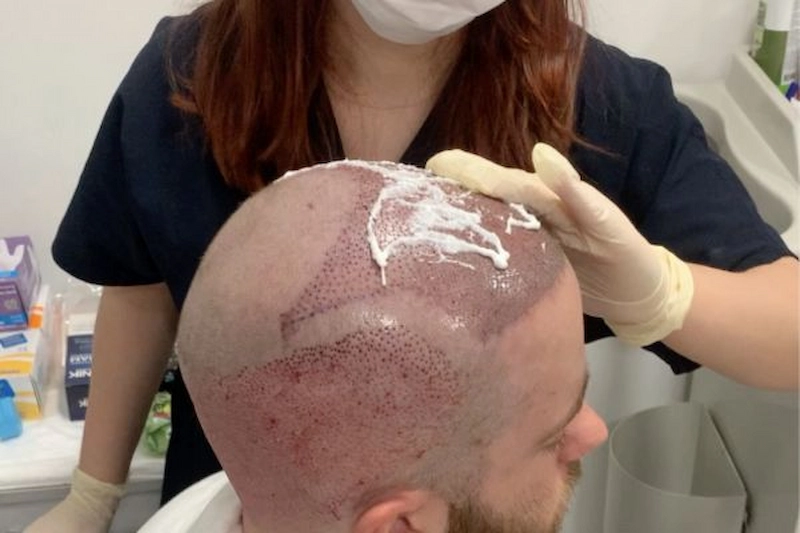
The donor region at the back and sides heals as a surface wound. Nothing is anchored there that can be dislodged, so it tolerates a topical earlier. The recipient region is different, because each graft sits in a fresh incision and needs time to secure itself before anything is spread across it.

This distinction is the single most common point of confusion among post-op patients, and applying a product to the wrong zone too early is the main avoidable mistake. The table below sets out the general windows.

Topical Timing by Surgical Site
Area Typical Clearance Window Why the Timing Differs What to Avoid
Donor area (back and sides) Around days 4 to 7 Heals as a surface wound with nothing anchored that can shift Any application while bleeding is still active
Recipient area (transplanted zone) Around days 7 to 10; some surgeons advise 14 Each graft sits in a fresh incision and must secure itself first Rubbing, massaging, or heavy layering at any point in the first two weeks
Both areas, days 1 to 3 Nothing beyond what your surgeon supplied Grafts are least stable and the surface is fully open All non-prescribed topicals, including natural ones

Your surgeon’s protocol always overrides a general timeline. Clinics differ, and the plan you were given accounts for your graft count, technique, and healing pace.

Is Aloe Vera Gel Good for Hair Regrowth?

Some people believe this plant triggers regrowth. It supports a healthy scalp environment, but there is limited proof that it accelerates growth after surgery.

Dr. Kopelman explains that the benefits are mostly indirect. Reducing inflammation and maintaining hydration creates better conditions for follicles, which is not the same as stimulating them.

Using Aloe Vera Gel for Hair Loss

Many products promote this ingredient as a remedy for hair loss. It may soothe irritation from scalp conditions, but it does not reverse pattern balding.

Dr. Kopelman advises patients not to rely on natural products alone for meaningful thinning, and recommends a professional evaluation to determine whether surgery or medical therapy is appropriate.

Benefits for Healing and Soothing

Patients reach for this gel after surgery mainly for comfort. Its compounds reduce inflammation and help the skin retain moisture, which eases the tight, drawn feeling that follows a procedure.

Reported benefits include:

  • Reducing redness and irritation
  • Cooling an overheated, sensitive surface
  • Keeping scabs soft so they shed naturally instead of being picked
  • Supporting a clean environment around new grafts

That last point matters more than it sounds. Softened scabs release on their own, and patients who resist picking protect their grafts.

Active Compounds and What the Research Actually Shows

The gel contains:

  • Acemannan: A polysaccharide associated with faster wound closure.
  • Vitamins A, C, and E: Antioxidants that protect skin cells.
  • Enzymes such as bradykinase: Help reduce swelling.

A systematic review of 23 clinical trials found that topical application improved outcomes across a range of skin wounds when used alongside standard care, according to research published in the Iranian Journal of Medical Sciences and indexed on.

The evidence is not unanimous. A Cochrane review concluded that high-quality trial evidence for acute and chronic wounds remains limited. No study has specifically measured outcomes in transplant patients, so treat this as a comfort measure with supportive evidence, not a proven graft-survival treatment.

How Do You Use Aloe Vera Gel After Hair Transplant?

Wait until scabs have formed and stabilized, and confirm with your doctor before the first application. Rushing can disturb healing in the recipient area and, in rare cases, unseat a graft.

Dr. Kopelman recommends a pure, fragrance-free formula and testing a small patch of skin first, ideally on the forearm, before anything touches your scalp.

When and How to Apply

Start with the donor region, which is usually cleared first. Move to the transplanted zone only once your surgeon confirms it is ready.

Steps for safe application:

  • Wash your hands thoroughly.
  • Apply a thin layer with your fingertips, never with a rubbing or circular motion.
  • Avoid pressure entirely. Let it dry before covering your head.
  • Wait for doctor approval before treating the recipient zone.

Followed properly, these steps support healing without putting delicate follicles at risk. If you feel the urge to scratch, a light application is a far safer response than touching the area directly.

Application on the Donor Area

The donor site often feels tight and tender for the first week or two. A light layer keeps this region moisturized and reduces the itching that peaks around days 5 to 10. Never apply if there is active bleeding.

Patients should also avoid products containing harsh detergents or strong fragrance anywhere on the scalp during early healing.

Can You Use Aloe Vera Gel After Hair Removal?

Post-shaving care and post-surgical care are not interchangeable. Products marketed for hair removal often contain fragrance, menthol, or alcohol, none of which belong near grafts.

Dr. Kopelman advises sticking to a plain formulation with a short ingredient list during recovery.

Choosing the Best Aloe Vera Gel for Scalp Recovery

Dr. Kopelman advises avoiding anything with alcohol, artificial color, or heavy fragrance. When shopping for an aloe vera gel for scalp use after surgery, the ingredient panel matters more than the marketing.

Look for:

  • 100% pure aloe vera gel, or as close to it as the label allows
  • No parabens or sulfates
  • Dermatologist tested
  • Minimal additives and a short ingredient list

Protecting new follicles and the transplanted zone is the priority. A cheaper product with a clean label beats a premium one loaded with extras.

Recommended Products for Post-Surgical Recovery

Widely available options with clean formulations include:

  • Aloe99 Soothing Gel
  • Lily of the Desert Aloe Vera Gel
  • Seven Minerals Organic Aloe Gel

Always patch test first, and skip anything with added dye or fragrance regardless of brand.

Where to Buy

Pharmacies, health stores, and online retailers all stock suitable options. Ask clinics like Kopelman Hair for trusted recommendations if you are unsure what qualifies as pure enough.

Is Aloe Vera Safe After Hair Transplant?

Used at the right time, it is generally safe. The main risk is applying it too early rather than the ingredient itself. Dr. Kopelman reminds patients that natural does not mean reaction-free.

Patients should also keep the scalp out of direct sun during early recovery, since UV exposure slows healing and can darken fresh scarring.

Possible Side Effects

Possible side effects include:

  • Mild stinging on application
  • Allergic rash or contact dermatitis
  • Overly softened scabs from excess moisture, which can prolong shedding

 Tip: Stop use and call your doctor if symptoms worsen.

When to See a Doctor

Contact your surgeon if you notice:

  • Increasing rather than decreasing pain
  • Yellow or green discharge
  • A rash that persists past 48 hours
  • Healing that appears to stall

Prompt attention protects both your grafts and your health.

Myths About Aloe Vera for Hair Transplants

Misinformation circulates widely in patient forums, where confident advice often outnumbers accurate advice.

  • Myth: It speeds up regrowth.
  • Reality: It soothes the skin. Growth timelines are governed by the follicle cycle.
  • Myth: It is safe to apply immediately after surgery.
  • Reality: Wait for your surgeon’s clearance, which differs by area.
  • Myth: Applying it to the recipient zone on day 5 or 6 ruins the grafts.
  • Reality: The gel is not caustic and a single early application is unlikely to destroy grafts, but pressure and rubbing genuinely can. The risk is in the handling, not the ingredient.
  • Myth: It cures balding on its own.
  • Reality: Genetic thinning requires medical or surgical management.

Healing and Aftercare Tips

Other measures that support recovery:

  • Sleep with your head elevated for the first several nights
  • Avoid strenuous activity and heavy sweating for at least a week
  • Keep the scalp clean using only the shampoo your clinic provided
  • Wear a loose hat for sun protection once head coverings are cleared
  • Avoid swimming, especially in saltwater or chlorine, for roughly one month

Dr. Kopelman emphasizes patience. Healing runs on its own schedule and cannot be accelerated by doing more.

Hair Surgeons’ Opinions on Aloe Vera Use

Surgeons differ. Some clear it early on the donor site; others prefer patients use nothing beyond the prescribed foam or spray for the first two weeks. Both positions are defensible, which is why your own surgeon’s instruction carries more weight than any general guide.

Dr. Kopelman considers it a useful comfort measure when used carefully and under medical guidance as part of structured post-operative care.

Aloe Vera vs. Other Aftercare Products

Patients frequently ask how this gel compares to other options they have read about. The table below summarizes the practical trade-offs.
Post-Surgical Topical Options Compared
Option Main Benefit Drawback Best Used
Pure aloe gel Cools, hydrates, and keeps scabs soft Excess moisture can slow scab shedding Donor site first, recipient site after clearance
Coconut oil Strong moisturizer Occlusive; may clog follicular openings Best delayed until after the first month
Hyaluronic acid Excellent hydration, non-occlusive Little anti-inflammatory effect When dryness is the issue but itching is not
Chamomile extract Reduces redness Higher allergy rate, especially with ragweed sensitivity Only after a patch test
Saline spray (prescribed) Keeps grafts moist with zero risk No soothing or anti-inflammatory action Days 1 to 3, exactly as directed

Not all natural products are safe after hair transplant surgery.

Patient Experiences with Aloe Vera After Hair Transplant

Some Kopelman Hair patients report that aloe vera helped reduce scalp tightness and itching.

One patient shared:

“By day 10, my scalp felt dry and itchy. Dr. Kopelman suggested trying aloe vera. After applying a thin layer, the tightness eased, and my scalp felt calmer. It made recovery much more comfortable.”

Frequently Asked Questions About Aloe Vera and Hair Transplants

Can I apply it immediately after surgery?

No. The donor site is usually cleared around days 4 to 7 and the recipient site around days 7 to 10. Confirm with your surgeon.


No. It supports scalp comfort and healing but does not shorten the growth cycle.


Look for 100% pure aloe vera gel with no fragrance, dye, or alcohol.


No. It soothes the scalp but does not treat the underlying cause of pattern loss.


No. It is a comfort measure, not a substitute for clinical care.


Follow that instruction. Some protocols intentionally restrict application to the donor site for the first two weeks.


Usually around days 4-5, but follow your doctor’s instructions.


Yes, though it should steadily improve. See your doctor if it worsens.


Most people return to light work in 5 to 7 days.

If you’re considering a hair transplant or want personalized advice on caring for your scalp, schedule a consultation with Dr. Kopelman at Kopelman Hair. We’re here to help you achieve healthy results and feel confident in your hair restoration journey.

About the doctor

Dr. Ross Kopelman

Hair Restoration Surgeon

Dr. Ross Kopelman is a hair restoration surgeon focused on the medical and surgical treatment of hair loss, with expertise in advanced FUE hair transplantation, natural hairline design, and regenerative therapies that support healthier hair growth. He is known for combining surgical precision with an artistic approach to deliver natural, undetectable results tailored to each patient. Dr. Kopelman sees patients in New York City and Palm Beach, Florida, and also offers virtual consultations for patients across the United States and internationally.
Follow the specialist:

Ready to Restore Your Hair?

Dr. Ross Kopelman offers personalized consultations for hair transplants and hair restoration in New York, New Jersey, and Palm Beach.

In this Article

Before & After results

Kopelman Hair Restoration

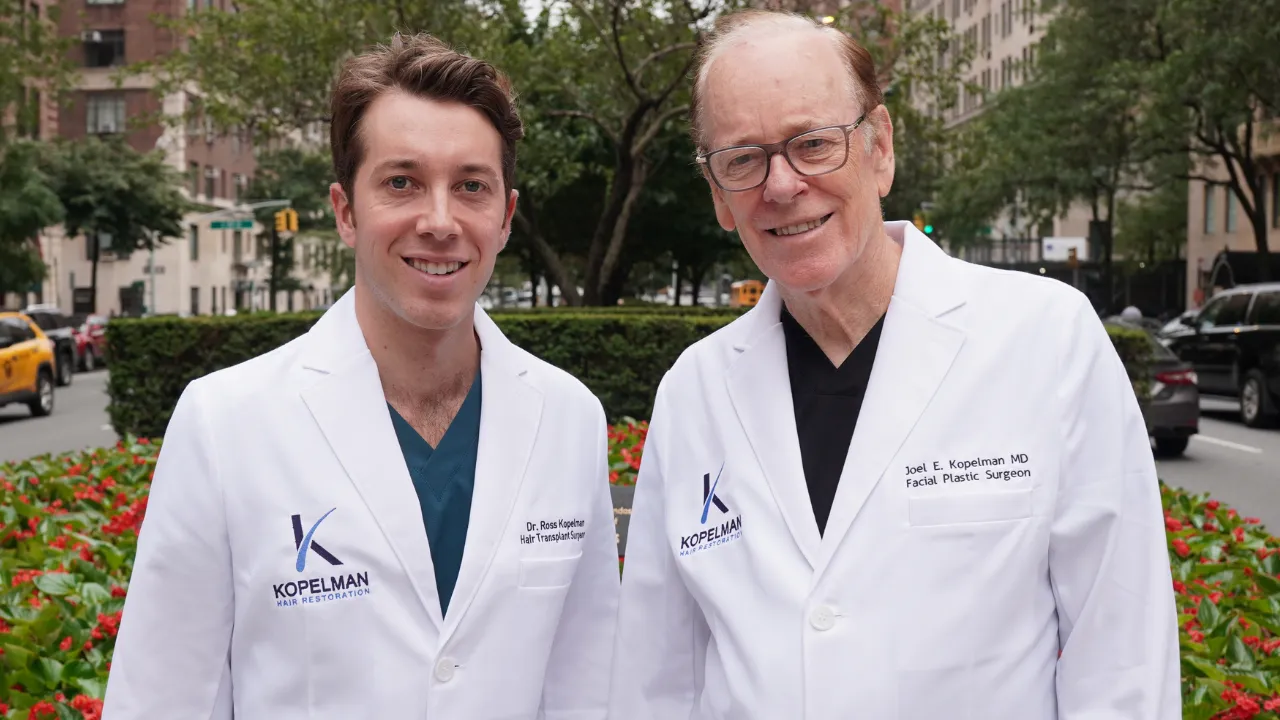
Dr. Ross Kopelman and Dr. Joel Kopelman treat patients for hair loss and focus on delivering natural hair transplants at their New York City, New Jersey, and Palm Beach Florida offices. With over 40 years of combined experience, they are leaders in advanced FUE hair transplantation and hair restoration.
40+

Years Combined Experience

1K+

Procedures Performed

5.0★

Patient Rating

3

Locations

Stay in the loop

Get the latest on hair restoration and hair transplant tips from Dr. Kopelman

Dr. Ross Kopelman

Dr. Ross Kopelman is a hair restoration surgeon specializing in advanced FUE hair transplantation, natural hairline design, and regenerative therapies. He sees patients in New York City, New Jersey, and Palm Beach, and offers virtual consultations nationwide.