
At Kopelman Hair, we offer personalized care for individuals dealing with inflammation-induced shedding, backed by over 40 years of expertise.
This guide explains how scalp irritation leads to thinning, how it affects follicles, and the most effective treatment options available today.
Key Takeaways:
- Chronic scalp inflammation can disrupt the growth cycle, leading to thinning and shedding.
- Early detection is vital for preventing permanent damage and scarring of the follicles.
- Effective care combines medical treatment with lifestyle changes such as diet, stress management, and topical therapy.
- Consult a specialist like Dr. Kopelman to build a personalized inflammatory hair loss treatment plan.
Does Inflammation Cause Hair Loss?
The link is stronger than many people realize. When the immune system stays activated in the scalp, it can interrupt the natural growth cycle and push more strands into shedding. Peer-reviewed research has found perifollicular irritation in approximately 71% of biopsy samples from patients with male- and female-pattern balding, indicating a real relationship between immune activity and thinning. PMC.
When this reaction settles around the follicle, it can weaken the structures responsible for producing new strands. Over time, sustained irritation may accelerate pattern balding or worsen other forms of shedding.
The Role of Inflammation in Hair Follicle Damage
Understanding the role of inflammation in hair loss begins at the follicle level. Inflammatory chemicals, including cytokines released by immune cells, can damage and shrink follicles, making them less efficient at producing healthy strands.
If the irritation persists, it can progress to scarring alopecia, a condition in which destroyed follicles are replaced by scar tissue, preventing hair from regrowing. Learn more about it.
Autoimmune Diseases and Their Role in Shedding
Certain autoimmune conditions, such as alopecia areata, trigger scalp irritation that leads to shedding. The immune system mistakenly attacks the follicles, causing them to become inflamed and weakened.
Lupus and lichen planopilaris can do the same, and once scarring develops, the resulting loss in that area may become permanent.
What Recent Research Shows
Studies continue to reinforce that immune activity disrupts the growth cycle. A peer-reviewed analysis in the Journal of Inflammation Research reported differential expression of inflammatory genes, including CASP7 and TNF, in scalp tissue affected by pattern balding, supporting irritation as an early feature of the condition.
Inflammatory Hair Loss Symptoms: How to Recognize It
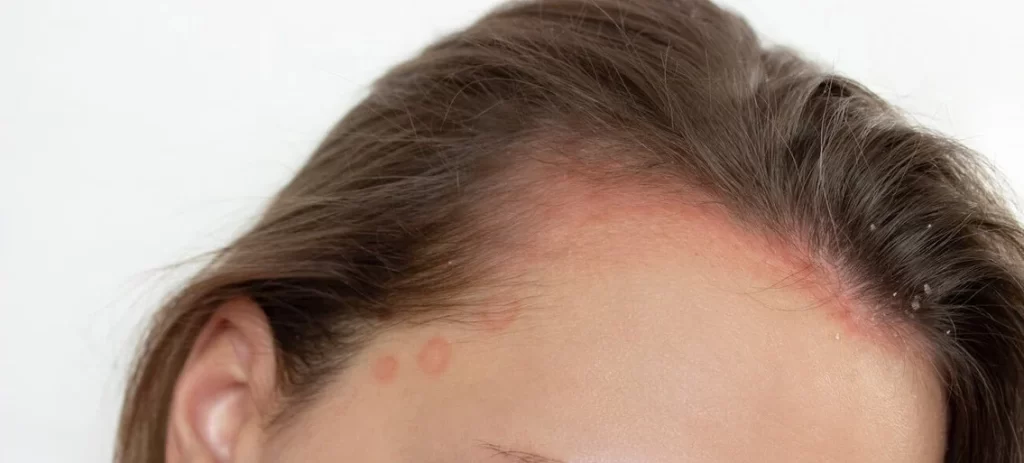
Recognizing the signs of inflammatory hair loss early makes treatment far more effective. Common symptoms include gradual thinning, increased shedding, and noticeable bald patches. Scalp discomfort, redness, or swelling often accompany these changes. Left untreated, ongoing irritation can contribute to scarring and permanent loss.
Early Signs of Inflammation-Induced Hair Loss
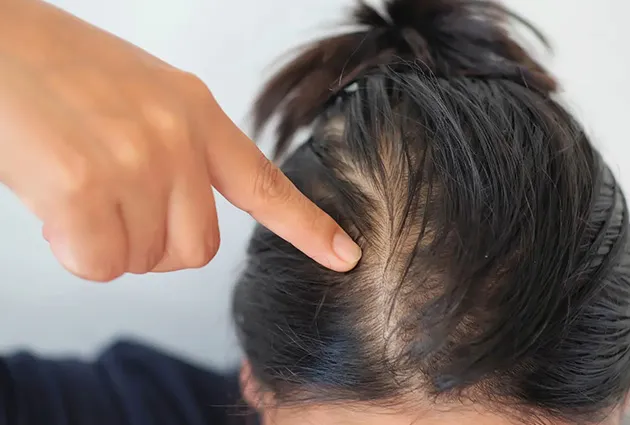
Thinning at the crown or temples, along with a noticeable drop in density, is often an early clue. Prompt care is important to keep the problem from becoming permanent.
How Inflammatory Scalp Conditions Compare
Not every inflammatory condition behaves the same way. The comparison below shows how the most common types differ in their triggers, whether they tend to reverse, and how they are usually treated. (See the labeled table for this section below.)
Effective Treatments for Inflammation-Related Hair Loss
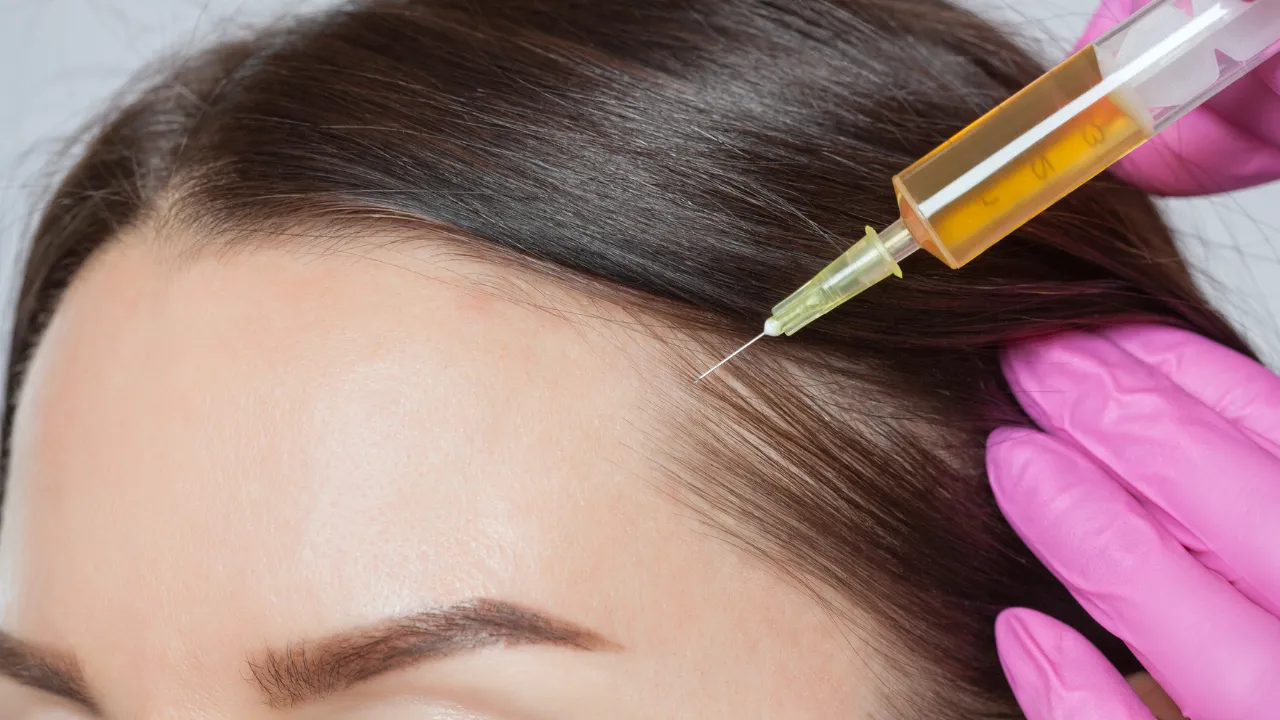
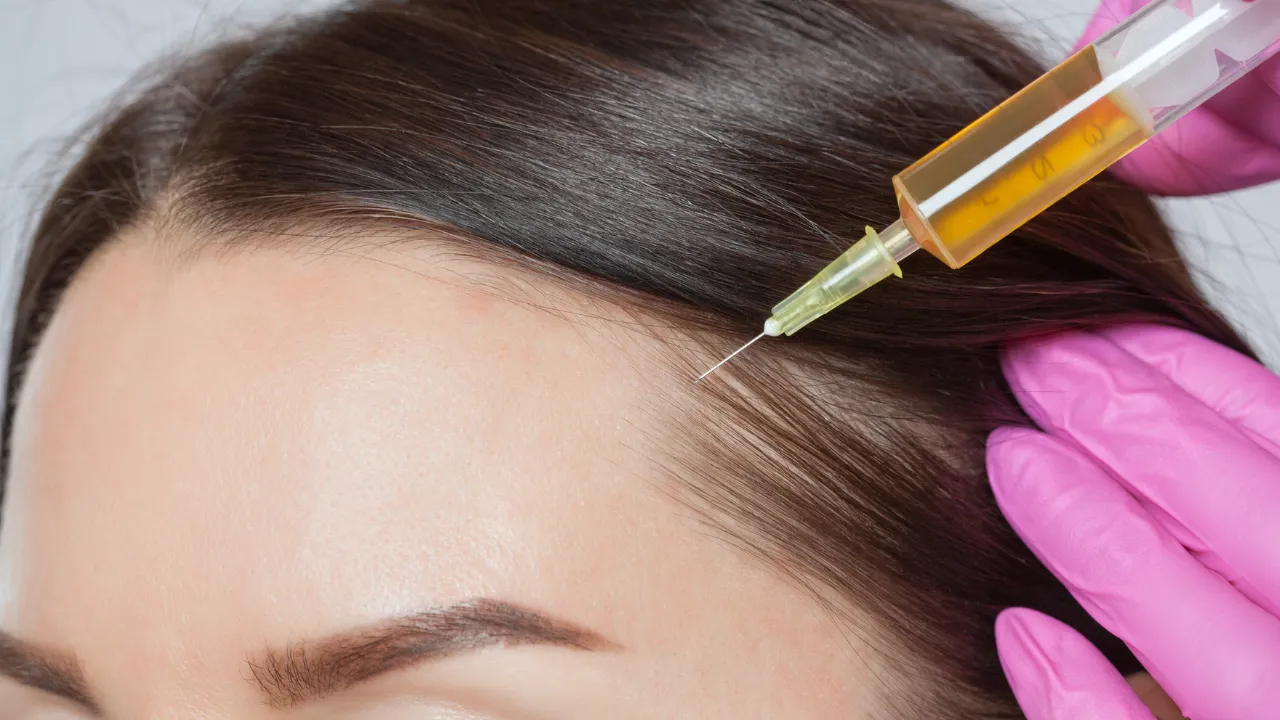
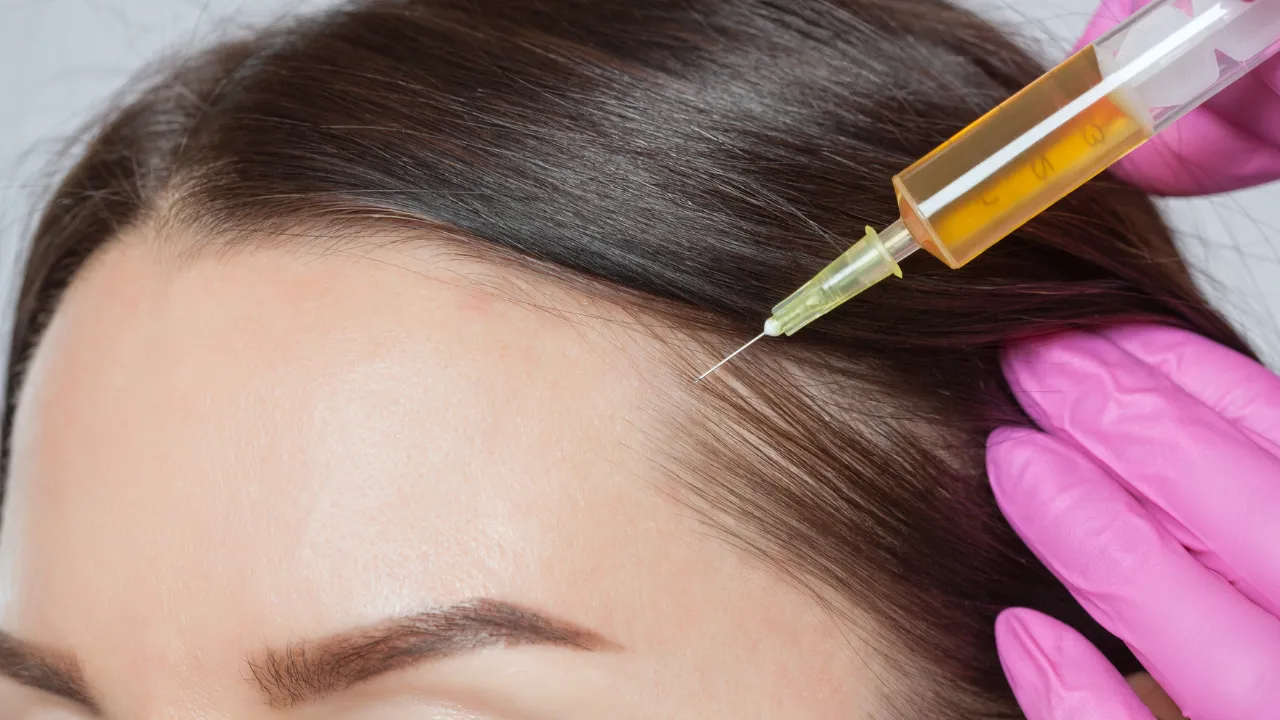
Treatment options include anti-inflammatory medications, topical steroids, and PRP (platelet-rich plasma) therapy, which help reduce scalp inflammation and promote hair regrowth. In some cases, medications like minoxidil are also used to treat hair thinning and stimulate growth.
Topical Solutions and Anti-Inflammatory Diets
Topical treatments such as corticosteroids or minoxidil are recommended to combat scalp inflammation and encourage hair regrowth. Pairing these with an anti-inflammatory diet rich in omega-3 fatty acids, antioxidants, and vitamins can support hair health and reduce inflammation.
Is Inflammatory Hair Shedding Reversible?
If addressed early, inflammatory hair Shedding is often reversible. Effective treatments can restore hair growth, especially when inflammation is controlled before causing irreversible damage.
Managing Chronic Inflammation for Hair Regrowth
Chronic inflammation requires ongoing management. Regular use of anti-inflammatory treatments, combined with a balanced diet and stress reduction, can help promote long-term hair regrowth and prevent further hair loss.
The Role of Diet in Inflammation and Hair Loss
Diet plays a crucial role in managing inflammation, which can directly impact hair growth. Foods high in antioxidants, omega-3 fatty acids, and vitamins can reduce inflammation and promote a healthy scalp.
- Anti-Inflammatory Foods: Omega-3-rich foods like salmon, flaxseeds, and walnuts help reduce inflammation.
- Vitamins and Minerals: Vitamins A, C, and E support hair health by reducing oxidative stress.
- Foods to Avoid: Consuming processed foods, sugar, and trans fats can contribute to inflammation, which in turn worsens hair thickness.
The Link Between Stress and Inflammation-Induced Hair Loss
Stress is a major contributor to inflammation and hair shedding. Stress triggers the release of cortisol, which increases inflammation in the scalp, leading to hair thinning and shedding.
- How Stress Affects Hair: Chronic stress can lead to a condition called telogen effluvium, where hair follicles prematurely enter the shedding phase. Inflammation from stress can also contribute to hair loss in women.
- Managing Stress: Practices like yoga, meditation, and regular exercise help reduce stress and its inflammatory effects on hair health.
Preventative Measures for Inflammation and Hair Loss
Preventing inflammation-related hair thinning is just as important as treating it. Here are practical steps to reduce inflammation and promote hair health:
- Scalp Care Routine: Keep your scalp clean with gentle shampoos and moisturizing treatments.
- Avoid Irritants: Minimize exposure to harsh chemicals in hair products that can aggravate inflammation.
- Maintain a Healthy Weight: Obesity increases inflammation. Maintaining a healthy weight through regular exercise and a balanced diet helps reduce inflammation.
- Regular Check-Ups: Routine scalp checks allow early detection and intervention before problems escalate.
The Impact of Hormones on Inflammation and Hair Loss
Hormonal changes, especially those related to thyroid dysfunction, pregnancy, and menopause, can contribute to scalp inflammation and hair loss.
- Thyroid and Hair Loss: Hypothyroidism and hyperthyroidism can cause scalp inflammation, leading to hair thinning.
- Hormonal Fluctuations: Changes in hormones during pregnancy and menopause can increase inflammation, which can lead to hair shedding.
When to Seek Professional Help for Hair Loss
If you experience persistent hair thinning or scalp discomfort, it’s time to consult a specialist. Dr. Kopelman can help identify the cause of your hair thinning and recommend the most effective treatment options.
Consulting Specialists for Inflammation-Induced Hair Loss
A specialist can determine whether inflammation is causing your hair loss. They may recommend treatments such as PRP therapy or corticosteroid injections to reduce inflammation and promote hair growth.
Which Autoimmune Diseases Are Linked to Hair Loss?
Autoimmune diseases like alopecia areata and lupus cause scalp inflammation and hair loss. Early intervention is crucial to address both inflammation and the underlying disease.
By following this comprehensive approach to inflammation and hair shedding, you can take the necessary steps to address the issue. At Kopelman Hair, we provide personalized care to help you restore your hair and improve your scalp health.
If you’re experiencing symptoms of inflammation-related hair loss, contact us for a consultation and let Dr. Kopelman guide you through effective treatments.
| Condition | Common trigger | Typical reversibility | First-line approach |
|---|---|---|---|
| Alopecia areata | Autoimmune activity targeting the follicles | Often reversible, though it can recur | Corticosteroids, immunomodulators, and JAK inhibitors for severe cases |
| Telogen effluvium | Stress, illness, or hormonal shifts | Usually resolves in three to six months once the trigger is corrected | Address the trigger, supportive care, sometimes minoxidil |
| Pattern balding with inflammation | Genetics combined with perifollicular irritation | Manageable but not curable | Minoxidil, finasteride, and anti-inflammatory scalp care |
| Scarring (cicatricial) alopecia | Chronic irritation that destroys the follicle | Permanent once scarring forms | Early anti-inflammatory treatment to halt progression |
Effective Treatments for Inflammatory Hair Loss
Inflammatory hair loss treatment focuses on calming the immune response and protecting the follicle. Options include anti-inflammatory medications, topical or intralesional corticosteroids, and PRP (platelet-rich plasma) therapy, which supports a healthier scalp environment.
Minoxidil is often added to stimulate growth, and finasteride may be used when pattern balding is also present; these two remain the only treatments FDA-approved for pattern balding. Journal of Inflammation Research. For autoimmune forms, dermatologists may prescribe immunomodulators, and for severe alopecia areata, newer oral medications known as JAK inhibitors have become available.
Topical Solutions and Anti-Inflammatory Diet
Topical corticosteroids or minoxidil are commonly recommended to calm scalp irritation and encourage regrowth. Pairing them with an anti-inflammatory diet rich in omega-3 fatty acids, antioxidants, and vitamins can support scalp health and reduce systemic irritation.
Is Inflammatory Hair Loss Reversible?
When addressed early, inflammatory shedding is often reversible. Treatment can restore growth, especially when irritation is controlled before it causes lasting damage to the follicles. Cases driven by stress or illness, such as telogen effluvium, frequently recover within three to six months once the trigger is corrected.
Managing Chronic Inflammation for Regrowth
Chronic irritation calls for ongoing management. Consistent use of anti-inflammatory therapies, combined with a balanced diet and stress reduction, helps support long-term regrowth and guards against further shedding.
The Role of Diet in Scalp Inflammation
What you eat plays a significant role in managing irritation, which in turn affects growth. Foods high in antioxidants, omega-3 fatty acids, and key vitamins can calm the immune response and promote a healthier scalp.
- Anti-inflammatory foods: Omega-3-rich options like salmon, flaxseeds, and walnuts help reduce irritation.
- Vitamins and minerals: Vitamins A, C, and E support scalp health by lowering oxidative stress.
- Foods to limit: Processed items, sugar, and trans fats can fuel irritation and worsen shedding.
The Link Between Stress and Inflammatory Shedding
Stress is a major contributor to scalp irritation and shedding. It triggers the release of cortisol, which raises inflammatory activity in the scalp and can lead to thinning.
- How stress affects strands: Chronic stress can cause telogen effluvium, where follicles enter the shedding phase prematurely. Stress-related irritation can also contribute to thinning in women.
- Managing stress: Practices like yoga, meditation, and regular exercise help ease stress and its inflammatory effects.
Preventing Inflammatory Hair Loss
Prevention matters as much as treatment. These practical steps help lower scalp irritation and protect growth:
- Scalp care routine: Keep the scalp clean with gentle shampoos and moisturizing treatments.
- Avoid irritants: Limit harsh chemicals in styling products that can aggravate the scalp.
- Maintain a healthy weight: Excess weight raises systemic irritation, so a balanced diet and regular exercise help.
- Regular check-ups: Routine scalp checks allow early detection of problems before they escalate.
How Hormones Influence Scalp Inflammation
Hormonal shifts, especially those tied to thyroid dysfunction, pregnancy, and menopause, can contribute to scalp irritation and shedding.
- Thyroid and shedding: Both hypothyroidism and hyperthyroidism can trigger scalp irritation and thinning.
- Hormonal fluctuations: Changes during pregnancy and menopause can heighten irritation and lead to shedding.
When to Seek Professional Help for Hair Loss
If you notice persistent thinning or ongoing scalp discomfort, it is time to consult a specialist. Dr. Kopelman can identify the underlying cause and recommend the most effective treatment options.
Consulting Specialists for Inflammatory Shedding
A specialist can determine whether irritation is behind your thinning. They may recommend PRP therapy or corticosteroid injections to calm the scalp and support regrowth.
Which Autoimmune Diseases Are Linked to Hair Loss?
Autoimmune conditions such as alopecia areata and lupus can cause scalp irritation and shedding. Early intervention is essential to address both the immune activity and the underlying disease.
By following this comprehensive approach, you can take meaningful steps to protect your scalp and strands. At Kopelman Hair, we provide personalized care to help restore growth and improve scalp health.
If you’re experiencing symptoms of inflammatory shedding, contact us for a consultation and let Dr. Kopelman guide you through effective treatments.
Frequently Asked Questions about Inflammatory Hair Loss
Can inflammation cause thinning hair?
Yes. When the immune response lingers in the scalp, it can shorten the growth phase and push more strands into shedding, producing visible thinning over time. Addressing the irritation early usually gives the best chance of recovery.
How can I treat hair loss caused by inflammation at home?
Gentle care helps. Use a mild, fragrance-free shampoo, avoid harsh styling chemicals and excess heat, and eat an anti-inflammatory diet rich in omega-3s and antioxidants. Managing stress also lowers cortisol-driven irritation. Persistent or patchy loss should be evaluated by a specialist, since some conditions need prescription treatment.
Is hair loss from inflammation permanent?
Not always. When follicles are still intact, as in telogen effluvium, regrowth is common once the trigger is resolved, often within several months