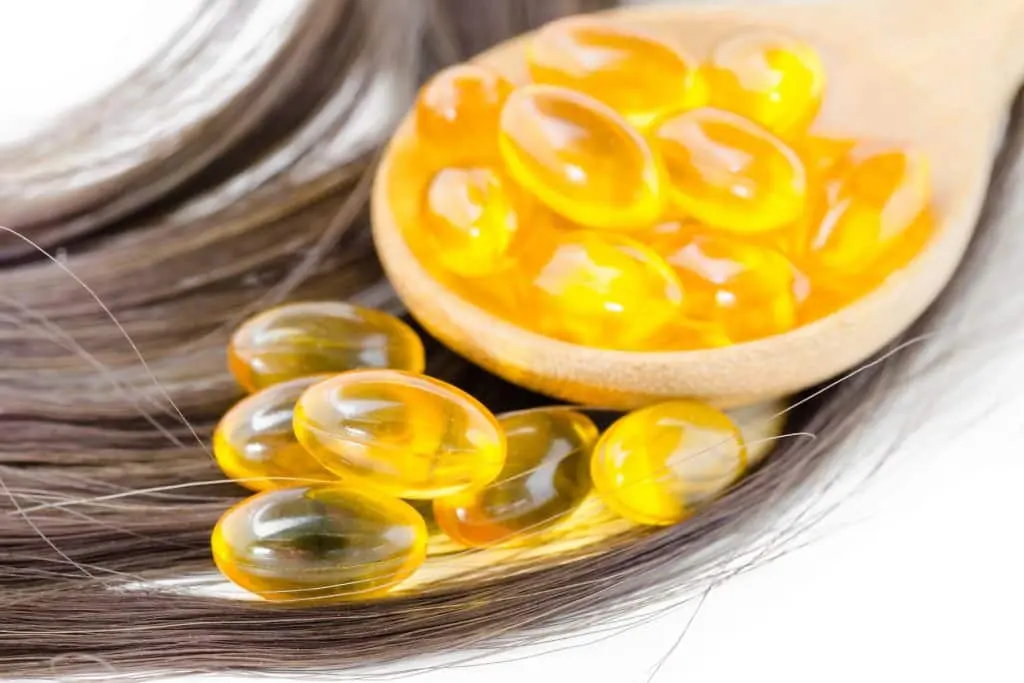
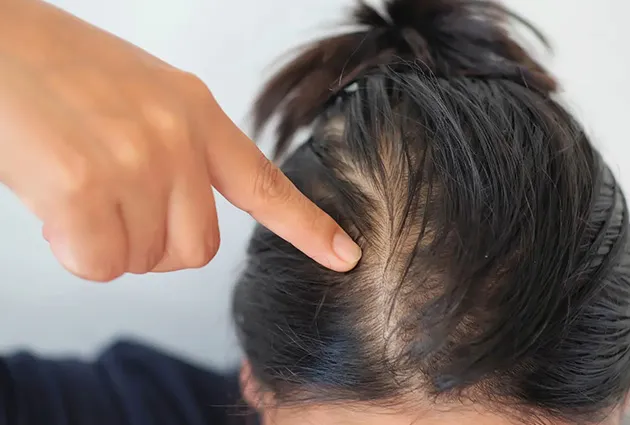
Yes, multivitamins can contribute to shedding when they contain excessive amounts of certain nutrients that build up to toxic levels. The concern behind “can multivitamins cause hair loss?” mostly points to over-supplementation of Vitamin A, Vitamin E, Selenium, or Vitamin D, which can disrupt the growth cycle and trigger strand breakage or sudden shedding. While these nutrients are essential in proper amounts, too much can have the opposite effect on scalp and follicle health.
This type of shedding is often reversible once intake is adjusted to safe levels. Multivitamins are most beneficial when used to correct true deficiencies, not to exceed recommended limits. Monitoring dosage and choosing balanced formulations helps support healthy regrowth without unintended side effects.
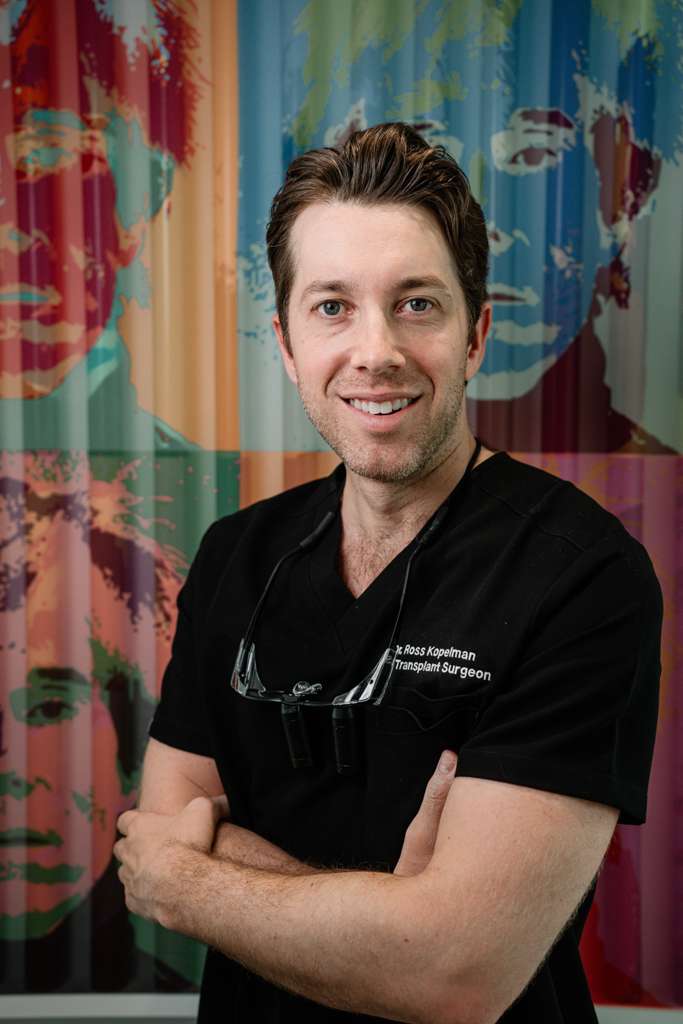
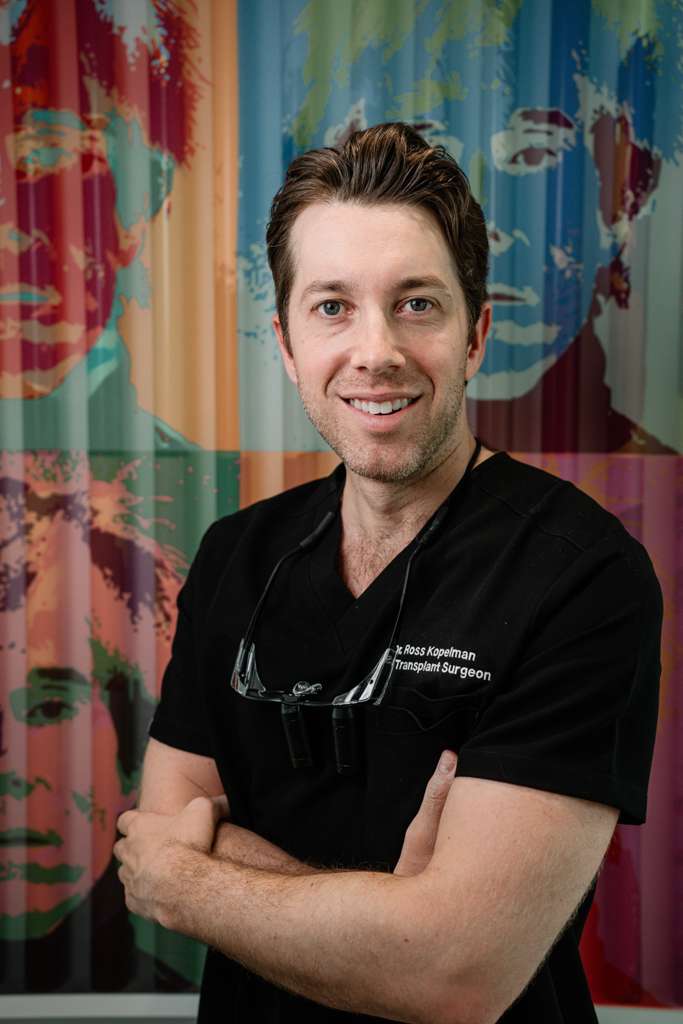
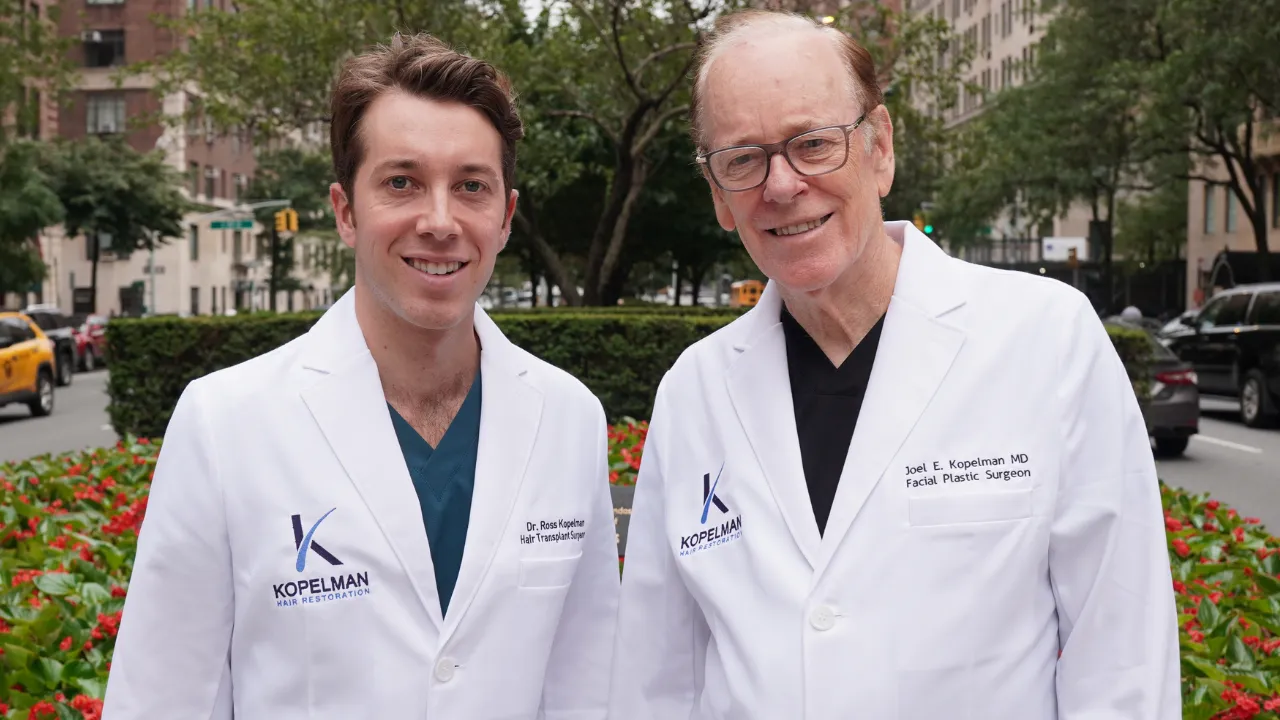
Dr. Kopelman and his team stress the need for proper testing before blaming a supplement for thinning strands, including cases caused by excessive intake or an underlying nutrient gap.
Key Takeaways
Both vitamin lack and excess can lead to hair loss.
Blood work and medical guidance help protect follicle function and track ferritin levels.
Kopelman Hair and Dr. Kopelman offer expert evaluations to identify the underlying cause of hair thinning and provide safe treatment plans.
Evidence and Expert Perspective
Studies from the National Institutes of Health link high amounts of Vitamin A, selenium, and iron to temporary shedding.
Harvard Medical School also reports that correcting low iron or Vitamin D levels can restore healthy growth.
Many patients improve after careful testing and a structured plan to correct their nutrient status, including regular ferritin checks when stored iron is suspected as the cause.
The team at Kopelman Hair reviews supplement use, orders lab tests, and creates a plan based on measured results. This blend of science and clinical care provides patients with safe and reliable guidance.
Balanced information is important. While too many vitamins can trigger shedding, correcting a real deficiency with a proper multivitamin can improve density and support overall scalp health.
How Multivitamins Affect Hair
Multivitamins have many vitamins and minerals that the body needs each day. These nutrients play a role in the hair cycle and help follicles stay in the growth phase. Trouble begins when certain vitamins are taken in amounts exceeding the daily limit.
Too much vitamin A, selenium, iron, or vitamin E can cause telogen effluvium – a short-term shedding problem. Hair follicles then shift too soon from growth to rest. Multivitamins are usually safe when used as directed, but high doses can raise the risk of hair loss.
Can Multivitamins Cause Hair Loss?
Multivitamin tablets can cause shedding if they contain high amounts of certain nutrients. Vitamin A is a known cause of hair loss when taken in large doses. Too much selenium or iron can also create problems. Always read labels and check daily limits to avoid accidental overdose.
Can Vitamins Cause Hair Loss When Taken Individually?
Single vitamins can also cause shedding when taken in high doses. Large amounts of Vitamin E may affect blood clotting and scalp condition. Zinc is essential for strong strands, but too much can lead to breakage. This is why moderation and medical advice are important when taking single-nutrient supplements.
Recommended Intakes and Upper Limits
Safe intake prevents nutrient overload. Here are daily needs (RDA) and safe upper limits (UL) for key vitamins and minerals linked to hair loss:
Nutrient
RDA (Women)
RDA (Men)
Upper Limit (UL)
Vitamin A
700 mcg
900 mcg
3,000 mcg
Iron
18 mg
8 mg
45 mg
Selenium
55 mcg
55 mcg
400 mcg
Zinc
8 mg
11 mg
40 mg
Vitamin E
15 mg
15 mg
1,000 mg
These amounts include food and supplements. Going over the upper limit can increase hair shedding and other side effects.
Vitamin Deficiency and Hair Loss
Too much is harmful, but nutritional deficiencies can also cause hair thinning. Knowing which vitamin deficiency causes hair loss helps find the true reason. A lack of nutrients weakens hair and disrupts normal growth.
Which Vitamin Deficiencies Cause Hair Loss?
Deficiencies linked to hair loss include:
Iron
Iron carries oxygen to follicles, and low ferritin (stored iron) is one of the most common drivers of chronic shedding. Iron deficiency anemia reduces red blood cell production, limiting oxygen delivery to the scalp.
Signs of deficiency: thinning at the part line, excessive shedding, dry or brittle strands, fatigue.
Most at risk: menstruating women, pregnant patients, vegans, vegetarians, and endurance athletes.
Top food sources: lean red meat, chicken, turkey, spinach, kale, lentils, chickpeas, fortified cereals. Pairing iron-rich foods with a source of Vitamin C, such as citrus juice or bell peppers, significantly improves absorption.
Vitamin D
Vitamin D supports follicle cycling and a healthy immune response. Low levels are commonly seen in patients with alopecia areata and other forms of thinning.
Signs of deficiency: increased shedding, scalp sensitivity, bone aches, low mood.
Most at risk: people who spend most of their time indoors, those in northern latitudes, individuals with darker skin tones, and older adults.
Top food sources: fatty fish such as salmon, mackerel, and sardines; egg yolks; fortified milk or plant-based alternatives; moderate sun exposure.
Zinc
Zinc supports protein synthesis and the oil glands around each follicle. A shortfall leads to breakage, shedding, and a flaky scalp.
Signs of deficiency: brittle strands, scalp irritation or dandruff, and slow wound healing.
Most at risk: pregnant and breastfeeding women, older adults, vegetarians, and people on certain long-term medications.
Top food sources: oysters, beef, pumpkin seeds, cashews, chickpeas.
Biotin (Vitamin B7)
Biotin helps build keratin, the protein that gives strands their structure. True biotin deficiency is rare, and supplementation only helps when a real shortfall is confirmed.
Signs of deficiency: thinning patches, brittle strands, and skin rashes.
Most at risk: patients on long-term antibiotics, those with Crohn’s disease, and people who eat raw egg whites regularly.
Important safety note: High-dose biotin supplements can interfere with common lab tests, including thyroid panels and several hormone assays, producing falsely high or low results. Always tell your doctor about any biotin product you are taking before bloodwork.
Vitamin B12
B12 supports red blood cell production and oxygen delivery to the scalp. Low B12 can mimic other causes of thinning and is easily missed without testing.
Signs of deficiency: thinning, slower growth, dry scalp, fatigue, tingling in the hands or feet.
Most at risk: older adults, vegans, vegetarians, patients with gastrointestinal conditions such as celiac or Crohn’s.
Top food sources: beef and liver, dairy, eggs, fortified cereals, salmon, and tuna.
Blood work confirms these shortfalls and guides treatment to support healthy regrowth.
Deficiency vs Excess
Both lack and excess can damage hair. Too little iron makes hair brittle, while too much iron causes oxidative stress in the scalp. The same is true for zinc, selenium, and vitamin A. Balanced levels support hair health.
Strength of Scientific Evidence
Not all nutrients have the same research support.
Strong evidence: Iron and vitamin D deficiency are often tied to telogen effluvium and pattern hair loss.
Moderate evidence: Vitamin A toxicity and selenium excess are linked to shedding in several reports.
Limited evidence: Biotin supplementation helps only when there is a true lack and shows little effect in healthy people.
Knowing the strength of each finding helps readers see which factors are well proven.
Hair Growth and Recovery
Multivitamins can help hair grow when they fix a deficiency, but they are not a cure for every type of loss. Results depend on the cause and on overall health.
Can Multivitamins Cause Hair Growth?
If a deficiency is present, a balanced multivitamin can support regrowth. For example, restoring low ferritin with targeted iron supplementation, or correcting a Vitamin D shortfall, can help follicles recover and re-enter the growth phase.
Visible changes typically take three to six months. Growth takes time, and visible changes may take months.
Is Hair Loss from Vitamins Reversible?
Hair loss from excess vitamins is often reversible when intake is reduced. After correcting the imbalance, new growth often starts within three to six months. A doctor can guide safe dose changes and track recovery.
Can Stopping a Multivitamin Cause Hair Loss?
Stopping a multivitamin rarely causes hair loss. Temporary shedding can happen if stopping leads to a sudden deficiency, but this is rare when the diet stays balanced.
Best Vitamins for Hair Growth
Vitamins that support hair include biotin, vitamin D, iron, zinc, and B12. These should be taken only when a test confirms a deficiency. Food remains the best source for most people.
Research Highlights Table
This table shows key nutrients, their role, and related risks
Vitamin/Mineral
Role in Hair Health
Risk if Low
Risk if High
Iron
Oxygen delivery to follicles
Shedding, brittle hair, iron deficiency anemia
Oxidative stress, hair loss
Vitamin D
Follicle cycling, supports the immune system
Thinning, delayed regrowth
Rare toxicity, calcium imbalance
Vitamin A
Sebum production
Dry scalp, weak hair
Hair shedding, liver stress
Selenium
Antioxidant protection
Fragile hair
Telogen effluvium, nail changes
Zinc
Protein synthesis
Breakage, thinning, zinc deficiency
Copper deficiency, shedding
Hair regrowth after fixing deficiencies usually starts within three to six months, but results vary by health and cause.
Safe Supplement Use
To protect hair and overall health, follow safe supplement habits.
Safe Dosage, Testing, and Overdose Signs
Check product labels for dosage.
Compare daily intake with safe limits.
Watch for overdose signs like nausea, fatigue, or sudden shedding.
Regular blood work helps track nutrient status and ferritin levels to prevent problems.
Multivitamins vs Individual Supplements
Multivitamins give a broad mix of nutrients but may include higher amounts than needed. Single supplements let you target a deficiency, but can create an imbalance if taken without guidance. A doctor or dietitian can help choose the best option.
Testing and Diagnosis: What to Expect
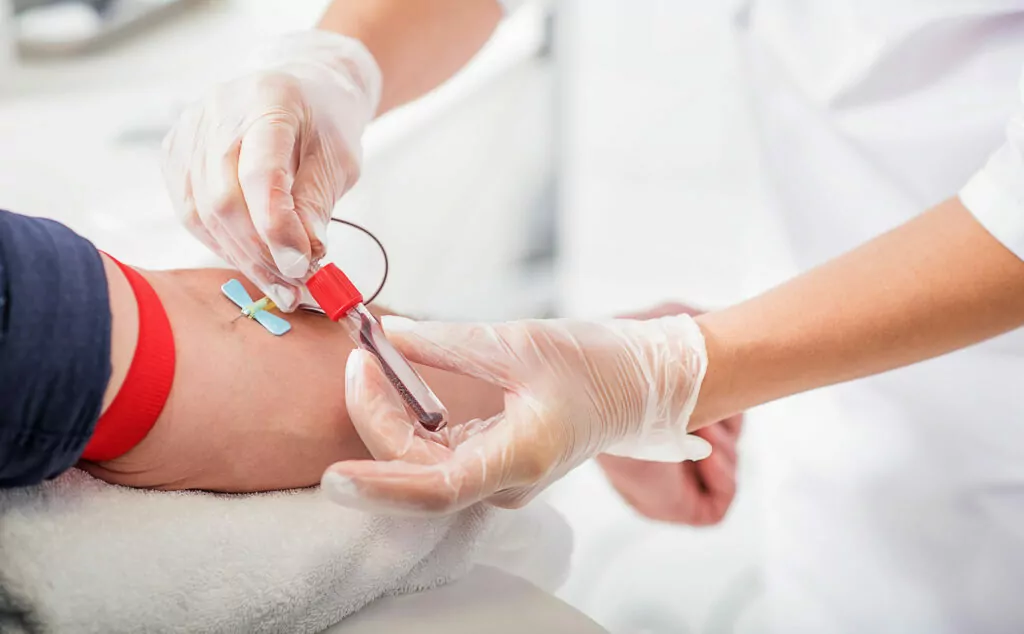
Vitamins can play a role in hair health, but confirming a deficiency usually requires medical evaluation. When needed, doctors may order tests such as ferritin, vitamin D, zinc, vitamin B12, or thyroid levels to check for underlying issues.
These tests show if there is a lack or excess before changing supplements. Checking ferritin is especially important when iron-related shedding is suspected.
A scalp check can show signs of inflammation or infection that may look like supplement-related shedding. A diet review can reveal gaps or overlaps in nutrient intake. Accurate testing prevents wrong changes and ensures treatment targets the true cause of hair loss.
Next Steps for Healthy Hair
If you think vitamins are affecting your hair, get a professional check.
When to See a Doctor and Get Tests
Seek medical help if hair shedding is ongoing or severe. Dr. Kopelman advises testing for iron, vitamin D, B vitamins, and other key nutrients before starting or stopping supplements.
Adjusting Diet and Supplements
A balanced diet with fruits, vegetables, lean proteins, and whole grains provides most nutrients needed for healthy hair growth. If supplements are needed, use them under medical supervision and follow the dose carefully.
Clinical Case Example
A 42-year-old patient presented with diffuse shedding across the crown that had progressed for five months. She had been taking a high-dose beauty supplement containing 10,000 mcg of biotin and 25,000 IU of Vitamin A daily, alongside a separate multivitamin with overlapping nutrients.
Lab work showed serum Vitamin A in the toxic range; ferritin and thyroid markers were normal. After discontinuing the stacked products and following a tailored plan, visible regrowth appeared within four months, and density continued to improve at the six-month follow-up.
If you are concerned about hair loss or want expert guidance on vitamins and supplements, schedule a consultation with Kopelman Hair.
Dr. Kopelman can review your labs, assess your ferritin levels, and develop a tailored plan to support healthy regrowth. Contact our clinic today to book your appointment and get personalized care.
Dr. Ross Kopelman is a hair restoration surgeon focused on the medical and surgical treatment of hair loss, with expertise in advanced FUE hair transplantation, natural hairline design, and regenerative therapies that support healthier hair growth. He is known for combining surgical precision with an artistic approach to deliver natural, undetectable results tailored to each patient. Dr. Kopelman sees patients in New York City and Palm Beach, Florida, and also offers virtual consultations for patients across the United States and internationally.
Dr. Ross Kopelman and Dr. Joel Kopelman treat patients for hair loss and focus on delivering natural hair transplants at their New York City, New Jersey, and Palm Beach Florida offices. With over 40 years of combined experience, they are leaders in advanced FUE hair transplantation and hair restoration.
Dr. Ross Kopelman is a hair restoration surgeon specializing in advanced FUE hair transplantation, natural hairline design, and regenerative therapies. He sees patients in New York City, New Jersey, and Palm Beach, and offers virtual consultations nationwide.