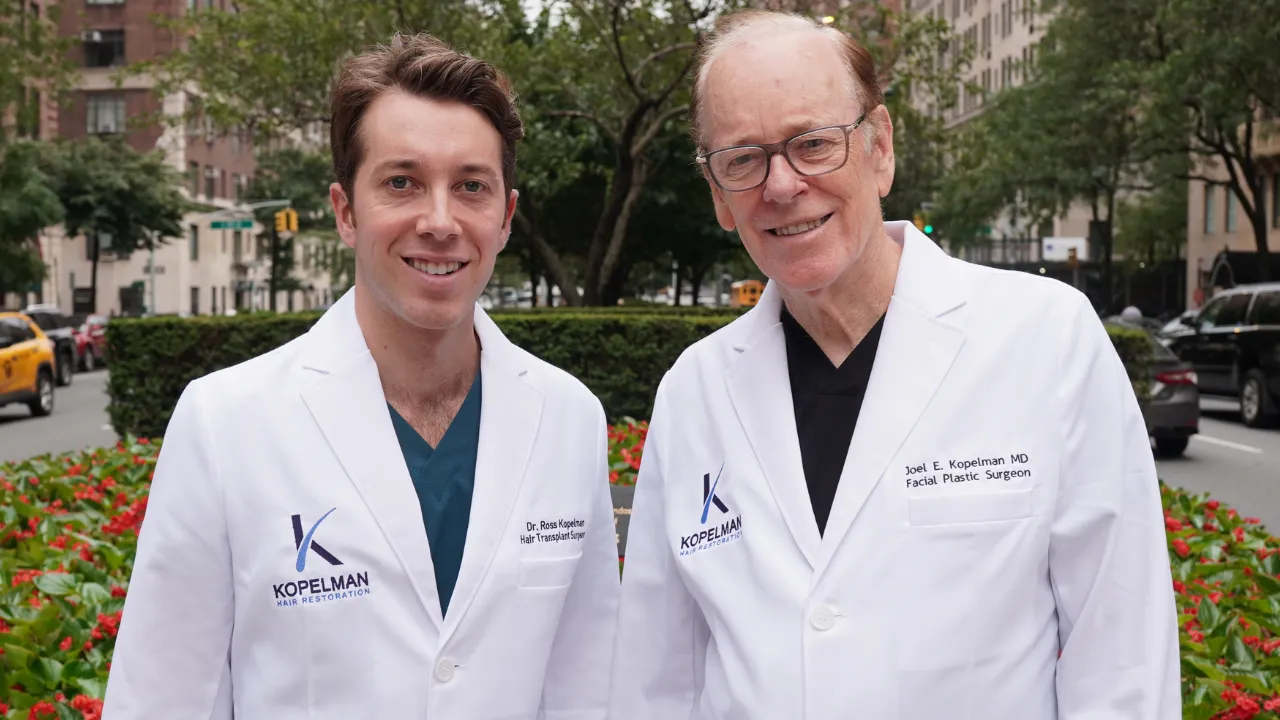


Kopelman Hair offers PRP treatments for hair loss. This guide explains when to restart supplements after treatment and what to avoid while you heal.
What You Can and Can’t Take After PRP
How Soon Can I Take Multivitamins After PRP?
After a PRP injection, it is generally safe to resume a standard multivitamin within 48 to 72 hours. That window lets initial inflammation subside before you add anything new. Your provider may adjust it based on your healing and any medications you take, so follow the aftercare protocol you were given.
Many patients ask whether 48 hours is enough. It is typically the minimum recommended time, counted from your injection.
Supplement and medication timing around PRP (general guidance; your provider’s instructions come first)
| Product | Pause before PRP | Resume after PRP | Why |
|---|---|---|---|
| Standard multivitamin (no high-dose vitamin E or herbs) | Usually none | 48 to 72 hours | Low bleeding risk; the wait lets soreness settle |
| Vitamin B complex | Usually none | 48 to 72 hours, introduced gradually | Supports energy and red blood cell function |
| Magnesium | Usually none | 2 to 3 days | Supports muscle relaxation and recovery |
| Vitamin D | Usually none | After 48 to 72 hours | Supports immune balance and tissue repair |
| Collagen | Usually none | 3 to 4 days | Supports skin and tissue repair |
| Fish oil (omega-3) | 3 to 7 days | 3 to 5 days, then only if your provider approves | May reduce platelet aggregation at high doses |
| High-dose vitamin E | 3 to 7 days | 3 to 5 days | High doses are linked to bleeding |
| Garlic capsules, ginkgo biloba, ginger capsules | 3 to 7 days | 3 to 5 days | Linked to bleeding or bruising |
| NSAIDs (ibuprofen, naproxen, full-dose aspirin) | 3 to 7 days | At least 7 days | May blunt the inflammatory signal PRP relies on |
Never stop a prescribed aspirin or blood thinner on your own; your prescriber decides.
Can I Take Multivitamins After PRP in the Morning?
Yes, taking multivitamins in the morning after the 48 to 72 hour waiting period is fine. What matters most is not the time of day, but that you avoid taking them too soon after the injection.
Spacing them away from anti-inflammatory medications and blood-thinning supplements is also important for healing.
Which Supplements Are Safe After PRP?
Most PRP supplements that support healing are safe once the first 48 to 72 hours have passed, but the timing differs by product.
- Magnesium: Can I take magnesium after PRP injection? Yes, but wait 2 to 3 days. Magnesium may help relax muscles and support cellular recovery; check with your doctor first if you have kidney problems (NIH Office of Dietary Supplements).
- Vitamin D: Can I take vitamin D after PRP? Yes, once the first 48 to 72 hours have passed. It helps regulate immune response and may assist in tissue repair.
- Collagen: How soon can you take collagen after PRP? Wait about 3 to 4 days, then introduce it gradually unless your provider advises otherwise. It is often taken to support skin and tissue repair.
- Fish oil: Can I take fish oil after PRP injection? Not right away. High doses can reduce platelet aggregation, although studies have not shown clear bleeding problems in most people (Danish Medical Journal), so we suggest a 3 to 5 day pause and resuming only with your provider’s approval.
How Nutrients Affect PRP Results
Platelets release growth factors that support healing and tissue repair. Certain nutrients may help this process, while others can interfere if taken too soon.
Key factors that influence PRP results:
- Platelet activity: NSAIDs and some supplements can change how well platelets activate; they do not lower your platelet count. Evidence on whether this changes PRP results is limited. A 2021 review found the studies were mostly lab-based, with none measuring clinical outcomes in humans, which is why protocols vary (Orthopaedic Journal of Sports Medicine, 2021). We still advise avoiding NSAIDs as a precaution.
- Cellular activity: Vitamins like B12 and magnesium support energy production, but should only be resumed after healing begins.
- Immune balance: Some immune-modulating supplements might interfere with the inflammatory response that triggers repair.
What to Avoid Before and After PRP
Supplements to Avoid Before PRP (Including Multivitamins)
Some supplements may interfere with platelet function or increase the risk of bleeding. These are commonly avoided in the 3 to 7 days before your PRP session:
- Vitamin E (high dose)
- Fish oil
- NSAIDs (ibuprofen, aspirin)
- Ginkgo biloba
- Garlic capsules
- High-dose multivitamins with blood-thinning agents
Garlic has the strongest evidence for surgical bleeding among common supplements, while ginkgo is linked to bleeding mainly alongside blood thinners (Baylor University Medical Center Proceedings, 2022). High doses of vitamin E can also raise bleeding risk (StatPearls).
If you’re wondering about supplements to avoid before a PRP injection, your provider will give you a specific list at your pre-treatment consultation. Anti-inflammatory drugs should also be avoided unless otherwise directed.
Supplements to Avoid After PRP Injection
For the first few days after PRP, skip the same blood-thinning products: high-dose vitamin E, fish oil, garlic, ginkgo, and ginger capsules. A pause of 3 to 5 days is typical. Most multivitamins are fine, but check the label for these ingredients.
NSAIDs such as ibuprofen, naproxen, and full-dose aspirin should wait at least 7 days, because they may blunt the inflammatory signal PRP relies on. Acetaminophen (Tylenol) is generally the safer pain reliever (Cureus, 2024), though you should confirm it with your doctor.
What If You Took Supplements Before PRP by Mistake?
If you took a supplement from the avoid list before PRP, tell your provider right away. They may:
- Reschedule your session to reduce the risk of bleeding or reduced platelet performance.
- Proceed with caution if the dose was low or enough time has passed.
- Modify your aftercare instructions to reduce compounding risks.
Foods to Avoid After PRP
Avoid foods that may cause inflammation or affect blood flow. These include:
- Excess sugar
- Alcohol
- Processed meats
- Fried foods
- High-sodium snacks
How long to avoid caffeine after PRP injections? Light coffee or tea is fine the day after treatment, but keep intake moderate (about one cup) for the first 48 hours. Heavy caffeine can dehydrate you, so keep drinking water, and alcohol should wait at least 72 hours.
Supporting PRP Recovery
How to Speed Up PRP Healing
To support healing and results after PRP:
- Stay hydrated
- Get 7 to 9 hours of sleep
- Eat protein-rich meals
- Avoid smoking or alcohol
- Follow all post-treatment instructions
These habits support healing and help the platelets do their work. A brief cold compress in the first few hours may reduce swelling, if your provider recommends it.
How Long Does PRP Recovery Take?
PRP injection recovery time varies, but soreness and mild swelling usually settle within two to three days. Platelets typically survive about 7 to 10 days (The Blood Project), and the aftercare windows above all fit inside the first one to two weeks. Visible hair changes take longer, typically 3 to 6 months (our PRP results overview).
During this early phase, avoid unnecessary medications or supplements.
Can Supplements Make PRP Injection Side Effects Worse?
Bruising, mild swelling, and scalp soreness are the most common PRP injection side effects, and most settle within a few days. Blood-thinning supplements and NSAIDs may make bruising more likely, so tell your provider if you took one by mistake.
Contact your provider if swelling spreads, pain gets worse instead of better, or you notice fever or drainage.
Can Vitamins Improve PRP Hair Growth Results?
Some nutrients play a role in hair health, so targeted PRP supplementation may make sense when a deficiency exists:
- Biotin: PRP with biotin is generally fine once the initial recovery window passes and your provider agrees. It helps mainly if you are low on it, and high doses can distort some blood tests, so mention it before lab work (FDA).
- Zinc: Supports tissue growth and immune function (NIH Office of Dietary Supplements).
- Iron: Needed for red blood cell production; take it only if a blood test shows you are low.
Don’t add these to your routine without clearance. A blood test can show whether you are actually low.
Safe Timing for Vitamin Use
B-complex vitamins support energy and red blood cell function. Introduce them gradually, and only after the initial 48 to 72 hour recovery window has passed.
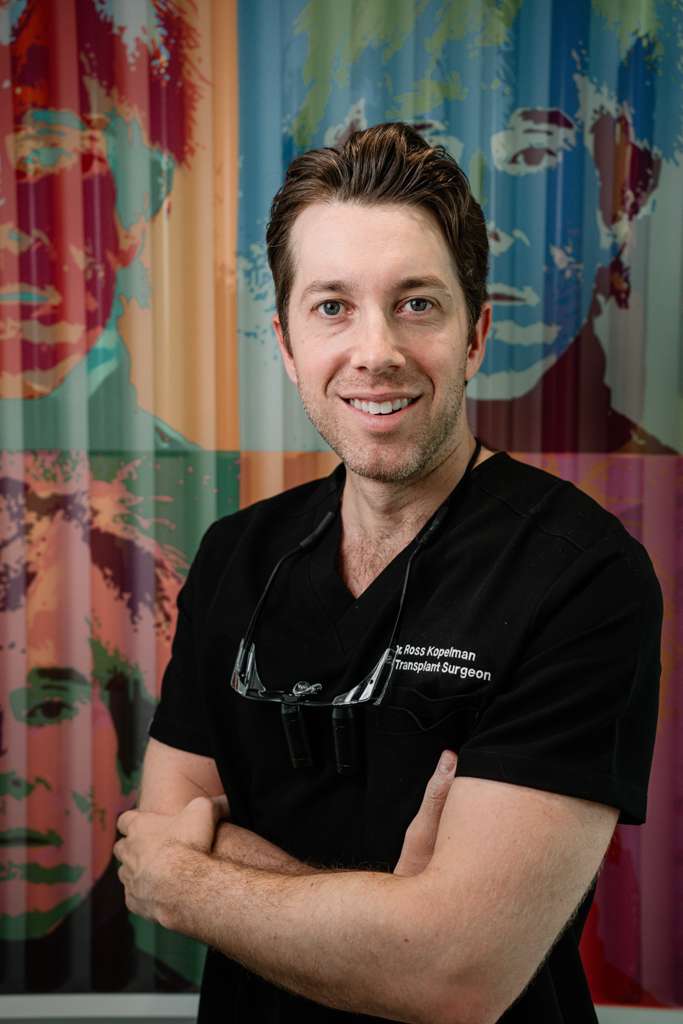
Dr. Kopelman often recommends spacing supplements 2 to 3 hours apart from medications to reduce potential interactions.
Ask Your Doctor About Supplement Plans
Health conditions, medications, and allergies can change which supplements are safe, so review your full routine with your provider.
At Kopelman Hair, our clinical team tailors each aftercare plan. Dr. Kopelman often reviews your full supplement list to avoid conflicts and support faster healing.
If you plan to donate blood or plasma, check with your provider and the donation center first, since each has its own waiting rules after injections.
For more detailed recovery steps, see our complete guide to PRP aftercare, including what to avoid in the days following your treatment.
Understanding PRP Treatment
What Is PRP and How It Works
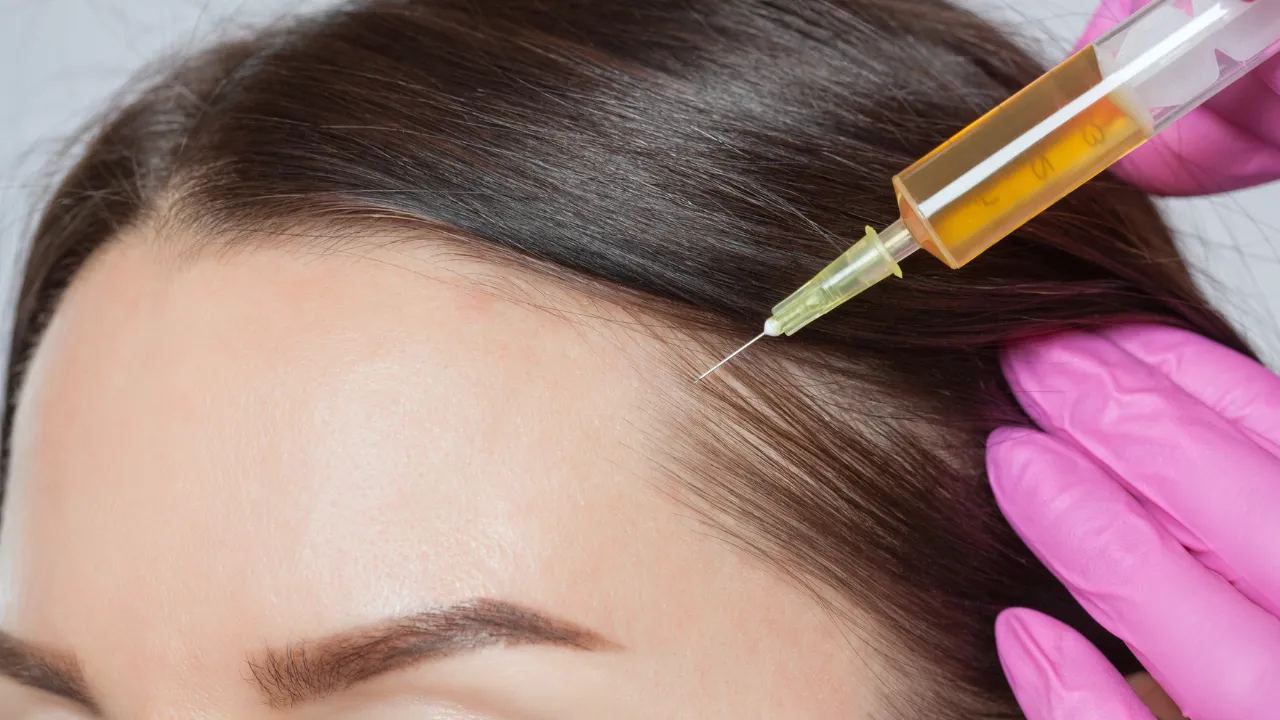
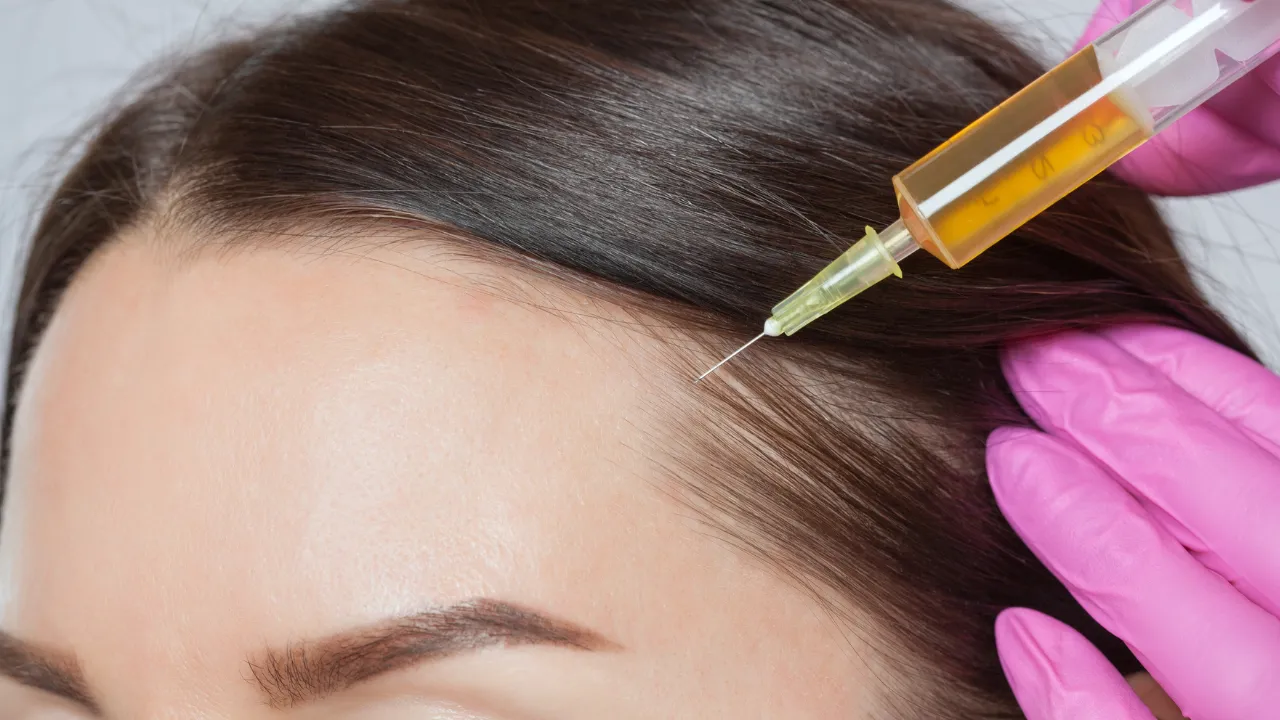
PRP (platelet-rich plasma) therapy uses a sample of your blood, processed to concentrate the platelets, which are then injected into targeted areas to promote tissue repair and stimulate hair growth.
This technique is commonly used for PRP for hair loss and orthopedic recovery. The injected platelets release growth factors that enhance healing and encourage cellular activity at the treatment site.
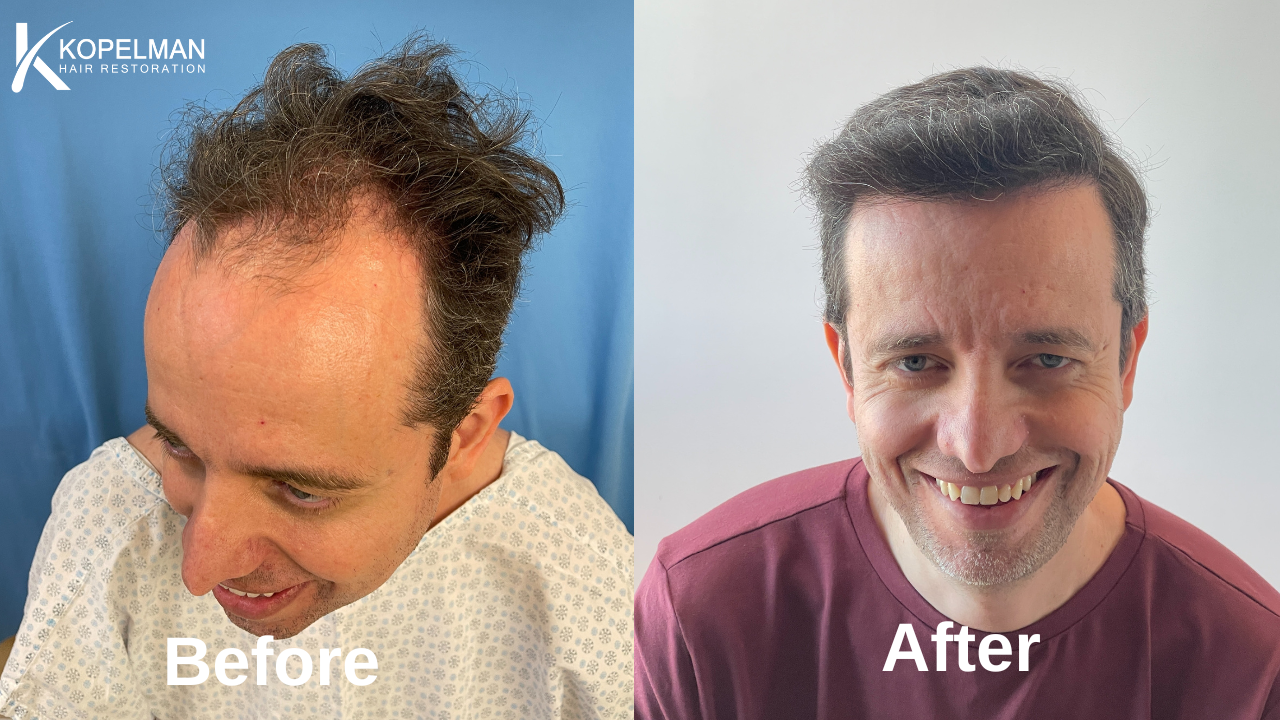
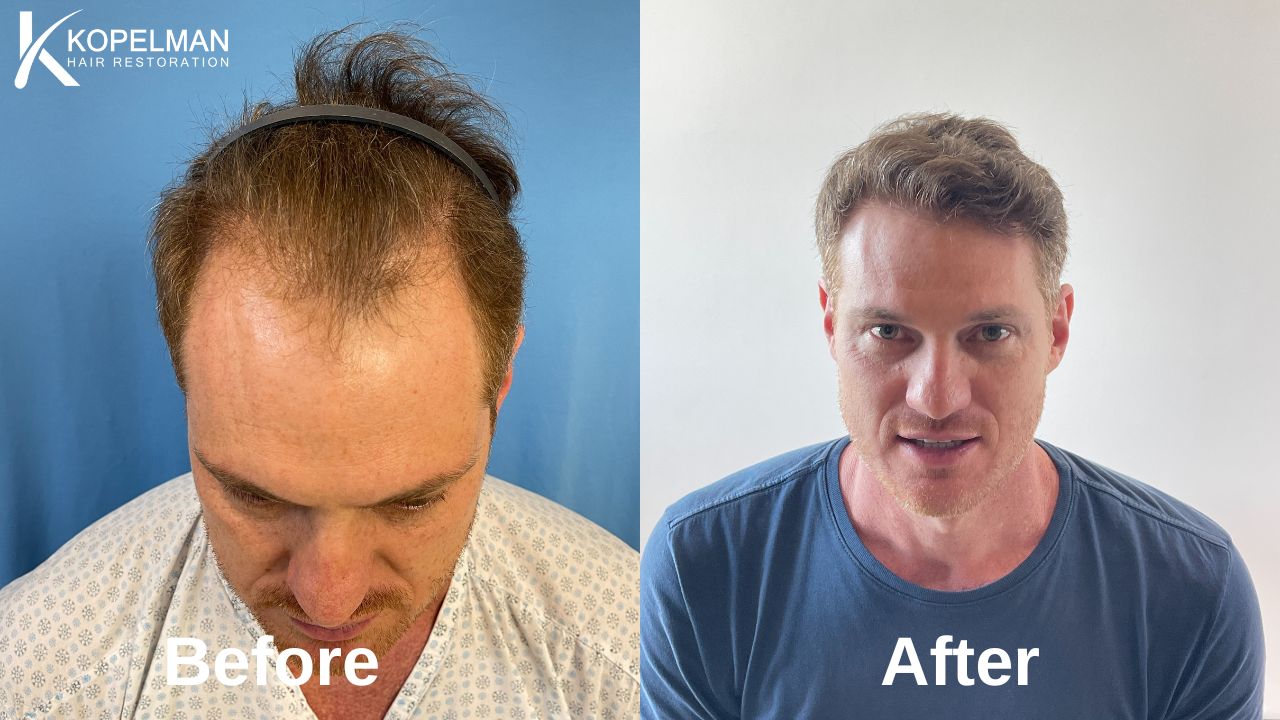
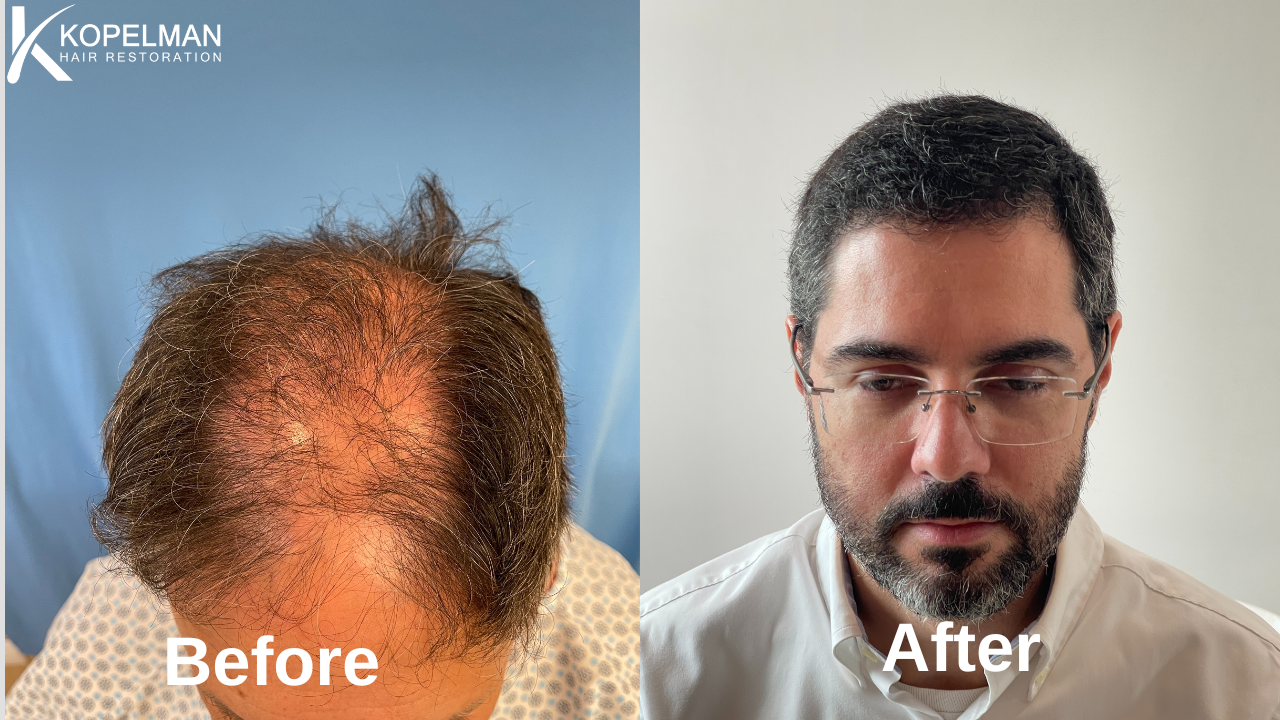
If you want to see real examples of the results PRP can achieve, visit this PRP before and after gallery.
Putting Supplement Timing Into Practice
At Kopelman Hair, Dr. Kopelman tailors each recovery plan to your health history and treatment plan. Schedule your personalized consultation now.
Frequently Asked Questions
What should I avoid after a PRP injection?
Avoid NSAIDs for at least 7 days, blood-thinning supplements (high-dose vitamin E, fish oil, garlic, ginkgo) for 3 to 5 days, alcohol for 72 hours, and heavy caffeine for the first 48 hours. Your aftercare sheet will also cover washing, exercise, and heat.
Can I take a multivitamin the same day as PRP?
Most providers advise waiting 48 to 72 hours. A standard multivitamin is low risk, but the wait lets soreness settle and keeps your aftercare simple.
Can I take Tylenol after PRP?
Acetaminophen is generally considered the safer pain reliever after PRP, but confirm with your doctor first. Avoid ibuprofen, naproxen, and full-dose aspirin for at least 7 days unless your provider says otherwise.

2 months ago


Lorem ipsum dolor sit amet, consectetur adipiscing elit. In malesuada mi eu magna porttitor, sit amet volutpat neque maximus. Fusce scelerisque enim non interdum mollis.
2 months ago
2 months ago
2 months ago